

Have a question about Lower Eyelid Blepharoplasty?
In this article
- What is normal in the first two weeks after lower eyelid blepharoplasty?
- How does the first two-week recovery timeline usually unfold?
- What symptoms mean you should contact a clinician urgently?
- What aftercare makes recovery easier and safer?
- When can you fly, go back to work, and resume normal life?
- How do you choose a safe surgeon and follow-up plan?
What to expect during lower eyelid blepharoplasty recovery in the first two weeks is usually swelling, bruising, tightness, watery or dry eyes, and a gradual return to normal daily activity by the end of week two. Recovery is often manageable, but the exact pace, travel timing, and safety advice should be set by the operating surgeon or a qualified clinician reviewing you in person, because lower eyelid surgery can affect eye comfort, lid position, and vision in the early days.
What is normal in the first two weeks after lower eyelid blepharoplasty?
Lower eyelid blepharoplasty is surgery on the under-eye area, usually to reduce puffiness, fat bulges, or loose skin. In the early recovery phase, the area often looks worse before it looks better. That is expected. Swelling peaks early, bruising can drift down into the cheeks, and the under-eye area may feel firm or tight when you smile or look up.
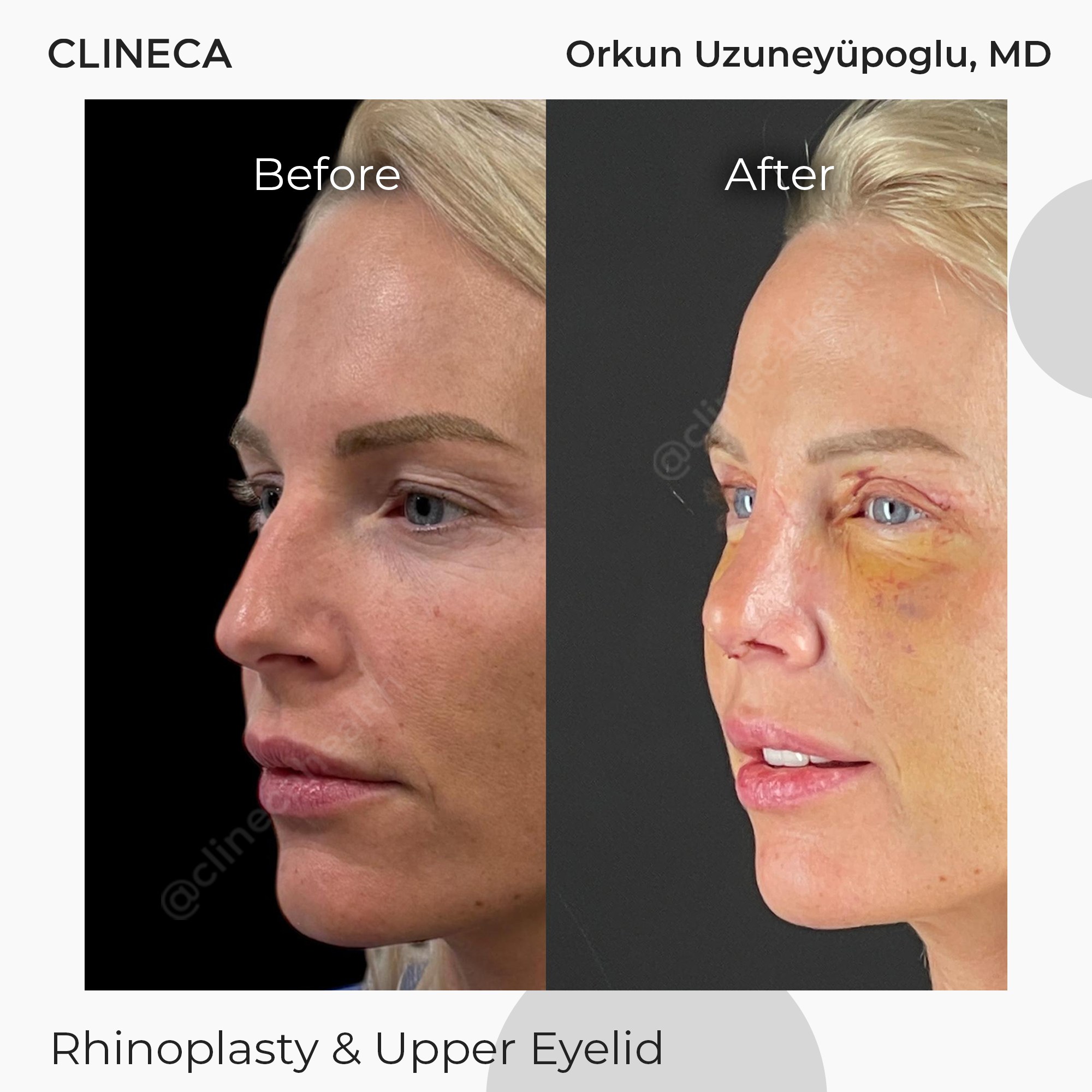
If your surgeon used an incision just below the lash line, the skin may feel tender and slightly crusty at first. If the approach was from inside the eyelid, called a transconjunctival approach, there may be less visible scarring on the skin, but you can still have swelling, irritation, and eye dryness. The exact pattern depends on the technique used, whether skin was removed, and whether fat was repositioned rather than simply removed.
According to the NHS guidance on cosmetic eyelid surgery, bruising and swelling are expected after blepharoplasty, and patients should also be aware of possible dry or sticky eyes while healing. The American Society of Plastic Surgeons, or ASPS, also notes that temporary blurred vision, sensitivity to light, watering, and puffiness can occur after eyelid surgery.
A common worry is symmetry. In the first two weeks, one side may look more swollen than the other. That does not automatically mean something is wrong. Small differences are common because each side heals at its own pace. What matters more is whether the swelling is gradually easing and whether pain, redness, and vision are stable rather than getting worse.
📋 Early appearance can be misleading Lower eyelid surgery rarely looks “finished” in the first two weeks. Puffiness, uneven swelling, and a pulled or tired look often settle with time.
In the first two weeks, most people see the most swelling and bruising in the first few days, then steady improvement through the second week. Tightness, numbness, blurred vision from ointment, tearing, dryness, and looking more “puffy” before you look better can all be normal early on.
How does the first two-week recovery timeline usually unfold?
A realistic timeline helps more than broad promises. Lower eyelid blepharoplasty recovery is not usually about being in heavy pain. It is more about managing swelling, protecting the eyes, and being patient with how the area looks.
During the first two or three days, you may feel puffy, tight, and tired. Your eyes can water more than usual, or feel dry and gritty at the same time. Ointment may blur your vision for a while. Sleeping with your head raised, using cold compresses exactly as advised, and avoiding bending or heavy lifting can help keep swelling under better control.

By days four to seven, bruising often becomes more obvious before it fades. Colours may shift from dark purple or blue to green or yellow. Swelling is still present, especially in the morning. Reading, screen time, and bright light may still feel uncomfortable if your eyes are dry.
In the second week, many people feel much more like themselves. Makeup may be possible once your surgeon says the incisions are ready, and some people return to desk-based work earlier than others. Even then, the under-eye area may still be swollen, slightly firm, or uneven. That is one reason surgeons usually judge early healing at follow-up, but not the final cosmetic result.
Typical week-by-week pattern
The broad pattern below is common, but your own surgeon’s plan matters more than any generic timeline. Travel, stitch removal, exercise, and contact lens use are all surgeon-specific decisions based on your exam, your vision, your lid position, and how the wounds are healing.
Most patients feel the first few days are the hardest, mainly because of swelling, bruising, and eye irritation rather than severe pain. By the second week, many are presentable for light social activity, but the under-eye area still usually looks and feels healing rather than final.
What symptoms mean you should contact a clinician urgently?
This is the part many short guides gloss over. Most swelling and bruising are normal. A fast change for the worse is not. If you develop sudden or worsening pain, new double vision, reduced vision, severe headache with eye symptoms, bleeding that does not settle, or one eye becoming much more swollen and tense than the other, contact your surgeon’s team urgently and seek in-person assessment.
The NHS advises patients considering cosmetic procedures to make sure they know who to contact if something goes wrong after treatment. That matters especially with eyelid surgery, because the area is close to the eye itself. ASPS also lists risks such as bleeding, infection, dry eyes, difficulty closing the eyes, and, rarely, vision problems.
The clinician reviewing you should ideally be the operating surgeon, or another appropriately qualified doctor or eye-experienced clinician working with that surgeon who can assess vision, eyelid closure, wound healing, and the eye surface itself. A simple photo message can be helpful for triage, but it is not enough if you have worsening pain, marked redness, discharge, or any visual change.
If you are travelling for surgery, ask before the operation exactly who reviews you in the first days, who is available after hours, and what happens if you need urgent care once you return home. That is not being difficult. It is part of safe planning.
🚨 Do not ignore vision symptoms Sudden blurred vision that is not just from ointment, loss of vision, new double vision, severe eye pain, or rapidly increasing one-sided swelling need urgent medical assessment.
⚠️ Photos do not replace an exam If the concern involves sight, severe pain, or spreading redness, in-person review is safer than relying only on text or photos.
- ✓Pain that is getting worse rather than better
- ✓Sudden change in vision or new double vision
- ✓Rapidly increasing swelling, especially on one side
- ✓Bleeding that keeps recurring or will not stop
- ✓Fever, pus-like discharge, or redness spreading around the eye
- ✓Trouble fully closing the eye if this is new or worsening
Worsening pain, sudden vision changes, one-sided swelling that rapidly increases, heavy bleeding, fever, or redness spreading around the eye need urgent medical advice. Serious complications after eyelid surgery are uncommon, but eye-related warning signs should never be brushed off or managed by messaging alone if vision is affected.
What aftercare makes recovery easier and safer?
The best aftercare is usually simple and consistent. Rest with your head elevated, use any prescribed lubricating drops or ointment exactly as directed, and keep the area clean without rubbing the eyes. If your surgeon recommends cold compresses, use them as instructed rather than improvising with very cold packs pressed directly onto the skin.
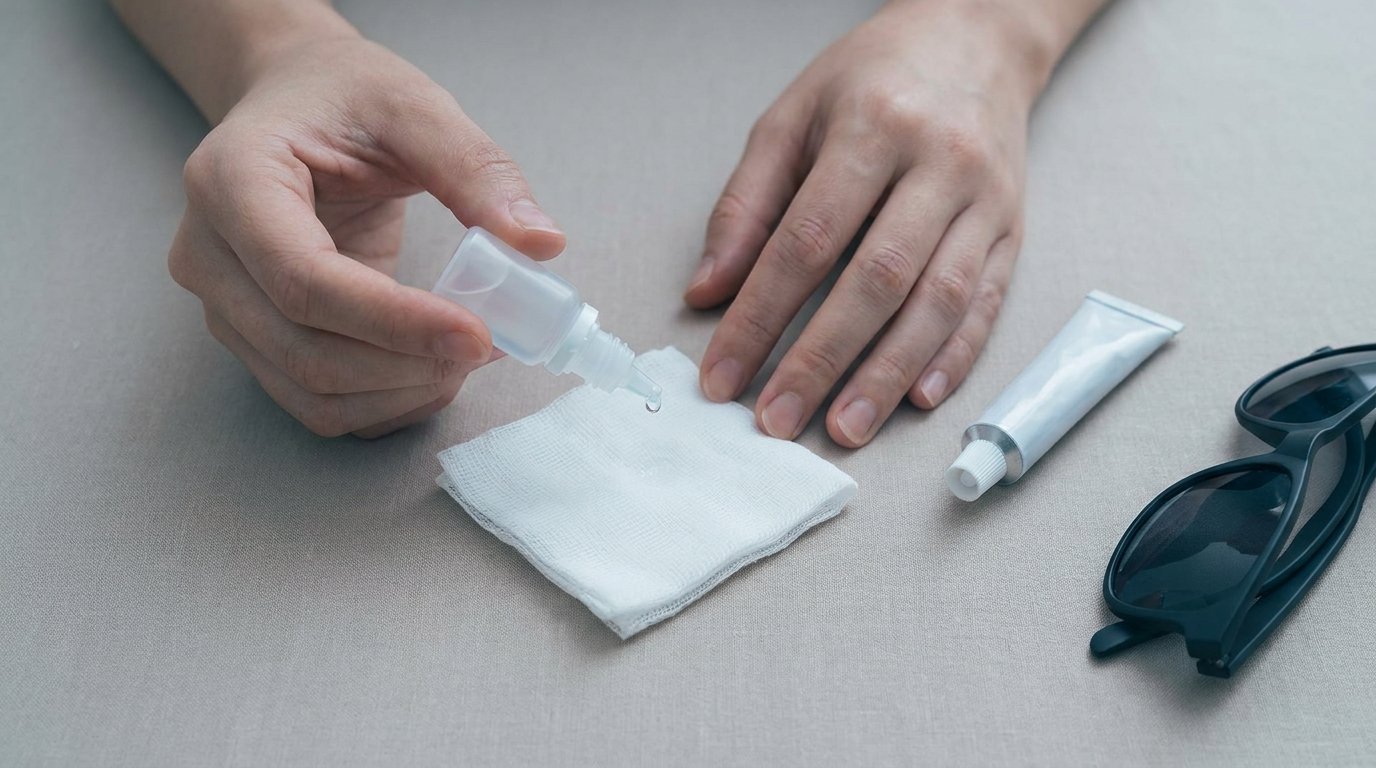
Eye comfort is often the limiting factor. Dryness, tearing, and light sensitivity can make you feel less recovered than the bruising suggests. Sunglasses outdoors, reduced screen time if your eyes feel strained, and regular lubrication can help. If you normally wear contact lenses, ask when you can restart them. That timing varies and should be based on your own healing.
You also need to protect the lower lid from downward pull while it is healing. That means avoiding heavy lifting, intense exercise, forceful nose blowing if your surgeon has told you not to, and anything that causes repeated straining in the first phase. Sleeping face down is also best avoided early on.
For background on the procedure itself, the clinic’s eyelid surgery page explains the treatment area, but your own written aftercare sheet matters more than any general page once surgery has been done.
Keeping a simple recovery note with your drops, symptoms, and photos can help you and your clinician spot whether healing is moving in the right direction.
Comparing your day-five appearance to someone else’s online photos often causes needless worry. Technique, skin type, and swelling patterns vary a lot.
The basics matter most: protect the eyes, reduce swelling, and follow the exact medication and wound-care plan you were given. Small choices in the first two weeks, such as head elevation, avoiding heavy exercise, and using drops correctly, often make a noticeable difference to comfort and healing.
When can you fly, go back to work, and resume normal life?
This is where generic advice can become misleading. Many patients assume that if they feel reasonably well, they are automatically fit to fly. Lower eyelid surgery is different from many other cosmetic procedures because eye comfort, lid closure, and visual symptoms matter. Travel timing should be set by the surgeon who has examined you after the operation, not by a broad internet rule.
For desk-based work, some people return within the second week, especially if bruising can be covered and eye comfort is acceptable. Others need longer because of swelling, dryness, or visible bruising. Jobs involving dust, heavy lifting, bending, or long hours on screens may feel harder than expected at first.
If you are planning surgery abroad, stay long enough for at least the early follow-up visits your surgeon recommends. Before booking return travel, ask who checks the wounds, whether stitches need removal, whether your vision and eye surface will be examined, and what signs would delay travel. A proper review should be clinical, not just administrative.
If you are still researching the treatment or planning a pre-operative discussion, a formal consultation request is more useful than relying on assumptions about recovery timing. You want advice based on your lid anatomy, existing dry-eye symptoms, medications, and the exact lower lid technique planned.
⚠️ Travel plans should be flexible Book with the possibility of changing plans if your surgeon wants to review you again or if swelling, wound healing, or vision symptoms need more time.
There is no safe one-size-fits-all travel or return-to-normal date after lower eyelid blepharoplasty. Some people are ready for desk work and short travel earlier than others, but flying, exercise, and full routine should be cleared by the surgeon after reviewing your eyes, wounds, and general recovery.
How do you choose a safe surgeon and follow-up plan?
Good lower eyelid surgery is not just about the operation. It is also about assessment before surgery and close review after it. The lower lid has a delicate balance. Skin tension, eye shape, dryness, and muscle support all affect recovery. That is why the surgeon should assess not only the cosmetic concern, but also your lid position, blinking, eye dryness, and any history of eye disease or previous surgery.
A strong follow-up plan includes named clinicians, not vague promises of “support.” Ask whether the operating surgeon performs the post-op checks, or whether another doctor does them. Ask what experience that clinician has with eyelid surgery recovery, what happens outside office hours, and how concerns are escalated if there is a vision issue.
Recognised medical bodies consistently stress informed consent and understanding risks before cosmetic procedures. In practice, that means your decision should be based on surgeon credentials, procedure-specific experience, and the quality of aftercare, not only on convenience or price structure. If you want to review the provider background, the clinic’s doctors page and about page can help you identify who is involved, but you should still ask direct questions in consultation.
What a quote usually includes
Because pricing is individual, the useful question is not “How much is it?” but “What is included?” A lower eyelid blepharoplasty quote is usually shaped by the surgeon’s experience, the complexity of your anatomy, whether skin removal or fat repositioning is planned, the type of anaesthesia, the hospital setting, medicines, garments or dressings if relevant, and the number of follow-up checks included. A personalised price is normally confirmed after consultation and assessment of your eyelids and general health.
The team can explain who examines you after surgery, how vision-related concerns are handled, and when you would be advised not to fly.
You are given a fixed recovery promise or travel date without any mention of surgeon review, eye symptoms, or individual healing.
Some under-eye concerns are better assessed for non-surgical options or for treatment at a later date, especially if dry-eye symptoms or lower-lid laxity are significant.
Choose a surgeon with specific experience in eyelid surgery and a follow-up pathway that is clear before you book. You should know who examines you after surgery, what qualifications they hold, how urgent problems are handled, and what support exists once you return home.
Frequently Asked Questions
References
- 📎NHS – Cosmetic procedures
- 📎ASPS – Cosmetic procedures
- 📎PubMed search – blepharoplasty recovery complications lower eyelid
- 📎PubMed search – lower eyelid blepharoplasty dry eye warning signs
Related Articles


You Might Also Like

Related articles

Our specialists
 Clineca SpecialistErkan PinegözPlastic & Reconstructive Surgery
 Clineca SpecialistHakan AktaşPlastic & Reconstructive Surgery
 Clineca SpecialistOrkun UzuneyüpoğluPlastic & Reconstructive Surgery
 Clineca SpecialistSalim İskenderPlastic & Reconstructive Surgery
 Clineca SpecialistEngin SelamioğluPlastic & Reconstructive Surgery
 Clineca SpecialistCem AydınPlastic & Reconstructive Surgery
 Clineca SpecialistAlperen ÖnalEar, Nose & Throat (ENT)