
Have a question about BBL?
In this article
- What actually separates a good BBL clinic from a slick website
- How to check a BBL surgeon’s credentials in Turkey
- The operating environment: hospital, anaesthesia and overnight care
- Questions to ask before you pay a deposit
- Reading reviews and before-and-after photos honestly
- What drives the cost at BBL clinics in Turkey
- If you are combining BBL with liposuction or a tummy tuck
- How long to stay in Turkey, and what the first weeks look like
- Aftercare once you fly home — and who answers the phone
Searching for BBL clinics in Turkey throws up hundreds of polished websites, identical before-and-after grids and coordinators who reply within minutes. The hard part is not finding a clinic — it is working out which of them operates to a standard you would accept at home. A Brazilian butt lift is also one of the few cosmetic operations where the technical detail of how fat is injected genuinely affects your safety, so the questions worth asking are more specific than people expect.
What actually separates a good BBL clinic from a slick website
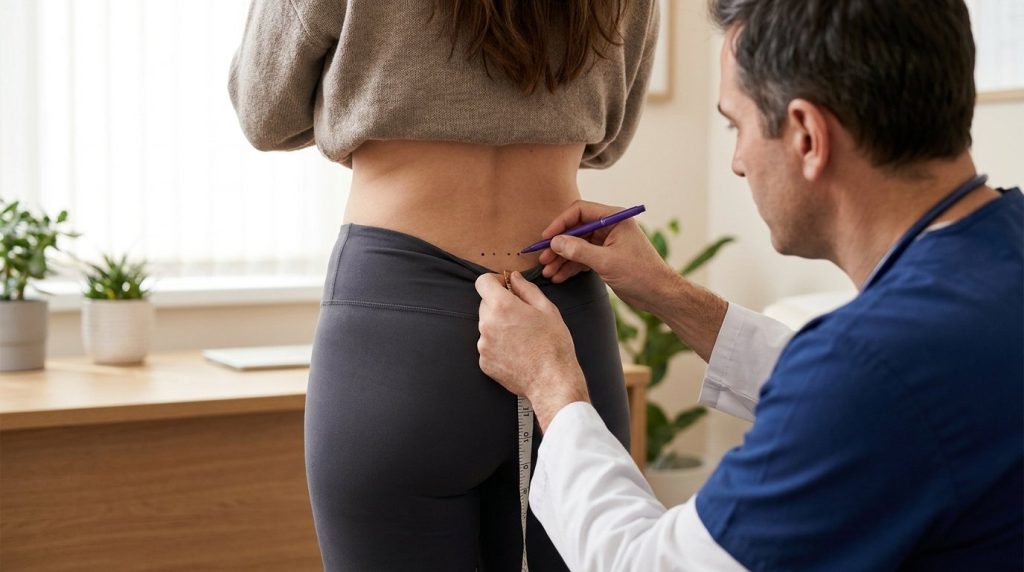
Marketing quality and surgical quality are unrelated. A clinic can run beautiful photography, a WhatsApp team that answers at midnight and a hotel package with airport pickup, while the surgery itself is done in a small day-case unit by a surgeon you meet for ten minutes on the morning of the operation.
The things that matter are less photogenic. Who holds the licence for the facility. Whether the operating theatre sits inside a licensed hospital with an intensive care unit on site, or in a standalone clinic that would need to transfer you if something went wrong. Whether a specialist anaesthetist stays with you for the whole case. Whether the surgeon who answers your questions is the one holding the cannula.
BBL raises the stakes because the known serious risk is specific: fat entering a large gluteal vein and travelling to the lungs. That complication is rare, but it is the reason the operation has been studied and debated more than most body-contouring procedures, and it is why the depth at which fat is placed is not a stylistic preference. A clinic that can explain its own approach to that question in plain language is already telling you something useful about how it works.
It also helps to separate the two halves of your decision. The surgeon decides your result and your risk. The clinic decides your comfort, your communication and your safety net. You need both to be acceptable, and a strong surgeon inside a weak facility is not a bargain.
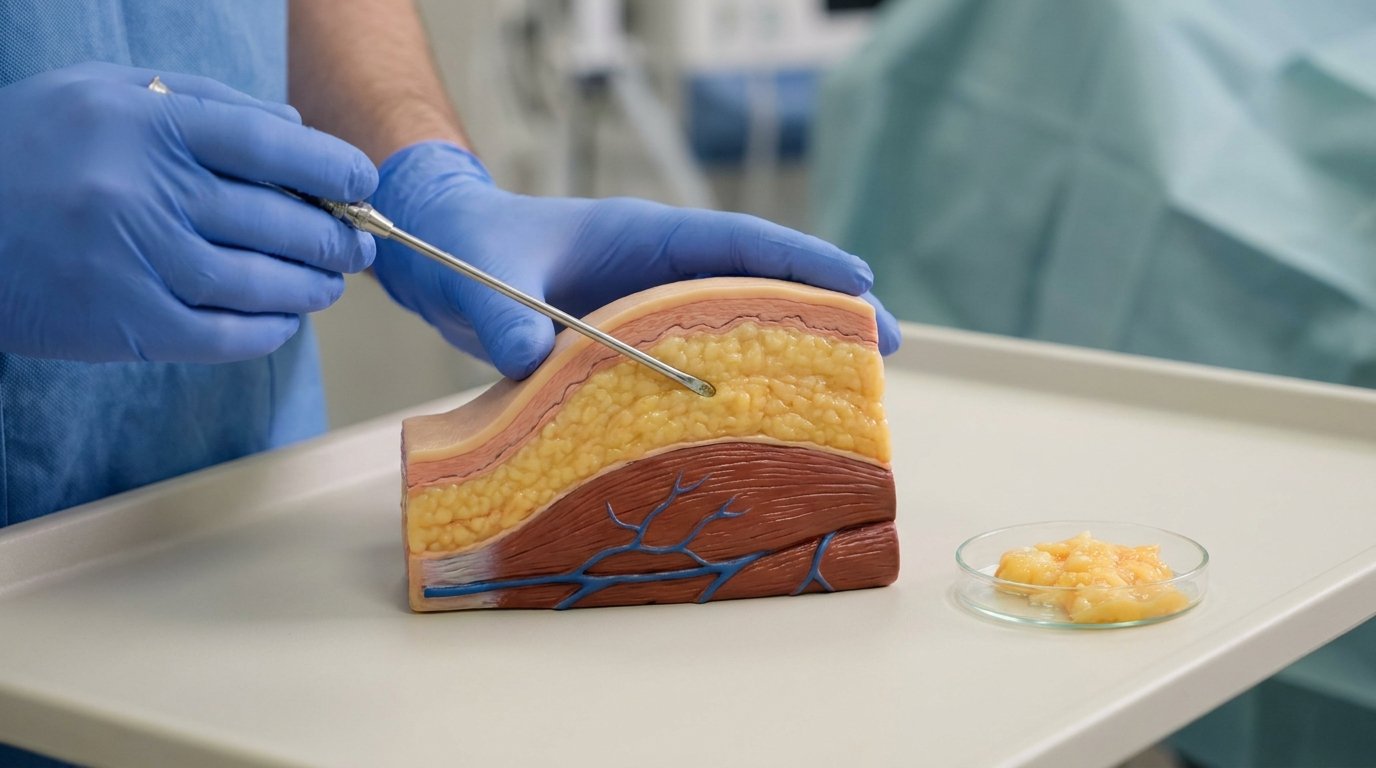
⚠️ The one technical question to ask Ask directly where the fat will be placed. The widely accepted safety principle is that fat is injected into the layer above the gluteal muscle rather than deep into it. If a clinic cannot answer this clearly, or treats the question as an inconvenience, that tells you enough.
How to check a BBL surgeon’s credentials in Turkey
In Turkey, plastic surgery is a recognised specialty with a full residency behind it, and qualified surgeons are registered with the Ministry of Health. The title to look for is specialist in plastic, reconstructive and aesthetic surgery. Some surgeons have additionally passed the European board examination run by EBOPRAS, which is a voluntary extra step and a reasonable positive signal, though its absence does not make a surgeon unqualified.
What you want is a name, not a clinic brand. Many patients discover only on arrival which surgeon is operating on them, because the agency or clinic assigns cases from a pool. Ask for the surgeon’s full name in writing before you pay anything, then search that name independently — in Turkish as well as English. You are looking for a consistent professional footprint: society memberships, published work or conference activity, a social media history that goes back years rather than months.
Volume and focus matter more than total experience
A surgeon who performs BBL and body contouring weekly will handle fat harvesting, processing and placement differently from one who does it occasionally between facial cases. Ask roughly how many gluteal fat transfers they do in a typical month and what proportion of their practice is body contouring. Ask also how many revisions they perform, and why patients come back — surgeons who do a lot of corrective work usually have the clearest explanation of what goes wrong and why.
Finally, ask who does the liposuction part. In a BBL the liposuction is not a side task; the smoothness of your waist, back and thighs comes from it, and the survival of the transferred fat depends partly on how gently it was harvested. The answer should be the same surgeon, not an assistant.
- ✓Named surgeon in writing: Confirmed before any deposit, not assigned on arrival.
- ✓Plastic surgery specialty registration: A full specialist qualification in plastic, reconstructive and aesthetic surgery.
- ✓Regular body-contouring practice: Gluteal fat transfer as a routine part of the week, not an occasional add-on.
- ✓The surgeon performs the liposuction: Harvesting is part of the result, not a delegated step.
- ✓A real consultation: Video or in-person contact with the surgeon before surgery day, where limits are discussed openly.
The operating environment: hospital, anaesthesia and overnight care
BBL is usually done under general anaesthesia and often lasts several hours, especially when liposuction covers the abdomen, flanks and back. That combination — long case, general anaesthesia, large treated surface — means the facility matters as much as the surgeon.
Ask where the operation physically happens and whether that building has an intensive care unit. Ask whether you stay overnight and how many nights. Ask who is on the floor at 3am. In a licensed hospital setting these answers are routine; in a smaller office-based unit they sometimes involve the phrase “we would transfer you”, which is worth hearing before you book rather than after.
Accreditation is a useful shortcut but not a complete one. Every legitimate Turkish hospital and clinic is licensed by the Ministry of Health, and some larger hospitals additionally hold Joint Commission International accreditation, which involves an external audit of safety processes. Neither tells you anything about your individual surgeon’s results, so treat accreditation as a floor rather than a recommendation. Our wider piece on whether plastic surgery in Turkey is safe goes further into how the system is regulated.
The pre-operative workup is the other tell. A clinic that takes BBL seriously will want blood tests, a clotting and anaemia check, an anaesthetic review and a clear account of your medications, smoking and any history of clots. Blood-thinning supplements and the contraceptive pill usually come up. If nobody asks you anything medical before surgery day, that is not efficiency.
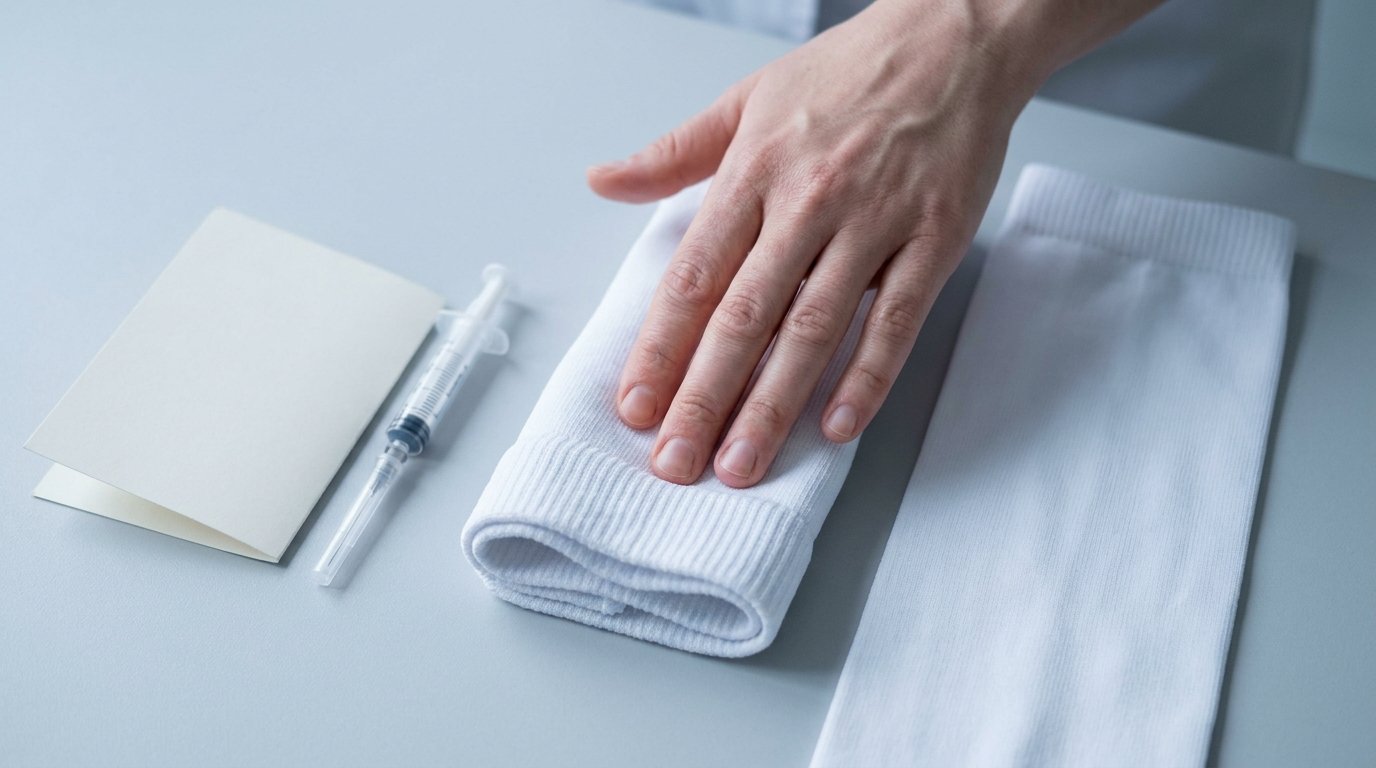
📋 Ask about clot prevention Long operations and air travel both raise the risk of blood clots. Reasonable clinics use compression stockings, early walking and sometimes blood-thinning injections, and will tell you which of these applies to you and for how long.
Questions to ask before you pay a deposit
Most patients ask about price and flight dates first, then discover the important questions too late. The exchange below is short, and the quality of the answers is more revealing than the answers themselves — vague, rushed or evasive replies are information.
- ✓Which surgeon will operate, and can I have a video consultation with them before I book?
- ✓Is the operation performed in a licensed hospital with intensive care on site, and how many nights do I stay?
- ✓Where will the fat be placed, and how do you avoid injecting into the muscle?
- ✓Which areas will be liposuctioned, and is there enough donor fat for the result I want?
- ✓What happens, and who pays, if I develop an infection, a fluid collection or an asymmetry that needs correction?
- ✓How long before I fly, and what is your written aftercare plan once I am home?
The revision question deserves a written answer. Fat transfer is partly unpredictable: a portion of the transferred fat is reabsorbed in the first months, and some patients want a touch-up. Clinics differ enormously in whether a revision is included, discounted or billed in full, and the honest ones say so plainly instead of promising that revisions never happen.
🚨 Pressure selling is a red flag Discounts that expire today, a package price that only holds if you transfer a deposit within hours, or a refusal to put the surgeon’s name in writing are all reasons to stop. Good clinics are busy enough not to need urgency tactics.
Reading reviews and before-and-after photos honestly
Photo galleries are the least reliable part of clinic research, because the clinic chooses what you see. Look for consistency rather than drama: the same lighting, the same angles, the same posture in both images, and results across a range of body types rather than five versions of the same slim, young patient.
The most useful photos are the ones that show your starting point. If you carry weight around your midsection, ask to see patients who looked like that beforehand. If you are slim with limited donor fat, the realistic result is different again, and an honest surgeon will tell you that volume expectations have to come down rather than promise the gallery look.
Reviews need the same scepticism in both directions. A wall of five-star ratings posted in the same week is worth less than a handful of detailed accounts written months after surgery, where people describe the swelling, the sitting restrictions and how communication went once they got home. Negative reviews about aftercare and reachability are particularly informative, because that is where travelling patients are most exposed.
It also helps to talk to someone who is six to twelve months post-op rather than six weeks. Early photos are flattering because swelling exaggerates volume. The result that counts is the one left after the fat has settled.
A named surgeon you meet before surgery day, a licensed hospital with overnight care, a surgeon who tells you what is not achievable, written aftercare, and a clear revision policy.
No surgeon name until arrival, no medical questions before booking, guaranteed results, time-limited discounts, and no plan for what happens if a complication appears after you fly home.
What drives the cost at BBL clinics in Turkey
Quotes vary widely between clinics for reasons that have little to do with marketing. The biggest single driver is how much liposuction the plan involves: harvesting fat from the abdomen alone is a shorter operation than a full circumferential treatment of the waist, back, flanks and inner thighs, and theatre time, anaesthesia time and the surgical team all scale with it.
The surgeon’s seniority and the facility type come next. Operating inside an accredited hospital with intensive care costs more than a small day-case unit, and that difference shows up in the price. Whether you stay overnight, how many nights, and whether a carer or translator is included all shift the figure too.
What a quote actually covers is where most misunderstandings start. Ask for the inclusions in writing and read the table below against your own quote. Our broader article on BBL in Turkey, including safety and recovery covers the same ground from the treatment side. A personalised price can only be confirmed after a consultation, because it depends on your donor areas, your goals and the operating time your plan needs.
📋 Compare plans, not headline numbers A cheaper quote for abdominal liposuction only is not comparable with a higher quote for 360-degree liposuction and an overnight hospital stay. Match the surgical plan first, then compare.
If you are combining BBL with liposuction or a tummy tuck
Every BBL already includes liposuction, since the fat has to come from somewhere. The real question is how much of your body that liposuction covers, and whether a tummy tuck joins the plan. Combining is common: about 54% of our BBL patients book at least one additional procedure in the same trip, most often more extensive liposuction or an abdominoplasty. For you that means the quote and the timeline you should be planning around are usually the combined ones, not the figures you see for a standalone BBL.
It also changes who you should be assessing. A surgeon comfortable with gluteal fat transfer is not automatically the right choice for a tummy tuck in the same session, and a long combined operation puts more weight on the anaesthetic team and the overnight facility. Ask how many hours the combined case takes and whether the clinic has a ceiling on operating time, because responsible clinics do.
Sequencing is worth understanding as well. A 2024 report in Aesthetic Plastic Surgery describing a series of more than 3,000 gluteal fat transfer operations noted that each case began with abdominal liposuction before fat was transferred to the buttocks and hips — the harvesting comes first, and the volume available for transfer depends on what that stage yields. If you have limited body fat, the honest conversation is about realistic volume rather than a bigger operation. Our article on having a tummy tuck and BBL together in Turkey goes into the trade-offs of that specific pairing.
⚠️ More procedures is not automatically better value Longer operations carry more risk of blood loss, clots and fluid shifts. If a clinic keeps adding procedures to your plan without reducing anything, ask why — and ask what the total operating time will be.
How long to stay in Turkey, and what the first weeks look like
Most patients plan around ten days in Turkey for a BBL, with the surgery early in the trip so there is time for a wound check and at least one follow-up before flying. If a tummy tuck or extensive liposuction is part of the plan, the stay is set by the larger procedure and usually runs longer.
The awkward part of BBL recovery is not pain — it is logistics. Direct pressure on the buttocks is restricted in the early weeks while the transferred fat establishes its blood supply, so you sit on a cushion that offloads the area, or not at all. Sleeping is on your front or side. Walking is encouraged early and often, partly for circulation and partly because it is one of the few comfortable positions available.
Flying needs a frank conversation with your surgeon rather than a fixed rule. The seat itself is the issue, along with the clot risk of a long flight after a long operation, and most surgeons want you walking easily and cleared at a follow-up before you travel. Our week-by-week BBL recovery guide sets out the stage-by-stage picture in more detail.
Aftercare once you fly home — and who answers the phone
The weakest link in medical travel is usually the month after you land. Ask, before booking, exactly how follow-up works remotely: who you contact, how fast they reply, whether the surgeon personally reviews photos, and what the clinic does if you develop a problem that needs hands-on care in your own country.
A reasonable plan includes written instructions you can show a local doctor or nurse, a named contact for messages, a schedule for photo reviews over the first months, and a clear statement of which complications the clinic will manage remotely versus which require you to be seen in person. It is also sensible to arrange a local GP or private clinic for dressing changes and garment advice before you travel, so you are not improvising.
Know the symptoms that mean urgent local care rather than a WhatsApp message: breathlessness or chest pain, calf pain and swelling, a spreading red area with fever, or an area of skin that darkens and breaks down. These are uncommon, but they are time-sensitive, and the right response is the nearest emergency department — not waiting for a reply from abroad.
Finally, be patient with the result. Some of the transferred fat is reabsorbed over the first months, and the shape you see at two weeks is swelling rather than outcome. Judging the result, and any conversation about revision, belongs at six months and beyond.
This article is for informational purposes only and does not constitute medical advice. Always consult a qualified surgeon for personalised guidance.
- →Written aftercare instructions in a language your local doctor can read
- →A named contact and realistic response times once you are home
- →Scheduled photo reviews over the first three to six months
- →A stated policy on who manages complications, and where
Frequently Asked Questions
References
- 📎Brazilian Butt Lift: An Experience Over 3000 Patients — Aesthetic Plastic Surgery, 2024
- 📎NHS — Cosmetic procedures
- 📎EBOPRAS — European Board of Plastic Reconstructive and Aesthetic Surgery
Related Articles


You Might Also Like



Related articles

Our specialists
 Clineca SpecialistErkan PinegözPlastic & Reconstructive Surgery
 Clineca SpecialistHakan AktaşPlastic & Reconstructive Surgery
 Clineca SpecialistOrkun UzuneyüpoğluPlastic & Reconstructive Surgery
 Clineca SpecialistSalim İskenderPlastic & Reconstructive Surgery
 Clineca SpecialistEngin SelamioğluPlastic & Reconstructive Surgery
 Clineca SpecialistCem AydınPlastic & Reconstructive Surgery
 Clineca SpecialistAlperen ÖnalEar, Nose & Throat (ENT)