
Have a question about Buttock Lift?
In this article
- How long does it take to recover from a buttock lift after major weight loss?
- What affects recovery time the most?
- What is the week-by-week recovery timeline?
- How long do you need to stay in Turkey after surgery?
- What does recovery cost include, and what makes it more expensive?
- Is a buttock lift after major weight loss safe?
- How do you make recovery easier and choose the right clinic?
If you are asking how long does it take to recover from a buttock lift after major weight loss, the short answer is that basic recovery usually takes several weeks, while swelling, scar settling, and the final result take a few months. Most people can walk gently quite early, but sitting, exercise, travel plans, and return to normal comfort all need a slower, staged approach based on how much skin was removed and whether other body contouring surgery was done at the same time.
How long does it take to recover from a buttock lift after major weight loss?
A buttock lift after major weight loss is usually not the same as a Brazilian butt lift, often shortened to BBL. A BBL usually means fat transfer to add volume, while a post-weight-loss buttock lift mainly removes loose skin and lifts sagging tissue. Some patients also ask about implants or “ass implants,” but that is a different procedure again. Recovery advice changes depending on which operation you actually had, so it is worth being clear about the name of your surgery.
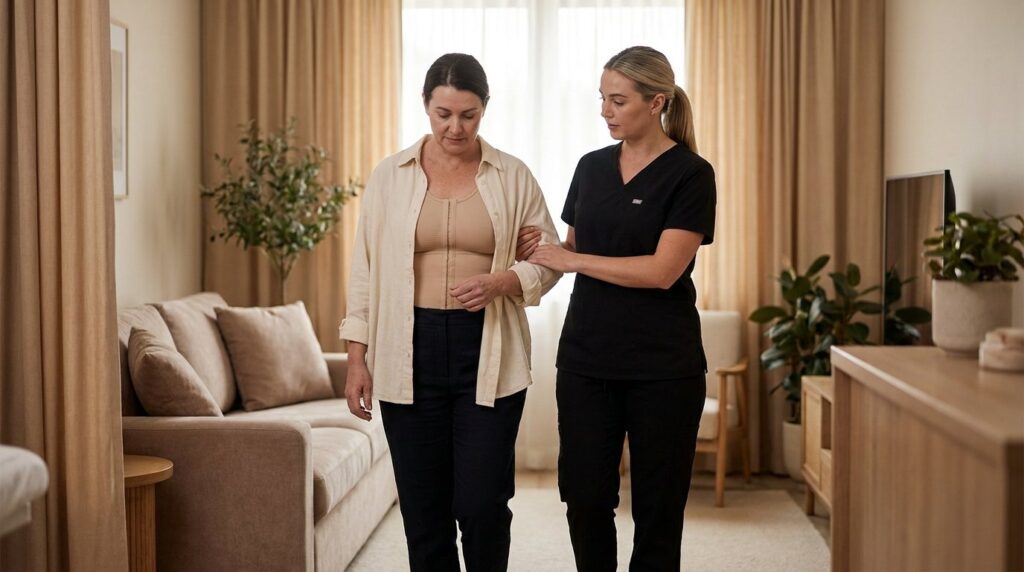
For a skin lift after major weight loss, the first part of recovery is about wound healing, swelling control, and protecting the incision lines. In many cases, people feel tired and tight rather than simply sore. Standing fully upright can take time, and moving carefully matters because the skin has been tightened.
A practical timeline often looks like this: in the first days, walking is light and slow; in the first couple of weeks, you focus on rest, short walks, garments, and wound care; after that, day-to-day comfort usually improves steadily. More demanding activity, long sitting, gym sessions, and the point where everything feels “normal” come later.
If your surgery was part of a wider body contouring plan, such as a body lift after weight loss or combined with abdominoplasty, recovery is usually longer and less predictable than an isolated buttock lift. That is one reason online timelines can feel confusing: many people are not comparing the same operation.
📋 Recovery is often slower after major weight loss Skin quality, nutrition, prior weight changes, and combined surgery can all make healing slower than a standard cosmetic lift.
After a buttock lift following major weight loss, most patients need a few weeks for early recovery and several months for full healing and scar settling. The exact timeline depends on the size of the lift, wound healing, whether it was combined with other procedures, and how carefully you follow aftercare instructions.
What affects recovery time the most?
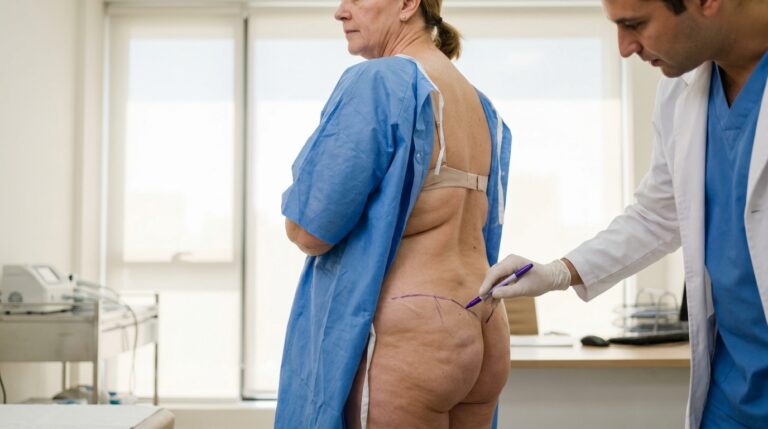
The biggest recovery driver is the extent of surgery. A limited lift with shorter incisions is different from a more extensive lower body reshaping procedure after major weight loss. Longer incisions usually mean more swelling, more tension on the skin, and a greater need for careful movement in the early phase.
The second major factor is whether the operation was combined with something else. It is common after large weight loss for procedures to be staged or paired. If the buttock lift is done alongside tummy tuck surgery, arm lift surgery, or a lower body lift, your body has more healing work to do. That usually means more fatigue and more restrictions.
Your own health matters just as much as the operation itself. The NHS and ASPS both stress that smoking raises the risk of wound problems after cosmetic surgery, and this is especially relevant in skin-removal procedures where blood supply to the healing edges matters. Good protein intake, stable weight, and control of conditions such as diabetes can make recovery smoother.
Finally, there is the issue of expectations. Patients who recover best are often the ones who plan for a real downtime period instead of hoping to “bounce back” quickly. This is not usually a one-week recovery, and trying to rush work, flights, or exercise can set you back.
- ✓How much loose skin and tissue needed to be removed
- ✓Whether the buttock lift was done alone or as part of a body lift
- ✓Your nutrition, weight stability, and general health
- ✓Smoking status and any history of slow wound healing
- ✓How closely you follow garment, movement, and wound-care advice
The main factors are how much loose skin was removed, where the incisions are, whether drains were used, and whether you had other surgery at the same time. Nutrition, smoking, diabetes, and wound-healing history also matter because they directly affect skin recovery and scar quality.
What is the week-by-week recovery timeline?
The first week is usually the hardest. You may feel tight, swollen, and more tired than expected. Getting in and out of bed, using the bathroom, and changing position can all feel awkward at first. If drains are used, they can be inconvenient but are a normal part of care for some patients.
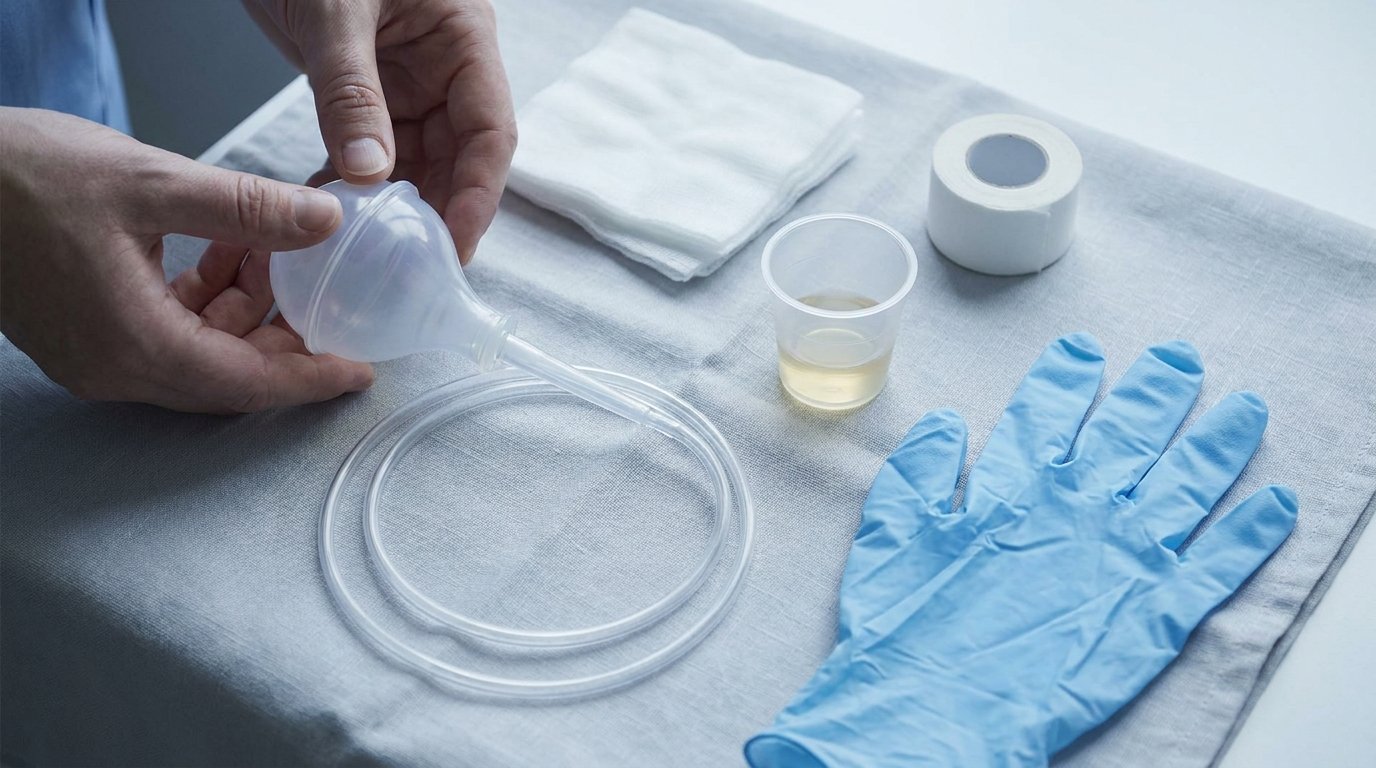
During the next couple of weeks, many people notice clear progress, but it is rarely a straight line. One day can feel much better, then the next feels sore or swollen again. That does not always mean something is wrong. Healing tends to come in stages.
By several weeks after surgery, many patients are more comfortable walking and managing basic routines. Even then, sitting for long periods, gym sessions, lifting, and travel days can still be tiring. If your work is desk-based, the issue is often not just pain but pressure, posture, and swelling.
When do scars and shape settle?
The lifted shape appears early, but it is not the final result. Swelling can make the area look uneven or firmer than expected at first. Scar lines are also more noticeable in the early months and usually soften over time.
The Mayo Clinic notes that surgical recovery often continues well beyond the point when a patient feels back to normal in daily life. That is a useful way to think about this procedure too. Functional recovery comes first; refined results come later.
In the first week, the focus is rest, short walks, and incision care. Over the next few weeks, mobility usually improves, but swelling and tightness remain. By the following months, scars and shape continue to settle. Feeling better and being fully healed are not the same thing.
How long do you need to stay in Turkey after surgery?
For health-tourism patients, travel planning matters almost as much as the operation itself. A buttock lift after major weight loss is not ideal for a rushed in-and-out trip. You need enough time for your surgeon to check the wounds, manage drains if used, and make sure you are moving safely before you fly.
If you are combining procedures, build in more recovery time rather than less. That is particularly true if you are having a buttock lift procedure as part of more extensive contouring. Booking extra hotel nights can feel inconvenient, but changing flights because of swelling, drainage, or slow healing is usually more stressful.
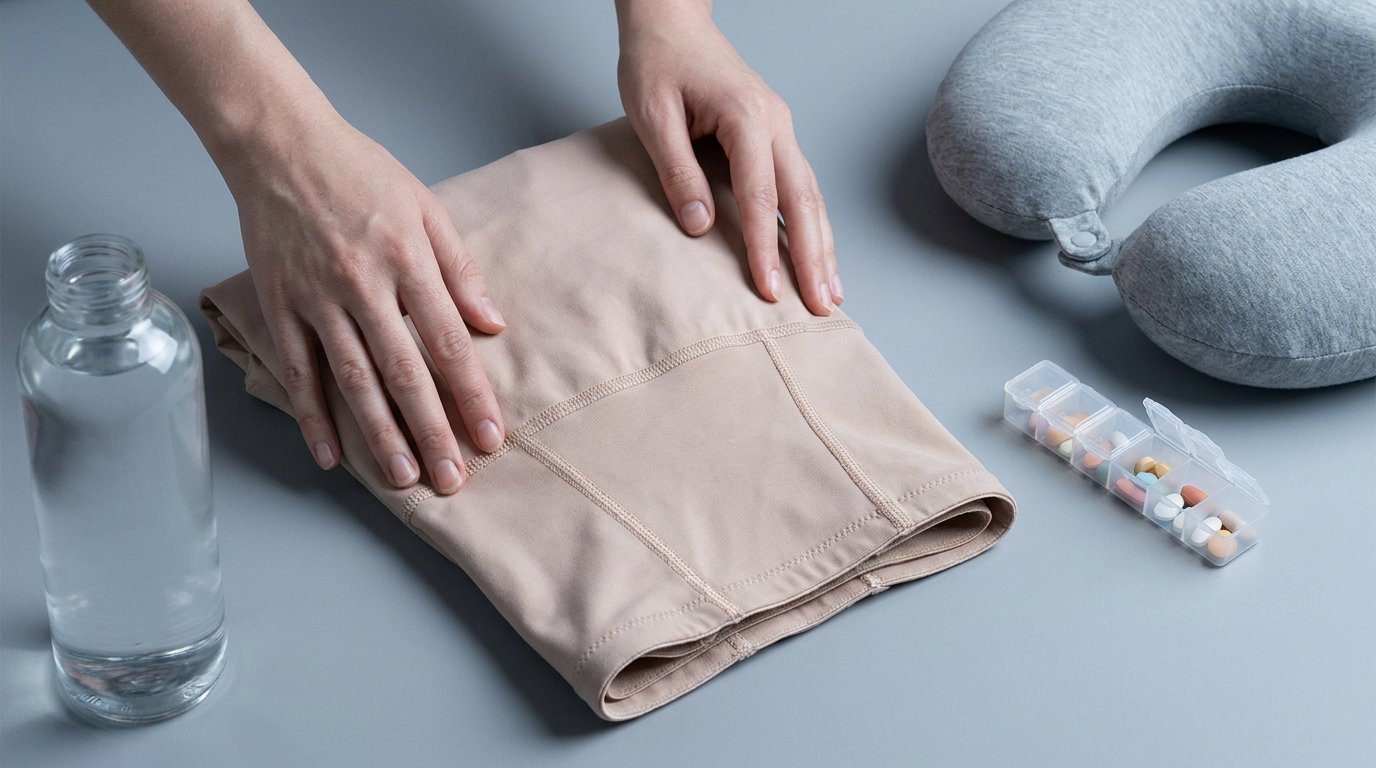
Air travel also means long periods of sitting and reduced movement, which can be uncomfortable after surgery. Your team may advise compression garments, walking breaks, hydration, and a specific plan for the journey home. Ask these questions before booking, not after.
Because demand for body contouring tends to rise around holiday periods and after summer weight-loss cycles, it is sensible to book consultations and travel dates ahead if you want a specific surgeon or season.
⚠️ Do not plan your return flight too tightly If you need wound checks, drain removal, or extra rest, a rigid flight schedule can create unnecessary pressure and may not be in your best interest.
Most international patients should plan to stay long enough for early monitoring, dressing changes, and at least one in-person follow-up before flying home. The exact stay depends on how extensive the buttock lift was, whether drains are in place, and whether any wound concerns need extra checks.
What does recovery cost include, and what makes it more expensive?
The first thing to know about buttock lift pricing is that these are not always the same operation. A skin-removal buttock lift after major weight loss, a fat-transfer bbl surgery, and buttock implants are priced differently because they involve different surgical steps, risks, and operating time.
For a post-weight-loss lift, the cost usually reflects how much skin needs to be removed, whether the lift is part of a full body contouring plan, the hospital setting, the anaesthesia team, compression garments, medications, and follow-up care. Travel-related costs also matter if you are coming from abroad, especially if you need a longer stay.
Ask what is and is not included. A clear quote should explain the clinical side and the practical side. That includes consultations, tests if needed, garments, transfers if offered, hotel arrangements if offered, and what happens if you need extra wound care before going home.
A low quote can look attractive, but it is only useful if you understand the full package and the aftercare plan. Recovery support is part of value, not an optional extra.
A buttock lift quote is shaped by surgical complexity, hospital fees, anaesthesia, garments, aftercare, and whether you need combined procedures. For international patients, recovery-related costs also include accommodation, transport, and time away from work. A personalised quote is normally confirmed after consultation and review of your case.
Is a buttock lift after major weight loss safe?
When people ask is Brazilian butt lift safe, they are often thinking about fat-transfer BBL procedures. That operation has its own safety concerns and should not be confused with a post-weight-loss buttock lift. A skin lift after major weight loss brings a different risk profile, with wound breakdown, fluid build-up, infection, delayed healing, and more visible scarring among the main concerns.
The NHS advises that anyone considering cosmetic surgery should check the qualifications of the surgeon and make sure they understand the risks, recovery, and likely scars. That advice is especially important here because long incision lines and tension on the skin are part of the procedure, not unusual exceptions.
A safe plan starts before surgery. Your surgeon should ask about weight stability, nutrition, smoking, past scars, medications, and any history of healing problems. If these questions are skipped, that is a concern. The same goes for promises that recovery will be quick or easy.
If you are comparing options, it may also help to read about related procedures such as BBL surgery options or buttock augmentation with implants, because the best procedure depends on whether your main problem is loose skin, lost volume, or both.
🚨 Smoking raises wound-healing risk Smoking and nicotine use can reduce blood flow to healing tissue. In skin-removal surgery, that can increase the chance of delayed healing and poor scars.
The team asks detailed questions about your weight history, smoking, medical conditions, and recovery support before accepting you for surgery.
You are given a fast quote and travel plan with little discussion of scars, wound risks, or how long you should stay after surgery.
If your main concern is flatness rather than loose skin, your surgeon may discuss fat transfer or implants instead of, or alongside, a lift.
It can be safe in well-selected patients, but it is still major surgery with real risks, especially for wound healing. Safety depends on your health, the surgeon’s experience, the hospital setting, and whether your weight has been stable. Honest screening matters more than quick booking.
How do you make recovery easier and choose the right clinic?
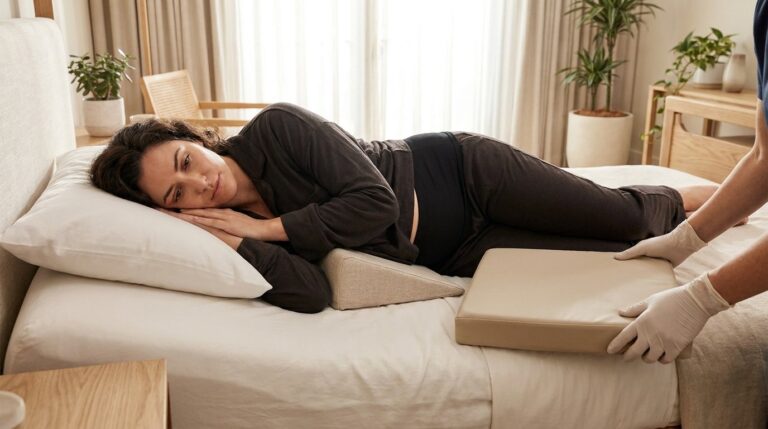
The best recovery tip is simple: prepare for a slower, more practical recovery than social media suggests. Set up help for the first days, make your room easy to move around in, and plan loose clothing, pillows, medications, and simple meals in advance. Small practical steps make a big difference when movement feels stiff.
Choosing the right clinic is just as important. Look for clear surgeon information, a proper consultation process, realistic discussion of scars, and a plan for follow-up while you are still in Turkey. You should be able to review the clinic background, the medical team, and how to arrange a consultation before making travel commitments. Pages such as the clinic about us, doctor profiles, and consultation page should help you answer those basics.
Be careful with advice that promises to lift your buttocks at home in a week. Exercise can strengthen the glute muscles, and that may improve shape a little, but it does not remove large amounts of loose skin after major weight loss. If skin excess is the main problem, surgery is the treatment that addresses it directly.
Lastly, plan your timing well. If your weight is still changing, it may be better to wait until it is stable. A good result is easier to maintain when the body is no longer moving up and down significantly.
Frequently Asked Questions
References
- 📎NHS: Cosmetic procedures
- 📎ASPS: Cosmetic procedures
- 📎Mayo Clinic: Tests and procedures
- 📎PubMed search: body contouring after massive weight loss wound healing
Related Articles
You Might Also Like

Related articles
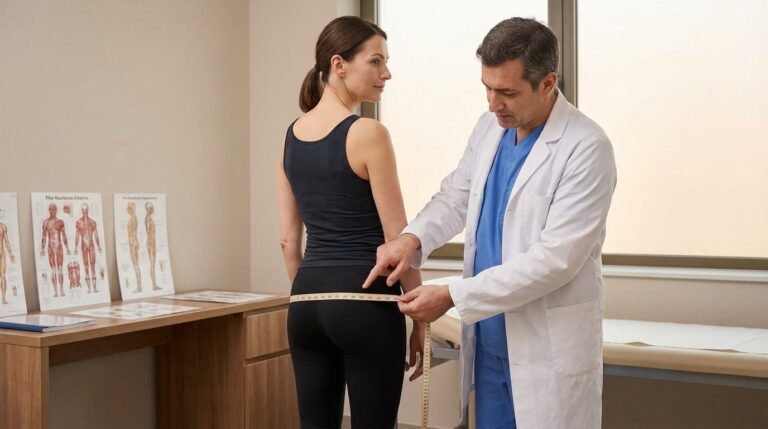
Our specialists
 Clineca SpecialistErkan PinegözPlastic & Reconstructive Surgery
 Clineca SpecialistHakan AktaşPlastic & Reconstructive Surgery
 Clineca SpecialistOrkun UzuneyüpoğluPlastic & Reconstructive Surgery
 Clineca SpecialistSalim İskenderPlastic & Reconstructive Surgery
 Clineca SpecialistEngin SelamioğluPlastic & Reconstructive Surgery
 Clineca SpecialistCem AydınPlastic & Reconstructive Surgery
 Clineca SpecialistAlperen ÖnalEar, Nose & Throat (ENT)