Have a question about Butt Augmentation with Implants?
In this article
- Does low body fat make butt implants riskier?
- Who is a reasonable candidate when you are naturally slim?
- What are the main safety risks for low-body-fat patients?
- How long is recovery, and what is different if you are lean?
- Are implants safer or better than a BBL if you have little fat?
- What affects the cost and what should a quote include?
- How do you choose a safer clinic and surgeon in Turkey?
Yes, butt augmentation with implants can be safe for some people with low body fat, but it is not automatically the best or lowest-risk choice. If you are asking is butt augmentation with implants safe for people with low body fat, the honest answer is that safety depends heavily on skin thickness, muscle shape, implant size, surgical technique, and whether your expectations match what your anatomy can support; recovery is usually measured in weeks, not days, and the quote depends on the surgeon, hospital, implant choice, and aftercare rather than a one-size-fits-all price.
Does low body fat make butt implants riskier?
Low body fat changes the risk profile more than many patients expect. The main issue is not simply weight. It is how much soft tissue sits over the buttock muscles, how elastic the skin is, and how much natural projection the pelvis and muscle already provide. A very slim patient may still be a good candidate if the tissues are strong and the implant plan is realistic. Another slim patient may be a poor candidate because the implant would sit under thin cover and be easier to detect.
For gluteal implants, the pocket is typically created within the gluteus maximus muscle or in a carefully selected plane based on the surgeon’s method and the patient’s anatomy. The older, vague idea of placing an implant “into or under the muscle area” is not precise enough, because the exact pocket matters for both appearance and safety. Intramuscular placement is commonly discussed in the literature because it aims to give better soft-tissue coverage than more superficial placement. In a low-body-fat patient, that coverage becomes especially important.
The American Society of Plastic Surgeons notes that buttock augmentation with implants may be considered when a patient does not have enough body fat for fat transfer. That is often why very lean patients start looking at implants rather than a Brazilian butt lift with fat transfer. Still, “possible” does not mean “ideal.” A slim frame leaves less room to hide contour irregularities, and it may restrict how much volume can be added without making the result look or feel unnatural.
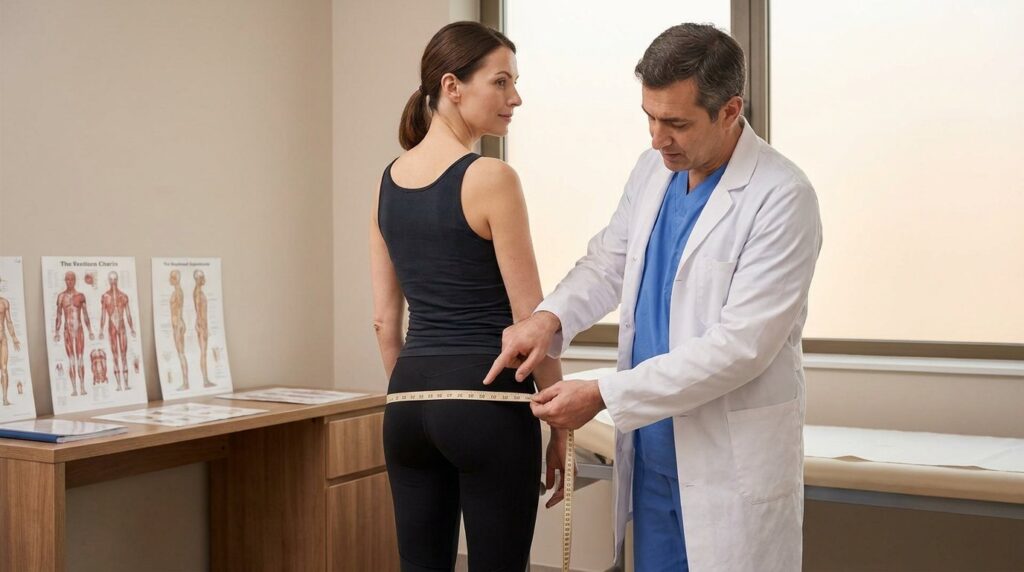
A good consultation should include a frank discussion about what low body fat means in your case: visible implant edges, palpability when sitting or lying down, asymmetry becoming more noticeable, and a narrower safe range of implant sizes. If that discussion feels rushed or overly reassuring, that is a concern rather than a comfort.
⚠️ Low body fat is not the same as a good implant candidate People often hear that implants are for patients without enough fat for transfer. That is only partly true. Thin tissues can make the operation technically more demanding and the result less forgiving.
Stable weight, healthy skin quality, realistic size goals, and enough tissue and muscle shape to cover the implant.
Very thin soft-tissue cover, major asymmetry, pressure to choose a large implant, smoking, or a plan that ignores recovery limits.
Low body fat does not rule out butt implants, but it does reduce the soft-tissue cover over the implant. That can make edges easier to feel or see, increase pressure on the incision, and limit implant size choices. In practice, slim patients need more careful planning and more conservative expectations.
Who is a reasonable candidate when you are naturally slim?
The best candidates are usually people who have tried to improve shape with exercise, have little spare fat for transfer, and want more projection rather than a dramatic increase in width. Surgeons also look at skin laxity, pelvic shape, scar position, and whether the central crease between the buttocks can heal without too much tension.
This is also where expectations matter. With low body fat, it may not be safe or realistic to chase a very round, high-volume look. A smaller implant that respects the limits of your tissue may look better and age better than an oversized implant that strains the closure and becomes obvious over time.
If you are considering treatment abroad, ask who would assess your candidacy and whether the operating surgeon is listed clearly. You should be able to review the surgeon profile on a page such as the doctors page and understand where your consultation fits into the process on the consultation page. Clear identity, training, and hospital details are basic trust signals, not extras.
- ✓You are close to your usual weight and not planning major weight loss soon.
- ✓You do not have enough donor fat for fat transfer or prefer not to rely on fat survival.
- ✓Your goal is balanced shape and projection, not the biggest possible size.
- ✓You can follow strict sitting, sleeping, wound-care, and travel advice during recovery.
A slim patient may be a reasonable candidate if they are healthy, weight-stable, do not smoke, understand the trade-offs, and have enough tissue and muscle shape to support an implant. The safest plan is usually the most conservative one, not the largest change possible.
What are the main safety risks for low-body-fat patients?
Every operation has general surgical risks, but butt implants have a few issues that matter more when tissue cover is thin. One is wound tension. The incision is usually placed in the crease between the buttocks, an area exposed to moisture, movement, and pressure. If the implant is relatively large for the anatomy, the closure may be under more strain.
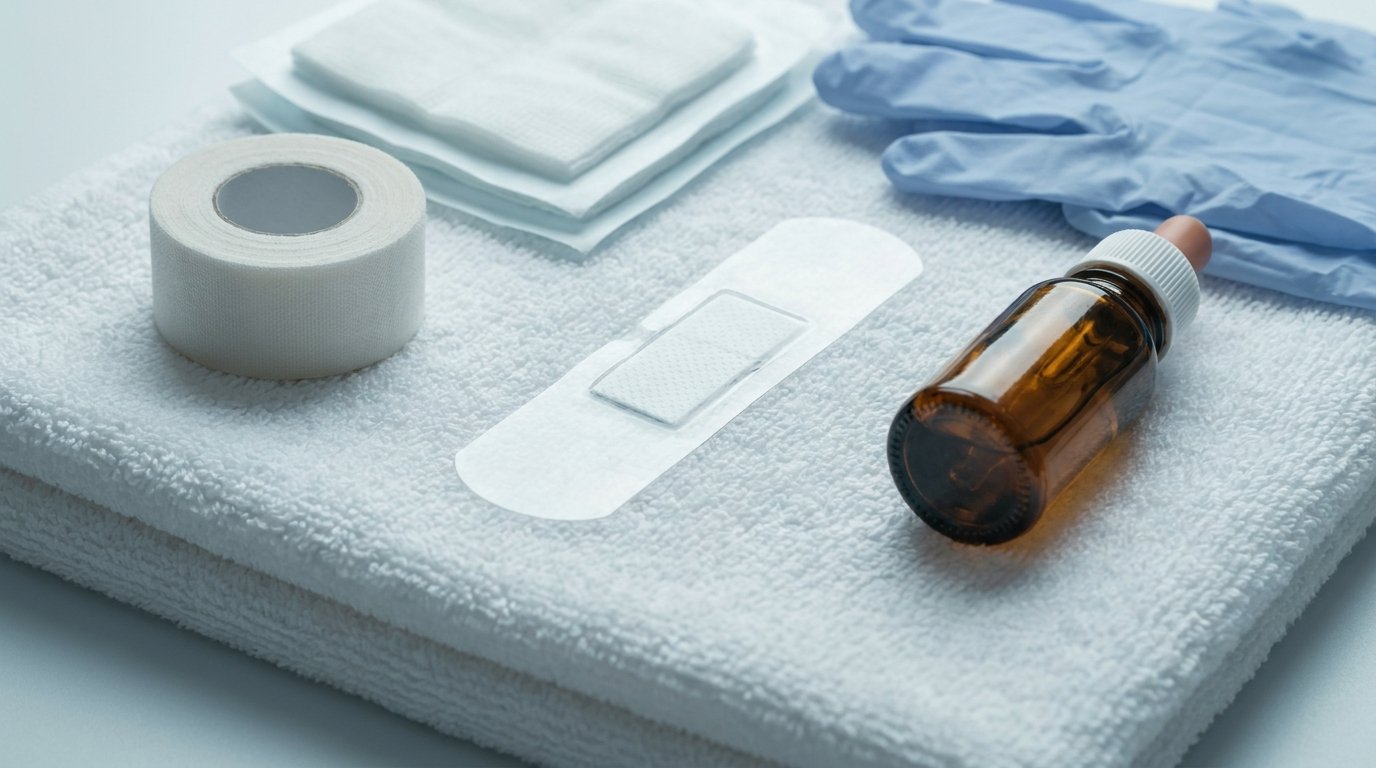
Another issue is seroma, which is a build-up of fluid around the implant pocket. Reviews of gluteal implant surgery describe seroma, infection, wound separation, malposition, and capsular contracture as recognised complications. Published complication rates vary between studies because techniques differ, surgeons define complications differently, and some reports include revision cases while others do not. That variation is exactly why a surgeon should discuss their own practice patterns and not hide behind broad marketing claims.
Low-body-fat patients also face a cosmetic safety problem as much as a medical one: the result can look less natural if the implant outline is visible, if the upper buttock looks too full for the lower frame, or if the implant rotates or settles in a way that is easier to see through thin tissues. That may not be dangerous in the emergency sense, but it does matter because it can lead to dissatisfaction or revision.
The NHS advises that cosmetic surgery carries risks such as pain, infection, scarring, blood clots, and the need for further surgery. Mayo Clinic also notes that implants can shift, rupture, or become infected depending on the procedure and site. Those broad principles apply here, but gluteal implants add the specific challenge of pressure from sitting and the mechanics of the buttock muscle.
You should also ask about blood clot prevention, antibiotic protocol, drain use if applicable, and what signs would trigger urgent review after you go home.
🚨 Do not treat revision risk as rare or irrelevant Implant surgery can require further procedures for position, healing, or appearance. A careful clinic will discuss that before surgery, especially for naturally thin patients.
The main concerns are infection, wound healing problems, seroma, implant displacement, visible or palpable implant edges, asymmetry, and the possibility of revision surgery. Slim patients may have a smaller margin for error because there is less soft tissue to cushion and conceal the implant.
How long is recovery, and what is different if you are lean?
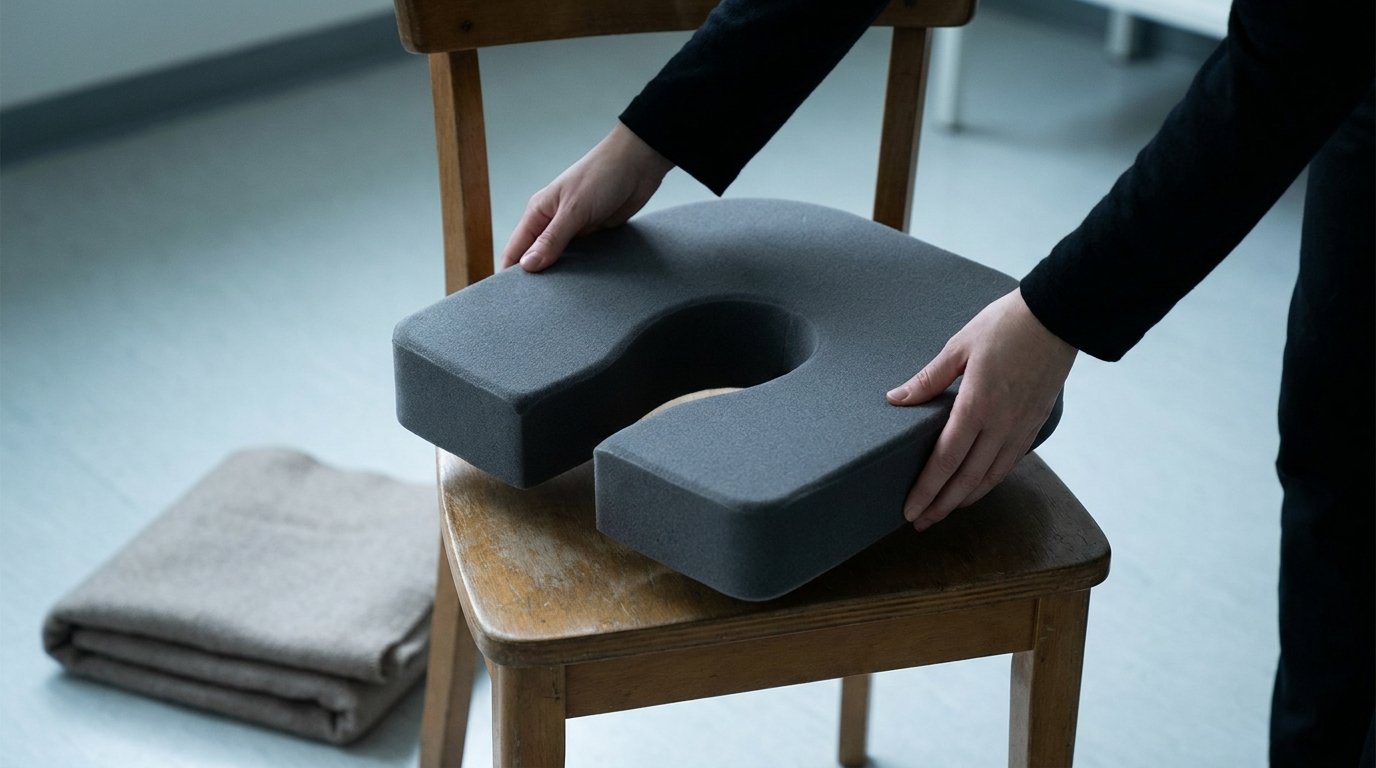
Recovery after butt implants is not a quick weekend process. You should expect the first days to be the most awkward rather than the most painful for many people, because movement, getting in and out of bed, toilet use, and finding a safe position all take planning. Sitting is usually limited early on, and many surgeons advise modified positioning and special cushions later rather than normal sitting straight away.
A practical way to think about it is in phases. The first phase is wound protection and swelling control. The second is gradual return to light daily activity. The third is waiting for the tissues to settle enough that shape becomes easier to judge. Slim patients often notice firmness or the outline of the implant for longer simply because there is not much tissue disguising the early post-op swelling.
Evidence-based recovery timelines are not identical across surgeons, but most published patient advice and clinical practice patterns place meaningful activity restrictions in the first few weeks, with return to full exercise later. If you are travelling for surgery, that means your hotel, airport transfer, and return flight should be planned around comfort and wound protection, not just the earliest possible departure date.
For health tourism, many patients should plan to stay long enough for the early checks, dressing changes, and confirmation that the incision is stable before flying home. Ask in advance what the package includes, where follow-up happens, and who you contact after discharge. The operation page for buttock augmentation with implants should never replace a surgeon-led recovery plan, but it can help you prepare focused questions.
📋 Travel planning matters Ask how long the surgeon wants you to remain in Turkey before flying, what sitting limits apply on the journey home, and how urgent concerns are handled once you are back in your own country.
Most patients need several weeks of restricted sitting, sleeping, exercise, and travel planning. Lean patients do not always heal more slowly, but they may feel pressure, tightness, and awareness of the implant more clearly because there is less padding over the area.
Are implants safer or better than a BBL if you have little fat?
This is where nuance matters. A fat transfer buttock augmentation relies on harvesting enough fat from other areas, processing it, and injecting it safely. If you are naturally slim, there may simply not be enough donor fat to create the change you want. In that setting, implants become a practical option rather than a second-best option.
But practical is not the same as easy. Butt implants involve a foreign material, a pocket in the tissues, and a recovery shaped by pressure on the buttock area. A fat transfer has its own risks and limits, especially in thin patients, but it does not carry the same concerns about implant palpability or malposition.
The strongest current safety point in buttock augmentation overall comes from fat grafting guidance, where technique has been heavily scrutinised because of embolism risk when fat is injected incorrectly. That specific issue is different from implants, but it shows why surgeon technique and adherence to modern standards matter so much. The right procedure is the one that fits your anatomy with the lowest reasonable risk, not the one that produces the biggest photo change on paper.
If you are slim but have at least some donor fat, a conservative fat transfer plan may still be discussed. Some patients prefer a smaller, more natural change over an implant-based result.
For patients with very little donor fat, implants may be the only surgical route to more volume. That does not make them automatically safer or better. Implants avoid the need for large-volume fat harvesting, but they introduce implant-specific risks such as palpability, displacement, and revision.
What affects the cost and what should a quote include?
Because this operation can be more technically demanding in lean patients, price is often shaped by more than the implant itself. The surgeon’s experience with gluteal implants, the operating hospital, pre-operative testing, compression garments, hotel and transfer arrangements, and post-op reviews all influence the final quote.
The most useful quote is not the cheapest-looking one. It is the clearest one. You want to know whether it includes surgeon and anaesthesia fees, hospital stay, implants, routine medicines, garments, transfers, accommodation if offered, and early follow-up. You should also ask what happens if you need extra dressings, aspiration of a seroma, extended stay, or revision assessment.
For international patients, logistics are part of cost even when they do not appear on the surgical line item. Time off work, travel comfort, a companion if needed, and the possibility of staying longer than planned can all matter. A personalised quote should only be confirmed after consultation, once your anatomy and goals have been assessed properly.
The total cost depends on the surgeon’s expertise, hospital standards, implant choice, anaesthesia, aftercare, and whether your case is straightforward or complex. A proper quote should explain what is included, what follow-up is covered, and how revision-related costs are handled if problems arise.
How do you choose a safer clinic and surgeon in Turkey?
The reviewer concern about trust signals is a fair one: patients should not have to rely mainly on marketing pages. You should know the operating surgeon’s full name, specialty background, and whether they routinely perform gluteal implant surgery rather than offering it only occasionally. In practical terms, you should be able to verify who they are through the clinic’s public information, including pages such as about the clinic and surgeon information, then ask direct questions in consultation.
Ask where the surgery will be performed and whether the hospital is accredited. Ask who provides anaesthesia, how overnight care works, and what emergency arrangements exist. If those answers are vague, that is more important than any before-and-after gallery.
A careful surgeon should also talk you out of the wrong plan. For a low-body-fat patient, that may mean advising against a large implant, suggesting a different shape goal, recommending weight stability before surgery, or even saying that surgery is not a good fit. That kind of restraint is often a better sign than enthusiasm.
Authoritative bodies can help you frame your questions. The NHS advises checking that anyone providing cosmetic surgery is properly qualified and that you understand risks, alternatives, and aftercare before proceeding. ASPS patient guidance also emphasises board-certified plastic surgeons and careful candidacy selection for buttock augmentation procedures.
⚠️ Be wary of size-first consultations If the main discussion is how large you can go, rather than whether your tissue can support the implant safely, the priorities may be wrong.
- →Ask for the surgeon’s name, training, and specific experience with gluteal implants in slim patients.
- →Confirm the hospital setting, anaesthesia team, and emergency support.
- →Ask what makes you a good or poor candidate based on tissue thickness, not just BMI.
- →Request a clear written outline of aftercare, travel timing, and who handles complications after you return home.
Look for a clearly named surgeon, recognised specialty training, transparent hospital details, realistic consent discussions, and a plan for follow-up after you return home. A safer clinic does not promise perfection. It explains limitations, risks, and what happens if recovery does not follow the ideal path.
Frequently Asked Questions
References
- 📎NHS – Cosmetic procedures
- 📎ASPS – Cosmetic procedures
- 📎Mayo Clinic – Tests and procedures
- 📎PubMed search – gluteal augmentation implants systematic review
Related Articles



You Might Also Like


Related articles

Our specialists
 Clineca SpecialistErkan PinegözPlastic & Reconstructive Surgery
 Clineca SpecialistHakan AktaşPlastic & Reconstructive Surgery
 Clineca SpecialistOrkun UzuneyüpoğluPlastic & Reconstructive Surgery
 Clineca SpecialistSalim İskenderPlastic & Reconstructive Surgery
 Clineca SpecialistEngin SelamioğluPlastic & Reconstructive Surgery
 Clineca SpecialistCem AydınPlastic & Reconstructive Surgery
 Clineca SpecialistAlperen ÖnalEar, Nose & Throat (ENT)