
Have a question about Teeth Whitening?
In this article
- What is the normal length of teeth whitening sensitivity?
- Why do some people stay sensitive for longer?
- How can you ease whitening sensitivity faster?
- When is sensitivity no longer normal?
- Professional vs at-home whitening: which causes more sensitivity?
- What affects the cost and planning of whitening treatment abroad?
- How do you choose a safe whitening provider?
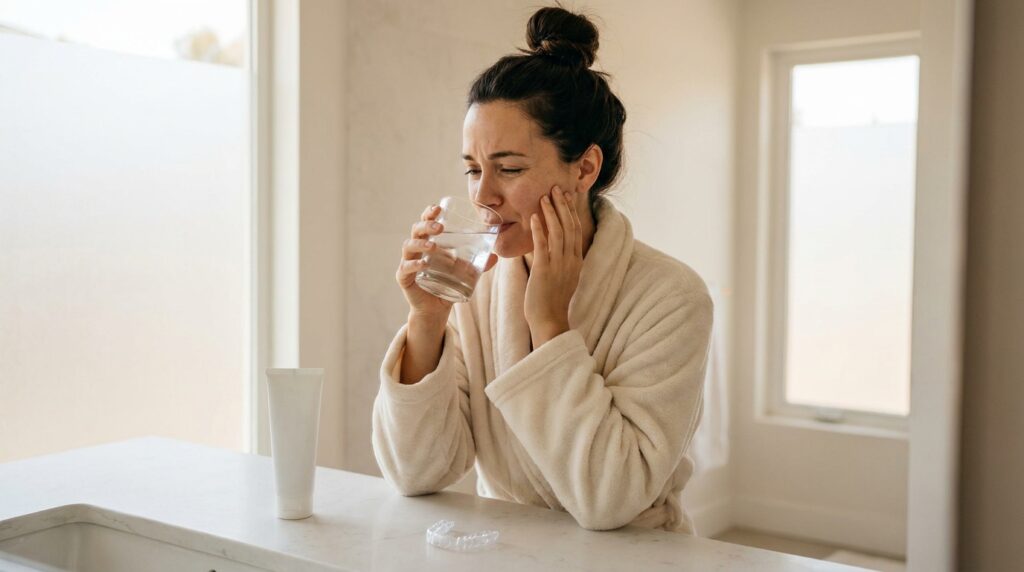
Teeth whitening sensitivity usually lasts from a few hours to a couple of days, and it often peaks in the first day after treatment. If you are asking how long does teeth whitening sensitivity last, the honest answer is that it depends on the whitening method, the strength used, and whether you already have sensitive teeth, worn enamel, gum recession, or untreated dental problems.
What is the normal length of teeth whitening sensitivity?
A brief period of sensitivity after whitening is common. Teeth can react to cold air, cold drinks, sweet foods, or even brushing. Many people describe it as a sharp zing rather than a constant toothache.
The reason is simple. Whitening gels usually use peroxide ingredients that pass through the outer tooth layer and temporarily irritate the inner part of the tooth. The American Dental Association and Mayo Clinic both describe tooth sensitivity as a known side effect of whitening products and bleaching procedures.
In a straightforward case, the discomfort fades quite quickly. The shorter end is a few hours. A more noticeable case may last a couple of days. Some people, especially those with already sensitive teeth, may feel on-and-off discomfort for longer.
What matters most is the direction of travel. If each day feels a little easier, that is more reassuring than pain that keeps building. Sensitivity that becomes severe, wakes you at night, or lingers without improvement can point to something more than routine post-whitening irritation, such as decay, a leaking filling, gum recession, or tiny cracks in a tooth.
📋 A quick rule of thumb Mild sensitivity that improves over the next day or two is common. Strong pain, swelling, or a tooth that hurts to bite on is not something to ignore.
For most people, whitening sensitivity is short-lived. It commonly starts during treatment or soon after, feels strongest in the first day, and settles within a few days. If pain is getting worse instead of better, or it is still significant after several days, a dental check is sensible.
Why do some people stay sensitive for longer?
Not every mouth reacts the same way. Two people can use similar whitening products and have very different experiences. One may feel only a mild twinge, while the other struggles to sip cold water for several days.
The most common reason is that the teeth were not starting from the same baseline. If enamel is thin, the roots are exposed from gum recession, or there is untreated decay, the whitening gel can reach sensitive areas more easily. That tends to make the reaction stronger and longer.
The whitening method also matters. In-chair whitening can work faster, but it may trigger a more intense short-term reaction because the gel is stronger and the session is concentrated into a short period. At-home systems may feel gentler when they are used correctly, but problems can build if trays do not fit well or the gel is used too often.
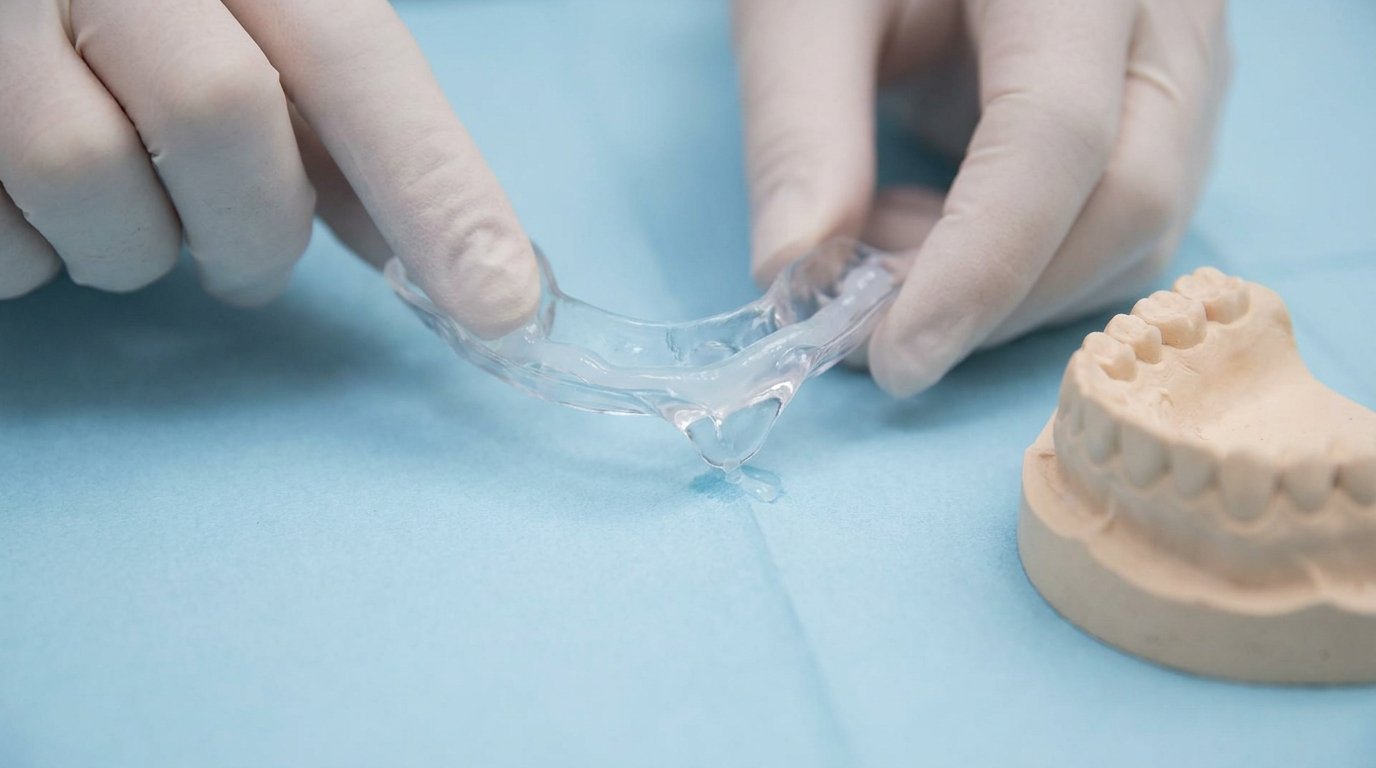
If you are considering professional treatment, it helps to understand the difference between dentist-guided whitening and off-the-shelf products. A page on professional teeth whitening options can give you the broad treatment context, but sensitivity risk is still very individual.
The factors below are the ones that most often stretch the recovery period:
The sensitivity is mild, mostly triggered by cold, and gets better day by day.
One tooth hurts much more than the others, the pain is throbbing, or it keeps worsening after whitening.
- ✓Naturally sensitive teeth before whitening
- ✓Gum recession that exposes the root surface
- ✓Worn enamel from grinding, acid wear, or aggressive brushing
- ✓Untreated cavities or leaking fillings
- ✓Small tooth cracks
- ✓Using whitening strips, gels, or trays more often than directed
- ✓A tray that rubs the gums or lets gel spill onto soft tissue
- ✓Recent dental work that has already made the teeth reactive
Longer-lasting sensitivity usually means the teeth were already vulnerable before whitening or the whitening approach was too strong or too frequent. Common reasons include thin enamel, gum recession, cavities, cracked teeth, worn fillings, and overuse of whitening products at home.
How can you ease whitening sensitivity faster?
The first step is usually the simplest one: stop whitening for now. Continuing while the teeth are already irritated often prolongs the problem instead of pushing you to a better result.
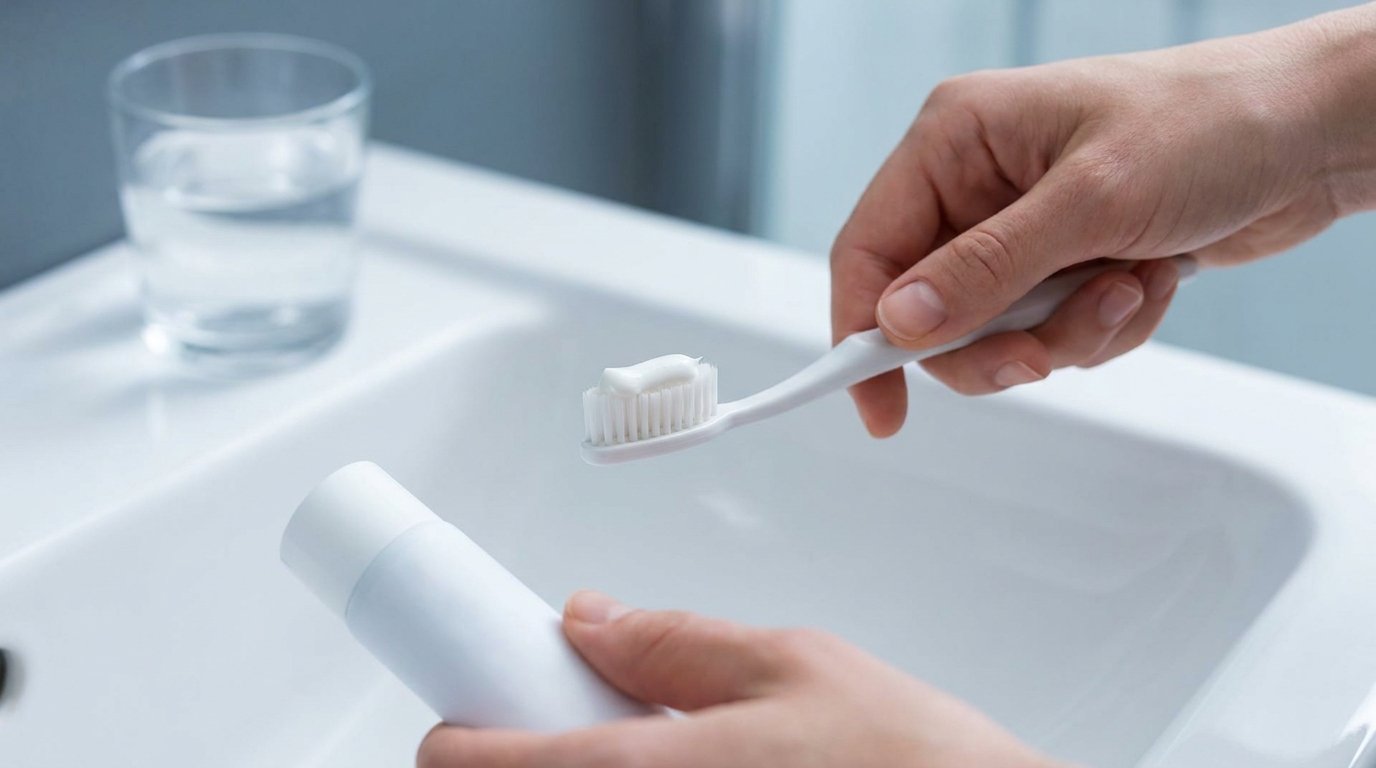
A toothpaste for sensitive teeth can help because it reduces how easily the tooth nerve is triggered. It will not always work instantly, but many people notice improvement after regular use. Brushing gently with a soft brush also matters more than people think. If the teeth and gums are already irritated, a vigorous scrub tends to make everything feel worse.
Food and drink choices make a real difference for the next day or two. Very cold, very hot, fizzy, and acidic items can all aggravate the teeth while they settle. Lukewarm drinks and bland foods are often easier.
If you had whitening trays, ask the dental team whether a shorter wear time, a lower-strength gel, or adding desensitising products before or after treatment would be more suitable next time. That is especially relevant for patients travelling for dental care, because it is better to adapt the plan early than push through discomfort.
These steps are usually the most useful:
⚠️ Do not keep escalating treatment Using more gel, wearing trays for longer, or repeating whitening sessions too soon can make sensitivity last longer and feel stronger.
- ✓Pause whitening until the teeth feel normal again
- ✓Use a toothpaste designed for sensitive teeth
- ✓Choose lukewarm food and drinks for a short period
- ✓Avoid icy drinks, strong acids, and very sweet foods if they trigger pain
- ✓Brush with a soft toothbrush and a light hand
- ✓Speak to the dentist before restarting if the sensitivity was more than mild
The best way to calm whitening sensitivity is to pause whitening, avoid very hot or cold foods, and use a toothpaste made for sensitive teeth. Many people also feel better when they switch to a soft toothbrush and avoid acidic drinks for a short time.
When is sensitivity no longer normal?
Mild, improving sensitivity is one thing. A persistent toothache is different. If one tooth is much worse than the rest, that can be a clue that there is a cavity, a crack, or an old filling that needs attention.
Pain on biting is another important warning sign. Routine whitening sensitivity is often a reaction to temperature or air. It is less likely to show up mainly when you chew. Swelling, gum burns, or white irritated patches on the gums also deserve advice from a dental professional.
The NHS advises that cosmetic dental treatment should be approached carefully and with proper professional assessment, especially if there are existing oral health issues. Whitening should not be used to push past tooth pain that needs diagnosing first.
If you have travelled for treatment, ask in advance how aftercare is handled once you return home. A reputable provider should explain who to contact, what photos may help if a problem appears, and when you should see a local dentist urgently.
If a specific tooth keeps reacting, a dental exam may be more useful than another whitening session.
Sensitivity stops feeling routine when it is severe, localised to one tooth, lasts longer than expected, or comes with swelling, gum injury, or pain on biting. Those patterns can suggest decay, a crack, exposed root surfaces, or another dental problem that whitening did not cause but may have uncovered.
Professional vs at-home whitening: which causes more sensitivity?
This is where people often expect a simple winner, but real life is messier. Professional whitening is supervised, which is a major advantage if you already have sensitivity, gum recession, fillings, or uneven tooth colour. The plan can be adjusted around those issues.
At-home whitening is more convenient, but convenience can tempt people to overdo it. That is one reason some home users end up more uncomfortable than they expected. The product itself may not be the only issue; the way it is used matters just as much.
If you are comparing options abroad, ask what is included in the consultation, whether a dentist checks for cavities and gum problems first, and what aftercare support looks like. If you want to discuss suitability in more detail, a dental consultation is the step that turns general advice into a plan for your own teeth.
Neither option is automatically better for everyone. Professional whitening may cause a stronger short-term reaction because treatment is more concentrated, while at-home products can create longer trouble if they are overused or poorly fitted. The safest choice is the one matched to your teeth after an exam.
What affects the cost and planning of whitening treatment abroad?
For international patients, the real question is not only what whitening costs, but what the quote actually covers. Some clinics include an exam, shade assessment, and aftercare advice. Others may separate these items. If your teeth need cleaning, fillings, or treatment for gum recession first, that changes both suitability and the final plan.
Ask whether the quote covers professional cleaning, custom trays if relevant, desensitising products, and follow-up support if sensitivity is stronger than expected. That matters more than chasing the lowest headline price.
Whitening itself usually does not require a long stay, but dental tourists often combine it with other care. If so, the order of treatment matters. For example, whitening is often done before colour-matched work such as dental bonding, veneers, or some crown planning, because restorations do not whiten in the same way natural teeth do.
A reliable clinic should also be open about limits. Whitening will not change crowns, veneers, or fillings, and it may not be the best first step if the main issue is shape, wear, or damaged enamel rather than colour.
📋 Travel planning tip If you are flying home soon after whitening, sensitivity itself is not usually a travel problem, but you may want to avoid icy drinks and bring toothpaste for sensitive teeth.
The price of whitening depends less on whitening alone and more on the type of assessment, the method used, and whether other dental issues need sorting first. A proper quote usually follows consultation and should clarify what is included, what aftercare looks like, and whether sensitivity management is part of the plan.
How do you choose a safe whitening provider?
Whitening is often marketed as simple, but it is still a treatment that should be matched to your mouth. According to the NHS, you should be cautious with cosmetic dental treatment and make sure it is carried out appropriately and safely. In practice, that means an exam first and honest discussion about whether whitening is suitable for you at all.
A good provider should ask about previous sensitivity, fillings on front teeth, gum recession, grinding, and any history of tooth pain. They should also explain that whitening works on natural tooth tissue, not on crowns or veneers, and that sensitivity is possible even when everything is done properly.
If you are comparing clinics, it is reasonable to review their background, dental team information, and contact process before you travel. Pages such as the clinic about page, the doctors page, and the contact page can help you understand who you would be speaking to and how support is handled.
The best sign is not a promise of a dazzling result. It is a careful assessment, realistic advice, and clear aftercare.
The provider checks for decay, gum problems, old restorations, and past sensitivity before recommending whitening.
You are offered whitening without an exam, or your questions about pain and aftercare are brushed aside.
Safe whitening starts with proper diagnosis, not just a quick cosmetic upsell. Look for a provider that checks your teeth and gums first, explains risks in plain language, and tells you what to do if sensitivity lasts longer than expected. If a clinic skips assessment, treat that as a warning sign.
Frequently Asked Questions
References
- 📎PubMed search: tooth whitening sensitivity
- 📎NHS: Cosmetic procedures
- 📎Mayo Clinic: Tests and procedures
You Might Also Like



Related articles


Our specialists
 Clineca SpecialistErkan PinegözPlastic & Reconstructive Surgery
 Clineca SpecialistHakan AktaşPlastic & Reconstructive Surgery
 Clineca SpecialistOrkun UzuneyüpoğluPlastic & Reconstructive Surgery
 Clineca SpecialistSalim İskenderPlastic & Reconstructive Surgery
 Clineca SpecialistEngin SelamioğluPlastic & Reconstructive Surgery
 Clineca SpecialistCem AydınPlastic & Reconstructive Surgery
 Clineca SpecialistAlperen ÖnalEar, Nose & Throat (ENT)