
In this article
- What does aftercare after surgery in Turkey actually include?
- How long should you stay in Turkey before flying home?
- Is a recovery hotel in Istanbul better than staying in hospital?
- What does the first week of post-op care look like day by day?
- Flying home safely: clots, cabin pressure and fit-to-fly clearance
- What drives the cost of aftercare, and what is usually included?
- Who looks after you once you are home?
- How to judge aftercare quality before you book
Most people planning treatment abroad spend weeks comparing surgeons and almost no time asking what happens in the days *after* the operating room. Yet aftercare after surgery in Turkey is where a smooth trip is either made or quietly ruined — by a missed dressing change, a flight booked two days too early, or a hotel with no lift and no one to call at 2am. This guide walks through what good post-op care actually looks like, from the recovery ward to the moment you land back home.
What does aftercare after surgery in Turkey actually include?
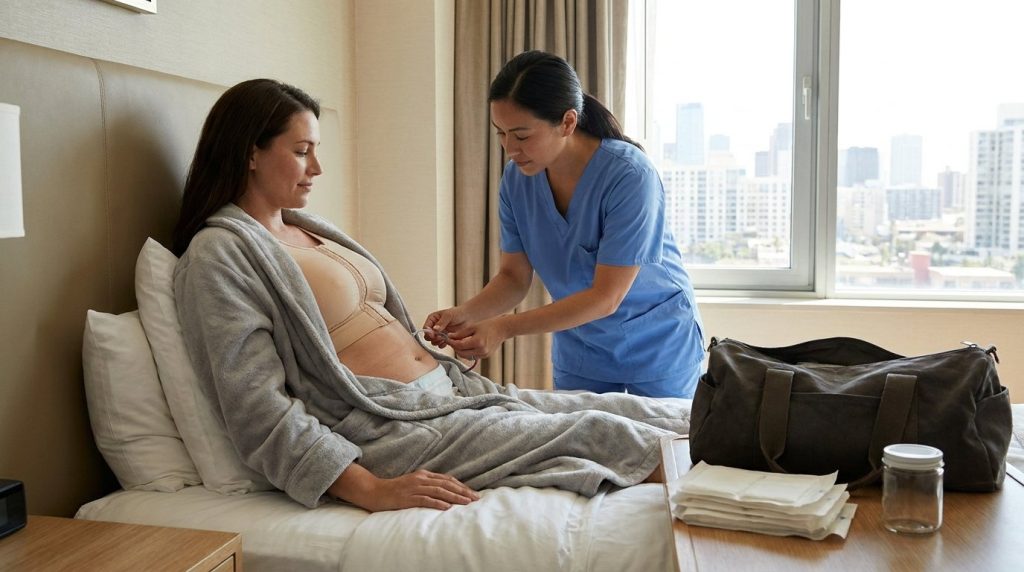
In practice, aftercare usually means one or two supervised nights in hospital, nurse-led dressing and drain checks over the following days, at least one in-person review with your surgeon before departure, and a documented plan for the weeks after you fly home.
The first stage is the inpatient part. After most body and facial procedures under general anaesthetic you stay in the clinic or partner hospital overnight so pain relief, blood pressure, nausea and wound drainage can be monitored by staff rather than by you in a hotel room. Day-case treatments — dental work, smaller eyelid or non-surgical procedures — usually skip this, but you are still kept for a few hours of observation.
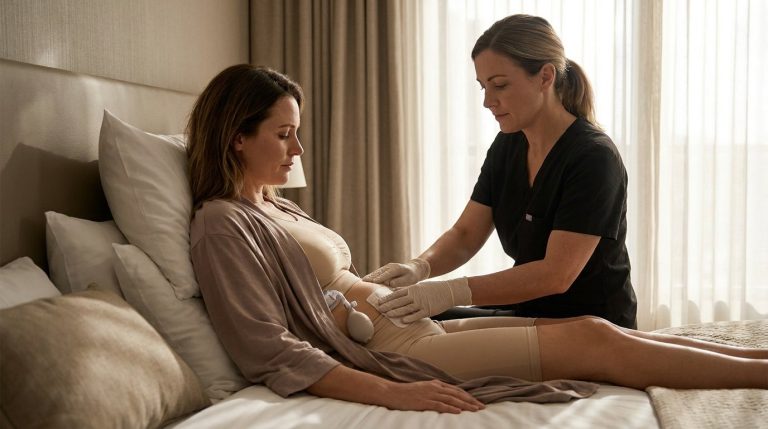
The second stage is the outpatient week. This is where the real work happens: dressings changed, drains emptied and removed, stitches or nasal splints checked, compression garments refitted as swelling shifts, and sometimes lymphatic drainage massage after liposuction or fat transfer. Expect to go back to the clinic two or three times during a typical week-long stay, not just once.
The third stage is the part patients forget to ask about. Before you leave the country you should receive a written operative summary, a medication list with generic drug names, wound-care instructions, scar-care guidance, a clear fitness-to-travel opinion, and a named contact for questions once you are home. If a clinic cannot describe all three stages when you ask, you are only being sold the surgery.
📋 Ask for your paperwork in English An operative note and medication list written in English, with generic drug names, makes life far easier if you need to see your own GP or a pharmacist at home. Request it before discharge rather than after you land.
How long should you stay in Turkey before flying home?
Five to seven days in the country suits many common procedures, while bigger body surgery with drains more often needs ten to fourteen days — and your surgeon’s assessment, not your return flight, should decide the date.
The reason for the minimum stay is simple. The complications that matter most — bleeding, wound separation, infection, fluid collections, clots — tend to declare themselves in the first week. Being in the same city as the team who operated on you means a problem is solved in an afternoon instead of becoming an emergency at 35,000 feet or in an unfamiliar hospital at home.
The figures below are typical planning ranges, not promises. Revision work, combined operations and anything involving drains push the stay longer, and your personalised plan is confirmed at consultation.
If you are combining procedures, read how the timings stack up in our guide to planning combined plastic surgery in Turkey, and for chest surgery specifically there is a detailed breakdown of how long to stay in Turkey for breast surgery.
⚠️ Book flexible, not cheap A non-changeable return ticket is the single most common reason patients fly before they are ready. Choose a changeable fare, or book the flight only once your surgeon has seen you post-op.
Is a recovery hotel in Istanbul better than staying in hospital?
A hospital room is better for the first night or two because of monitoring and on-call staff; a recovery-focused hotel is better for the rest of the week because you rest more, move more and eat better — provided the hotel is close to the clinic and genuinely set up for post-op guests.
A “recovery hotel” is not a medical facility. It is an ordinary hotel that works regularly with clinics and understands what post-op guests need: a lift, a room you can reach without stairs, room service, late check-out, help arranging transfers, and reception staff who do not panic when a guest arrives with drains and a compression garment.
What actually matters when you choose one is unglamorous. Travel time to the clinic in Istanbul traffic — ask for the realistic figure, not the map distance. A bed you can get out of with a sore abdomen, which usually means an adjustable or higher bed and extra pillows. Air conditioning you can control, because swelling and heat are a miserable combination. And a companion-friendly room, since having someone with you for the first few nights after discharge is worth more than any amenity.
For procedure-specific logistics, our guide to accommodation and transfers for rhinoplasty patients covers how the hotel-clinic shuttle pattern usually works in practice.
What does the first week of post-op care look like day by day?
Expect discharge on day one or two, a dressing or drain review around days two to four, a surgeon review in the second half of the week, and a final fitness-to-travel check before you fly.
Day one is the heaviest. Grogginess from the anaesthetic, a tight dressing, limited movement, and a real need for someone to help you to the bathroom. Short, slow walks around the room start the same day in most cases, because early mobility protects your lungs and circulation.
Days two to four are the transition. Drains come out when output drops, swelling peaks and then starts to turn, and bruising often looks worse before it looks better. This is when patients panic unnecessarily about asymmetry — swelling is rarely symmetrical, and judging shape in the first week is pointless.
Days five to seven are administrative as much as medical. Nasal splints or sutures are removed where relevant, garments are refitted, scar care begins once wounds are closed, and your surgeon confirms whether flying is sensible. Use this appointment properly: ask what is normal for weeks two to six, what counts as a red flag, and exactly who to message if something changes.
What to arrange before you fly in
Sorting a few things in advance removes most of the friction from the recovery week:
- ✓A companion for at least the first three or four nights after discharge
- ✓Airport and clinic transfers booked by the clinic, with a named driver contact
- ✓Loose, front-opening clothes and slip-on shoes you can manage without bending
- ✓A phone plan or local SIM so you can actually reach the clinic
- ✓Your own usual medications, plus written confirmation of what you may and may not take after surgery
🚨 Do not wait to report these Calf pain or one-sided leg swelling, chest pain, sudden breathlessness, a fever that keeps climbing, heavy or fresh bleeding through dressings, a wound that opens, or pain that worsens instead of easing all need same-day medical review — wherever you are in the trip.
Flying home safely: clots, cabin pressure and fit-to-fly clearance
Surgery and long periods of sitting both raise the risk of blood clots, so flying home is a medical decision your surgeon signs off on — and the practical precautions are movement, hydration, compression and, if your airline asks, a fit-to-fly letter.
The concern is venous thromboembolism: a clot forming in a leg vein that can travel to the lungs. Recent surgery, reduced mobility, dehydration and hours in a cramped seat are all contributors, which is why nobody should combine a major operation with a long-haul flight on an arbitrary date. The NHS publishes general guidance for people considering cosmetic procedures, including treatment abroad and aftercare planning, and it is worth reading before you commit to travel dates.
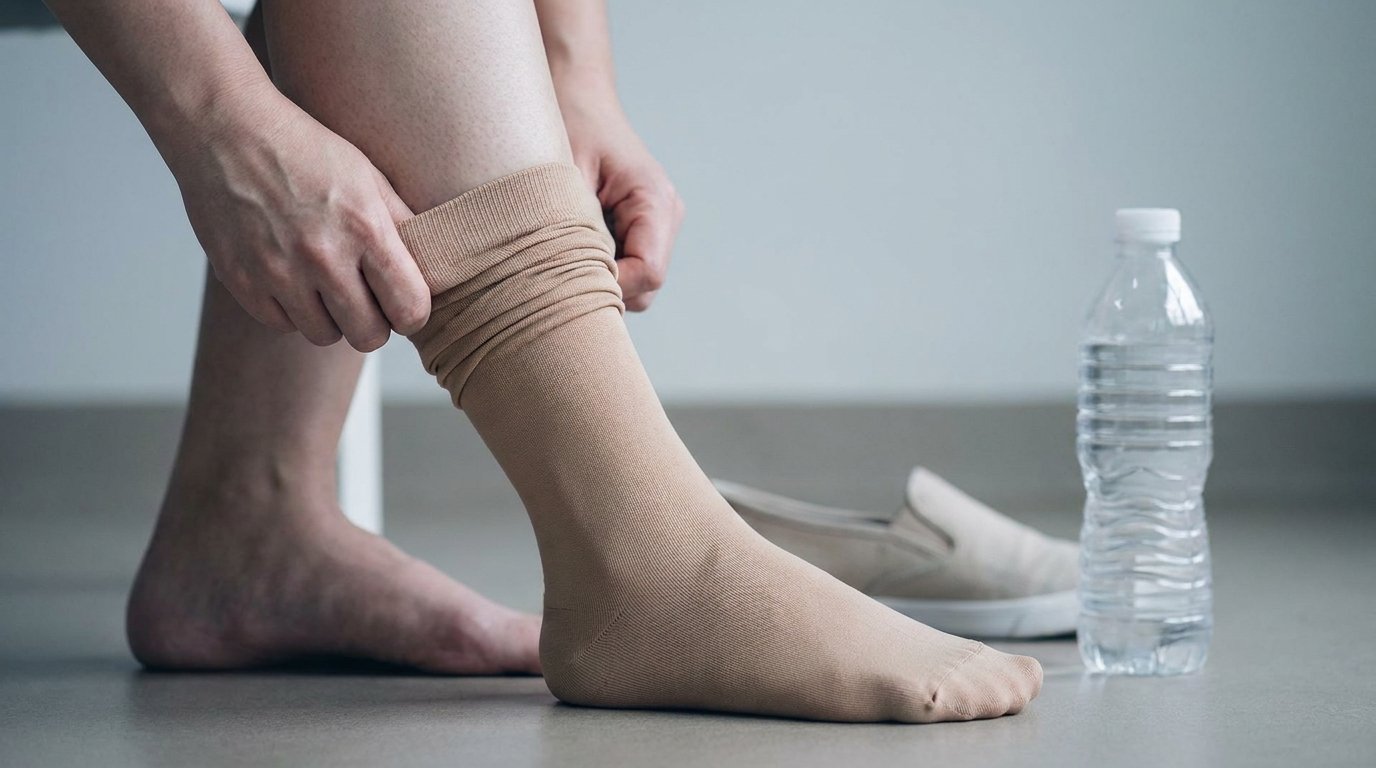
On the flight itself, the sensible routine is straightforward: walk the aisle every hour or two, flex your ankles and calves while seated, drink water and skip alcohol, wear the compression stockings your team gives you, and book an aisle seat so getting up is not a negotiation. Carry your medication, operative note and clinic contact details in your hand luggage, never in the hold.
Some procedures add their own rule. After a BBL, sitting is the problem rather than the flight, which is why patients travel with a cushion and a plan — our article on flying after a BBL covers the positioning in detail. After rhinoplasty, cabin pressure is uncomfortable rather than dangerous, but a blocked nose and dry cabin air make the journey unpleasant for the first week or two.
If you have a personal or family history of clots, take hormonal contraception or HRT, are a smoker, or carry extra weight, raise it at consultation rather than on discharge day. It may change your clot-prevention plan, your garment advice and your recommended stay.
- ✓Surgeon’s written confirmation that you are fit to travel
- ✓Compression stockings worn from departure to arrival
- ✓Aisle seat and an hourly walk where cabin conditions allow
- ✓Medication, operative summary and clinic contacts in hand luggage
- ✓Travel insurance that does not void cover for planned surgery abroad
What drives the cost of aftercare, and what is usually included?
Aftercare cost is driven mainly by how long you stay, how much nursing and monitoring you need, and which extras — garments, massage sessions, extra hospital nights — your case requires. A personalised price is confirmed after consultation.
All-inclusive packages differ far more in their aftercare content than in their surgical content. Two quotes can look similar on paper while one covers transfers, hotel nights, garments and post-op reviews and the other covers the operation alone. The useful question is not “how much?” but “what happens if I need a third dressing change, an extra night in hospital, or a second week in the country?”
Before you compare anything, get both quotes itemised. Our breakdown of what an all-inclusive surgery package in Turkey includes explains the line items worth checking.
⚠️ Read the revision policy before you book Ask in writing what the clinic covers if a revision is needed, how long the policy lasts, what it excludes, and who pays for the flights and hotel. A verbal reassurance is not a policy.
Who looks after you once you are home?
Follow-up should continue remotely for months, with a defined contact route, photo reviews at agreed intervals, and a clear plan for local care if you need hands-on help.
Most healing happens after you land. Swelling settles over weeks to months depending on the procedure, scars mature for a year or more, and the questions that arise at week three — a firm lump, a stitch working its way out, uneven swelling — are usually normal but still need answering by someone who knows your case.
Practically, that means agreeing three things before you fly home: who you message, how fast they reply, and at what intervals they want photos. Save the contact in more than one place. Then arrange your local backup. Register the surgery with your own doctor, know which clinic or walk-in service you would use for an infection, and understand that your home healthcare system may treat an urgent complication but will not routinely take over elective cosmetic follow-up.
It also helps to know what the normal trajectory looks like for your specific operation, so you are not comparing yourself to strangers online. Our week-by-week recovery guides — for example rhinoplasty recovery week by week — set out what each stage usually involves and when to be concerned.
This article is for informational purposes only and does not constitute medical advice. Always consult a qualified surgeon for personalised guidance.
Named surgeon who sees you post-op in person, written discharge paperwork in English, a scheduled follow-up timetable, 24-hour contact during your stay, a documented revision policy, and realistic advice about when to fly rather than agreement with whatever you booked.
A quote with no itemised aftercare, pressure to fly home within two or three days of major surgery, no in-person surgeon review before departure, discharge instructions given only verbally, contact only through a sales coordinator, and vague answers about which hospital you will actually be admitted to.
Rather than shortening your stay below what your surgeon advises, consider a smaller or staged procedure with a shorter recovery, or postpone until you can travel with enough days and a companion. Cutting the recovery week short is the compromise that most often creates problems.
How to judge aftercare quality before you book
Judge it on documentation and access: the surgeon’s credentials, the hospital where you will actually be treated, the written aftercare schedule, and whether anyone commits in writing to being reachable when something goes wrong.
Start with the surgeon rather than the agency. Ask for the individual surgeon’s name and specialist qualifications, confirm they will perform the operation themselves, and check whether their training and board certification are verifiable. European standards bodies such as EBOPRAS publish how specialist certification in plastic surgery works, which is useful background when you are assessing credentials across different countries.
Then ask about the facility. A fully licensed hospital with intensive care on site matters most for longer operations and combined procedures, because it is the difference between managing a rare complication in-house and transferring a patient across the city. Find out where you would be admitted, not just where the consultation happens.
Finally, test responsiveness before you pay. Send a detailed clinical question by email and see what comes back — a considered answer from medical staff, or a price list. For a wider view of how regulation, accreditation and surgeon vetting work locally, see our overview of whether plastic surgery in Turkey is safe.
Frequently Asked Questions
References
- 📎NHS — Cosmetic procedures: advice, risks and treatment abroad
- 📎EBOPRAS — European Board of Plastic, Reconstructive and Aesthetic Surgery
- 📎ISAPS — Global survey statistics on aesthetic procedures
Related Articles


You Might Also Like



Related articles


Our specialists
 Clineca SpecialistErkan PinegözPlastic & Reconstructive Surgery
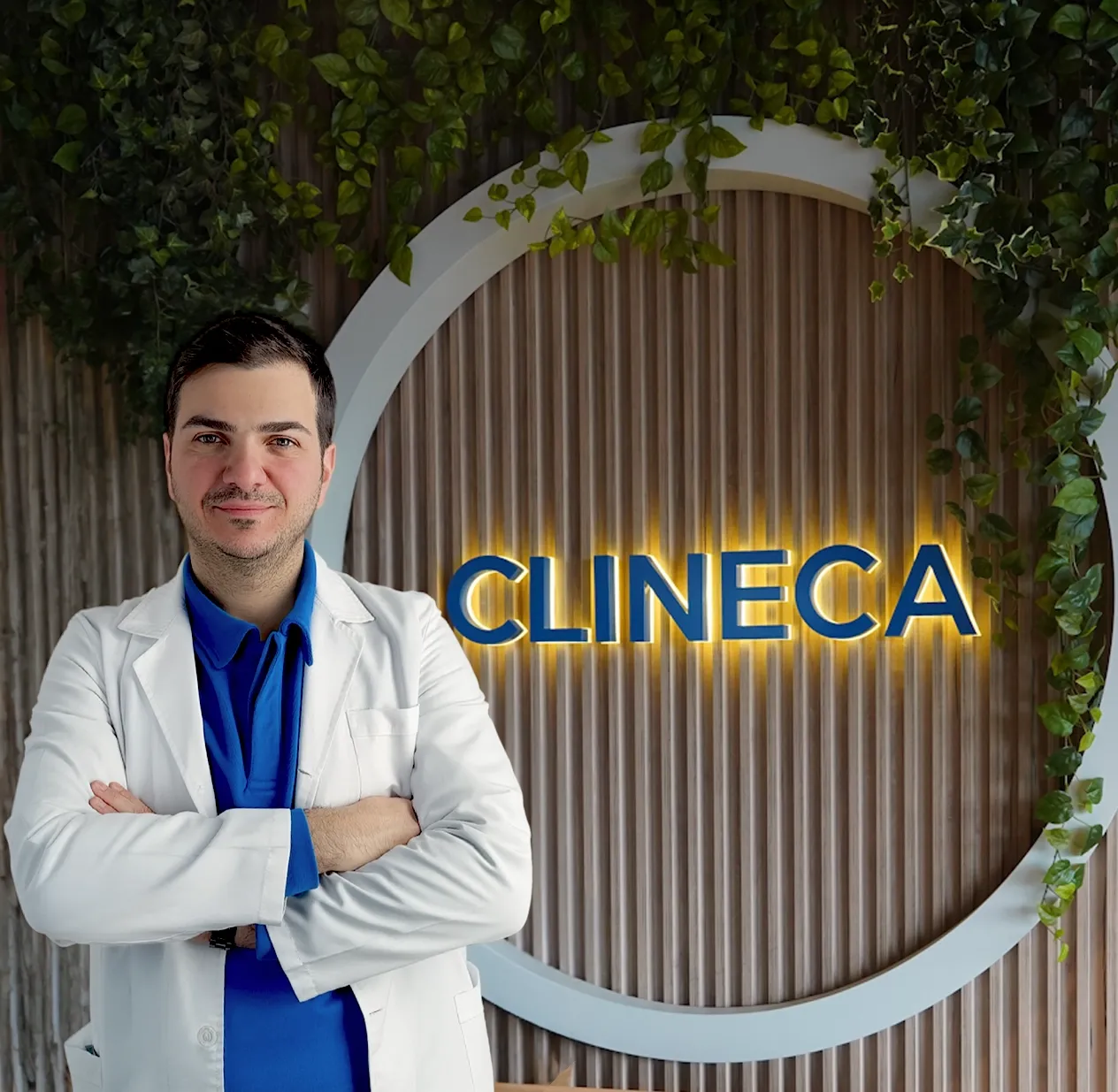 Clineca SpecialistHakan AktaşPlastic & Reconstructive Surgery
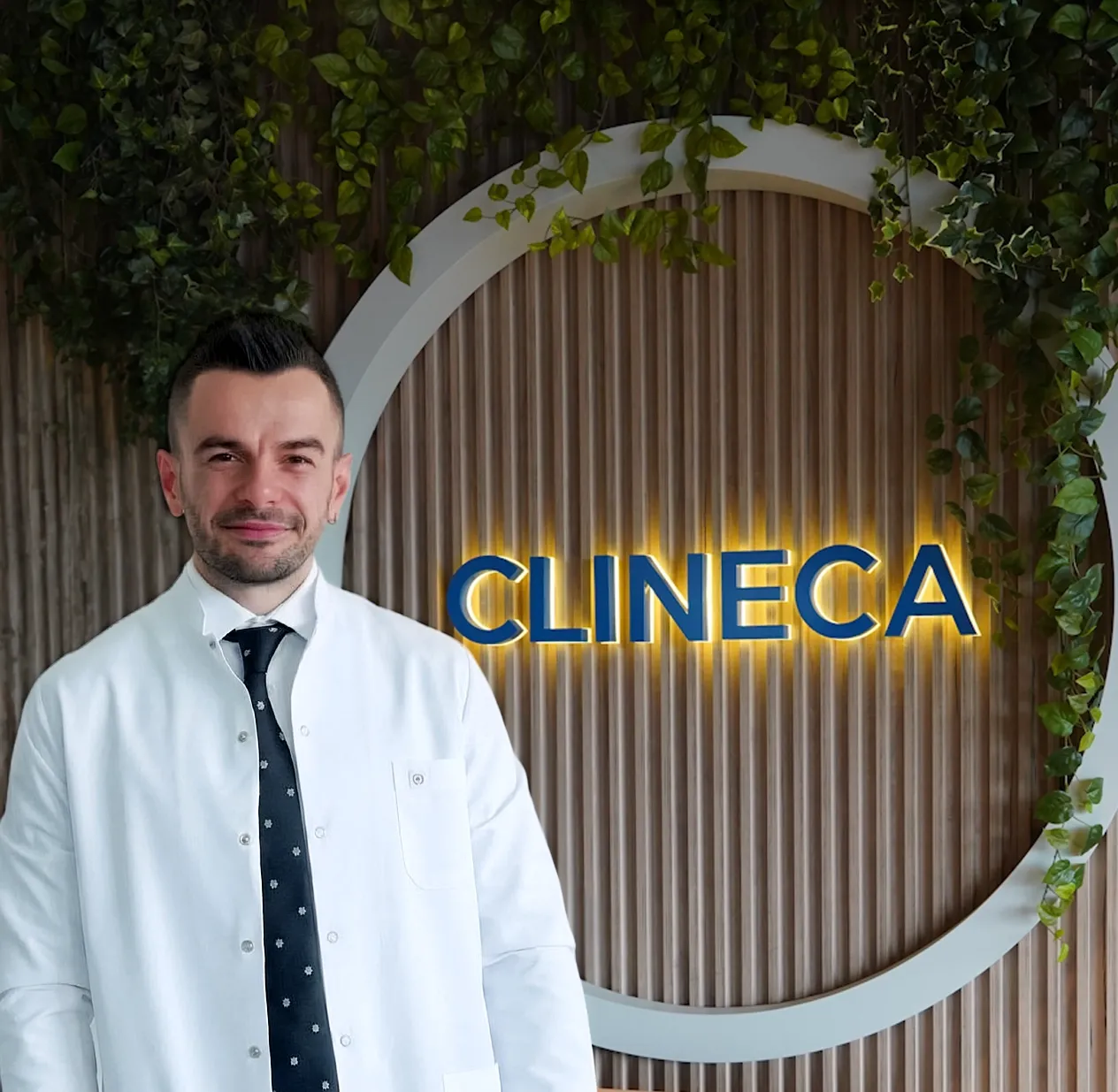 Clineca SpecialistOrkun UzuneyüpoğluPlastic & Reconstructive Surgery
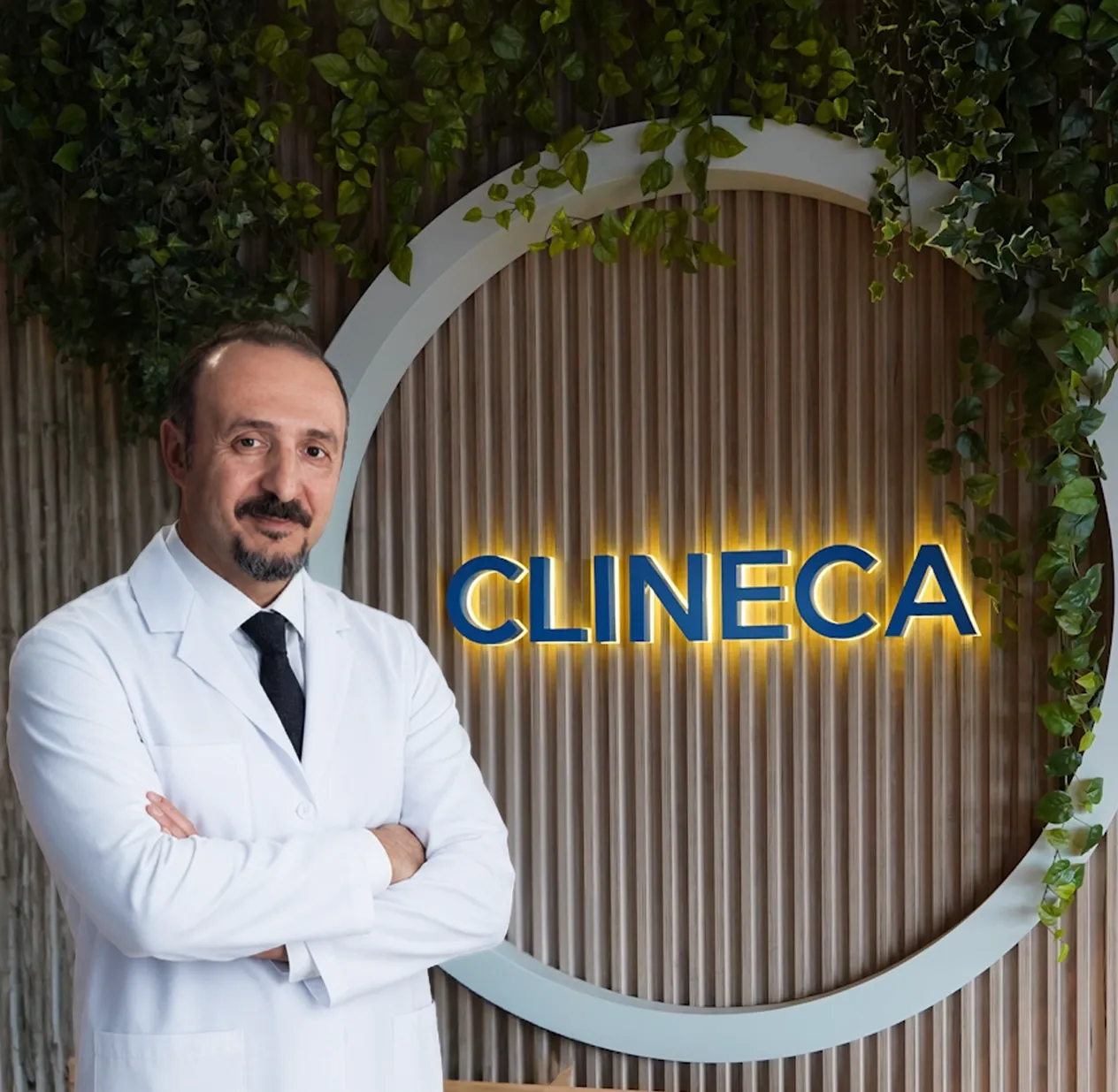 Clineca SpecialistSalim İskenderPlastic & Reconstructive Surgery
 Clineca SpecialistEngin SelamioğluPlastic & Reconstructive Surgery
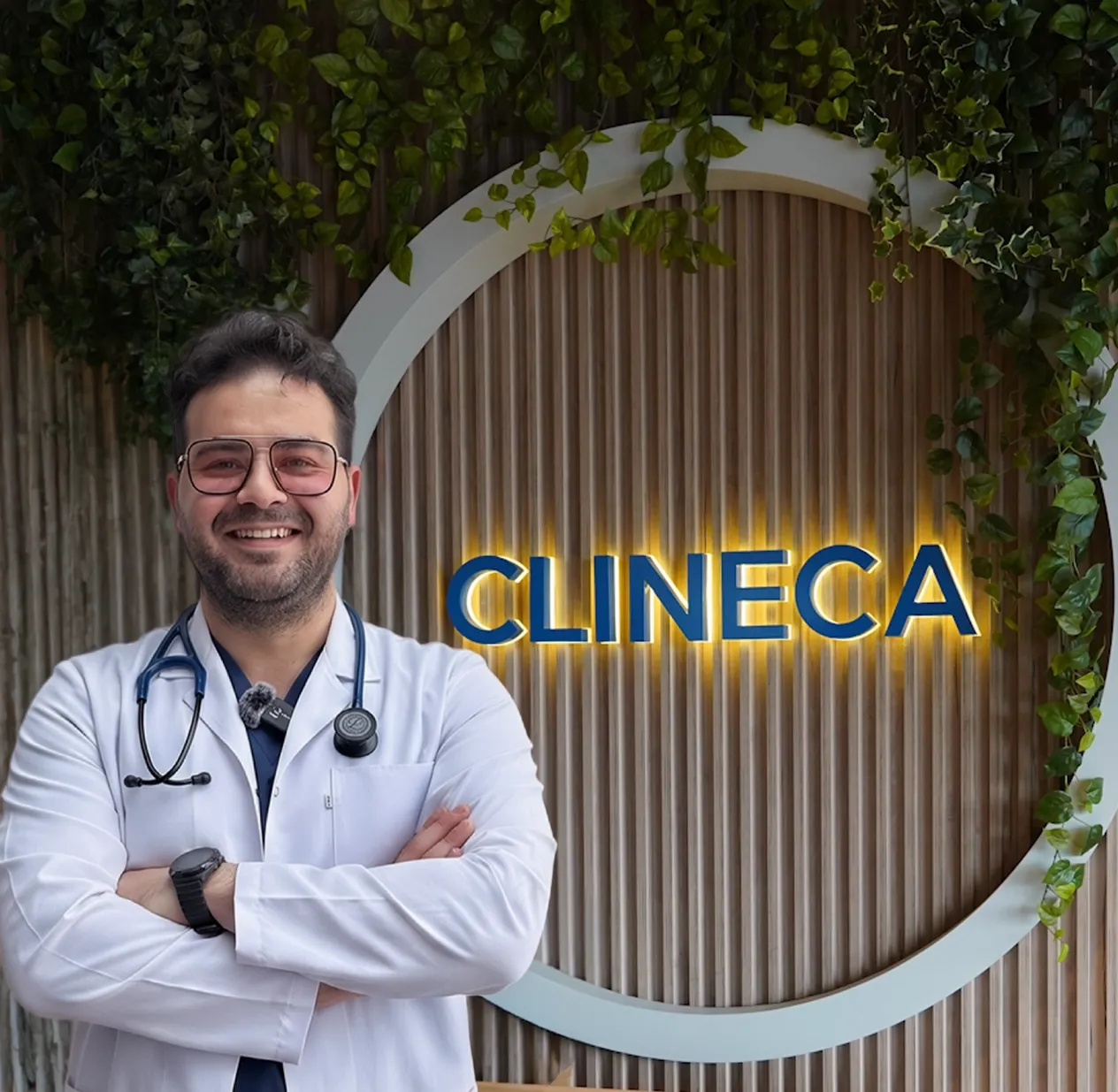
 Clineca SpecialistCem AydınPlastic & Reconstructive Surgery
 Clineca SpecialistAlperen ÖnalEar, Nose & Throat (ENT)