Have a question about Otoplasty (Ear Surgery)?
In this article
- How safe is otoplasty for adults in real terms?
- What are the main risks of otoplasty in adults?
- Who is a good candidate, and who needs extra caution?
- What is recovery like, and when do risks usually show up?
- How can you reduce the risks before choosing a clinic or surgeon?
- Are there non-surgical alternatives, and are they safer?
Yes, otoplasty is usually safe for adults when it is carried out by an experienced, properly qualified surgeon in an appropriate clinical setting. If you are asking is otoplasty safe for adults and what are the main risks, the short answer is that most adults recover well, but there are real risks such as bleeding, infection, asymmetry, scarring, numbness and the need for revision surgery.
How safe is otoplasty for adults in real terms?
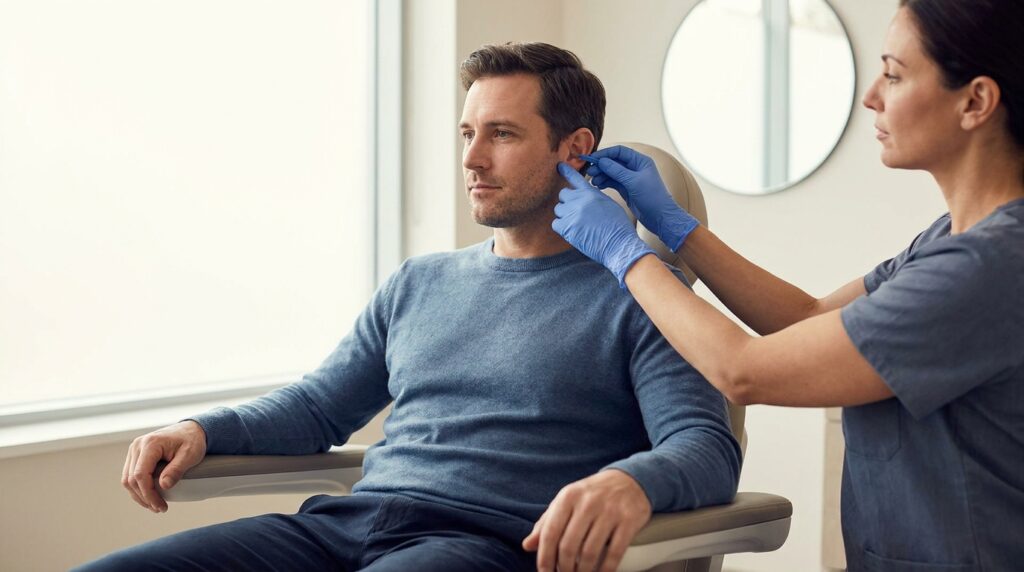
Otoplasty, also called ear pinning or cosmetic ear reshaping, changes the position or shape of the outer ear. In adults, the ear cartilage is fully developed, so the operation does not affect growth. That makes it a common option for people who have felt self-conscious about prominent ears for years and now want a more balanced look.
In straightforward cases, the operation has a good safety profile. The bigger question is usually not whether adults can have it safely, but whether they are a good candidate and whether the operation is being done by a surgeon with specific experience in ear surgery. A well-planned procedure, careful aftercare and realistic expectations matter as much as the operation itself.
According to the NHS, all cosmetic procedures carry risk, including infection, bleeding and dissatisfaction with the result. That is especially relevant with otoplasty because even small differences between the ears can be visible. Safety is therefore not only about avoiding medical complications, but also about careful assessment, symmetry planning and honest discussion before surgery.
If you are still comparing treatment options, it can help to read about ear surgery options and then ask very direct questions during consultation about technique, recovery and revision policy.
📋 Safe does not mean risk-free Otoplasty is usually a low-risk procedure in healthy adults, but no cosmetic surgery is completely free of complications or the chance of an unsatisfactory result.
Adult otoplasty is generally considered a safe cosmetic ear operation when the patient is fit for surgery and the procedure is planned carefully. The main safety issues are not usually life-threatening events, but healing problems, infection, uneven results, recurrence and the possibility that the final ear shape may not match expectations.
What are the main risks of otoplasty in adults?
Most adults considering otoplasty worry about two things: medical safety and whether the ears will look natural afterwards. Both concerns are valid. Complications are usually manageable, but some can affect the final appearance enough to lead to further treatment.
The common and important risks include:
- ✓Bleeding or a collection of blood under the skin
- ✓Infection in the incision or cartilage
- ✓Delayed healing or wound separation
- ✓Visible, lumpy or thick scars
- ✓Numbness or altered skin sensation around the ear
- ✓Pain that lasts longer than expected
- ✓Asymmetry between the two ears
- ✓Over-correction, where the ears sit too close to the head
- ✓Under-correction, where the ears still project more than hoped
- ✓Recurrence, meaning the ears gradually move outward again
- ✓Contour irregularities or sharp folds in the cartilage
- ✓Need for revision surgery
A small scar behind the ear is expected, but some people form more obvious scar tissue than others. Infection also deserves respect because ear cartilage has a more limited blood supply than many other tissues. If cartilage becomes infected, treatment may be more involved and the ear shape can be affected.
There is also the risk of dissatisfaction even when healing is medically normal. Ears are naturally not perfectly identical, and surgery does not always make them match exactly. A good surgeon should explain that the goal is improvement and balance, not mathematical symmetry.
The American Society of Plastic Surgeons describes risks of cosmetic surgery in broad terms, including anaesthesia risks, bleeding, infection and poor healing. For otoplasty, those general risks combine with ear-specific issues such as contour problems and relapse of the new ear position.
A common reason for revision is not a dangerous complication, but ears that look too pinned back, still too prominent or slightly uneven.
Some adults decide not to proceed after consultation because the likely change is subtle, or because they are not comfortable with scar, downtime or revision risk.
The main adult otoplasty risks are bleeding, infection, poor wound healing, visible or thick scars, numbness, pain, asymmetry, under-correction or over-correction, and recurrence where the ear moves outward again. Less common but important risks include cartilage irregularities, skin problems and the need for revision surgery.
Who is a good candidate, and who needs extra caution?
Adult otoplasty is often suitable for people who are bothered by ear prominence, asymmetry or shape and are well enough for surgery. The best candidates are usually in good general health, do not have untreated medical problems and understand that recovery takes patience.
Some adults need a more careful assessment before going ahead. Smoking is a major issue because it reduces blood flow and can slow healing. If you have diabetes, bleeding disorders, autoimmune disease or a history of keloid or raised scarring, you should discuss that in detail. Medicines and supplements matter too. Blood thinners, aspirin, some anti-inflammatory drugs and even certain herbal products may raise bleeding risk.

A surgeon should also ask about previous ear surgery, past skin infections, contact allergy, and whether you wear glasses or use headsets heavily for work. These details can change both the surgical plan and recovery advice.
If you want to start with a structured review of your health history and goals, a formal surgical consultation is the right place to do it. That is where suitability, not just desire for change, should be decided.
- ✓Be honest about smoking, vaping and nicotine use.
- ✓List all medicines, vitamins and herbal supplements.
- ✓Mention any past scarring problems, especially keloids.
- ✓Report skin irritation, eczema or infection around the ears before surgery.
Healthy adults who do not smoke, understand the trade-offs and have realistic goals are usually better candidates for otoplasty. Extra caution is needed if you smoke, have poorly controlled diabetes, form thick scars, take blood-thinning medication or have active skin or ear infections.
What is recovery like, and when do risks usually show up?
Recovery is often easier than patients fear, but it is not instant. Adults usually go home the same day. A head bandage is often worn at first, followed by a lighter support band at night, depending on the surgeon’s protocol.
The first few days are about swelling, pressure and protecting the ears from accidental bending. Sleeping on your side can be uncomfortable, so most people do better sleeping on their back with the head raised. Desk-based work is often possible within a few days if you feel comfortable, but exercise, contact sports and anything that risks ear trauma should wait longer.
This is also the period when the earliest complications show up. New bleeding, increasing pain on one side, fever, foul-smelling discharge or marked redness should not be ignored. Later on, as swelling settles, patients begin to notice whether the ears look balanced and natural.
The rough timeline below is typical, but your own instructions may differ depending on technique and healing speed.
⚠️ Protect the ears during recovery A technically good otoplasty can be affected by accidental bending, rough sleep positions, sport or pressure from headphones before healing is stable.
Most adults can walk around the same day and return to desk work within several days, but the ears often stay tender and swollen for weeks. Early risks such as bleeding and infection tend to appear in the first days, while asymmetry, scar issues and recurrence may become clearer over several weeks or months.
How can you reduce the risks before choosing a clinic or surgeon?
For international patients, safety is not only about the operation itself. It is also about planning. You need to know who will examine you before surgery, where the procedure will take place, what type of anaesthesia is planned, how follow-up works and what happens if healing is slower than expected.
Ask to see the surgeon’s credentials, experience with otoplasty in adults, and before-and-after examples of similar ear shapes. You should also ask whether the clinic can explain the technique in plain language. If the answer is vague, rushed or sales-led, that is not reassuring.
For health tourism, aftercare matters even more than many patients realise. You need enough time in the country for immediate review and dressing changes. Flying home too quickly can make a small issue harder to manage. A good provider should explain how long to stay, what support you will have locally and how remote follow-up will work once you are back home.
There is no verified fixed price that should be quoted for this topic in a responsible way. The final quote is usually personalised after consultation because cost depends on the surgeon’s experience, the complexity of the ear shape, the operating facility, the type of anaesthesia and what aftercare is included.
A careful provider should be transparent about what is and is not included. If you want to review the team and background first, you can look at the surgeon profiles and the clinic’s about page before arranging a consultation.
You are given clear written aftercare, realistic recovery advice and a named contact for urgent concerns.
The conversation focuses on booking quickly, with little discussion of risks, healing time or who manages complications.
You lower risk by choosing a properly qualified surgeon with ear surgery experience, checking the clinic’s standards, understanding the aftercare plan and making sure you know who to contact if something goes wrong after you travel home. A low headline price alone is not a safety sign.
Are there non-surgical alternatives, and are they safer?
Patients sometimes ask about threads or non-surgical ear reshaping. These options do exist in some settings, but they are less established than conventional otoplasty and may not suit thicker cartilage or more marked ear prominence. They may also have their own downsides, such as contour changes, limited correction or less predictable long-term hold.
Because the previously supplied thread-study citation could not be responsibly verified from the information given, it is better not to overstate non-surgical evidence. If a clinic offers a non-surgical approach, ask exactly how established it is, what kind of ears it works best for, how long results may last and what revision options exist if the shape changes.
For adults who want a more reliable and structured change, surgical otoplasty is still the more established route. Even so, the right choice depends on your anatomy, tolerance for downtime and how much change you actually want.
This article is for informational purposes only and does not constitute medical advice. Always consult a qualified surgeon for personalised guidance.
Non-surgical options for adult prominent ears are limited and not suitable for everyone. They may avoid incisions, but that does not automatically make them better or more predictable than surgery. For many adults, standard otoplasty remains the more established option when a lasting shape change is needed.
Frequently Asked Questions
References
- 📎NHS Cosmetic procedures
- 📎American Society of Plastic Surgeons: Cosmetic Procedures
- 📎PubMed search: otoplasty complications adults
Related Articles


You Might Also Like

Related articles


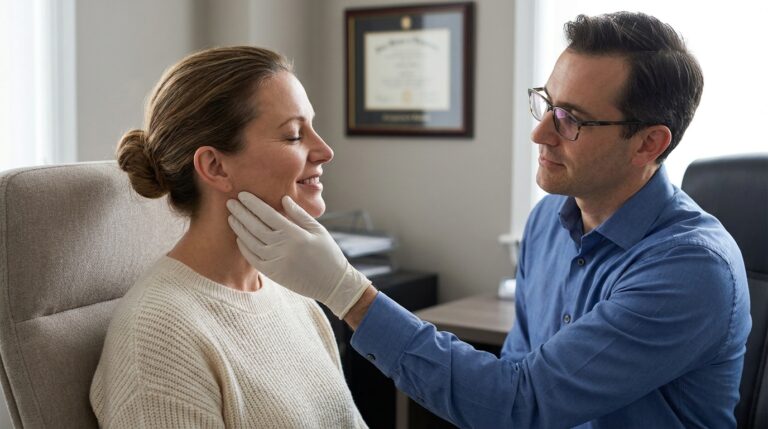
Our specialists
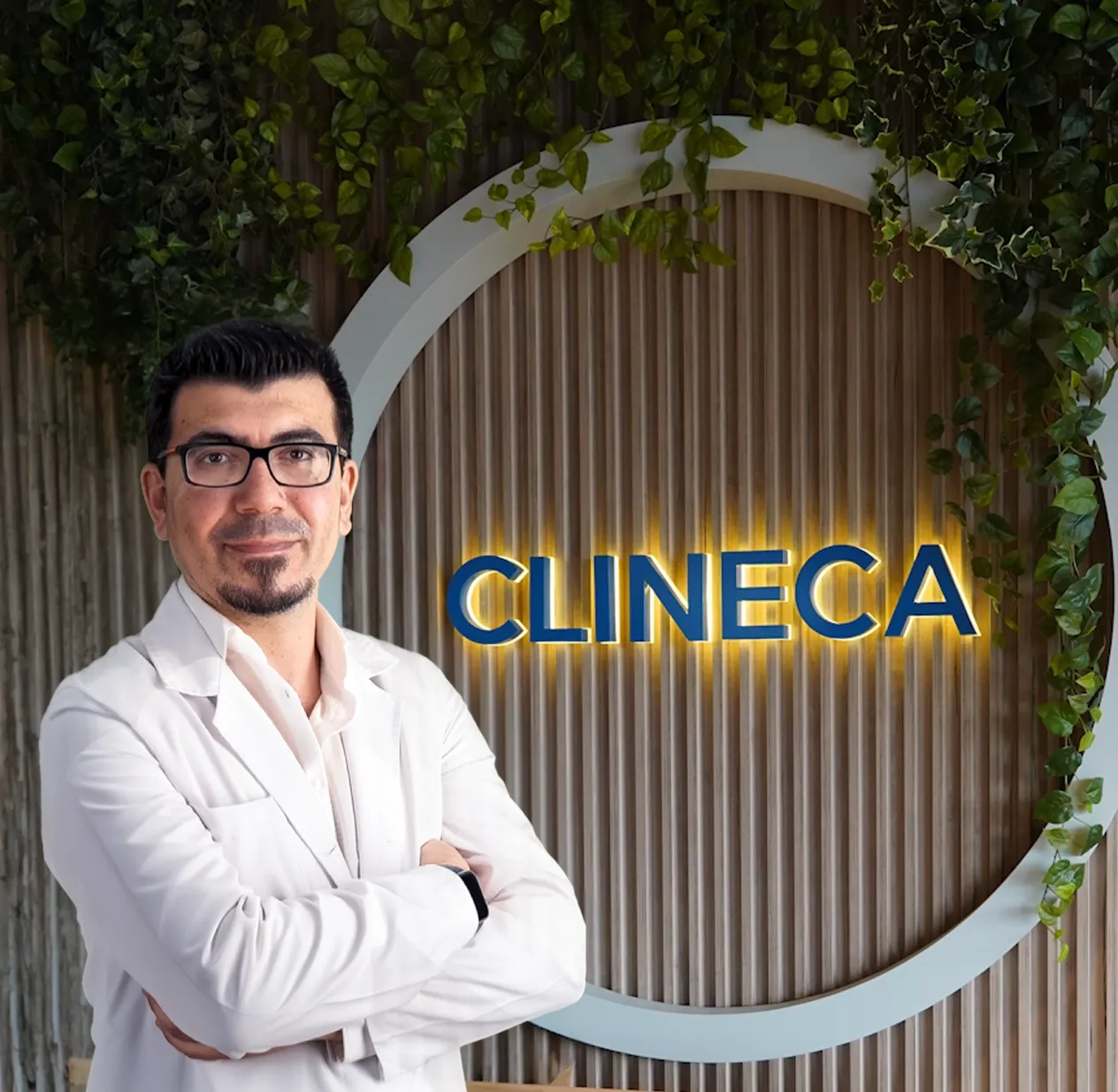 Clineca SpecialistErkan PinegözPlastic & Reconstructive Surgery
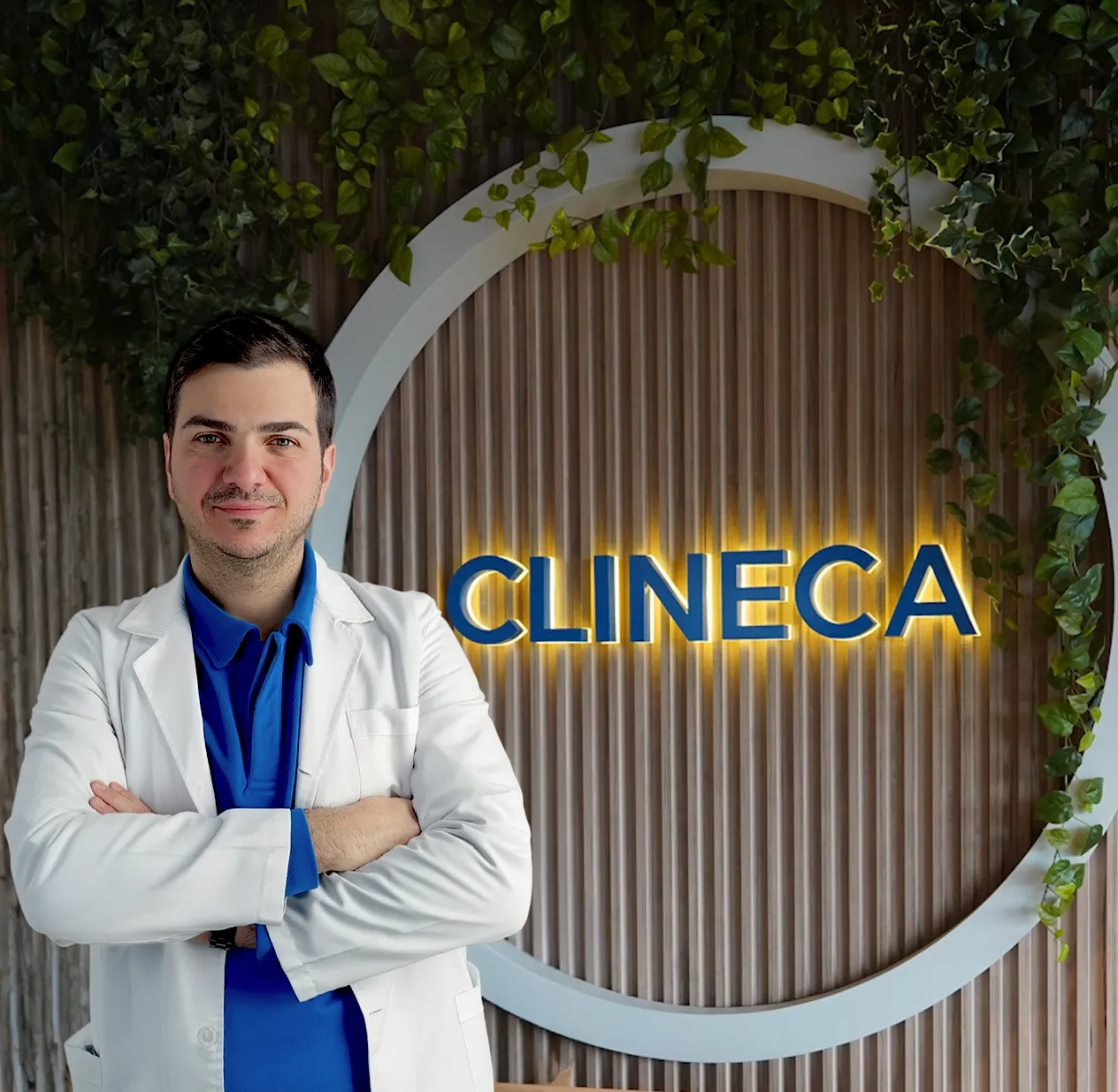 Clineca SpecialistHakan AktaşPlastic & Reconstructive Surgery
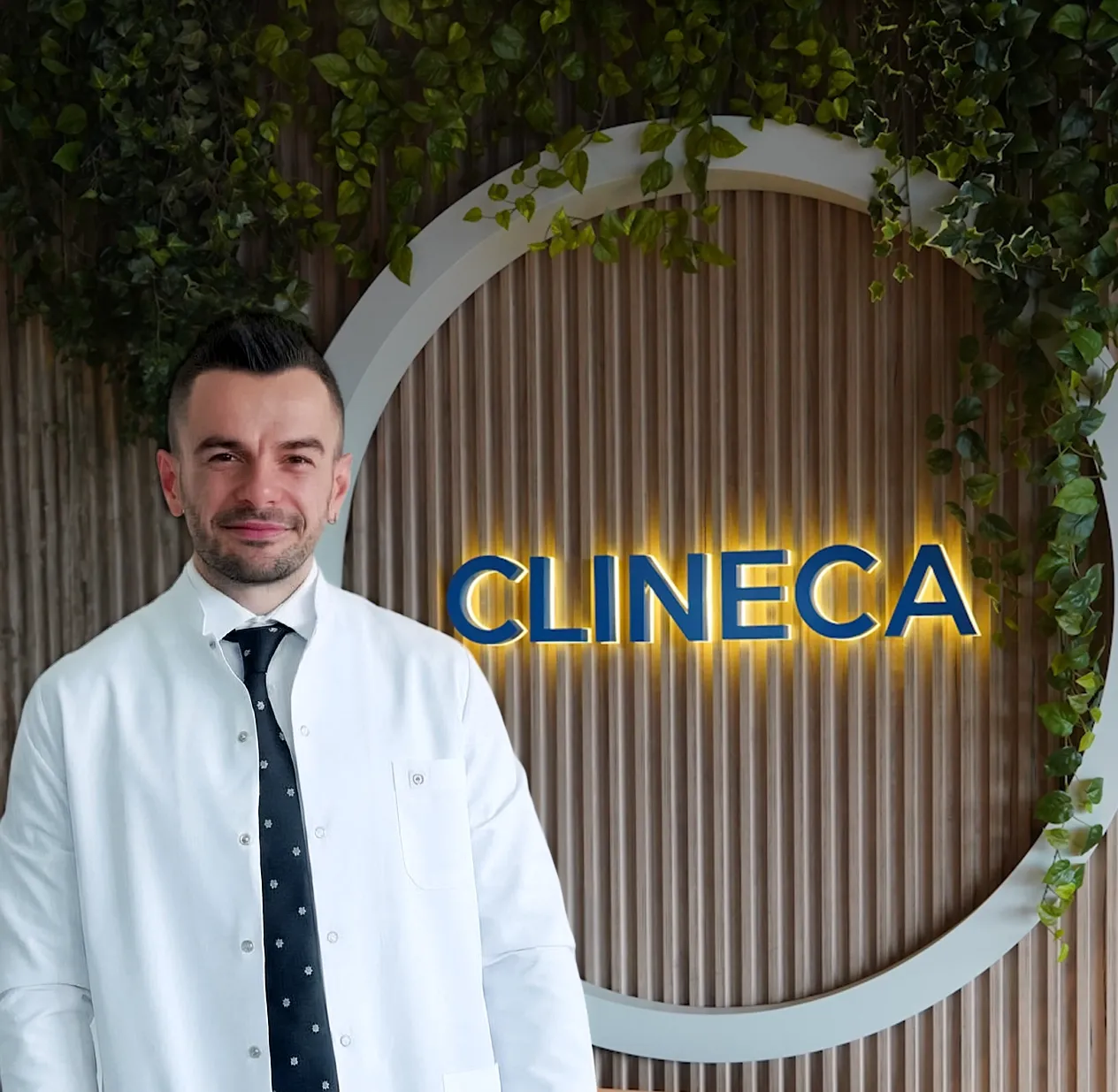 Clineca SpecialistOrkun UzuneyüpoğluPlastic & Reconstructive Surgery
 Clineca SpecialistSalim İskenderPlastic & Reconstructive Surgery
 Clineca SpecialistEngin SelamioğluPlastic & Reconstructive Surgery
 Clineca SpecialistCem AydınPlastic & Reconstructive Surgery
 Clineca SpecialistAlperen ÖnalEar, Nose & Throat (ENT)