In this article
- Why do people go to Turkey for surgery in the first place?
- What actually makes surgery in Turkey safe or unsafe?
- The risks travel genuinely adds
- How to choose an accredited clinic and surgeon
- What drives the cost, and what a safe quote includes
- How long should you stay, and what does recovery look like?
- So, is it safe to have surgery in Turkey?
Ask ten people whether plastic surgery in Turkey is safe and you will get ten different answers, usually based on one story they heard or one price they saw online. That gap between headline horror stories and the thousands of patients who travel, heal and go home quietly is where most of the confusion lives. The honest answer depends far less on the country on your passport stamp than on the specific hospital, the specific surgeon and how your trip is planned around the operation.
Why do people go to Turkey for surgery in the first place?
Cost is the obvious driver, but it is not the only one. Staff salaries, facility costs and insurance overheads are lower in Turkey than in the UK, Germany or the Netherlands, so the same operation can be priced very differently without anything being cut from the surgery itself. Our breakdown of plastic surgery prices in Turkey versus the UK, Germany and the Netherlands explains where that difference actually comes from.
There is also a volume effect. Istanbul and a handful of other Turkish cities host surgeons who operate on a narrow range of procedures week after week, which is exactly the pattern you want in any surgical field. A surgeon who performs nose surgery several times a week is working in familiar territory.
Waiting is a factor too. Cosmetic surgery is rarely available through public health systems, and private waiting lists in some countries stretch for months. For patients who can take two weeks off work, travelling means consultation, surgery and the first review appointments happen inside one planned block of time instead of being spread across half a year.
None of that makes the destination automatically safe. It explains the demand, not the quality of any individual clinic.
What actually makes surgery in Turkey safe or unsafe?
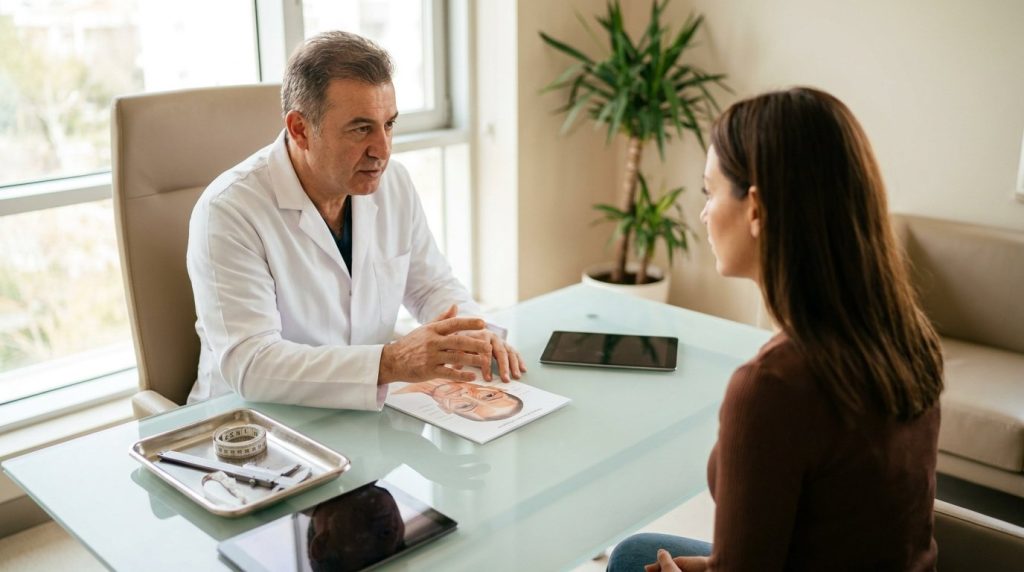
Safety is decided by things you can check before you book, not by the country. The first is the building: your operation should take place in a licensed hospital or a fully equipped surgical facility with an intensive care unit on site or an immediate transfer agreement, not in an office procedure room. Ask where you will be operated on, by name, and look that facility up.
The second is the surgeon. In Turkey the relevant qualification is specialist training in plastic, reconstructive and aesthetic surgery, and you are entitled to the surgeon’s full name before you pay anything. Some surgeons additionally hold European board certification through EBOPRAS, which is a reasonable extra signal. If an agency will only tell you “one of our expert doctors”, that is not a detail they forgot — it is the business model.
The third is anaesthesia. A dedicated anaesthesiologist should see you before surgery, review your medical history and medications, and stay with you throughout. Blood tests, an ECG where appropriate and a frank conversation about smoking, blood pressure, diabetes and weight are part of a normal workup. If nobody asks about your health, nobody is screening your risk.
The fourth is honesty about what can be done in one trip. The temptation to combine several large operations to make the flight “worth it” is where a lot of avoidable complications begin. Longer anaesthesia, more blood loss and more drains do not simply add up — they multiply. We cover that trade-off in detail in our guide to combined surgery in Turkey.
⚠️ Be careful with stacked procedures A plan that packs a tummy tuck, breast surgery and extensive liposuction into a single long anaesthetic because you are only in the country for a week deserves hard questions. A responsible surgeon will sometimes say no, or split the work across two trips.
🚨 No named surgeon, no booking If you cannot find out who will operate on you, where, and with which anaesthesia team before you travel, treat that as a reason to walk away rather than a detail to sort out on arrival.
The risks travel genuinely adds
Every operation carries risk: bleeding, infection, poor scarring, asymmetry, numbness and the possibility of needing revision surgery. Those exist in London and Düsseldorf exactly as they exist in Istanbul. What crossing a border changes is the logistics around them.
Flying too soon is the clearest example. Long periods of sitting still after surgery raise the risk of blood clots in the legs and lungs, which is why surgeons set a minimum stay rather than booking you onto the next cheap flight. Compression garments, early walking and sometimes blood-thinning injections are part of the same picture. Procedures with position restrictions complicate the return journey further — see flying after a BBL for how that works in practice.
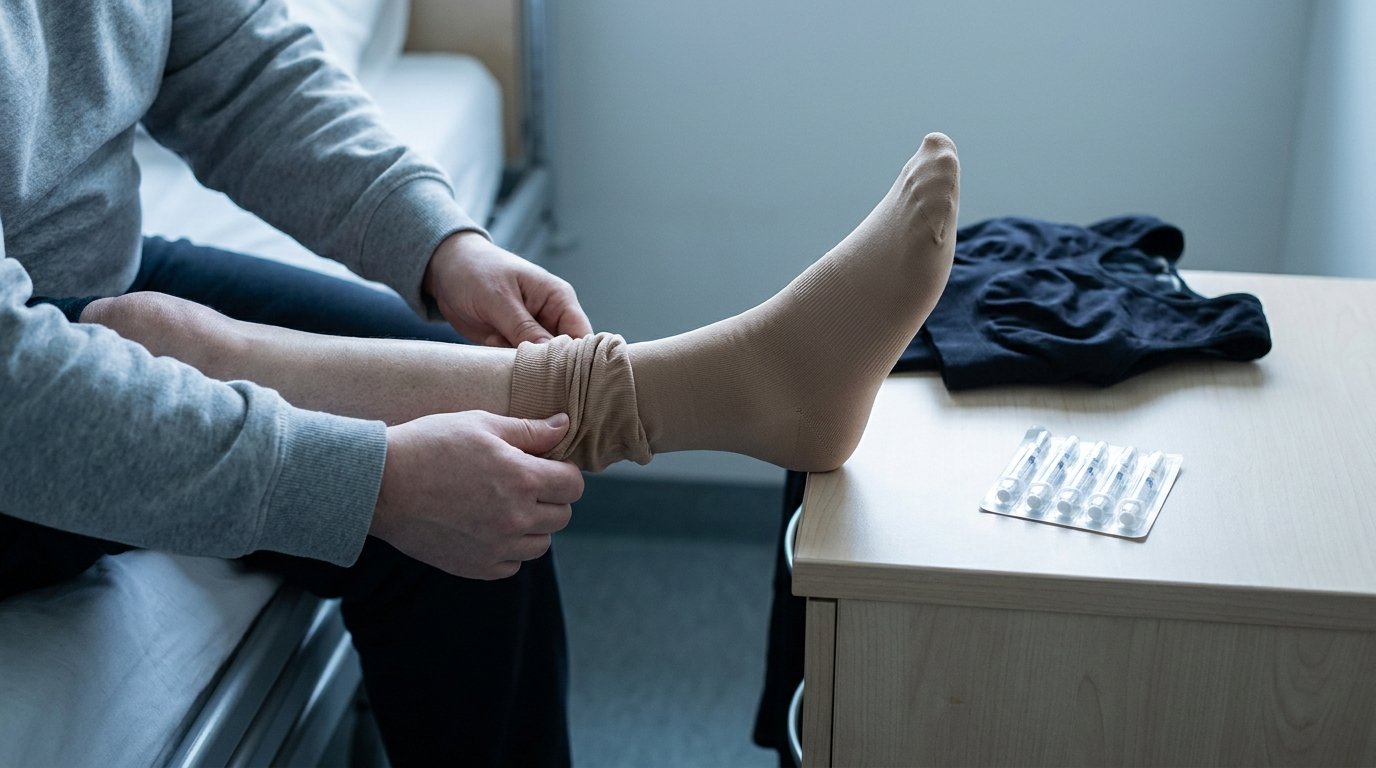
The second travel-specific risk is distance at the moment things go slightly wrong. Most complications are minor and fixable: a stitch that opens, a seroma that needs draining, an infection that needs antibiotics. Handled early they are footnotes. Handled badly, three time zones away, with no one locally willing to touch another surgeon’s patient, they become the stories that frighten people off medical travel entirely. Ask before you travel what happens if you need to be seen after you fly home, and who pays if a revision is needed.
General travel health also matters more than patients expect. A 2023 review in the Indian Journal of Pharmacology on travel medicine makes the broader point that safe travel depends on planning before departure — reviewing existing conditions, medications and vaccinations rather than improvising on arrival. For a surgical trip that means sharing your full medical history and medication list honestly, even the parts you would rather not mention.
- ✓Written surgical plan: The exact procedures agreed, named surgeon, named hospital and anaesthesia type.
- ✓Pre-operative tests: Blood work and any cardiac screening arranged before or immediately on arrival.
- ✓Consent in a language you read: Risks, limits and realistic outcomes explained, not a form signed under time pressure.
- ✓Aftercare and revision policy: Who you contact once home, how follow-up happens remotely, and what a revision would involve.
- ✓Flight clearance date: A minimum stay set by the surgeon, confirmed before you book return flights.
How to choose an accredited clinic and surgeon
The practical test is how a clinic behaves before you have paid anything. Clinics that answer medical questions with medical answers, tell you what your result will not achieve and occasionally decline to operate are usually the ones worth shortlisting. Clinics that send a price list, a countdown timer and a request for a deposit within an hour are selling flights, not surgery.
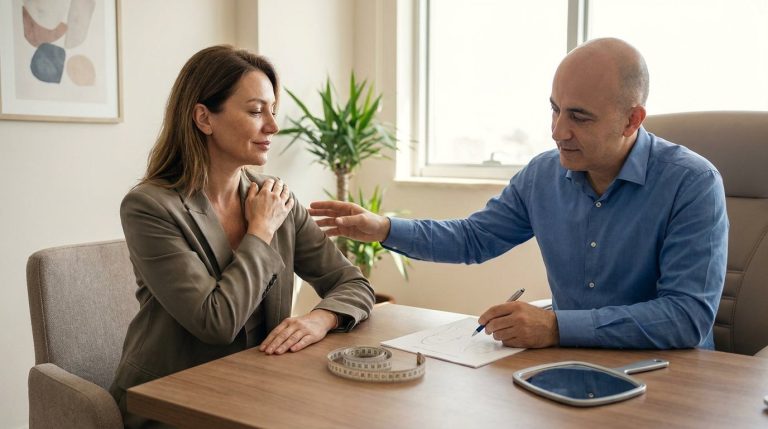
A real consultation, even by video, should involve photographs, questions about your health and a conversation about your anatomy and its limits. If you are considering nose surgery specifically, our guide on how to choose a rhinoplasty surgeon in Turkey sets out the questions that separate a serious assessment from a sales call.
Be realistic about before-and-after photos as well. Stock images, heavily filtered results and galleries with no mention of the time elapsed since surgery tell you nothing. Ask for photos of patients with a starting point similar to yours, taken at a stated interval after the operation.
Named specialist surgeon, licensed hospital with intensive care access, pre-operative blood tests, a written plan, a clear minimum stay, and someone who explains risks without being asked twice.
Prices quoted before any medical questions, refusal to name the surgeon or facility, pressure to add procedures, a one-size-fits-all four-night package, and no aftercare pathway once you are home.
A large patient volume, a slick website or an international award logo. These say something about marketing reach, not about how your particular operation will be planned.
What drives the cost, and what a safe quote includes
Price differences between clinics are rarely random. They usually track the things that affect safety: who operates, where, with what team, and for how long you are looked after afterwards. A quote that sits far below everything else is not a bargain discovered — it is a signal that something in that list has been reduced.
A complete quote is usually easier to compare than a headline figure, because it shows what you are actually buying. Most reputable quotes bundle the surgeon’s fee, anaesthesia, the hospital stay, basic medications and garments, airport transfers and the scheduled follow-up visits before you fly. Our overview of what an all-inclusive surgery package in Turkey includes walks through the usual inclusions and the common gaps.
Your own personalised price is only confirmed after a proper consultation, because it depends on your anatomy, the complexity of the plan and how long you need to be monitored.
How long should you stay, and what does recovery look like?
Stay length is one of the clearest dividing lines between a safe plan and a rushed one. The point of staying is not sightseeing — it is being within reach of your surgeon during the window when most early complications appear, and getting flight clearance from the person who operated on you.
The figures below are typical planning guides, not promises; your surgeon sets your own dates based on the procedure and how you heal. For breast procedures specifically, we go into more detail on how long to stay in Turkey for breast surgery.
Once home, recovery follows the same pattern it would anywhere. Swelling and bruising dominate the first two weeks, desk work usually returns before physical work, exercise comes back gradually over four to six weeks, and final results on facial and body contouring work take months to settle. Plan time off accordingly rather than assuming you will look finished when the flight lands.
This article is for informational purposes only and does not constitute medical advice. Always consult a qualified surgeon for personalised guidance.
📋 Book flexible return flights Healing is not a schedule. A changeable ticket costs a little more and removes the pressure to fly on a date that no longer suits your recovery.
So, is it safe to have surgery in Turkey?
It can be, and for a great many patients it is — provided you treat the decision as choosing a surgeon and a hospital rather than choosing a country or a price. The same operation, in the same city, can be entirely appropriate in one facility and reckless in another.
The patients who run into trouble tend to share a pattern: the cheapest quote, several procedures stacked into one anaesthetic, a four-night stay, no named surgeon, and no plan for what happens after the flight home. Change those five things and the risk profile starts to look like private surgery anywhere else.
If you are weighing it up, be as honest with the clinic as you expect them to be with you. Full medical history, every medication, smoking, alcohol, weight changes and previous surgery all change the surgical plan. A clinic that adjusts its advice based on that information is behaving exactly as it should.
Frequently Asked Questions
References
- 📎Travel medicine — A comprehensive guide to safe world travel — Indian J Pharmacol, 2023
- 📎NHS — Cosmetic procedures
- 📎EBOPRAS — European Board of Plastic, Reconstructive and Aesthetic Surgery
- 📎ISAPS Global Statistics
Related Articles


You Might Also Like
Related articles

Our specialists
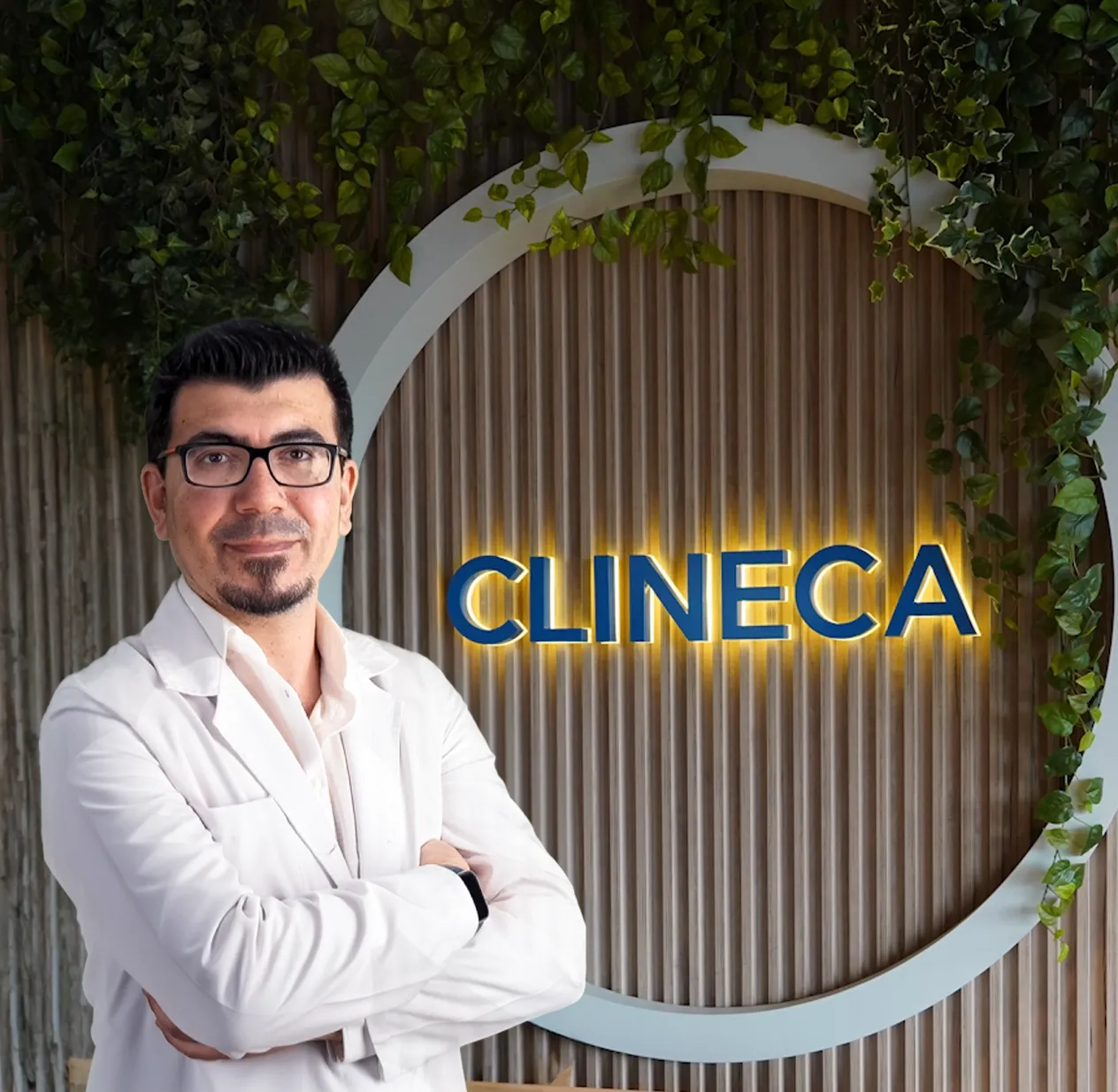 Clineca SpecialistErkan PinegözPlastic & Reconstructive Surgery
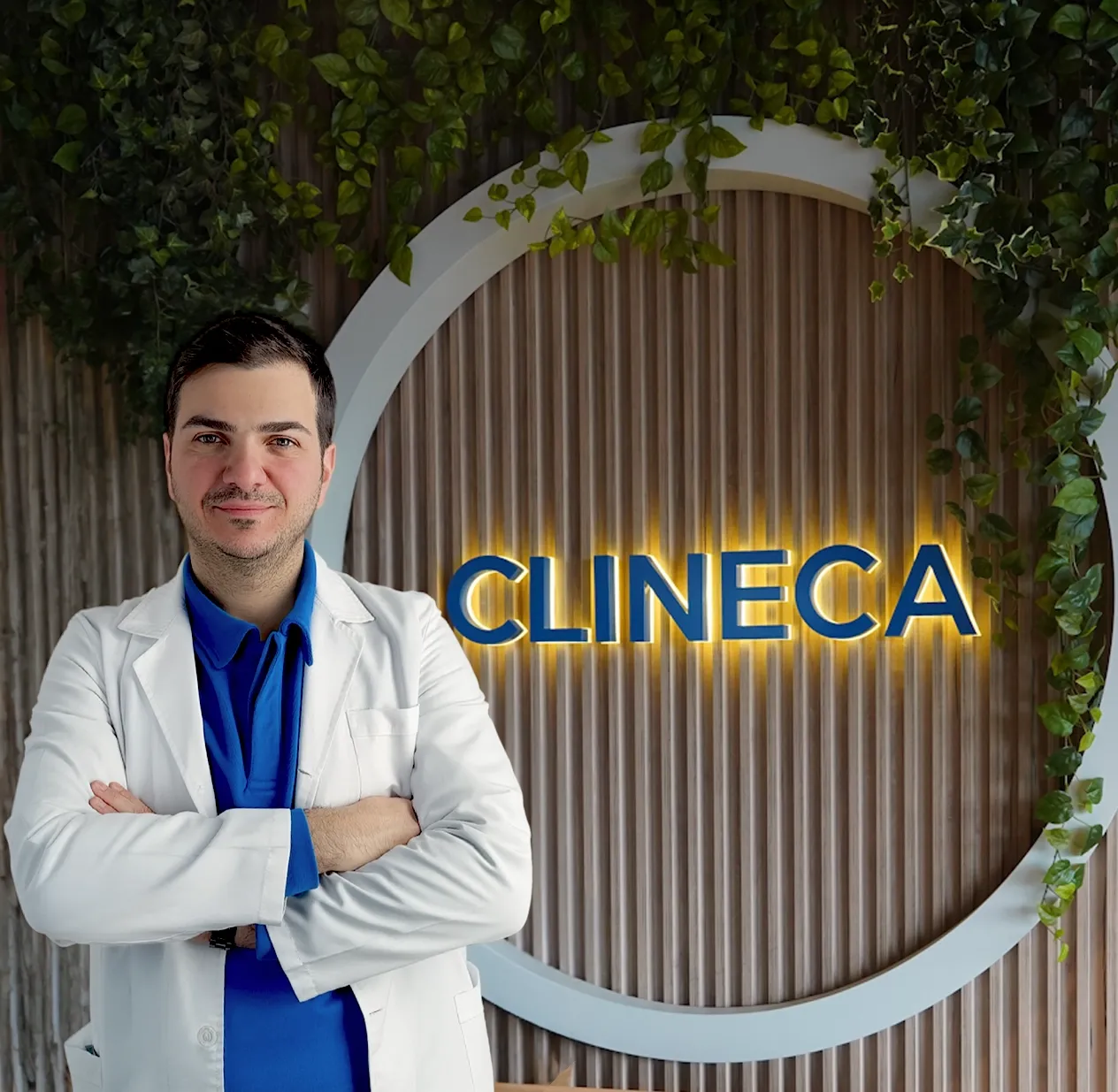 Clineca SpecialistHakan AktaşPlastic & Reconstructive Surgery
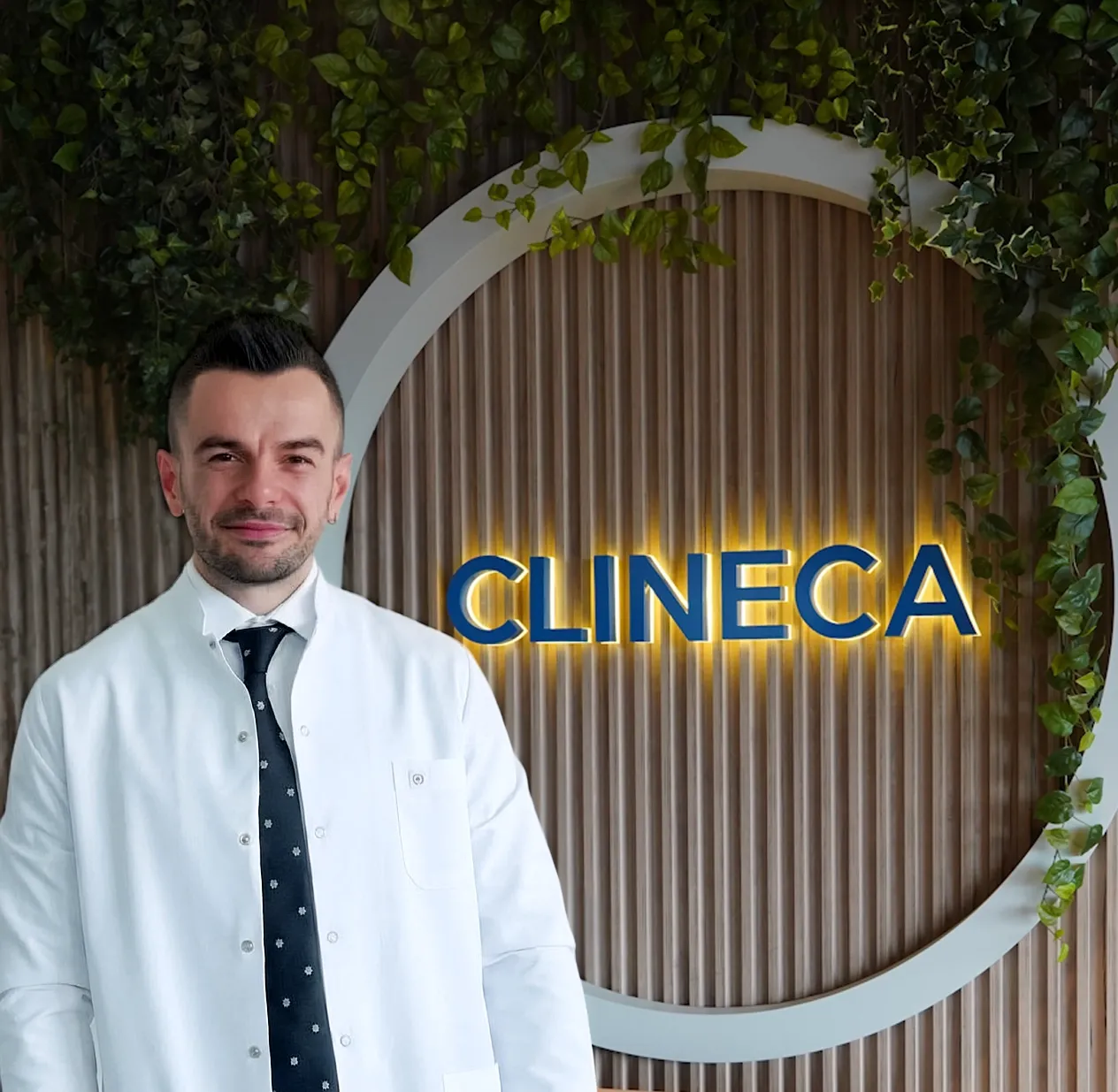 Clineca SpecialistOrkun UzuneyüpoğluPlastic & Reconstructive Surgery
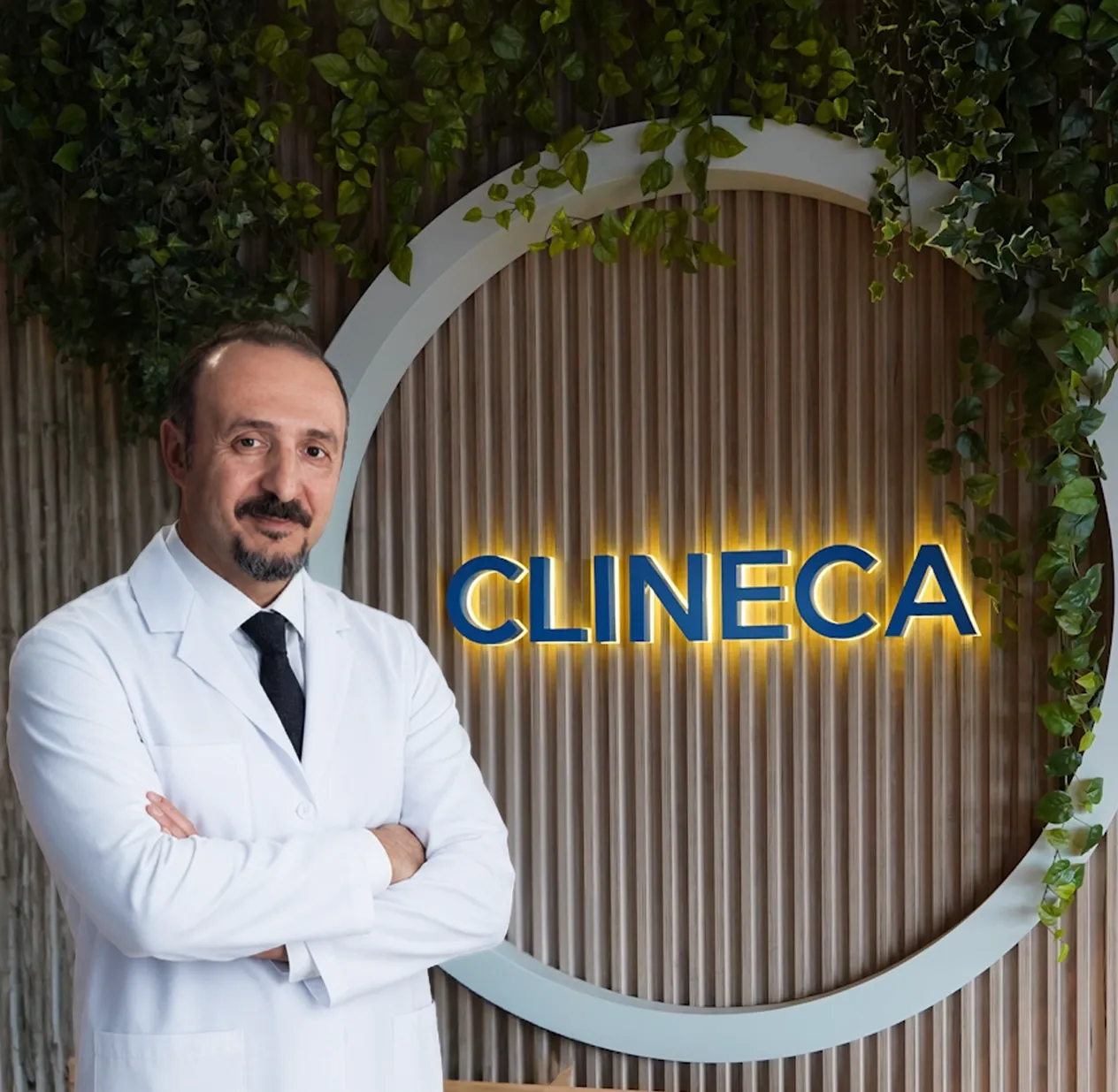 Clineca SpecialistSalim İskenderPlastic & Reconstructive Surgery
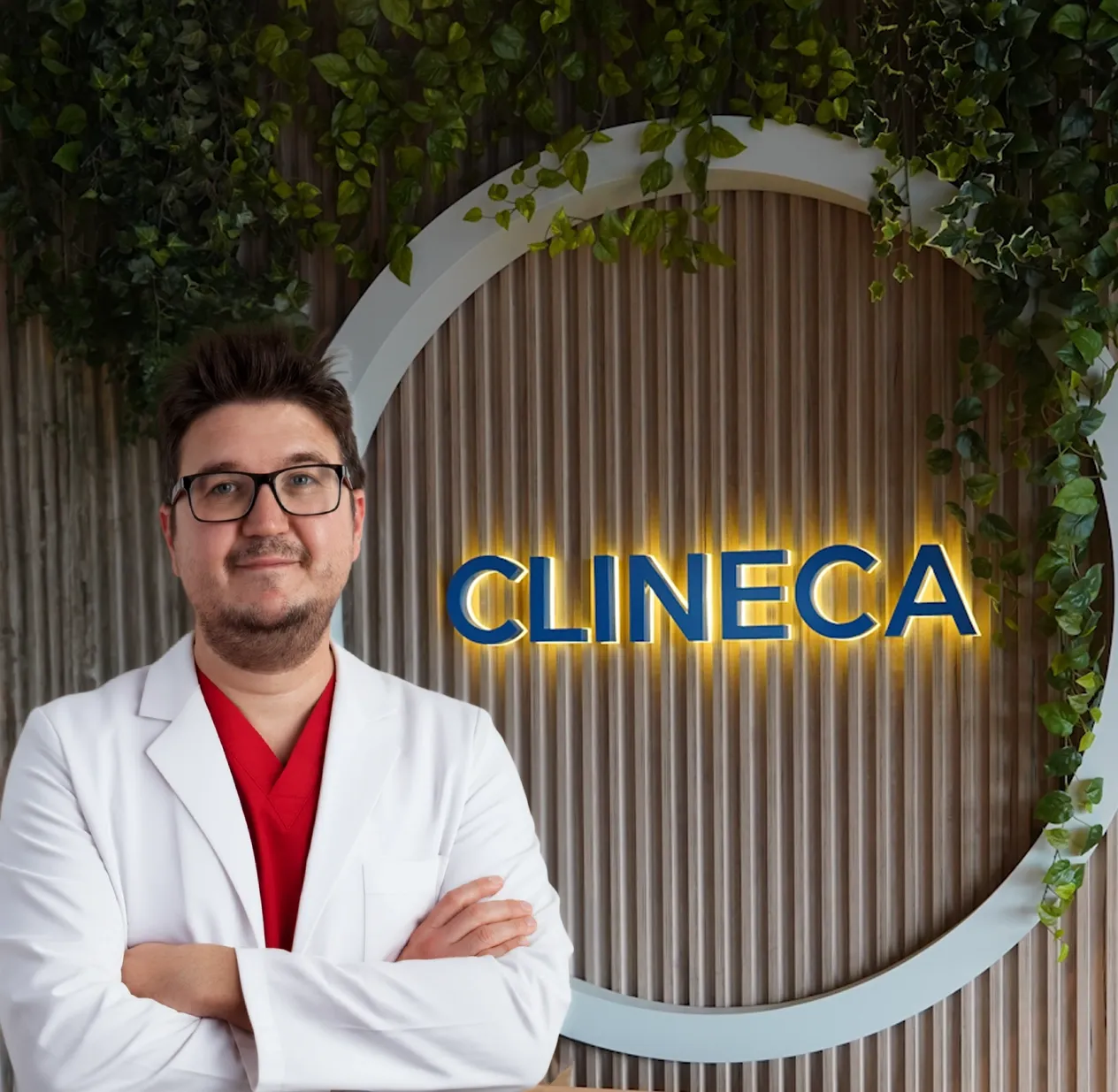 Clineca SpecialistEngin SelamioğluPlastic & Reconstructive Surgery
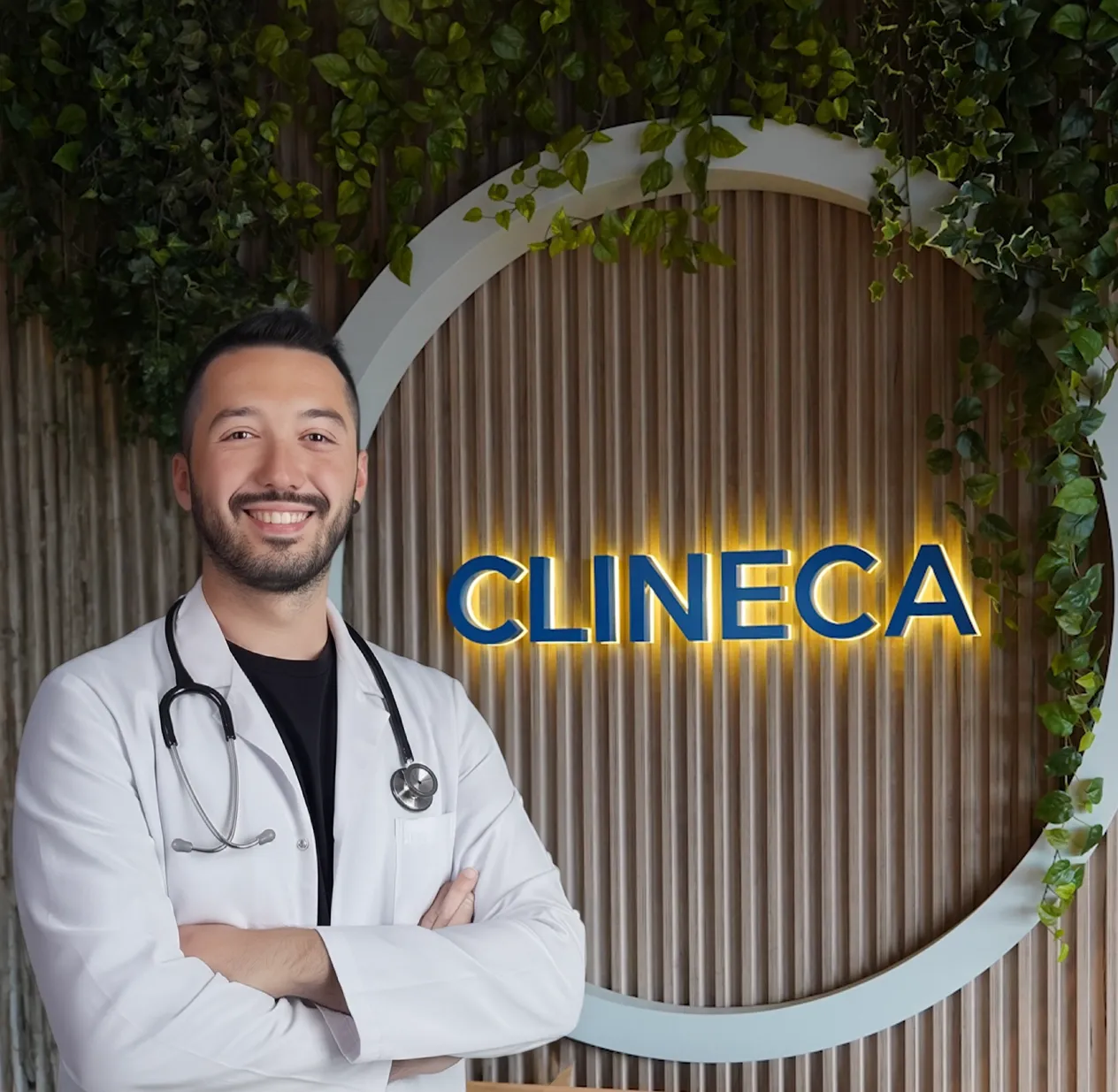 Clineca SpecialistCem AydınPlastic & Reconstructive Surgery
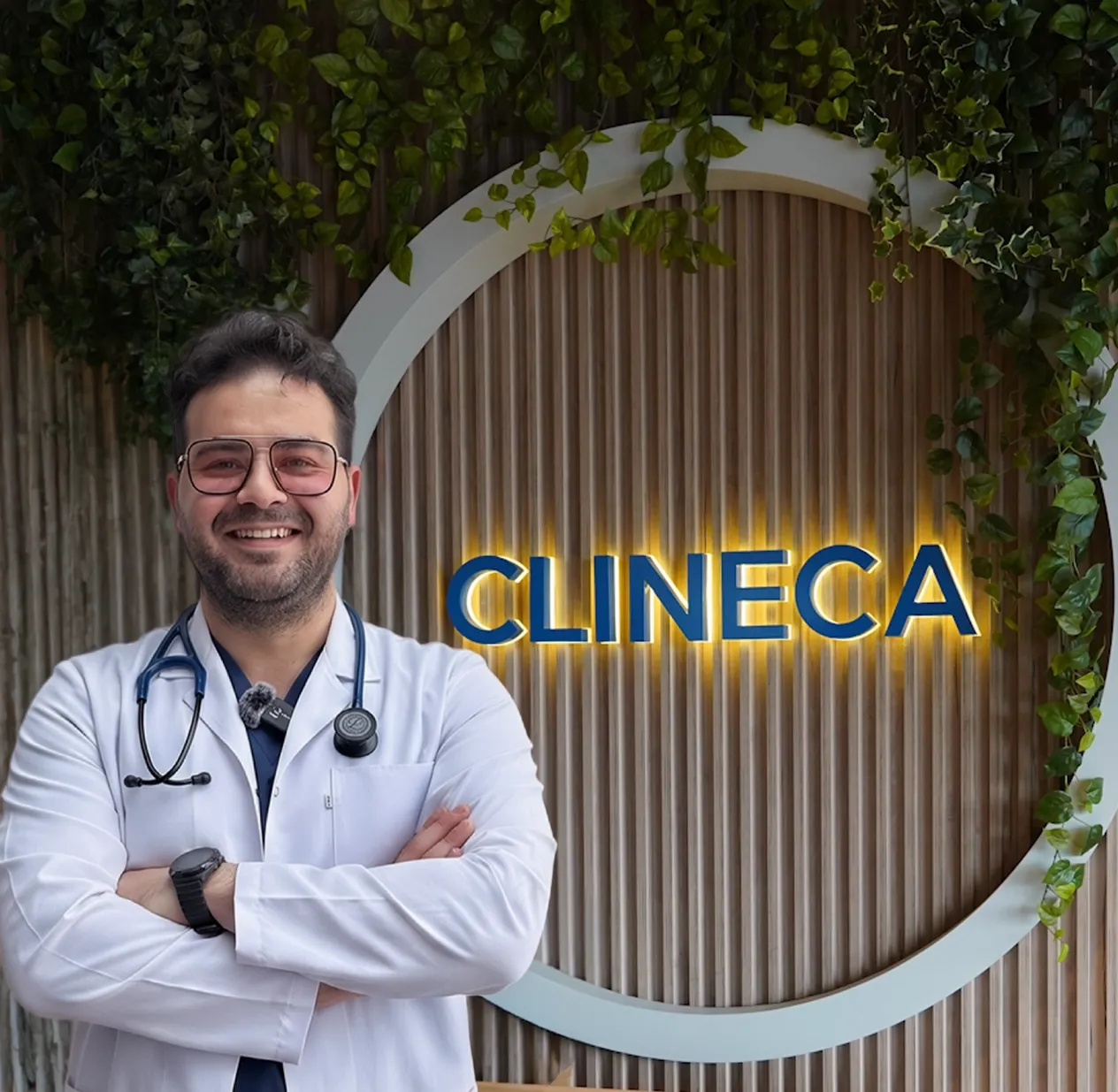 Clineca SpecialistAlperen ÖnalEar, Nose & Throat (ENT)