

Have a question about Dental Implants?
In this article
- Two Different Healing Clocks: Gums Versus Bone
- The First 72 Hours After Implant Surgery
- Dental Implant Recovery Week by Week
- Eating and Drinking: A Realistic Progression
- From Fused Implant to Finished Tooth
- What Slows Implant Healing Down
- Warning Signs That Need a Call, Not a Wait
- Planning the Trips, the Stay and the Cost
Few dental procedures are surrounded by as much timeline confusion as implants, and one of the questions patients ask most often is how long it takes to recover from dental implants week by week. Part of the confusion is that there are really two clocks running at once: the short one you feel, and a much longer one you don’t. Understanding the difference is what makes the whole process feel manageable rather than open-ended.
Two Different Healing Clocks: Gums Versus Bone
When an implant is placed, the dentist makes a small opening in the gum and prepares a channel in the jawbone for a titanium post. The gum heals quickly, the way any small mouth wound does. The bone takes much longer, because it has to grow onto the surface of the post and lock it in place — a process called osseointegration, which simply means bone and implant fusing together.
That is why two honest answers exist to the same question. Surface recovery — swelling, soreness, eating comfortably, going back to work — is usually a matter of days to a couple of weeks. Structural healing, the part that lets you chew on the new tooth with full force, takes months and happens silently while you get on with your life.
So when you read that implant recovery is “quick”, that refers to the first clock. When you read that it takes six months, that refers to the second. Both are true, and neither is the whole picture.
📋 If you need a bone graft When the jaw is too thin or too short to hold an implant, grafting material is added first. This does not usually make the first week harder, but it can add several months before the implant or the final crown can be placed. Ask at consultation whether grafting is part of your plan, because it changes your travel schedule more than anything else.
The First 72 Hours After Implant Surgery
Most implant placements are done under local anaesthetic, sometimes with sedation if several implants are planned. You will leave the chair numb, and that numbness typically fades over two to four hours. Mild oozing from the site on the first day is normal, and it usually looks worse mixed with saliva than it really is.
Swelling behaves predictably. It builds through the first day, peaks somewhere around day two or three, then starts to settle. Cold packs on the cheek in short spells help during the first 24 to 48 hours, and sleeping with your head slightly raised on the first couple of nights reduces the morning puffiness. Bruising on the cheek or jawline happens to some people and is not a sign that something went wrong.

Pain is the part patients worry about most, and it is usually the part that surprises them pleasantly. Discomfort after a single implant is commonly described as a dull ache or pressure rather than sharp pain, and standard prescribed painkillers handle it. A fuller case with several implants, extractions or grafting is more sore, and that soreness is more noticeable for the first three or four days.
During these first days, avoid vigorous rinsing, spitting and straws, since suction and pressure can disturb the clot at the site. No smoking either — this is the single most important thing you control, and it matters for weeks, not days.
- ✓Cold compress on the outside of the cheek, in short on-off spells, for the first day or two
- ✓Soft, cool food and plenty of fluids, taken from the opposite side of the mouth
- ✓Antibiotics and painkillers exactly as prescribed, not skipped once you feel better
- ✓Gentle salt-water rinses from the day after surgery, never forceful swishing
- ✓Brushing your other teeth normally, keeping the brush away from the surgical site
Dental Implant Recovery Week by Week
The table below is the pattern we see most often for a straightforward implant case in a healthy patient. Multiple implants, extractions on the same day, sinus work or grafting shift the early rows by a few days and the later rows by months.
Two things are worth noting as you read it. First, the visible part of recovery is over long before the implant is ready to be loaded. Second, feeling fine is not the same as being healed — the most common way people get into trouble is chewing hard food on a site that looks settled but is still fusing.
⚠️ Smoking is the recovery variable you control Smoking reduces blood flow to healing gum and bone and is consistently linked to more problems around implants. If you cannot stop permanently, stopping for the weeks around surgery still helps. Be honest about it at consultation — it affects both the plan and the timing.
Eating and Drinking: A Realistic Progression
Food is where most people feel the recovery day to day. For the first 24 hours, stick to cool and soft: yoghurt, smoothies eaten with a spoon rather than a straw, lukewarm soup, mashed potato, scrambled egg. Nothing hot, nothing crunchy, nothing with small seeds or grains that can lodge in the site.
From roughly day three to the end of week two, you can widen things considerably while still avoiding the implant side — soft pasta, fish, well-cooked vegetables, soft bread without a hard crust. By week three or four, most patients eat an essentially normal diet, with one rule still in place: no deliberate biting or grinding on the implant site until your dentist confirms the implant is loaded and ready.
Alcohol is best avoided while you are on antibiotics and during the first few days, and very hot drinks should wait until the swelling has gone down. If a temporary tooth has been fitted for appearance, treat it as cosmetic rather than functional. The same adjustment pattern applies later to the finished restoration, much like the short settling-in period people notice when they start eating normally with a dental bridge.
- →Day 1: Cool, smooth, spoonable food only; keep well hydrated
- →Days 2–7: Soft warm food chewed on the opposite side; avoid seeds, nuts and crusts
- →Weeks 2–4: Near-normal diet, still protecting the implant site from hard bites
- →After the crown is fitted: Normal chewing, with a few days to get used to the new bite
From Fused Implant to Finished Tooth
Once the implant has integrated, the visible tooth is built in stages. Your dentist checks stability, fits an abutment — the connector that sits above the gum line — and then takes impressions or a digital scan for the crown, bridge or denture that goes on top. The gum around the abutment needs a short settling period, often one to two weeks, before the final impressions give a clean result.
This is also when the choice of restoration material comes up, and it is worth asking about in advance rather than at the last appointment. The practical differences between materials, and what they mean for appearance and durability, are covered in our comparison of zirconia and porcelain crowns.
Mild sensitivity or a slightly odd bite in the first days after the crown is fitted is common and usually adjusts quickly, in a similar way to the settling described in our guide to what to expect after a dental crown. If the bite still feels high or uneven after a week, it needs adjusting rather than tolerating — an uneven bite puts uneven load on the implant.
Long-term studies report high survival for implants that are well positioned, appropriately loaded and properly maintained. That last word carries weight: an implant does not decay, but the tissue around it can become inflamed. A 2018 narrative review in the Journal of Clinical Periodontology, prepared for the World Workshop of the American Academy of Periodontology and the European Federation of Periodontology, examined peri-implant mucositis — plaque-driven inflammation of the gum around an implant — and the question of whether it can be reversed. The practical message for patients is that cleaning around implants daily and attending hygiene visits is not optional aftercare; it is the main thing that protects the result.
What Slows Implant Healing Down
Two people can have the same procedure on the same day and recover at noticeably different speeds. The surgery itself explains part of it — a single implant in good bone is a smaller event than four implants with extractions and grafting. The rest comes down to you.
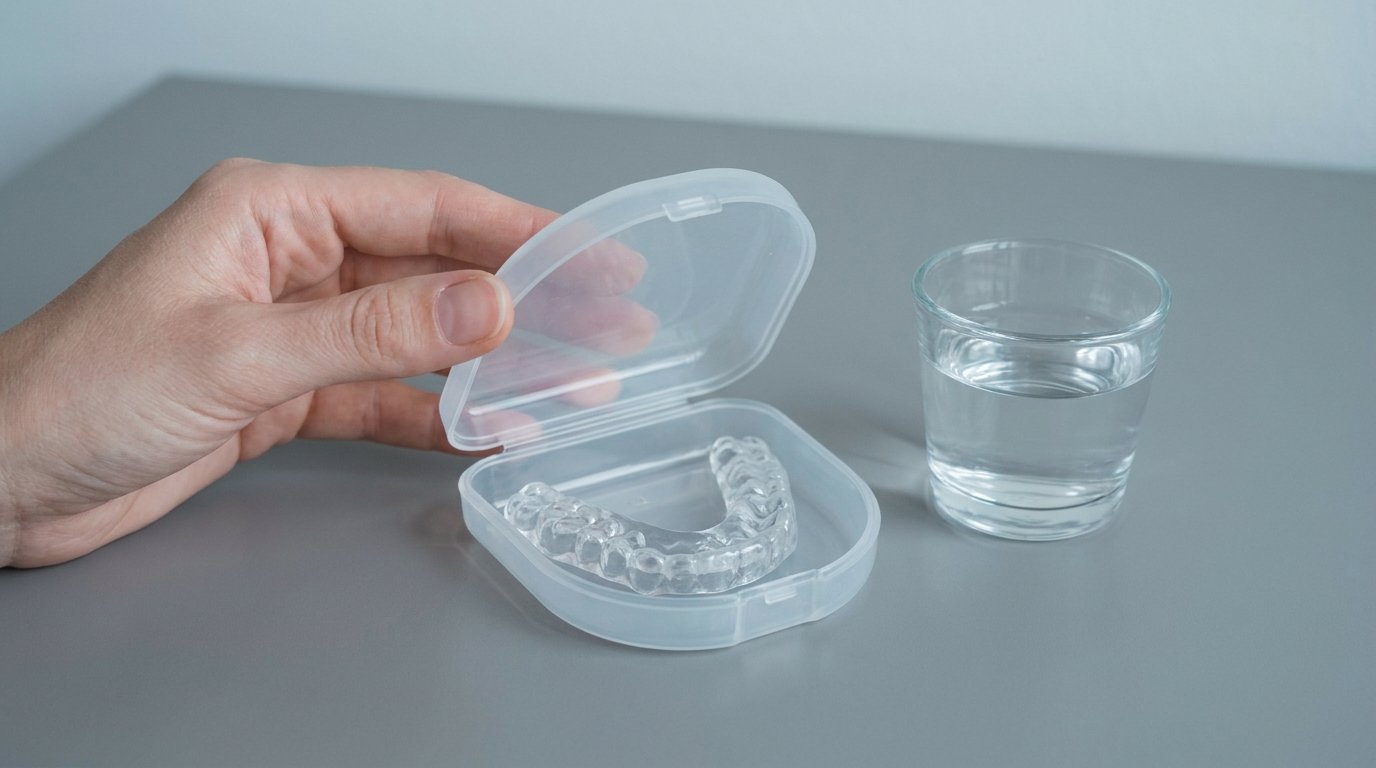
Smoking, poorly controlled diabetes, untreated gum disease and inconsistent oral hygiene all make healing slower and less predictable. Grinding your teeth at night can overload a healing site, so a night guard is sometimes recommended. Medication matters too: some bone medicines, including bisphosphonates often taken for osteoporosis, have been reviewed for their effect on implant healing and the surrounding bone and gum, including a 2022 systematic review in BMC Oral Health. Tell your dentist about every medicine you take, including ones you stopped, before anything is planned.
Age, on its own, is rarely the obstacle people expect. Bone quality and general health matter far more than the number on your passport, which is why a CT scan and a proper medical history are part of a serious assessment rather than a formality.
Smoking or vaping, uncontrolled diabetes, active gum disease, heavy night-time grinding, skipping antibiotics, and chewing hard food on the implant site too early.
Stopping smoking around the surgery, treating gum disease first, following the soft-diet stages, keeping the rest of your mouth meticulously clean, and attending every review appointment.
Warning Signs That Need a Call, Not a Wait
Normal recovery gets better day by day after the swelling peak. Anything that gets worse after day three deserves a message to your clinic, even if you are already home in another country. A reputable clinic should give you a direct contact for exactly this and answer quickly — responsiveness after you fly home is one of the fairest tests of a dental provider.
Call if you have increasing rather than decreasing pain after day three, swelling that grows again after it had settled, a fever, a bad taste or discharge from the site, bleeding that does not stop with gentle pressure, numbness in the lip or chin that persists well beyond the day of surgery, or an implant or temporary tooth that feels loose or mobile. None of these are reasons to panic, but all of them are reasons to be seen rather than to wait and hope.
🚨 Do not ignore a loose feeling A healing implant should feel like nothing at all. A sensation of movement, clicking or looseness in the weeks after placement needs assessment promptly, because early intervention is far simpler than late repair.
Planning the Trips, the Stay and the Cost
Because implant healing has a long quiet middle phase, treatment for international patients is usually split into two visits. The first visit covers the assessment, any extractions or grafting, and placement of the implant, and most people plan for roughly five to seven days in Turkey so that the surgery, a review and any temporary tooth are all done before they fly. The second visit, after osseointegration, covers the abutment and the final crown or bridge and typically needs about five to seven days to allow for impressions, fitting and adjustments.
The gap between visits is usually three to six months, depending on whether grafting was needed and how your bone responds. That gap is not wasted time and it does not require you to be in Turkey — it is simply the bone doing its work. If travelling twice is difficult, discuss it openly at consultation; some cases can be sequenced differently, but no honest clinic will shorten bone healing to suit a flight schedule.
On price, the only accurate answer comes after a clinical assessment, because implant quotes are built from several moving parts rather than one number. The table below shows what actually drives a quote, and what to make sure is written into it. A detailed breakdown of how the process is organised for international patients is covered in our guide to dental implants in Turkey, and the restoration side is explained in our article on dental crowns in Turkey.
For choosing a clinic, look for a dentist with documented implant training and real experience in cases like yours, a CT scan and written treatment plan before any money changes hands, named implant and crown brands in the plan, clear aftercare arrangements for when you are back home, and a willingness to tell you that you are not a suitable candidate right now. Vague answers about who will actually perform the surgery, pressure to decide on the spot, and a price quoted before anyone has looked at your bone are all reasons to slow down.
This article is for informational purposes only and does not constitute medical advice. Always consult a qualified surgeon for personalised guidance.
Active gum disease, insufficient bone or an unstable medical condition may mean implants are postponed rather than refused. Grafting, gum treatment or a temporary bridge can bridge the gap, and a good clinic will explain the sequence instead of placing implants into unfavourable conditions.
Frequently Asked Questions
References
- 📎Peri-implant mucositis — Journal of Clinical Periodontology, 2018
- 📎Impact of bisphosphonate drugs on dental implant healing and peri-implant hard and soft tissues: a systematic review — BMC Oral Health, 2022
You Might Also Like


Related articles
Our specialists
 Clineca SpecialistErkan PinegözPlastic & Reconstructive Surgery
 Clineca SpecialistHakan AktaşPlastic & Reconstructive Surgery
 Clineca SpecialistOrkun UzuneyüpoğluPlastic & Reconstructive Surgery
 Clineca SpecialistSalim İskenderPlastic & Reconstructive Surgery
 Clineca SpecialistEngin SelamioğluPlastic & Reconstructive Surgery
 Clineca SpecialistCem AydınPlastic & Reconstructive Surgery
 Clineca SpecialistAlperen ÖnalEar, Nose & Throat (ENT)