

Have a question about Neck Lift?
In this article
- How long does swelling usually last after a neck lift?
- Week by week, what does neck lift swelling look and feel like?
- What can make swelling last longer than expected?
- When is swelling normal, and when should you call your surgeon?
- What actually helps swelling go down after a neck lift?
- How long should international patients stay, and what should recovery planning include?
If you are wondering how long does swelling last after a neck lift – week by week timeline, the short version is that swelling changes a lot over the first few weeks and then settles more slowly over the next few months. That matters because many patients worry at the stage when they still look puffy, tight or uneven, even though healing may still be on track.
How long does swelling usually last after a neck lift?
Most neck lift patients notice the biggest swelling in the first several days, then a clear step down over the next two to three weeks. After that, the remaining swelling is usually milder but slower to leave. Many people look presentable to others before they feel fully settled themselves.
A neck lift is not one single operation. Some patients have skin tightening only, while others also have neck liposuction, platysmaplasty (tightening the vertical neck muscle), work under the chin, or a facelift at the same time. For our neck lift patients that is the norm rather than the exception: nine in ten have another procedure at the same time, usually a second lifting operation on the face. Part of the reason is practical — few people fly abroad for the neck alone, so when patients do travel the neck is normally part of a wider facial plan. The more tissue work involved, the longer swelling can linger, and if your neck was treated alongside other areas, the swelling you are watching is rarely coming from the neck by itself. This is one reason two people can have very different timelines.
The American Society of Plastic Surgeons describes bruising, swelling and tightness as expected parts of early recovery after facial cosmetic surgery, and the NHS also notes that cosmetic surgery recovery varies by procedure and by person. In practice, a neck that feels firm, numb or slightly “woody” for weeks is common. Final refinement often takes a few months rather than a few days.
If your procedure is being done as part of broader facial surgery, recovery can feel less straightforward because swelling from nearby areas overlaps. If that sounds like your situation, it may help to read about facelift recovery timing as well, since the two recoveries often run together.
📋 Your own surgeon’s instructions come first Compression garments, drains, sleeping position, shower timing and flying advice vary by technique. Follow the instructions given for your exact operation, even if another patient’s timeline sounds different.
Week by week, what does neck lift swelling look and feel like?
The first week is usually the most dramatic. Swelling often peaks in the first few days, and the neck can feel tight, heavy and harder to turn. If you had muscle tightening under the chin, swallowing may feel strange at first and the area may look more swollen than patients expect.
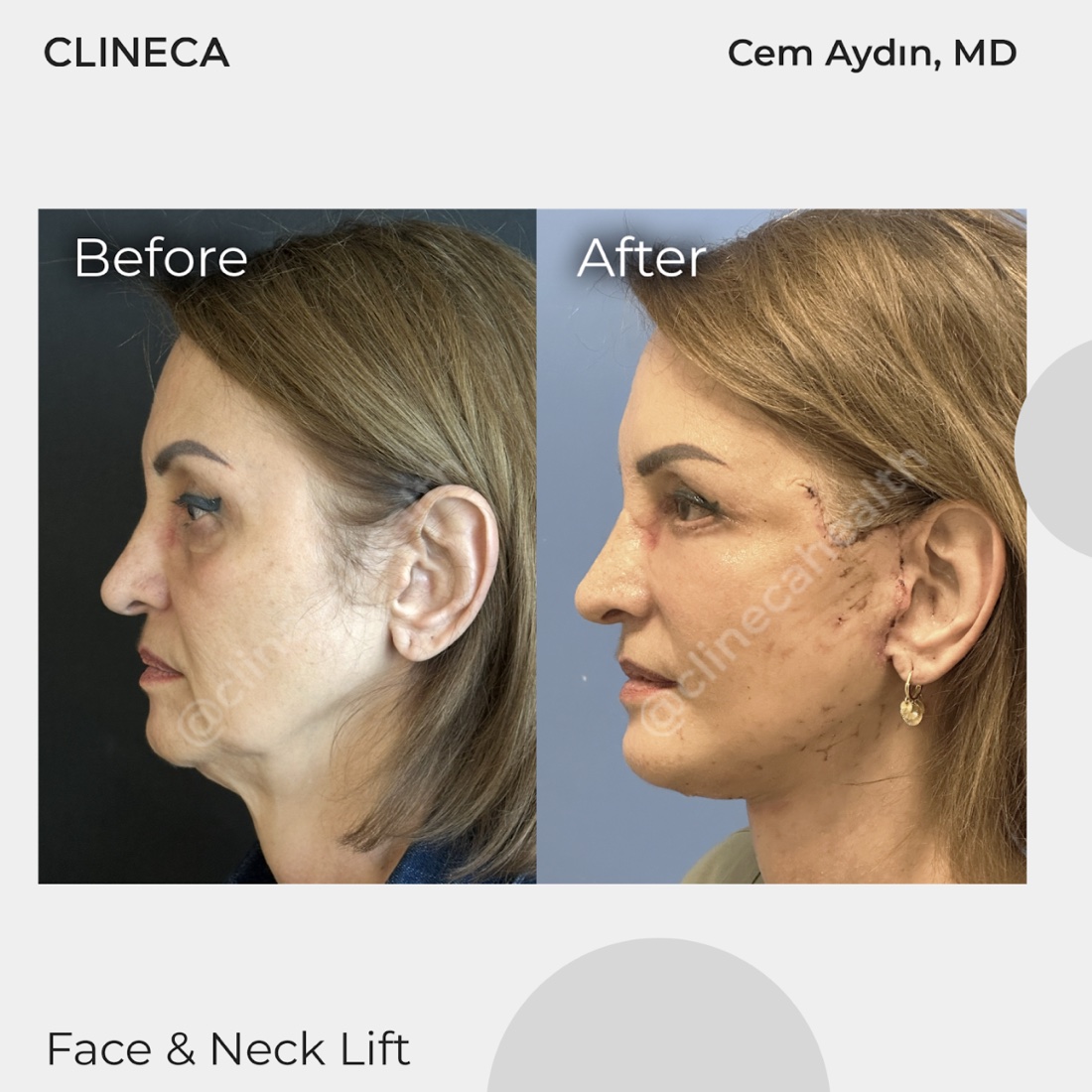
By the second week, most people see a noticeable drop in puffiness. Bruising often fades faster than swelling, so you may look less bruised but still feel thick or stiff under the skin. Small asymmetries are common at this stage, especially if one side drains fluid a little more slowly.
Weeks three and four are often the point when patients expect to be “done,” but this is also when subtle swelling becomes more obvious to you. Other people may think you look fine, yet you may still notice fullness under the chin, firmness along the jawline, or a pulling sensation when you smile or look up.
Over the next one to three months, the neck usually keeps refining. The contour gets sharper, the skin feels less tight, and the under-chin area softens. Mild swelling can still come and go later in the day, especially after salty meals, long travel, heat exposure or a lot of activity.
A study base in journals such as Aesthetic Surgery Journal and Plastic and Reconstructive Surgery supports the broader facial-surgery pattern that early oedema improves substantially in the first few weeks, while final contour continues to mature over months. That slower second phase is normal healing, not a sign that the result has failed.
What can make swelling last longer than expected?
Technique matters. A neck lift with platysma tightening, deeper work under the chin, or combination surgery usually swells longer than a lighter neck contouring procedure. If you also had liposuction, the neck may feel more fibrous or lumpy for a while before it smooths out.
Your body matters too. People who bruise easily, retain fluid, smoke, have poorly controlled blood pressure, or return to exercise too quickly can stay swollen for longer. Heat, alcohol and salty food can also make the neck look puffier late in the day.
Travel can play a part. Long flights, hotel dehydration and carrying luggage too soon may worsen fluid retention. That is one reason surgeons often prefer patients to stay nearby until early checks are done and any drain has been removed. If you are travelling for surgery, keep the schedule recovery-first rather than tourism-first.
One of the most common mistakes is comparing your neck to online photos taken at different stages. Recovery is not linear. Some mornings look better than evenings, and one side may settle before the other.
- ✓Combined surgery usually means longer swelling.
- ✓Smoking and nicotine can slow healing.
- ✓Early strenuous activity often makes swelling flare up.
- ✓Heat, alcohol and high-salt meals can temporarily increase puffiness.
When is swelling normal, and when should you call your surgeon?
Normal swelling is usually gradual, symmetrical enough overall, and slowly improving even if day to day changes are uneven. The neck may look overcorrected at first, and the skin can feel tight or numb. Small lumps, firmness and tenderness often settle with time.
What deserves a call is swelling that suddenly gets worse instead of better, especially if one side becomes much larger, harder or more painful. A rapidly expanding neck can suggest a haematoma, which means a collection of blood under the skin. The ASPS and Mayo Clinic both describe bleeding, infection and wound problems as important complications after cosmetic surgery that need prompt medical review.
You should also contact your surgical team if you have increasing redness, heat, bad-smelling drainage, fever, shortness of breath, calf pain, chest pain, or trouble swallowing that is getting worse rather than better. Those are not things to monitor casually.
If the swelling seems mild but simply slow, send clear daylight photos through the channel your clinic has given you. Good aftercare communication matters a lot in recovery, especially for international patients who are no longer in the same city as their surgeon.
⚠️ Do not ignore sudden one-sided swelling A rapidly enlarging, tense or very painful neck needs urgent assessment. Do not wait for a routine follow-up if swelling changes quickly.
Swelling that is slowly improving, mild firmness, numbness, tight skin and small side-to-side differences early on.
Sudden increase in swelling, major asymmetry, severe pain, spreading redness, fever, foul drainage or breathing trouble.
What actually helps swelling go down after a neck lift?
The basics work best. Sleep with your head elevated, keep activity light at first, stay well hydrated, and avoid anything that spikes pressure in the face and neck, such as heavy lifting, intense workouts, bending for long periods or forceful coughing if you can help it. Compression garments can help, but only if your own surgeon has prescribed one and told you how long to use it.

Do not overdo cold packs. Some surgeons allow them briefly, while others prefer patients not to use them near fresh facial surgery because pressure or excess cold can irritate tissues. The same applies to massage. A neck can feel lumpy and firm, but massage is not automatically the answer unless your surgeon recommends it.
Short walks are useful because they support circulation without stressing the neck. Good protein intake, lower salt intake and avoiding nicotine also help the body handle fluid better. If you have had another contouring procedure before, you may recognise the same stop-start pattern seen in guides like this one on double chin liposuction swelling and recovery.
If you are planning surgery and still deciding whether this is the right operation, a separate question is whether you are likely to benefit from skin and muscle tightening in the first place. This article on who may be a candidate for a neck lift can help you frame that discussion.
- →Sleep elevated unless told otherwise.
- →Wear compression only as instructed.
- →Choose walking over gym workouts early on.
- →Avoid smoking, alcohol excess and very salty meals in the early phase.
How long should international patients stay, and what should recovery planning include?
For a neck lift, patients travelling from abroad usually need enough time for the first in-person checks, dressing changes if used, and drain removal if a drain was placed. The exact stay depends on the technique and whether the neck lift is combined with a facelift or another procedure. A longer stay is often sensible if swelling is more than mild in the first days.
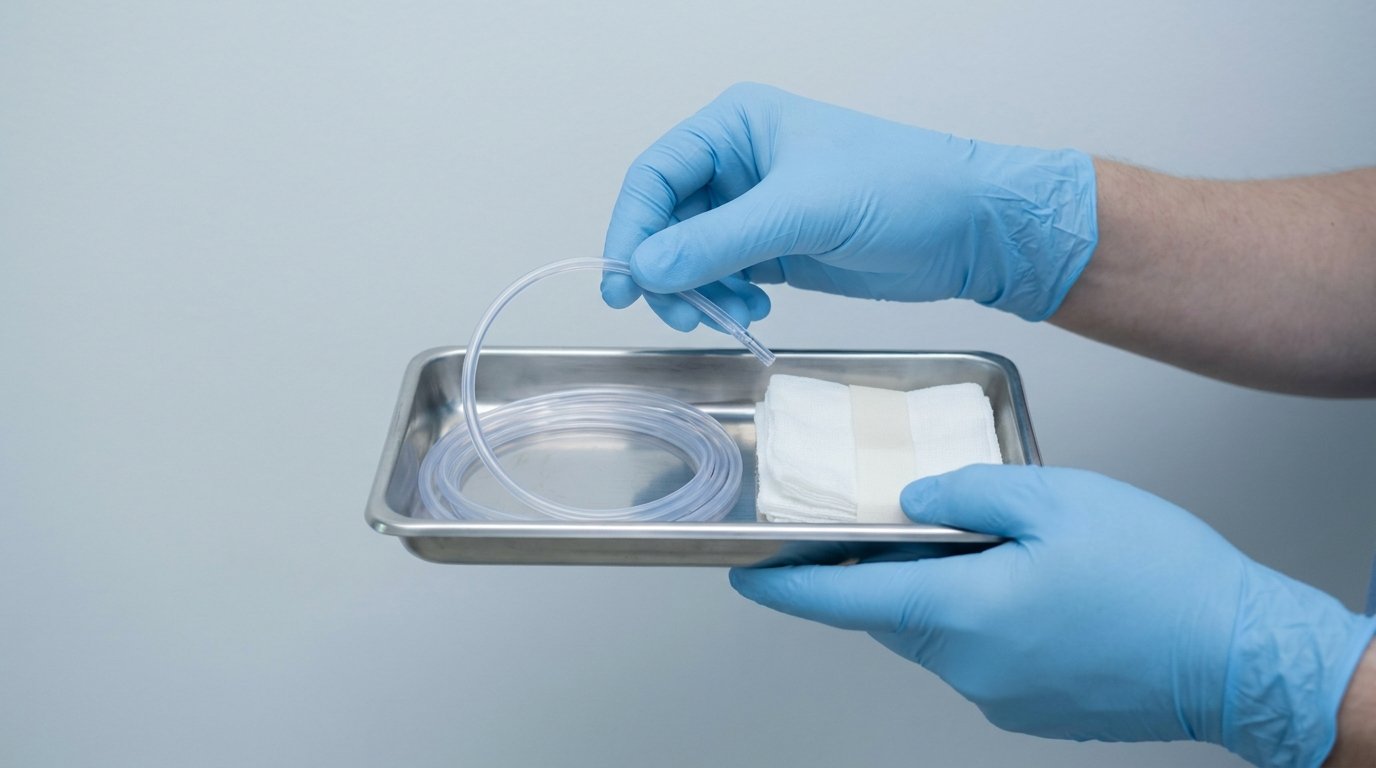
Flying advice is not one-size-fits-all. Some patients can travel once the surgeon is satisfied that early bleeding risk has passed and drains are out, while others need longer. Cabin dehydration, airport stress and lifting bags can all aggravate swelling, so ask specifically when you can fly, whether you need compression during travel, and who to contact after you return home.
Keep the practical side simple. You want a written aftercare plan, a clear contact line for questions, and a quote that explains what is included, such as hospital fees, garments if used, medications, hotel and transfers. Prices vary with surgeon experience, clinic setting, whether a facelift is added, and how much aftercare is built into the package. A personalised quote is normally confirmed after consultation and photo review.
If you are comparing package structures, this explainer on what an all-inclusive surgery package may include is useful background, but recovery support matters more than extras when you are choosing between clinics.
Frequently Asked Questions
References
- 📎American Society of Plastic Surgeons: Cosmetic Procedures
- 📎NHS: Cosmetic procedures
- 📎Mayo Clinic: Tests and Procedures
- 📎PubMed: neck lift facelift recovery swelling hematoma complications
Related Articles


You Might Also Like



Related articles


Our specialists
 Clineca SpecialistErkan PinegözPlastic & Reconstructive Surgery
 Clineca SpecialistHakan AktaşPlastic & Reconstructive Surgery
 Clineca SpecialistOrkun UzuneyüpoğluPlastic & Reconstructive Surgery
 Clineca SpecialistSalim İskenderPlastic & Reconstructive Surgery
 Clineca SpecialistEngin SelamioğluPlastic & Reconstructive Surgery
 Clineca SpecialistCem AydınPlastic & Reconstructive Surgery
 Clineca SpecialistAlperen ÖnalEar, Nose & Throat (ENT)