

Have a question about Neck Lift?
In this article
- The short version: what matters most before you book
- What does a neck lift in Turkey usually include, and what changes the quote?
- How do you judge safety when choosing a clinic and surgeon?
- What is recovery after a neck lift really like?
- How long should you stay in Turkey, and when is it reasonable to fly home?
- Can a neck lift be combined with a facelift or rhinoplasty?
- Who is a good candidate, and when might another option fit better?
A neck lift can sharpen the jawline, tighten loose skin under the chin, and deal with banding in the neck that creams or injectables cannot fix. If you are looking into a neck lift in Turkey, the real questions usually go beyond the operation itself: how quotes are built, how to judge safety from abroad, and what recovery feels like once you fly home.
The short version: what matters most before you book
For most people, the quote is shaped less by the country alone and more by the plan: whether you need skin tightening only, muscle tightening as well, liposuction under the chin, or a combined face and neck lift. Safety depends on the basics being done properly every time: a qualified plastic surgeon, a suitable operating hospital, a clear pre-operative assessment, and honest advice about whether you are fit for surgery.
Recovery is usually manageable rather than dramatic, but it is still surgery. Expect swelling, tightness, bruising, a compression garment for a period, and a social downtime that is longer if your procedure is combined with another facial operation. Travel plans should leave room for checks before you fly home, because the safe timing of travel depends on how you are healing, not just the calendar.
One practical point helps many patients plan more realistically: around 90% of the neck lift bookings we see are combined with at least one other procedure, most often another lifting procedure on the face. That means the stay, aftercare and quote many people actually receive are based on a combined plan, not a neck-only operation, so comparing single-procedure offers can give a false impression of both cost and recovery.
📋 Why no price range is given here This article keeps cost qualitative because a responsible quote depends on your anatomy, whether deeper neck structures need tightening, and whether the operation is paired with another procedure. A personalised price is normally confirmed after consultation and surgical review.
What does a neck lift in Turkey usually include, and what changes the quote?
A neck lift is not one fixed operation. In a milder case, the main issue may be loose skin or a soft angle under the chin, and the plan may include liposuction with limited tightening. In a stronger case, the surgeon may also tighten the platysma, the sheet-like muscle in the neck that can create visible vertical bands. Some patients also need work around the jawline or lower face, which is why the line between a neck lift and a lower facelift is often blurred in real treatment plans.
That is also why quotes vary so much. The main drivers are the surgical technique, the hospital setting, the anaesthesia team, whether you stay overnight, and whether your package includes transfers, hotel, compression garments, medication and follow-up visits. If another procedure is added, the surgeon’s time and the operating time rise, but one trip may still make practical sense. For a useful comparison, ask not only what is included, but what is excluded. Scar care, extra nights, revision policy and emergency cover are worth checking in plain language.
If you are comparing clinics, a broad article on an all-inclusive surgery package in Turkey can help you read a quote more carefully. It is also worth looking at how a related facial operation is priced and planned, because neck surgery is often discussed alongside facial lifting. This overview of facelift in Turkey: cost, safety and recovery gives that wider context.
How do you judge safety when choosing a clinic and surgeon?
A safe neck lift starts with choosing the right surgeon, not the lowest quote. Look for a plastic surgeon whose training and current practice match facial surgery, and who operates in a licensed hospital. EBOPRAS is a recognised European board in plastic surgery, and BAAPS and ASPS both stress the importance of checking the surgeon’s credentials, the operating environment and the consent process rather than relying on social media images alone.
Good clinics are usually straightforward about medical screening. You should be asked about smoking, blood thinners, previous surgery, blood pressure, thyroid disease, healing problems and any history of clots. If that conversation feels rushed, or if the clinic seems willing to book surgery before a proper review of your photos and health history, treat that as a warning sign.
Infection, bleeding, fluid build-up, unfavourable scarring, contour irregularity, skin healing problems and nerve injury are recognised surgical risks. The NHS lists bleeding, infection, scarring and blood clots among the known risks of cosmetic surgery in general, and those points matter even more when you are travelling for an elective operation. A trustworthy team will explain what is common, what is uncommon, and what would count as an urgent problem after you leave the hospital.
⚠️ Safety matters more if smoking is involved Smoking and nicotine can reduce blood flow and raise the risk of wound-healing problems after facial surgery. Surgeons commonly insist on stopping well before and after the operation.
Detailed health screening, clear surgeon credentials, a hospital-based operating plan, realistic recovery advice, and a written follow-up pathway after you return home.
Pressure to book quickly, vague answers about who operates, no clear plan for complications, and quote comparisons that avoid saying what is or is not included.
What is recovery after a neck lift really like?
Most patients are walking around the same day or the next day, but that does not mean they look or feel normal straight away. The first few days are usually dominated by swelling, pressure, tightness and limited neck movement. Bruising varies. Some people have little bruising and a lot of swelling; others have the opposite. If drains are used, they are often temporary.
During the first week, you will usually be asked to keep your head elevated, avoid bending, lifting and strenuous exercise, and wear a compression garment if your surgeon recommends one. Stitches may be removed or checked during this period, depending on the technique. By the second week, many people feel presentable for quiet public activities, but residual swelling often lingers much longer than patients expect.

ASPS patient guidance and standard facial surgery practice both support the idea that social recovery happens earlier than final healing. In other words, you may be able to go out before the tissues have settled. If you are pairing the operation with a facelift, the timeline is often less about the neck alone and more about the broader facial swelling pattern. For a more focused look at swelling, this article on how long swelling lasts after a neck lift is a useful next step.
🚨 Red flags after surgery Rapid one-sided swelling, increasing pain, bleeding, fever, spreading redness, shortness of breath, or calf pain need urgent medical advice.
How long should you stay in Turkey, and when is it reasonable to fly home?
The safe answer is not the same for every patient. A short stay may be enough after a straightforward neck-only operation if your early recovery is smooth, but a combined facial procedure usually calls for longer observation and at least one in-person review before travel. The practical aim is simple: your surgeon should see how the swelling is behaving, check the incisions, and decide whether you are fit to fly.
NHS cosmetic surgery advice stresses planning for aftercare and recognising complications, and that becomes especially important when treatment is abroad. Long flights add immobility, which is one reason clinics often advise walking, hydration and avoiding unnecessary early travel. There is no single universal travel day that fits everyone safely; the right timing depends on wound checks, drain removal if used, and how confidently the team feels you can continue recovery in your home country.
If you are considering adding another operation, it helps to think in terms of the longest recovery item in the plan. A face and neck lift usually sets a different pace from a small under-chin procedure alone, and a neck lift with rhinoplasty can make sleeping position and swelling management more awkward. Patients comparing facial procedures sometimes also read about travel plans, stay length, hotel and transfers after rhinoplasty, because many of the same health-tourism planning questions come up even when the surgery is different.
- ✓Ask who examines you before you are cleared to fly home
- ✓Check whether dressings, stitch review and drain removal are included
- ✓Make sure you have a direct contact number for urgent post-op concerns
- ✓Arrange a quiet first few days at home rather than returning straight to work
Can a neck lift be combined with a facelift or rhinoplasty?
Yes, sometimes, but the reason to combine procedures should be anatomical and practical, not just financial. A neck lift and facelift are commonly paired because neck ageing rarely happens in isolation. If the jawline, jowls and lower face also need repositioning, doing only the neck can leave a mismatch between the neck and the face. In that setting, a surgeon may advise the combined plan because it gives a more balanced result, not because more surgery is automatically better.
A neck lift with rhinoplasty is more selective. It can be reasonable for the right patient, but it increases the complexity of recovery because both the face and the neck are swollen, and sleeping comfortably becomes harder. Combined surgery can also lengthen the operation, so your general health matters more. This is where a conservative surgeon earns your trust: they should tell you when combining procedures is sensible and when staging them is safer.
If your concern is mostly loose skin under the chin rather than broad facial ageing, a full facelift may not be necessary. That candidacy point is explored further in this article on whether you are a candidate for a neck lift with loose skin. And if you are weighing a bigger combined plan, this piece on combined surgery in Turkey explains the trade-offs in more detail.
Who is a good candidate, and when might another option fit better?
The best candidates are usually bothered by loose neck skin, neck banding, fullness under the chin, or a weak jaw-neck angle that has not improved enough with weight loss or non-surgical treatments. Skin quality matters. So does the position of deeper neck tissues. A strong consultation should separate what can be improved from what cannot be changed much without a larger facial procedure.
Not everyone needs surgery. If the main issue is a small pocket of fat under the chin and the skin still retracts well, submental liposuction alone may be enough. If the problem is mild laxity, some patients look first at energy-based tightening, though the result is usually subtler than surgery. If the lower face has descended as well, a facelift may be more appropriate than a neck-only operation.
A good surgeon will also tell you when the problem is structural rather than skin-deep. A small chin, for example, can make the neck look heavier even when the neck tissues are not the main issue. In that case, the plan may need to look at balance across the profile rather than tightening the neck alone.
Frequently Asked Questions
References
- 📎ASPS Cosmetic Procedures
- 📎NHS Cosmetic Procedures
- 📎EBOPRAS
- 📎PubMed search: platysmaplasty neck lift complications recovery
Related Articles


You Might Also Like



Related articles



Our specialists
 Clineca SpecialistErkan PinegözPlastic & Reconstructive Surgery
 Clineca SpecialistHakan AktaşPlastic & Reconstructive Surgery
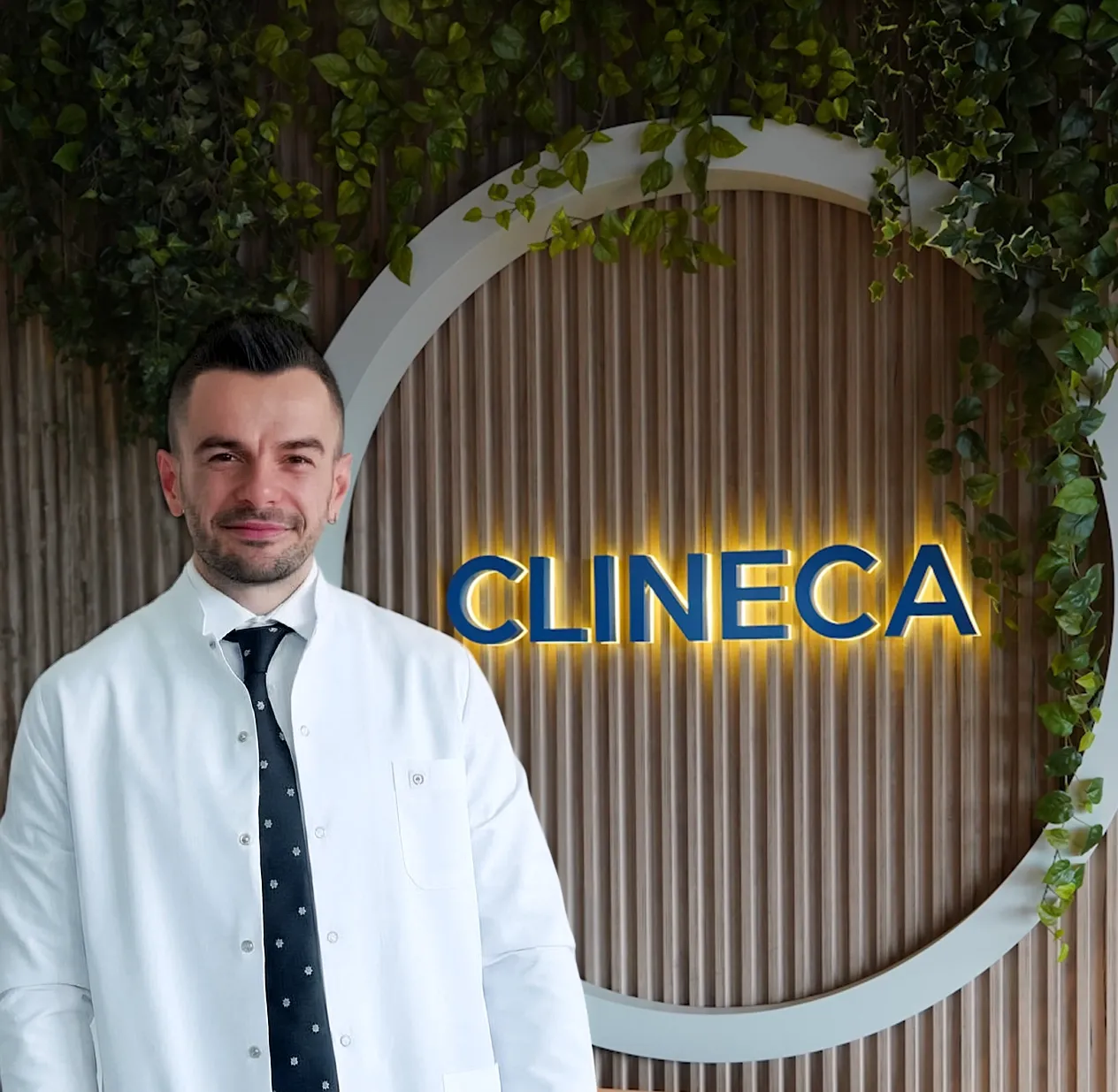 Clineca SpecialistOrkun UzuneyüpoğluPlastic & Reconstructive Surgery
 Clineca SpecialistSalim İskenderPlastic & Reconstructive Surgery
 Clineca SpecialistEngin SelamioğluPlastic & Reconstructive Surgery
 Clineca SpecialistCem AydınPlastic & Reconstructive Surgery
 Clineca SpecialistAlperen ÖnalEar, Nose & Throat (ENT)