Have a question about Rhinoplasty?
In this article
- What is rhinoplasty in plain English?
- How is rhinoplasty actually performed step by step?
- Who is a good candidate, and when is full rhinoplasty not the best fit?
- What are the main risks, and can breathing change after surgery?
- What does recovery usually look like after rhinoplasty?
- How long should you stay in Turkey, and what should a quote and clinic process include?
- Can rhinoplasty be combined with other surgery?
If you have been searching what is rhinoplasty and how is it performed, you are usually not looking for textbook language. You want a clear picture of what actually changes in surgery, how surgeons reach the bone and cartilage, and what recovery really feels like afterward. In simple terms, rhinoplasty reshapes the nose by adjusting bone, cartilage, skin support, or all three, and it is usually performed through incisions placed inside the nostrils or across the columella, the strip between them. Most people are socially presentable within a couple of weeks, but the finer swelling can take much longer to settle, which matters if you are planning surgery abroad.
What is rhinoplasty in plain English?
Rhinoplasty is nose reshaping surgery. People have it for cosmetic reasons, functional reasons, or both at the same time. A nose may look too large for the face, have a hump, a drooping tip, asymmetry after injury, or internal blockage that affects breathing. It is also the operation we plan more often than any other, and its patients are younger than for most procedures: the average age is 30, and only around 13% are over 40.
The important point is that rhinoplasty is not one single move. It is a set of surgical techniques chosen to change the shape and support of the nose while trying to keep breathing stable or improve it. The surgeon may reduce bone, refine cartilage, straighten a bent bridge, lift or de-project the tip, narrow the nostrils, or rebuild weak areas with grafts made from your own cartilage.
When breathing is part of the problem, rhinoplasty may be combined with septoplasty, which straightens the septum, the wall between the two nasal passages. If that is your main concern, it helps to read about whether septoplasty and rhinoplasty can be done together, because the planning is slightly different from cosmetic-only surgery.
ASPS describes rhinoplasty as surgery that can change the size, shape and proportions of the nose, while the NHS notes that cosmetic procedures should only be considered after you understand the limits, risks and recovery. That is worth keeping in mind from the start: this operation can make meaningful changes, but it does not create a perfect or identical nose.
📋 A common misunderstanding Rhinoplasty is not always a smaller-nose operation. In some patients, the safer and more natural result comes from adding support with cartilage rather than removing tissue.
How is rhinoplasty actually performed step by step?
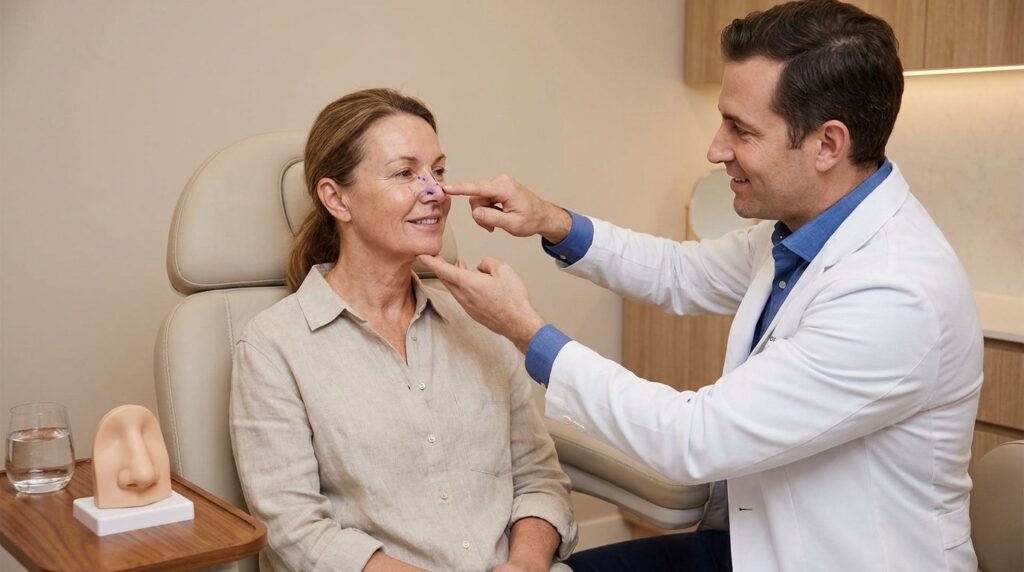
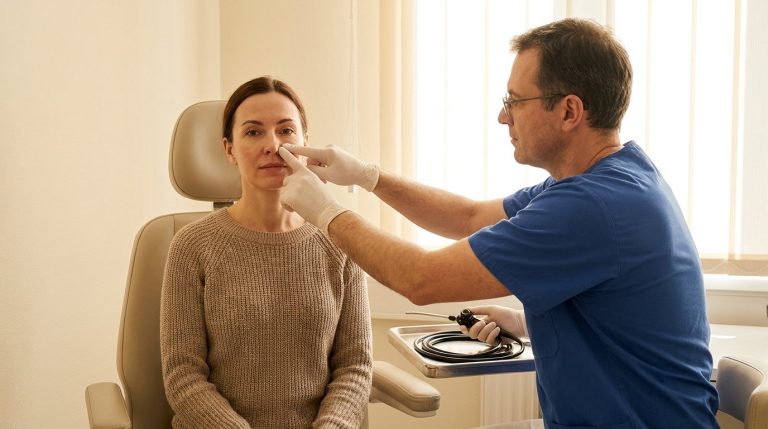
The operation starts long before the day of surgery. Good planning matters more than patients often realise. Your surgeon reviews your medical history, looks at your skin thickness, studies the bridge and tip, checks the inside of the nose, and discusses what bothers you most. Photos are taken from several angles, and some clinics use digital imaging to show a rough direction of change, not a guarantee.
During surgery, rhinoplasty is usually done under general anaesthetic. The surgeon then uses either a closed approach or an open approach. In closed rhinoplasty, the cuts are hidden inside the nostrils. In open rhinoplasty, there is also a small cut across the columella. That extra access can make complex tip work, crooked noses, revision cases, or grafting more controlled. If you want to understand that choice in more detail, see open or closed rhinoplasty.
Once the skin is lifted enough to expose the framework, the surgeon reshapes the structures underneath. That may involve smoothing a hump, narrowing the nasal bones, trimming or stitching cartilage, strengthening weak tip support, or adding grafts. Cartilage grafts are often taken from the septum; in more complex cases, ear cartilage or rib cartilage may be discussed.
If the septum is deviated or the internal valves are narrow, functional work may be done during the same operation. This matters because a nose that looks slimmer from the outside can feel more blocked if support is removed without careful reconstruction. Good rhinoplasty is not just about appearance. It is also about airflow, balance and long-term stability.
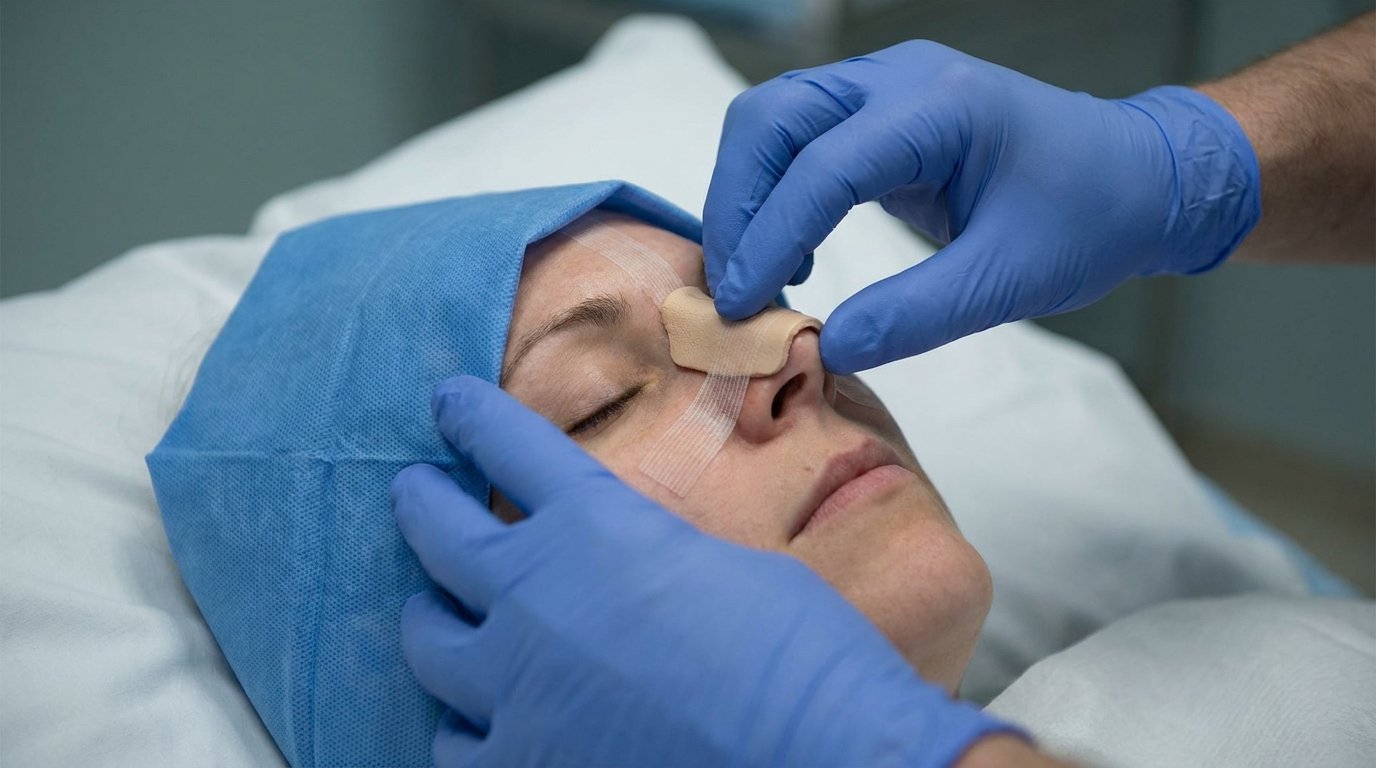
At the end, the skin is redraped, the incisions are closed, and a splint is usually placed on the outside of the nose. Some patients also need soft internal supports or light packing, though heavy packing is less common than many people fear.
Open and closed techniques compared
The best approach depends on the job that needs doing, not on which term sounds more advanced. A small tip refinement may be possible through a closed approach, while a twisted nose or revision rhinoplasty often benefits from open exposure.
Who is a good candidate, and when is full rhinoplasty not the best fit?
A good candidate is someone with realistic goals, good general health, and a clear reason for wanting change. That reason may be cosmetic, functional, or both. The strongest consultations are usually the ones where the patient can explain priorities clearly, such as bridge hump first, tip droop second, breathing third.
Not every concern needs a full rhinoplasty. If the bridge is fine and only the tip bothers you, a more limited operation may be enough. In that case, our article on the difference between tipplasty and full rhinoplasty can help you understand whether a smaller procedure matches your goal.
Skin thickness also affects what is achievable. Thick skin can hide fine tip definition, while very thin skin can reveal tiny irregularities more easily. Previous trauma, prior nasal surgery, and significant breathing problems can all make surgery more complex. This does not mean surgery is impossible. It means the plan should be more careful, and expectations should be more grounded.
Teenage patients need extra caution because the nose should be close to full growth before cosmetic reshaping is considered. The NHS and ASPS both emphasise the need for maturity in decision-making as well as physical readiness.
You have a specific concern, understand the limits of surgery, and are willing to wait for the nose to settle over many months.
If your concern is only the tip or only internal breathing blockage, a more limited operation may be more appropriate than full rhinoplasty.
You want a guaranteed nose shape, need immediate final results, or are being pushed into surgery by someone else.
What are the main risks, and can breathing change after surgery?
This is one of the most important parts of the decision. Rhinoplasty is common, but it is still real surgery with meaningful risks. The NHS lists general cosmetic surgery risks such as bleeding, infection, scarring, and problems with the final appearance. ASPS also notes risks including breathing difficulty, skin discolouration, asymmetry, poor wound healing, numbness, pain, and the possibility of revision surgery.
Breathing can improve after surgery if the problem is a deviated septum, enlarged internal structures, or weak nasal support that is properly addressed. But breathing can also worsen if too much support is removed or if swelling and scar tissue affect the airway. That is why a proper internal examination matters, especially if you already feel blocked at night or during exercise.
Results also vary because healing varies. Two patients can have similar surgery and still heal differently due to skin thickness, scar response, swelling pattern, and previous trauma. Final refinement takes time, and in some patients the result does not settle exactly as planned. Revision rhinoplasty is sometimes needed, especially in complex or previously operated noses.
A careful surgeon should say this plainly: the aim is improvement, not mathematical perfection. That is not a sales line. It is the reality of operating on a central facial feature made of bone, cartilage, skin and scar tissue.
⚠️ Breathing concerns deserve full assessment If you already struggle to breathe through your nose, do not frame your consultation as cosmetic only. Functional issues should be assessed before the surgical plan is finalised.
🚨 Revision surgery is possible Even when surgery is technically sound, healing can be unpredictable. Some patients need a second procedure to refine shape or support.
- ✓Bleeding, infection and anaesthetic risks
- ✓Visible or internal scarring
- ✓Asymmetry or contour irregularities
- ✓Numbness, prolonged swelling or firmness
- ✓Breathing problems if internal support is not adequate
- ✓Need for revision surgery if healing or shape is not as hoped
What does recovery usually look like after rhinoplasty?
The first week is the most obvious recovery phase. You usually have a splint on the nose, feel stuffy, and notice swelling around the nose and eyes. Mild bleeding or oozing can happen early on. Most patients are tired more than they expect for the first few days.
At around one to two weeks, the splint is removed and the nose looks better socially, but it does not look finished. Swelling remains, especially in the tip. This is the stage where patients often feel relieved and then slightly confused, because the nose is clearly different but not yet refined.
Over the next few months, the bridge usually settles faster than the tip. Fine swelling can last much longer than people expect, especially in thick skin or revision surgery. Peer-reviewed rhinoplasty literature in journals such as Aesthetic Surgery Journal and Plastic and Reconstructive Surgery consistently reflects the point surgeons make in clinic every day: healing is gradual, and the final look emerges slowly.

You will also need practical recovery habits. Sleep with your head elevated, avoid pressure on the nose, pause strenuous exercise until your surgeon clears it, and be careful with glasses if they rest on the bridge. For more detail on those small but important points, readers often find when you can wear glasses again after rhinoplasty and our wider rhinoplasty articles on the blog useful.
How long should you stay in Turkey, and what should a quote and clinic process include?
If you are travelling for rhinoplasty, the surgery itself is only one part of the experience. You need enough time for the consultation, the operation, the early recovery checks, and the splint-removal timing advised by your surgeon. For many patients, that means staying long enough to get through the first key review period rather than trying to fly home immediately.
A good quote should clearly explain what is included and what is not. That usually means surgeon fees, hospital or operating theatre costs, anaesthesia, routine tests if needed, transfers, hotel arrangements if offered, medication, and aftercare appointments. The final price is personalised after consultation because the complexity of the nose, whether breathing work is included, and whether grafting or revision surgery is involved can all change the plan. If you are comparing packages, our article on what is included in an all-inclusive surgery package in Turkey is useful because organisation affects the experience almost as much as the operation itself.
Communication also matters more than patients expect. Fast replies are nice, but clear answers are better. You want to know who will examine you in person, who will be available after surgery, and how follow-up works once you return home.
When choosing a clinic and surgeon, look for proper accreditation, transparent pre-operative assessment, and a surgeon whose training and scope are clear. EBOPRAS is one recognised European board in plastic surgery, and patients often use it as one checkpoint among several. Before booking, it is also sensible to read about broader rhinoplasty cost, safety and recovery in Turkey so you can compare logistics, not just marketing.
You receive a clear surgical plan, honest discussion of limits, named aftercare steps, and direct answers about who handles follow-up.
You are promised a perfect nose, rushed toward a deposit, or given vague answers about breathing assessment, revision policy, or recovery timing.
Can rhinoplasty be combined with other surgery?
Sometimes, yes. Patients often ask about combining rhinoplasty with breast augmentation, upper eyelid surgery, facelift surgery or liposuction. The appeal is obvious: one anaesthetic, one travel period, one main recovery window.
But combined surgery is not automatically the better choice. The decision depends on surgical time, your health, how much recovery overlap is realistic, and whether one operation will make the other recovery harder. A nose operation already comes with swelling, congestion and strict protection of the face, so adding another procedure should only be done if the plan remains safe and manageable.
If you are considering it, the right question is not whether it can be combined in theory. It is whether it should be combined in your case. Our article on combining rhinoplasty with another surgery explores those trade-offs in more detail.
Frequently Asked Questions
References
- 📎American Society of Plastic Surgeons – Cosmetic Procedures
- 📎NHS – Cosmetic procedures
- 📎EBOPRAS
- 📎PubMed search – rhinoplasty recovery revision breathing outcomes
Related Articles


You Might Also Like


Related articles


Our specialists
 Clineca SpecialistErkan PinegözPlastic & Reconstructive Surgery
 Clineca SpecialistHakan AktaşPlastic & Reconstructive Surgery
 Clineca SpecialistOrkun UzuneyüpoğluPlastic & Reconstructive Surgery
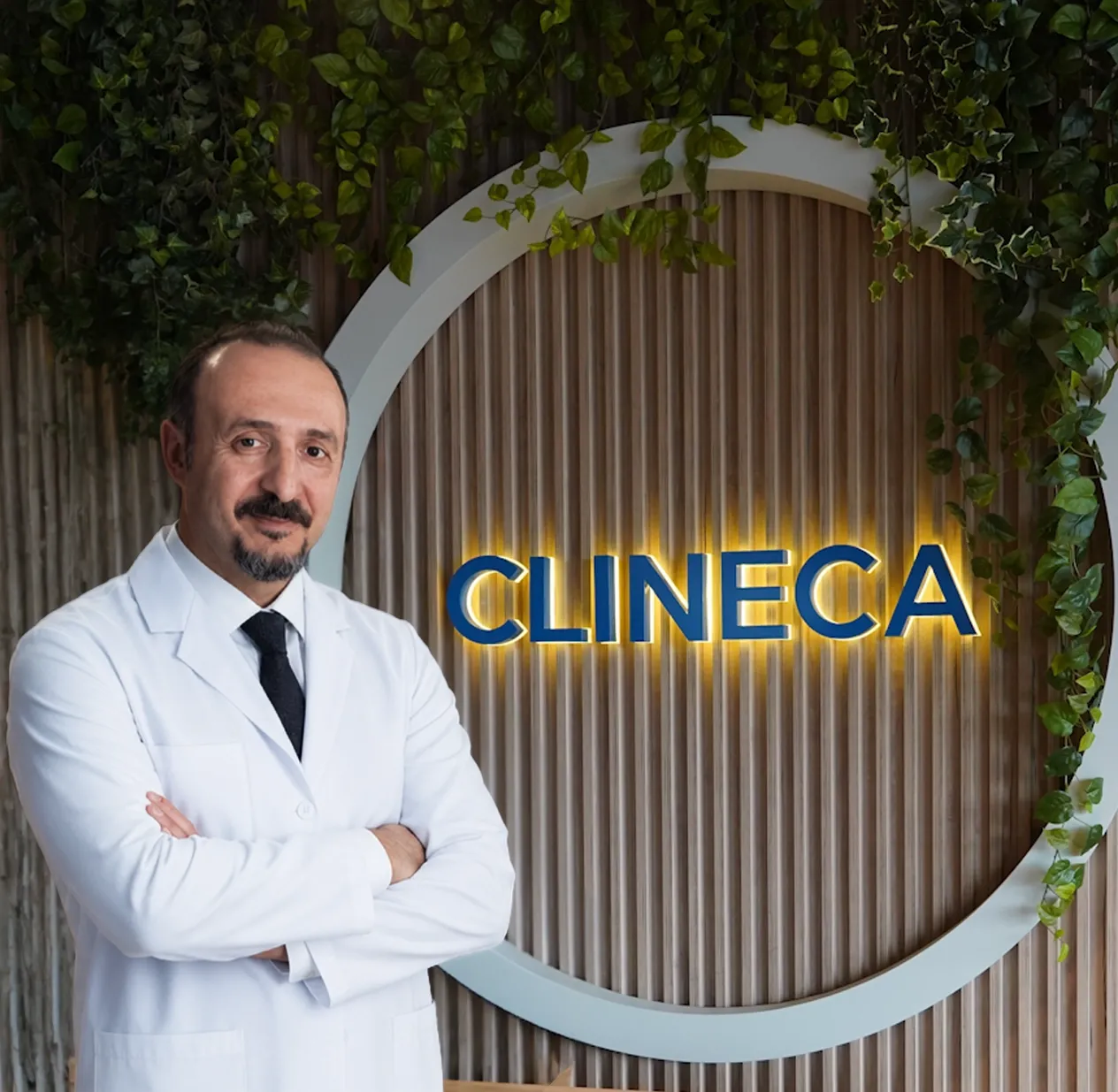 Clineca SpecialistSalim İskenderPlastic & Reconstructive Surgery
 Clineca SpecialistEngin SelamioğluPlastic & Reconstructive Surgery
 Clineca SpecialistCem AydınPlastic & Reconstructive Surgery
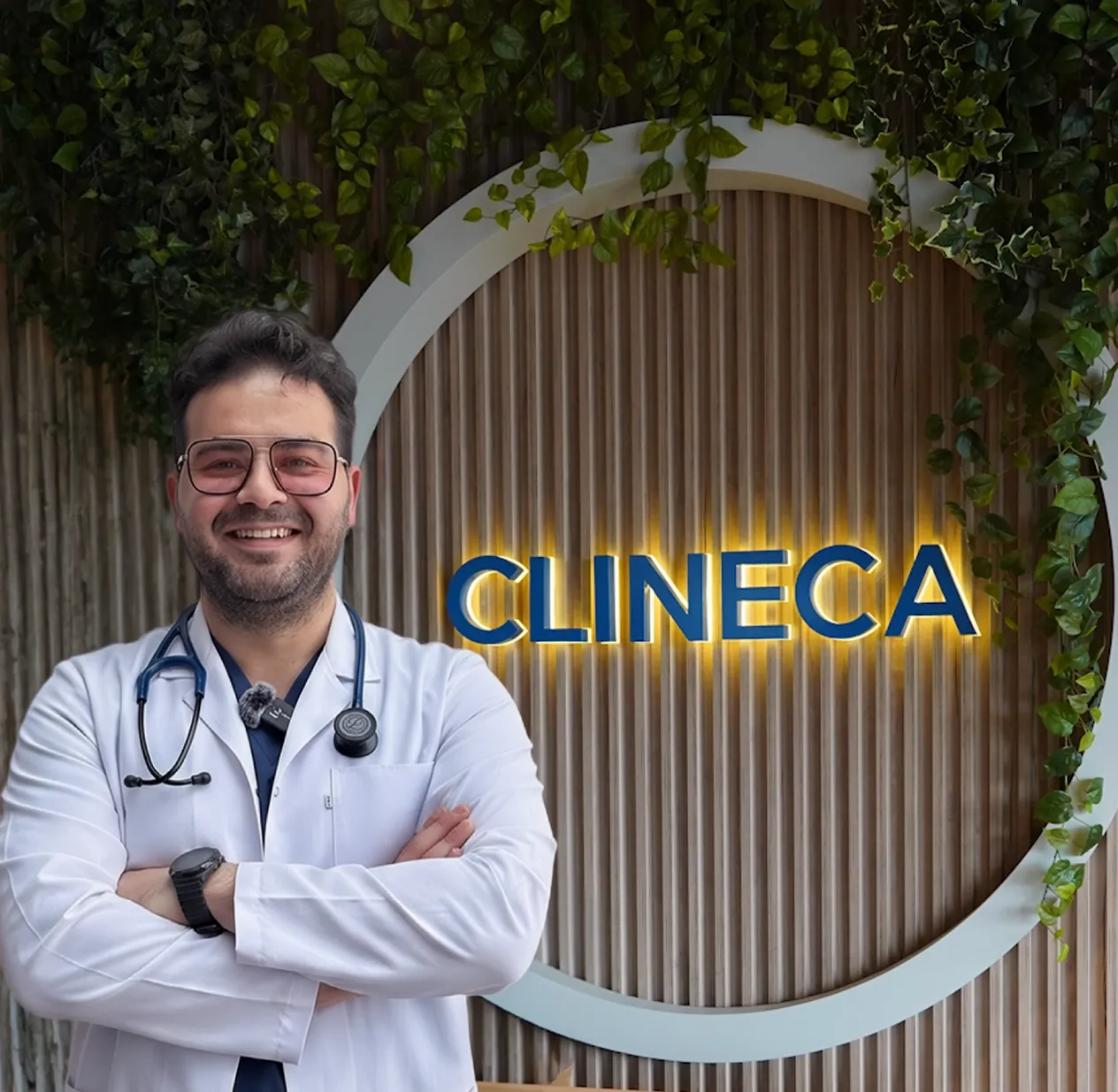 Clineca SpecialistAlperen ÖnalEar, Nose & Throat (ENT)