

Have a question about breast implant removal / replacement?
In this article
- Which symptoms can suggest breast implant illness before implant removal?
- Which symptoms are red flags rather than typical BII complaints?
- Could these symptoms be caused by something other than the implants?
- How do surgeons and doctors assess suspected BII before removal or replacement?
- When does implant removal make sense, and when is replacement considered?
- What recovery and travel planning should international patients expect?
- How can you choose a safe clinic and avoid poor advice?
Many women start searching for answers when they feel unwell and cannot see a clear reason why. If you are wondering what symptoms can suggest breast implant illness before implant removal, the difficult part is that the symptom pattern can be real and distressing, but it is also non-specific, which means the same complaints can happen for many other reasons too.
Which symptoms can suggest breast implant illness before implant removal?
The symptoms people most often connect with breast implant illness, often shortened to BII, tend to fall into a few broad groups. Patients commonly describe ongoing fatigue, brain fog, joint or muscle aches, poor sleep, anxiety, low mood, headaches, skin rashes, dry eyes, dry mouth, hair thinning, and a general feeling that their health changed after implants. The U.S. FDA has publicly acknowledged reports of systemic symptoms in some patients with breast implants, while also making clear that these symptoms are still being studied and do not yet have a single proven cause or a single diagnostic test.
That point matters. There is no one blood test, scan, or biopsy that confirms BII before implant removal. Doctors usually look at the full picture instead: when symptoms began, whether they appeared after augmentation or years later, whether they are getting worse, and whether other conditions could explain them better.
A simple way to think about it is to separate general symptoms from local breast symptoms. General symptoms are the whole-body complaints such as tiredness, poor concentration, body pain, and skin changes. Local breast symptoms include pain, swelling, tightness, shape change, firmness, or a new fluid collection around the implant. Local symptoms do not prove BII either, but they can point to implant-related problems that need proper assessment.
Some symptom clusters that often lead patients to seek implant removal or replacement include:
- ✓Ongoing fatigue that does not improve with rest
- ✓Brain fog, poor memory, or trouble concentrating
- ✓Joint pain or muscle pain without a clear injury
- ✓Rashes, itching, dry skin, or other skin changes
- ✓Headaches, dizziness, or a sense of feeling unwell
- ✓Dry eyes or dry mouth
- ✓Breast pain, tightness, swelling, or a changed breast shape
A number of published studies in journals such as Aesthetic Surgery Journal and Plastic and Reconstructive Surgery have reported that some patients describe improvement in systemic symptoms after explantation, meaning implant removal. At the same time, these studies do not prove that implants were the sole cause in every case. That uncertainty is why careful assessment matters more than trying to self-diagnose from a symptom checklist alone.
📋 Key clinical point A symptom pattern may raise suspicion, but no single test confirms breast implant illness before removal. Doctors usually diagnose by exclusion, history, breast assessment, and ruling out other causes.
- ✓General symptoms such as fatigue, brain fog, joint pain, rashes, headaches, and dry eyes can be part of the picture.
- ✓Breast symptoms such as pain, swelling, firmness, shape change, or a late fluid build-up need a proper implant review.
- ✓Symptoms can appear soon after surgery or many years later.
- ✓Other medical conditions can cause the same symptoms, so assessment should not stop at the implants.
Which symptoms are red flags rather than typical BII complaints?
Some symptoms need quicker medical review because they may point to a more specific complication rather than the broader and less defined picture of BII. If one breast becomes newly swollen, noticeably larger, painful, or develops fluid around the implant years after surgery, that deserves prompt assessment. The American Society of Plastic Surgeons notes that late swelling around an implant can be a warning sign for BIA-ALCL, a rare cancer of the immune system linked mainly to textured implants, not a typical breast cancer.
Other red flags include a sudden change in breast shape, a hard tightening breast, a lump in the breast or armpit, redness that does not settle, fever, or a wound problem. These symptoms can be caused by rupture, capsular contracture, infection, seroma, or less commonly BIA-ALCL. They should not be written off as “just BII.”
If you have chest pain, shortness of breath, severe infection symptoms, or a rapidly worsening breast problem, urgent medical care is more important than waiting for a cosmetic review. In that setting, the first goal is not replacement planning. It is making sure there is no emergency or serious complication.
⚠️ Do not self-label late swelling as BII Late breast swelling can have several causes, including seroma, rupture, infection, capsular contracture, or rarely BIA-ALCL. It needs imaging and specialist review.
Fatigue, brain fog, body aches, sleep issues, rashes, headaches, and feeling generally unwell are commonly reported by patients.
A new swollen breast, a lump, late fluid around the implant, marked shape change, fever, redness, or a hard painful breast need proper assessment.
Could these symptoms be caused by something other than the implants?
Yes, and this is one of the most important parts of the decision. The same symptoms that make people worry about breast implant illness can also happen with thyroid disease, iron deficiency, low vitamin levels, autoimmune conditions, long-term stress, sleep apnoea, medication side effects, perimenopause, viral illness, chronic pain conditions, or simple burnout. Brain fog and fatigue, for example, are common but not specific. Joint pain and rashes can also overlap with rheumatology or dermatology problems.
That does not mean your symptoms are “all in your head,” and it does not mean implants are irrelevant. It means a good surgeon or physician should be willing to look wider than the implants. In real practice, many patients feel most reassured when someone takes both possibilities seriously: an implant-related issue and a non-implant health issue.
If your symptoms are mainly in the breast, doctors may think first about rupture, capsular contracture, malposition, infection, or scar-related pain. If your symptoms are more general, they may recommend a review with your GP or a relevant specialist before surgery, especially if there are signs of an autoimmune, hormonal, or nutritional problem. That kind of work-up can feel slow, but it often prevents rushed decisions.
📋 Why differential diagnosis matters Two people can have the same symptoms for completely different reasons. A proper work-up helps you avoid attributing every symptom to implants if another treatable issue is present.
How do surgeons and doctors assess suspected BII before removal or replacement?
Assessment usually starts with a detailed timeline. You may be asked when your implants were placed, whether they are smooth or textured, silicone or saline, whether you have had previous revisions, and when symptoms began. It also helps to bring a short symptom diary. A simple record of fatigue, pain, rashes, sleep, breast discomfort, and any triggers can make the consultation much more useful.
The next step is often a breast exam and imaging when needed. The NHS notes that people with breast implants who have concerns may need imaging to look for rupture or other implant problems, and clinicians may use ultrasound or MRI depending on the question being asked. Imaging does not diagnose BII itself, but it can identify local problems that influence the surgical plan.
A pre-operative medical work-up commonly includes basic blood tests guided by your symptoms and medical history. There is no universal BII panel. Instead, doctors often check for common alternative causes of fatigue or inflammation and refer onward if the story suggests a thyroid, rheumatology, dermatology, or menopause-related issue. If there is breast swelling, a fluid collection, or a mass, the work-up becomes more specific and may include aspiration, pathology, and tests to exclude BIA-ALCL under specialist guidance.
For women considering revision rather than full removal, the discussion is different. The surgeon will usually want to know whether your main goal is symptom relief, cosmetic correction, smaller replacement implants, or complete explantation. That affects whether surgery is focused on removal alone, removal with capsulectomy, or breast implant revision surgery with a different implant plan.
- →History: Implant type, surgery dates, previous complications, and the timeline of symptoms.
- →Breast assessment: Physical examination plus ultrasound or MRI if rupture, fluid, or shape change is suspected.
- →General medical review: Targeted blood tests and referrals to rule out common non-implant causes of fatigue, pain, rashes, or brain fog.
- →Surgical planning: A discussion about removal only, removal with capsule surgery, or replacement depending on symptoms and goals.
When does implant removal make sense, and when is replacement considered?
Implant removal may be considered when symptoms are persistent, other likely causes have been explored, and the patient feels that keeping the implants no longer feels acceptable. It may also be recommended when there is rupture, capsular contracture, recurrent seroma, chronic pain, or another clear implant-related problem. Some women prefer removal without replacement because they want the simplest long-term plan and do not want another implant cycle in the future.
Replacement tends to be discussed when the patient still wants breast volume or shape but has a correctable local problem, such as rupture, malposition, or an implant that no longer suits the body. Replacement may also come up after older implants are removed. In that setting, the important conversation is not only cosmetic. It is whether placing another implant fits the patient’s comfort level after her symptom history.
If appearance after removal is a concern, surgeons may also discuss a lift, fat transfer, or staged reconstruction options depending on skin quality and breast tissue. Patients who originally had breast augmentation sometimes feel surprised by how much the breast shape changes after explantation, especially if implants were large or in place for many years. Honest pre-op counselling matters here more than sales language.
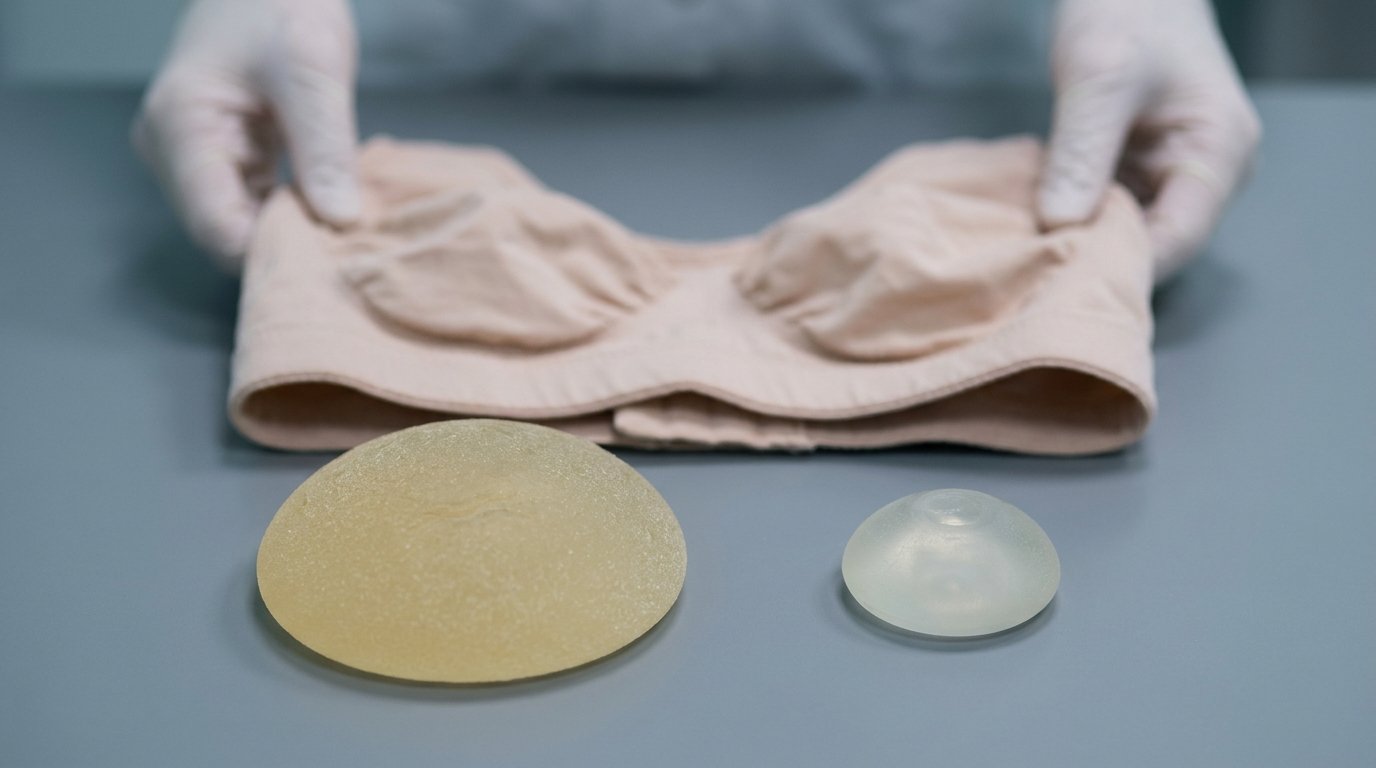
Often chosen by patients whose main goal is symptom relief, simplicity, or avoiding future implant maintenance.
Sometimes chosen when the patient still wants breast volume and the main issue is rupture, shape, or another local implant problem.
What recovery and travel planning should international patients expect?
Recovery depends on whether surgery is limited to implant removal or includes capsulectomy, replacement, or a breast lift. In general, implant removal alone is often easier than a full revision with reshaping, but it is still real surgery. Expect soreness, swelling, pressure, tiredness, and a temporary drop in energy. If your main symptoms before surgery were fatigue or brain fog, it is wise not to expect an instant change in the first few days.
For medical travel, plan enough time for the pre-op visit, surgery, early recovery checks, and a final review before flying home. The exact stay depends on what is being done, your drain use if any, and how comfortable your surgeon is with your progress. Patients are usually happier when travel planning is conservative rather than rushed. Fast organisation sounds appealing, but in surgery, tight timelines can create stress.
Ask in advance who answers messages after surgery, how quickly the team responds, and what happens if you have swelling, asymmetry, fever, or drainage once home. Good communication often affects satisfaction as much as the operation itself. If you are comparing clinics, it helps to look beyond the operation and ask about surgeon credentials, hospital standards, and who coordinates follow-up. Pages such as the clinic’s about the clinic, surgeon information, and consultation process should make that practical information easy to find.
How can you choose a safe clinic and avoid poor advice?
The safest clinics do not diagnose BII casually, and they do not dismiss it casually either. A balanced surgeon will listen carefully, explain the uncertainty honestly, assess the breasts properly, and tell you when another medical opinion is sensible before operating. If someone promises guaranteed symptom resolution after explantation, that is a warning sign. No ethical surgeon can promise that.
Look for clear surgeon qualifications, transparent hospital arrangements, and a process that explains aftercare in plain language. EBOPRAS credentials can help when checking a plastic surgeon’s training background, and national bodies such as ASPS and BAAPS also provide patient education on implant safety and revision issues. If there is concern about a swollen implant years later, ask directly how the team evaluates BIA-ALCL rather than assuming it is rare enough to ignore.
It is also reasonable to ask practical questions that patients often forget in the first consultation. Who will you see in person? Who makes the final surgical plan? Will the removed capsule or fluid be sent for pathology when clinically indicated? How are messages handled over weekends? The quality of those answers tells you a lot about how organised the care really is.
🚨 Be cautious with strong promises Symptom improvement after implant removal is possible, but it cannot be guaranteed. Good care is honest about uncertainty and clear about follow-up.
- ✓Ask about the surgeon’s plastic surgery credentials and revision experience.
- ✓Ask where the operation takes place and what emergency cover exists.
- ✓Ask how suspected rupture, seroma, or BIA-ALCL is investigated.
- ✓Ask what support you will have after you return home.
Frequently Asked Questions
References
- 📎FDA: Medical Device Reports for Systemic Symptoms in Women with Breast Implants
- 📎ASPS: Breast Implant-Associated Anaplastic Large Cell Lymphoma (BIA-ALCL)
- 📎NHS: Cosmetic procedures – breast enlargement and implant concerns
- 📎PubMed search: breast implant illness symptom improvement explantation Aesthetic Surgery Journal Plastic and Reconstructive Surgery
Related Articles



You Might Also Like


Related articles



Our specialists
 Clineca SpecialistErkan PinegözPlastic & Reconstructive Surgery
 Clineca SpecialistHakan AktaşPlastic & Reconstructive Surgery
 Clineca SpecialistOrkun UzuneyüpoğluPlastic & Reconstructive Surgery
 Clineca SpecialistSalim İskenderPlastic & Reconstructive Surgery
 Clineca SpecialistEngin SelamioğluPlastic & Reconstructive Surgery
 Clineca SpecialistCem AydınPlastic & Reconstructive Surgery
 Clineca SpecialistAlperen ÖnalEar, Nose & Throat (ENT)