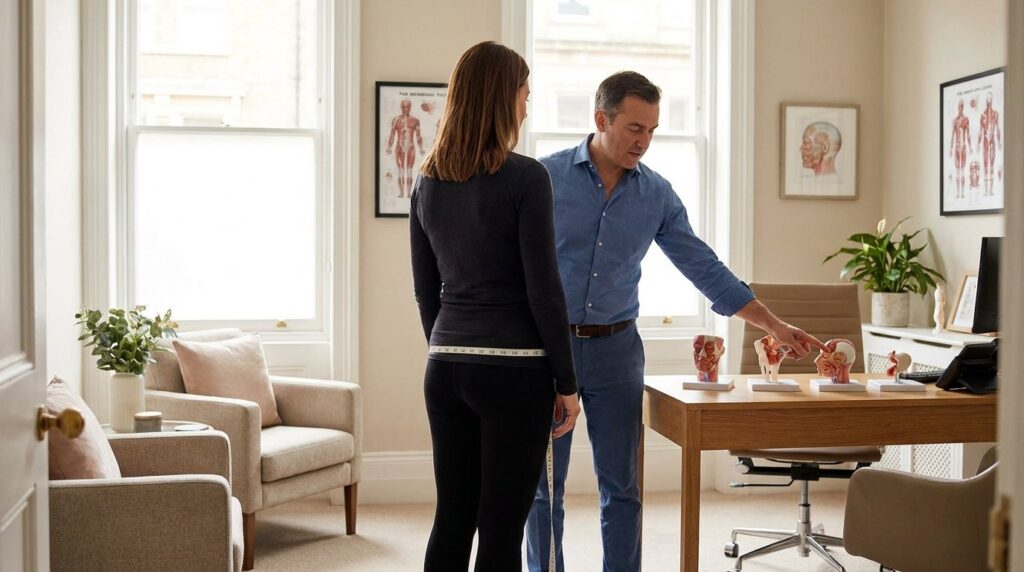
Have a question about Butt Augmentation with Implants?
In this article
- What is the short answer on safety, recovery, stay length and cost?
- Who is a good candidate for butt implants instead of fat transfer?
- How safe are butt implants in Turkey if you choose carefully?
- What does recovery really feel like in the first few weeks?
- How long should you stay in Turkey after butt implant surgery?
- What affects the final cost and what should a quote include?
- How do you choose a clinic and surgeon without relying on marketing?
Thinking about butt implants abroad usually starts with the same questions: is it safe, how painful is recovery, how long do you need to stay, and what exactly are you paying for? This butt implants in turkey cost safety and recovery guide looks at the decision the way patients actually experience it, from choosing the right technique to planning the days after surgery.
What is the short answer on safety, recovery, stay length and cost?
For the right patient, buttock augmentation with implants can be done safely, but it is not a minor procedure and it needs careful surgeon selection, realistic expectations, and strict aftercare. Recovery is usually more demanding than many patients expect because sitting, sleeping, walking, wound care, and travel all need planning during the first weeks.
Most international patients should expect to stay in Turkey long enough for pre-operative assessment, surgery, and early follow-up before flying home. The exact stay depends on your healing, whether liposuction or another body procedure is added, and how comfortable your surgeon is with your mobility and wound checks before travel.
On cost, it is important to be clear: this article does not give a price range because the clinic brief for this content does not allow published figures, and because quotes for implant surgery vary widely based on implant type, hospital setting, anaesthesia, surgeon experience, aftercare, and whether extra contouring is needed. A useful quote should explain what is included rather than giving a headline number alone.
In terms of safety, recognized bodies such as the NHS and BAAPS both stress that cosmetic surgery should only be considered after checking the surgeon’s qualifications, the facility, the risks, and the recovery plan. That matters even more when you are travelling for surgery, because your early healing happens away from home support.
⚠️ Important reality check Butt implants are not the same as a non-surgical filler treatment and not the same as a Brazilian butt lift using your own fat. Recovery is usually longer and more restrictive than many social media posts suggest.
Who is a good candidate for butt implants instead of fat transfer?
Butt implants are usually considered when someone wants more projection and shape but does not have enough spare fat for transfer, or when they want a firmer, more defined increase that fat grafting may not reliably provide. This is why the conversation should not begin with size alone. It should begin with your body frame, skin quality, existing buttock shape, and how much tissue is available to cover the implant.
A Brazilian butt lift uses your own fat after liposuction, while butt implants use a silicone implant placed through surgery. If you are slim, have had major weight loss, or want upper-pole fullness that your natural fat stores may not support, implants may be discussed as an option. If you have enough donor fat and want a softer look, fat transfer may be a better fit.
The trade-off is simple but important. Implants can create more predictable volume in a thin patient, but they also introduce implant-related risks such as malposition, wound healing problems, infection, and the possibility of revision surgery later. Fat transfer avoids an implant, but the body does not keep every transferred fat cell, so the final volume can be less predictable.
If you are comparing techniques, it helps to understand the difference between buttock augmentation with implants and a Brazilian butt lift. They solve a similar concern in very different ways.
A slimmer patient with limited donor fat who wants clearer projection and understands the recovery limits.
A patient with enough donor fat who prefers avoiding an implant and accepts that some volume may reduce as healing settles.
How safe are butt implants in Turkey if you choose carefully?
The country itself does not make a procedure safe or unsafe. Safety comes from the surgeon, the hospital standards, patient selection, the surgical plan, and the follow-up pathway. That is the right way to think about butt implants in Turkey.
The NHS advises patients to check who will perform the operation, where it will be done, what support is available if something goes wrong, and what aftercare is included. BAAPS also emphasizes that cosmetic surgery should be approached as real surgery, with real risks rather than a travel purchase. For implant procedures in the buttock area, those risks include bleeding, fluid collection, wound separation, infection, implant shifting, asymmetry, numbness, and the need for further surgery.
Published surgical literature has also looked at complication patterns in gluteal augmentation. Reviews indexed on PubMed, including studies in Aesthetic Plastic Surgery and Plastic and Reconstructive Surgery, describe wound issues, seroma, implant displacement, and revision as known concerns, especially when technique, pocket choice, or post-op pressure management are not ideal. That does not mean complications are inevitable. It means you should treat the risk discussion as a central part of consultation, not a formality.
A safe process usually includes a proper medical history, a face-to-face examination, discussion of smoking and blood-thinner use, clear implant sizing based on anatomy rather than trend photos, and planned early follow-up before travel home. If a provider seems to minimize risk or rush you toward a decision, that is not a good sign.
🚨 Smoking matters more than many patients think Nicotine can reduce blood flow and increase wound-healing problems. For butt implant surgery, where the incision area is under tension and pressure, that risk is especially relevant.
- ✓Ask whether your surgeon performs gluteal implant surgery regularly, not just general cosmetic surgery.
- ✓Ask where the operation takes place and who provides the anaesthesia.
- ✓Ask what follow-up is included before you fly home.
- ✓Ask how complications would be handled if you needed extra care in Turkey or after returning home.
What does recovery really feel like in the first few weeks?
This is where expectations often need resetting. Butt implant recovery is not just about soreness. The hard part is that the surgical area is involved in sitting, lying, standing up, getting in and out of bed, toileting, dressing, and travel. Even when pain is controlled, day-to-day movement can feel awkward for a while.
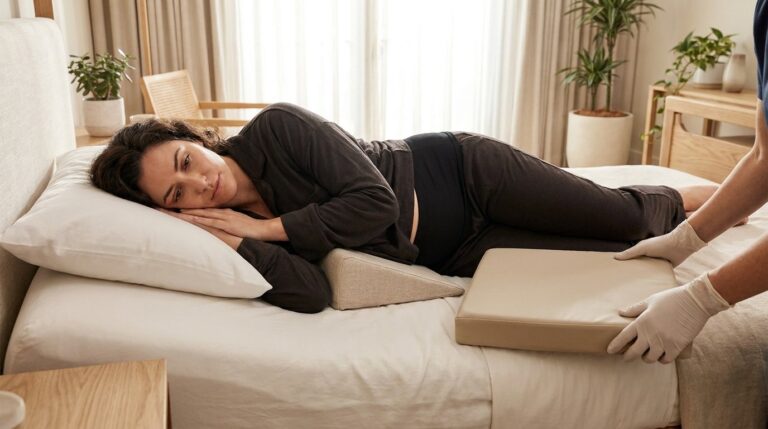
During the first days, swelling, tightness, and limited mobility are common. You may be asked to avoid direct pressure on the buttocks, or at least limit it carefully, depending on the technique your surgeon used. Walking is usually encouraged early to support circulation, but long periods of sitting are often restricted.
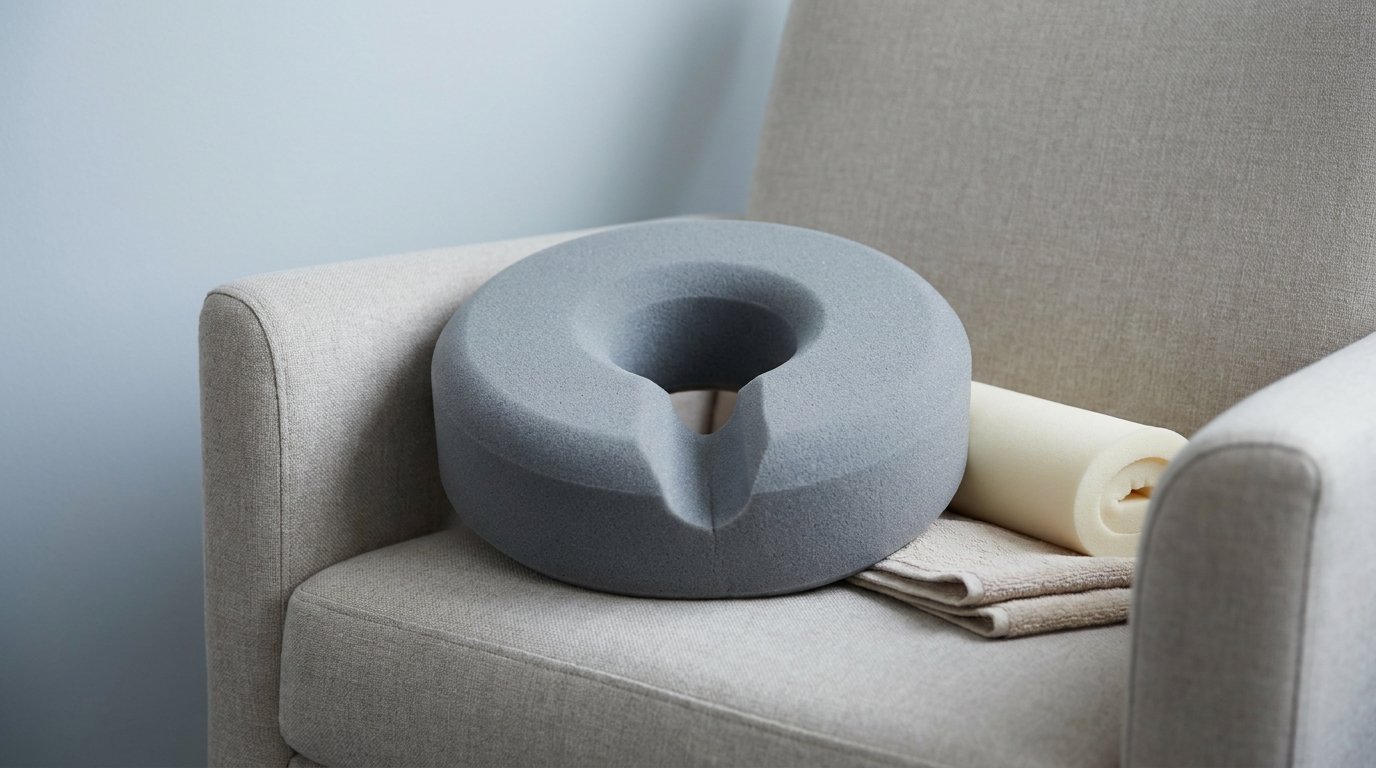
The incision is commonly hidden in the crease between the buttocks, which helps with visibility later but also means hygiene and wound care matter a great deal. Moisture, friction, and pressure can all affect healing. This is one reason some surgeons are cautious about clearing patients for long flights too early.
According to guidance from major plastic surgery bodies and patient resources such as the NHS, recovery timelines vary by person and by procedure extent. In real life, many patients feel presentable before they feel fully comfortable. That distinction matters if you are planning sightseeing, remote work, or a quick return to normal sitting.
A practical timeline
The earliest phase is usually focused on rest, short walks, medication, wound care, and avoiding strain. The next phase is about improving mobility and watching for swelling, discharge, fever, or increasing pain rather than assuming every symptom is normal. Later recovery involves scar maturation, gradual return to exercise, and waiting for tissues to settle before judging the final shape.
You should also expect unevenness and swelling to change over time. A result that looks too high, too tight, or slightly uneven in the early period may not represent the final outcome. At the same time, severe one-sided swelling, redness, worsening pain, or wound opening should be checked promptly rather than watched at home.
How long should you stay in Turkey after butt implant surgery?
For a procedure like this, a very short trip is usually not sensible. You need time for pre-operative assessment, the operation itself, immediate post-op monitoring, and at least one meaningful follow-up before travel. If dressings need changing or mobility is slower than expected, that stay may need to be extended.
The exact number of days is set by your operating team, but the principle is simple: do not plan your flight based on convenience alone. Plan it around wound checks, pain control, mobility, and your surgeon’s confidence that you are fit to travel.
Long journeys can be uncomfortable after butt implant surgery because sitting tolerance may be limited. You may also need help with airport logistics, luggage, and transfers. For that reason, many patients do better with a companion or with organized ground support, especially in the first days.
If you are at the stage of planning, it is better to ask for a full treatment pathway rather than only a surgery date. A proper pathway should cover consultation, tests, hospital admission, post-op review, hotel suitability, transport, and the point at which you would be re-examined before flying home.
📋 Travel planning tip Choose flexible travel arrangements if possible. Recovery can be straightforward, but the safest plan is one that allows for an extra review or a slightly longer stay if healing is slower than expected.
What affects the final cost and what should a quote include?
Buttock augmentation with implants in Turkey starts from around €7,650. That is a starting point, not a guaranteed quote — your own figure is confirmed after consultation, once the surgeon has assessed the implant size and position, your tissue cover, and whether liposuction is added to shape the surrounding area.
Because this clinic content must not publish numeric prices, the most honest way to discuss cost is to explain what makes one quote different from another. Butt implant surgery is not a single fixed product. The final quote may change based on implant brand and size, the surgeon’s experience, the hospital or operating facility, anaesthesia, whether compression garments and medication are included, how many follow-up visits are included, and whether the procedure is combined with liposuction or another body surgery.
That is also why headline online prices can be misleading. One clinic may appear cheaper because it excludes tests, hospital stay, garments, translations, transfers, or management of early dressings. Another may include more complete aftercare. A meaningful comparison is about total pathway value and safety, not just the first figure shown on a website.
For international patients, a useful quote should clearly state what is and is not included. If something is uncertain, ask before booking rather than assuming it will be covered later.
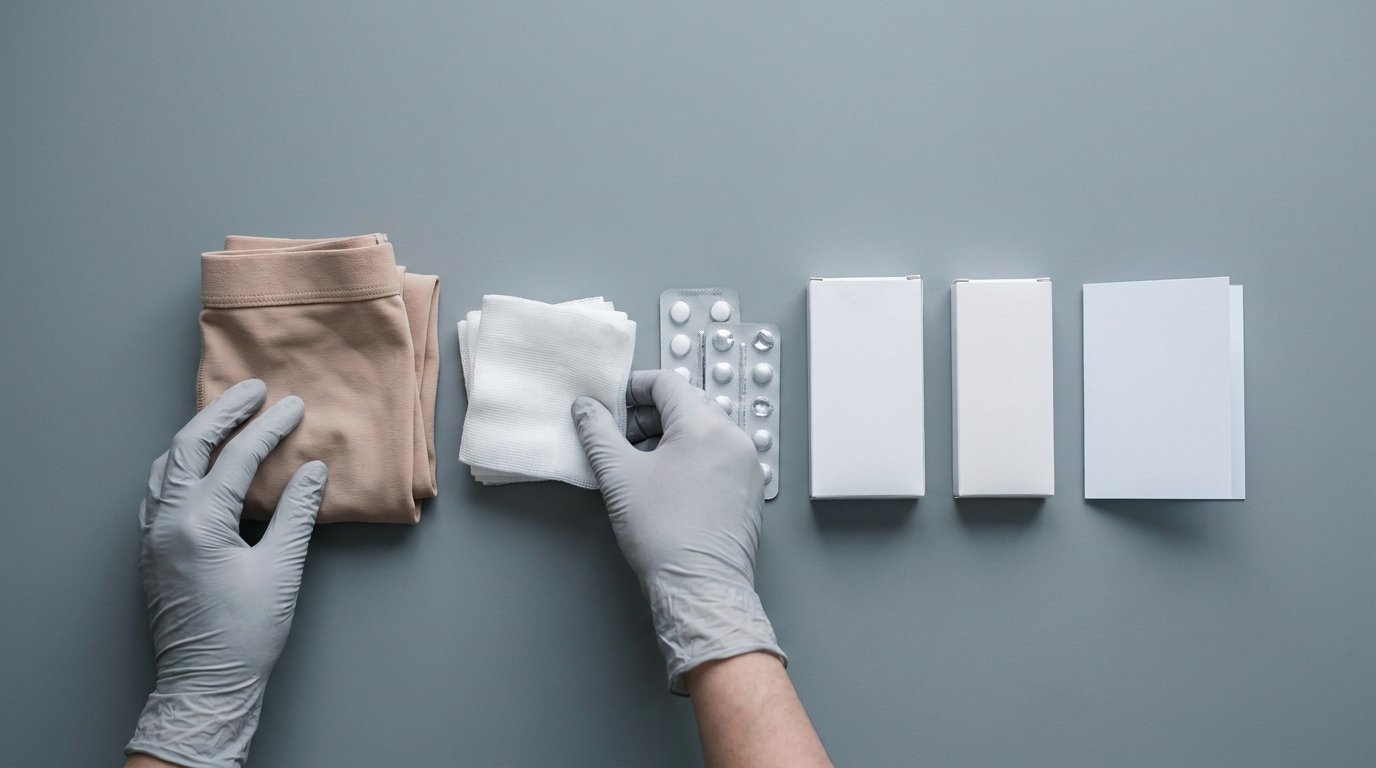
What a clear quote usually breaks down
- ✓Surgeon and anaesthesia fees
- ✓Hospital or theatre costs
- ✓Implants and surgical materials
- ✓Routine pre-op tests
- ✓Medication, dressings, or garments where applicable
- ✓Transfers, hotel support, or interpreter help if part of the package
- ✓Follow-up visits before you leave Turkey
- ✓Revision policy and what happens if recovery takes longer than planned
A personalised price is usually confirmed after consultation because your anatomy, skin quality, goals, and medical history affect the plan. That is more useful than a generic published rate, especially for a procedure where sizing and tissue coverage make a big difference.
How do you choose a clinic and surgeon without relying on marketing?
The safest choices are usually the least flashy ones. Look for clear credentials, detailed consultations, honest discussion of scars and limitations, and a process that does not pressure you into a fast deposit. If you are travelling, the ability to explain complication management matters just as much as before-and-after photos.
A reputable team should be willing to explain who your surgeon is, what their training is, where the surgery takes place, and how follow-up works. If you are considering treatment, you can review the provider’s background through pages such as the clinic’s about page, doctor profiles, or request a personalised assessment through the consultation page. Those steps are more useful than comparing social media clips.
There are also warning signs worth taking seriously. Very limited discussion of risks, a promise of an unrealistically easy recovery, refusal to talk about revision, or poor answers about aftercare should all make you pause. Cosmetic surgery tourism works best when patients slow the process down and ask better questions.
Published guidance from the NHS and BAAPS supports that approach. The core message is consistent: make sure the practitioner is appropriately qualified, understand the risks and recovery, and do not let price alone drive the decision.
Your consultation covers candidacy, implant limitations, scars, wound care, travel timing, and what happens if healing is slower than expected.
You are pushed to book quickly, risks are brushed aside, or the team cannot explain who handles follow-up and complications.
Frequently Asked Questions
References
- 📎NHS: Cosmetic procedures
- 📎BAAPS
- 📎PubMed search: gluteal augmentation implant complications
- 📎PubMed search: buttock augmentation implants aesthetic plastic surgery
Related Articles

You Might Also Like
Related articles
Our specialists
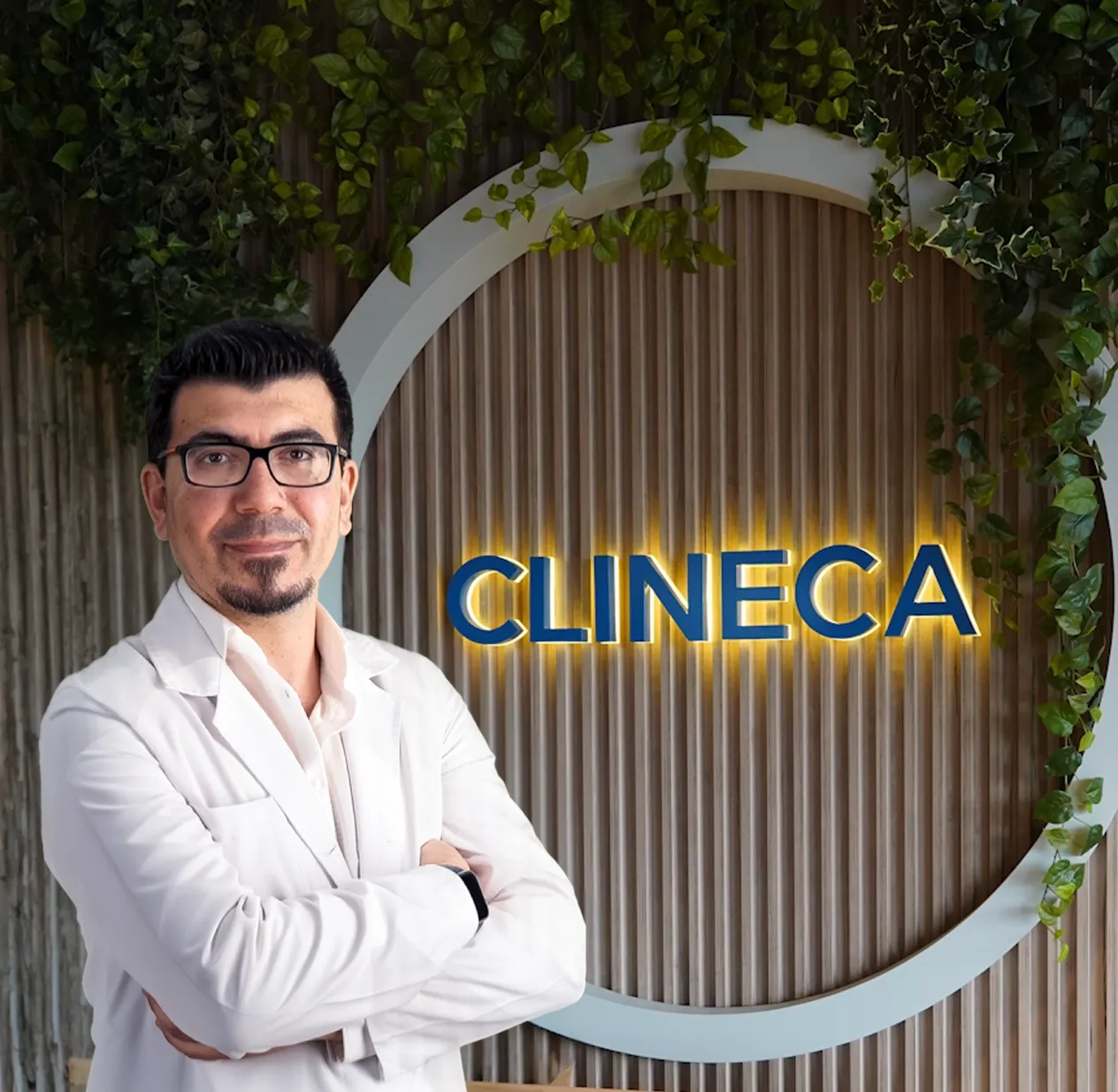 Clineca SpecialistErkan PinegözPlastic & Reconstructive Surgery
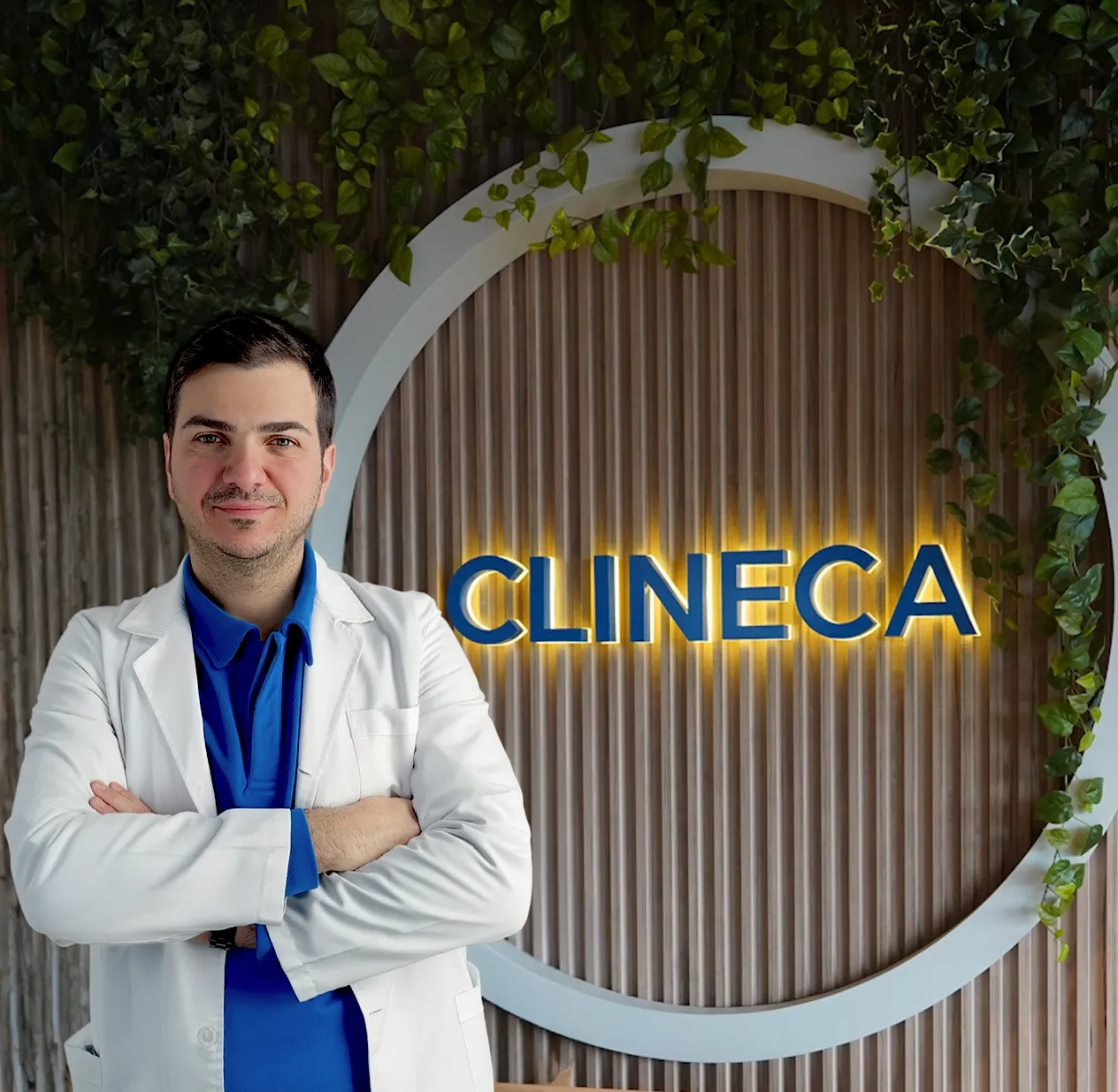 Clineca SpecialistHakan AktaşPlastic & Reconstructive Surgery
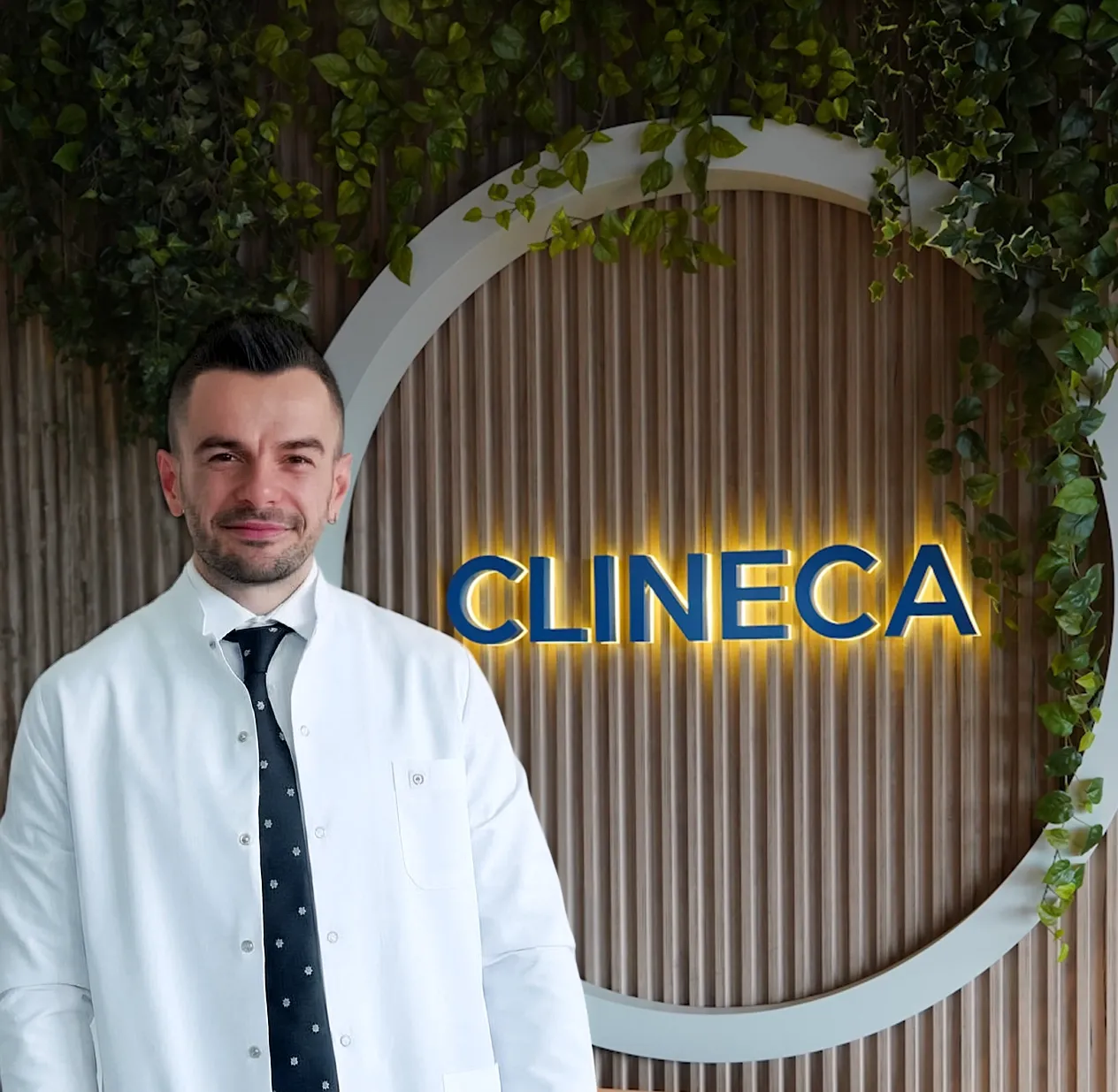 Clineca SpecialistOrkun UzuneyüpoğluPlastic & Reconstructive Surgery
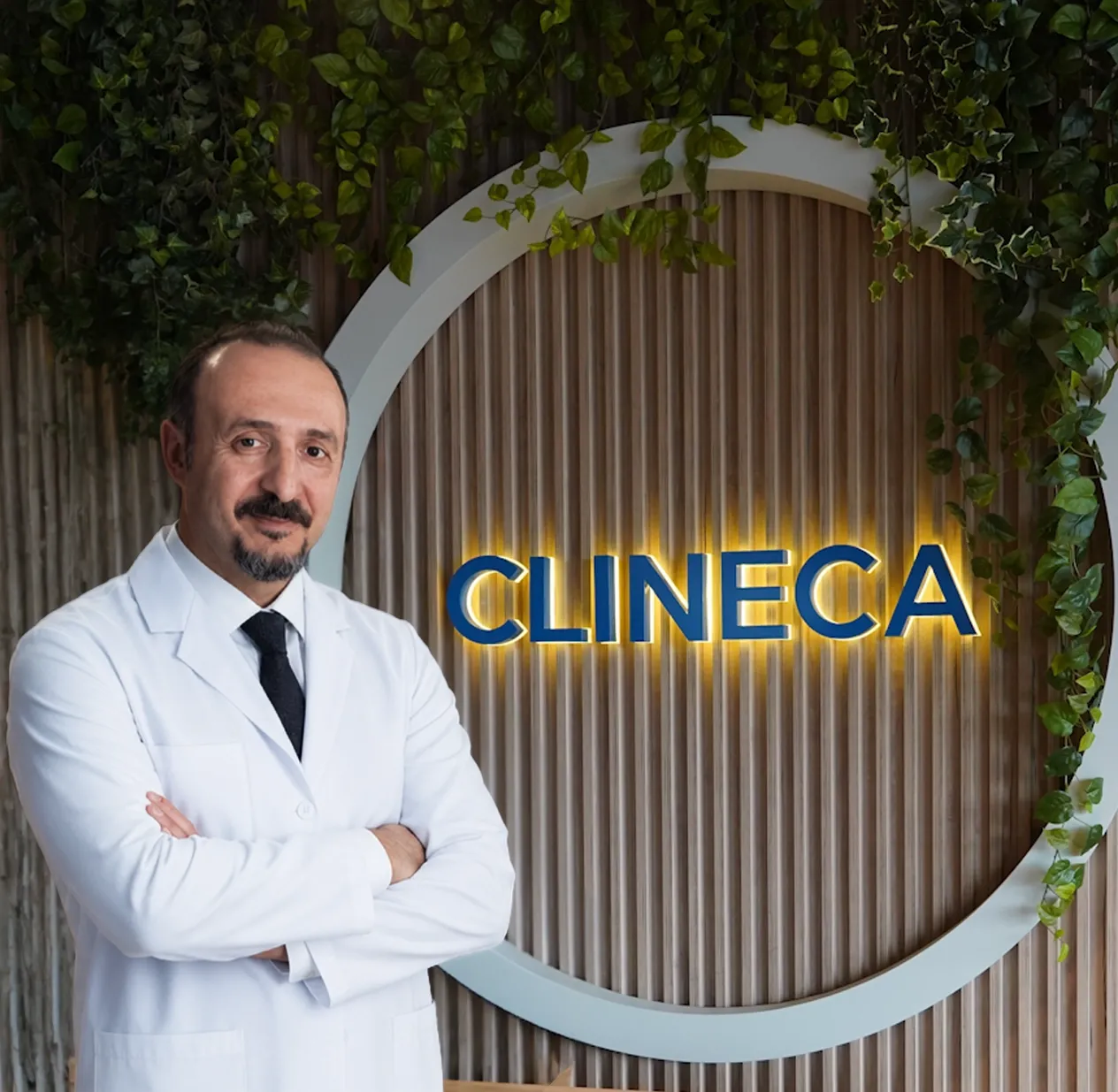 Clineca SpecialistSalim İskenderPlastic & Reconstructive Surgery
 Clineca SpecialistEngin SelamioğluPlastic & Reconstructive Surgery
 Clineca SpecialistCem AydınPlastic & Reconstructive Surgery
 Clineca SpecialistAlperen ÖnalEar, Nose & Throat (ENT)