Have a question about Tummy Tuck?
In this article
- How long does it usually take to stand straight after a tummy tuck?
- Why do you walk bent over in the first place?
- What helps you straighten up safely without forcing it?
- When is bent posture no longer normal?
- How does travel fit into this recovery timeline?
- What else can affect the timeline, including combined surgery and cost planning?
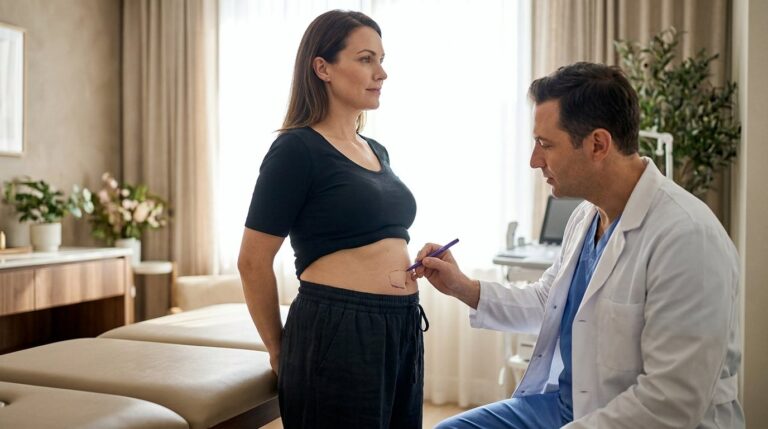
One of the first surprises after surgery is how normal it can feel to walk bent over. If you are wondering when can i stand up straight after a tummy tuck, the short answer is that most patients begin to straighten gradually over the first 1 to 2 weeks, but full upright posture can take longer depending on how much skin was removed, how tight the repair is, and whether liposuction was done too. That timeline matters because trying to force yourself upright too soon can make the first days harder and more uncomfortable.
How long does it usually take to stand straight after a tummy tuck?
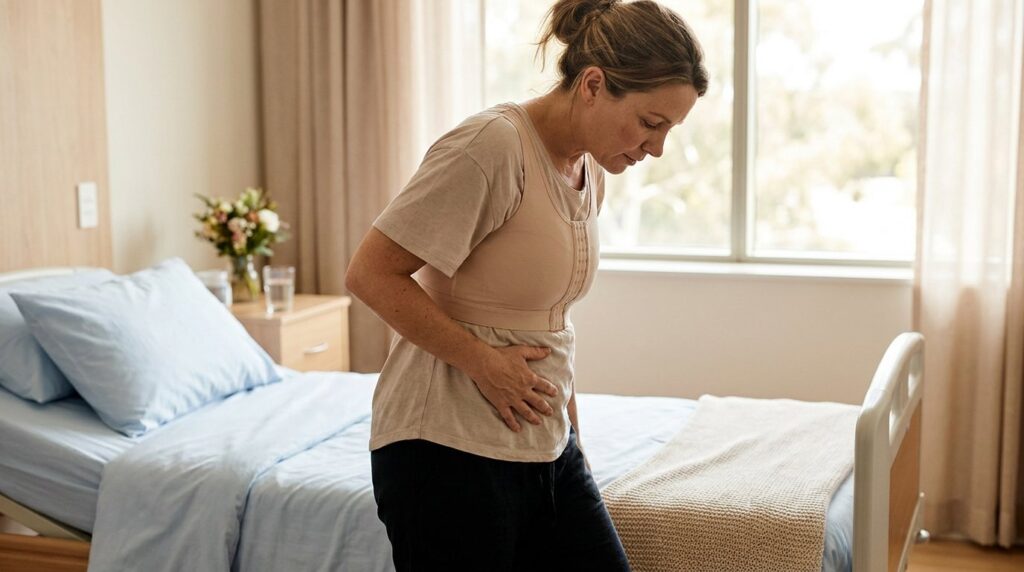
Most people are not fully upright in the first few days. A slightly bent posture is expected because the abdominal skin has been pulled tighter and the internal muscle repair, if you had one, creates a feeling of tension across the middle. In a standard tummy tuck, many patients are noticeably straighter by the end of the first week and closer to upright during the second week, but that does not mean everyone follows the same schedule.
A mini tummy tuck may feel easier sooner because the area treated is smaller. An extended tummy tuck or a procedure combined with liposuction often brings more swelling and tightness, so standing straight can take longer. If your surgeon repaired separated abdominal muscles, called diastasis recti, that extra internal tightening can also slow the return to a natural posture.
The key point is that you should not try to “push through” and force a straight position on day 2 or 3. The NHS notes that recovery after cosmetic surgery varies from person to person, and tummy tuck patients often need time before movement feels normal again. A careful, gradual return to upright walking is usually more comfortable and safer than trying to rush it.
If you want a broader view of the healing stages, our article on abdominoplasty recovery week by week explains how posture fits into the rest of the first month.
📋 A bent posture is usually expected early on Feeling too tight to stand fully upright in the first days is common after abdominoplasty and does not usually mean something has gone wrong.
Why do you walk bent over in the first place?
A tummy tuck removes loose skin and fat from the lower abdomen, and the remaining skin is brought down and closed under tension. That creates the classic feeling that the front of the body is too tight to stretch. If the abdominal muscles were repaired at the same time, there is also deeper tightness under the skin.
Swelling adds to that feeling. In the early phase, your body protects the area by making you move more carefully. Standing slightly flexed can reduce pulling on the incision and simply feels more manageable. This is why many surgeons advise walking a little hunched at first rather than trying to hold yourself ramrod straight.
Pain relief, drains, compression garments, and fatigue can affect posture too. Some patients feel fairly mobile indoors but still lean forward once they have been standing for a few minutes. That is common in the first week and often improves bit by bit rather than all at once.
What helps you straighten up safely without forcing it?
The best approach is gentle progress. Short, regular walks around your room or home usually help more than staying still for long periods. Moving improves circulation and can reduce stiffness, but the goal is relaxed walking, not posture training.
Try to let your body open up naturally over several days. Many patients notice that they are straighter in the morning and more hunched again by evening, when swelling and fatigue build up. That pattern is normal. Good pain control, staying hydrated, and following instructions for your compression garment all make it easier to move.
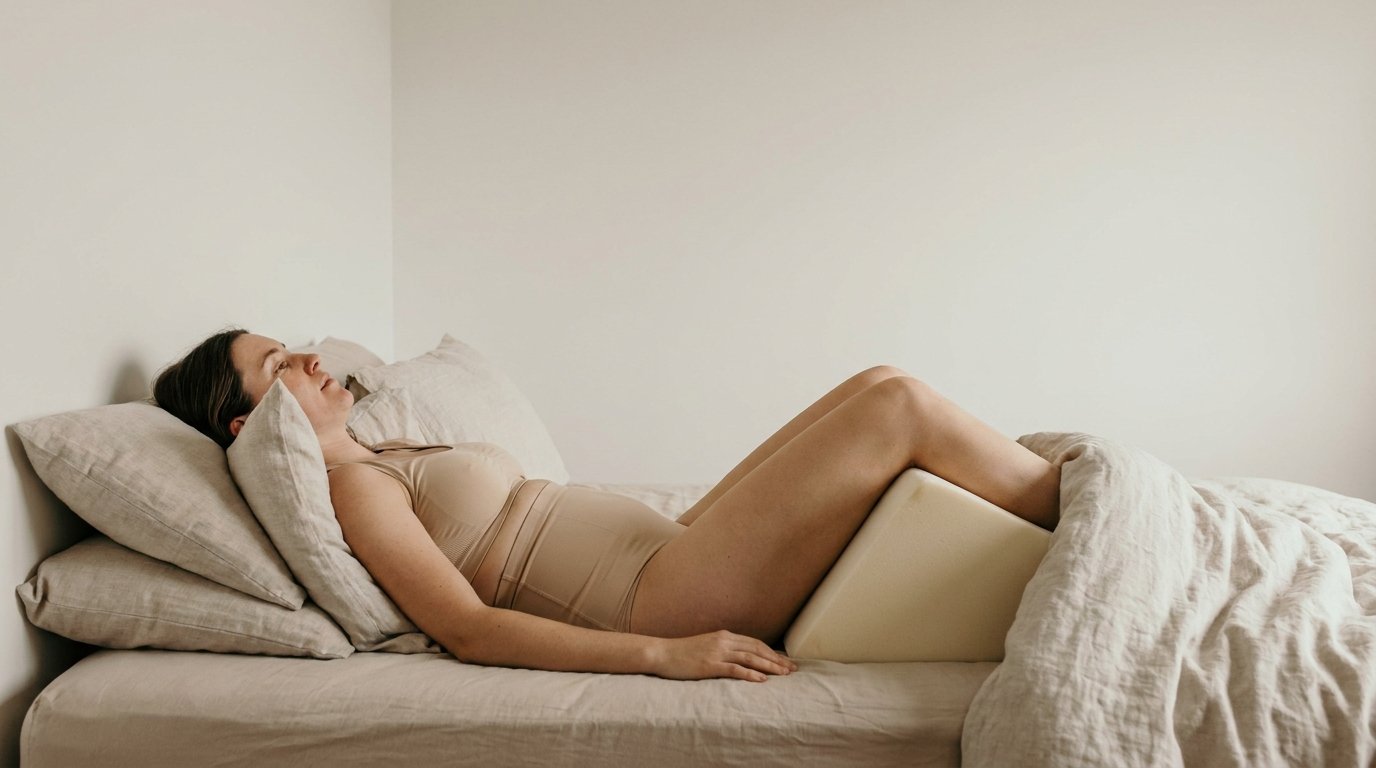
When you rest, getting into a supported position with your knees and upper body slightly raised can reduce tension across the abdomen. Then, as the tissues soften, standing up becomes easier. If you are combining procedures, recovery may be slower; for example, liposuction with abdominoplasty often adds swelling, and combined body procedures can make movement more awkward at first.
For a fuller discussion of the procedure, recovery, and practical planning, see our article on tummy tuck recovery and safety.
- ✓Take short walks several times a day instead of one long walk.
- ✓Use pillows to keep your upper body and knees slightly bent when resting.
- ✓Wear your compression garment exactly as advised.
- ✓Increase your posture gradually rather than trying to stand bolt upright suddenly.
When is bent posture no longer normal?
A slower recovery does not always mean a problem, but there are limits. If you are still very stooped after the first couple of weeks, or your posture is getting worse rather than better, it is worth speaking to your surgeon. The same applies if one side feels far tighter than the other, if the abdomen suddenly becomes much more swollen, or if you cannot stand straighter because of severe pain rather than simple tightness.
Watch the whole picture, not posture alone. Fever, spreading redness, wound drainage with a bad smell, calf pain, sudden shortness of breath, or chest pain need urgent medical attention. Guidance from the NHS and Mayo Clinic both stresses that warning signs after surgery should not be brushed off as routine recovery.
A small number of patients worry that staying bent will permanently affect their result. In ordinary healing, that is not how it works. Early posture is usually temporary. What matters more is whether the incision is healing well, swelling is settling, and your mobility is gradually improving.
⚠️ Call your surgeon if progress stalls If you remain markedly bent over beyond the expected early period, or pain and swelling are worsening instead of easing, you need a direct review.
🚨 Get urgent help for clot or breathing symptoms Sudden shortness of breath, chest pain, or calf swelling after surgery can be signs of a blood clot and should be treated as urgent.
How does travel fit into this recovery timeline?
This question matters more than many people expect, especially if surgery involves travel. In the first days after a tummy tuck, getting in and out of a car, walking through an airport, standing in queues, and handling luggage can feel much harder than the flight itself. The issue is not just comfort. It is also swelling, fatigue, and the small but important risk of blood clots after major surgery.
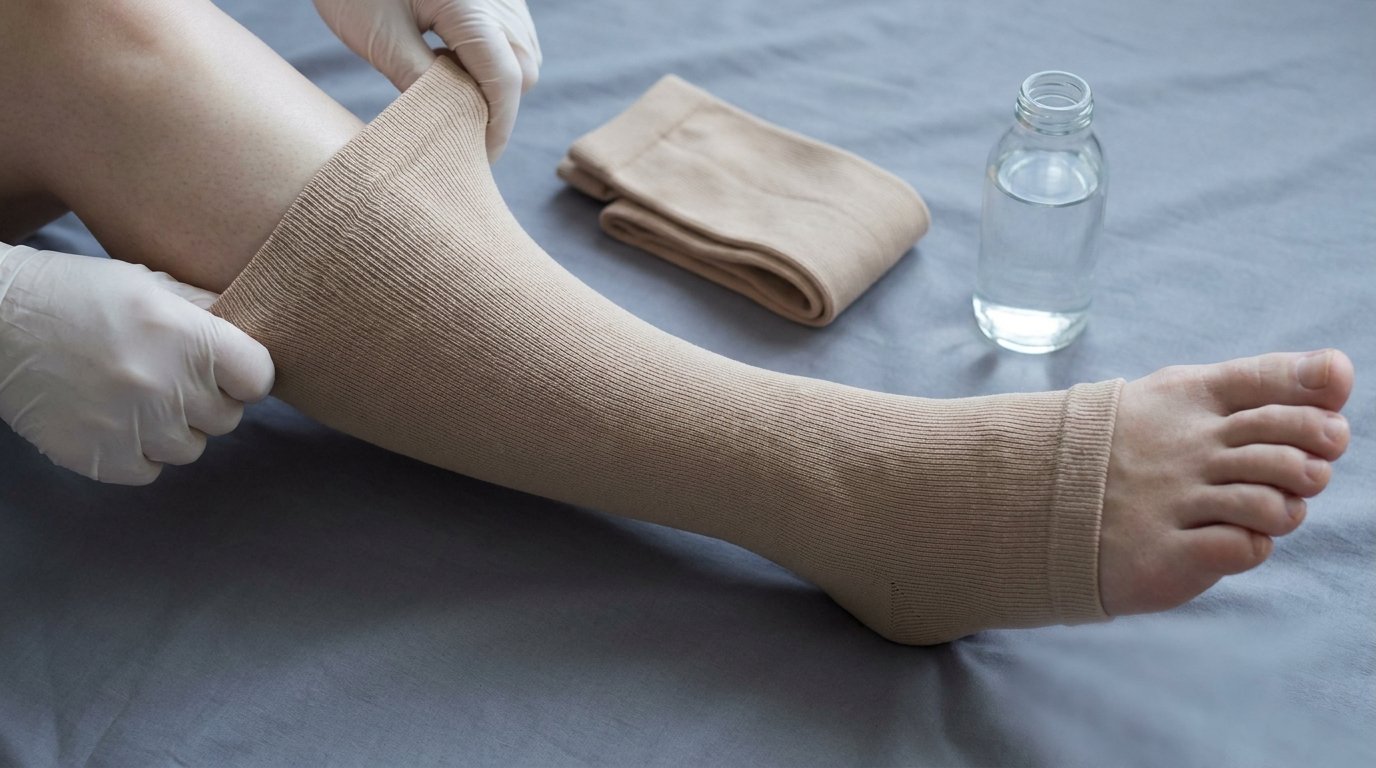
Fitness to fly is individual and must be confirmed by the treating surgeon, but many abdominoplasty patients are advised to avoid flying in the immediate first days and to allow at least around 1 to 2 weeks before a longer return journey, especially after a full tummy tuck or combined procedure. The exact timing depends on your mobility, drain removal, wound checks, and clot-risk factors. This is one reason why travel plans should stay flexible.
If you are arranging surgery away from home, ask very practical questions before booking: who checks you before you travel back, what happens if drains stay in longer than expected, and how you can contact the surgical team if your posture, swelling, or pain suddenly changes. Those details usually matter more than the flight schedule itself.
If you are also comparing procedure scope, our piece on the difference between extended and standard tummy tuck helps explain why recovery can vary so much from one patient to another.
What else can affect the timeline, including combined surgery and cost planning?
One reason patients compare recovery stories and get confused is that not all tummy tucks are the same. A mini procedure, a full abdominoplasty with muscle repair, an extended tummy tuck, and a tummy tuck combined with liposuction or breast surgery all create different levels of tension and swelling. That changes how soon you can stand upright comfortably.
Combined surgery can be appropriate for some patients, but it usually makes the first days more demanding. If you also had breast surgery, for example, getting out of bed and using your core can feel more awkward. If liposuction was added, the abdomen and flanks may feel stiffer and more swollen. That does not automatically mean a poor recovery, only that your posture may take longer to normalize. Most of our tummy tuck patients do not have the operation on its own: around 87% have at least one other procedure at the same time, usually a breast lift, a breast lift with implants, or liposuction. So the posture timeline to prepare for belongs to the most demanding part of what you had, not to the tummy tuck alone.
Cost planning follows the same logic: the quote is shaped by the extent of surgery, whether liposuction or other procedures are added, the surgeon’s experience, the anaesthesia team, hospital stay, garments, medicines, and follow-up. A proper quote should make clear what is included and what could change if recovery needs extra care. The final plan should always come after consultation, not from a generic online estimate.
If your procedure was more extensive, it can be completely normal to take longer to feel comfortably upright.
A smaller operation may have a different recovery pattern, but suitability depends on your skin laxity, muscle separation, and scar position.
Frequently Asked Questions
References
- 📎NHS: Cosmetic procedures
- 📎ASPS: Cosmetic procedures
- 📎Mayo Clinic: Tests and procedures
- 📎PubMed: abdominoplasty recovery venous thromboembolism travel
Related Articles

You Might Also Like


Related articles
Our specialists
 Clineca SpecialistErkan PinegözPlastic & Reconstructive Surgery
 Clineca SpecialistHakan AktaşPlastic & Reconstructive Surgery
 Clineca SpecialistOrkun UzuneyüpoğluPlastic & Reconstructive Surgery
 Clineca SpecialistSalim İskenderPlastic & Reconstructive Surgery
 Clineca SpecialistEngin SelamioğluPlastic & Reconstructive Surgery
 Clineca SpecialistCem AydınPlastic & Reconstructive Surgery
 Clineca SpecialistAlperen ÖnalEar, Nose & Throat (ENT)