Have a question about Rhinoplasty?
In this article
- What should you avoid before rhinoplasty to help recovery?
- Why are smoking, vaping, and nicotine such a problem?
- Which medicines and supplements should you avoid before a nose job?
- What lifestyle habits should you avoid in the two weeks before surgery?
- How long does it take to recover from rhinoplasty, and how does planning help?
- How much does rhinoplasty cost, and what affects the quote?
- How do you choose a safe clinic and surgeon if you are travelling for rhinoplasty?
If you are asking what should I avoid before rhinoplasty to help recovery, the short answer is this: avoid anything that raises bleeding risk, slows healing, or makes anaesthesia less safe, especially smoking, nicotine, certain medicines and supplements, alcohol binges, and last-minute travel or work plans. Recovery after a nose job is usually manageable, but the first one to two weeks are easier when the weeks before surgery are planned properly and your surgeon’s instructions are followed closely.
What should you avoid before rhinoplasty to help recovery?
The biggest mistake patients make is thinking recovery starts after surgery. In reality, recovery starts before it. Your body heals better when blood flow is good, your sleep is steady, your medication list has been checked, and your calendar is not packed with flights, social events, and work calls a day or two after surgery.
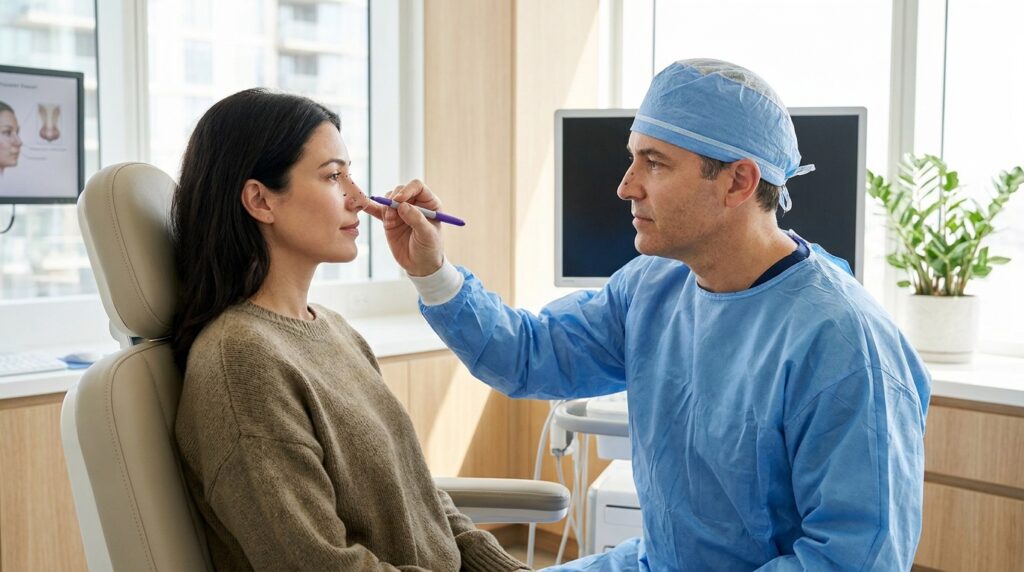
A rhinoplasty, sometimes called a nose job or nose surgery, changes the shape of the nose and may also improve breathing if there is a functional problem inside the nose. Because the nose has a rich blood supply and delicate internal swelling, even small pre-op choices can affect how much bruising you get and how comfortable the first week feels.
The avoid list usually includes nicotine in all forms, aspirin and similar painkillers if your surgical team tells you to stop them, many herbal supplements, heavy drinking, and sunburn or skin irritation around the nose. You should also avoid making your own decisions about prescribed medicines. Some medicines must be continued, others may need adjusting, and that decision belongs to your surgeon and the doctor who prescribed them.
If you are still researching the procedure itself, the clinic’s rhinoplasty page gives a basic overview, but your own pre-op instructions matter more than any general checklist online.
⚠️ Do not stop prescribed medicine on your own Blood pressure tablets, antidepressants, diabetes medicines, and hormone treatments may need special planning. Always check with your surgeon and the doctor who prescribed them.
- ✓Avoid smoking, vaping, nicotine pouches, and nicotine gum if your surgeon advises stopping them.
- ✓Avoid aspirin, ibuprofen, naproxen, and similar medicines if your surgical team says they increase bleeding risk for you.
- ✓Avoid herbal supplements often linked with bleeding or anaesthesia interactions, such as ginkgo, ginseng, garlic tablets, St John’s wort, and high-dose vitamin E, unless your clinician says otherwise.
- ✓Avoid heavy alcohol use in the days before surgery.
- ✓Avoid recreational drugs, including cannabis if your anaesthetist tells you to stop.
- ✓Avoid getting ill if you can by steering clear of obvious infections close to your surgery date.
- ✓Avoid booking important events too soon after surgery.
Before rhinoplasty, the main things to avoid are smoking and nicotine, blood-thinning medicines or supplements unless your prescriber says otherwise, excess alcohol, recreational drugs, illness exposure, and unrealistic scheduling. These do not just affect the day of surgery; they can increase bruising, swelling, breathing discomfort, and delayed healing afterwards.
Why are smoking, vaping, and nicotine such a problem?
This is the issue many patients underestimate. They may stop cigarettes but continue vaping, nicotine gum, or pouches, assuming that is good enough. From a healing point of view, nicotine itself is part of the problem because it reduces blood flow.
The NHS advises that smoking increases the risk of complications with surgery and anaesthesia. Plastic surgeons commonly extend that warning to cosmetic surgery recovery because wound healing, skin quality, and swelling control are all affected. If you smoke regularly, ask your surgeon exactly when they want you to stop and when, if at all, nicotine replacement is acceptable.
It is also worth being honest. A surgeon would rather know you are struggling to quit than find out on the day of surgery. If you hide it, the plan may be less safe and your recovery may be less predictable.
Tell the surgical team early if you smoke or vape so they can give a realistic stop date and support plan.
Stopping cigarettes but continuing nicotine pouches or vaping without checking first can still work against healing.
Nicotine narrows blood vessels, and smoking also reduces oxygen delivery to healing tissues. That combination can slow healing and make recovery harder. In rhinoplasty, where swelling control and tissue healing matter, surgeons are often strict about stopping smoking and nicotine well before and after surgery.
Which medicines and supplements should you avoid before a nose job?
Patients often focus on prescription medicines and forget about over-the-counter tablets, herbal teas, gym supplements, and vitamins. Yet those are often the items that create last-minute problems. A common example is taking aspirin for headaches or using a pre-workout supplement without thinking of it as a medical issue.
The American Society of Plastic Surgeons (ASPS) advises patients to tell their surgeon about all medicines, vitamins, and herbal supplements before cosmetic surgery. That matters because some products can increase bruising or interfere with anaesthesia. Your team may ask you to pause certain items for a set period before your operation.
Pain relief is one area where confusion happens a lot. Do not assume your usual tablet is fine. Ask what you can take instead if you get a headache, cold symptoms, or period pain in the week before surgery.

If you are travelling for surgery, send your medication list before you fly, not after you arrive. That gives the team time to review it properly during your consultation process.
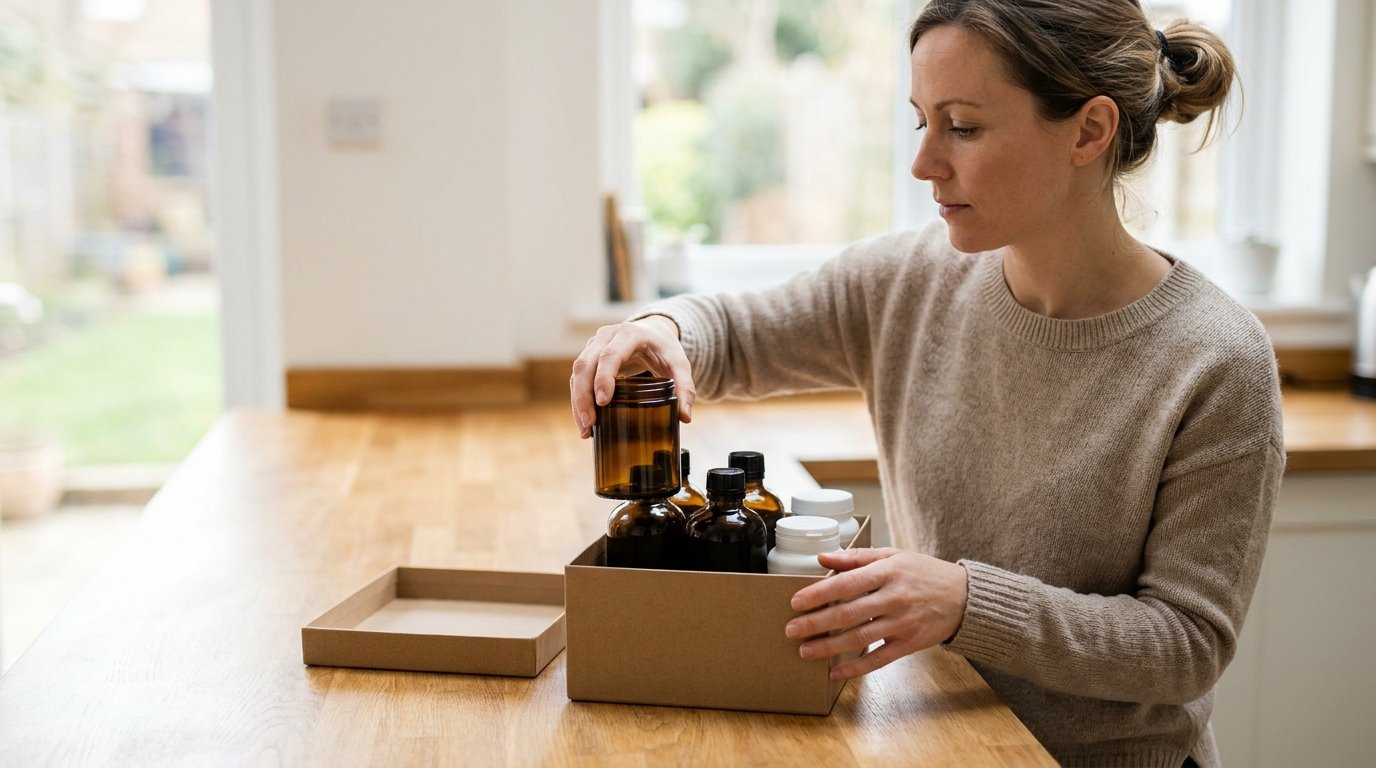
📋 Bring a written list Include prescription medicines, painkillers, vitamins, herbal products, injections, inhalers, and anything you take for sleep, anxiety, or weight loss.
Many surgeons ask patients to avoid medicines and supplements that can increase bleeding or interact with anaesthesia, but the exact list varies. Aspirin, some anti-inflammatory painkillers, and certain herbal products are common examples. The safe rule is to give your full list early and follow your own pre-op plan.
What lifestyle habits should you avoid in the two weeks before surgery?
Beyond smoking and medicines, a few habits make recovery unnecessarily rough. One is drinking heavily, especially in the days just before surgery. Alcohol can dehydrate you, disrupt sleep, and make swelling feel worse afterwards.
Another is crash dieting. Patients sometimes try to “get healthier fast” before a nose jobs procedure by cutting calories sharply. That can leave you run down instead of prepared. Aim for regular meals, enough protein, and stable hydration rather than a dramatic reset.
Hard training is not always a problem before surgery, but overdoing it can be. If you end up exhausted, sore, or fighting a gym-related cold or skin irritation, that does not help. The better goal is consistency, not heroics.
Also avoid sunburn on the face. Irritated skin around the nose can complicate surgery day and make the early healing phase more uncomfortable than it needs to be.
- ✓Heavy drinking in the days before surgery
- ✓Crash diets or detoxes
- ✓Very intense workouts that leave you overtired or unwell
- ✓Poor sleep and long-haul social plans right before your operation
- ✓Sun exposure that leaves the nose or cheeks burned or irritated
How long does it take to recover from rhinoplasty, and how does planning help?
Recovery is one of the most misunderstood parts of a rhinoplasty nose job. You may look presentable before the nose has fully settled, and you may feel well before swelling inside the nose has fully improved. Those are not the same thing.
For many patients, the first week is the most inconvenient. There is usually swelling, some congestion, and a need to sleep with the head raised. Bruising varies. Some people have little; others look quite marked around the eyes for several days.
A 2025 qualitative study in BMJ Open on treatment experiences for nasal obstruction highlighted something that also matters in nose surgery more broadly: patients value clear expectations and practical support, not just technical details. That is exactly why pre-op planning matters. When you know what recovery will realistically feel like, you make better choices beforehand.
If you are travelling to Turkey for surgery, give yourself enough time in the country for the operation, early checks, and initial healing before you fly home. Ask your surgeon for their minimum stay advice, because this varies depending on whether the surgery is straightforward, revision, or combined with internal nasal work.
Typical recovery milestones
Most patients can do light daily activities within days, but they are not ready for every normal habit straight away. Glasses pressure, strenuous exercise, sleeping flat, crowded travel days, and photo-heavy events can all be awkward too soon.
Most people need about one to two weeks away from normal social activity, though subtle swelling lasts much longer. Good planning before surgery does not make recovery instant, but it can reduce avoidable setbacks like extra bruising, medication problems, and returning to work or flying too soon.
How much does rhinoplasty cost, and what affects the quote?
This article is about preparation, and cost planning is part of that. What matters is understanding what changes the quote rather than starting from a headline figure.
A simple cosmetic refinement is different from a more complex rhinoplasty for nose shape and breathing, and both are different again from revision surgery. If there is surgery inside the nose, such as work on the septum or internal structures affecting airflow, that can change the plan. Anaesthesia, hospital fees, aftercare, and whether you are travelling internationally also affect the total.
Rather than shopping by headline price alone, ask what is included. A lower quote is not necessarily lower value, and a higher quote is not automatically better. Look for detail, not just a number.
📋 Pricing note Any rhinoplasty quote is indicative until the surgeon has assessed your nose, medical history, and goals. Final pricing is confirmed after consultation.
There is no single fixed price for rhinoplasty because the quote depends on the complexity of the surgery, whether breathing problems are being treated, the surgeon’s experience, the hospital setting, and travel logistics. A personalised quote is normally confirmed only after consultation and review of your nose and goals.
How do you choose a safe clinic and surgeon if you are travelling for rhinoplasty?
This matters just as much as what you avoid before surgery. The safest rhinoplasty near me search result is not the one with the flashiest before and after gallery. It is the one that gives you a proper medical assessment, explains whether your goals are achievable, and plans your recovery in detail.
Ask who performs the surgery, where it takes place, what checks are done before anaesthesia, and how follow-up works once you return home. The NHS advises that anyone considering cosmetic surgery should check the credentials and experience of the person carrying out the procedure and make sure they understand the risks and recovery.
Good communication is a practical safety feature, not just a customer-service bonus. You should know who to contact if you have bleeding, severe pain, fever, or breathing concerns after discharge. If you are reviewing surgeons, start with the clinic’s doctors page and ask direct questions in writing if anything is unclear.
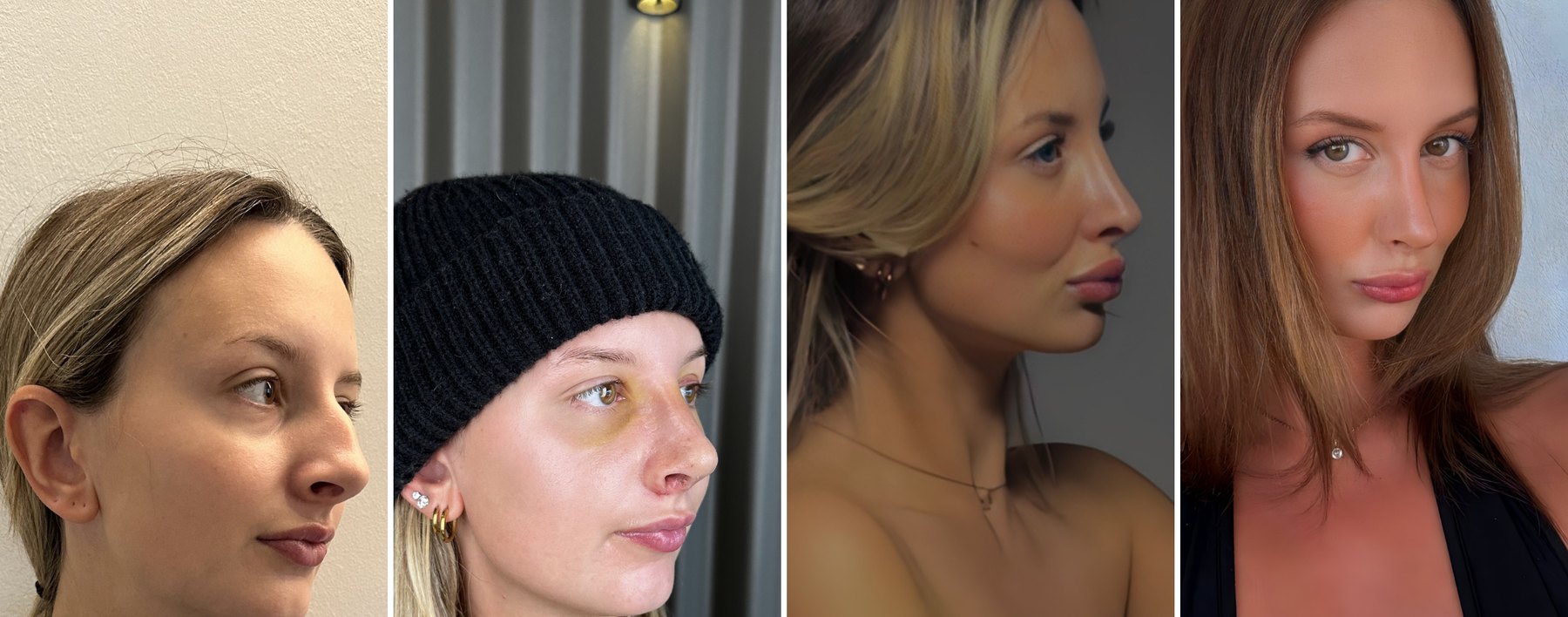
A final point on expectations: rhinoplasty before and after photos can be useful, but they are selective by nature. Your nose, skin thickness, facial balance, and healing pattern are individual. The right surgeon will say that clearly instead of promising a perfect result.
This article is for informational purposes only and does not constitute medical advice. Always consult a qualified surgeon for personalised guidance.
Clear answers about surgeon qualifications, hospital setting, recovery timeline, risks, and what is included in aftercare.
Pressure to book quickly, vague answers about who operates, or unrealistic promises about pain, swelling, or final results.
It is reasonable to delay surgery until you can stop smoking, stabilise your health, or take enough time off for recovery.
Safety starts with the surgeon’s qualifications, the hospital or clinic setting, a proper consultation, and clear aftercare. Choose a team that reviews your medical history in detail, explains limits as well as benefits, and gives realistic recovery guidance. Be cautious if communication is vague or the process feels rushed.
Frequently Asked Questions
References
- 📎Healthcare professionals’ and patients’ views and experiences of surgical and medical treatment for nasal obstruction: a qualitative interview study for a Nasal Airway Obstruction Study (NAIROS) — BMJ Open, 2025
- 📎NHS Cosmetic procedures
- 📎ASPS Cosmetic procedures
- 📎Mayo Clinic Procedures and tests
Related Articles
You Might Also Like
Related articles

Our specialists
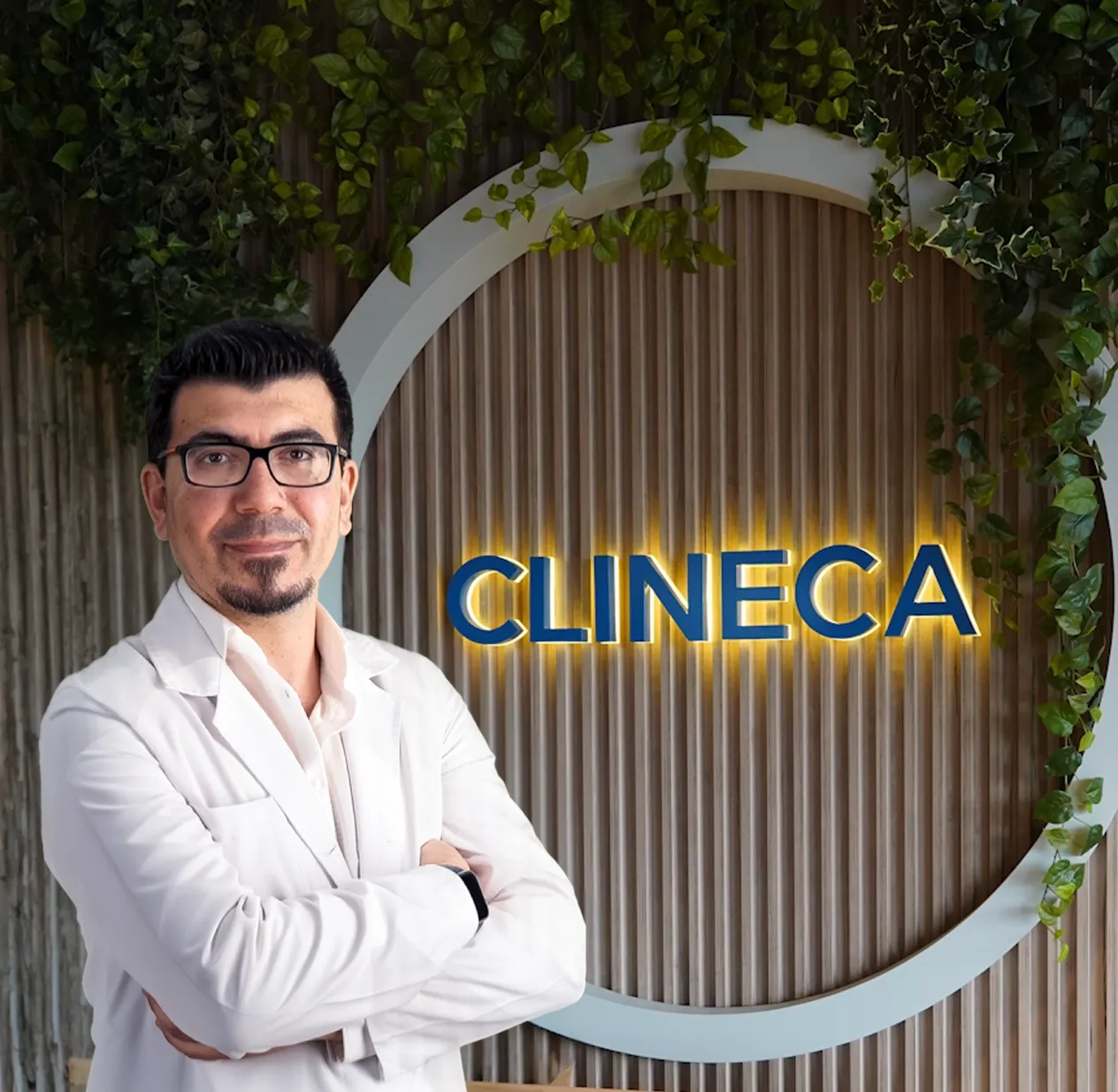 Clineca SpecialistErkan PinegözPlastic & Reconstructive Surgery
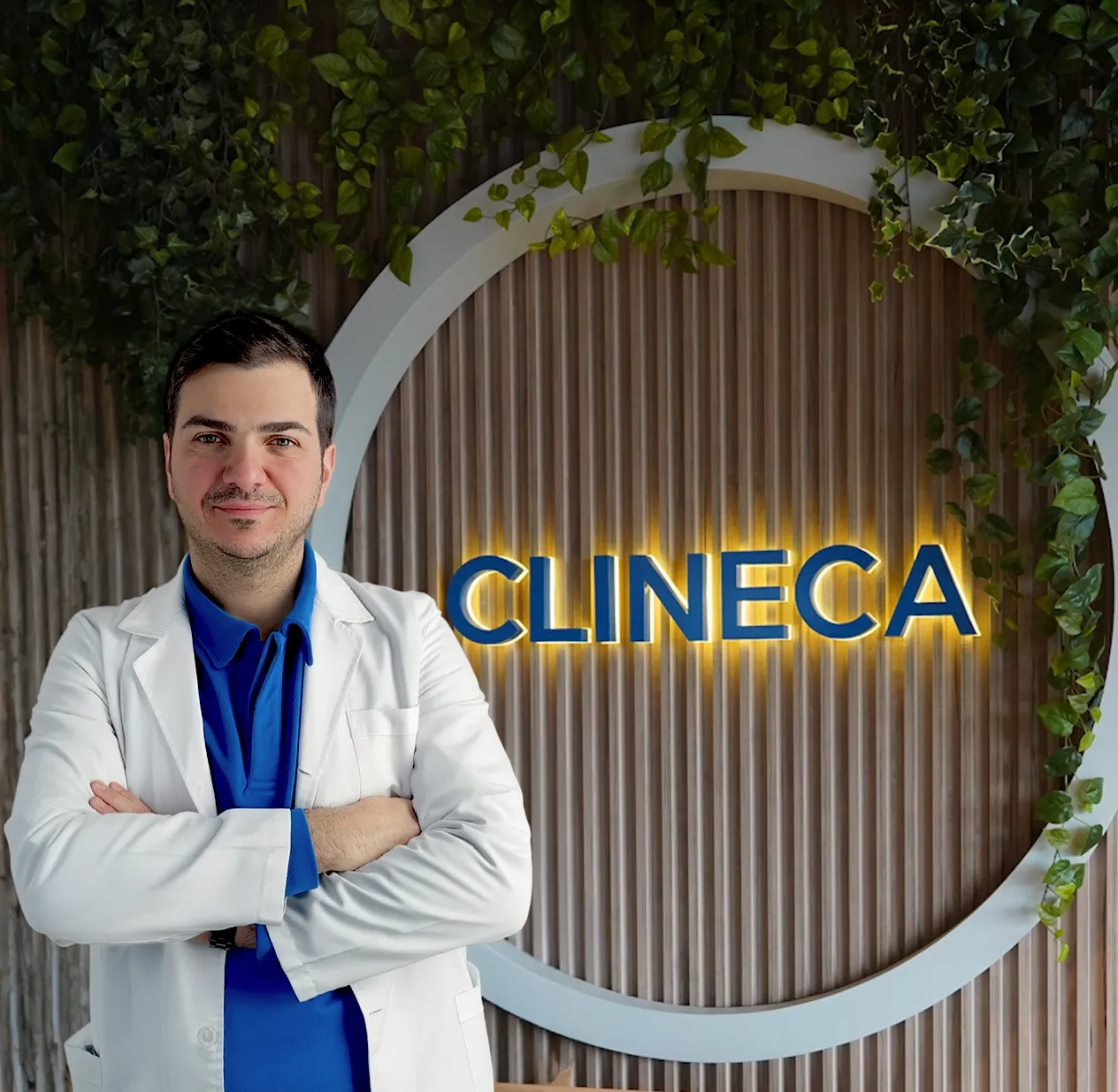 Clineca SpecialistHakan AktaşPlastic & Reconstructive Surgery
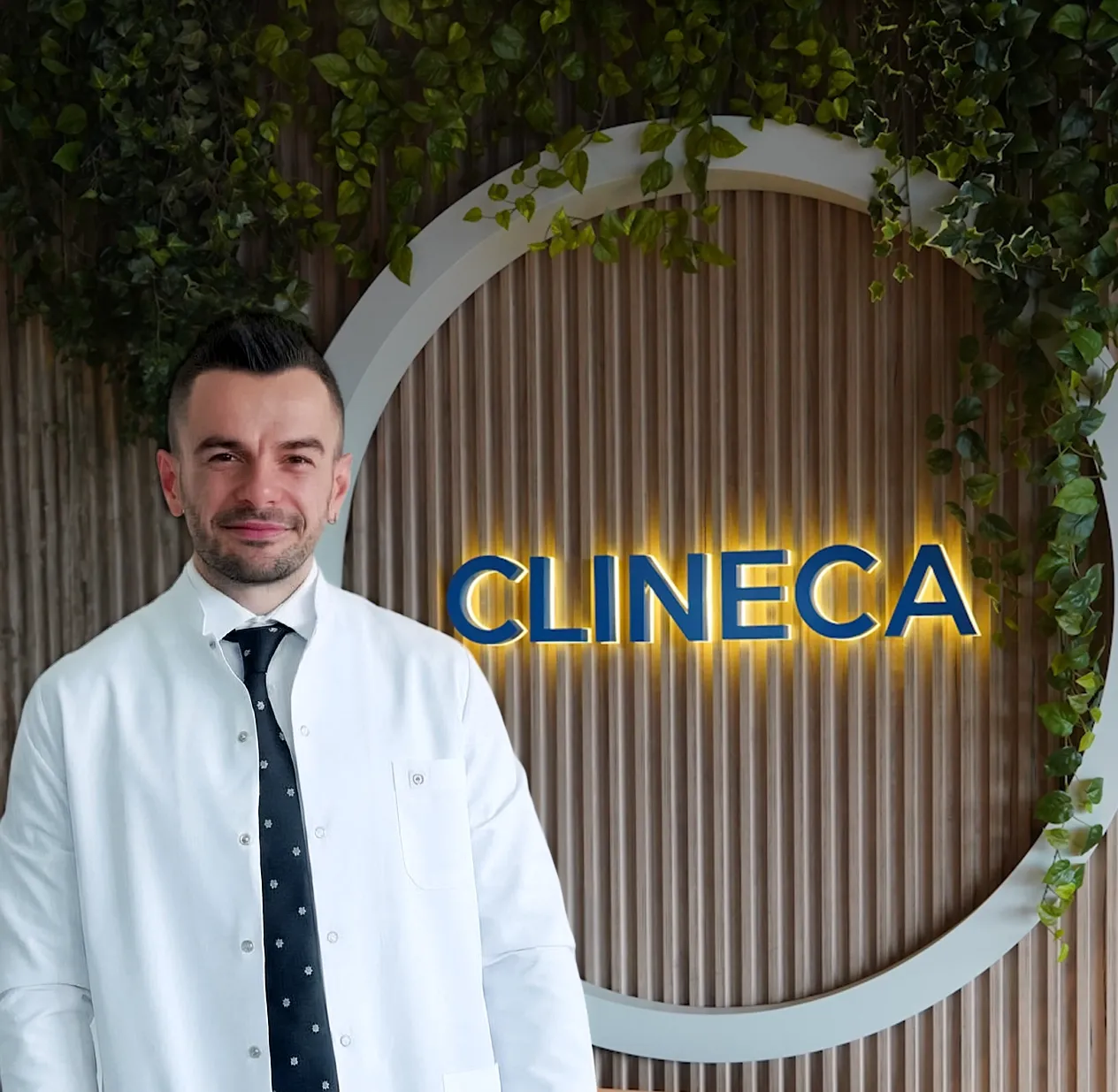 Clineca SpecialistOrkun UzuneyüpoğluPlastic & Reconstructive Surgery
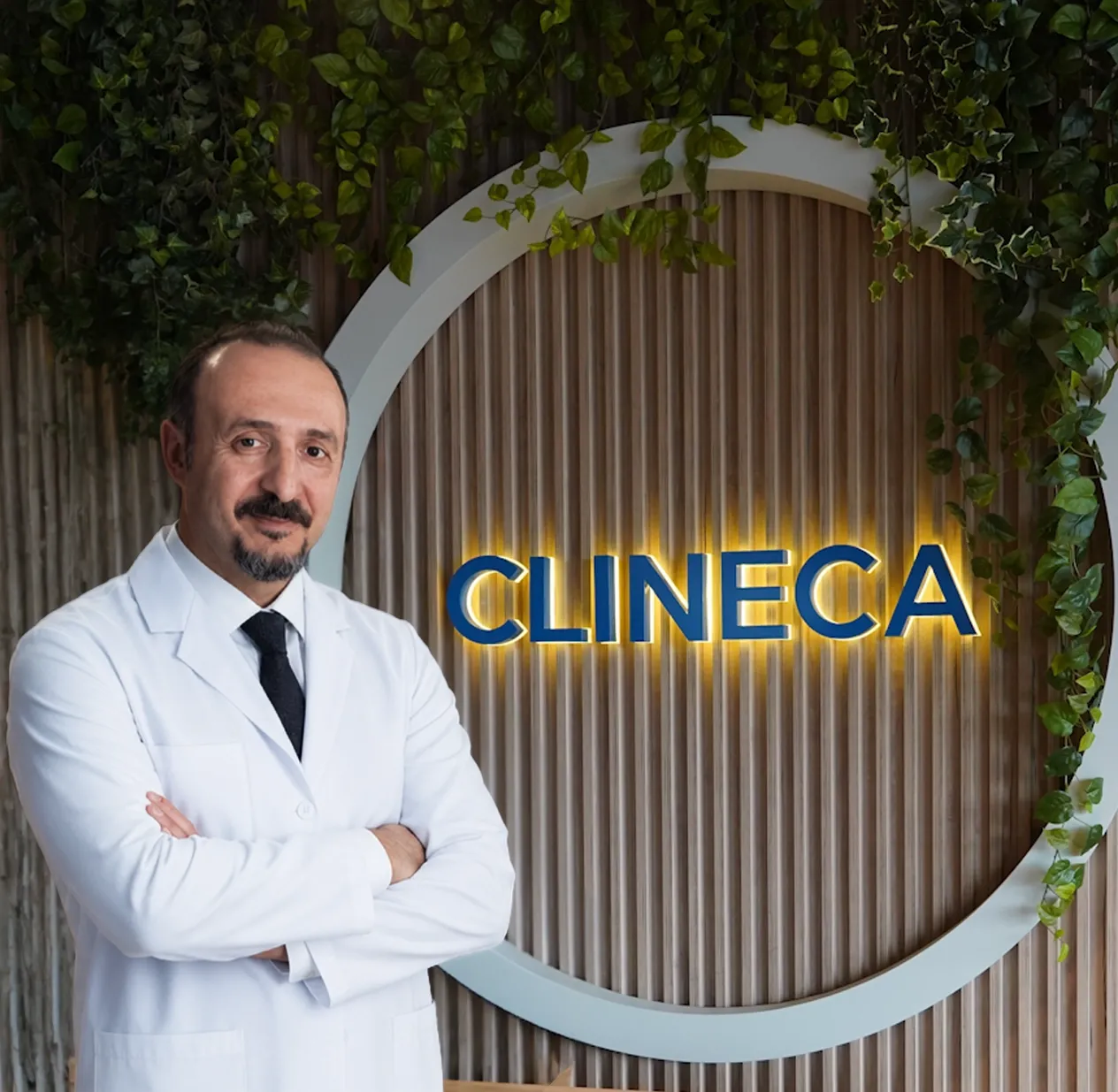 Clineca SpecialistSalim İskenderPlastic & Reconstructive Surgery
 Clineca SpecialistEngin SelamioğluPlastic & Reconstructive Surgery
 Clineca SpecialistCem AydınPlastic & Reconstructive Surgery
 Clineca SpecialistAlperen ÖnalEar, Nose & Throat (ENT)