

Have a question about Lip Lifting?
In this article
- When is a lip lift usually better than filler for a longer upper lip?
- What is the difference between a lip lift and lip filler for a longer upper lip?
- How do you know if your upper lip is actually long or just thin?
- What are the trade-offs: scar, recovery, reversibility and results?
- Can filler ever make a longer upper lip look worse?
- What should you ask a surgeon or injector before choosing?
- What does cost depend on, and how long should medical tourists stay?
If you are asking what is the difference between a lip lift and lip filler for a longer upper lip, you are really asking which treatment fixes length and which one mainly adds volume. That matters, because a lip can look thin, flat, downturned or simply too long from nose to lip, and those are not all the same problem.
When is a lip lift usually better than filler for a longer upper lip?
A lip lift is usually the better option when the main issue is a genuinely long upper lip, meaning the distance between the base of the nose and the pink part of the upper lip is longer than you like. Filler is usually better when the upper lip is short enough but lacks volume, border definition or mild outward roll.
That short answer is important because filler can make a long upper lip look heavier without truly shortening it. A surgical lip lift removes a small strip of skin under the nose, then lifts the lip upward. That changes the actual position of the lip and can show more pink lip and sometimes a little more upper tooth at rest.
By contrast, filler is a volume treatment. It can shape the lip, smooth fine lines around the mouth in selected patients, and improve hydration and contour, but it does not remove skin or shorten the white lip. The American Society of Plastic Surgeons describes lip lift as a surgical reshaping procedure and fillers as injectable soft-tissue augmentation; they are different tools for different anatomy.
📋 Near-top answer If your upper lip looks long because there is too much skin between the nose and lip, a lip lift usually addresses the cause more directly than filler. If the lip is not especially long and mainly looks thin or lacks shape, filler is often the simpler option.
What is the difference between a lip lift and lip filler for a longer upper lip?
The clearest difference is this: a lip lift changes length, while filler changes fullness. Both can make the upper lip look more noticeable, but they do it in very different ways.
A lip lift is an operation. The surgeon usually places the incision at the base of the nose, often called a subnasal or “bullhorn” lip lift. A measured strip of skin is removed, and the upper lip is lifted into a higher position. In the right patient, this can reduce the long appearance of the white lip, increase the amount of visible pink lip and improve balance between the nose, lip and teeth.
Lip filler is non-surgical. Most modern lip fillers are made of hyaluronic acid, a gel that adds volume and shape. Filler can enhance the cupid’s bow, define the lip border and create a modest outward roll. What it cannot do is remove excess skin. For a patient with a longer upper lip, that distinction matters more than the fact that filler is easier and faster.
A study base in journals such as Aesthetic Plastic Surgery and Facial Plastic Surgery & Aesthetic Medicine discusses lip aesthetics in terms of facial proportions, philtrum length and upper incisor show. In simple terms, surgeons do not just look at lip size. They look at how long the area is, how much pink lip shows, whether the lip turns inward, and how the mouth sits within the rest of the face.
There is also a difference in reversibility. Hyaluronic acid filler can often be dissolved if needed. A lip lift is not “temporary” in the same way. Although tissues continue to age, the structural change from surgery is intended to be lasting.
How do you know if your upper lip is actually long or just thin?
This is where many people choose the wrong treatment. A lip can look “small” for different reasons. Sometimes the upper lip is truly long. Sometimes the pink lip rolls inward and disappears when the face is at rest. Sometimes the mouth area has lost volume with age. Those problems can overlap, but they are not identical.
A good assessment looks at the whole lower face, not only the lips in isolation. Surgeons often assess philtrum length, upper tooth show at rest, lip mobility, lip thickness, symmetry, nose shape and the position of the chin. If the upper lip is long and there is very little tooth show when the face is relaxed, filler may add puffiness without correcting the reason the lip looks aged or flat.
The NHS advises anyone considering cosmetic procedures to make sure they understand exactly what the treatment can and cannot change, and to ask about likely limitations and complications. That advice applies strongly here. A longer upper lip is a shape issue first, not always a volume issue.
For some patients, especially younger ones, the issue is not length but a naturally thin upper lip. In that group, filler can be a sensible first step because it is less invasive. In older patients, or anyone with a stretched-looking upper lip, surgery may fit the anatomy better.
The space under the nose looks long, the upper teeth hardly show at rest, and extra filler would likely make the lip look heavy rather than shorter.
The lip is not especially long but looks thin, loses definition, or needs a small amount of shape rather than a positional change.
What are the trade-offs: scar, recovery, reversibility and results?
The big advantage of filler is that it is simple, office-based and temporary. The big advantage of a lip lift is that it treats the long upper lip more directly. The trade-off is that surgery brings an incision and a recovery period that is more visible in the first days.
After filler, swelling and bruising are common, and the lips can look uneven at first. That early stage usually settles. Results are not permanent, so repeat treatment is part of the plan if you want to maintain the look. The Aesthetic Society and ASPS both classify fillers as minimally invasive treatments, but “minimally invasive” does not mean risk-free. Vascular occlusion, where filler blocks blood flow, is an important though uncommon complication and needs urgent recognition and management.
After a lip lift, the main early issues are swelling, tightness, stitch care and scar maturation. The upper lip can feel stiff at first, and smiling may feel restricted for a while. The scar usually sits in the crease under the nose, but scar quality varies from person to person. That is why a patient who strongly wants no scar at all may still prefer filler, even if it is not the ideal structural treatment.
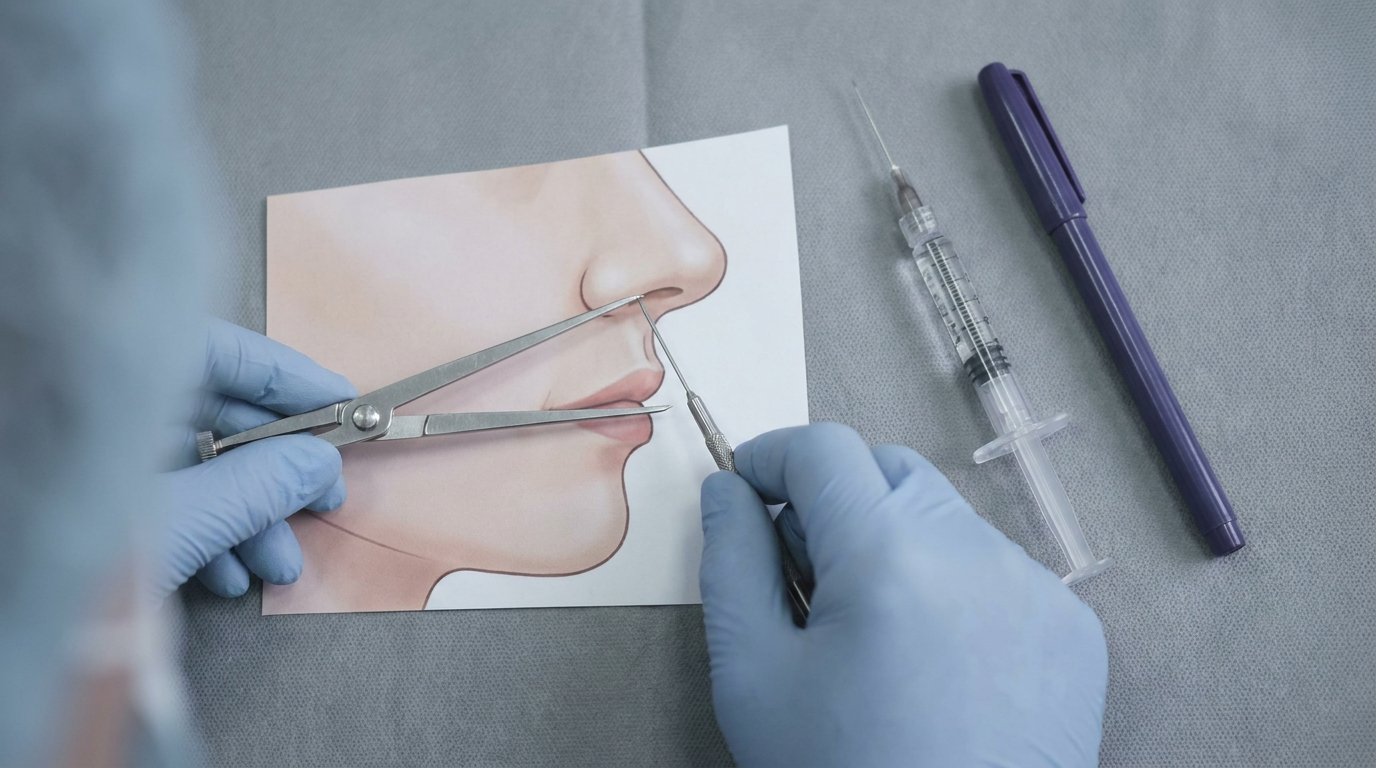
Peer-reviewed discussions in Aesthetic Plastic Surgery and JPRAS describe lip lift as effective in selected patients, but they also underline the importance of patient selection, incision design and scar counselling. That is the honest middle ground: lip lift can be elegant when done for the right anatomy, but it is still surgery.
A realistic recovery outline
Most patients who travel for a lip lift should expect the first week to look obviously post-operative. Stitches are usually still present early on or have only recently been removed, depending on the technique and timing. Swelling often improves faster than scar redness, and the scar usually continues to soften and fade over a much longer period.
With filler, travel planning is easier because there is no wound to heal, but lips can swell enough to affect photos and social plans for several days. If you are travelling for an event, neither option should be done at the last minute.
⚠️ Do not judge either result too early Swelling can distort the lip after both surgery and filler. Early photos are not a fair guide to the final shape.
Can filler ever make a longer upper lip look worse?
Yes, it can. Not because filler is a bad treatment, but because adding volume to the wrong anatomy can create the wrong effect. If the white upper lip is already long, more filler may make the area project outward while still looking long from top to bottom.
Patients often describe this as a “ducky,” heavy or overfilled look, although that can happen for several different reasons: too much volume, poor placement, repeated filling over time, or trying to use filler to solve a skin-length problem. An experienced injector may still use a very small amount strategically in some long-lip patients, but that is different from using filler as the main fix.
There are also cases where combining treatments makes more sense than choosing only one. A patient might have a lip lift first to correct length, then later a small amount of filler to fine-tune symmetry or volume. That is not unusual. The key is sequencing. Structural correction first, detail work second, if needed.
- ✓Filler suits volume loss better than excess skin length.
- ✓Repeated filler can blur the lip border if the aim keeps shifting from shape to size.
- ✓A small amount of filler after a healed lip lift may refine, rather than replace, the surgical result.
- ✓Trying to avoid surgery at all costs can sometimes lead to more filler than the anatomy really needs.
What should you ask a surgeon or injector before choosing?
The most useful consultation is not the one that sells a treatment fastest. It is the one that explains why your lip looks the way it does and shows how the plan matches that anatomy. If a practitioner cannot clearly explain whether your concern is length, volume, tooth show, asymmetry or ageing change, pause there.
Ask whether they perform both surgical and non-surgical lip treatments, because that can reduce bias toward one answer. Ask where the scar will sit after a lip lift, how they manage scar care, what the first two weeks usually look like, and what proportion of patients later want filler refinement. If you are considering filler, ask what product type is used, how vascular emergencies are handled, and whether dissolving treatment is available if needed.
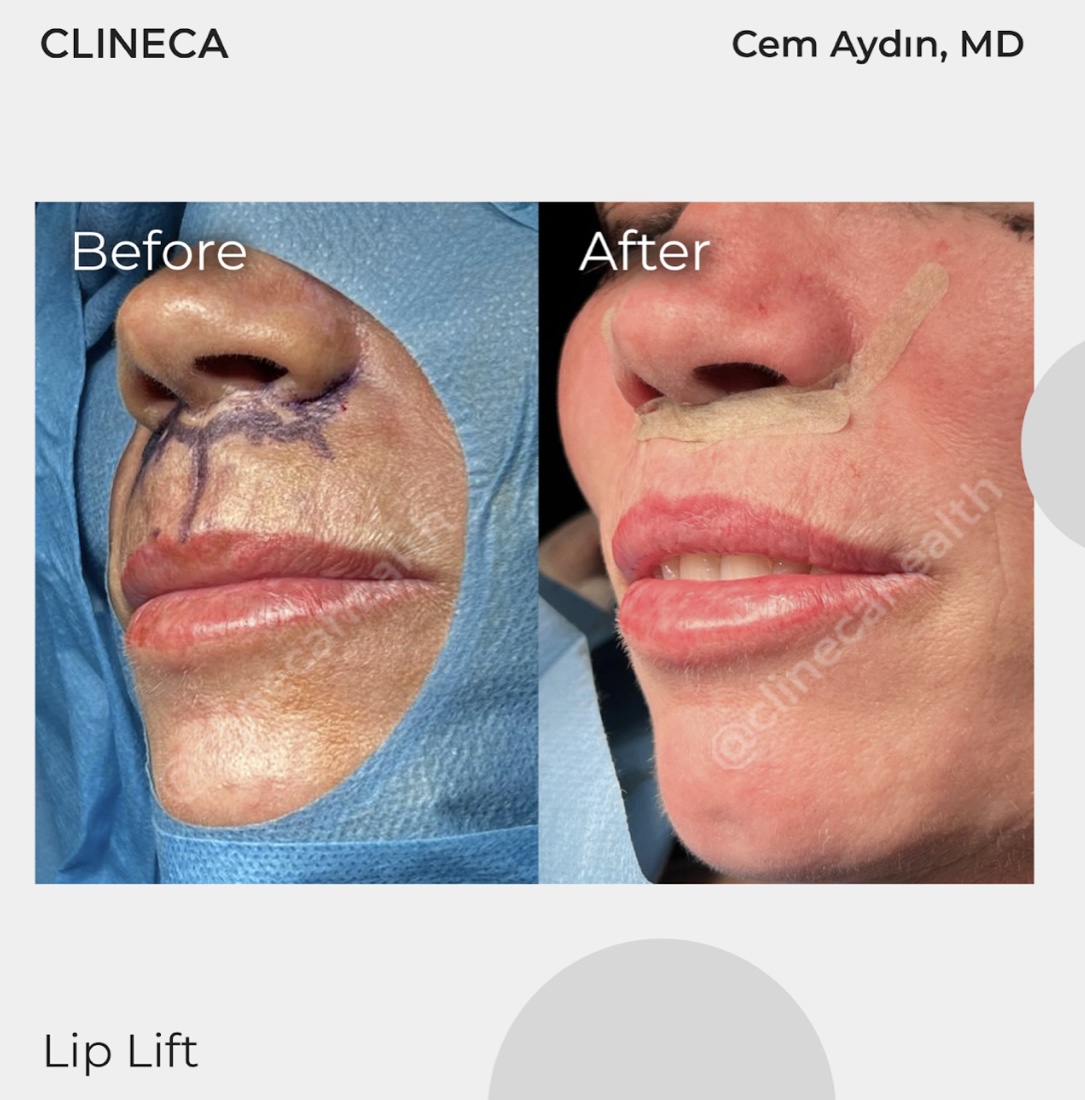
For medical credentials, look for specialists with recognised training in facial aesthetic surgery or plastic surgery. In Europe, EBOPRAS is one example of a board standard patients may see in surgeon profiles. For any clinic, ask about who performs the procedure, where it is performed, what follow-up is included, and how complications are handled after you return home. If you want to review provider information, a neutral starting point is a clinic’s doctors page rather than a sales-led treatment page.
The NHS also advises checking that you are given time to reflect before cosmetic surgery and that consent is not rushed. That is especially important with lip lift, because although the operation is small, the decision is not.
Someone recommends filler for every long-lip patient without discussing philtrum length, tooth show, scar trade-offs or the limits of volume.
The assessment includes measurements, relaxed-face photos, scar discussion and a clear explanation of why one option fits your anatomy better.
What does cost depend on, and how long should medical tourists stay?
Cost differs because the treatments are fundamentally different. A filler quote usually reflects the product used, how much is planned, the injector’s experience, and follow-up arrangements. A lip lift quote is shaped more by surgeon expertise, facility standards, anaesthesia method, aftercare, and whether items such as medications, transfers or hotel support are included.
For that reason, a like-for-like comparison is not straightforward. The more helpful question is what the quote includes and what happens if you need review appointments. A personalised price is normally confirmed only after consultation and review of your facial anatomy.
If you are travelling to Turkey for a lip lift, you generally need longer in the country than you would for filler. Surgery needs in-person assessment, the procedure itself, early wound checks and enough time to make sure you are fit to fly home. Filler patients may manage a shorter stay, but it is still wise to leave a little room in the schedule in case swelling or bruising is stronger than expected.
When comparing clinics, ask for a written outline of inclusions rather than focusing on the headline figure alone. That written outline should make clear who performs the treatment, what aftercare is included, and whether remote follow-up is available once you are back home.
📋 Travel planning For a surgical lip lift, build in enough time for early checks and do not book a rushed return flight the next day.
Frequently Asked Questions
References
- 📎American Society of Plastic Surgeons: Cosmetic Procedures
- 📎NHS: Cosmetic procedures
- 📎PubMed search: subnasal lip lift outcomes scar patient satisfaction
- 📎PubMed search: hyaluronic acid lip filler vascular occlusion management
Related Articles


You Might Also Like



Related articles



Our specialists
 Clineca SpecialistErkan PinegözPlastic & Reconstructive Surgery
 Clineca SpecialistHakan AktaşPlastic & Reconstructive Surgery
 Clineca SpecialistOrkun UzuneyüpoğluPlastic & Reconstructive Surgery
 Clineca SpecialistSalim İskenderPlastic & Reconstructive Surgery
 Clineca SpecialistEngin SelamioğluPlastic & Reconstructive Surgery
 Clineca SpecialistCem AydınPlastic & Reconstructive Surgery
 Clineca SpecialistAlperen ÖnalEar, Nose & Throat (ENT)