

Have a question about labiaplasty?
In this article
Labiaplasty cost in the UK is one of those numbers that looks simple on a clinic’s website and then changes once you have actually been examined. Two women can book the same operation name and receive very different quotes, because the surgery itself, the anaesthetic, the hospital setting and the follow-up care are all separate decisions. It helps to understand what sits inside a quote before you compare one against another.
What actually sits inside a labiaplasty quote
A labiaplasty price is never just the surgeon’s time. A properly written quote bundles together the consultation, the operating facility, the anaesthetist if one is involved, the theatre team, dressings and medication, and the follow-up appointments that come afterwards. When one clinic looks noticeably cheaper than another, the difference is usually hiding in that list rather than in the surgeon’s skill.
The technique matters too. A simple trim of the inner labial edge is a shorter operation than a wedge technique, which removes a V-shaped section and rebuilds the natural border — more precise, more time in theatre, and usually a different fee. Reducing both sides costs more than correcting one, and work on the clitoral hood or the outer labia is normally priced as an additional element rather than being included by default.
Anaesthetic choice is the other big lever. Many labiaplasties can be done under local anaesthetic with the patient awake, which keeps the facility requirements lighter. Choosing sedation or a general anaesthetic adds an anaesthetist, more monitoring and a longer recovery slot, so it raises the total. Neither option is automatically better — it depends on how extensive the surgery is, your medical history and how comfortable you are being awake.
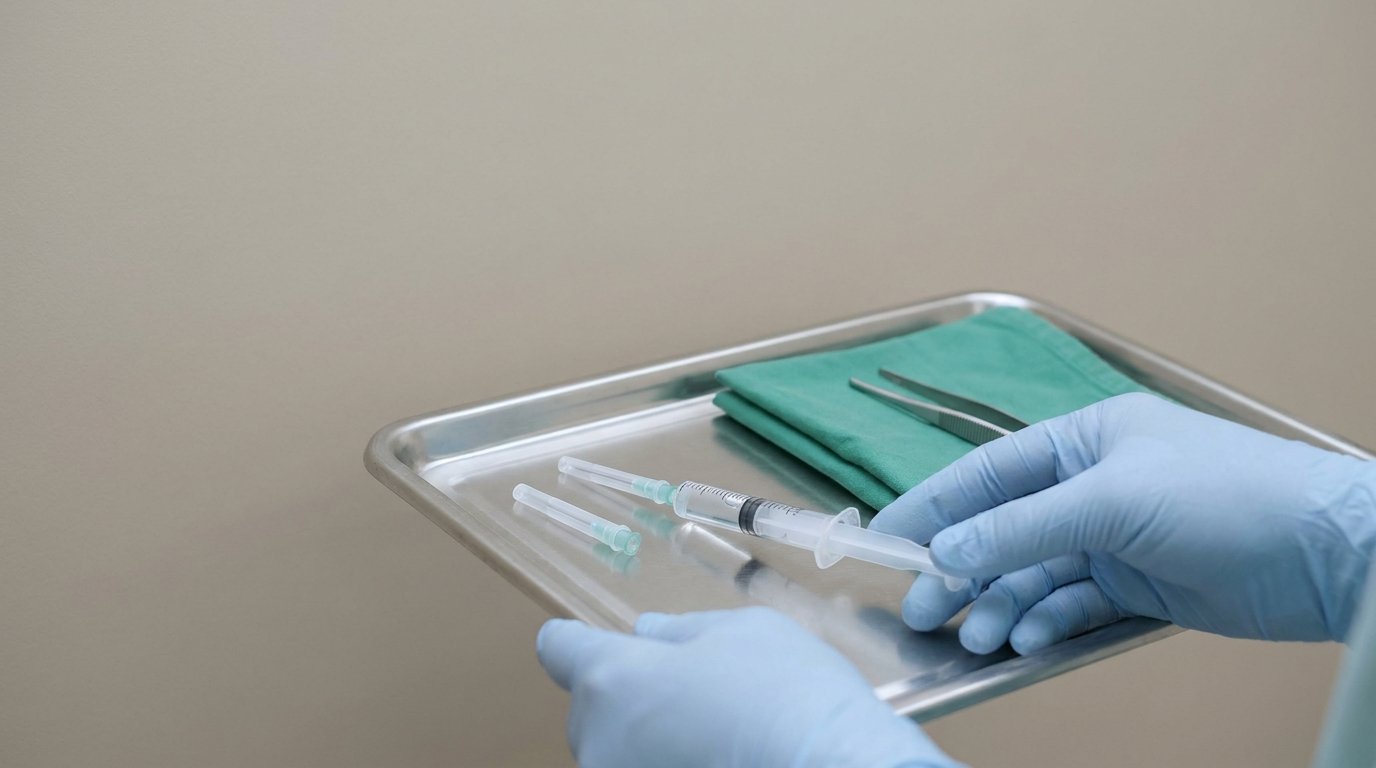
📋 Why we don’t publish a flat price Labial anatomy, the amount of tissue to be reduced, whether the hood is treated and your choice of anaesthetic all change the operating plan. A personalised, itemised quote is confirmed after a consultation and examination — anything quoted before that is an estimate, not a price.
Is labiaplasty available on the NHS?
Labiaplasty is not routinely funded as a cosmetic procedure. The NHS does consider it where there is a clear functional or medical reason — persistent discomfort, pain with exercise or intercourse, recurrent irritation, problems with hygiene, or significant asymmetry following childbirth or injury. Wanting a different appearance, on its own, does not usually meet the threshold.
The route starts with your GP, who can refer you to a gynaecology or plastic surgery clinic for assessment. Funding decisions are made locally against published criteria, so availability genuinely varies by area, and waiting times for non-urgent referrals can be long. The NHS also asks clinicians to be cautious with surgery in younger patients, since labial anatomy continues to change through adolescence.
If you are turned down or the wait is impractical, the private route is the usual alternative — and that is where comparing quotes properly becomes important. It is worth reading the NHS guidance on cosmetic procedures before you book anything, because it sets out sensible questions about consent, cooling-off periods and who is responsible for your aftercare.
⚠️ Be wary of pressure selling A reputable clinic will offer a cooling-off period between consultation and surgery, and will never use time-limited discounts to push you into a date. If you feel rushed, that is information about the clinic.
UK private surgery versus treatment abroad
Price is the obvious reason people look abroad, and labiaplasty in Turkey is typically quoted well below equivalent UK private surgery, largely because staffing, facility and insurance costs differ. The honest comparison, though, is not surgery fee against surgery fee. It is the whole package: flights, accommodation, transfers, how long you must stay, and crucially who looks after you if something does not heal as expected.
That last point deserves weight. A 2019 review in Annals of Plastic Surgery examined patients attending a regional plastic surgery unit in Northern Ireland with complications after cosmetic surgery abroad, and looked at the cost this carried for the NHS. The lesson is not that surgery abroad is unsafe — it is that aftercare has to be planned deliberately rather than assumed. Ask, in writing, who manages a wound problem once you are home.
Our own comparison of plastic surgery prices in Turkey, the UK, Germany and the Netherlands goes into how packages are built, and the labiaplasty in Turkey guide covers stay length and privacy in more detail.
The risks you should price in, not just the fee
Labiaplasty is generally well tolerated, but it is still surgery on sensitive, mobile tissue, and the honest version of the conversation includes what can go wrong. Swelling and bruising are universal in the first week or two. Beyond that, the recognised risks include scarring that feels firm or tender for a time, visible asymmetry between the two sides, changes in sensation that are usually temporary but can persist, and wound separation along the suture line — most often caused by friction, early exercise or sitting awkwardly.
Taking too much tissue is the complication that worries surgeons most, because it is far harder to correct than taking too little. Over-resection can leave dryness, exposure or discomfort, which is precisely why a conservative plan and a surgeon who says no to an aggressive request is a good sign rather than a disappointing one.
Revision is a real possibility rather than a rare event. Minor touch-ups for a small tag of tissue or a slight imbalance are the usual reason, and a sensible clinic will tell you upfront whether a revision within a defined period is covered by your original quote or billed again. No surgeon can promise a specific appearance, and no quote can promise a healing course.
🚨 When to contact your clinic urgently Rapidly increasing swelling or pain, heavy bleeding, fever, foul-smelling discharge or a wound edge that opens up all need same-day clinical review — not a wait-and-see week.
- ✓Scarring: Lines usually settle into the natural labial border, but can feel thickened or sensitive for weeks to months.
- ✓Asymmetry: Perfect symmetry is not achievable; noticeable differences may need a small revision.
- ✓Altered sensation: Numbness or heightened sensitivity is common early and usually improves; persistent change is possible.
- ✓Wound separation: Most often from early friction, strenuous activity or infection; needs prompt review.
- ✓Infection or haematoma: Uncommon, but reported pain, swelling, heat or discharge should never be left to ‘see how it goes’.
Recovery and how much time off to budget for
Most patients are home the same day and walking comfortably within a few days, though sitting for long periods is the part people underestimate. Desk-based work is often manageable after roughly a week, while jobs involving standing, lifting or long drives usually need longer. Swelling is at its most dramatic in the first few days and then fades unevenly, which is normal.
Exercise, swimming, cycling and sexual activity are typically restricted for around six weeks, because friction on healing tissue is the main cause of wound separation. The final appearance takes months to settle rather than weeks, so judging your result at the three-week mark will only worry you unnecessarily.
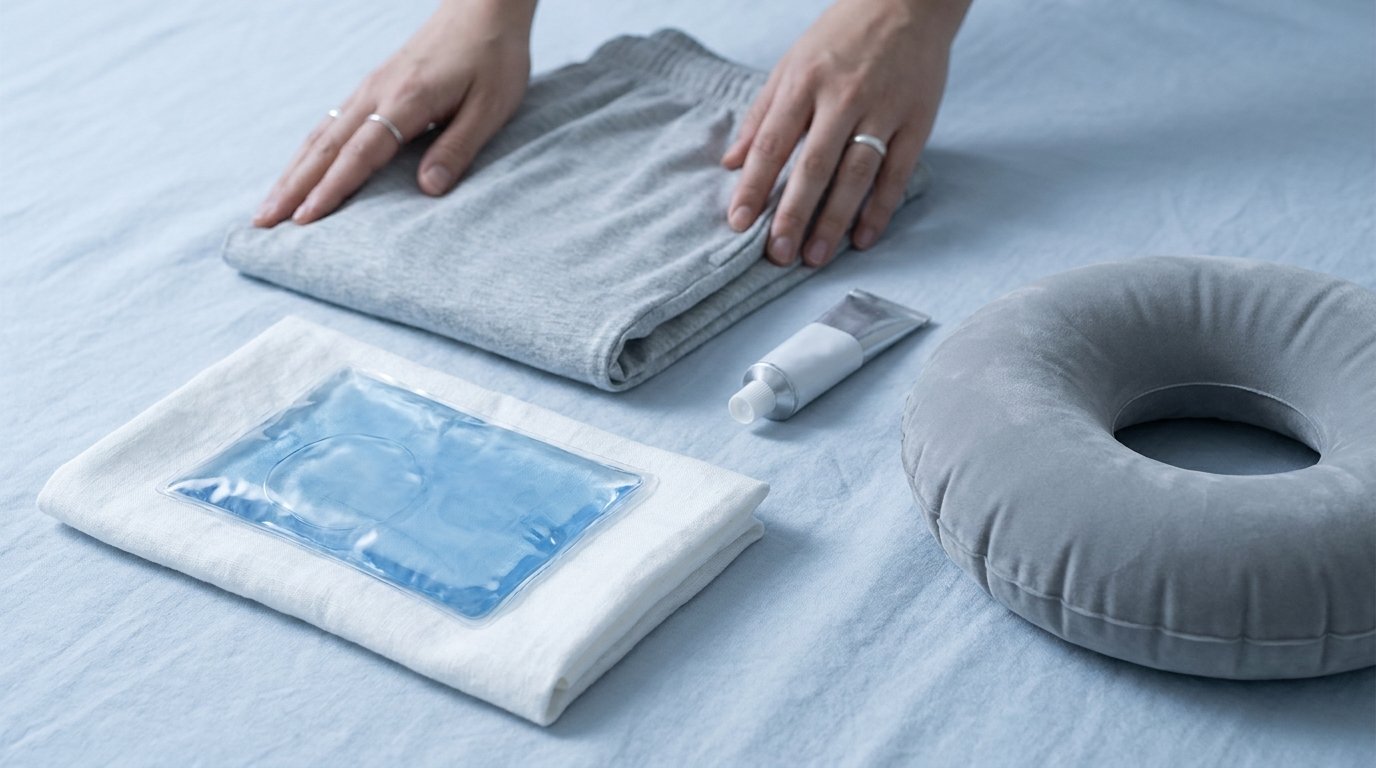
If you want the day-by-day picture, our labiaplasty recovery week-by-week guide sets out work, exercise and intimacy timelines, and there is a dedicated piece on how long swelling lasts after labiaplasty. Preparing properly beforehand genuinely shortens the uncomfortable phase — loose clothing, cold packs, time booked off, and a plan for sitting.
How to check the surgeon and the clinic before you pay
Verification is free, and it is the single best use of an hour. In the UK, check that your surgeon is on the GMC specialist register in plastic surgery or in obstetrics and gynaecology, rather than simply holding a licence to practise. Check that the clinic or hospital where the operation will happen is registered with the Care Quality Commission (or the equivalent regulator in Scotland, Wales or Northern Ireland), because the facility is regulated separately from the individual.
Membership of BAAPS or BAPRAS adds a layer of professional accountability, and for a surgeon trained in Europe, certification by EBOPRAS is a recognised specialist standard. If you are treated abroad, ask for the equivalents: a Ministry of Health licensed hospital, documented specialist credentials, and a named surgeon rather than a coordinator who will not confirm who is operating. Our article on whether plastic surgery in Turkey is safe walks through those checks in practice, and our preparation guide for labiaplasty covers what to sort out before the date.
Finally, judge the consultation itself. You should be examined, offered a technique with reasons, told the realistic limits, given written risks and a cooling-off period, and handed an itemised quote you can take away and compare. A clinic that answers the awkward questions calmly is usually the one that will answer the phone if your healing gets complicated.
This article is for informational purposes only and does not constitute medical advice. Always consult a qualified surgeon for personalised guidance.
Named surgeon on the specialist register, CQC-registered premises, in-person examination, written risks and revision policy, no pressure on timing.
A price quoted from photos alone, discounts expiring ‘today’, no written consent process, and no clear answer about who manages complications.
Discomfort can sometimes be managed with clothing changes, barrier creams, physiotherapy or dermatological treatment of skin conditions. A gynaecology assessment first can also identify a medical cause that would qualify for NHS care.
Frequently Asked Questions
References
- 📎Cosmetic Tourism in Northern Ireland — Annals of Plastic Surgery, 2019
- 📎NHS — Cosmetic procedures
- 📎EBOPRAS — European Board of Plastic, Reconstructive and Aesthetic Surgery
Related Articles



You Might Also Like


Related articles


Our specialists
 Clineca SpecialistErkan PinegözPlastic & Reconstructive Surgery
 Clineca SpecialistHakan AktaşPlastic & Reconstructive Surgery
 Clineca SpecialistOrkun UzuneyüpoğluPlastic & Reconstructive Surgery
 Clineca SpecialistSalim İskenderPlastic & Reconstructive Surgery
 Clineca SpecialistEngin SelamioğluPlastic & Reconstructive Surgery
 Clineca SpecialistCem AydınPlastic & Reconstructive Surgery
 Clineca SpecialistAlperen ÖnalEar, Nose & Throat (ENT)