Have a question about rhinoplasty?
In this article
- What is the normal swelling timeline after revision rhinoplasty?
- Why does swelling last longer after revision surgery than after a first nose job?
- How do you know if swelling is normal or a sign of a problem?
- What helps swelling go down after revision rhinoplasty?
- When can you travel, work, and look presentable again?
- Does revision rhinoplasty cost more, and what affects the quote?
- How do you choose a safe surgeon or clinic for revision rhinoplasty?
How long does swelling last after rhinoplasty revision surgery? In most patients, the obvious swelling improves over the first few weeks, but subtle swelling can take many months to settle, and the final shape may not be clear for up to a year or longer. The main caveat is that revision rhinoplasty usually swells more and settles more slowly than a first nose job, because the tissues have already been operated on before.
What is the normal swelling timeline after revision rhinoplasty?
Revision rhinoplasty means a second or later nose operation done to improve breathing, shape, symmetry, or a problem left after an earlier procedure. Because the surgeon is working through scar tissue and tissue that has already healed once, swelling usually lasts longer than it does after a first operation.
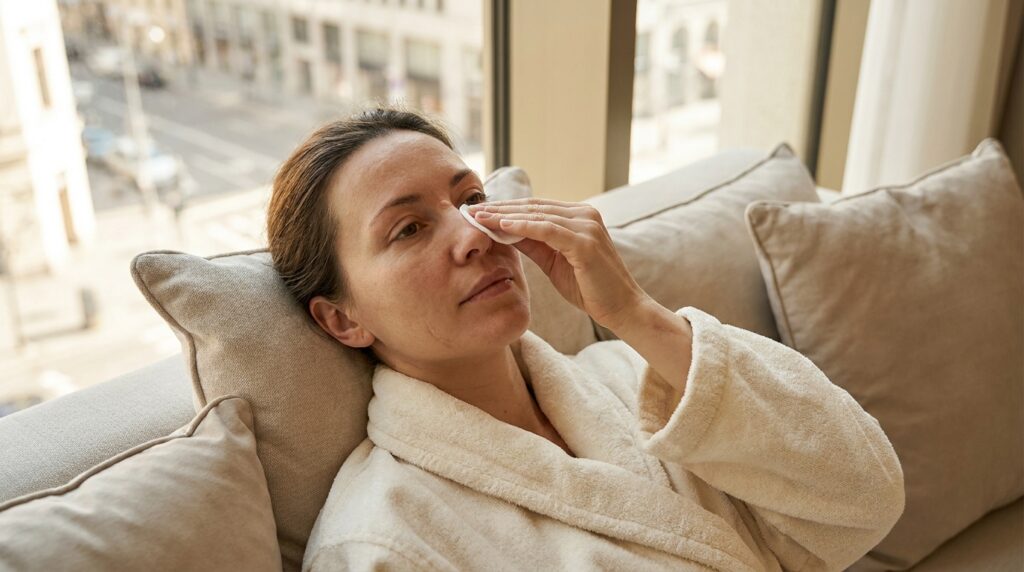
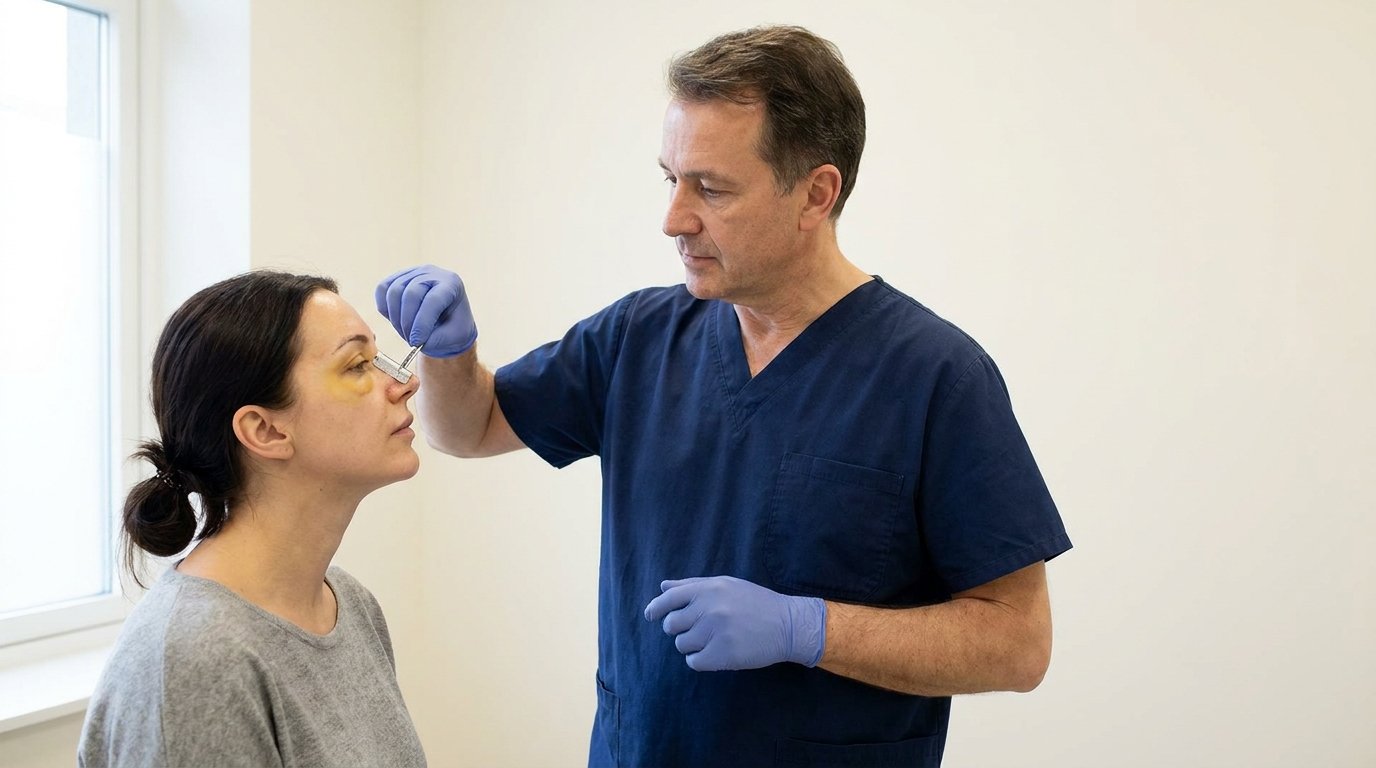
In the first week, the nose often feels blocked and looks puffy, especially around the bridge and tip. If an external splint is used, the nose can still look swollen when that comes off. This early stage can be misleading. What you see at one week is not close to the final result.
By two to six weeks, much of the broad swelling tends to come down. At this point, many patients can return to work, go out comfortably, and look better in photos. Even so, the tip often remains firm, numb, or rounded. That is common after revision surgery.
From two to six months, the changes become slower and more subtle. The bridge may refine first, while the tip can stay swollen longest. In thicker skin, or when grafts were used to rebuild support, the nose can take even longer to define.
The American Society of Plastic Surgeons (ASPS) notes that swelling after rhinoplasty can continue to improve for a long time, and that healing is gradual rather than immediate. The same principle matters even more in revision cases.
📋 Revision swelling is usually slower A second nose surgery often heals more slowly than a first one because scar tissue and reduced blood supply can make swelling last longer.
After revision rhinoplasty, most visible swelling starts to ease in the first two to six weeks, but deeper swelling often lasts for months. Many patients look socially presentable earlier than they feel “finished.” A realistic rule is that revision nose surgery often needs longer than primary rhinoplasty before the final result is clear.
Why does swelling last longer after revision surgery than after a first nose job?
A revision nose job is rarely just a repeat of the first operation. Often, the surgeon has to work around scar tissue, restore support, or correct both cosmetic and breathing issues at the same time. That extra complexity can create more tissue stress and a longer healing curve. Almost all of the revision patients we see had their first operation somewhere else, so arriving with a surgeon who has never seen the inside of your nose is the norm rather than a complication in itself — it simply means the plan starts from photographs and a careful examination instead of a previous operative record.
The tip is usually the slowest part to settle. That is because the skin there can be thicker, and because many revision changes involve support structures under the tip. If cartilage grafts are placed, the area may stay firm for quite a while before it starts to feel natural again.
Swelling can also last longer if you had a lot of internal work, such as septal work or surgery inside the nose to improve airflow. Some people describe this as the nose feeling swollen on the outside and stuffy on the inside at the same time.
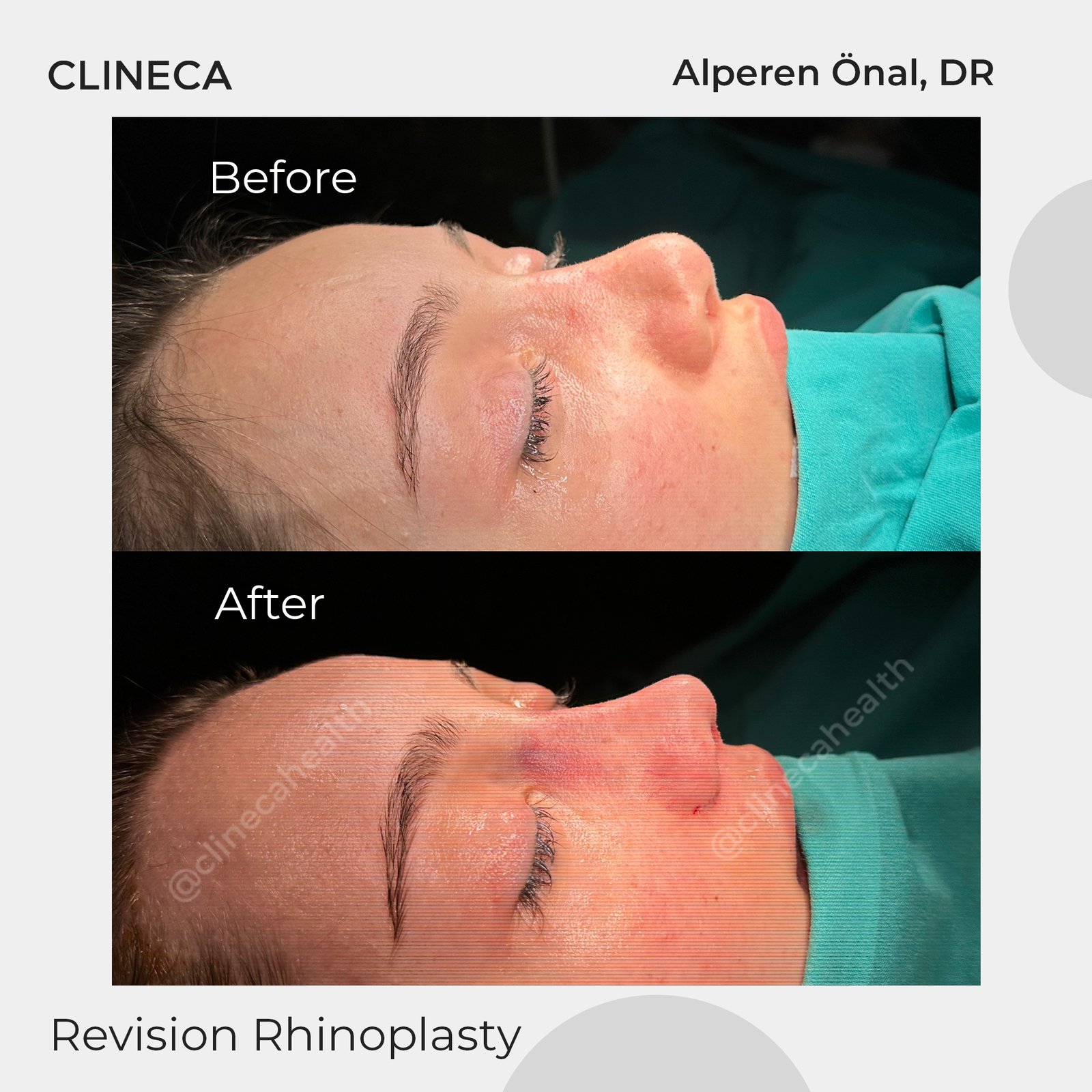
If you are comparing your recovery with rhinoplasty before and after photos online, be careful. Photos are usually taken under controlled lighting and at selected time points. They do not show the day-to-day unevenness that many real patients experience during healing.
Swelling lasts longer after revision rhinoplasty because the tissues have already been altered once and often contain scar tissue. The surgery can also be more complex, especially if cartilage grafts, structural repair, or work inside the nose is needed. All of that slows how quickly the nose softens and settles.
How do you know if swelling is normal or a sign of a problem?
Most normal post-op swelling is annoying rather than alarming. It tends to fluctuate. You may look more swollen after sleeping flat, eating salty food, bending over, crying, or spending time in hot weather. That does not automatically mean something is wrong.
What deserves attention is a sudden change. If the nose becomes much more swollen in a short time, especially on one side, or if pain is increasing instead of easing, that needs review. The same goes for fever, spreading redness, foul-smelling discharge, or bleeding that does not settle.
The NHS advises that patients considering cosmetic procedures should know the risks and the recovery involved, and should seek urgent help if they develop worrying signs after surgery. That is especially important for international patients who may be recovering away from home.
⚠️ Contact your surgeon urgently if you notice Rapid swelling, increasing pain, fever, pus-like discharge, strong redness, or persistent bleeding are not typical recovery signs and need prompt medical advice.
- ✓Swelling that slowly improves overall is usually expected, even if some days look worse than others.
- ✓Tip swelling often lasts the longest after revision rhinoplasty.
- ✓Sudden one-sided swelling with pain needs medical review.
- ✓Breathing can feel blocked early on because of internal swelling, crusting, or splints.
Normal swelling usually improves slowly, even if progress is uneven. It can be worse in the morning, after exercise, or in heat. A problem is more likely if swelling suddenly increases, is one-sided and painful, or comes with fever, strong redness, or heavy bleeding. When in doubt, contact your surgical team promptly.
What helps swelling go down after revision rhinoplasty?
The most helpful step is patience, but a few practical habits do make a difference. Sleep with your head raised, avoid pressure on the nose, and follow the cleaning and medication plan exactly as given by your surgeon. Small mistakes in the first weeks can make recovery feel longer.
Cold compresses may help around the cheeks or eyes in the very early phase if your surgeon allows them, but they should not be pressed directly onto the nose unless you are told it is safe. Gentle walking is usually fine quite early, while heavy exercise, bending, lifting, and contact sports normally need to wait.
Salt, alcohol, smoking, and heat can all make swelling linger. Smoking matters especially because it can impair blood flow and healing. Mayo Clinic also advises patients to protect the nose and avoid activities that raise the risk of injury during recovery.
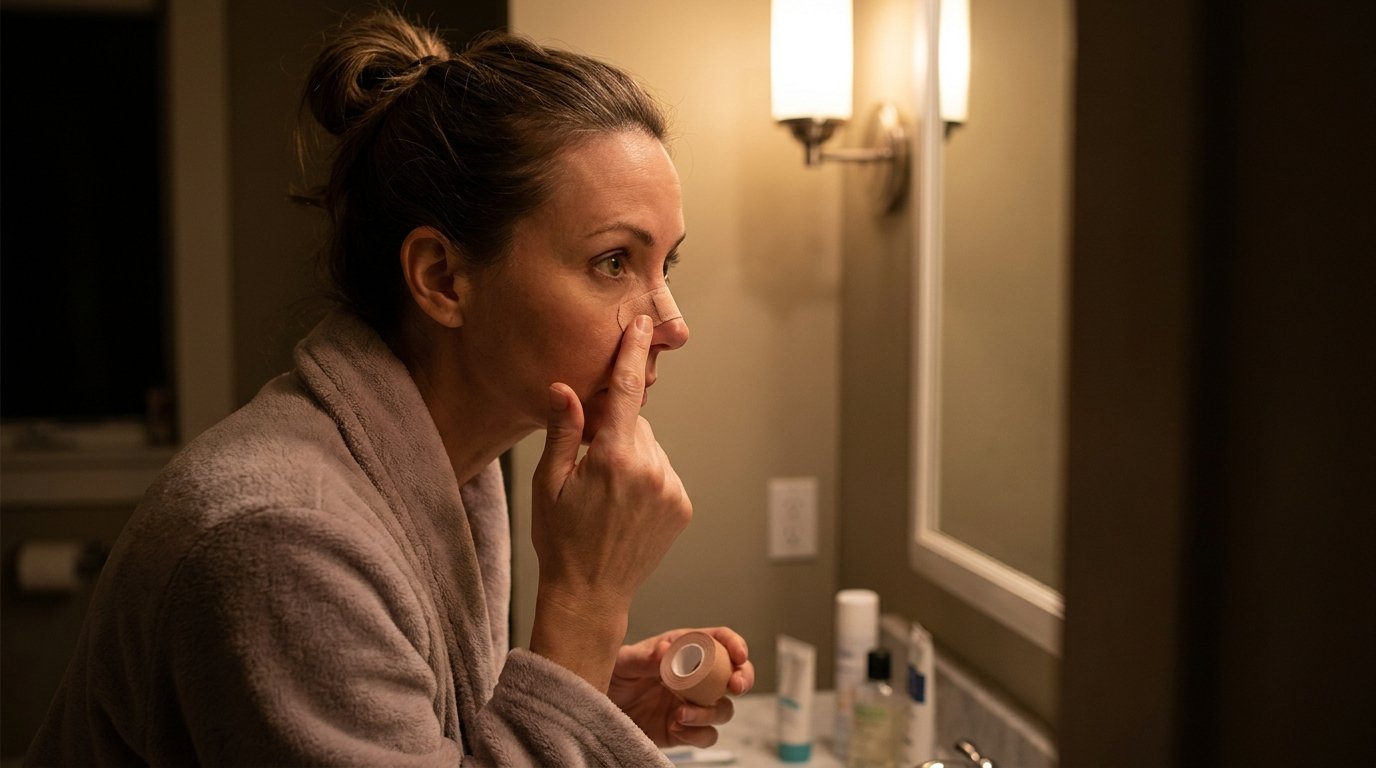
Some surgeons use taping for selected patients, usually at night, to help manage swelling in the tip. This is not right for everyone, so it should only be done if you are shown how. The same applies to steroid injections, which are sometimes used in stubborn swelling but only when clinically appropriate.
If you are looking into a full overview of the procedure itself, recovery expectations, and candidacy, a dedicated page on rhinoplasty surgery can help put revision recovery in context.
When can you travel, work, and look presentable again?
Looking presentable and being fully healed are not the same thing. Many people feel comfortable being seen once bruising fades and the first splint is off, often around the second week. That said, the nose may still look stiff or wider than expected.
For medical travel, the key issue is not just the flight itself. It is whether you will still need early follow-up, dressing changes, splint removal, or internal cleaning before leaving. Patients who travel for a revision nose job should ask for a day-by-day plan before booking flights.
A sensible approach is to allow enough time in Turkey for the first review and any immediate aftercare. If you are planning treatment abroad, use a proper consultation request process so the team can advise on the likely stay based on your specific case rather than a generic estimate.
If you work in a public-facing role, it helps to plan for more social swelling than a desk worker might accept. If your job is physical, or if there is any chance of bumping the nose, you may need more time off.
Many patients return to desk-based work within one to two weeks, but revision rhinoplasty recovery is not finished then. Travel timing depends on your surgeon’s advice, the extent of surgery, and follow-up needs. For international patients, staying long enough for early checks and splint removal is often more important than rushing home.
Does revision rhinoplasty cost more, and what affects the quote?
Revision surgery is one of the hardest nose jobs to price fairly without an assessment. Two patients can both ask for a revision and need very different operations.
The quote is usually shaped by whether the aim is mostly cosmetic, mostly functional, or both. It also depends on whether cartilage grafts are needed, whether work must be done inside the nose to improve breathing, how much scar tissue is present, and how long the operation is expected to take.
For that reason, it is better to focus on value and planning than on chasing a headline figure. Ask what is included, who provides aftercare, whether follow-up is in person or remote, and what happens if you need longer in Turkey than expected. A reputable clinic should explain the process clearly rather than pushing a one-size-fits-all price.
For revision rhinoplasty, a personalised quote after consultation is more meaningful than a generic online number.
Revision rhinoplasty is often more complex than primary rhinoplasty, so quotes are usually based on the details of your nose, breathing issues, scar tissue, graft needs, and surgical time. There is no reliable single price for everyone. A personalised quote should only be confirmed after consultation and assessment.
Our rhinoplasty in Turkey cost and safety guide explains how quotes are built and what a revision case changes.
How do you choose a safe surgeon or clinic for revision rhinoplasty?
Revision rhinoplasty is a subspecialist problem. It is not enough for a provider to offer general cosmetic surgery. You want a surgeon who regularly deals with altered anatomy, scar tissue, and both cosmetic and breathing concerns.
Ask to see examples of revision cases, not just primary nose job before and after photos. Ask what they think can be improved, what may not be fully correctable, and how long they expect swelling to last in your case. A careful surgeon is often more cautious in their promises, and that is usually a good sign.
For health tourism, also check who you will see after surgery, how to contact the team if you are back home and worried, and whether your operation takes place in an appropriately regulated hospital setting. The NHS advises people considering cosmetic procedures to check the credentials of the person treating them and to understand the risks before going ahead.
If you want to review credentials and the wider team, start with pages such as about the clinic and meet the doctors, then use your consultation to ask specific questions about revision experience.
Detailed assessment, honest limits, clear aftercare plan, and revision-specific experience.
Guaranteed results, vague surgeon details, no plan for follow-up, or pressure to book quickly.
Safety starts with choosing a surgeon experienced in revision nose surgery, not just primary rhinoplasty. Ask about qualifications, where surgery takes place, how breathing concerns are assessed, and how follow-up works for international patients. Clear answers and realistic timelines are good signs; pressure selling is not.
Frequently Asked Questions
References
- 📎NHS cosmetic procedures guidance
- 📎ASPS cosmetic procedures
- 📎Mayo Clinic procedures and tests
- 📎PubMed search: revision rhinoplasty swelling healing
Related Articles

You Might Also Like

Related articles



Our specialists
 Clineca SpecialistErkan PinegözPlastic & Reconstructive Surgery
 Clineca SpecialistHakan AktaşPlastic & Reconstructive Surgery
 Clineca SpecialistOrkun UzuneyüpoğluPlastic & Reconstructive Surgery
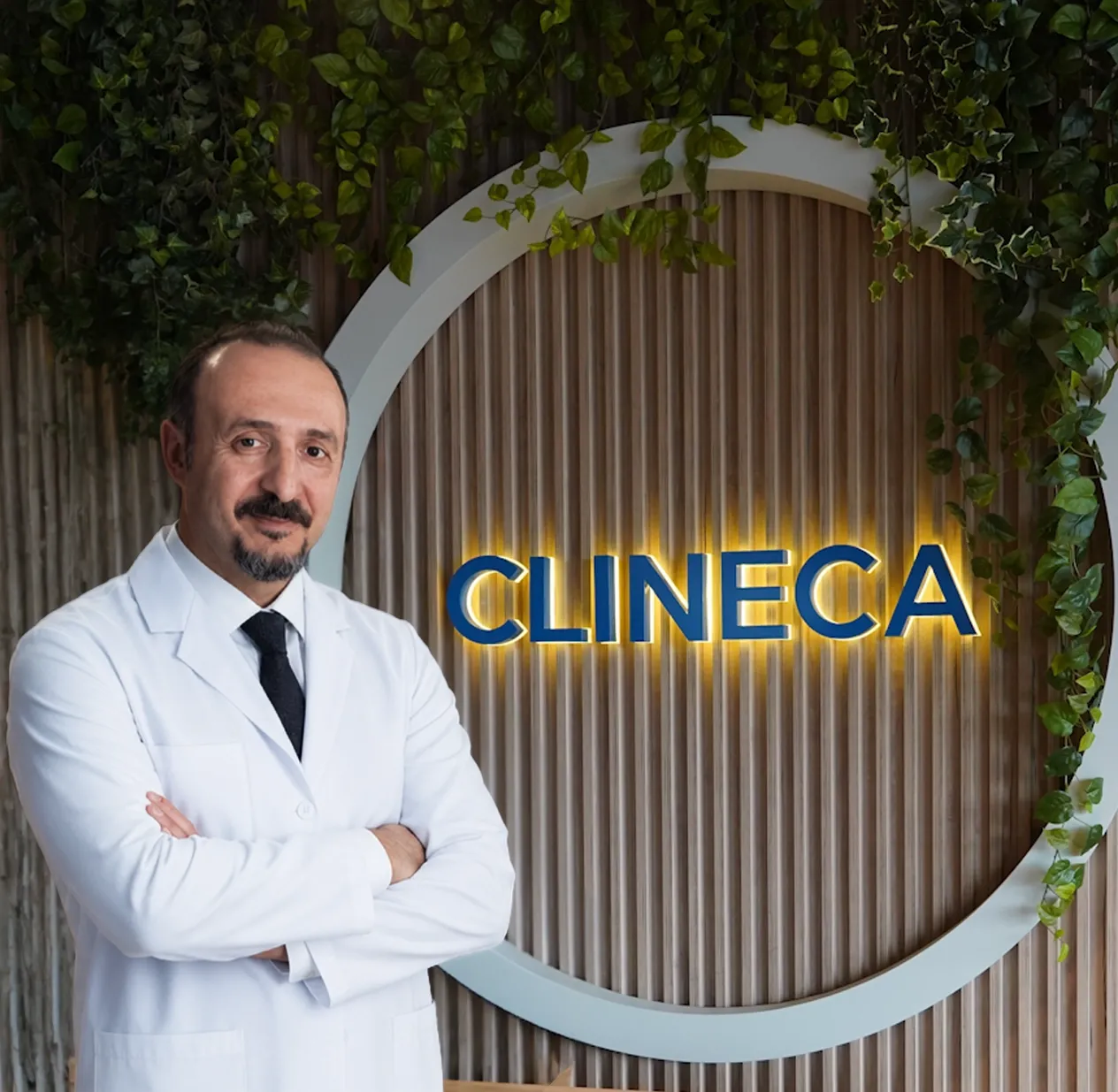 Clineca SpecialistSalim İskenderPlastic & Reconstructive Surgery
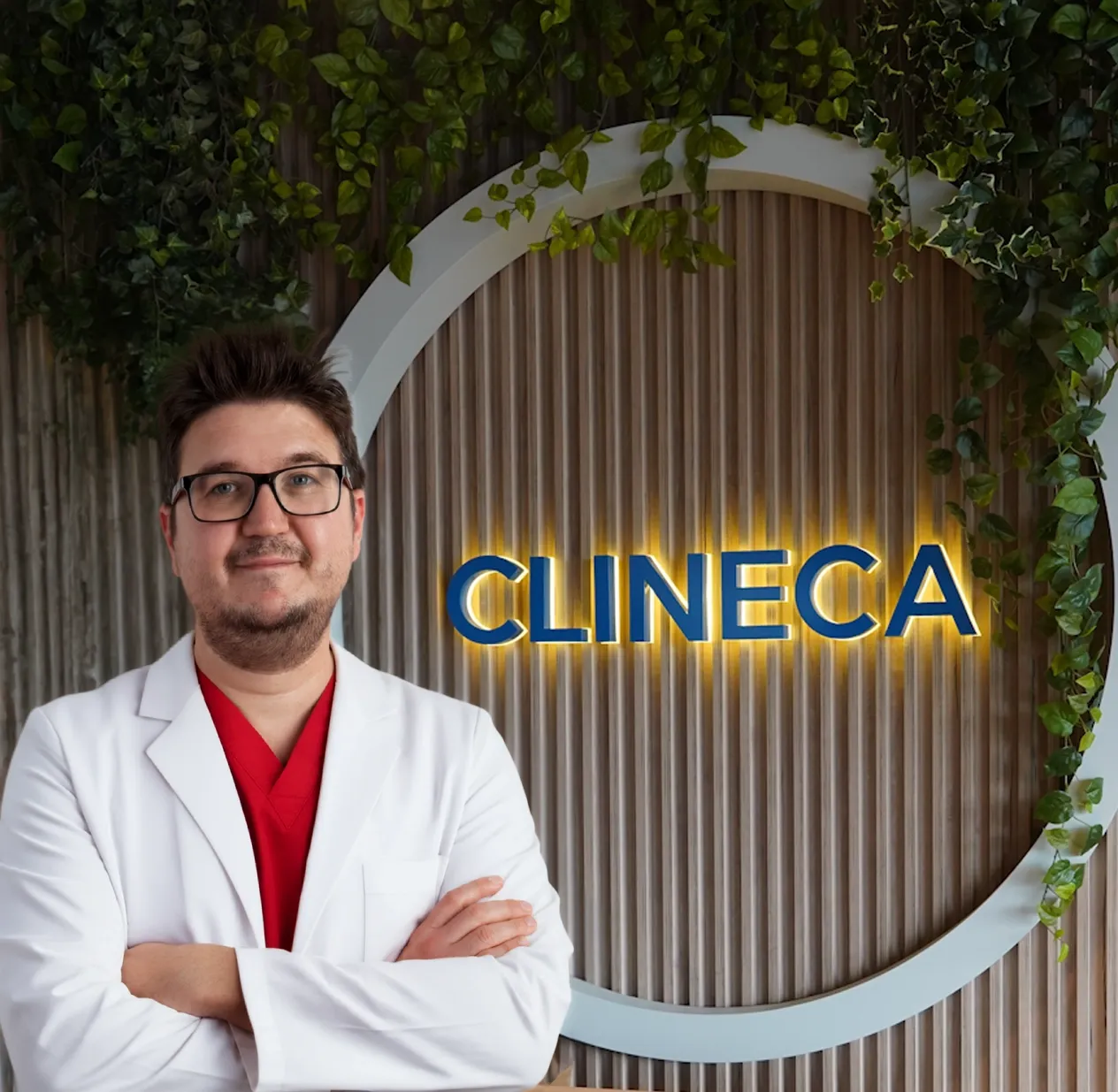 Clineca SpecialistEngin SelamioğluPlastic & Reconstructive Surgery
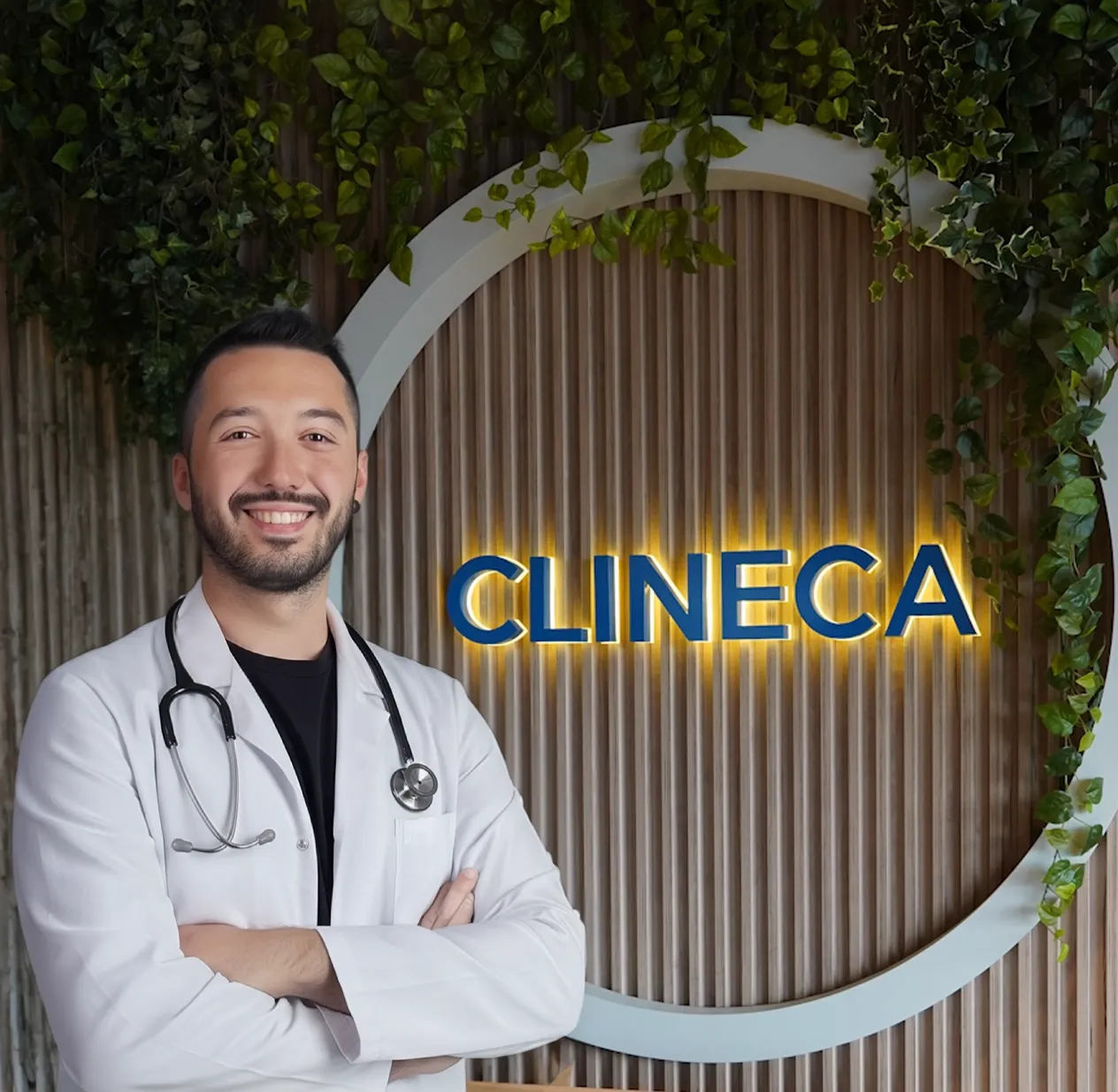 Clineca SpecialistCem AydınPlastic & Reconstructive Surgery
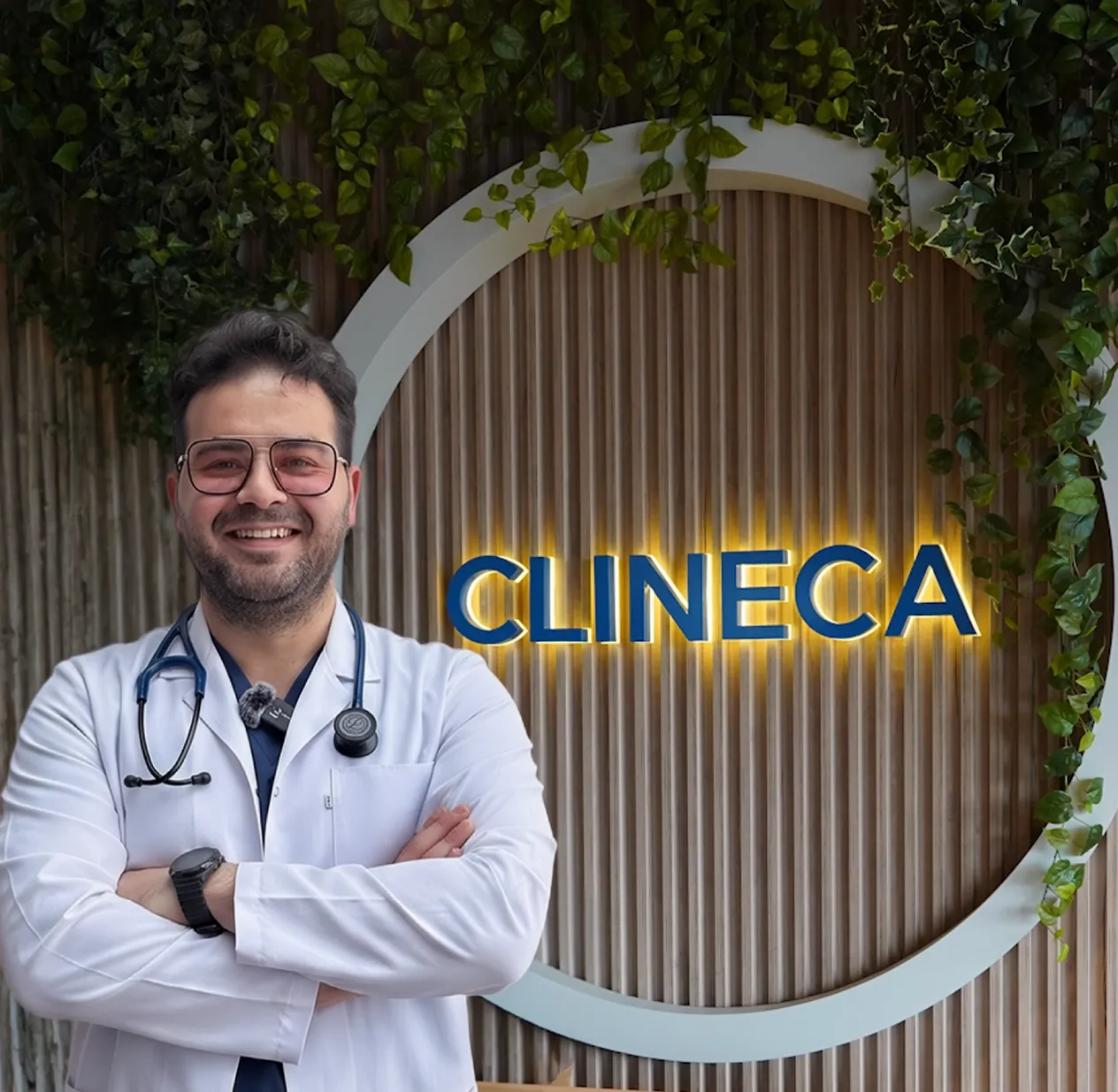 Clineca SpecialistAlperen ÖnalEar, Nose & Throat (ENT)