

Have a question about Dental Crowns?
In this article
- What is normal after getting a dental crown?
- How long does sensitivity usually last after a dental crown?
- Why does a crowned tooth feel sensitive?
- What can you eat and do in the first days after a crown?
- When should you worry and call a dentist?
- How long should dental tourists stay after a crown appointment?
- What affects the cost of a dental crown and what is usually included?
- How do you choose a safe clinic for dental crowns abroad?
What to expect after getting a dental crown and how long sensitivity lasts depends on why the tooth needed treatment, how much tooth was prepared, and whether you also had a filling or root canal. In most cases, mild sensitivity when biting or with cold foods settles as the tooth and gum calm down, but stronger pain, a “high” bite, or symptoms that keep getting worse need a dental review rather than more waiting.
What is normal after getting a dental crown?
A crown is a protective cap placed over a damaged or weakened tooth. After the fitting appointment, many people expect the tooth to feel instantly normal. Sometimes it does. Just as often, there is a short settling-in period.
The most common early symptoms are mild soreness where the gum was moved during the appointment, brief temperature sensitivity, and awareness of the crown when you chew. The tooth may feel “different” before it feels bad. That alone does not usually mean there is a problem.
If you had a temporary crown first, the final crown can also feel slightly bulkier or smoother because the shape and material are different. Your tongue notices these changes quickly. Your bite and speech usually adapt within days.
According to the NHS, pain after dental treatment that is severe, worsening, or associated with swelling should not be ignored. The same practical rule applies here: improving discomfort is usually part of healing; worsening discomfort deserves review.
If you are still comparing treatment options, our page on dental crowns explains the treatment itself, while this guide focuses on the recovery side.
📋 A crown should feel secure It may feel unfamiliar at first, but it should not feel loose, sharp, or painful every time your teeth meet.
After a dental crown, it is common to notice mild tenderness around the gum, brief sensitivity to cold or pressure, and a different feel when you bite for the first few days. These symptoms should gradually improve, not intensify. Sharp pain, a bite that feels uneven, or lingering throbbing is not typical and should be checked.
How long does sensitivity usually last after a dental crown?
There is no single timeline that fits everyone, because crown sensitivity has different causes. A tooth that needed only light reshaping may settle quickly. A tooth with a deep cavity, a large old filling, or recent root canal treatment can take longer.
A simple way to judge it is by direction, not just duration. If the tooth is a little better each week, that is reassuring. If it stays the same, feels worse, or changes from brief sensitivity into lingering pain, you should contact the treating dentist.
Cold sensitivity that fades within seconds after the cold stimulus is removed is usually less worrying than pain that lingers. Sensitivity only when biting down can point to a bite issue, meaning the crown may be slightly too high. That can often be corrected with a small adjustment.
The Mayo Clinic notes that tooth sensitivity can happen when the inner tooth is irritated or exposed. After crown preparation, the tooth has been worked on, so a short period of nerve irritation is not surprising. The key is that it should calm down.
A practical recovery timeline
The table below is a guide, not a promise. Your own timing depends on the tooth, the material used, and whether other treatment was done first.
⚠️ Night pain matters Pain that wakes you up or throbs without eating or drinking is less likely to be simple post-treatment sensitivity.
Most post-crown sensitivity is short term and eases as the tooth nerve and surrounding gum settle. Cold sensitivity or mild tenderness when biting often improves over days to a few weeks. If symptoms last beyond that, get stronger, or disturb sleep, the tooth may need adjustment or further treatment.
Why does a crowned tooth feel sensitive?
The tooth is reshaped before a crown is placed. That preparation removes outer tooth structure and can temporarily irritate the inner nerve. This is one of the most common reasons for short-term sensitivity.
Another frequent cause is bite pressure. If the crown is even a little too high, that tooth takes extra force when you chew. People often describe this as a sharp jolt, a bruised feeling, or pain when they first bite down.
The gum can also be part of the story. During treatment, the area around the tooth may be moved or cleaned closely so the crown fits well at the edge. Mild gum inflammation can make the tooth feel sore, especially when brushing or flossing.
Sometimes the sensitivity is less about the crown and more about the tooth underneath. If the original damage was deep, the nerve may have been irritated before treatment and simply continue to react after the crown is fitted. In some cases, the tooth later needs root canal treatment to remove an inflamed or infected nerve.
Less commonly, sensitivity can come from cement washout, a tiny gap at the crown margin, grinding and clenching, or a hidden crack in the tooth root. These are reasons not to self-diagnose for too long if the pattern feels wrong.
Sensitivity is mild, brief, linked to cold or chewing, and improves over time.
Pain lingers, becomes spontaneous, wakes you at night, or feels worse week by week.
A crowned tooth can feel sensitive because the nerve inside the tooth has been irritated, the bite is slightly uneven, the gum around the tooth is inflamed, or decay or a crack was already deep before treatment. The reason matters because a bite adjustment needs a different fix from a nerve problem.
What can you eat and do in the first days after a crown?
The first day is mostly about being sensible rather than restrictive. If your mouth is still numb, avoid chewing until the feeling returns so you do not bite your cheek or tongue. Once the numbness is gone, eat gently and pay attention to how the crowned tooth responds.
Hot, icy, sticky, and very hard foods are the most common triggers early on. That does not mean you need a special diet for weeks, but it helps to choose foods that do not test the tooth unnecessarily while it settles.

Good cleaning matters. Brush as normal, but be gentle around the gumline if it feels sore. Flossing should continue unless your dentist gave you a temporary reason not to. A permanent crown should not stop you from flossing; if floss constantly catches or shreds at the edge, ask for it to be checked.
If you grind your teeth at night, tell the treating dentist. Grinding can make a new crown feel sore even when the fit is otherwise fine.
- ✓Choose softer foods at first, such as eggs, yogurt, rice, pasta, soup, or fish.
- ✓Chew on the opposite side if biting on the crowned tooth feels tender.
- ✓Avoid sticky sweets and very hard foods until the bite feels comfortable.
- ✓Brush and floss normally, but more gently around a sore gum.
- ✓Contact the clinic if the crown feels loose or your bite feels obviously off.
For the first days after a crown, choose softer foods, chew on the other side if needed, and avoid very sticky or very hard foods until the tooth feels settled. Keep the area clean with gentle brushing and flossing. A permanent crown should let you return to normal habits once comfort improves.
When should you worry and call a dentist?
The line between normal sensitivity and a true problem is not always the number of days that have passed. It is often the type of pain and the direction it is going.
A crown that feels too high is one of the most fixable problems, but it can cause a surprising amount of discomfort. People often say, “That tooth hits first,” or “It feels fine until I bite.” A small bite adjustment may solve it quickly.
Other patterns are more concerning. Lingering sensitivity to heat, throbbing pain, swelling, or pain that starts on its own can suggest the tooth nerve is not coping well. According to the NHS, swelling in the mouth or face, fever, and significant pain can indicate infection and should be assessed.
If the crown comes off, keep it safe and contact the treating clinic. Do not try to force it back fully into place. If you are travelling for treatment, this is one reason to plan some time in the destination after the fitting, rather than flying out immediately.
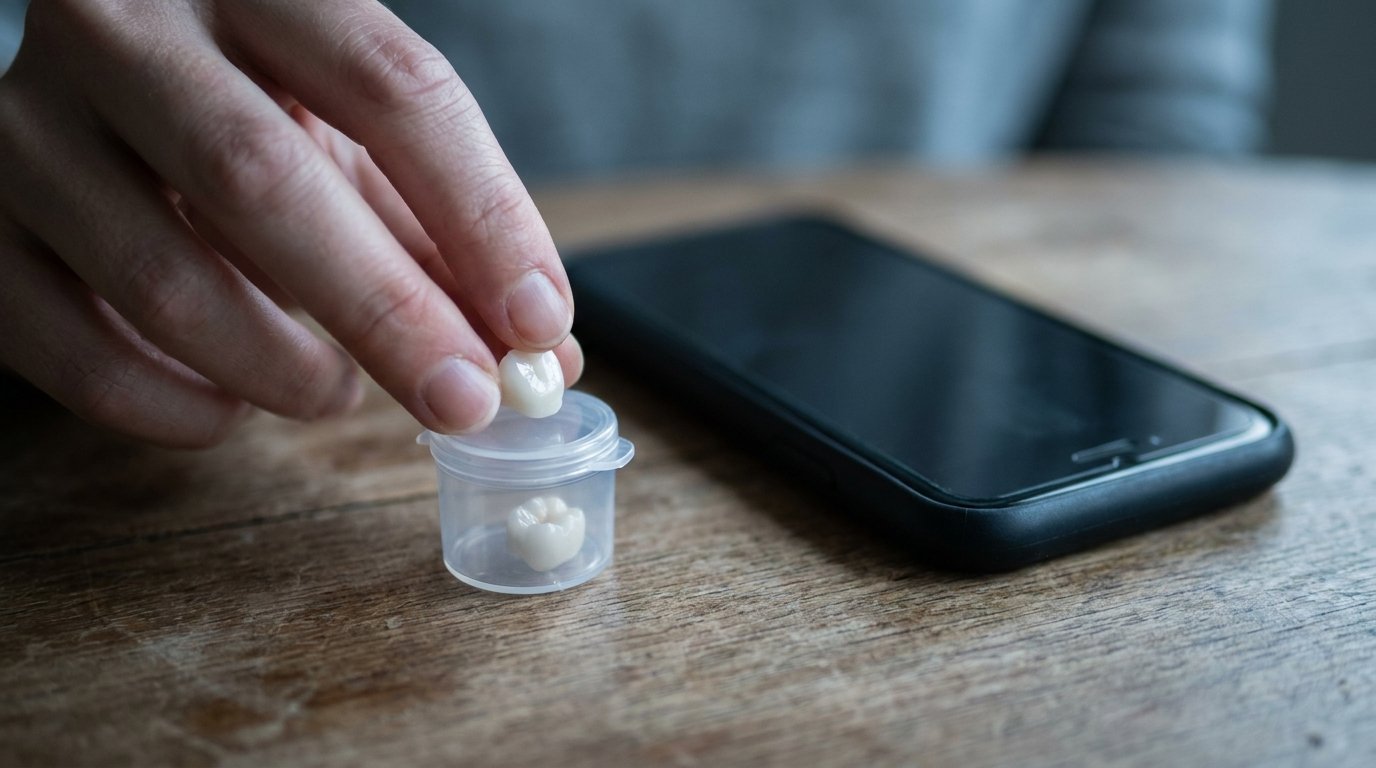
For international patients, arranging an easy way to reach the clinic matters almost as much as the treatment itself. A clear aftercare route through the contact page or a pre-booked review through the consultation page is worth checking before you travel.
🚨 Get prompt help for swelling or fever A swollen face, fever, pus, or increasing pain is not routine post-crown sensitivity and should be assessed without delay.
You should contact a dentist if the pain is severe, worsening, lingering after hot or cold, triggered by every bite, or linked to swelling, a bad taste, or a loose crown. These signs can point to a high bite, nerve inflammation, infection, or a problem with the fit that should be assessed promptly.
How long should dental tourists stay after a crown appointment?
Crowns are not usually a same-hour decision followed by instant travel home. Even when treatment is efficient, there are steps: assessment, tooth preparation, a temporary or digital planning stage in some cases, final fitting, and then bite review.
If you are coming from abroad, build in enough time for small adjustments. This is the point many patients underestimate. A crown can look perfect and still need a simple bite correction once you have eaten and spoken normally for a day or two.
If your crown is part of larger treatment, such as a bridge, implant plan, or root canal treatment, the stay is usually longer because the timeline depends on the underlying procedure rather than the crown alone. Our pages on dental bridges and dental implants explain those linked treatments.
From a travel point of view, crown treatment is usually easier than surgical dental work because swelling and bleeding are limited. Even so, give yourself enough time to eat, test the bite, and know who to contact if the tooth feels wrong before you fly home.
Stay long enough for the final fit and a review visit, even if everything seems fine on the day.
Ask in advance how aftercare works if you need a bite adjustment after returning home.
For dental tourists, the safe length of stay depends on whether you are having a single straightforward crown, several crowns, or crowns combined with root canal treatment or implants. The practical goal is to allow enough time for fitting, bite checks, and at least one review if the crown feels high or sensitive.
What affects the cost of a dental crown and what is usually included?
Crown pricing is not just about the crown itself. The final quote often reflects the whole pathway: examination, imaging, tooth preparation, temporary protection if needed, the laboratory or digital manufacturing process, the final fitting, and review.
Material choice matters. So does location in the mouth. A front tooth often has different cosmetic demands from a back tooth, and that can affect planning and the type of crown recommended. If the tooth needs build-up work first, or if decay has to be cleaned out before the crown can be safely placed, that changes the treatment scope as well.
For patients travelling to Turkey, it is worth checking whether the quote includes airport-clinic logistics, translation support, aftercare messaging, and any review appointments. The cheapest-looking option on paper is not always the simplest in real life if follow-up is unclear.
A personalised price is normally confirmed after consultation because the tooth has to be examined properly first.
The cost of a dental crown depends on the crown material, how much tooth repair is needed first, whether scans or impressions are used, the complexity of your bite, and whether other treatment is needed. A proper quote should explain what is included, such as consultations, imaging, temporary work, final fitting, and follow-up.
How do you choose a safe clinic for dental crowns abroad?
A safe crown experience is not only about the fitting day. It is also about diagnosis, planning, and aftercare. If a clinic rushes through the reason your tooth needs a crown, or avoids questions about alternatives such as bonding, an inlay, or root canal treatment, that is not a good sign.
Ask how the dentist decides between a crown and other restorations. In some teeth, dental bonding or inlays and onlays may preserve more tooth structure. In others, a crown is the more protective option. The best plan is the one that fits the condition of the tooth, not the one-size-fits-all option.
The American Society of Plastic Surgeons is not a dental body, so it is not relevant here; for dental facts, it is better to rely on broad patient guidance from the NHS and research indexed on PubMed. That matters because good medical travel decisions are based on proper diagnosis and clear risk discussion, not marketing language.
Look for a clinic that makes it easy to learn about the team and process before you book. You can review the provider background on the about page and clinician information on the doctors page before arranging treatment.
- →Ask what caused the tooth damage and whether a crown is the most conservative option.
- →Ask what material is planned and why it suits that tooth.
- →Ask how bite problems are checked and corrected after fitting.
- →Ask what aftercare is available if sensitivity lasts longer than expected.
- →Ask for clear written instructions on eating, cleaning, and when to seek urgent help.
Choose a clinic that explains the treatment plan clearly, checks your bite carefully, gives written aftercare, and has a clear route for follow-up if pain continues after you return home. Ask about the dentist’s experience with crown work, imaging, materials, and what happens if the crown needs adjustment.
Frequently Asked Questions
References
- 📎NHS: Cosmetic procedures
- 📎Mayo Clinic: Tests and procedures
- 📎PubMed search: dental crown sensitivity bite adjustment pulp inflammation
Related Articles
You Might Also Like



Related articles
Our specialists
 Clineca SpecialistErkan PinegözPlastic & Reconstructive Surgery
 Clineca SpecialistHakan AktaşPlastic & Reconstructive Surgery
 Clineca SpecialistOrkun UzuneyüpoğluPlastic & Reconstructive Surgery
 Clineca SpecialistSalim İskenderPlastic & Reconstructive Surgery
 Clineca SpecialistEngin SelamioğluPlastic & Reconstructive Surgery
 Clineca SpecialistCem AydınPlastic & Reconstructive Surgery
 Clineca SpecialistAlperen ÖnalEar, Nose & Throat (ENT)