

Have a question about Dental Bridges?
In this article
- How long does it take to adjust to eating with a dental bridge?
- Can you really eat normally with a dental bridge?
- What should you eat at first, and what should you avoid?
- What if the bridge still feels odd when you chew?
- How do bridge type and support teeth affect chewing comfort?
- What affects the cost, and what is usually included in a bridge quote?
- How long should you stay if you are travelling for a dental bridge?
- How can you eat comfortably and protect the bridge long term?
- How do you choose a safe clinic for bridge treatment abroad?
Yes, most people can eat normally with a dental bridge, but it usually takes a little time for chewing to feel natural again. If you are asking can i eat normally with a dental bridge and how long does it take to adjust, the short answer is that many people adapt within days to a few weeks, although the exact timeline depends on the type of bridge, the condition of the supporting teeth, and whether your bite needs small adjustments.
How long does it take to adjust to eating with a dental bridge?
A dental bridge replaces one or more missing teeth by attaching an artificial tooth, or teeth, to the neighbouring support teeth or to implants. That can restore chewing very well, but your mouth still needs time to get used to the new shape, pressure, and contact points.
In the first day or two, it is common to notice tightness, mild soreness, or a sense that the bridge feels “high” or unfamiliar. That does not always mean something is wrong. Your tongue, cheek, and jaw muscles are learning a new chewing pattern, especially if you had a gap for a while before treatment.
If the bridge fits well and your bite is balanced, eating usually gets easier quite quickly. Soft foods tend to feel fine first, then firmer foods. If chewing stays awkward, painful, or uneven beyond the early settling-in period, your dentist may need to make a small bite adjustment.
According to the NHS, discomfort after dental treatment should gradually improve, not get worse. That is a useful rule here too. If pain builds, the bridge feels loose, or you cannot bite together properly, it is worth getting checked rather than trying to push through it.
📋 A new bite can feel strange at first Feeling that the bridge is different is normal early on. Ongoing pain, rocking, or a bite that still feels uneven usually needs a dental review.
Most people start eating more comfortably within a few days, and chewing often feels much more natural within a couple of weeks. A longer adjustment is common if the bridge is large, your bite feels uneven, or the gums and supporting teeth were already sensitive before treatment.
Can you really eat normally with a dental bridge?
For most people, the goal of a dental bridge is exactly that: to help you chew more normally again. Once the bridge has settled and your bite is correct, everyday foods such as rice, pasta, cooked vegetables, fish, eggs, bread, and many meats are usually manageable.
That said, “normally” does not always mean “without any thought at all.” A bridge is strong, but it is not indestructible. Very hard foods can put stress on the bridge or the supporting teeth. Sticky foods can tug at margins and make cleaning harder. If you clench or grind, that matters too.
The biggest difference is often confidence rather than pure function. People who have been avoiding one side of the mouth because of a missing tooth may need time to trust the area again. Start with balanced, gentle chewing. As comfort improves, your chewing pattern usually becomes more natural.
If you are comparing options, it can help to read about dental bridge treatment alongside dental implants and dental crowns, because long-term chewing feel can differ depending on which teeth are replaced and how they are supported.
Chewing feels steadier each day, sensitivity eases, and both sides of the mouth start to feel usable again.
Sharp pain when biting, food trapping that suddenly worsens, or a bridge that feels loose should be assessed.
In many cases, yes. A well-made dental bridge can restore day-to-day chewing for most foods. The main limits are usually very sticky, very hard, or forceful biting habits, especially if the bridge is new, long-span, or supported by natural teeth that need protection.
What should you eat at first, and what should you avoid?
The first phase is less about a strict diet and more about reducing stress while the area settles. Soft foods help you avoid overloading the bridge before you know how comfortable it feels. This is especially helpful if the supporting teeth were prepared recently or the gum around the area is still tender.
Good early choices include yoghurt, soup that is not too hot, scrambled eggs, soft rice, pasta, mashed vegetables, oatmeal, soft fruits, and flaky fish. Then you can build up to foods with more texture, such as chicken, cooked vegetables, toast, and firmer fruit.
Try not to test the bridge with foods that are difficult purely out of curiosity. Biting hard nuts, ice, crusty bread ends, or sticky sweets too soon can make a comfortable recovery feel much harder than it needs to be.
- ✓Soft foods are easiest in the first few days: yoghurt, eggs, soup, pasta, rice, mashed vegetables, and soft fruit.
- ✓Chew slowly and, if needed, use both sides rather than loading one spot heavily.
- ✓Leave very hard foods, sticky sweets, chewing gum, and ice until the bridge feels settled.
- ✓If one food repeatedly causes pain, stop and try again later rather than forcing it.
Start with soft, easy-to-chew foods and reintroduce firmer textures step by step. Avoid foods that are very hard, sticky, or likely to put sudden force on the new bridge until it feels settled and your dentist is happy with the fit and bite.
What if the bridge still feels odd when you chew?
People often describe a new bridge as bulky, tight, or slightly unfamiliar, even when it fits well. Your mouth is very sensitive to small changes. A bridge can feel noticeable before it feels natural.
The more important question is whether the feeling is improving. If you are gradually forgetting about it while eating, that is reassuring. If you keep hitting the bridge first when you bite down, or you get a sharp jolt on one point, the bite may need adjustment.
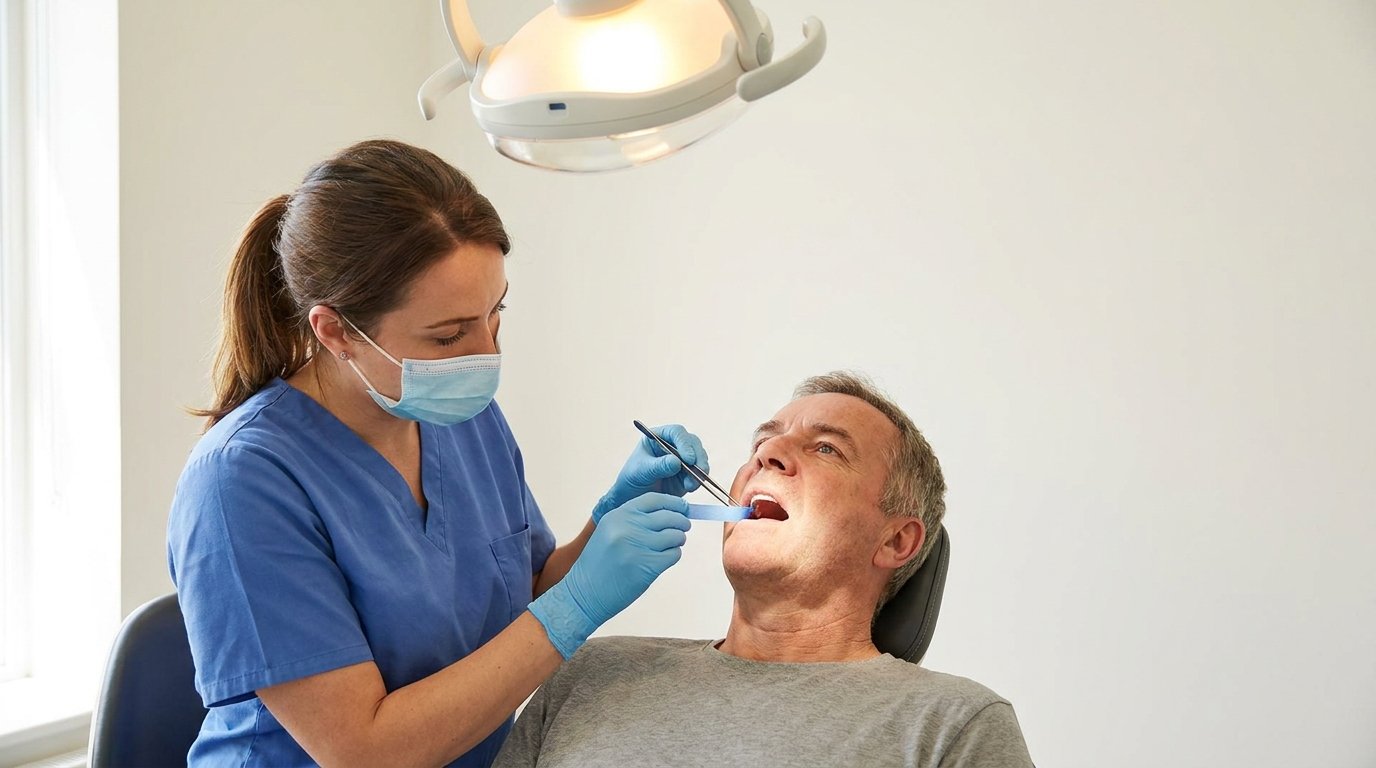
Food trapping is another issue to watch. A little difference in how floss or interdental brushes move around the bridge is normal, but food repeatedly packing under or around it can mean the shape, contact, or cleaning method needs attention.
When to contact your dentist
It is sensible to arrange a review if you have any of the following:
- ✓Pain that does not ease or gets worse
- ✓A bite that feels uneven after the first few days
- ✓Persistent sensitivity to pressure
- ✓A bridge that feels mobile or clicks
- ✓Swelling, bad taste, or gum irritation around the support teeth
Mayo Clinic and the NHS both stress the importance of follow-up if symptoms persist after dental work. In practice, a small adjustment is often simpler than patients expect, and it can make eating feel much more normal.
A slight ‘different’ feeling is common at first, but ongoing pain, pressure, clicking, or a bite that feels too high is not something to ignore. Small corrections can make a big difference, so persistent chewing problems should be reviewed by a dentist.
How do bridge type and support teeth affect chewing comfort?
Not all bridges feel the same. A small bridge replacing a single tooth can be easier to adapt to than a longer bridge replacing several teeth. Back teeth also do more heavy chewing, so bridges in that area may feel under more pressure during the adjustment period.
Support matters as well. A traditional bridge relies on the teeth on either side of the gap. If those teeth are healthy and stable, the chewing result is often good. If they were already worn, root-treated, or sensitive, the area may need a gentler start.
Implant-supported bridges can also feel different from tooth-supported bridges because the support mechanism is different. Natural teeth have a tiny amount of movement and pressure feedback from the ligament around the tooth. Implants do not have that same feel. Neither option is automatically better for every person; it depends on your mouth, bone support, bite, and long-term plan.
Chewing comfort depends a lot on what supports the bridge. A short bridge on strong teeth may feel natural quite quickly, while a longer bridge, a back-tooth bridge under heavier pressure, or a bridge on already sensitive teeth may take more time and care.
What affects the cost, and what is usually included in a bridge quote?
Bridge pricing is not just about the false tooth itself. The final quote usually reflects the design of the bridge, the material chosen, the complexity of your bite, and whether the supporting teeth need extra work before the bridge can be placed safely.
For example, some people need fillings, gum treatment, a root canal, or a temporary restoration before the final bridge is made. Cosmetic goals can also affect the plan, especially for front teeth where shade, shape, and symmetry matter more.
If you are travelling for treatment, ask what the quote includes. Some clinics package diagnostics, temporary restorations, fit appointments, and follow-up differently. It is better to ask for clarity early than to compare headline prices that do not include the same steps.
A consultation is the right place to get a personalised plan and cost breakdown. If needed, you can request this through the clinic’s consultation page.
⚠️ Do not compare quotes on price alone A lower quote may not include diagnostics, temporaries, adjustments, or aftercare. Ask for the full treatment pathway in writing.
The cost of a dental bridge depends on the bridge type, the materials used, how many teeth are being replaced, the condition of the support teeth, and whether extra treatment is needed first. A personalised quote is normally confirmed after examination, scans, and treatment planning.
How long should you stay if you are travelling for a dental bridge?
If you are travelling for a dental bridge, the stay depends on whether you are having a new bridge from start to finish, replacing an old bridge, or combining the treatment with other dental work. Some bridges need more than one appointment because the teeth are prepared first and the final bridge is fitted later.
That matters for eating as well. If a temporary bridge is used between visits, you may be asked to be more careful with food until the final bridge is in place. A temporary can look good and function reasonably well, but it is usually not meant for the same level of force as the final restoration.
Before you book flights, ask how many visits are expected, whether there is any lab waiting time, and whether a bite review is advised before you travel home. If the bridge is fitted near the end of your trip, it is sensible to leave a little time for any minor adjustment.
For international patients, a useful clinic will explain not just the treatment but the practical timeline: consultation, tooth preparation if needed, temporary phase, final fit, and review.
How can you eat comfortably and protect the bridge long term?
A bridge can last well when it is cared for properly, but it needs attention in places a natural tooth gap would not. The underside of the bridge and the gumline around the support teeth can trap plaque and food. If cleaning slips, the support teeth are at risk.
ASPS is mainly a plastic surgery body rather than a dental authority, so for dental aftercare it is more useful to follow mainstream oral-health advice from recognised clinical sources and your dentist’s own cleaning instructions. In practical terms, that usually means brushing carefully twice a day and cleaning under the bridge with floss threaders, super floss, or interdental aids recommended for your design.
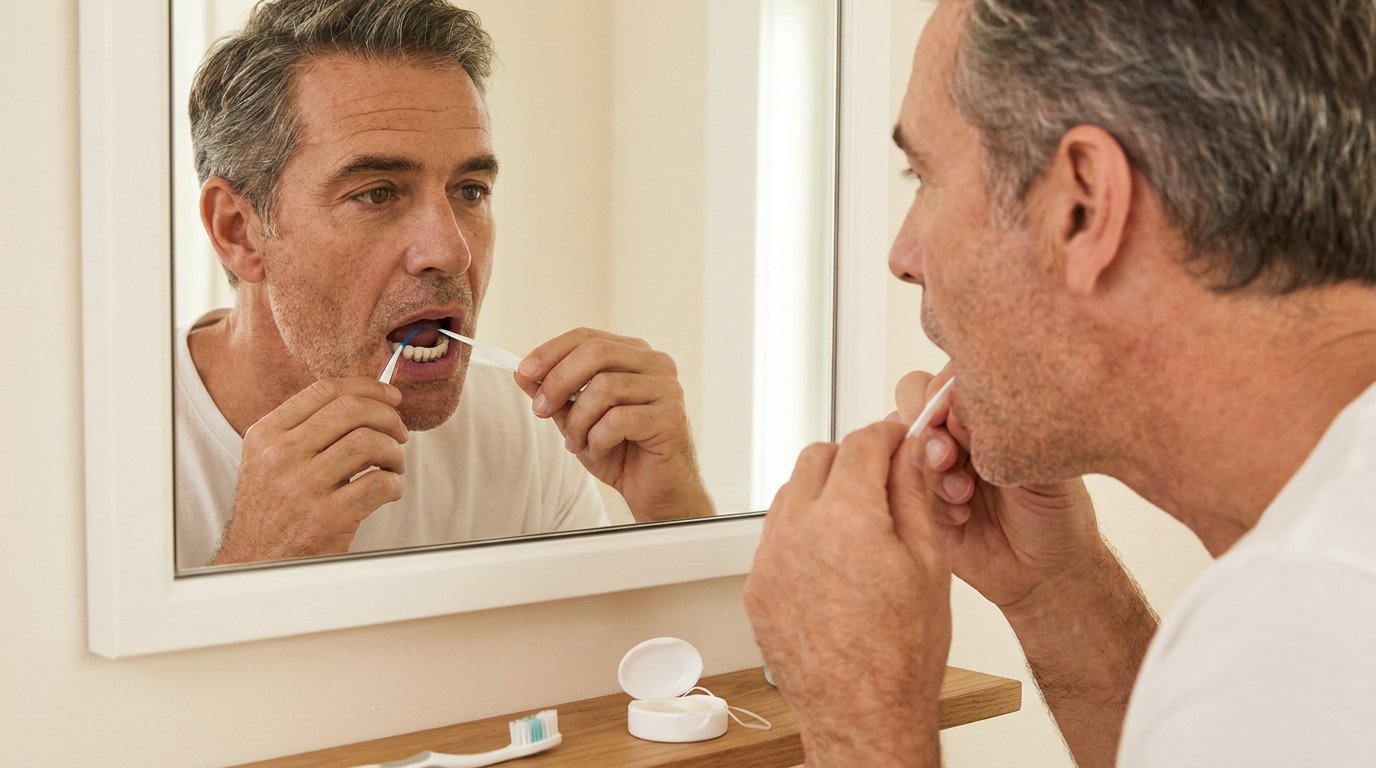
It also helps to be realistic about habits. Opening packets with your teeth, chewing ice, biting fingernails, and grinding at night all increase stress on the bridge. If you clench or grind, ask whether a night guard is sensible.
If you want to understand related restorative options, pages on inlays and onlays, root canal treatment, and dental bonding can help you see how dentists protect and rebuild damaged support teeth when planning a bridge.
The issue may not be the bridge alone. Bite imbalance, gum disease, grinding, or a different replacement option may need discussion.
Chew steadily, keep the bridge clean, and avoid using your teeth as tools. Long-term comfort depends as much on maintenance as on the fit on day one, because the real weak point is often decay or gum problems around the supporting teeth, not the bridge itself.
How do you choose a safe clinic for bridge treatment abroad?
A bridge should not be sold as a quick cosmetic fix if the supporting teeth or gums are not ready. Safe treatment starts with diagnosis. That means an examination, dental imaging when needed, and a proper discussion of alternatives such as implants, crowns, or even delaying treatment until gum health improves.
You should know who is planning the work, what material is being used, and how many visits are likely. A good clinic also explains limits. For example, if the support teeth are weak, heavily filled, or poorly positioned, a bridge may not be the best option.
If you are travelling, ask about aftercare before treatment starts. If you need a bite adjustment after you return home, what support is available? Honest answers are a better sign than perfect-sounding promises.
You can check background information through the clinic’s about page, review the team on the doctors page, or make direct contact via the contact page if you want practical answers before arranging care.
🚨 Be cautious with sales-led treatment plans If a clinic pushes a bridge without checking gum health, bite, and support teeth carefully, that is a warning sign.
- ✓A full assessment is offered before the bridge is confirmed.
- ✓The dentist explains why a bridge is suitable and discusses alternatives.
- ✓The quote clearly states what is included, including temporaries and reviews if relevant.
- ✓The clinic gives realistic recovery and adjustment advice rather than promising instant perfection.
- ✓You know how follow-up and bite adjustments are handled if you are an overseas patient.
Look for clear diagnosis, a named dentist, proper imaging, a written plan, and realistic aftercare. Safety is less about marketing and more about whether the clinic explains why a bridge is suitable, checks the support teeth carefully, and has a sensible plan if adjustments are needed.
Frequently Asked Questions
References
- 📎NHS – Cosmetic procedures
- 📎Mayo Clinic – Tests and procedures
- 📎PubMed search – fixed dental prosthesis chewing function adaptation
- 📎PubMed search – dental bridge patient satisfaction mastication
You Might Also Like


Related articles


Our specialists
 Clineca SpecialistErkan PinegözPlastic & Reconstructive Surgery
 Clineca SpecialistHakan AktaşPlastic & Reconstructive Surgery
 Clineca SpecialistOrkun UzuneyüpoğluPlastic & Reconstructive Surgery
 Clineca SpecialistSalim İskenderPlastic & Reconstructive Surgery
 Clineca SpecialistEngin SelamioğluPlastic & Reconstructive Surgery
 Clineca SpecialistCem AydınPlastic & Reconstructive Surgery
 Clineca SpecialistAlperen ÖnalEar, Nose & Throat (ENT)