
Have a question about Rhinoplasty?
In this article
If you are asking when can i exercise again after rhinoplasty, the short answer is: gentle walking usually starts within a few days, light exercise often resumes after a few weeks, and intense training, contact sport, or anything that risks a bump to the nose usually has to wait longer. The exact timing depends on how much swelling you have, whether your septum was treated too, and what your surgeon sees at follow-up.
What is the safe exercise timeline after rhinoplasty?
The safest way to think about exercise after a nose job is in phases. Early on, the main issue is not fitness. It is pressure, swelling, bleeding, and accidental impact. Even a workout that feels easy for your legs can raise your heart rate and blood pressure enough to make your nose throb or start bleeding.
According to the NHS, recovery after cosmetic surgery varies from person to person, and patients should follow their own surgeon’s aftercare advice because the exact healing time depends on the procedure and the individual. That matters with rhinoplasty because one patient may have a small bridge refinement, while another has more complex nose surgery with septal work inside the nose.
A practical guide many surgeons use looks like this:
- ✓First few days: short indoor walks are usually fine and often encouraged to keep you moving.
- ✓Around 1 to 2 weeks: you are still in the swelling-and-protection phase, so gym sessions, bending, lifting, and running are usually avoided.
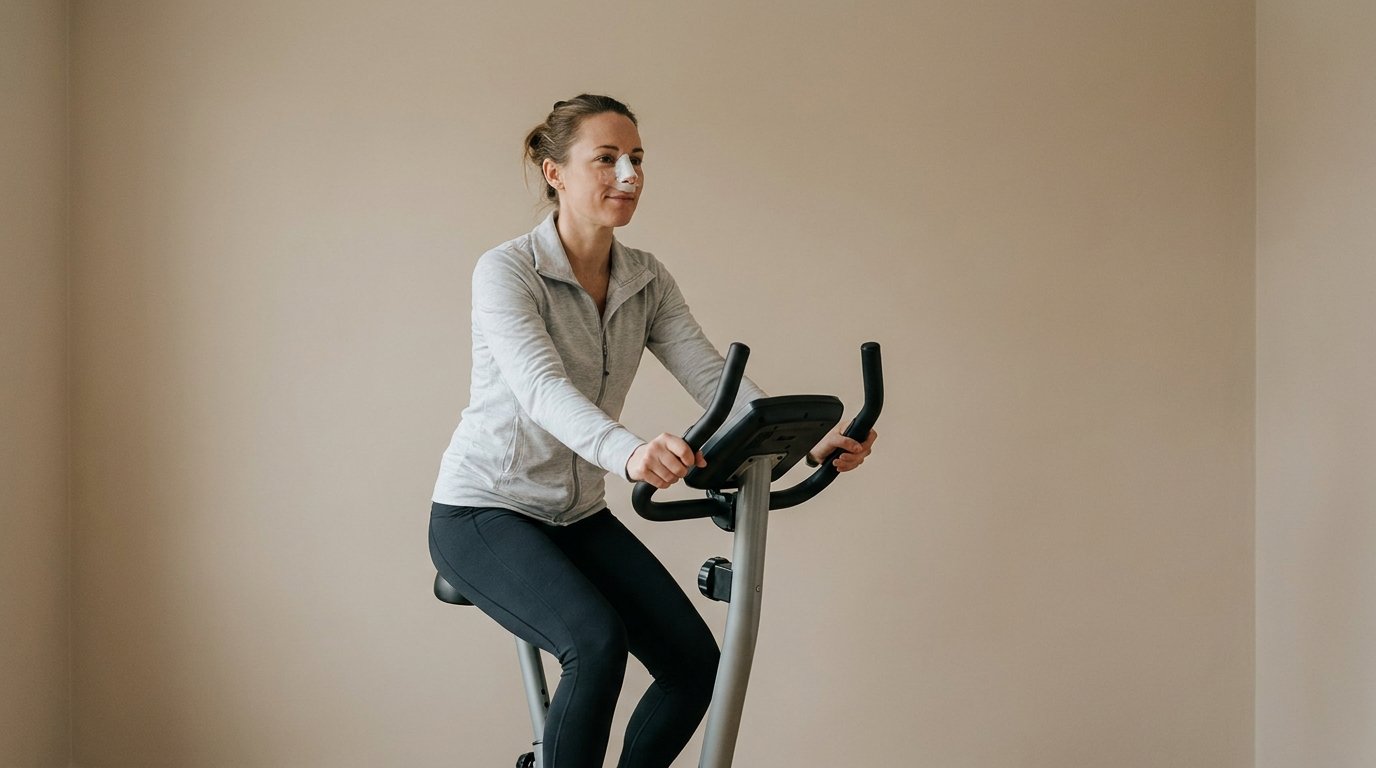
- ✓After a few weeks: some patients are cleared for light cardio, such as an easy stationary bike or brisk walking, if there is no bleeding or strong pulsing in the nose.
- ✓Later recovery: weight training, intense classes, swimming, yoga positions with the head down, and contact sports often need a longer wait and specific surgeon approval.
This staged return is important whether you had cosmetic rhinoplasty for nose shape, functional surgery to help breathing, or a combined rhinoplasty nose job with septoplasty. If you are still in a splint, still very congested, or still needing pain relief, you are usually not ready for proper exercise yet.
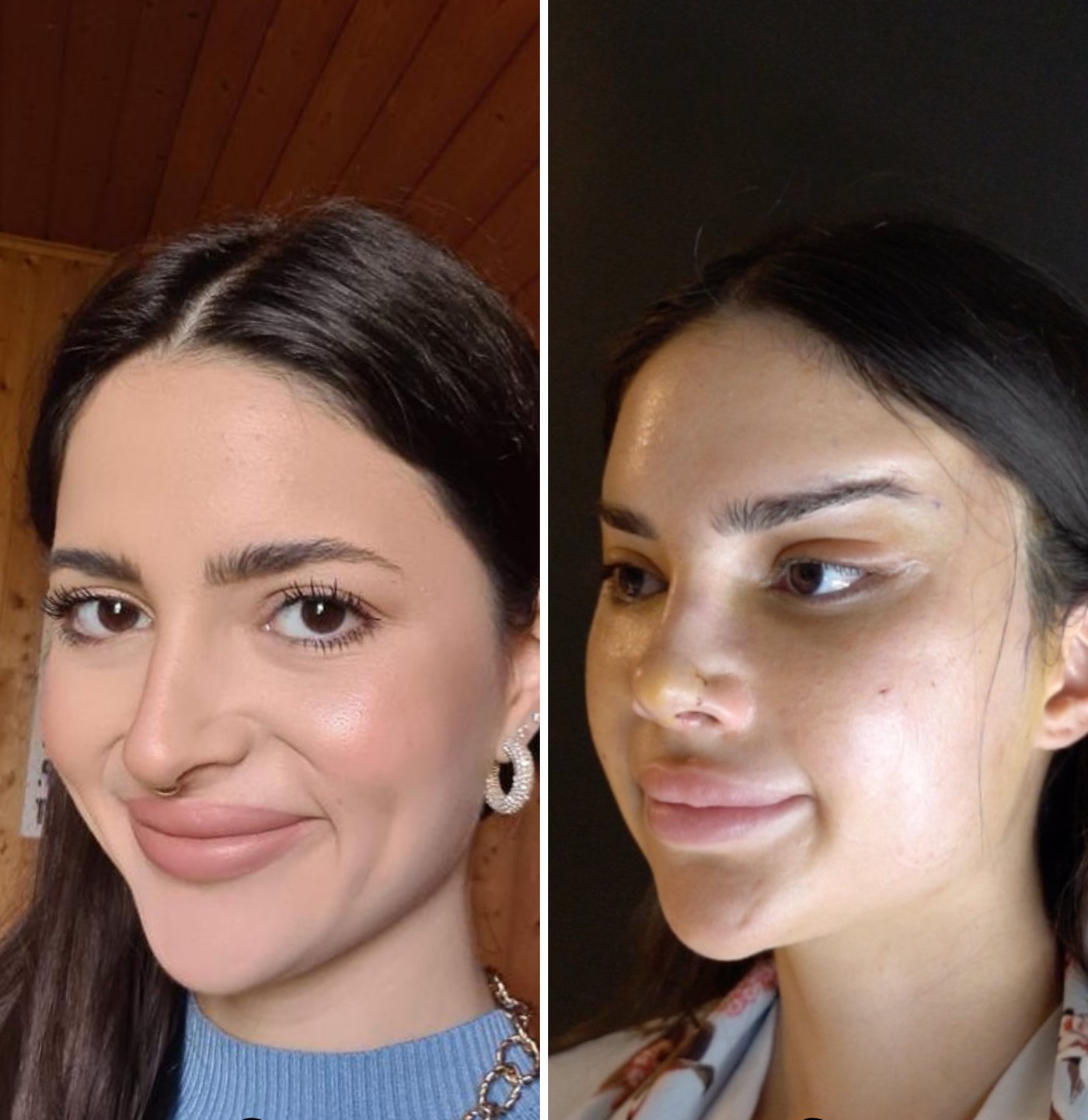
⚠️ Do not use a generic gym rule Rhinoplasty recovery is not the same as returning to exercise after body surgery or a simple skin treatment. Nose tissues swell easily and can be injured by pressure or impact.
Most patients can begin short, easy walks soon after rhinoplasty, but heavier exercise usually returns in stages rather than all at once. A common pattern is walking in the first week, light cardio after a few weeks, and harder training only when swelling, bleeding risk, and nose tenderness have settled.
Why does exercise need to wait after a nose job?
This is the part many patients underestimate. Your nose may already look much better once the cast comes off, but inside, healing is still active. Blood vessels are fragile, tissues are inflamed, and the nose can stay tender for quite a while.
Hard exercise increases blood flow and pressure. That can mean more swelling, fresh bleeding, throbbing, or a feeling of pressure across the bridge and tip. If you lift heavy weights, hold your breath during exertion, or strain through a core workout, you may be putting more stress on healing tissues than you realise.
There is also the simple accident factor. A crowded gym, a dumbbell slipping during a press, a yoga mat kicked in a class, or a child bumping your face during sport can undo progress quickly. That is why surgeons are often more cautious about boxing, football, basketball, martial arts, and similar activities than about gentle cardio.
If your surgery also addressed breathing problems or included surgery inside the nose, your internal healing may matter just as much as the outside appearance. A 2022 study in the Journal of Craniofacial Surgery looked at patients after septoplasty and assessed changes over a three-month period, which is a useful reminder that functional healing inside the nose continues well beyond the first week or two.
Exercise can increase swelling, trigger nosebleeds, and raise the risk of disrupting delicate early healing. The nose may look stable from the outside before it is truly settled inside, especially if work was done on cartilage, bone, or the septum.
How do you know if you are ready to work out?
A good return-to-exercise decision is based on signs, not impatience. Many people feel restless after surgery, especially if they usually train several times a week. The problem is that energy often comes back before the nose is ready.
You are generally in a better position to restart activity if you can breathe comfortably enough for light effort, your pain is mild, your nose is not actively crusting or bleeding, and your surgeon has no concerns at follow-up. If a short walk makes your nose feel full, hot, or pulsing, that is a sign to slow down rather than push through.
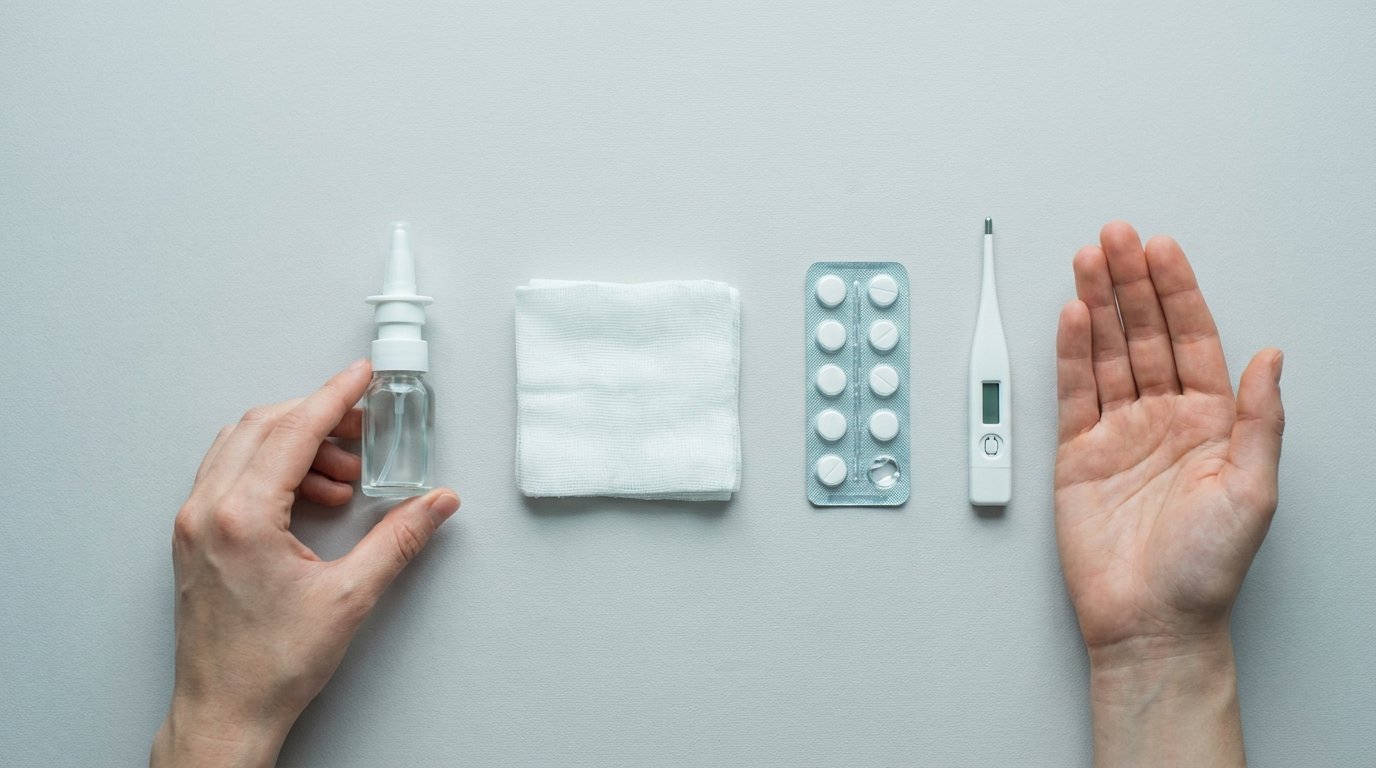
These are useful green-light and red-flag clues to watch:
- ✓More reassuring signs: swelling is gradually improving, no fresh bleeding, little or no throbbing with normal activity, and tenderness is decreasing.
- ✓Less reassuring signs: new bleeding, stronger swelling after activity, pressure around the bridge or tip, pain that increases rather than fades, or any accidental knock to the nose.
- ✓Reasons to contact your surgeon: fever, heavy bleeding, sudden shape change, worsening pain, or breathing that feels clearly worse rather than gradually better.
If you are travelling for surgery, this is one reason aftercare planning matters. Before booking, ask how follow-up works, who reviews you before you fly home, and how you can reach the team if swelling increases after you restart exercise. If you are comparing providers, it helps to review the clinic’s rhinoplasty information and consultation pathway, such as the pages for rhinoplasty treatment information and an online consultation.
You are more likely ready for the next stage of exercise when bleeding has stopped, swelling is settling, the nose is less tender, and your surgeon has examined you. Feeling energetic is not the same as being healed enough for training.
Which exercises can you restart first, and which should wait?
Walking is usually the safest first step. It keeps you moving without major strain, and most patients tolerate it well if they keep the pace easy. From there, some people move to a gentle exercise bike or similar light cardio, but only after they have had an uncomplicated early recovery.
The activities that tend to need more patience are the ones that involve strain, impact, or awkward head position. Heavy weights can make you brace and hold your breath. Running can create jarring motion and facial pressure. Yoga can include forward folds or inversions that make swelling worse. Swimming brings goggles, face pressure, and water exposure before tissues are fully settled.
Exercise types that often need the most caution
Contact sport is the clearest example. Even if you feel well, a light hit to the nose during football, basketball, martial arts, or racquet sports can cause a problem. In practical terms, patients often return to these activities later than they return to basic fitness work.
If you are very active, the safest mindset is not to ask, “What is the earliest possible day?” Ask instead, “What is the earliest stage I can restart without setting my recovery back?” That usually leads to a smoother result than testing limits too soon.
Low-impact movement usually comes back first. Walking is commonly the starting point, then light cardio if recovery is smooth. Heavy lifting, swimming, inversions, and contact sports usually need a longer pause because they increase pressure, moisture exposure, or the chance of trauma to the nose.
How long should international patients stay before flying home?
If you are coming to Turkey for a nose job, exercise timing is only one part of the planning. You also need enough time in the country for the early recovery phase. That usually means arrival before surgery, the procedure itself, several first recovery days, and at least one in-person review before travel home.
This matters because the first week is when you are most likely to need practical help with swelling, dressing care, congestion, and reassurance about what is normal. It is also the stage when you should definitely not be trying to fit in tourism-heavy days or long active outings.
When choosing a provider, ask clear questions about who performs the surgery, where it takes place, what accreditation the hospital has, and who handles aftercare once you return home. A reputable clinic should make it easy to see background information on the team, for example through pages such as meet the doctors and about the clinic.
Because your price is personalised after consultation, it is better to ask what affects the quote rather than chasing a headline figure. Complexity, surgeon experience, whether you need revision work, whether the septum is treated, hospital fees, anaesthesia, medication, accommodation support, and follow-up arrangements can all affect the final cost. This article is for informational purposes only and does not constitute medical advice. Always consult a qualified surgeon for personalised guidance.
The clinic explains exercise restrictions, travel timing, and follow-up in practical detail rather than giving one blanket answer to everyone.
Be cautious if anyone suggests you can return to intense training very quickly without examining your healing or discussing impact risk.
Patients travelling for rhinoplasty usually need to stay long enough for early checks, splint care, and a first review before flying. The exact stay varies, but it should cover the immediate recovery window when swelling, bleeding, and early complications are most likely to show up.
Frequently Asked Questions
References
- 📎Cosmetic procedures — NHS
- 📎The Impact of Septoplasty on Cardiopulmonary Functions in Patients With Nasal Septal Deviation: A Prospective Comprehensive Analysis of Echocardiographic Outcome and Serum N-Terminal Pro BNP Levels — J Craniofac Surg, 2022
Related Articles

You Might Also Like

Related articles
Our specialists
 Clineca SpecialistErkan PinegözPlastic & Reconstructive Surgery
 Clineca SpecialistHakan AktaşPlastic & Reconstructive Surgery
 Clineca SpecialistOrkun UzuneyüpoğluPlastic & Reconstructive Surgery
 Clineca SpecialistSalim İskenderPlastic & Reconstructive Surgery
 Clineca SpecialistEngin SelamioğluPlastic & Reconstructive Surgery
 Clineca SpecialistCem AydınPlastic & Reconstructive Surgery
 Clineca SpecialistAlperen ÖnalEar, Nose & Throat (ENT)