
Have a question about Tipplasty?
In this article
- What is normal during the first week after tipplasty?
- How much pain, swelling, and bruising should I expect?
- What should I do at home in the first week?
- What should I avoid in the first week?
- When can I go out, fly home, and return to normal life?
- What warning signs mean I should contact a doctor?
- How do I choose a safe clinic and set realistic expectations?
If you are asking what should I expect during tipplasty recovery in the first week, the short answer is this: expect swelling, congestion, mild bleeding or oozing, and a nose that looks more swollen than the final result. Most people feel noticeably better by the end of week one, but the tip can stay puffy for much longer, so early healing is often more awkward than painful.
What is normal during the first week after tipplasty?
Tipplasty is a nose-tip reshaping procedure. It focuses on the lower part of the nose rather than changing the whole nasal bridge. Recovery is often a little easier than full rhinoplasty, but the first week still comes with a very visible healing phase.
Most people wake up feeling stuffy rather than in severe pain. The nose tip can feel hard, tight, and oddly numb at the same time. A small amount of bloody mucus in the first day or two is common. According to the NHS guidance on cosmetic procedures, swelling and bruising are expected after nose surgery, and final results take time.
The biggest surprise for many patients is how “unfinished” the nose looks in week one. The tip may seem rounder, higher, or less defined than expected. That is usually swelling, not the final shape. If a splint or dressing is used, the nose can also feel heavy until it comes off.
You may also notice that your upper lip feels a bit stiff when you smile or brush your teeth. That happens because the tissues around the base of the nose are swollen. It generally settles as the first week goes on.
The common day-by-day pattern looks like this:
📋 Early shape is misleading A tip that looks too round, too high, or slightly uneven in the first week is often reacting to swelling. Final definition usually takes much longer.
In the first week after tipplasty, it is usually normal to have swelling, a blocked feeling in the nose, light spotting, tenderness, and tiredness. The tip often looks lifted, stiff, or uneven at first. That early appearance is not the final result, and day-to-day changes are common.
How much pain, swelling, and bruising should I expect?
Pain is often manageable with the medicines given by your surgeon or care team. Many patients say the pressure and blocked feeling bother them more than actual pain. Breathing through your mouth at night can make your throat dry, which can be more annoying than the nose itself.
Swelling usually builds for the first two to three days. That can make the tip look broad and stiff. Because tip skin can hold fluid, this area often settles more slowly than patients expect. The American Society of Plastic Surgeons (ASPS) explains that swelling after cosmetic nose surgery can last for a prolonged period, especially in the nasal tip.
Bruising is less predictable. If the procedure only involved the tip, bruising may be limited or absent. If more tissue was adjusted, you may see some colour change around the nose or under the eyes. Cold compresses are sometimes recommended for nearby areas, but you should only use them exactly as instructed and never press directly on the nose.
A low energy level is also normal. Even when surgery is relatively focused, anaesthesia, poor sleep, mouth breathing, and the effort of healing can leave you tired for several days.
- ✓Mild to moderate pressure is common in the first few days
- ✓The blocked feeling often seems worse than the pain
- ✓Tip swelling usually peaks early, then slowly eases
- ✓Some asymmetry in swelling from one side to the other can happen
Most patients describe first-week tipplasty recovery as uncomfortable rather than very painful. Swelling is usually the main issue, especially at the tip, along with a blocked nose and some tenderness. Bruising varies. Some people have very little, while others see mild under-eye discoloration for several days.
What should I do at home in the first week?
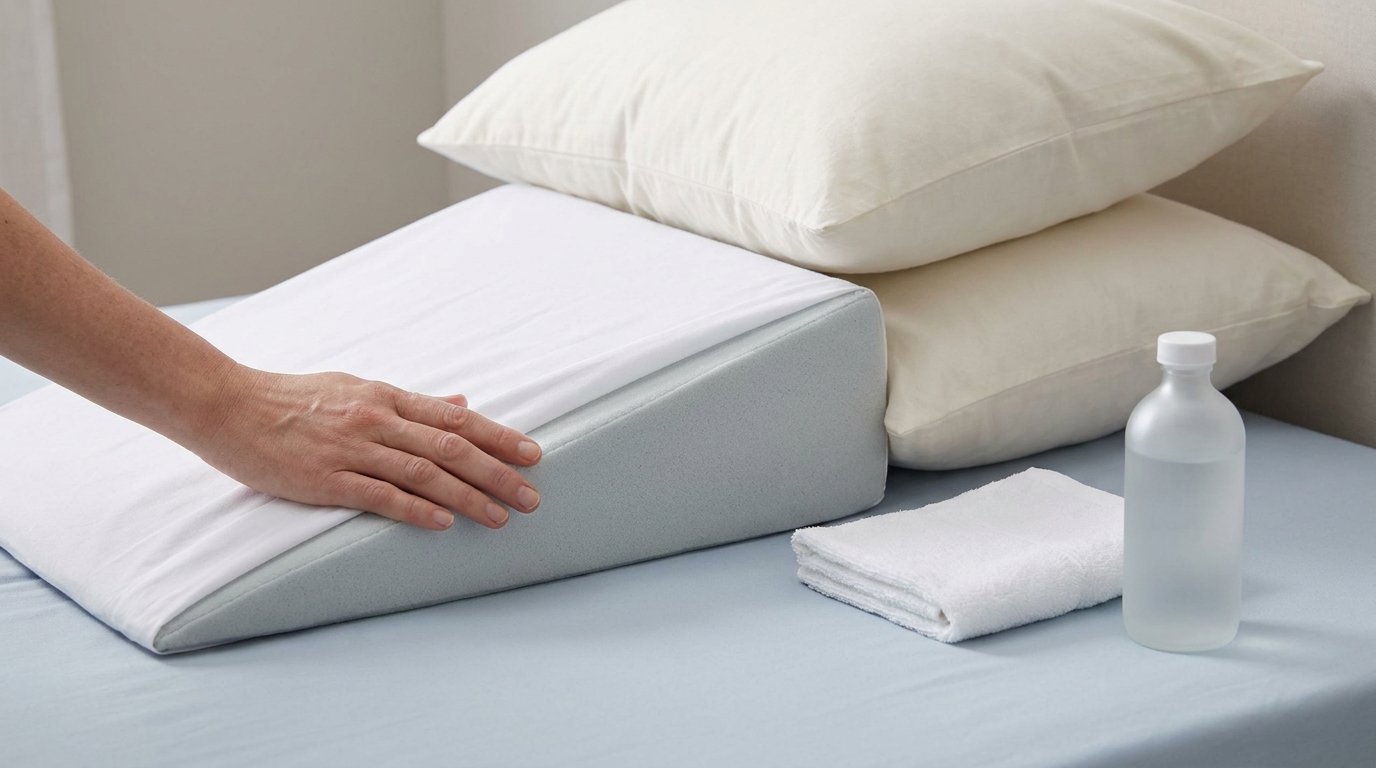
Home care in the first week is mostly about protecting delicate tissue. Keep your head raised when resting and sleeping. Two pillows or a wedge pillow can help. This will not remove swelling overnight, but it can make mornings easier.
Cleaning matters. If you have been told to use saline spray or to clean the nostrils with a specific method, follow those instructions closely. Do not pick crusts or blow your nose unless your surgeon says it is safe. The inside of the nose is healing too, even if the changes were focused on the tip.
Eat soft, easy meals at first if smiling or upper-lip movement feels tight. Drink plenty of water. Avoid alcohol if your team has advised against it, and do not smoke or vape during healing. Mayo Clinic guidance on recovery after nasal procedures stresses careful follow-up and proper aftercare because the tissues are sensitive while they heal.
If you wear glasses, ask where they can safely rest. Depending on the exact procedure, you may need to avoid pressure on the nose for a period. This is one of those details worth checking before surgery rather than guessing afterward.
For patients travelling for treatment, it helps to arrange a calm first week. Do not plan a busy sightseeing schedule in Istanbul or any other city. The early days are better spent resting in your hotel or accommodation, keeping follow-up appointments, and letting swelling settle.
You can learn more about the broader procedure and planning on the clinic’s rhinoplasty treatment page and request individual advice through the online consultation page.
Set alarms for medication, saline care, water, and short walks around the room. Simple routines make first-week recovery smoother.
Trying to inspect, press, or compare the nose too often can increase anxiety. The first week rarely reflects the final result.
The best first-week care after tipplasty is simple and consistent: rest, keep your head elevated, clean the nose exactly as instructed, avoid pressure or bumping, and take medication as prescribed. Gentle habits matter more than doing a lot. Trying to speed healing usually backfires.
What should I avoid in the first week?
Avoid anything that raises pressure in the nose or risks a knock to the face. That means no heavy lifting, hard exercise, bending down repeatedly, forceful nose blowing, or crowded activities where your nose could be bumped.
Try not to laugh hard, make big facial expressions, or chew very tough foods if the tip and upper lip feel tight. These small movements will not ruin the result, but overdoing them can make you more sore and swollen.
You should also avoid self-prescribing supplements or over-the-counter products without checking first. Some can increase bleeding risk. The safest plan is to use only what your surgeon or prescribing doctor has approved.
If you are travelling from abroad, avoid booking a return journey that feels rushed. Give yourself enough time for review appointments and for early swelling, discomfort, or dressing issues to be checked in person.
When can I go out, fly home, and return to normal life?
Light walking is usually encouraged quite early because it helps circulation and lowers the risk of sitting still all day. That said, “up and about” is not the same as socially ready. In the first week, the nose still looks swollen, and you may feel more tired than expected.
Returning to desk work depends on how visible your swelling is, whether you have a dressing or splint, and how comfortable you feel on video calls or in public. Some people go back after several days. Others prefer to wait until after week one.
For international patients, flying home is a practical question, not just a medical one. You need enough time for your first checks and enough energy for the airport, luggage, and dry cabin air. The exact timing should come from the operating surgeon because technique, dressings, and your healing progress all matter. If you are still planning your treatment journey, the clinic’s about page and contact page are useful starting points for travel-related questions.
Normal life returns in stages. Gentle routine activities come first. Exercise, glasses use, social events, and full confidence in the appearance of the tip usually take longer.
Many patients are able to go for gentle walks within a day or two and feel presentable enough for quiet outings near the end of the first week. Flying home depends on your surgeon’s advice and follow-up plan, but health-tourism patients usually need enough time for early review before travelling.
What warning signs mean I should contact a doctor?
The first week should feel slowly easier, even if swelling is still obvious. If things are moving in the opposite direction, it is worth checking in. Infection after nasal surgery is not common, but increasing heat, redness, bad-smelling discharge, or fever should not be ignored.
Bleeding is another area where common and uncommon can be confused. A little blood-tinged mucus or spotting can be expected early on. Steady bright red bleeding that keeps soaking dressings is different and needs prompt advice.
One-sided changes can also matter. If one side suddenly becomes much more swollen, much more painful, or much darker in colour, contact your care team. The NHS advises people having cosmetic procedures to know exactly who to contact after treatment if problems arise, and that is especially important when you are recovering away from home.
Before surgery, ask who handles out-of-hours concerns, how follow-up works for international patients, and whether your operating surgeon is available for post-op review. A good clinic should make those steps clear.
⚠️ Do not wait on severe symptoms Heavy ongoing bleeding, breathing difficulty, chest pain, or fainting need urgent medical attention, not just a routine message.
- →Increasing pain after an initial improvement
- →Fever or feeling suddenly unwell
- →Pus-like or foul-smelling discharge
- →Marked swelling on one side
- →Bleeding that does not settle with advised measures
Call your surgeon or seek urgent medical advice if you have heavy bleeding, worsening pain not controlled by medication, fever, spreading redness, pus-like discharge, sudden major swelling on one side, or shortness of breath. Mild congestion and light spotting are common; symptoms that intensify rather than improve need review.
How do I choose a safe clinic and set realistic expectations?
Tipplasty may sound smaller than full rhinoplasty, but it still needs careful planning. The shape of the nasal tip, the thickness of your skin, previous surgery, and your breathing all affect what is realistic. The best consultations are usually the ones that feel detailed rather than rushed.
Because no verified standard price is available for this topic, it is better to think about what affects the quote instead of chasing a headline number. The final cost is usually shaped by the surgeon’s approach, whether this is primary or revision surgery, where the procedure is carried out, the anaesthesia plan, and how much follow-up care is included. A personalised quote should only be confirmed after consultation.
For safety, look for clear answers on the surgeon’s credentials, where the procedure takes place, what aftercare is included, and what happens if you need review after returning home. ASPS and the NHS both stress informed consent and realistic expectations for cosmetic procedures. That means understanding benefits, limits, recovery time, and possible complications before you commit.
Good clinics also discuss whether tip-only surgery is really the best fit. Some patients asking for tip refinement actually need broader nasal reshaping, while others may benefit from doing less, not more.
The team explains swelling, limitations, and revision risk clearly instead of promising a perfect nose.
If you have active sinus issues, unrealistic expectations, or very little time for recovery, postponing treatment may be the safer choice.
A safe tipplasty experience depends on more than the operation itself. Look for a properly qualified surgeon, clear follow-up, honest advice about limits, and a clinic that explains risks and recovery in plain language. Personalised pricing should be confirmed only after consultation and assessment.
Frequently Asked Questions
References
- 📎NHS: Cosmetic procedures
- 📎ASPS: Cosmetic Procedures
- 📎Mayo Clinic: Tests and Procedures
- 📎PubMed search: rhinoplasty recovery swelling nasal tip
Related Articles

You Might Also Like


Related articles

Our specialists
 Clineca SpecialistErkan PinegözPlastic & Reconstructive Surgery
 Clineca SpecialistHakan AktaşPlastic & Reconstructive Surgery
 Clineca SpecialistOrkun UzuneyüpoğluPlastic & Reconstructive Surgery
 Clineca SpecialistSalim İskenderPlastic & Reconstructive Surgery
 Clineca SpecialistEngin SelamioğluPlastic & Reconstructive Surgery
 Clineca SpecialistCem AydınPlastic & Reconstructive Surgery
 Clineca SpecialistAlperen ÖnalEar, Nose & Throat (ENT)