
Have a question about Breast Reduction?
In this article
Few plastic surgery questions get researched as hard as breast reduction cost in the UK, and few are as hard to pin down from a clinic website. The figure you are eventually quoted depends far less on the name of the operation than on your anatomy, the plan your surgeon draws up and where the surgery takes place. There is also a second route entirely — NHS funding — which runs on rules that have nothing to do with price lists.
What actually drives the price of a breast reduction?
A breast reduction is not one standard operation. The surgeon removes breast tissue, skin and fat, repositions the nipple and reshapes what is left, and the scale of that work varies enormously between two women who both describe their breasts as “too big”. That variation is the single biggest reason two quotes for the same procedure name can look nothing alike.
Operating time is the backbone of any surgical quote. A larger reduction with significant lifting takes longer, needs more anaesthetic time and sometimes an overnight stay rather than a day case. Surgeon seniority, the grade of hospital or clinic, and whether an anaesthetist is separately contracted all push the number in the same direction.
The quieter cost drivers are the ones patients forget to ask about: post-operative bras, dressings, the laboratory examination of the removed tissue, how many follow-up appointments are built in, and what happens financially if you need a small scar revision later. None of these are optional extras in clinical terms — they are part of a properly done reduction — but they are not always part of the headline price.
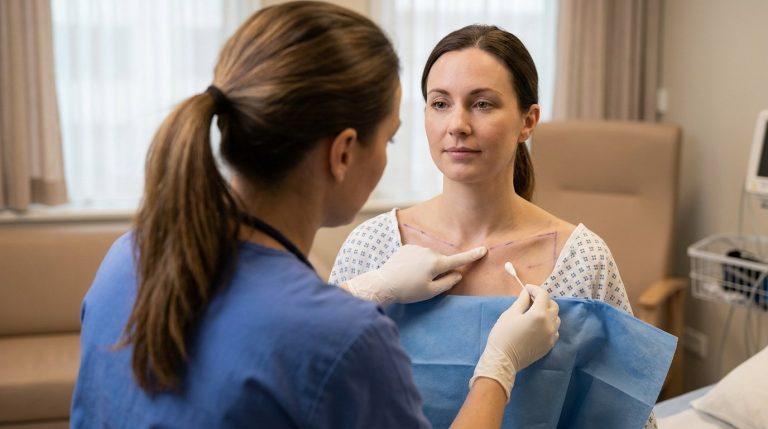
Because every one of these depends on your examination, a meaningful figure only exists after a consultation where someone has measured you, looked at your skin quality and agreed a surgical plan with you. A 2017 Cochrane review of decision aids found that structured tools which lay out the options and their benefits and harms help people facing a treatment decision feel better informed and clearer about what matters to them — which is a good argument for asking the clinic to put the whole plan, not just a price, in writing.
📋 Quotes are personal, not published Any clinic that gives you a firm figure before examining you is pricing an imaginary operation. Expect a personalised quote after consultation, with the inclusions listed.
Can you get a breast reduction on the NHS, and how long is the waiting list?
Breast reduction is one of the few procedures usually labelled cosmetic that the NHS can still fund, because very large breasts cause genuine physical symptoms. Funding is decided locally by integrated care boards, and the criteria are strict and not identical across England, Scotland, Wales and Northern Ireland.
Typical requirements include documented symptoms such as persistent back, neck or shoulder pain, deep bra-strap grooving, or recurring skin rash under the breasts. Most policies also ask for a body mass index below a set limit, a minimum amount of tissue to be removed, a period of trying conservative measures first — professional bra fitting, physiotherapy, weight management — and often that you do not smoke. If you are hoping the surgery will settle long-standing pain, our piece on whether breast reduction eases back and neck pain explains what the operation can and cannot change.
The waiting list question has an uncomfortable answer: there are really two waits. The first is for a funding decision, which can take weeks to several months and may be refused, sometimes requiring an individual funding request supported by your GP. Only once funding is agreed do you join the surgical list, and reduction surgery sits behind cancer and urgent work in the queue. In practice many patients report a total journey measured in many months, and in some areas well over a year. The honest position is that it varies by region and by year, so the only reliable figure is the one your GP practice or local trust can give you now.
⚠️ Get the local policy in writing Ask your GP for your integrated care board’s current breast reduction criteria before you plan anything. A BMI threshold or minimum-removal rule you cannot meet changes your options completely — and it is better to learn that early than after a year of waiting.
What should a private quote actually include?
A good private quote reads like a care plan with a price attached, not a single line. Before you compare two clinics, make sure you are comparing the same scope of care — a cheaper figure that excludes the anaesthetist, the garment and the follow-ups is not cheaper at all.
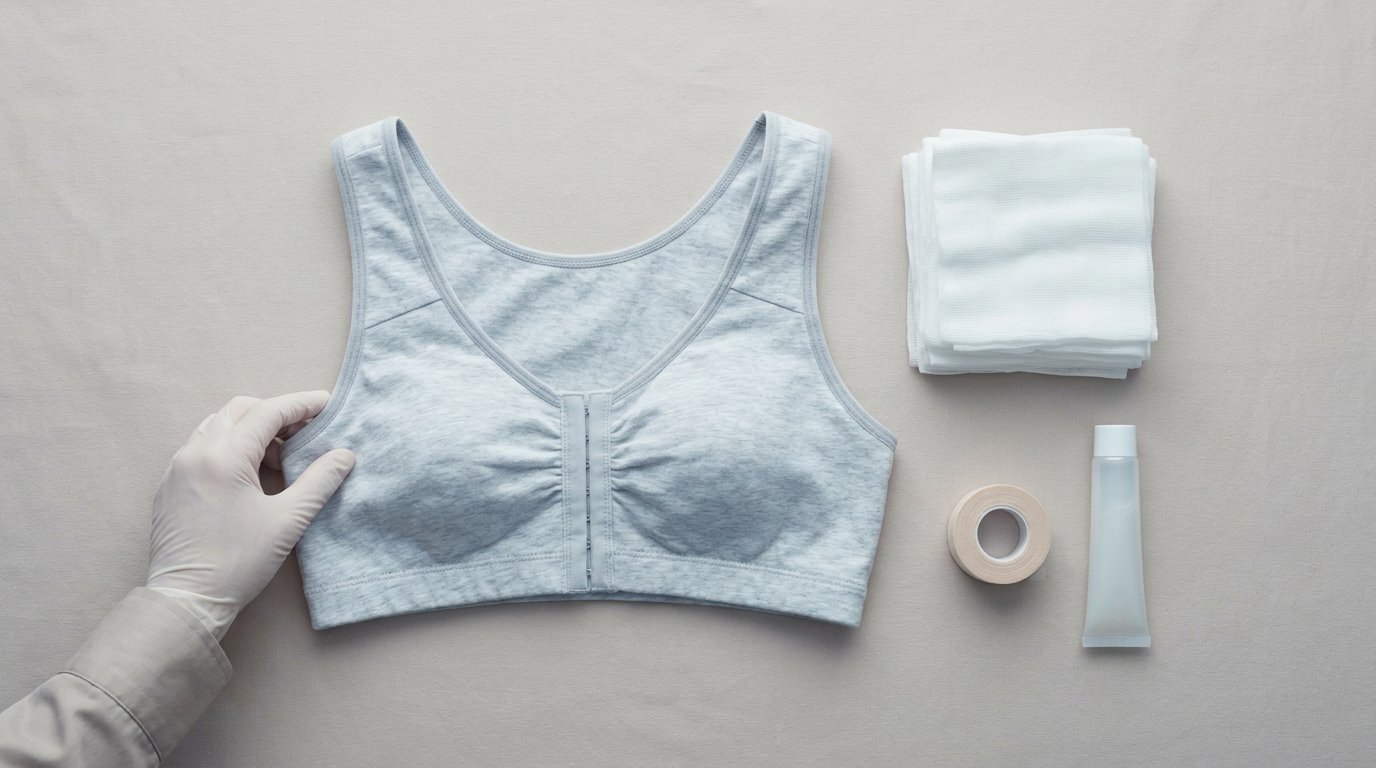
The items worth confirming line by line:
- ✓Surgeon’s fee, anaesthetist’s fee and theatre or hospital charges, including an overnight bed if needed
- ✓Pre-operative blood tests, and a pre-op assessment or breast imaging if your age or history calls for it
- ✓Post-operative surgical bra, dressings and laboratory examination of the removed tissue
- ✓All scheduled follow-up appointments, plus stitch and dressing changes
- ✓A written policy on complications and revision surgery, naming who pays for what
One more thing changes how most of these quotes should be read. Close to four in ten of the breast reduction plans we complete are booked together with another procedure, most often a breast lift — so the figure many women are quoted covers two operations in one session, not a reduction alone. If you are comparing prices, check whether the quote in front of you is for the same combined plan, because that one difference explains most apparent bargains.
📋 Pregnancy and breastfeeding belong in the first consultation The possibility of a future pregnancy comes up in roughly a quarter of the conversations we have with women weighing up breast surgery. It is a normal thing to raise, and it can influence technique and timing, so say it out loud at the consultation rather than afterwards.
UK private surgery versus treatment abroad: what really differs
Cost is the obvious difference, and it is also the least interesting one. What changes more is how the money is packaged and where your aftercare physically happens. UK private care is usually itemised and local; treatment abroad is usually bundled and front-loaded into a single trip, which suits some people and genuinely does not suit others.
If you are weighing the two routes, our broader look at how prices compare between Turkey, the UK and other European countries sets out the structural reasons behind the gap — staff costs, hospital overheads and currency, not shortcuts in the operating theatre. Where a combined plan is involved, breast reduction with a lift in Turkey explains how the two procedures are sequenced in one session.
Meeting your local criteria means the surgery is funded and followed up entirely within the NHS. The trade-off is the wait and little say over timing or surgeon.
Private surgery, at home or abroad, buys scheduling and choice of surgeon. Budget for the full plan, not just the operating fee.
The costs that never appear on the quote
Time off work is the expense most people underestimate. Desk-based work is often manageable at around two weeks, while physical jobs, heavy lifting and full gym training take considerably longer, and swelling keeps changing your shape for months. Our week-by-week breast reduction recovery guide sets out a realistic pace rather than a best case.
Then there are the small, repeating costs: a second and third supportive bra as swelling settles, scar care products used over many months, childcare or help at home for the first week or two, and travel insurance that actually covers elective surgery abroad. Scar treatment in particular is a long game — what breast reduction scars look like as they fade gives a sense of the timeline you are buying into.
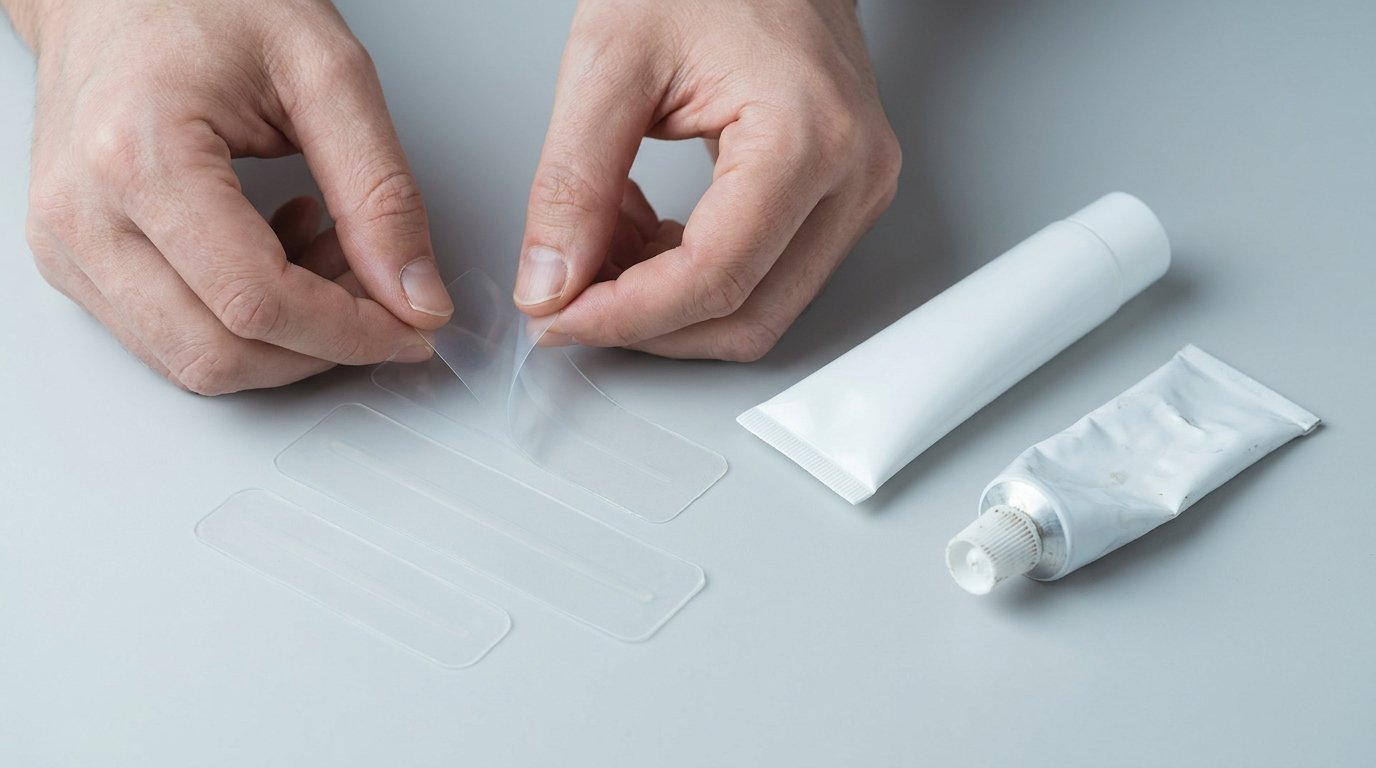
Finally, build in the possibility of a minor revision. Most reductions heal without one, but a small scar correction or an adjustment for asymmetry is a recognised part of breast surgery rather than a sign that something went badly wrong. Knowing in advance who would pay for it is worth more than a small saving on the original quote.
This article is for informational purposes only and does not constitute medical advice. Always consult a qualified surgeon for personalised guidance.
A named, registered surgeon you speak to before booking; a written plan listing technique and inclusions; realistic talk about scars and sensation; no pressure to decide during the call.
A firm price before any examination, deposit deadlines framed as a discount, no named surgeon, and vague answers about who manages complications after you fly home.
Frequently Asked Questions
References
- 📎Decision aids for people facing health treatment or screening decisions — Cochrane Database of Systematic Reviews, 2017
- 📎NHS — Cosmetic procedures
- 📎ASPS — Cosmetic procedures
Related Articles



You Might Also Like



Related articles


Our specialists
 Clineca SpecialistErkan PinegözPlastic & Reconstructive Surgery
 Clineca SpecialistHakan AktaşPlastic & Reconstructive Surgery
 Clineca SpecialistOrkun UzuneyüpoğluPlastic & Reconstructive Surgery
 Clineca SpecialistSalim İskenderPlastic & Reconstructive Surgery
 Clineca SpecialistEngin SelamioğluPlastic & Reconstructive Surgery
 Clineca SpecialistCem AydınPlastic & Reconstructive Surgery
 Clineca SpecialistAlperen ÖnalEar, Nose & Throat (ENT)