
Have a question about Breast Reduction?
In this article
- What is the usual recovery timeline after breast reduction?
- What will the first two weeks actually feel like?
- When can you return to work, driving, exercise, sex, and swimming?
- How long should you stay in Turkey after breast reduction?
- What can slow down breast reduction recovery?
- How can you make recovery smoother and safer?
- How do you know if a clinic and surgeon are taking recovery seriously?
How long does it take to recover from breast reduction surgery? Most people are up and moving within days, feel noticeably better by the second or third week, and need several weeks before normal exercise, swimming, and unrestricted activity feel realistic. The exact pace varies, though, because breast reduction recovery depends on wound healing, swelling, drains if used, your job, travel plans, and whether any healing problems slow things down.
What is the usual recovery timeline after breast reduction?
The shortest honest answer is that early recovery usually takes a few weeks, while full healing takes longer. You may feel more comfortable quite quickly, but that does not mean the tissues have fully healed. Swelling, firmness, altered nipple sensation, and tiredness can all continue after the point when you are back to routine tasks.
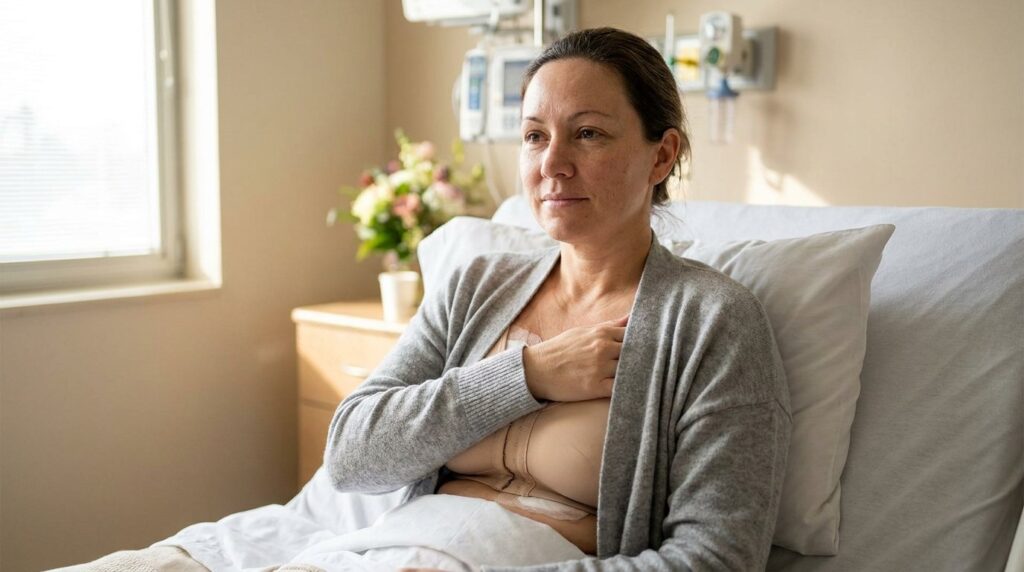
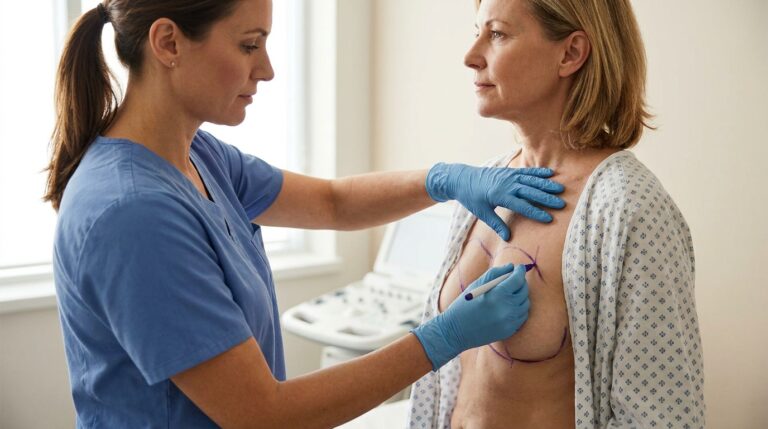
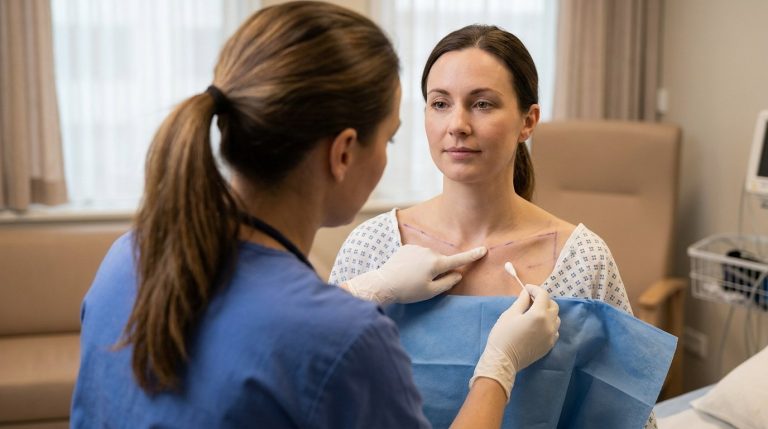
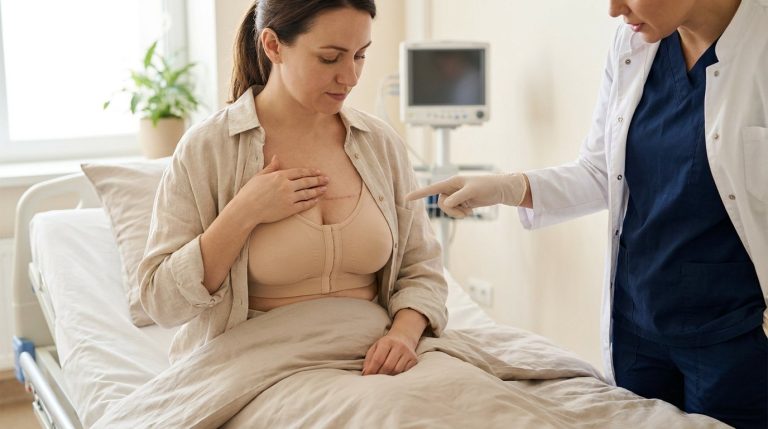
In the first few days, the chest often feels tight, swollen, and heavy. You will usually need a supportive surgical bra, regular pain relief, and help with practical things such as lifting bags, washing your hair, or reaching high shelves. Most surgeons encourage short walks from the start because moving your legs helps lower the risk of blood clots.
By the second week, many people feel more mobile and less sore. That said, this is also a common time to overdo things because you feel better before the wounds are fully strong. If your surgeon has placed drains, they are often removed early, but the timing varies by technique and fluid output.
From weeks three to six, bruising usually fades and everyday life becomes easier. You may still have swelling, pulling, itching, and patchy numbness. According to the NHS, cosmetic breast surgery can involve pain, scarring, bleeding, infection, and healing problems, so it is sensible to think of recovery as a gradual slope rather than a single finish line.
The later stage is about settling, not just healing. Breast shape softens, scars flatten, and sensitivity may improve over months. The American Society of Plastic Surgeons (ASPS) notes that scars from breast reduction are permanent even though they often fade with time.
📋 Recovery has two phases Feeling functional again usually happens before full wound healing and scar maturation. That gap matters when planning travel, exercise, and work.
Most breast reduction patients pass through recovery in stages rather than all at once. The first days are about soreness, swelling, and gentle movement. By a few weeks, daily life is easier. Final settling takes longer, and scars continue to mature for months even after you feel largely back to normal.
What will the first two weeks actually feel like?
This is the phase patients most want described in real life terms. You will probably not be bedridden, but you will also not feel normal. Getting in and out of bed can feel awkward. Reaching up, opening heavy doors, or carrying anything more than a light item may pull on the chest and increase discomfort.
Pain is often strongest in the first days, then becomes more manageable. Some people describe burning, stinging, pressure, or sudden sharp zaps as the nerves wake up. Mild drainage on dressings can be expected early on, but fresh bleeding, a rapidly expanding swollen breast, or worsening rather than improving pain should be reported promptly.
Drains are not used in every breast reduction. If they are used, they can make movement and showering more awkward, and they can affect travel plans. Removal timing depends on the amount of fluid collected, so it is not something you should assume in advance.
Sleep is another practical issue. Many patients rest more comfortably on their back with pillows to keep the upper body slightly raised. Side sleeping may be uncomfortable for a while, and sleeping on your stomach is usually off the table until your surgeon says the tissues can tolerate pressure.

If you are recovering away from home, build in enough time for early checks and dressings. A travel plan that looks efficient on paper can feel exhausting when you are swollen, stiff, and moving slowly.
- ✓Walk around the room and take short gentle walks each day
- ✓Keep dressings dry unless you have been told otherwise
- ✓Wear the support bra exactly as advised
- ✓Avoid lifting, pushing, pulling, or repeated overhead arm movements
The first two weeks are usually the most restrictive part of breast reduction recovery. Expect soreness, tiredness, swelling, and limited upper-body movement. Many people can walk and manage light tasks, but sleeping comfortably, showering, and using their arms freely often take longer than they expect.
When can you return to work, driving, exercise, sex, and swimming?
The timing depends on your job and how smooth your healing is. Desk-based work may be possible sooner than a physical role that involves lifting, reaching, or long hours on your feet. Driving is usually only sensible when you can turn the wheel and perform an emergency stop comfortably, and when you are no longer taking medication that impairs alertness.
Exercise needs more patience than many people expect. Walking is encouraged early, but running, gym work, upper-body training, and anything that bounces the chest generally wait until your surgeon confirms the wounds are strong enough. Going back too soon can increase swelling, pain, and the risk of wound separation.
Sex often returns before formal exercise, but it still needs common sense. Pressure on the chest, vigorous movement, and positions that strain the arms or incisions can be uncomfortable and may irritate healing tissue. If the breasts still feel sore, swollen, or fragile, it is usually too soon.
Swimming deserves a separate warning. Pools, sea water, hot tubs, and baths can be a problem while incisions are not fully sealed. Until the wounds are clearly healed and your surgeon says immersion is safe, stick with showers if you have been cleared to shower.
A simple way to think about it is this: if the activity raises your heart rate a lot, strains the chest, or exposes healing wounds to water or friction, it usually comes later rather than sooner.
⚠️ Do not use comfort alone as your guide It is common to feel better before the skin and deeper tissues are fully healed. Activity that seems fine in the moment can still trigger swelling or wound problems later that day.
Return to normal activities after breast reduction is staggered. Light daily tasks often come first, then desk work and driving if you are comfortable and off strong pain medicines. Exercise, sex, swimming, and heavy lifting usually need longer because the wounds and internal tissues are still vulnerable even when pain is improving.
How long should you stay in Turkey after breast reduction?
If you are travelling for surgery, the key issue is not only the operation itself but the first stretch of recovery. That period is when swelling peaks, dressings may need attention, drains may still be in place, and early healing problems can show up. A rushed return journey can be physically draining and logistically difficult.
Flying introduces another layer. Long periods of sitting after surgery can contribute to venous thromboembolism, which means blood clots in the veins and, in some cases, clots travelling to the lungs. NICE guidance on reducing venous thromboembolism risk in hospital patients supports measures such as early mobilisation and individual risk assessment, which is why travel timing should be personalised rather than guessed.
Many patients ask whether they can fly as soon as they feel well enough. Feeling well is only part of the answer. You also need to consider pain control, dressings, drain status, your ability to move around the airport, how long the flight is, and what follow-up support you will have once home.
If your trip involves breast surgery abroad, ask practical questions before you book: Who checks the wounds before you fly? What happens if a small area opens? Who removes drains if they are still in? How are urgent concerns handled once you are back in your home country? Clear answers matter more than a neat itinerary.
Allows time for early reviews, possible drain management, walking breaks during travel, and a clear handover plan for aftercare at home.
Assumes you will fly home quickly with no changes, no wound issues, and no need for extra checks if healing is slower than expected.
For medical travel, do not plan breast reduction as a quick in-and-out trip. You need enough time for the operation, early monitoring, and at least one follow-up before flying home. If drains, wound concerns, or delayed healing appear, your stay may need to be longer than originally planned.
What can slow down breast reduction recovery?
The biggest reason one person heals faster than another is not motivation. It is biology and surgical detail. Breast size, skin quality, how much tissue was removed, whether a lift was part of the plan, and your circulation all affect healing.
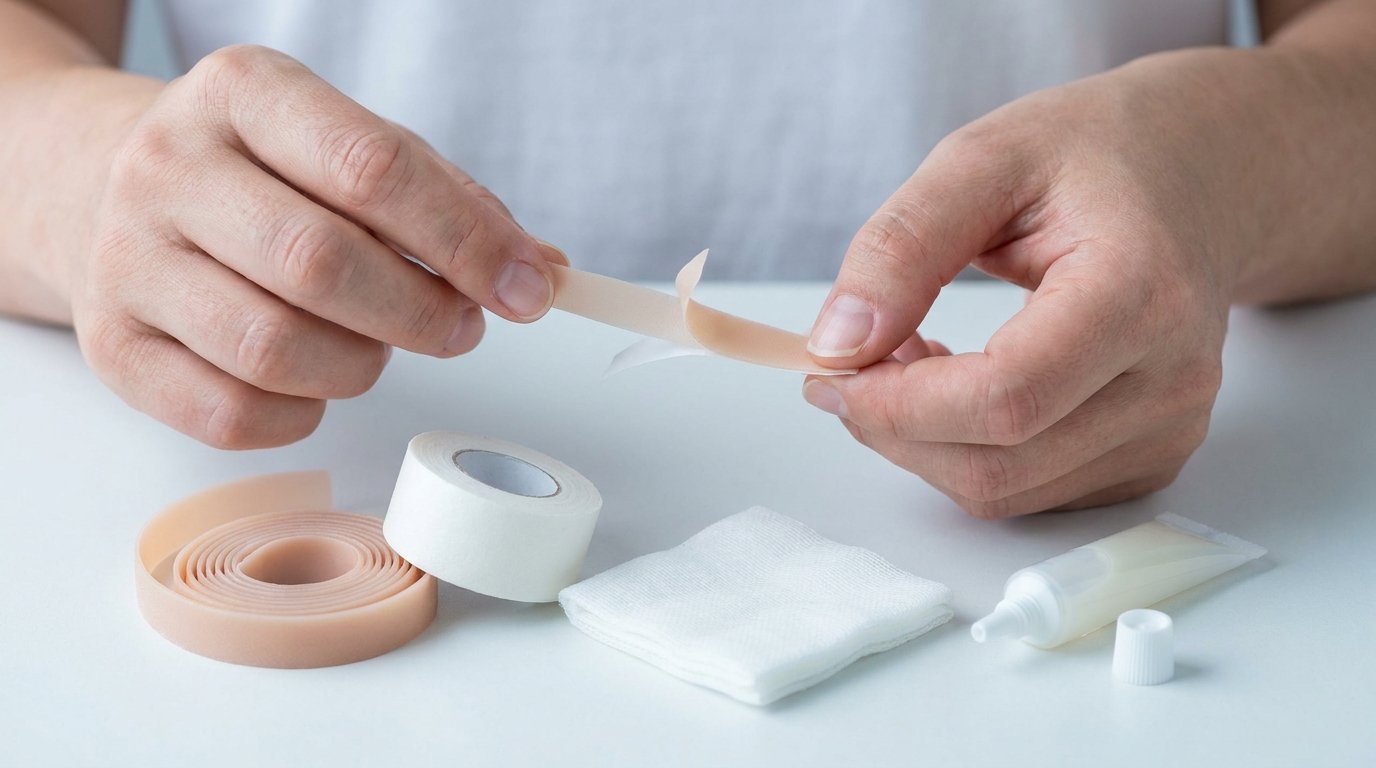
Wound healing problems are especially important in breast reduction because the skin edges are under tension in some areas. Small openings at the incision line can happen even when most of the breast is healing well. These do not always mean a major complication, but they can extend dressing care and delay swimming, exercise, and travel plans.
Smoking is a major concern because nicotine reduces blood flow to healing tissue. That can increase the risk of delayed wound healing and skin problems. Infection, fluid collection, or a collection of blood under the skin can also slow recovery and may need treatment.
Other factors include diabetes, higher clot risk, previous breast surgery, and difficulty resting after the operation. Looking after children, returning to a physical job too soon, or carrying luggage can all push healing in the wrong direction.
Warning signs that need medical advice
Contact your surgical team promptly if you develop fever, spreading redness, bad-smelling discharge, worsening pain after initial improvement, one breast becoming much more swollen than the other, calf pain, sudden shortness of breath, or chest pain. Those last symptoms can be urgent and should not wait for a routine message.
The NHS advises that any cosmetic surgery should be approached carefully because complications can happen and further treatment may sometimes be needed. In recovery, the safest attitude is to report concerns early rather than trying to wait them out.
🚨 Possible blood clot symptoms Calf swelling or pain, sudden breathlessness, and chest pain need urgent medical attention. These are not normal recovery symptoms.
Breast reduction recovery often takes longer when wound healing is slow, swelling is significant, drains stay in longer, or infection develops. Smoking, poorly controlled medical conditions, and doing too much too early can all increase the chance of setbacks, especially around the incision lines where tension is highest.
How can you make recovery smoother and safer?
The most helpful mindset is patience. Patients often focus on the day they can stop feeling sore, but the better target is steady healing with fewer setbacks. That means pacing yourself even when your energy starts to return.
Good aftercare is simple but consistent. Wear the support garment as advised, take short walks, avoid smoking, and keep follow-up appointments. If you are travelling, ask for written instructions covering dressings, showering, scar care, pain relief, and the exact signs that mean you should call for help.
Eating enough protein, staying hydrated, and avoiding unnecessary strain can all help the body repair tissue. Scar care usually starts only after the wounds are closed and your surgeon says it is appropriate. Until then, scar creams and massage are less important than basic wound protection.
If you are still deciding whether surgery is right for you, it helps to read the general information on breast reduction surgery and compare it with recognised guidance from the NHS and ASPS. Recovery planning should be part of the decision, not an afterthought.
- →Prepare loose front-opening clothes for the first days
- →Arrange help for lifting, shopping, and childcare if needed
- →Plan extra travel time and avoid carrying heavy bags
- →Keep all follow-up instructions in writing
You cannot force fast healing, but you can make recovery smoother by protecting the incisions, moving gently, eating and drinking well, and following aftercare exactly. The goal is not to do more; it is to do the right amount, at the right time, without straining fresh surgical wounds.
How do you know if a clinic and surgeon are taking recovery seriously?
Recovery quality often reflects planning quality. A thorough team should ask about smoking, medicines, clot risk, previous surgery, travel plans, and who will help you afterwards. They should also explain scars, wound-healing risks, sensation changes, and what happens if you need extra care once home.
Look for a surgeon with specific experience in breast surgery and a clinic or hospital that can explain how aftercare works in practical terms. That includes who you contact out of hours, whether in-person reviews are scheduled, and how wound problems are handled if they appear after you travel back.
The conversation should feel balanced. According to ASPS and NHS guidance on cosmetic procedures, patients should understand both benefits and risks before going ahead. If a consultation skims over complications or gives you an unrealistically neat timeline, that is not reassuring.
For background on the treating team, patients often review the surgeon information available on a clinic’s doctors page, but the more important step is asking specific recovery questions and checking whether the answers are clear, cautious, and personalised.
A safer breast reduction pathway is not just about the operation. It includes proper assessment, realistic recovery advice, clot-risk planning, clear follow-up, and honest discussion of complications. If recovery is presented as quick, easy, or nearly effortless, that is a sign to ask harder questions.
Frequently Asked Questions
References
- 📎NHS: Cosmetic procedures
- 📎ASPS: Cosmetic Procedures
- 📎PubMed search: breast reduction wound healing complications
- 📎PubMed search: venous thromboembolism risk plastic surgery travel
Related Articles


You Might Also Like


Related articles
Our specialists
 Clineca SpecialistErkan PinegözPlastic & Reconstructive Surgery
 Clineca SpecialistHakan AktaşPlastic & Reconstructive Surgery
 Clineca SpecialistOrkun UzuneyüpoğluPlastic & Reconstructive Surgery
 Clineca SpecialistSalim İskenderPlastic & Reconstructive Surgery
 Clineca SpecialistEngin SelamioğluPlastic & Reconstructive Surgery
 Clineca SpecialistCem AydınPlastic & Reconstructive Surgery
 Clineca SpecialistAlperen ÖnalEar, Nose & Throat (ENT)