In this article
- What patient stories can tell you — and what they can’t
- Three anonymised patient journeys, with the honest trade-off
- Plastic surgery Turkey reviews: what to look for and what to ignore
- Questions to ask a former patient before booking surgery abroad
- Verifying the surgeon and clinic behind the story
- What patient stories reveal about cost — and what they hide
Before most people book surgery abroad, they read other people’s accounts first. Plastic surgery Turkey patient stories are easy to find and strangely hard to use — one person describes the best decision of their life, the next describes a nightmare, and both sound sincere. Learning how to read these accounts, and what to ask the people behind them, is one of the most useful things you can do before you send a deposit.
What patient stories can tell you — and what they can’t
A patient story is strong evidence about process. It tells you how long someone waited for a reply, who met them at the airport, whether a surgeon examined them in person before surgery, how many nights they stayed, what the hospital room was like, and whether anyone answered the phone three weeks later when something felt wrong. These are the parts of medical travel that go wrong most often, and a first-hand account is far more honest about them than a brochure.
What a story cannot tell you is whether the same result is realistic for your face or body. Skin thickness, scarring tendency, previous surgery, breast or nasal anatomy, weight history and age all change what is achievable. Someone else’s before-and-after photo is not a forecast of yours, and nobody can ethically promise you a specific outcome.
So read stories for logistics and aftercare, and treat the aesthetic outcome as person-specific. When you do that, three checks matter more than the rest: can you verify the surgeon and the hospital licence independently, does the story describe genuine follow-up rather than a handover at the airport, and does the account mention anything negative at all?
⚠️ A story with no downside is incomplete Every real recovery includes something uncomfortable — swelling that lasted longer than expected, a numb patch, a night of nausea, a scar that looked angry for months. An account with no trade-off at all is usually edited, incentivised or written by someone in the first fortnight of euphoria.
Three anonymised patient journeys, with the honest trade-off
The three accounts below are anonymised and composite. Identifying details have been changed and similar journeys merged to protect privacy, so they are illustrative rather than individual testimonials — but they reflect the patterns international patients describe most consistently, including the parts people leave out of a five-star review.
Rhinoplasty, 7 nights, UK patient in her late twenties
She sent photos online, had a video consultation, then a face-to-face examination the day before surgery where her breathing was checked as well as the shape of her nose. Surgery, one night in hospital, splint and internal supports removed at the end of the week, then home with a written aftercare plan and a messaging contact for the surgeon’s team.
The honest trade-off: she looked worse before she looked better. Bruising peaked around day three, the tip felt stiff and slightly uneven at three months, and she only stopped noticing daily swelling changes well into the second half of the year. If she had flown home expecting a finished nose at the two-week mark, she would have panicked. Our week-by-week rhinoplasty recovery timeline covers that arc in detail.
Tummy tuck with liposuction, 10 nights, patient after two pregnancies
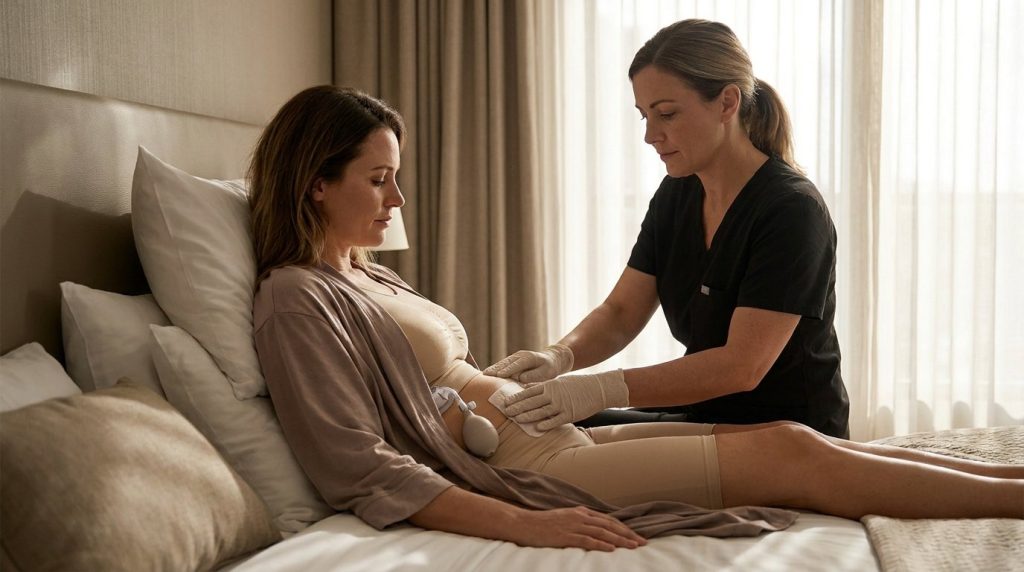
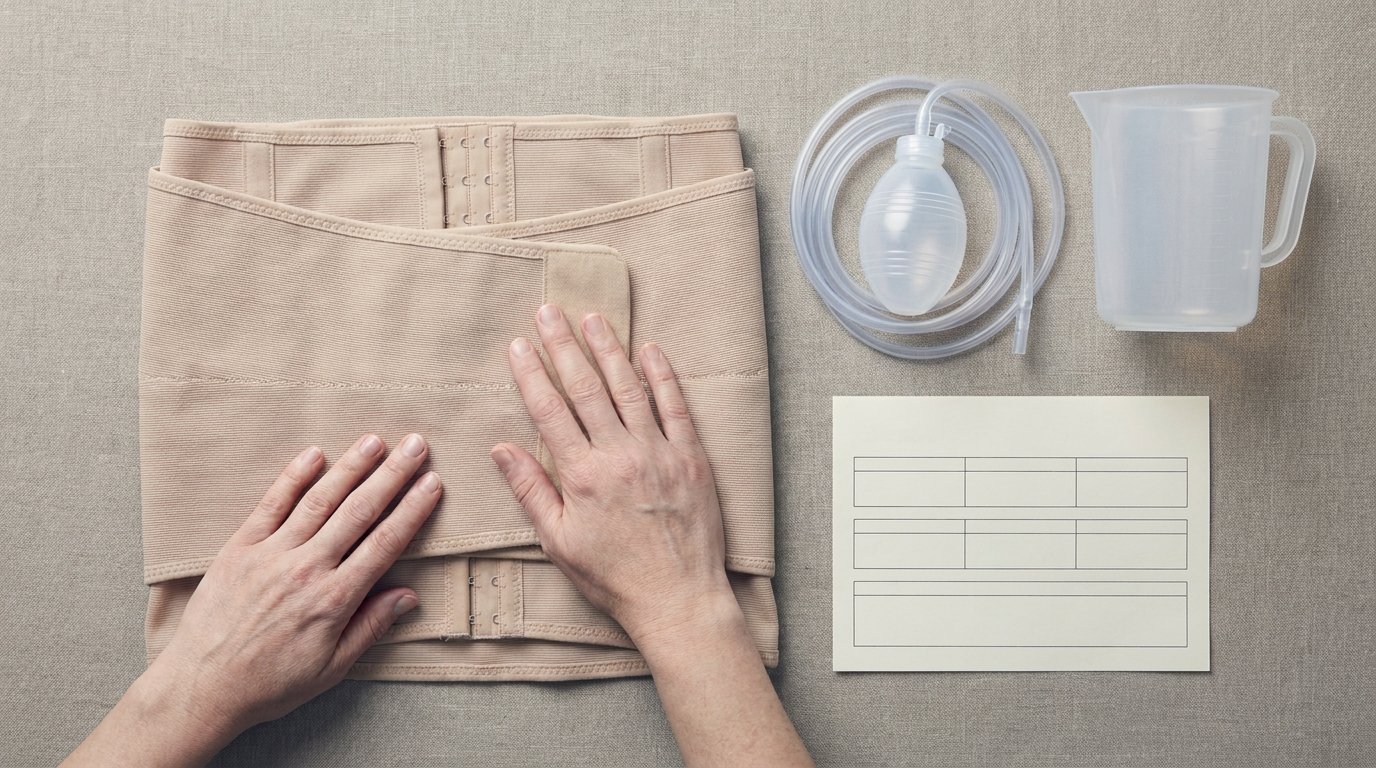
Longer stay, because abdominal surgery needs more supervision. Two nights in hospital, drains managed by nurses, daily walking from the first day, a compression garment worn almost around the clock, and a wound check before she was cleared to fly.
The honest trade-off: she described the first week as genuinely hard — standing up straight was uncomfortable, sleeping was awkward, and she needed help with everyday tasks for longer than she had planned. She also had a numb band above the scar that was still there months later. She would still do it again; she simply wishes she had booked more help at home instead of assuming she would cope alone.
Veneers and crowns, two visits, patient travelling from Germany
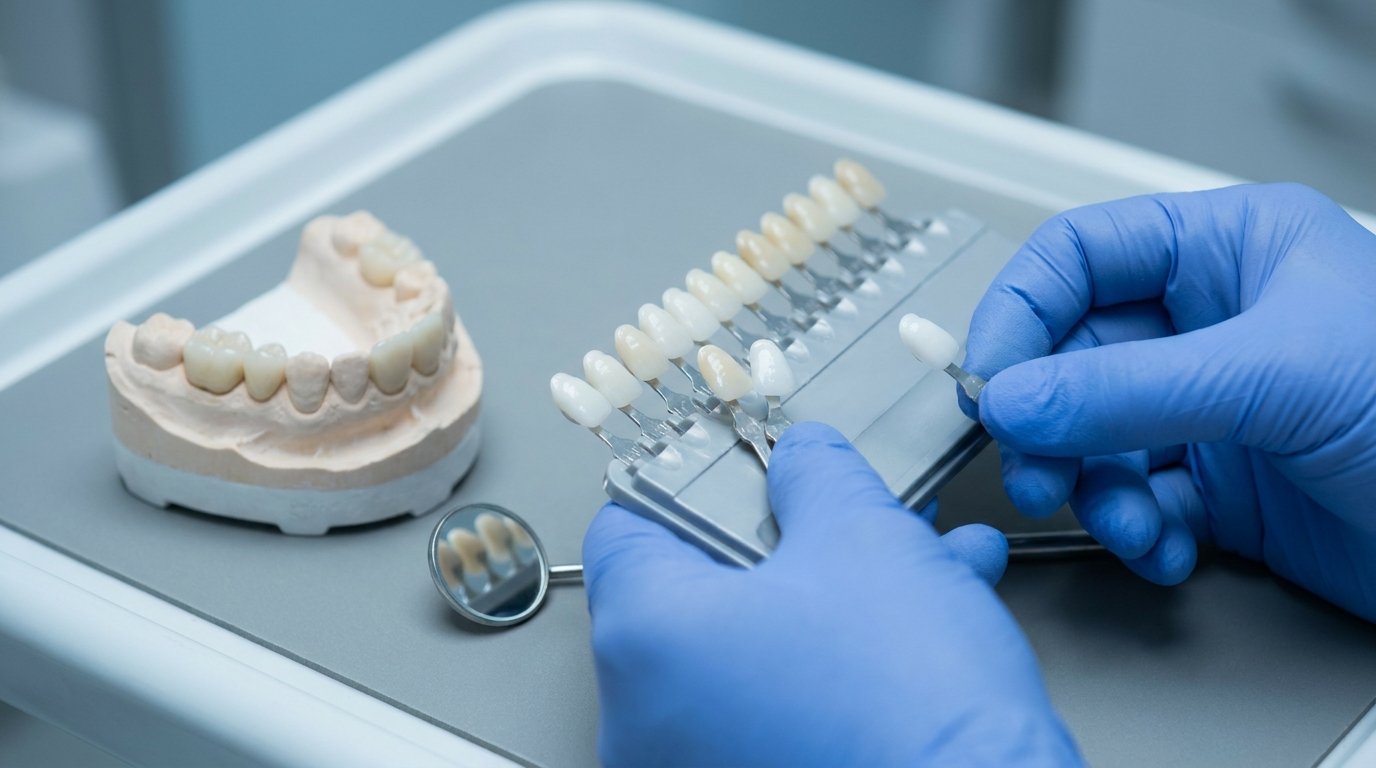
First trip for assessment, preparation and temporary teeth, a gap of a few weeks for the laboratory work and for him to live with the shape, then a second shorter trip for fitting and adjustment.
The honest trade-off: the temporaries felt bulky and one chipped before the second trip, which was stressful at a distance. He also found the first colour mock-up too bright and had to speak up about it. That conversation is exactly why a two-visit plan is often better than a single compressed week — you can see our dental treatment in Turkey guide for how stay length is usually planned.
Plastic surgery Turkey reviews: what to look for and what to ignore
Treat reviews as a dataset rather than a verdict. One glowing review proves little; twenty reviews that all describe the same consultation process, the same named surgeon and the same aftercare routine tell you the clinic has a system. Twenty reviews posted in the same fortnight, in near-identical English, with no procedure detail, tell you something else.
The most useful reviews are boring. They mention dates, stay length, who performed the surgery, what was included, and what happened when there was a problem. The least useful ones talk mainly about the hotel, the transfer car and how lovely everyone was.
Pay particular attention to how a clinic responds to negative feedback. A defensive or dismissive reply pattern is a reasonable predictor of how you will be treated if your own healing takes an unexpected turn.
The reviewer names the operating surgeon, not just a coordinator. They describe an in-person examination before surgery, a written aftercare plan, and contact with the clinic weeks or months later. They mention at least one difficulty and how it was handled.
Reviews clustered in a few days, generic praise with no procedure detail, photos that appear under several different clinic names, accounts that focus on the hotel and transfers, or stories where the surgeon was never met until the morning of surgery.
Private groups surface the complications nobody posts publicly, which is valuable. They also amplify fear and sometimes carry undisclosed referral arrangements, so use them to generate questions rather than conclusions.
Questions to ask a former patient before booking surgery abroad
If a clinic offers to connect you with a past patient, say yes — and come prepared. Skip the question everyone asks (“are you happy?”) and ask about the parts of the journey that cost people money, time or sleep.
- ✓Who actually operated on you, and did you meet that surgeon in person before the day of surgery?
- ✓How many nights did you stay, and would you add nights if you did it again?
- ✓What happened in the first 72 hours — pain, nausea, nursing care, mobility, who checked on you?
- ✓What was in your quote, and what did you end up paying for separately once you arrived?
- ✓Who replied when you had a worry at week three, and how quickly?
- ✓If you needed a revision or a review appointment, what was the clinic’s written policy?
Two follow-ups are worth more than any of these on their own: “what would you do differently?” and “what surprised you?” Those two questions usually produce the only genuinely new information in the conversation.
📋 Ask about the un-posted weeks Most reviews are written in the honeymoon period or in a moment of frustration. Asking specifically about weeks three to twelve — the awkward middle of healing — gives you a far more realistic picture than either extreme.
Verifying the surgeon and clinic behind the story
A convincing story is only as good as the credentials behind it. In Turkey, hospitals and clinics must be licensed by the Ministry of Health, and plastic surgeons hold a recognised national specialty qualification — so ask for the surgeon’s full name and the legal name of the hospital where you would be operated on, then check both rather than relying on a brand logo on a landing page.
Additional signals are useful but not interchangeable with a licence. Membership of international bodies such as ISAPS, or European board certification through EBOPRAS, indicates a surgeon who has engaged with international standards. Patients coming from the UK are used to checking the GMC register, and there is no reason to apply a lower standard abroad: the equivalent question is simply “show me the surgeon’s registration and the hospital’s licence.”
Pre-travel health preparation matters too. A 2023 review in the Indian Journal of Pharmacology on safe world travel underlines how much risk can be reduced by planning before departure rather than reacting on arrival — which, for surgical travel, means disclosing your full medical history and medications early, not at the pre-op desk. If you want a broader view of how risk is actually managed, read our overview of whether plastic surgery in Turkey is safe and our guidance on choosing a surgeon.
🚨 Pressure is a red flag, not a discount Time-limited pricing, deposits requested before any medical history is taken, or a refusal to name the operating surgeon are reasons to stop. No credible clinic needs you to decide today.
- ✓Named surgeon: You know who will hold the scalpel before you pay a deposit, and you can find that person’s registration.
- ✓Licensed facility: Surgery takes place in a Ministry of Health licensed hospital or surgical centre, with anaesthesia provided by an anaesthetist.
- ✓Written aftercare plan: Documentation you can hand to a doctor at home, including implant or material details where relevant.
- ✓Defined revision policy: In writing, before travel — what is covered, for how long, and who pays for flights and accommodation.
What patient stories reveal about cost — and what they hide
Price talk is the least transferable part of any patient story. Quotes are built around your anatomy, the operating time required, whether procedures are combined, the implants or materials used, hospital class, anaesthesia, and how many nights of care you need — so a figure someone quotes from last year, for a different body and a different plan, tells you almost nothing about yours. A personalised price is confirmed only after a proper consultation and medical review.
What stories are useful for is spotting the gaps between a headline quote and the real total. Ask former patients which of the items below were included in writing and which appeared later, then compare that against your own quote. Our breakdown of what an all-inclusive package usually covers is a practical checklist to read alongside the answers you get.
Finally, be wary of stories that frame cost as the whole decision. The cheapest plan is rarely the one with a named board-certified surgeon, a licensed hospital, overnight nursing and a written revision policy — and a revision abroad costs far more in time, travel and stress than the original saving.
This article is for informational purposes only and does not constitute medical advice. Always consult a qualified surgeon for personalised guidance.
Frequently Asked Questions
References
- 📎Travel medicine — A comprehensive guide to safe world travel — Indian Journal of Pharmacology, 2023
- 📎NHS — Cosmetic procedures
- 📎ISAPS — Global statistics
- 📎EBOPRAS — European Board of Plastic, Reconstructive and Aesthetic Surgery
Related Articles



You Might Also Like



Related articles



Our specialists
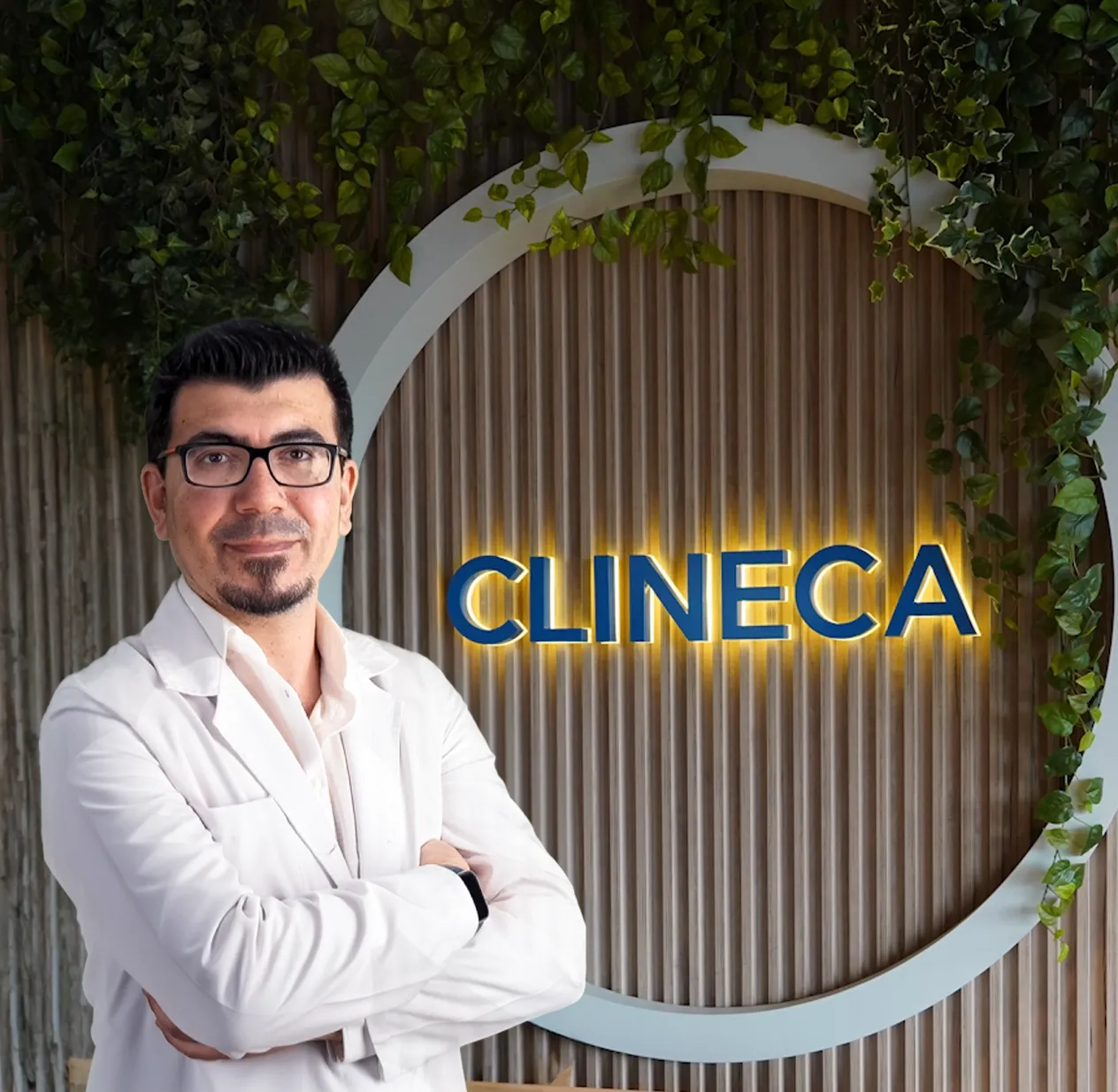 Clineca SpecialistErkan PinegözPlastic & Reconstructive Surgery
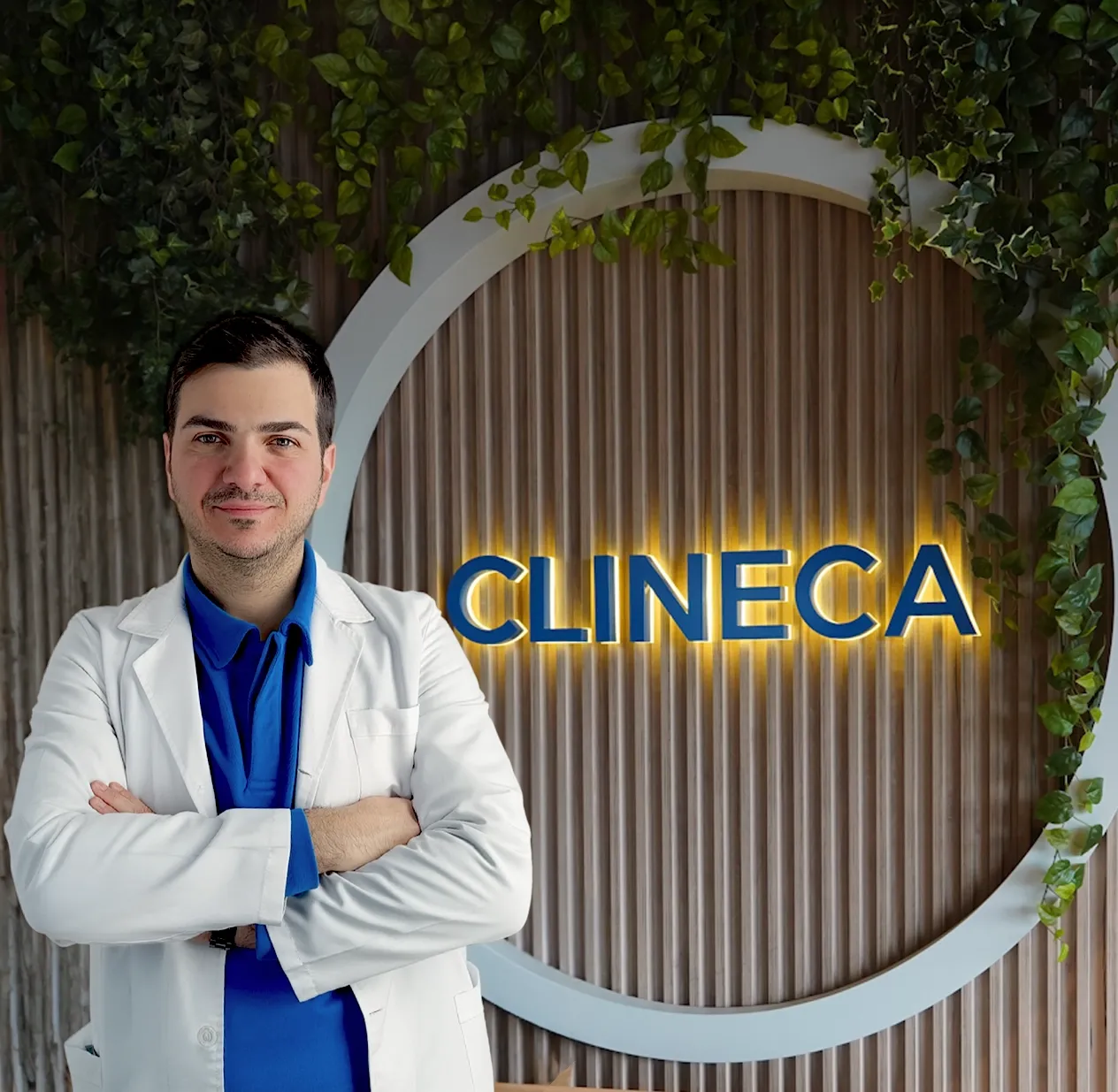 Clineca SpecialistHakan AktaşPlastic & Reconstructive Surgery
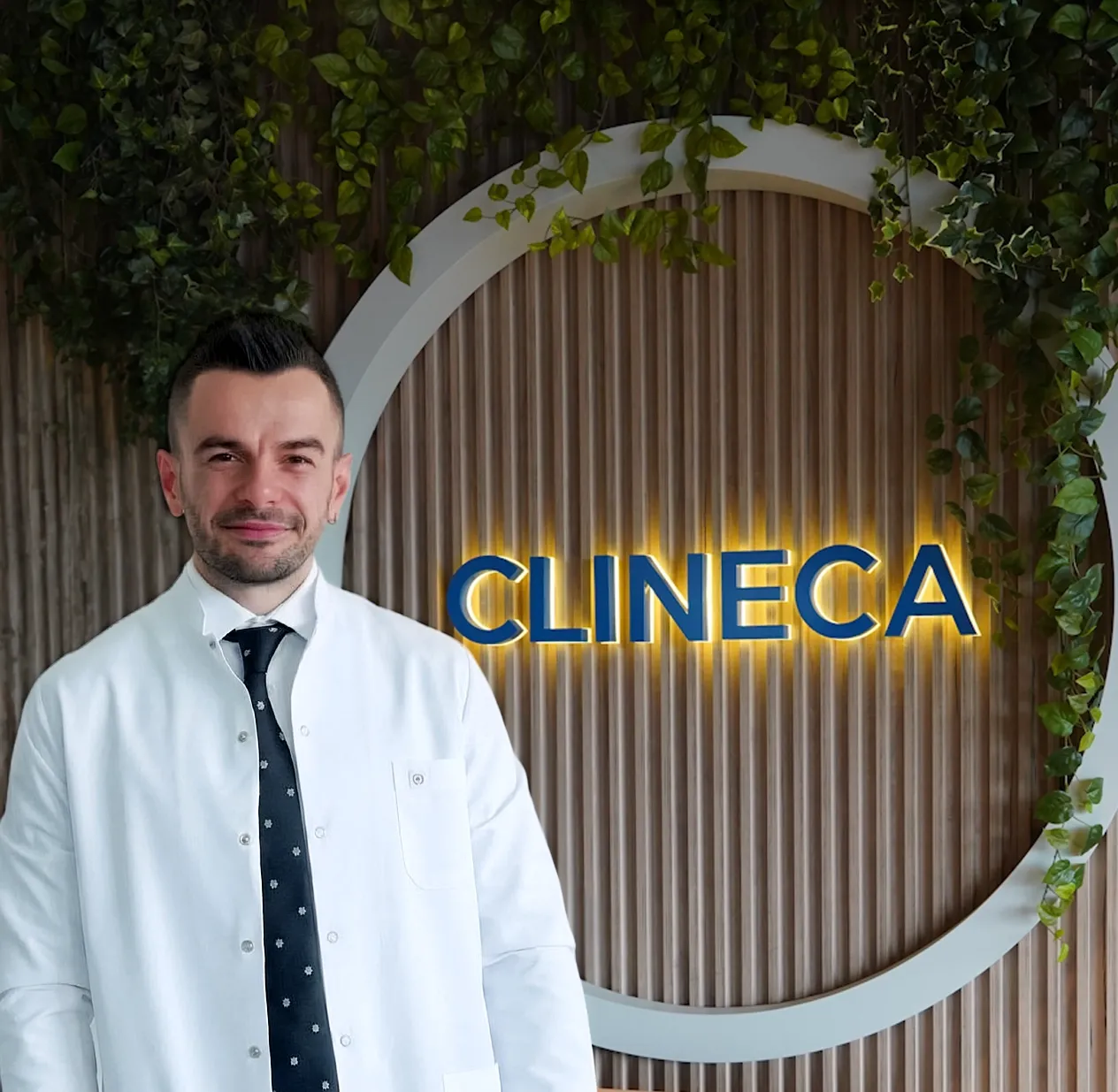 Clineca SpecialistOrkun UzuneyüpoğluPlastic & Reconstructive Surgery
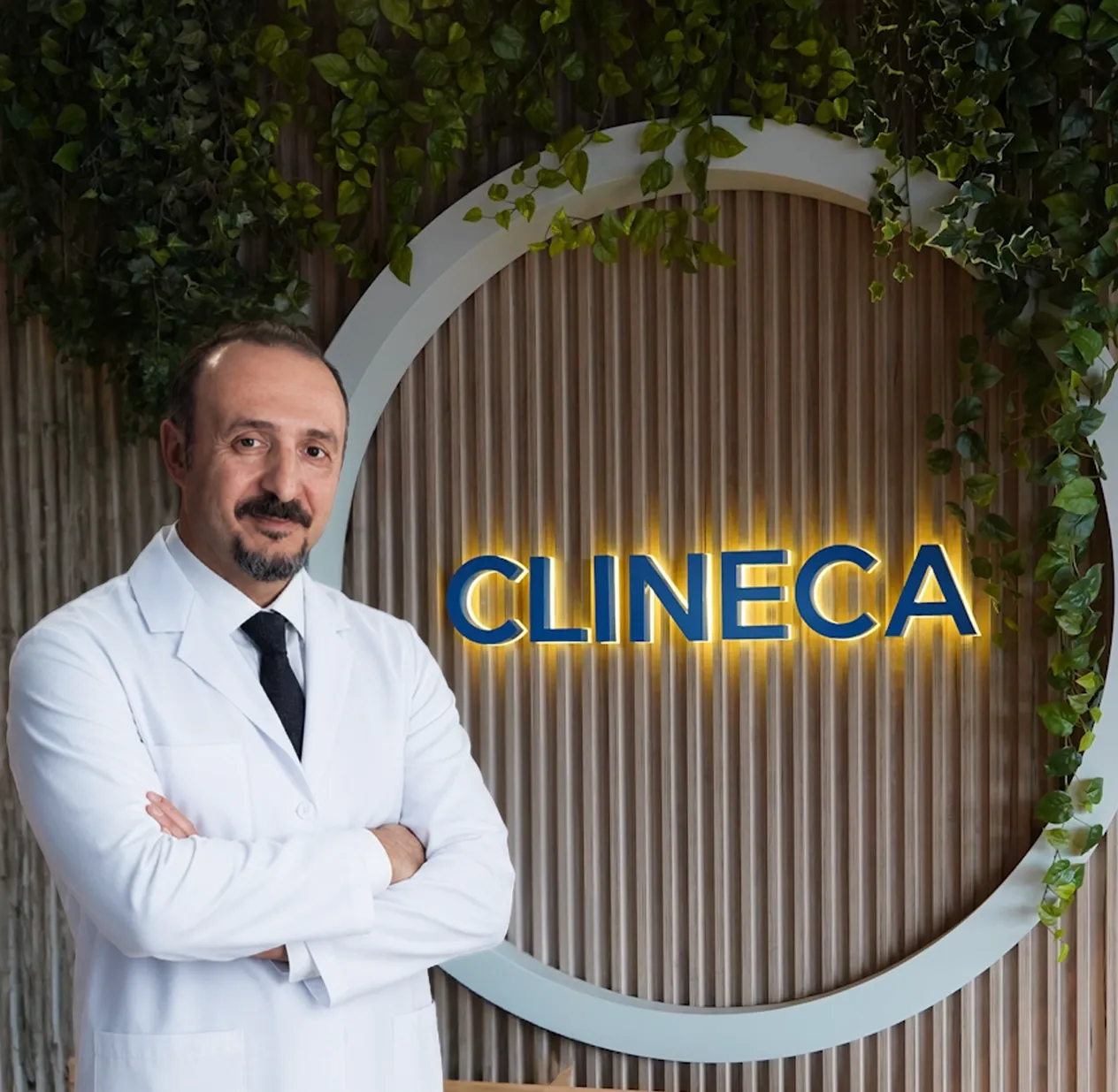 Clineca SpecialistSalim İskenderPlastic & Reconstructive Surgery
 Clineca SpecialistEngin SelamioğluPlastic & Reconstructive Surgery
 Clineca SpecialistCem AydınPlastic & Reconstructive Surgery
 Clineca SpecialistAlperen ÖnalEar, Nose & Throat (ENT)