

Have a question about Canthopexy?
In this article
- What is canthopexy, and how is it different from lower eyelid surgery?
- Who is a good candidate for canthopexy, lower blepharoplasty, or both?
- What changes in appearance can each procedure achieve?
- What is recovery like after canthopexy compared with lower eyelid surgery?
- What are the risks, and when is canthopexy added for safety rather than looks?
- How do cost, travel, and clinic choice work for patients coming to Turkey?
Many patients asking what is the difference between canthopexy and lower eyelid surgery are really trying to solve a more practical question: do I need support for the outer corner of the eye, removal of puffiness and skin, or both? The terms are often used together, which can make consultations confusing. Understanding where they overlap, and where they do not, helps you ask better questions and avoid choosing the wrong operation for the problem you actually have.
What is canthopexy, and how is it different from lower eyelid surgery?
Canthopexy is a procedure that tightens and supports the outer corner of the lower eyelid. That outer corner is called the lateral canthus. In simple terms, canthopexy is mainly about eyelid support and shape, not about removing bags or a lot of extra skin.
Lower eyelid surgery, often called lower blepharoplasty, is different in purpose. It is usually done to improve under-eye bags, loose skin, wrinkles, or puffiness. A surgeon may remove or reposition fat, trim excess skin, and smooth the lower lid area. So when patients compare the two, the simplest distinction is this: canthopexy supports the lid; lower eyelid surgery reshapes the under-eye area.
That said, they are not opposites. They are often combined. A patient with under-eye bags may also have a weak lower lid, rounded eye shape, or a lid that sits slightly away from the eyeball. In that situation, adding canthopexy to lower eyelid surgery may help maintain lid position and reduce the risk of postoperative pulling or drooping.
According to the NHS, cosmetic eyelid surgery carries risks such as visible scarring, asymmetry, and difficulty fully closing the eyes in some cases, which is one reason surgeons assess eyelid support carefully before planning lower lid work. In facial plastic and oculoplastic practice, canthopexy is commonly considered when extra support is needed rather than as a direct substitute for blepharoplasty.
📋 A common point of confusion Canthopexy is not simply a “lighter blepharoplasty.” It addresses support and tension in the lower lid, while lower eyelid surgery focuses more on bags, skin, and contour.
Who is a good candidate for canthopexy, lower blepharoplasty, or both?
The right choice depends less on age and more on your anatomy and your main complaint. If your lower eyelid feels loose, looks rounded, or your outer eye corner has started to droop, canthopexy may be relevant. If your main issue is under-eye bags, crepey skin, or bulging fat pads, lower blepharoplasty is more likely to be part of the plan.
Some patients need both because one problem can affect the other. For example, someone may want their under-eye bags treated, but if the lower lid is weak to begin with, doing skin or fat work without support may increase the chance of a pulled-down lid afterward. In those cases, support work is not an “extra” in the cosmetic sense. It may be part of safer planning.
A proper assessment should include eyelid tone, eye shape, dry-eye symptoms, past eye surgery, contact lens use, and whether the white under the iris shows more than usual. If a surgeon does not examine lid laxity and only talks about removing skin, that is a sign the consultation may be too superficial.
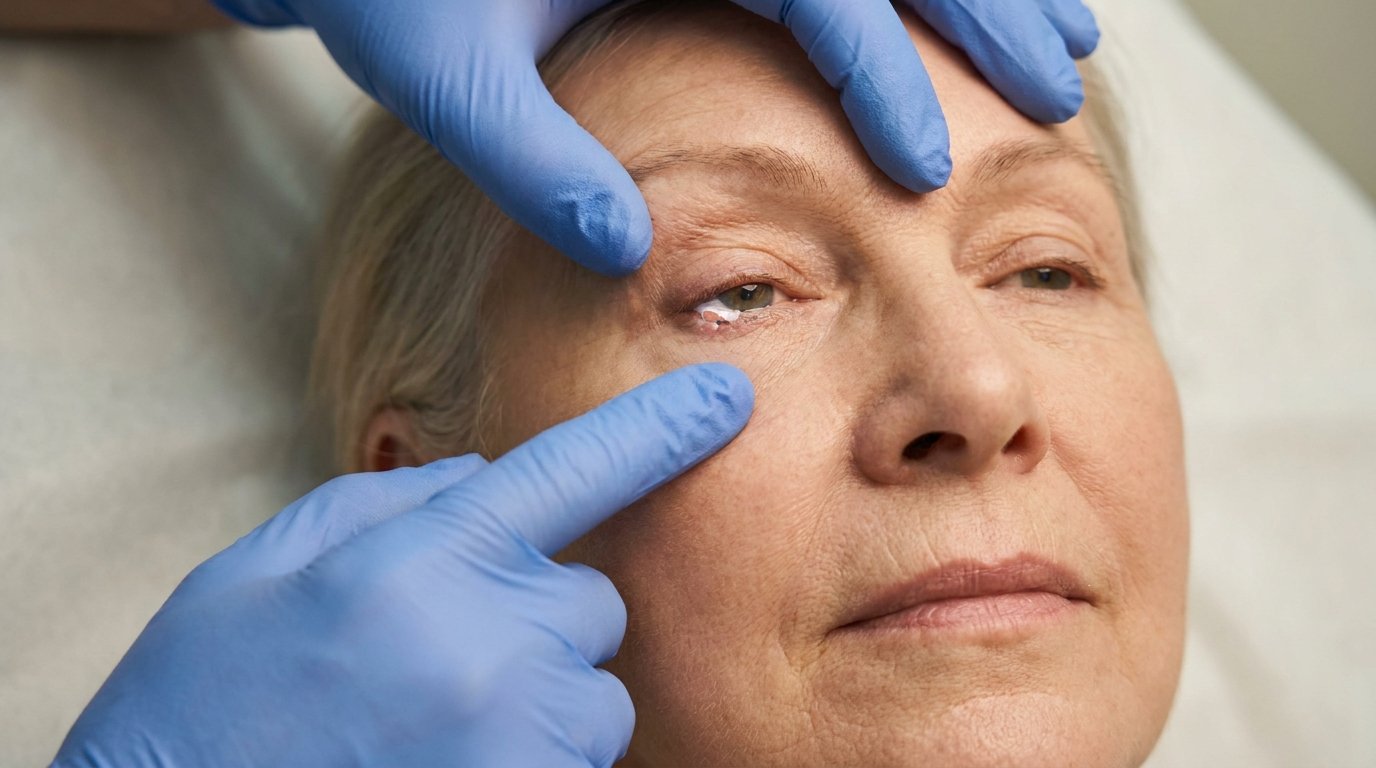
If you are already reading about broader eyelid procedures, a detailed page on eyelid surgery can help you understand how upper and lower lid operations are usually planned together.
Your lower lid is loose, the outer corner sits low, or your surgeon wants to add support during lower eyelid surgery.
Your main concern is under-eye bags, bulging fat, or extra lower-lid skin rather than weak eyelid support.
You have puffiness and skin excess, but also enough lower-lid weakness that support could improve safety and shape.
What changes in appearance can each procedure achieve?
Canthopexy usually creates a subtler change than lower eyelid surgery. Its effect is often seen in the position, firmness, and contour of the outer lower lid. The eye can look less tired or less rounded, but it is not primarily a bag-removal operation. Patients sometimes expect a dramatic change in hollows or puffiness from canthopexy alone and are disappointed when those issues remain.
Lower eyelid surgery tends to make a more visible difference in the under-eye area itself. It can reduce fullness from protruding fat, improve a puffy or heavy look, and in some cases tighten loose skin. But it also has limits. Fine wrinkles, dark circles caused by pigment, and deep tear trough hollows may not fully improve with standard surgery alone.
This is why a good surgeon explains the likely gain in plain terms. Canthopexy can improve support. Lower blepharoplasty can improve bags and skin. Neither should be sold as a cure-all for every under-eye concern.
When shape matters more than bags
Some patients are bothered mainly by the eye looking sad, rounded, or slightly downturned at the outer corner. In that narrower group, support work can matter more than fat removal. On the other hand, if the lower lid position is already good, adding canthopexy when it is not needed may offer little visible benefit.
In published facial aesthetic literature indexed on PubMed, surgeons frequently discuss combining support techniques with blepharoplasty to reduce malposition risk in selected patients. The important phrase there is selected patients. The right plan is not the same for everyone.
What is recovery like after canthopexy compared with lower eyelid surgery?
Recovery is usually easier after isolated canthopexy than after full lower blepharoplasty, but that does not mean there is no downtime. With canthopexy alone, swelling, tightness, and temporary tenderness near the outer corner of the eye are common. The lid can feel firmer than usual at first. Lower eyelid surgery generally brings more bruising and a longer period of visible swelling because more tissue has been adjusted.
Most patients are socially presentable sooner than they feel fully settled. That is especially true around the eyes, where even modest swelling is easy to notice. It can take weeks for the area to look natural and longer still for subtle tightness to fade.
For medical facts about bruising, swelling, and general surgical recovery, major patient guidance from the NHS and Mayo Clinic both stress that healing after cosmetic procedures happens in phases rather than all at once. Early improvement and final results are not the same thing.
For patients travelling to Turkey, the practical question is not only how long the operation takes but how long you should stay before flying home. You need enough time for early checks, dressing or suture review if needed, and an in-person look at how the lids are sitting once the first swelling settles a little. With eye-area surgery, rushing travel plans is rarely wise.
A realistic recovery pattern
The first few days are usually the most inconvenient. Your eyes may feel tight, watery, and swollen, and reading or screen time can be tiring. By the second week, many people look better, but not fully normal. Residual swelling can linger, especially in the morning.
If canthopexy and lower blepharoplasty are done together, expect the recovery to follow the more demanding procedure rather than the easier one. In other words, combining surgeries does not double downtime, but it can make the healing period more noticeable than canthopexy alone.
⚠️ Do not judge the result too early The lower lid can look high, tight, or uneven early on. That can be normal during the first stage of healing, but persistent problems need review.
What are the risks, and when is canthopexy added for safety rather than looks?
This is one of the most important differences. Lower eyelid surgery can sometimes change lid position in an unwanted way if the lower lid is weak before surgery or if too much skin is removed. A support procedure such as canthopexy may be added to help lower that risk. So while patients often think of it as an aesthetic add-on, surgeons may see it as part of protecting function and lid shape.
Possible risks after either procedure can include swelling, asymmetry, dry-eye symptoms, irritation, scarring, under-correction, over-correction, or a lower lid that sits too low. The NHS lists known risks of cosmetic eyelid surgery, and those risks are one reason your eye history matters. If you already have dry eye, watery eyes, thyroid eye disease, or previous eye surgery, planning needs extra care.
The more detailed discussion should include whether the planned operation is a canthopexy or a canthoplasty. These terms are sometimes confused. Canthoplasty is usually a more extensive reshaping of the outer corner, while canthopexy is generally a tightening or suspension technique. Patients do not need to memorise the terminology, but they do need to know exactly what is being proposed.
A careful clinic will also explain red flags after surgery. Worsening pain, a sudden increase in swelling on one side, new vision symptoms, or trouble closing the eye need urgent review rather than reassurance by message alone.
- ✓Ask whether support is being recommended for appearance, for eyelid safety, or for both.
- ✓Ask if you have lower-lid laxity and how the surgeon checked it.
- ✓Ask what signs after surgery would require urgent assessment in person.
- ✓Ask whether your dry-eye history changes the plan.
How do cost, travel, and clinic choice work for patients coming to Turkey?
Cost discussions should start with what is included, not just the quote headline. A personalised price is usually confirmed after consultation and review of your photos or examination. The final figure can vary depending on whether you need canthopexy alone, lower eyelid surgery alone, or a combined plan, as well as the surgeon’s experience, the hospital setting, anaesthesia, tests, medications, aftercare, and whether accommodation or transfers are part of the package.
If you are travelling for treatment, ask for a written breakdown. You want to know whether the quote covers pre-op assessment, the operation itself, postoperative checks, revision policy, and what happens if you need to stay longer than planned. Eye surgery is not the right place for vague answers.
A good clinic-choice process is also more than looking at before-and-after images. For facial surgery, you should verify who the operating surgeon is, what their specialty training is, whether they have experience with eyelid support procedures, and whether the procedure will be done in an appropriate licensed hospital environment. Bodies such as EBOPRAS are relevant because board-level training and standards matter when surgery is being done close to the eye.
If you want to review surgeon profiles and ask case-specific questions before travelling, the safest starting point is an organised consultation through the clinic’s consultation page or by reviewing the operating team on the doctors page.
It is also sensible to ask how long you should stay in Turkey after surgery. There is no honest one-size-fits-all answer, because a patient having isolated canthopexy may recover differently from someone having lower blepharoplasty with more extensive tissue work. The key is to allow time for the first review and not book your return trip so tightly that normal swelling turns into a travel problem.
A clinic gives a fixed quote before understanding your anatomy, avoids discussing lid support, or cannot clearly name the operating surgeon.
The plan explains exactly which problem is being treated, why each step is recommended, and what the early follow-up schedule will be.
Frequently Asked Questions
References
- 📎NHS: Cosmetic procedures
- 📎ASPS: Cosmetic procedures
- 📎EBOPRAS
- 📎PubMed search: lower blepharoplasty canthopexy eyelid malposition
Related Articles



You Might Also Like



Related articles


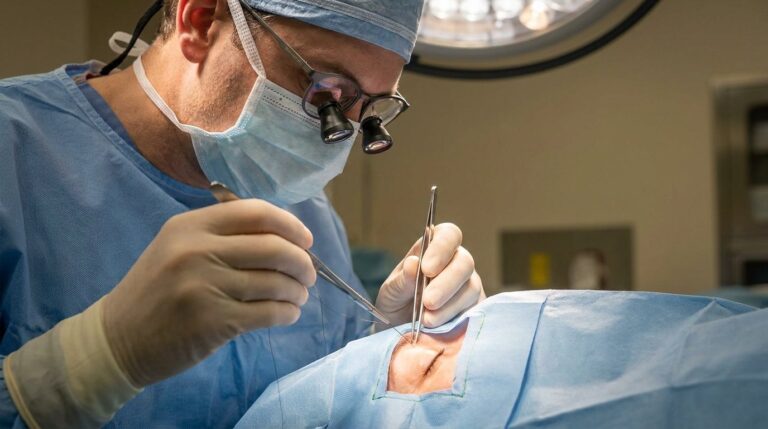
Our specialists
 Clineca SpecialistErkan PinegözPlastic & Reconstructive Surgery
 Clineca SpecialistHakan AktaşPlastic & Reconstructive Surgery
 Clineca SpecialistOrkun UzuneyüpoğluPlastic & Reconstructive Surgery
 Clineca SpecialistSalim İskenderPlastic & Reconstructive Surgery
 Clineca SpecialistEngin SelamioğluPlastic & Reconstructive Surgery
 Clineca SpecialistCem AydınPlastic & Reconstructive Surgery
 Clineca SpecialistAlperen ÖnalEar, Nose & Throat (ENT)