
Have a question about Liposuction?
In this article
- What does lipo 360 actually treat?
- Are you a good candidate, or would a tummy tuck suit you better?
- Vaser, power-assisted or standard liposuction — does the technique matter?
- What drives the cost of lipo 360 in Turkey?
- What should a lipo 360 package in Turkey include?
- How long should you stay in Turkey?
- Lipo 360 recovery week by week
- How safe is lipo 360, and what are the real risks?
- How to choose a clinic and surgeon in Turkey
- How long do lipo 360 results last?
Lipo 360 in Turkey is one of the most searched body-contouring requests we see, and also one of the most misunderstood. The name sounds like a single branded operation, yet it describes a plan — which areas of your trunk get treated in one session, with which technique, and often alongside another procedure. Before you compare quotes or book flights, it helps to know exactly what is being sold, what your skin can realistically do, and how the weeks after surgery actually feel.
What does lipo 360 actually treat?
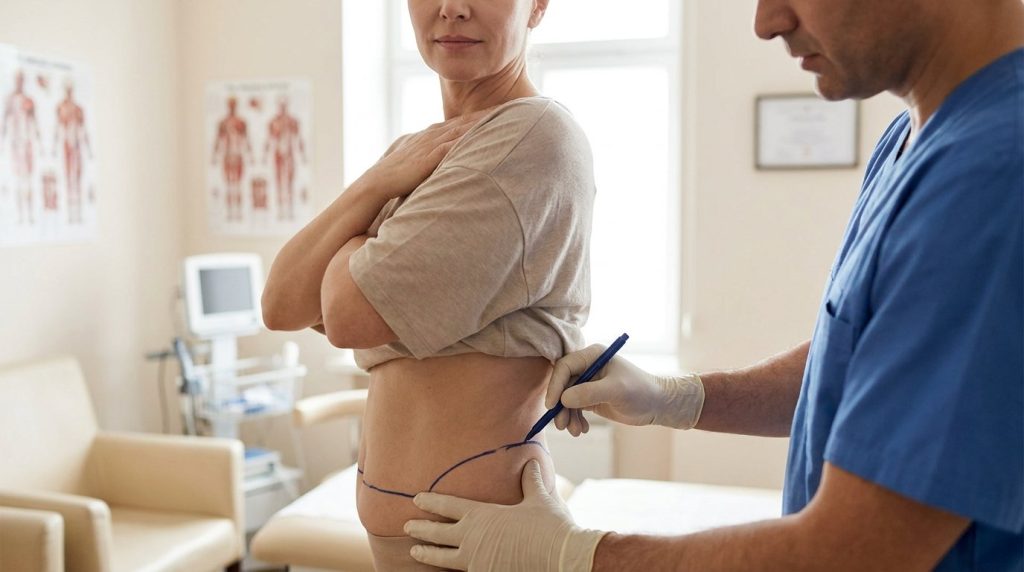
Lipo 360 is liposuction that goes all the way around the trunk rather than treating one isolated patch. A typical plan covers the upper and lower abdomen, the waist, the flanks (the “love handles”), and the lower back — sometimes extending up to the bra-roll area behind the arms. Treating the full circumference is what gives the waist a continuous shape instead of a flat front and an untouched back.
The technique itself is standard liposuction: a numbing fluid is infiltrated under the skin, then fat is loosened and suctioned through small access points, usually a few millimetres wide and hidden in the waistband line, the navel or natural creases. Our wider guide to liposuction in Turkey covers the basics of how the operation is performed and who it suits.
What lipo 360 is not is a weight-loss operation. It removes fat volume from under the skin, not the deeper fat around your organs, and it does not treat a weak or separated abdominal muscle wall. Surgeons generally want you at a stable weight and reasonably close to your long-term target before operating, because the result is a change in shape rather than a change on the scales.
📋 The name is marketing, the plan is medical "360", "full body lipo" and "lipo 360 with waist shaping" are commercial labels, not fixed operations. Ask for the exact list of treated areas in writing, because that list — not the name — determines your price, your operating time and your recovery.
Are you a good candidate, or would a tummy tuck suit you better?
The single biggest predictor of a pleasing lipo 360 result is skin quality. Liposuction removes what is under the skin and relies on that skin shrinking back over the new, smaller shape. If your skin has good elasticity and your excess is mostly fat, the trunk can look noticeably tighter and more defined. If the skin is stretched, crêpey or hangs over the waistband after pregnancy or major weight loss, suction alone can leave it looser than before.
Stretch marks below the navel, a soft bulge that does not change with core training, or a gap between the abdominal muscles after pregnancy all point towards a skin-and-muscle operation rather than fat removal. That is a judgement call for an examination, not an online form — and an honest surgeon will sometimes tell you that liposuction is the wrong tool for the problem you described.
There is also a middle path. Many patients have liposuction of the flanks and back combined with a tummy tuck for the front, so each area gets the treatment it actually needs. If your main interest is visible abdominal definition, our article on 360 lipo with ab etching explains how far detailed sculpting can realistically go.
Stable weight, firm skin with decent bounce-back, stubborn fat around the waist and lower back, no significant muscle separation, and a goal described as "better shape" rather than "smaller size".
Loose hanging skin, post-pregnancy muscle separation or a history of large weight loss usually need skin removal. Liposuction can still treat the flanks and back in the same operation.
Actively losing weight, planning a pregnancy soon, untreated high blood pressure or diabetes, or smoking right up to surgery. Each of these is a reason to delay rather than to push ahead.
Vaser, power-assisted or standard liposuction — does the technique matter?
All modern liposuction starts the same way, with tumescent fluid: a large volume of diluted local anaesthetic and adrenaline injected into the fat layer to reduce bleeding and bruising. What differs is how the fat is broken up before it is suctioned.
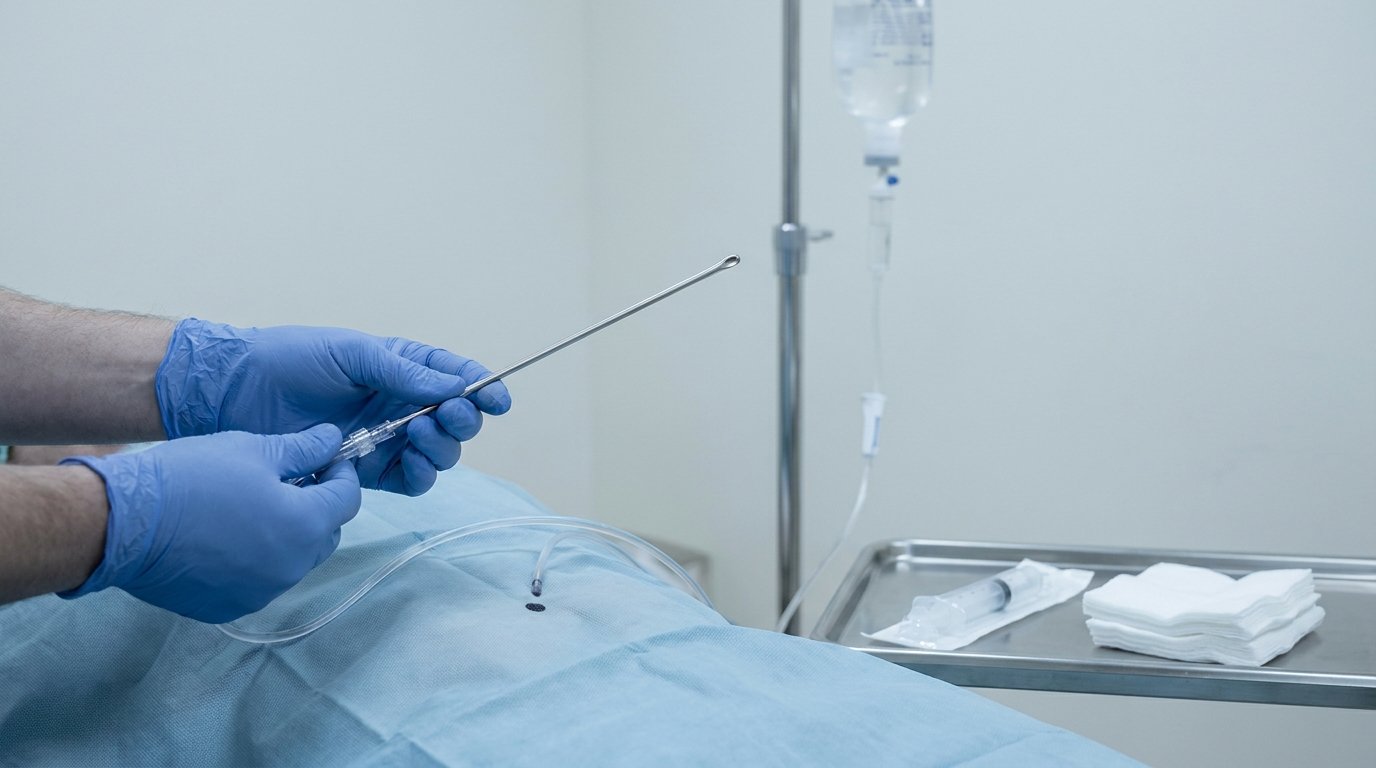
Vaser is ultrasound-assisted liposuction. Sound energy emulsifies fat before removal, which can make fibrous areas such as the male upper back or a previously treated abdomen easier to work through, and it is the technique most often used when a surgeon wants finer, more detailed shaping. Power-assisted liposuction uses a vibrating cannula to do similar work mechanically. Laser-assisted systems use heat instead. Costs differ between them, which is why our Vaser liposuction cost article treats it as a separate quote line.
No technique removes fat your skin cannot cope with, and none of them replaces skin excision when skin is the problem. Energy-based devices also add heat, which brings a small risk of burns or firm patches if used aggressively. The surgeon’s eye and hand matter more than the brand of machine — a point worth remembering when a package is sold mainly on the name of the device.
⚠️ Ask about fat volume, not just areas Removing very large volumes in one sitting raises the risk of fluid shifts and complications, and many surgeons treat around five litres of aspirate as a practical ceiling for a single session in an otherwise healthy outpatient. If your plan needs more than that, it should be staged — not squeezed into one trip.
What drives the cost of lipo 360 in Turkey?
No honest clinic can price lipo 360 from a few photos, because the price follows the operating plan. The number of areas, the technique, the anaesthetic time, the hospital grade and whether anything is combined all move the figure, and a personalised quote is confirmed only after a surgeon has reviewed your photos or examined you.
One thing to know before you compare numbers: a lipo 360 quote is very often a two-procedure quote. Across the liposuction plans we arrange, roughly three in four are booked together with another operation — most commonly a BBL, where the harvested fat is transferred to the buttocks, or a tummy tuck for loose skin. So if you are budgeting from a single “360 liposuction” figure you found online, the plan your surgeon recommends may well be a larger one, and it is worth asking for both versions priced separately so you can see what the addition actually costs.
Quotes also differ in what they contain rather than only in headline value. Some are surgery-only; others bundle hospital, anaesthesia, garment, transfers and hotel. Our breakdown of what an all-inclusive package in Turkey includes is a useful checklist before you compare two offers side by side.
⚠️ Treat a suspiciously low quote as incomplete, not as a bargain The usual explanations are fewer areas than you assumed, sedation instead of general anaesthesia, a day-case facility with no overnight bed, or a fee that rises once you arrive and are examined. Ask what happens to the price if the plan changes on the day.
What should a lipo 360 package in Turkey include?
A well-built package is less about perks and more about continuity of care — who sees you before surgery, who monitors you after it, and who answers when you are back home with a question about swelling. Before you pay a deposit, get the inclusions listed in writing and dated.
- ✓Pre-operative blood tests, ECG where needed and an anaesthetic assessment at the treating hospital
- ✓Surgery with a named plastic surgery specialist, general anaesthesia and at least one monitored overnight stay for a full circumferential plan
- ✓Your first compression garment, dressings and prescribed medication, with a clear note of who pays for a second garment
- ✓In-country follow-up with the surgeon or their team before you fly, plus post-flight contact details for questions once you are home
- ✓Airport, hotel and hospital transfers, and a stated number of hotel nights
Two items are commonly missing and worth asking about directly. The first is lymphatic drainage massage — often recommended after extensive liposuction and sometimes charged per session. The second is the revision policy: what happens if you develop a contour irregularity or a fluid collection months later, who assesses it, and whether any further surgery would be chargeable.
📋 Who signs your consent form? The person who assesses you and the person who operates should be the same named specialist, and you should be able to confirm their registration. Package coordinators can arrange logistics, but surgical planning is a surgeon’s job.
How long should you stay in Turkey?
For lipo 360 alone, plan on roughly seven nights in the country. That usually breaks down as a day for tests and consultation, surgery with an overnight in hospital, several recovery days at the hotel with drains and dressings checked, then a final review before you fly.
If the plan is combined — and for most of our liposuction patients it is — the stay is set by the larger operation, not by the liposuction. Adding a tummy tuck typically pushes it towards ten to fourteen nights because of drains, wound checks and the slower return to standing upright. Adding fat transfer to the buttocks changes how you sit and travel rather than the medical stay itself; our BBL guide covers those restrictions in more detail.
The flight home deserves planning in its own right. Long-haul sitting after any body-contouring surgery raises the risk of blood clots, so most surgeons want you walking regularly from day one, wearing your compression garment, well hydrated, and cleared in person before you travel. Book a flexible ticket if you can. If healing is slower than expected, an extra two or three nights is a far better outcome than flying on schedule against advice.
🚨 Do not fly before you are cleared Seek urgent medical help rather than boarding a plane if you have calf pain or swelling, shortness of breath, chest pain, a fever, worsening redness around the access points or a sudden increase in drainage. These need assessment on the ground.
Lipo 360 recovery week by week
Recovery after circumferential liposuction is more demanding than most people expect, mainly because there is no comfortable position — front, back and sides have all been treated. The first few days are about soreness, heaviness and leaking fluid; the following months are about swelling slowly resolving and the shape emerging.
Expect your silhouette to look worse before it looks better. Swelling peaks within the first week or two, then settles unevenly, and firm lumpy areas under the skin are common as the tissue remodels. Our detailed liposuction swelling timeline walks through what is normal at each stage and which changes deserve a message to your surgeon.
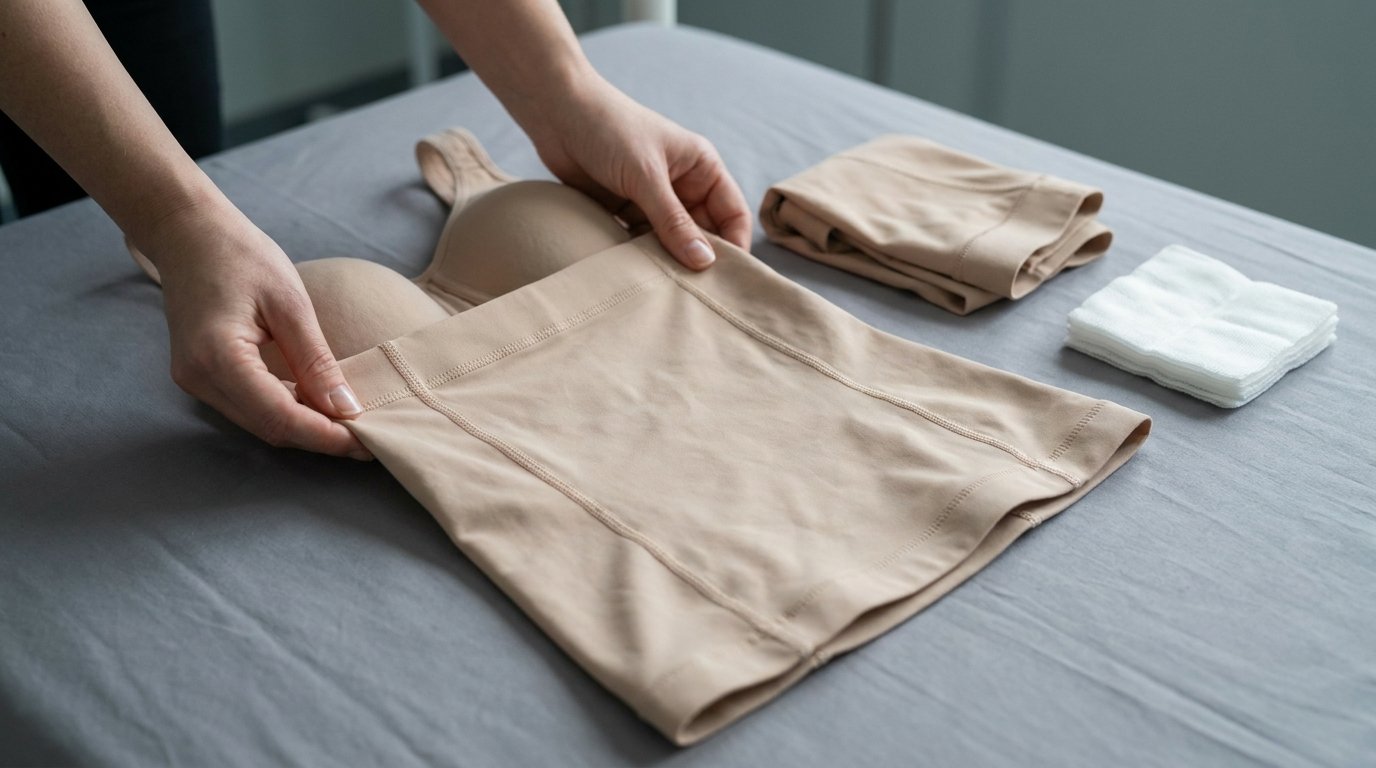
Compression is the part patients most often cut short. Most plans ask for a garment almost continuously for the first few weeks, then for part of the day for several weeks more, and wearing it as instructed genuinely influences how smoothly the skin settles.
How safe is lipo 360, and what are the real risks?
Liposuction is a well-established operation, but a full circumferential plan under general anaesthesia is still major surgery, and treating the whole trunk in one session means more surface area, more fluid shift and more anaesthetic time than a single-area treatment. The honest framing is that it is routinely done safely in properly equipped hospitals — and that the setting and the plan matter as much as the skill.
The risks you should hear discussed at consultation include bleeding and bruising, infection, seroma (a pocket of fluid needing drainage), contour irregularity or asymmetry, lasting numbness, skin discolouration, and blood clots in the legs or lungs. Energy-assisted techniques add a small risk of thermal injury. If fat transfer to the buttocks is part of your plan, the specific risk of fat entering a blood vessel becomes part of the conversation too, which is why injection technique and surgeon experience are so heavily emphasised in that operation.
Risk rises with volume, with anaesthetic time and with the number of procedures stacked into one session. A surgeon who suggests staging an ambitious plan across two trips is managing your safety, not losing interest in your case.
🚨 Combining procedures has a ceiling Lipo 360 plus a tummy tuck plus fat transfer in a single long anaesthetic is not automatically appropriate. Ask how many hours the operation is expected to take, whether the facility has intensive care support, and what would be postponed if the first stage takes longer than planned.
How to choose a clinic and surgeon in Turkey
Turkish private hospitals and clinics must be licensed by the Ministry of Health, and plastic surgery is a recognised specialty with formal training — so the information you need exists. The work is in asking for it rather than accepting a glossy brochure.
Start with the surgeon, not the package. You want a plastic surgery specialist who performs body contouring regularly, who will review your photographs personally before quoting, and who shows you before-and-after results of patients with a similar build and similar skin quality to yours. International recognition such as ISAPS membership or an EBOPRAS qualification is a reasonable extra signal, though it is not a substitute for examining the surgeon’s own body-contouring results.
Then look at the setting and the aftercare. Full circumferential liposuction belongs in a licensed hospital or fully equipped surgical facility with an overnight bed, anaesthetist cover and transfer arrangements if anything goes wrong. And ask what happens on day thirty, when you are home and worried about a hard patch above your hip — a clinic with a real answer to that question is a different proposition from one that stops communicating at the airport.
This article is for informational purposes only and does not constitute medical advice. Always consult a qualified surgeon for personalised guidance.
A named specialist surgeon you can verify, a video or in-person consultation with that surgeon, a written plan listing each treated area, a licensed hospital with overnight monitoring, realistic talk about skin laxity, and a documented follow-up and revision policy.
A price quoted before anyone has seen your photos, pressure to pay a deposit the same day, refusal to name the operating surgeon, guaranteed results or promised measurements, and before-and-after images that cannot be linked to the surgeon who will treat you.
Which areas are included, which technique is planned, how many hours in theatre, how many nights in hospital and hotel, what the garment and massage arrangements are, and who to contact after you fly home.
How long do lipo 360 results last?
Fat cells that are removed do not grow back, so the redistribution of your shape is lasting in that sense. The cells left behind, however, can still enlarge if you gain weight — which tends to show up in untreated areas and can shift your proportions in ways you did not plan for.
That makes weight stability the main variable in how your result ages. Patients who keep within a few kilos of their post-operative weight generally hold their contour well for years. Pregnancy after abdominal liposuction changes the picture again, and skin naturally loses some tone with time regardless of surgery, so a result at fifty will not look identical to the same result at thirty.
It is also normal to assess the final outcome patiently. Minor asymmetries and firm patches frequently improve for six months or more without any intervention, and most surgeons prefer to wait a year before considering touch-up work, by which point far fewer patients want it.
- ✓Keep your weight steady: Significant gain after surgery is the most common reason a good contour stops looking good.
- ✓Finish the compression course: Wearing the garment for the full prescribed period supports how evenly the skin settles.
- ✓Return to training gradually: Build activity back on your surgeon’s timetable rather than by how well you feel in week two.
- ✓Judge the result at six to twelve months: Swelling and firmness resolve slowly; early photographs rarely represent the final shape.
Frequently Asked Questions
References
- 📎American Society of Plastic Surgeons — Cosmetic Procedures
- 📎NHS — Cosmetic Procedures
- 📎ISAPS Global Survey Statistics
Related Articles


You Might Also Like



Related articles


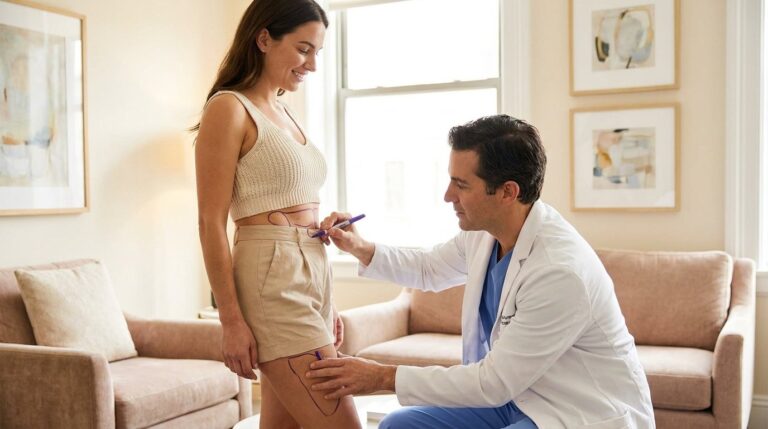
Our specialists
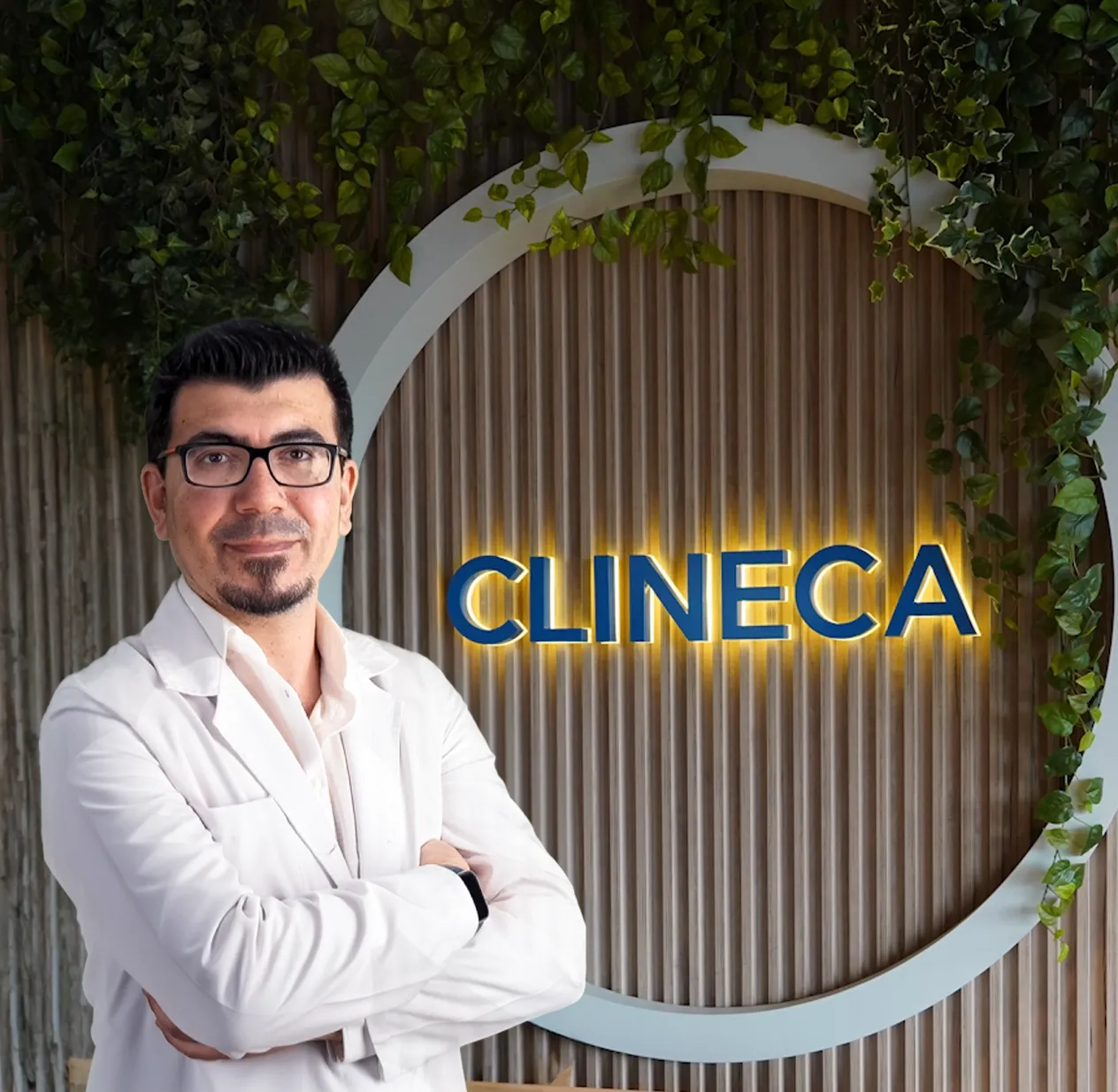 Clineca SpecialistErkan PinegözPlastic & Reconstructive Surgery
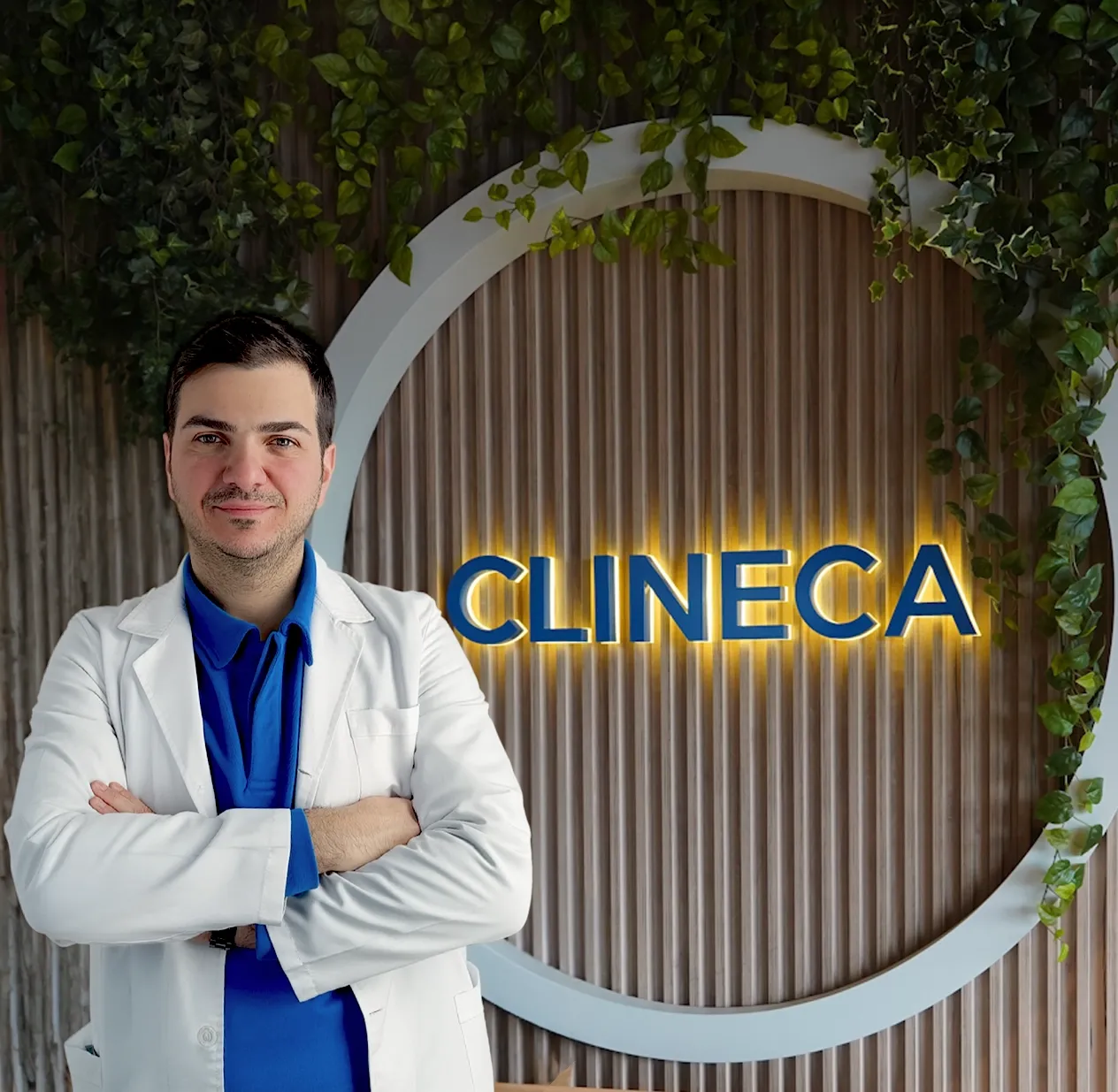 Clineca SpecialistHakan AktaşPlastic & Reconstructive Surgery
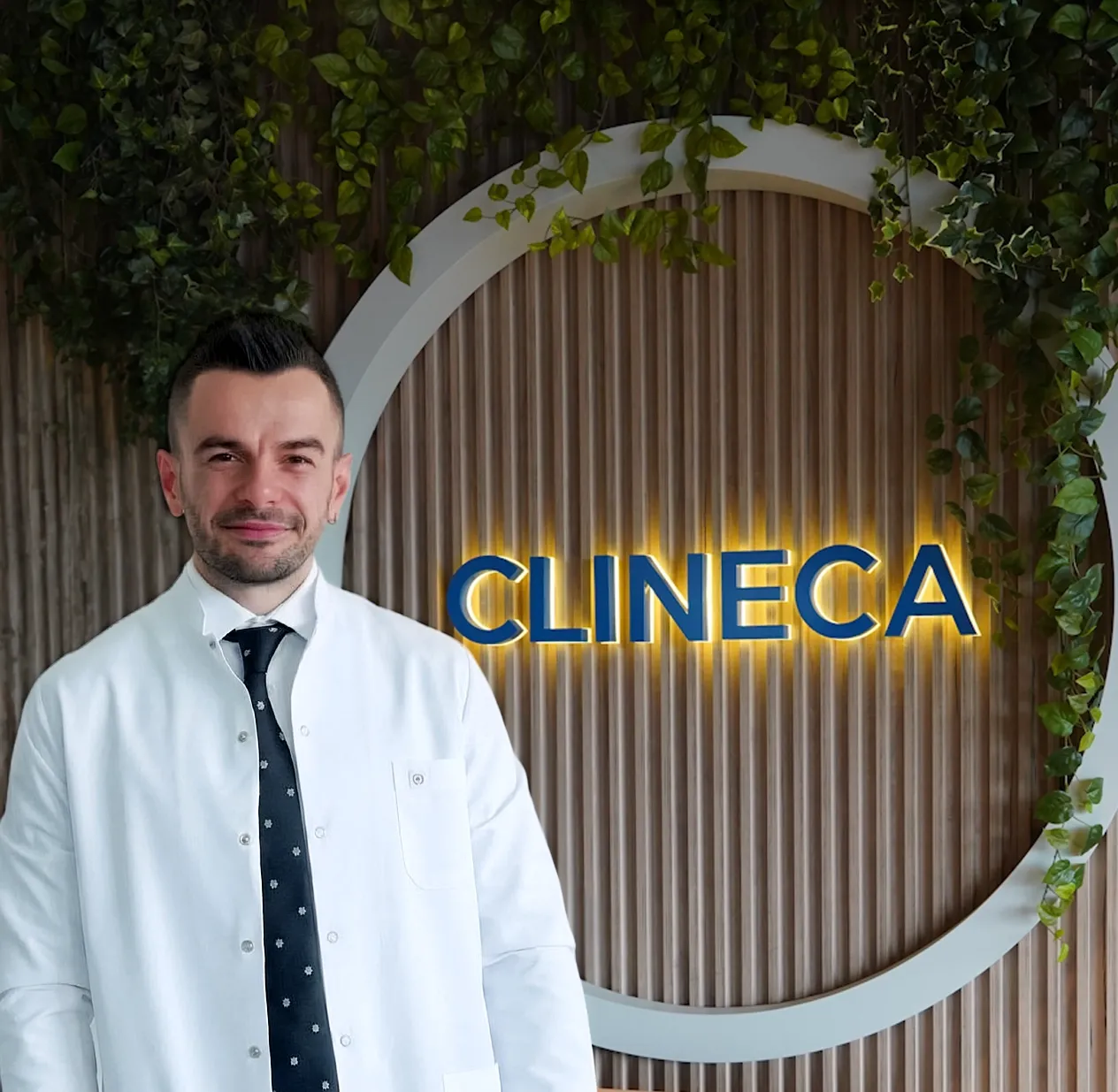 Clineca SpecialistOrkun UzuneyüpoğluPlastic & Reconstructive Surgery
 Clineca SpecialistSalim İskenderPlastic & Reconstructive Surgery
 Clineca SpecialistEngin SelamioğluPlastic & Reconstructive Surgery
 Clineca SpecialistCem AydınPlastic & Reconstructive Surgery
 Clineca SpecialistAlperen ÖnalEar, Nose & Throat (ENT)