
Have a question about Liposuction?
In this article
- How lipedema liposuction is planned: sessions, zones and how long to stay
- Why lipedema liposuction is not the same operation as cosmetic liposuction
- What drives the cost of lipedema surgery in Turkey
- Recovery after lipedema liposuction, week by week
- Choosing a clinic and surgeon for lipedema treatment
- Realistic expectations: what changes and what stays
Lipedema liposuction in Turkey is one of the few treatments that can reduce the heavy, tender, disproportionate fat that diet and exercise never seem to touch. But the planning behind it looks very different from a cosmetic contouring operation, and most people only discover that once they start collecting quotes. Below is how the treatment is usually staged, what the trip looks like in practice, and the honest trade-offs worth knowing before you book anything.
How lipedema liposuction is planned: sessions, zones and how long to stay
Lipedema is rarely treated in a single operation. Because the affected fat is spread over large areas — hips, thighs, calves, sometimes the upper arms — surgeons work through it in staged sessions, each covering a defined set of zones, with weeks or months between them. A typical trip for one session runs around seven to ten days in Turkey, and quotes are built per session and per zone rather than as one flat “lipedema package”. That is the part most people need to understand before comparing clinics.
How many sessions you need depends on how widely the condition is distributed and how much tissue can be removed safely in one anaesthetic. There is a sensible ceiling on volume per operation, and a surgeon who promises to clear everything in one go is prioritising your travel budget over your safety. Two to four sessions is a common plan; some patients with milder, localised disease manage with one.
Spacing matters too. Most surgeons want at least six to twelve weeks between sessions so that swelling settles, the lymphatic system recovers and they can judge the result before planning the next area. For international patients that usually means separate trips rather than one long stay, which is worth factoring into both time off work and total travel cost.
A typical staged plan
The table below shows how a multi-session plan is often sequenced. It is an illustration, not a prescription — your surgeon decides the order based on where your symptoms are worst.
📋 Why the stay is longer than for cosmetic lipo Leg-focused liposuction produces more swelling and more fluid leakage in the first days, and you need at least one post-op review plus a fitted compression garment check before flying. Clinics that discharge lipedema patients after two or three days are cutting the part that protects you.
Why lipedema liposuction is not the same operation as cosmetic liposuction
Lipedema is a chronic fat disorder, not a cosmetic complaint. A 2021 review in Dermatologic Therapy describes it as a painful condition with symmetrical swelling of the limbs that spares the hands and feet, and notes that patients commonly live with tenderness, easy bruising and pain alongside the change in shape. That pain is usually the reason people seek surgery, and it is the main thing a good plan is designed to reduce.
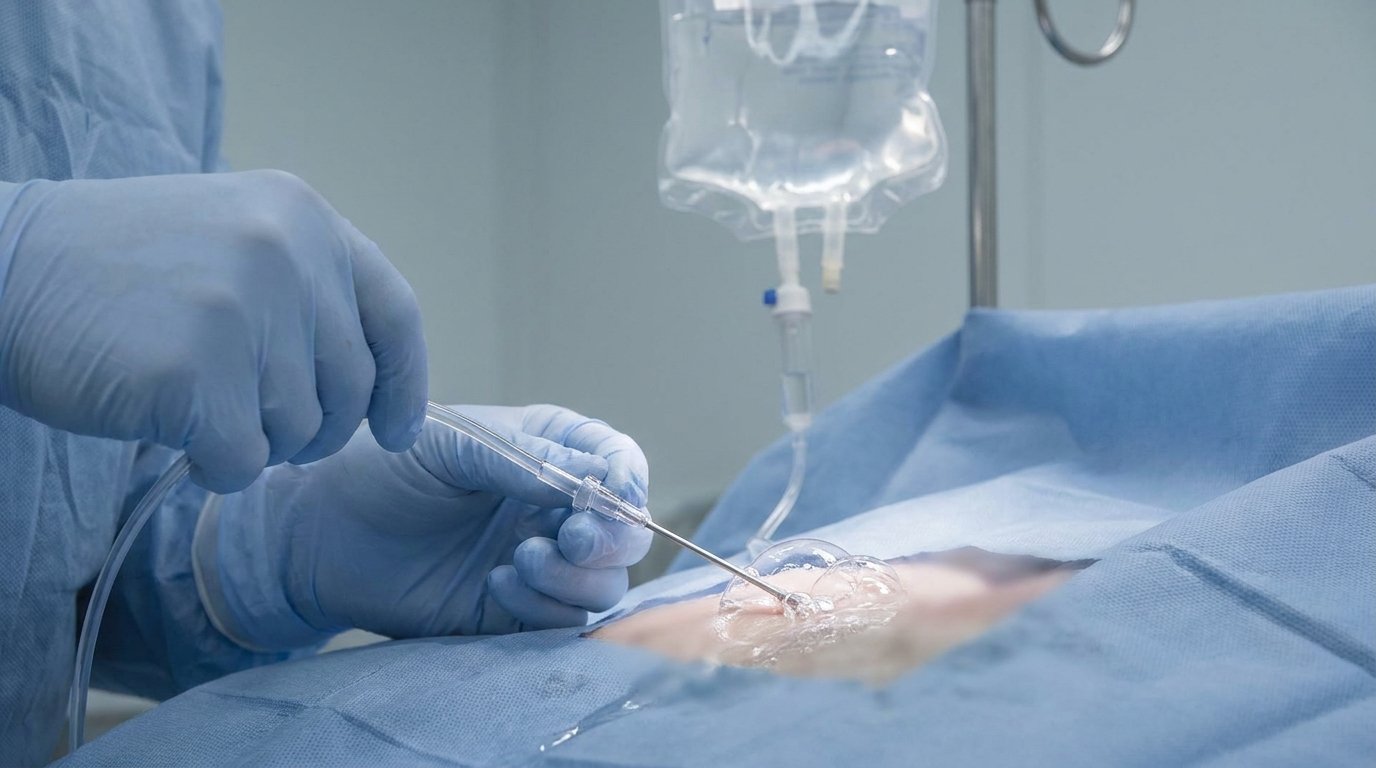
The technique reflects that. Surgeons treating lipedema generally use large volumes of local anaesthetic fluid in the tissue — tumescent technique — with water-assisted or power-assisted cannulas that loosen fat with less trauma to surrounding structures. The goal is to protect the lymphatic channels running through the fat layer, because damaging them can worsen swelling rather than relieve it. Aggressive, purely aesthetic sculpting of a lipedema leg is the wrong approach.
It also helps to be clear about what surgery does and does not change. Removing affected fat can reduce volume, pain and the friction of thighs rubbing together, and many patients report easier movement. It does not cure the condition, it does not treat obesity, and it does not remove the need for conservative care — compression garments, skin care, exercise and lymphatic massage usually remain part of life afterwards. If you have not yet had conservative treatment, most surgeons will want that tried and documented first.
If you want the general picture of how the operation itself is performed, our overview of liposuction in Turkey covers the technique and anaesthesia side in more detail.
⚠️ Lipedema versus lymphoedema The two conditions can overlap, and the treatment plan differs. Fat-only lipedema responds well to staged liposuction; significant lymphoedema needs lymphatic assessment and management before anyone operates. A clinic that does not ask about swelling in your hands and feet, or about pitting oedema, has not assessed you properly.
What drives the cost of lipedema surgery in Turkey
There is no single price for lipedema treatment, because you are not buying one operation. Quotes are normally built around the number of zones treated in a session, the volume expected, the technique used, the anaesthesia and hospital time, and the number of nights of inpatient care. Add the sessions together and you get the real figure — which is why a headline price for “liposuction” tells you very little.
This is also where comparing yourself to cosmetic liposuction quotes goes wrong. Around 76% of our liposuction patients are having it as part of a wider plan, most often with a Brazilian butt lift or a tummy tuck, so the prices circulating online usually describe a combined contouring operation on the abdomen and flanks. Lipedema treatment is costed differently — staged leg sessions, one area at a time — so ask for a written per-session quote with the zones named, and plan your budget across the whole course rather than the first trip.
A complete quote should make clear what is included and what is not. Compression garments, the second and third sessions, and any lymphatic drainage sessions are frequently priced separately, and the surgeon can only confirm your personalised price after reviewing photographs and examining you in consultation.
- ✓Ask per session: Request a quote for each planned session separately, with the zones listed.
- ✓Ask what happens if more is needed: Clarify how an additional session would be priced.
- ✓Ask about garments: Confirm how many garments are supplied and who fits them.
- ✓Ask about readmission: Check who covers care if you need to stay longer than planned.
Recovery after lipedema liposuction, week by week
Recovery from leg-focused liposuction is more demanding than most people expect, mainly because the legs swell more and are harder to rest. The first two or three days involve noticeable soreness, fluid leaking through the small incisions, and a strong urge to stay still — which is exactly what you should not do. Short, frequent walks from the first day lower the risk of clots and help fluid move.
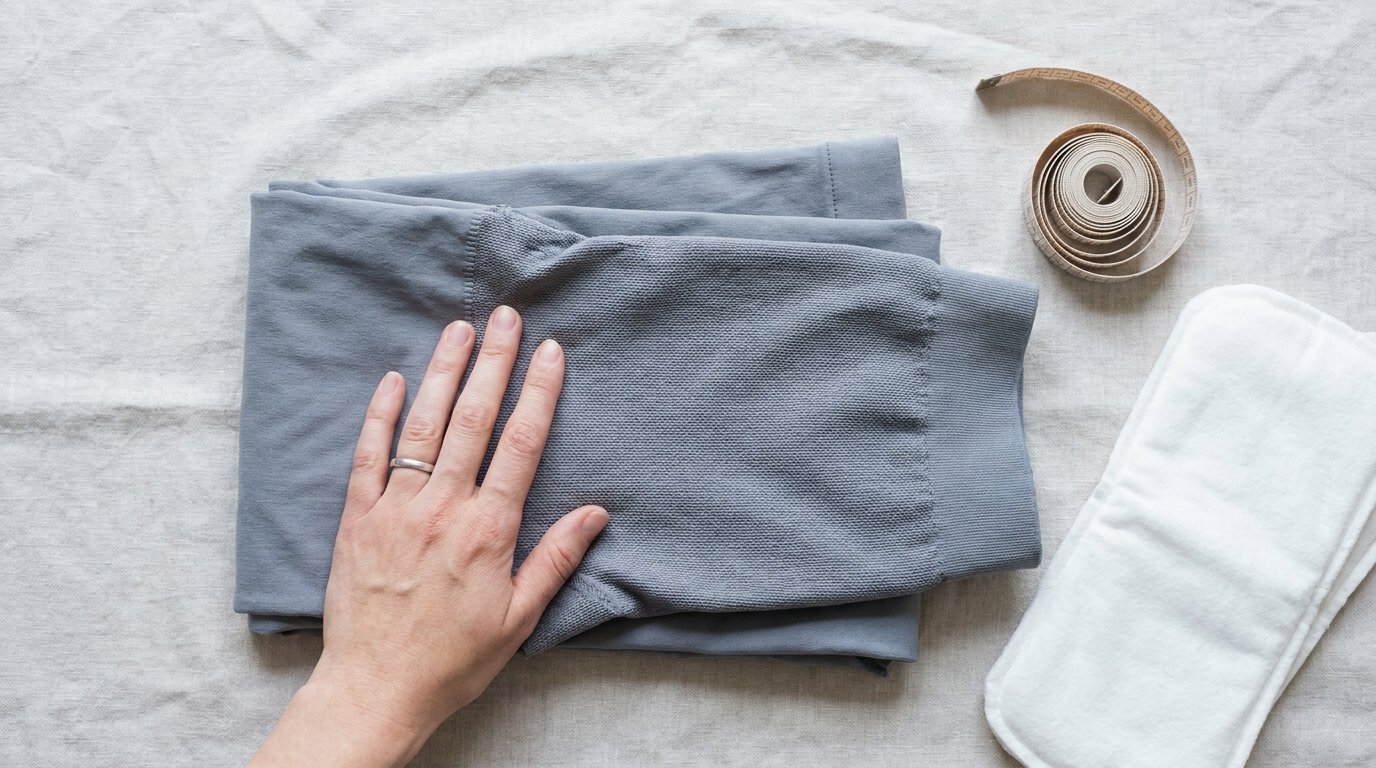
Compression is the backbone of the whole recovery. Garments are usually worn almost continuously for the first few weeks and then for part of the day for months, and many lipedema patients continue with compression long term as part of managing the condition. Manual lymphatic drainage, started once your surgeon approves it, genuinely helps the swelling settle faster.
Swelling follows a slow curve. You will see a change in shape early, lose it again as fluid builds in weeks two and three, and then watch it return gradually. Our guide to liposuction swelling week by week tracks that pattern closely, and the legs tend to sit at the slower end of it.
🚨 When to contact a doctor immediately Calf pain on one side only, breathlessness, chest pain, fever, spreading redness or a sudden increase in swelling in one leg all need urgent assessment — wherever you are in the world. Long flights raise clot risk, so never fly before your surgeon clears you.
Choosing a clinic and surgeon for lipedema treatment
Lipedema is a medical condition, and the people who treat it well tend to behave like clinicians rather than salespeople. The single best filter is the consultation itself: a surgeon who examines your legs, asks how long you have had symptoms, asks about pain and bruising, and talks about staging is working from a diagnosis. One who quotes a price from two photographs and promises everything in one operation is not.
Ask directly how many lipedema cases the surgeon treats, which technique they use for the lower legs, and how they handle the lymphatic side of things. Ask to see results from patients at a similar stage, photographed at the same distance and angle. It is also fair to ask who looks after you if a complication appears after you fly home, and whether the clinic will communicate with your own doctor. For the wider safety picture of operating abroad, see our piece on whether plastic surgery in Turkey is safe, and plan the practical side with our guide to aftercare, hotels and flying home.
The surgeon stages your treatment, documents your conservative care, uses lymph-sparing technique, provides fitted medical compression, and gives you a written follow-up pathway for when you are home.
A one-session promise for widespread lipedema, no examination before a firm price, no mention of compression or drainage, pressure to decide within a day, or a discharge plan that has you flying within 48 hours.
Compression therapy, manual lymphatic drainage, physiotherapy and weight stability do not remove lipedema fat, but they reduce symptoms, and most surgeons expect them to continue after surgery as part of long-term management.
Realistic expectations: what changes and what stays
The most common thing patients tell us they wanted back was comfort — being able to walk further, wear normal trousers, and not flinch when someone bumps into a thigh. Volume reduction and shape improvement follow, but they arrive slowly and over several sessions, and the legs will still look like legs that have had lipedema rather than legs that never did.
Some things do not disappear with surgery. The condition is lifelong, weight gain can affect the remaining fat, and compression usually stays part of the routine. Skin quality matters too: if a lot of volume is removed from a thigh, some loose skin can remain, and that is a separate conversation about whether a lift would ever be appropriate.
It also helps to think of the whole course as a project spread over a year or more, not a holiday with a result at the end of it. Planning the trips, the recovery windows and the compression properly is what makes the difference between a treatment that helps and one that frustrates you.
This article is for informational purposes only and does not constitute medical advice. Always consult a qualified surgeon for personalised guidance.
Frequently Asked Questions
References
- 📎Cause and management of lipedema-associated pain — Dermatologic Therapy, 2021
- 📎NHS — Cosmetic procedures
- 📎ASPS — Cosmetic procedures
Related Articles


You Might Also Like


Related articles
Our specialists
 Clineca SpecialistErkan PinegözPlastic & Reconstructive Surgery
 Clineca SpecialistHakan AktaşPlastic & Reconstructive Surgery
 Clineca SpecialistOrkun UzuneyüpoğluPlastic & Reconstructive Surgery
 Clineca SpecialistSalim İskenderPlastic & Reconstructive Surgery
 Clineca SpecialistEngin SelamioğluPlastic & Reconstructive Surgery
 Clineca SpecialistCem AydınPlastic & Reconstructive Surgery
 Clineca SpecialistAlperen ÖnalEar, Nose & Throat (ENT)