
Have a question about Rhinoplasty?
In this article
- Why a surgeon looks at your chin before planning your nose
- Can rhinoplasty and chin augmentation be done in one operation?
- Implant, sliding genioplasty or grafts — which chin method fits?
- What recovery looks like when both are done together
- Safety: who this combination suits and who should wait
- Cost, what a combined quote includes and how long to stay
- Choosing a surgeon for a combined profile plan
A nose never looks the same in isolation as it does in a full side view, because the chin behind it changes how far the nose appears to project. That is why so many people considering nose surgery end up asking whether they can combine rhinoplasty with chin augmentation for better profile balance instead of treating the nose on its own. It is a reasonable question, and it deserves a more specific answer than a simple yes.
Why a surgeon looks at your chin before planning your nose
Your profile is read as a single line running from the forehead, over the nose, past the lips and down to the chin. If the chin sits further back than that line expects, the eye compensates by reading the nose as larger, the nasal tip as more drooping and the neck as fuller — even when the nose itself is only mildly prominent.
This is not a new idea. Surgeons writing in the French journal Rev Stomatol Chir Maxillofac back in 1990 already described nose and chin surgery together as “profiloplasty”, arguing that either operation should only be planned after the whole facial skeleton has been assessed rather than the nose alone.
More recently, a 2023 paper in Aesthetic Plastic Surgery reported that chin irregularities — a chin that is set back, or slightly off-centre — are more common in people presenting for a first-time rhinoplasty than most assessments recognise. That finding does not mean everyone in that group needs chin surgery, and the paper did not measure how satisfied patients were with either choice. In everyday practice, plenty of people correct the nose only and are genuinely happy with the change; the point is simply that the chin should be looked at and discussed, not ignored.
What a receding chin actually does to a nose result
If the chin stays where it is, a technically good nose result can still look slightly unfinished in profile photos — better than before, but not as balanced as the simulation suggested. Some patients accept this trade-off happily. Others feel the nose was made smaller and the chin “suddenly appeared” as the new issue. Knowing which camp you fall into is a conversation worth having before surgery, not after.
📋 Bring a true side photo to your consultation Most people only ever look at themselves face-on in a mirror. A relaxed profile photo, taken at eye level with the head level, is far more useful for planning nose and chin balance than a front-facing selfie.
Can rhinoplasty and chin augmentation be done in one operation?
Yes, and it is a well-established pairing rather than an experimental one. A 2024 review of genioplasty (chin bone repositioning surgery) in the Nigerian Journal of Clinical Practice describes the operation as one that is frequently performed either alone or alongside rhinoplasty and facelift surgery. Both areas sit in the same surgical field, both are done under the same anaesthetic, and the chin portion is usually the shorter part of the session.
Doing both at once means one anaesthetic, one recovery period and one trip. It also means the surgeon can judge the nose against the new chin position during the operation instead of guessing, which matters most when the change to projection is more than minimal.
Splitting them is still a legitimate choice. Among the people who come to us wanting two procedures, roughly one in ten chooses to have them on separate trips rather than in a single stay. For you, that means combining is the common route but not the expected one — if you would rather recover from the nose first, see the settled result and then decide about the chin, that is a normal plan and not a sign of over-caution. If you are weighing other pairings too, our overview of combining rhinoplasty with another surgery covers how session length and stay change.
Your profile analysis clearly shows both a nasal and a chin component, you are otherwise healthy, and you want a single anaesthetic, a single recovery and one trip abroad.
The chin issue is borderline, you want to see the nose fully settled before deciding, or you prefer to keep each operation and its recovery as small as possible.
Implant, sliding genioplasty or grafts — which chin method fits?
“Chin augmentation” covers several different operations, and they are not interchangeable. An implant sits on the chin bone through a small incision, usually under the chin or inside the lower lip. A sliding genioplasty cuts and repositions the chin bone itself, which allows the chin to be moved forward, downward or sideways — useful when the chin is also asymmetric or vertically short.
Grafts are a third route. A 2024 technique paper in Aesthetic Plastic Surgery described combining fat with finely sliced cartilage to advance a set-back chin during rhinoplasty, using tissue already available from the nose procedure. It suits modest advancement rather than large changes.
Fillers are the non-surgical option and are genuinely useful for testing the look, though they are temporary and need repeating. If you are undecided between injectables and surgery, our comparison of a chin implant versus fillers for a weak chin goes into the trade-offs, and chin implant versus chin reduction is worth reading if you are not sure which direction your chin needs to move.
⚠️ Implants are simple, not risk-free A chin implant is quick to place and can be removed, which is why it is often described as the reversible option. It is still an implanted device: infection, gradual movement out of position, bone thinning underneath it or a result that needs a second operation to correct are all recognised possibilities. Ask your surgeon how often they revise their own implants and what their plan would be if yours needed removal.
What recovery looks like when both are done together
Combined recovery is paced by the nose, not the chin. The chin area is sore, stiff and swollen, and smiling can feel odd for a while, but the nose dictates the splint, the congestion and the long tail of swelling. Practically, this means the combined timeline is close to a rhinoplasty timeline with extra lower-face swelling and numbness layered on top.
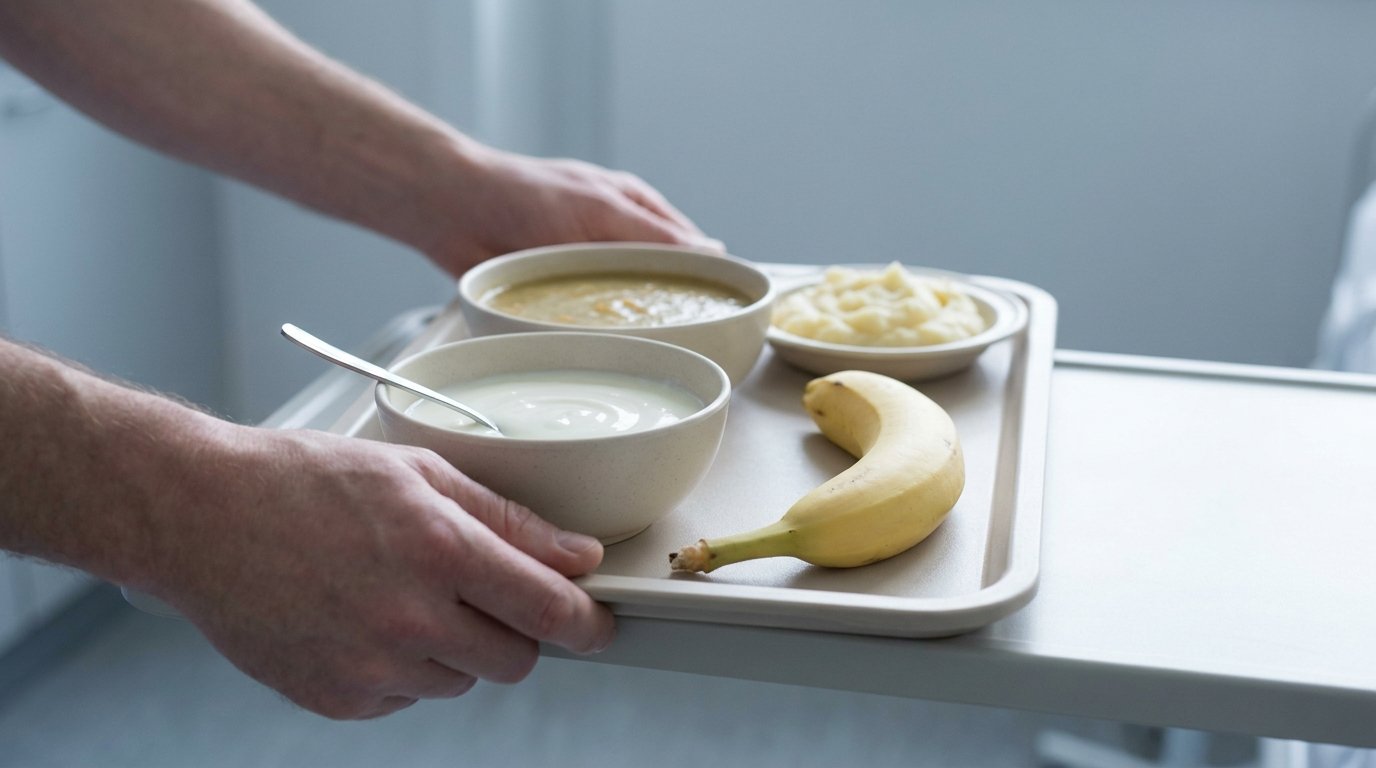
Numbness of the lower lip and chin is common after chin work and usually settles gradually over weeks; with a sliding genioplasty it can take longer. Eating is easier than people expect, though soft food for the first few days is sensible, especially if the incision is inside the mouth.
For the nasal side of things in more detail, our week-by-week rhinoplasty recovery timeline and the guide to how a chin implant’s swelling settles are the two most relevant reads.
Safety: who this combination suits and who should wait
Adding a chin procedure to a rhinoplasty lengthens the time under anaesthesia, and longer anaesthesia is the main variable to respect when combining anything. For a healthy adult, nose plus chin is a moderate combination — considerably lighter than pairing a nose with body surgery. What matters is a proper pre-operative workup: blood tests, blood pressure, an anaesthetist review and an honest medication and supplement list.
General health, not age, is what decides suitability. Most of the nose surgery enquiries that reach us come from people in their late twenties and thirties, but being older than that is not in itself a barrier; uncontrolled conditions, smoking and certain blood-thinning medications matter far more than the number on your passport.
Smoking deserves its own mention. It impairs healing in both areas and raises the risk of problems around an implant, so surgeons commonly ask for a stop period before and after surgery. Active dental infection or gum disease should be treated first if the chin incision is planned inside the mouth.
🚨 Signs to report straight away Spreading redness or warmth over the chin, a fever, pus from any incision, one-sided increasing pain or swelling that gets worse rather than better after the first week all need to be reported to your surgical team the same day — not saved for your next scheduled check-in.
Cost, what a combined quote includes and how long to stay
A nose-and-chin plan is not simply two prices added together. Because both are done in one anaesthetic and one hospital admission, the second procedure adds less than it would as a standalone operation — but it does add surgical time, possibly an implant or fixation hardware, and a slightly longer stay. Your personalised figure is confirmed only after a consultation, once the surgeon has seen your profile analysis and decided which chin method is appropriate.
What a written quote should spell out is the technique for each area, the hospital and anaesthesia, any implant or graft material, nights of accommodation, airport and clinic transfers, medication, and what a revision would cost if one were ever needed. If you want to see how the nasal side of the quote is built, what affects rhinoplasty cost, stay and recovery breaks it down, and our rhinoplasty travel planning guide covers stay length and transfers in practice.
On timing: plan your trip around the nose, since that is the procedure that sets the review schedule. Expect to stay long enough for the splint review and a final check before flying, and to avoid booking anything physically demanding for the first couple of weeks after you land home.
This article is for informational purposes only and does not constitute medical advice. Always consult a qualified surgeon for personalised guidance.
⚠️ Compare like with like A single-procedure price quoted elsewhere will always look lower than a two-procedure plan. Ask every clinic to itemise the same things — technique, implant material, nights, transfers, revision policy — before deciding anything on price.
For the rhinoplasty half of the plan, our rhinoplasty in Turkey cost and safety guide explains what shapes the quote and the recovery timeline.
Choosing a surgeon for a combined profile plan
Nose and chin work together is planning-heavy surgery, so the consultation tells you more than the price list does. A surgeon who is comfortable with profile balance will measure rather than eyeball, will show you their own before-and-after profile views of patients with a similar starting point, and will say plainly if they think your chin does not need touching.
Before-and-after photographs are one of the most requested things at enquiry stage, and reasonably so — but ask for side views, taken with consistent lighting and at comparable time points after surgery, rather than a curated front-facing gallery. Ask also who will actually operate, and whether the surgeon holds recognised specialist credentials in plastic or facial surgery.

Communication speed and organisation are what patients most often praise or complain about in international care, so treat the enquiry stage as a test of both: how quickly your questions are answered, and whether someone can tell you exactly which nights you are in hospital, which nights you are in a hotel and when your reviews are scheduled.
Profile photographs and measurements taken at consultation, a clear explanation of why a particular chin method was chosen, a written quote with a revision policy, and a named surgeon you speak to before booking.
A price confirmed before anyone has seen your profile, pressure to add procedures you did not ask about, promises of a specific celebrity-style result, or no clear answer about who performs the operation.
Frequently Asked Questions
References
- 📎Chin Dysmorphology in the Primary Rhinoplasty Population: Prevalence, Objective Analysis, and Implications — Aesthetic Plastic Surgery, 2023
- 📎Genioplasty – A Review — Nigerian Journal of Clinical Practice, 2024
- 📎Hybrid Chin Advancement: Combining Fat and Sliced Cartilage Grafts for Chin Augmentation During Rhinoplasty — Aesthetic Plastic Surgery, 2024
- 📎Rhino-genioplasty — Revue de Stomatologie et de Chirurgie Maxillo-faciale, 1990
Related Articles



You Might Also Like



Related articles



Our specialists
 Clineca SpecialistErkan PinegözPlastic & Reconstructive Surgery
 Clineca SpecialistHakan AktaşPlastic & Reconstructive Surgery
 Clineca SpecialistOrkun UzuneyüpoğluPlastic & Reconstructive Surgery
 Clineca SpecialistSalim İskenderPlastic & Reconstructive Surgery
 Clineca SpecialistEngin SelamioğluPlastic & Reconstructive Surgery
 Clineca SpecialistCem AydınPlastic & Reconstructive Surgery
 Clineca SpecialistAlperen ÖnalEar, Nose & Throat (ENT)