Have a question about Ear Surgery (Otoplasty)?
In this article
- What does ear surgery Turkey usually mean?
- Who is a good candidate for ear surgery?
- What affects the cost of ear surgery in Turkey?
- How long is recovery after ear surgery?
- Is ear surgery in Turkey safe?
- How long should you stay in Turkey for ear surgery?
- How do you choose the right clinic and surgeon?
- What should you expect before and after booking?
Ear surgery Turkey usually means lower overall treatment costs than in many Western countries, but the final price is confirmed only after consultation. Most people need a short stay for checks and early recovery, and safety depends far more on the surgeon, hospital standards, and the right procedure than on the country alone.
What does ear surgery Turkey usually mean?
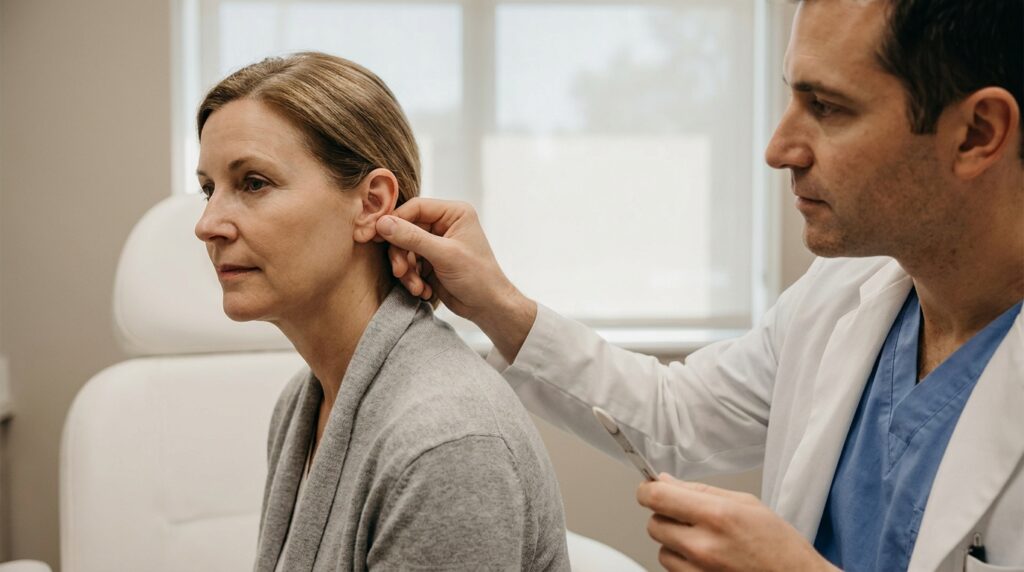
In this context, ear surgery Turkey most often means otoplasty, also called ear pinning or ear reshaping. It is done to change the position, shape, or symmetry of the outer ears. Some people also use the term for ear lobe repair or more complex ear procedures, so the exact treatment matters.
Most international patients searching for ear surgery Turkey are asking about otoplasty. This is surgery on the outer ear, not the middle or inner ear.
Otoplasty is usually chosen to:
- ✓Bring prominent ears closer to the head
- ✓Improve ear shape or fold
- ✓Correct uneven ears
- ✓Revise results from earlier ear surgery
- ✓Repair stretched, torn, or damaged ear lobes
This is different from surgery used to treat hearing problems, chronic ear infection, or cholesteatoma. Cholesteatoma is an abnormal skin growth in the middle ear that needs specialist ear surgery for health reasons, not cosmetic reasons. The European Academy of Otology and Neurotology and the Japanese Otological Society published a 2017 joint consensus statement to standardise how cholesteatoma is defined and staged, which shows how important accurate diagnosis is in ear disease.
If your goal is cosmetic improvement, the key question is simple: do you want a subtle change, or are you trying to correct a major shape issue? That affects the plan, recovery, and quote.
If you are comparing facial procedures more broadly, you may also want to read about rhinoplasty in Turkey or eyelid surgery, since people often consider these at the same time.
📋 Outer ear surgery and hearing surgery are not the same A cosmetic ear procedure does not treat middle-ear disease, hearing loss, or cholesteatoma. Make sure the diagnosis matches the operation you are booking.
- ✓Otoplasty = cosmetic reshaping of the outer ear
- ✓Ear lobe repair = smaller procedure with a different recovery
- ✓Middle ear surgery = medical treatment, not the same as cosmetic ear pinning
Who is a good candidate for ear surgery?
Good candidates are people in good general health who want to improve the shape, position, or symmetry of the outer ears and have realistic expectations. The best candidates are bothered by a clear issue they can describe, not chasing perfection or copying someone else’s ears.
A good candidate usually has a clear concern, such as ears that stick out, a weak fold in the cartilage, visible asymmetry, or an old injury.
You may be suitable if:
- ✓Your ears have finished most of their growth
- ✓You are well enough for surgery
- ✓You understand that perfect symmetry is unlikely
- ✓You can follow the recovery plan
- ✓You are doing it for yourself, not because someone pressured you
You may need a more careful assessment if you:
- ✓Have a skin infection near the ear
- ✓Smoke or vape heavily
- ✓Form thick scars easily
- ✓Have had previous ear surgery
- ✓Want correction of a complex birth difference or major trauma
For some patients, the issue is not that the ears are large. It is that the fold is missing, or the bowl of the ear is too deep. A proper consultation should explain what part of the ear causes the appearance, because that shapes the technique.
You have a specific ear shape concern and want a realistic improvement.
You expect perfect symmetry or want surgery to fix deeper confidence issues overnight.
What affects the cost of ear surgery in Turkey?
Otoplasty in Turkey starts from around €3,375. That is a starting point, not a guaranteed quote — your own figure is confirmed after consultation, once the surgeon has assessed how far the ears sit from the head, whether cartilage needs reshaping as well as repositioning, and whether one or both ears are treated.
Beyond that starting point, there is no fixed price for ear surgery in Turkey. The final quote depends on the type of ear procedure, how complex it is, the surgeon’s experience, the hospital or clinic setting, anaesthesia, and what is included in the care plan. A personalised quote should follow consultation.
Because the figure above is only a starting point, it is worth understanding what drives the cost from there. Ear surgery can be quite simple in one patient and much more involved in another.
The quote usually changes based on:
- ✓Procedure type: standard otoplasty, revision otoplasty, or ear lobe repair
- ✓Complexity: one ear vs both ears, mild prominence vs major reshaping
- ✓Surgeon experience: highly experienced surgeons may charge more
- ✓Hospital or clinic setting: operating theatre standards and hospital facilities matter
- ✓Anaesthesia: local anaesthetic, sedation, or general anaesthetic
- ✓Included services: tests, medication, transfers, hotel support, garments, follow-up
- ✓Revision risk: previous surgery often makes planning harder
For medical ear operations, such as cholesteatoma surgery, price also depends on imaging, hearing tests, operating time, and whether reconstruction is needed.
A good quote should be easy to understand. It should clearly explain what is included and what is not. If you are still at the planning stage, you can request a personalised assessment through the online consultation page.

⚠️ Be careful with very low quotes A cheap headline price may exclude tests, medication, aftercare, or revision planning. Ask for an itemised breakdown.
How long is recovery after ear surgery?
Recovery after cosmetic ear surgery is usually manageable, but it still takes time. Most people need several days in Turkey for early checks, about one to two weeks away from social activity, and longer for swelling to settle. The ears can look improved before they feel fully normal.
Recovery is often easier than people expect, but the ears are delicate. Small bumps, sleeping pressure, and tight headwear can affect healing.
In the first few days, you may have:
- ✓Mild to moderate pain or soreness
- ✓A feeling of tightness
- ✓Swelling and bruising
- ✓A protective dressing or head band
- ✓Numbness or unusual skin sensation
Many patients feel presentable after a week or two, but that is not the same as being fully healed. Swelling can take longer to settle, and the ears may feel sensitive for weeks.
A simple recovery timeline looks like this:
📋 Plan your trip around healing, not just the operation day It is wise to stay long enough for the first checks and to avoid rushing straight to the airport after surgery.
- →Bring a soft travel pillow if your surgeon advises it.
- →Avoid pressure on the ears while sleeping.
- →Do not restart exercise, swimming, or contact sports until you are cleared.
Is ear surgery in Turkey safe?
Ear surgery in Turkey can be safe when the patient is properly assessed, the surgeon is qualified for the procedure, and surgery is carried out in an appropriate medical setting. The main risk is not the location alone. It is choosing based on price or photos without checking credentials and aftercare.
Safety depends on basics done well. That means a proper consultation, clear consent, realistic planning, and follow-up.
For cosmetic ear surgery, possible risks include:
- ✓Bleeding
- ✓Infection
- ✓Poor scarring
- ✓Asymmetry
- ✓Recurrence of ear prominence
- ✓Changes in skin sensation
- ✓Need for revision surgery
For disease-related ear surgery, the risks and goals are different. In chronic otitis media surgery in an only hearing ear, a 2022 meta-analysis in Auris Nasus Larynx reviewed hearing outcomes and highlights why these cases need careful specialist judgement. This is not routine cosmetic treatment.
Endoscopic ear surgery is also developing in selected medical cases. According to a 2023 study in Turkish Archives of Otorhinolaryngology, total transcanal endoscopic ear surgery for cholesteatoma showed encouraging outcomes in selected patients. A 2022 study in Journal of International Advanced Otology also described endoscopic ear surgery as a promising option for congenital cholesteatoma in children, mainly because it can improve visual access in small middle-ear spaces. That does not mean it suits every case, but it shows technique matters.
The NHS advises patients considering cosmetic procedures abroad to check who will provide aftercare and what happens if something goes wrong once they return home. That is practical advice, not a small detail.
If you want to check background information before you book, review the clinic’s doctor profiles and about page, then ask direct questions in consultation.
🚨 Red flag If a provider avoids discussing risks, revisions, or aftercare, take that seriously.
Clear surgeon credentials, honest discussion of limits, proper facility details, and a real follow-up plan.
Pressure to book fast, vague answers, no named surgeon, or no plan for problems after you fly home.
How long should you stay in Turkey for ear surgery?
Most people should plan to stay in Turkey for several days after cosmetic ear surgery so the surgeon can review the ears early and make sure healing starts well. The exact stay depends on the procedure, your recovery speed, and whether dressings or drains need checking.
Do not plan a flying visit if you can avoid it. Even when the procedure is straightforward, you still need time for swelling, dressing checks, and early questions.
A sensible trip plan often includes:
- ✓Arrival before surgery if pre-op checks are needed
- ✓Surgery day and immediate recovery
- ✓At least one follow-up visit before travel home
- ✓Enough flexibility in case of extra swelling or discomfort
If your trip includes other aesthetic plans, keep recovery practical. Combining procedures may sound efficient, but it can make aftercare harder.
You can usually start planning through the contact page or the ear surgery treatment page.
- ✓Ask exactly how many nights are recommended.
- ✓Check when your first dressing change happens.
- ✓Confirm who to contact after you return home.
- ✓Do not book a non-changeable return flight too early.
How do you choose the right clinic and surgeon?
Choose the right team by checking qualifications, experience with your exact ear issue, the surgical setting, and the aftercare plan. Good providers answer practical questions clearly. They do not rely only on sales language, dramatic before-and-after photos, or a bargain package.
This choice matters more than almost anything else.
Ask these questions:
- ✓Who is the surgeon, and what is their background in ear surgery?
- ✓Is your case a standard otoplasty or a revision case?
- ✓Where will the procedure take place?
- ✓What anaesthetic is planned, and why?
- ✓What does the aftercare include?
- ✓What happens if you are unhappy or healing is slower than expected?
Also ask to see results in patients with a similar starting point. A nice before-and-after photo means less if the ears were very different from yours.
If you are in the early research stage, it helps to read about the team and how consultation works on the main clinic website and team page.
What to look for in the consultation
A strong consultation should cover:
- ✓Your goal in your own words
- ✓What can and cannot be changed
- ✓Scar position
- ✓Recovery limits
- ✓Risk of asymmetry or recurrence
- ✓When you can work, fly, and exercise again
That kind of detail is often a better sign than polished marketing.
You leave understanding the plan, the trade-offs, and the recovery steps.
Pause and ask for another consultation rather than booking under pressure.
What should you expect before and after booking?
Before booking, send clear photos from the front, side, and back if requested. Try to include natural lighting and hair tied away from the ears. Mention any previous surgery, piercings, scar problems, skin conditions, or ear trauma.
Before surgery, you may be asked about:
- ✓Medical history
- ✓Allergies
- ✓Smoking or vaping
- ✓Medicines and supplements
- ✓Past anaesthetic problems
After surgery, you should receive written aftercare instructions. These usually cover cleaning, headbands or dressings, sleeping position, washing your hair, and signs that need urgent review.
One final point: do not judge your result too early. Ears can look uneven during swelling, and that can be part of normal healing.
This article is for informational purposes only and does not constitute medical advice. Always consult a qualified surgeon for personalised guidance.
Frequently Asked Questions
References
- 📎EAONO/JOS Joint Consensus Statements on the Definitions, Classification and Staging of Middle Ear Cholesteatoma — J Int Adv Otol, 2017
- 📎Meta-analysis of hearing outcomes of chronic otitis media surgery in the only hearing ear — Auris Nasus Larynx, 2022
- 📎Total Transcanal Endoscopic Ear Surgery for Cholesteatoma — Turk Arch Otorhinolaryngol, 2023
- 📎Endoscopic Ear Surgery for Congenital Cholesteatoma in Children — J Int Adv Otol, 2022
- 📎Esterified Hyaluronic Acid Placed in the Middle Ear Does Not Improve Outcomes in Cholesteatoma Surgery — J Int Adv Otol, 2022
- 📎Cosmetic surgery abroad – NHS
You Might Also Like



Related articles



Our specialists
 Clineca SpecialistErkan PinegözPlastic & Reconstructive Surgery
 Clineca SpecialistHakan AktaşPlastic & Reconstructive Surgery
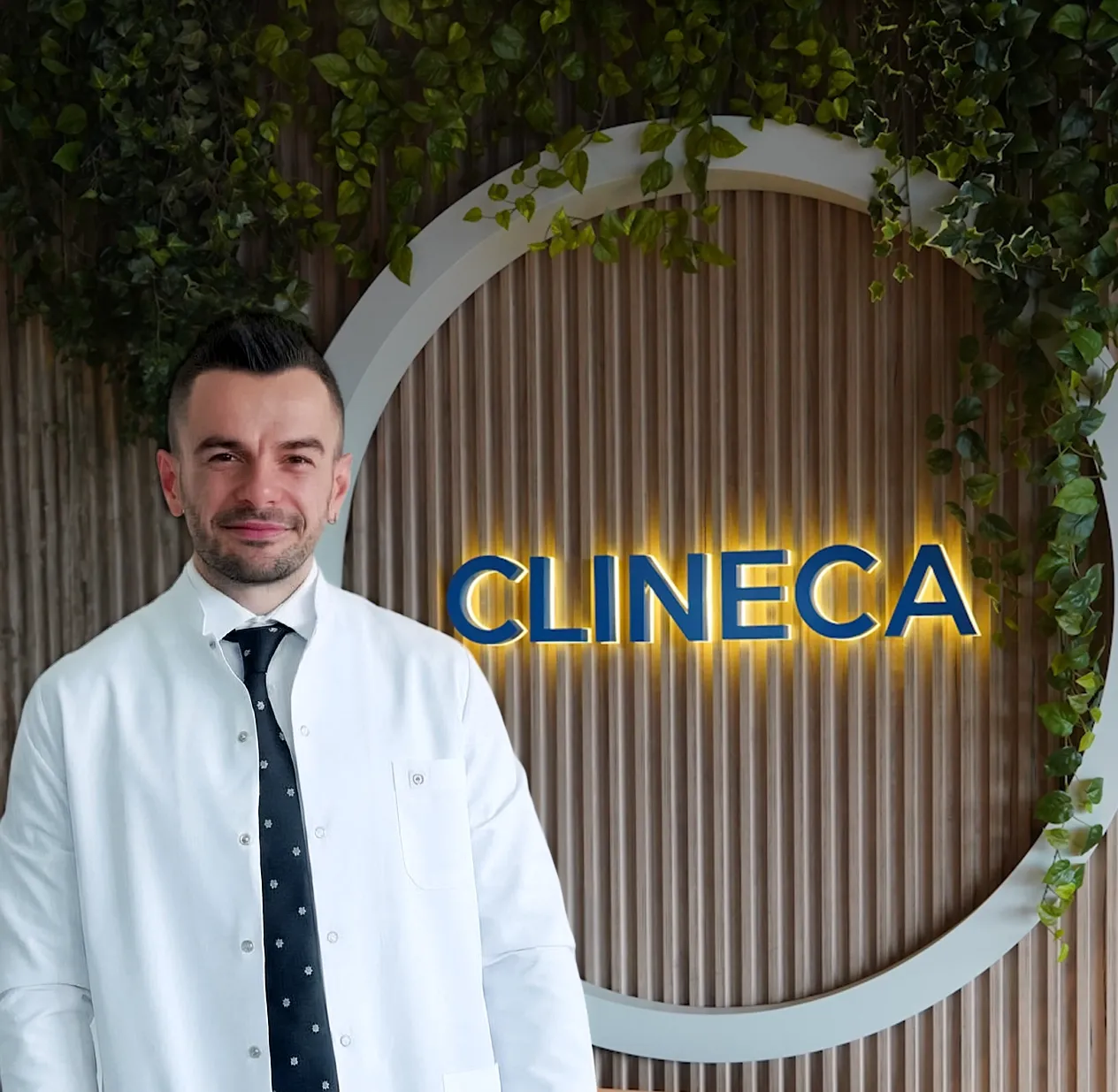 Clineca SpecialistOrkun UzuneyüpoğluPlastic & Reconstructive Surgery
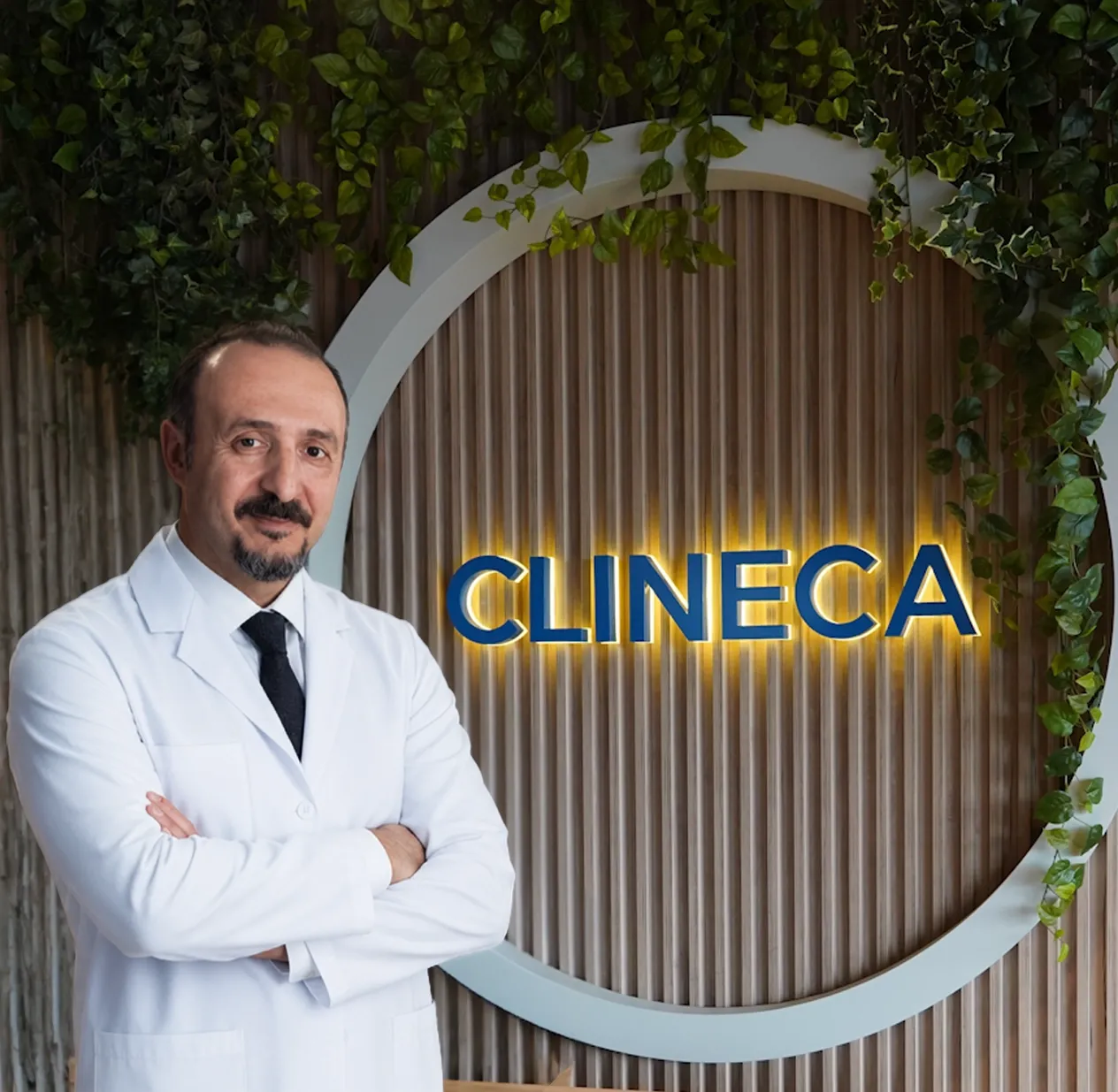 Clineca SpecialistSalim İskenderPlastic & Reconstructive Surgery
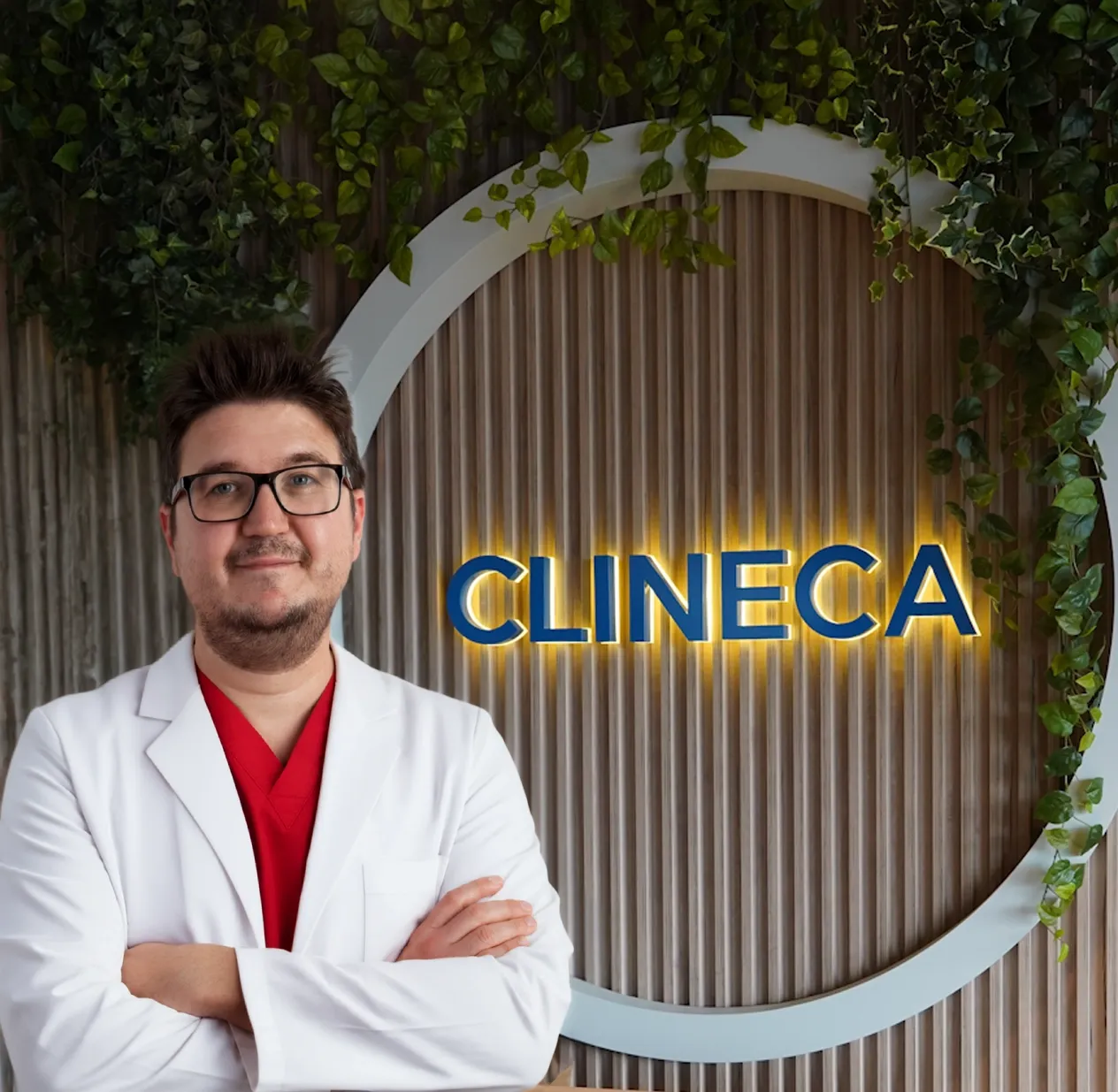 Clineca SpecialistEngin SelamioğluPlastic & Reconstructive Surgery
 Clineca SpecialistCem AydınPlastic & Reconstructive Surgery
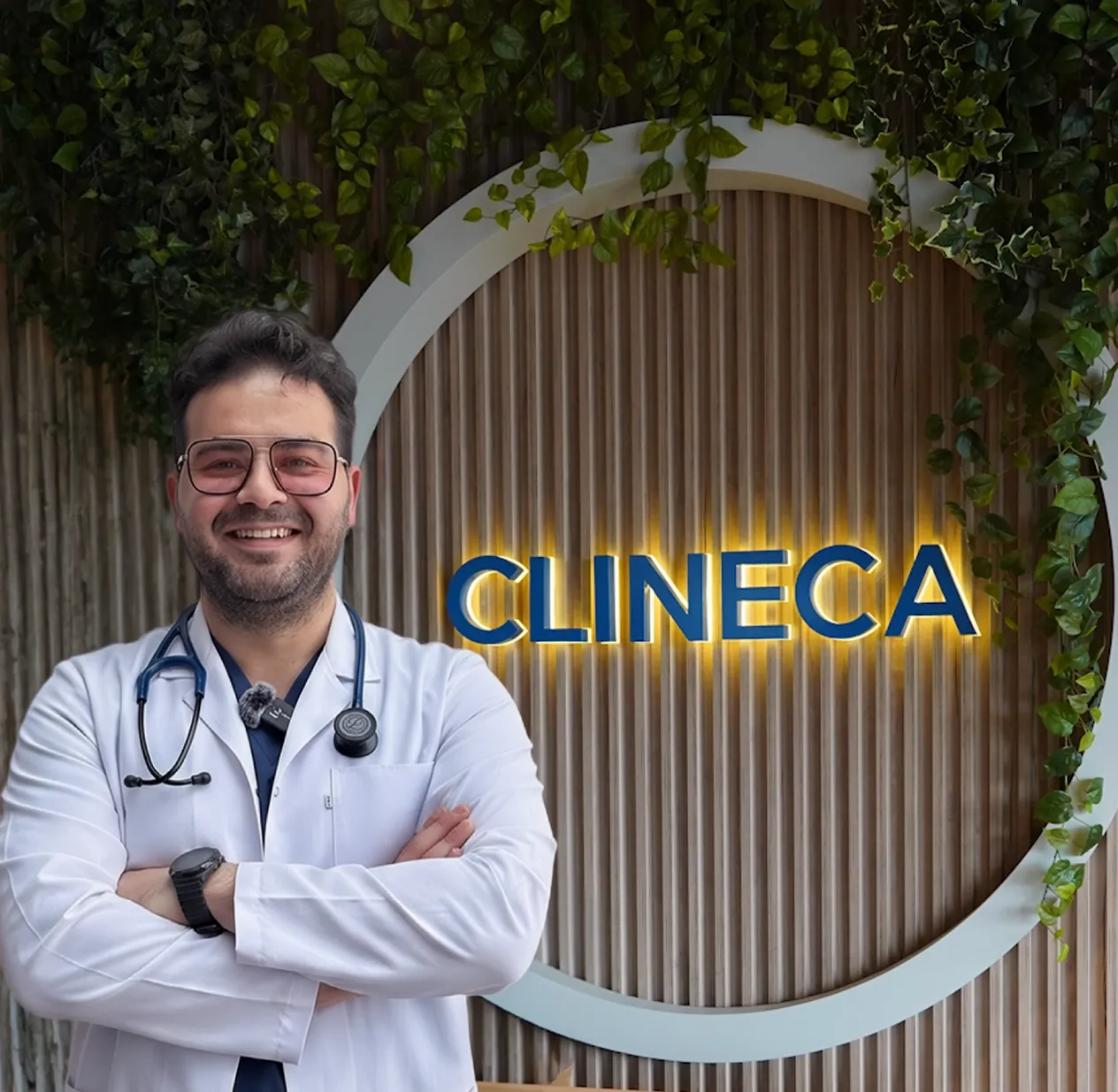 Clineca SpecialistAlperen ÖnalEar, Nose & Throat (ENT)