

Have a question about Labiaplasty?
In this article
- What should you know first about cost, safety, privacy and recovery?
- Who is a good candidate for labiaplasty?
- How is labiaplasty usually done, and what can affect the result?
- What usually affects the cost of labiaplasty in Turkey?
- How do privacy and discretion usually work for international patients?
- How long should you stay in Turkey, and what is recovery really like?
- What safety checks matter most before booking?
- What should happen at consultation and aftercare?
If you are researching labiaplasty in Turkey cost safety privacy and recovery guide topics, you are probably not just comparing clinics. You are also trying to work out what the experience is actually like: who performs it, how discreet it feels, how long you need to stay, and what recovery really involves once you leave the clinic.
What should you know first about cost, safety, privacy and recovery?
For most patients, the price is shaped less by the country alone and more by the details of the plan. The main cost drivers are the surgeon’s experience, whether the procedure is done under local or general anaesthetic, the hospital or day-surgery setting, pre-op tests, aftercare visits, medication, and whether your quote includes transfers, hotel support, or translation. A personalised price is normally confirmed only after consultation and photo or in-person assessment.
On safety, the essentials are straightforward. You want a properly qualified plastic surgeon or gynaecologist with specific experience in labiaplasty, a licensed operating facility, clear consent, realistic discussion of scarring and healing, and a plan for follow-up once you return home. The NHS guidance on cosmetic procedures stresses checking who will do the operation, what qualifications they hold, where the procedure will take place, and what aftercare is included.
Privacy matters more with labiaplasty than with many other cosmetic procedures, and reputable international-patient services usually understand that. In practice, privacy arrangements may include private consultations, limited photo sharing, secure medical records, female staff on request where possible, and discreet transfers or scheduling. If privacy is a major concern for you, it is worth asking these questions early rather than assuming every clinic handles them the same way.
Recovery is often manageable, but it is not something to squeeze into a very short city break. Most people should plan to stay in Turkey for several days after surgery so the team can check early swelling, wound healing, and comfort before travel. Swelling can last for weeks, and the area may remain tender longer than many patients expect.
According to the NHS, all cosmetic surgery carries risk, including bleeding, infection, scarring, and dissatisfaction with the result. For labiaplasty specifically, published discussions in journals such as Aesthetic Plastic Surgery and JPRAS also focus on wound healing, asymmetry, discomfort, and over-resection as key concerns, which is why surgeon judgment matters as much as technique.
📋 A useful rule when comparing quotes Do not compare a low headline price with a fuller package as if they are the same. Ask what is included in surgery fees, anaesthesia, tests, medication, garments or dressings, follow-up, and any revision policy.
Who is a good candidate for labiaplasty?
Labiaplasty is usually considered by adults who are bothered by enlarged or uneven labia minora, the inner folds of skin around the vaginal opening. The concern may be cosmetic, functional, or both. Some women describe rubbing in tight clothing, discomfort during exercise or sex, or irritation that keeps recurring.
A good candidate is generally healthy, understands that natural vulval anatomy varies widely, and wants improvement rather than perfection. ASPS information on cosmetic procedures emphasises the importance of being physically healthy and having realistic expectations. That point matters here because anatomy, scar healing, and symmetry are never completely identical from one side to the other, even after careful surgery.
You may be advised to wait if you are pregnant, have an active infection, smoke heavily, have poorly controlled medical problems, or are not sure whether your symptoms come from skin size alone. Sometimes irritation is driven more by dryness, infection, hormonal changes, pelvic floor issues, or scarring from childbirth than by the shape of the labia itself.
If you are still exploring options, a broader page on female genital rejuvenation treatments can help you understand where labiaplasty fits and where it does not.
How is labiaplasty usually done, and what can affect the result?
The operation is most often performed by reducing excess tissue from the labia minora while aiming to preserve a natural contour. Different surgeons use different approaches, commonly edge-trim or wedge techniques. The best method depends on your anatomy, skin quality, pigment pattern, and how much reduction is actually needed.
This is one of those procedures where more is not better. Removing too much tissue can leave tightness, pulling, dryness, visible irregularity, or discomfort. Good planning usually means balancing reduction with preservation, rather than trying to create a very minimal look at any cost.
Anaesthesia varies. Some cases are done under local anaesthetic with sedation, while others are done under general anaesthetic, especially when the patient is anxious or the plan is more involved. That choice can change the overall quote, recovery feel in the first day, and the type of facility used.
If a clinic also talks about combining labiaplasty with other cosmetic surgery, take that discussion slowly. Combining procedures can be appropriate for some patients, but it also changes recovery and follow-up needs. The decision should be based on your health and priorities, not on package marketing.
What usually affects the cost of labiaplasty in Turkey?
Labiaplasty in Turkey starts from around €3,060. That is a starting point, not a guaranteed quote — your own figure is confirmed after consultation, once the surgeon has assessed which technique suits your anatomy, whether the inner or outer labia are treated, and whether the procedure is done under local or general anaesthetic.
Cost questions are reasonable, but the most useful comparison is not just the starting figure. It is what you are paying for, who is operating, and how much support is built around the surgery.
Some clinics quote surgery alone, while others present a bundled medical-travel package. A lower quote may still become more expensive overall if important items are missing and later added separately. This is why it helps to request a written treatment plan rather than a one-line message.

⚠️ Low price should never be your only filter If a quote is much lower than others, ask whether the surgeon, anaesthetic, operating theatre, aftercare or accommodation details are actually comparable.
How do privacy and discretion usually work for international patients?
Many patients choose treatment abroad because they want distance from their usual social circle as much as they want a different price point. With labiaplasty, that privacy concern is often stronger because the procedure is intimate and emotionally sensitive.
A well-run service should be able to explain how your photos are stored, who sees them, whether WhatsApp is used or whether a secure form is available, and how follow-up communication works. You can also ask whether a female coordinator, nurse, or chaperone can be arranged for examinations where possible. Those details do not sound glamorous, but they matter when you are already feeling exposed.
Privacy also includes practical things: discreet transport, not discussing your case in shared areas, and avoiding unnecessary people in the room during consultation. If you are worried about data handling, review the clinic’s privacy policy and ask how images are anonymised before any case discussion.
For some women, emotional privacy matters as much as physical privacy. It is reasonable to ask for time alone to read consent forms, to decline having student observers, and to say clearly if you do not want pre- and post-op images used for marketing.
How long should you stay in Turkey, and what is recovery really like?
A realistic stay is usually several days rather than a fly-in, fly-out visit. Many patients want at least one or two in-person checks after surgery before travelling home, especially because swelling can make early healing look worse before it looks better. If your travel is long-haul or includes a lot of walking, stairs, or luggage handling, allowing a little more time is often sensible.
The first few days are usually about swelling, stinging, and tenderness rather than severe pain. Sitting directly on hard surfaces may feel awkward. Walking is possible, but you may prefer short, slow trips and loose clothing. Cold compresses used exactly as advised, careful hygiene, and rest tend to matter more than trying to be very active early on.
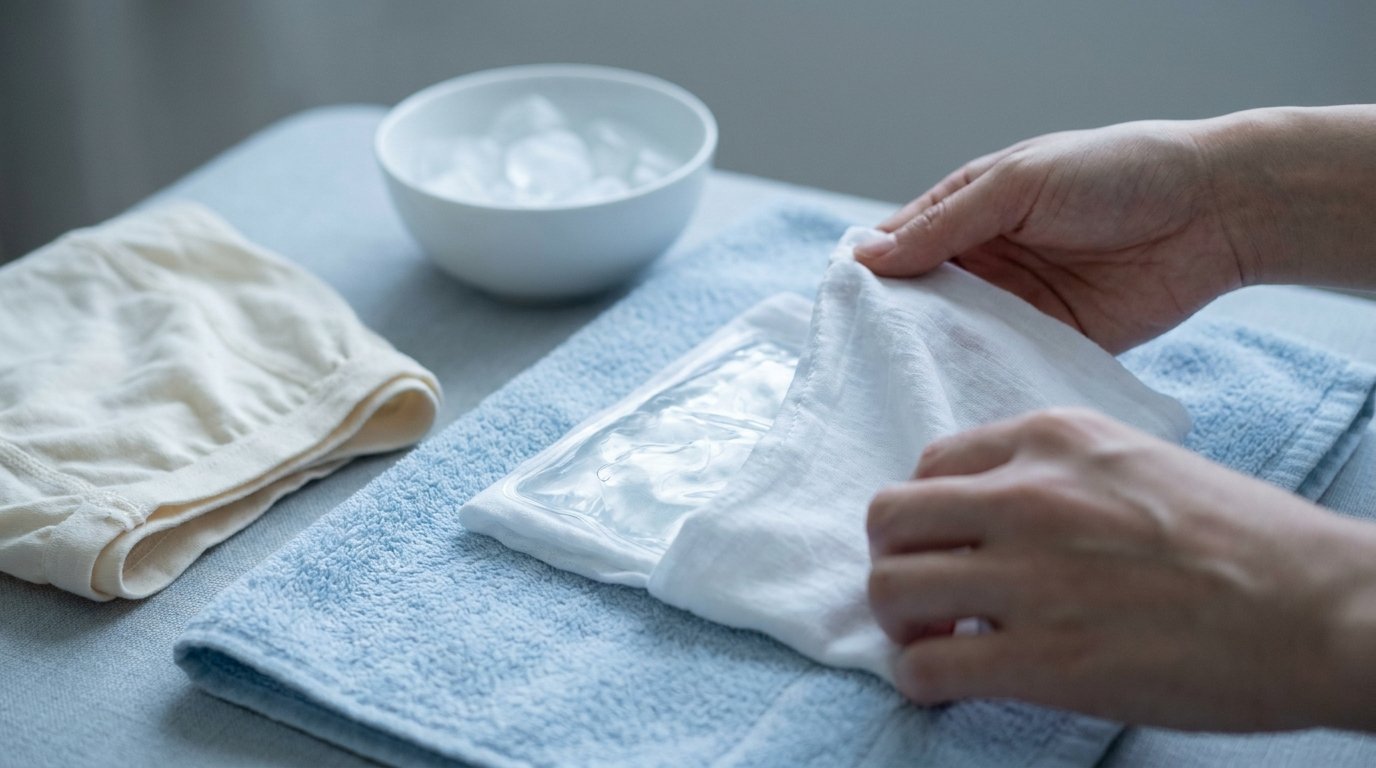
Most people can do light, non-strenuous activity fairly soon, but friction is the main issue. Tight underwear, cycling, gym workouts, swimming, and sex usually need to wait until the surgeon confirms the tissues have healed enough. Stitches are often dissolvable, but that does not mean healing is complete once the stitches begin to soften.
Swelling can make the final shape hard to judge for weeks. Small asymmetries early on are common and are not the same as a poor final result. That said, if the area becomes increasingly painful, very swollen on one side, or starts to smell unpleasant, you should not assume it is normal healing.
A practical recovery timeline
The exact timeline varies, but this is the kind of progression many patients are told to expect when recovery is uncomplicated.
🚨 Symptoms that need urgent review Seek urgent medical advice if you have heavy bleeding, fever, spreading redness, pus, a bad smell, severe one-sided swelling, increasing pain, trouble passing urine, chest pain, or shortness of breath.
What safety checks matter most before booking?
Start with the person doing the operation. Ask whether the surgeon is a plastic surgeon or gynaecologist, what formal training they have, how often they perform labiaplasty, and who will actually be with you on the day. A coordinator can be helpful, but they should not be the only source of medical answers.
The NHS advises people considering cosmetic procedures to check the practitioner’s credentials, the setting, possible complications, and the aftercare plan. BAAPS also consistently emphasises informed consent, realistic expectations, and choosing an appropriately trained surgeon rather than buying on price alone. Those are simple checks, but they filter out many risky situations.
You should also ask about the operating facility itself. Is it a licensed hospital or accredited day-surgery unit? Who gives the anaesthetic? What happens if there is bleeding after the procedure or if you need to be reviewed out of hours? Good clinics answer these questions calmly and specifically.
If you are researching providers, look beyond social media before-and-after photos. A useful next step is to review the clinic background and surgeon information on pages such as about the clinic, the surgeon team page, and the consultation page so you can ask better questions in your own consultation.
You receive a named surgeon, a clear facility location, written aftercare details, and honest discussion of limitations and risks.
You cannot confirm who will operate, the clinic avoids questions about complications, or the focus stays on price and urgency rather than assessment.
What should happen at consultation and aftercare?
A proper consultation should cover your symptoms, anatomy, medical history, medication, smoking status, previous childbirth or surgery, and what result you want. It should also include a discussion of what cannot be promised. This is especially important in intimate surgery, where ideas of a “normal” appearance are often shaped by edited images rather than real anatomy.
Consent should include possible risks such as bleeding, infection, visible scarring, asymmetry, changes in sensation, delayed healing, discomfort with sex, and the chance that you may still dislike the appearance even if healing goes technically well. According to the NHS, people considering cosmetic procedures should be given time to reflect before going ahead, rather than being pushed into a quick decision.
Aftercare should not end when you leave the building. Ask how many in-person reviews are planned before you fly home, how you contact the team if swelling suddenly worsens, whether remote photo checks are used, and what support is available once you are back in your own country. These details often make the difference between a smooth experience and a stressful one.
Frequently Asked Questions
References
- 📎NHS: Cosmetic procedures
- 📎ASPS: Cosmetic procedures
- 📎BAAPS
- 📎PubMed search: labiaplasty complications outcomes review
Related Articles



You Might Also Like


Related articles


Our specialists
 Clineca SpecialistErkan PinegözPlastic & Reconstructive Surgery
 Clineca SpecialistHakan AktaşPlastic & Reconstructive Surgery
 Clineca SpecialistOrkun UzuneyüpoğluPlastic & Reconstructive Surgery
 Clineca SpecialistSalim İskenderPlastic & Reconstructive Surgery
 Clineca SpecialistEngin SelamioğluPlastic & Reconstructive Surgery
 Clineca SpecialistCem AydınPlastic & Reconstructive Surgery
 Clineca SpecialistAlperen ÖnalEar, Nose & Throat (ENT)