Have a question about Vaser BBL?
In this article
- Can you have a Vaser BBL if you are slim?
- How much donor fat do you actually need?
- Who is usually not a good candidate?
- Is Vaser BBL safe when you have low body fat?
- What kind of result should a slim patient realistically expect?
- What is recovery like and how long should you stay in Turkey?
- What affects the price and what should a quote include?
- How do you choose the right clinic and surgeon?
Yes, you may still be a candidate for Vaser BBL if you do not have much body fat, but only if there is enough usable donor fat in the right areas and your goals are realistic. The main limits are safety, how much fat can actually be collected and survive transfer, and the fact that recovery takes weeks rather than days, so an in-person assessment matters more than photos alone.
Can you have a Vaser BBL if you are slim?
The short answer to am I a candidate for Vaser BBL if I do not have much body fat is often: maybe, but with limits. A Brazilian butt lift uses your own fat. Vaser is a type of ultrasound-assisted liposuction used to help remove fat from donor areas, but it does not create fat where there is very little to harvest.
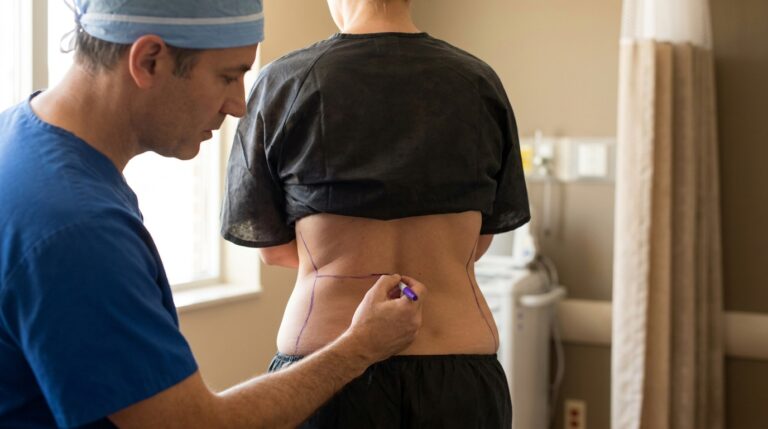
This is the part many patients miss. Being slim and having “stubborn pockets” are not the same thing. Some people with a low body weight still carry enough fat at the flanks, lower abdomen, inner thighs or lower back to make a subtle buttock enhancement possible. Others look like good candidates in clothes, yet have too little harvestable fat once they are examined properly.
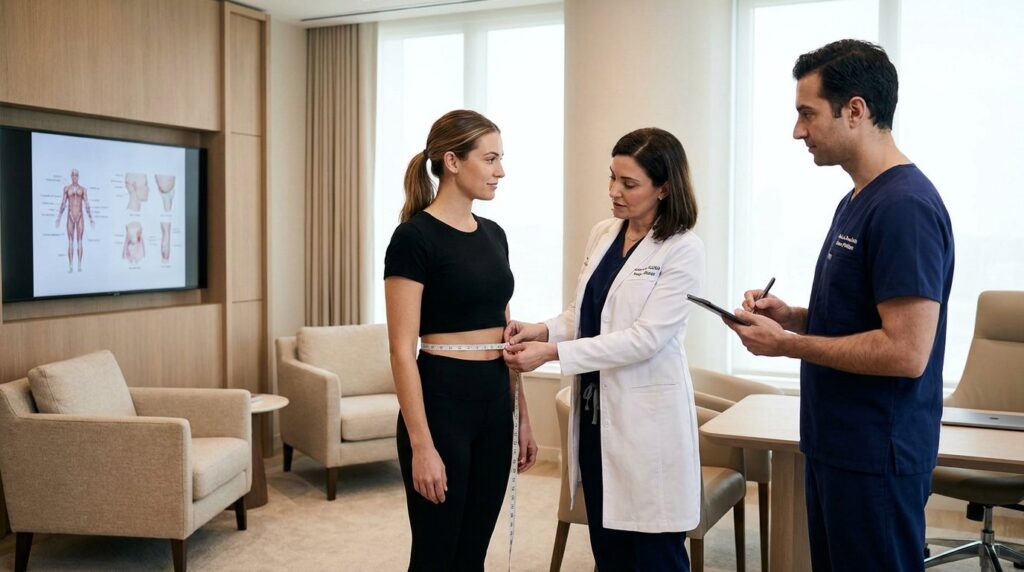
A good surgeon will assess three things together: your current shape, how much donor fat can be removed safely, and how much improvement is realistic. In slim patients, the goal is usually contour refinement and a natural increase in roundness or projection, not a large-volume change.
An online quote or social media photo cannot tell you exactly how much fat can be transferred. That depends on fat thickness in each donor area, skin quality, your overall health, and how the body contour needs to be balanced. Some of the fat removed is not suitable for transfer after processing, and some transferred fat will not survive long term. That is why exact volume predictions made online should be treated cautiously.
📋 Key point for slim patients Vaser can help with fat removal and shaping, but it cannot overcome a true donor-fat shortage. The decision depends on what can be harvested safely, not just your wish for more volume.
Possibly, but being slim does not automatically rule you out or qualify you. A surgeon needs to check whether you have enough donor fat in areas like the waist, lower back, abdomen or thighs, and whether your desired shape is modest and realistic rather than dramatic.
How much donor fat do you actually need?
There is no honest one-size-fits-all answer here. The amount of usable donor fat is not just about your weight. It is about where fat sits on your body, how evenly it can be removed, and whether taking that fat would leave the donor areas looking smooth rather than hollow or uneven.
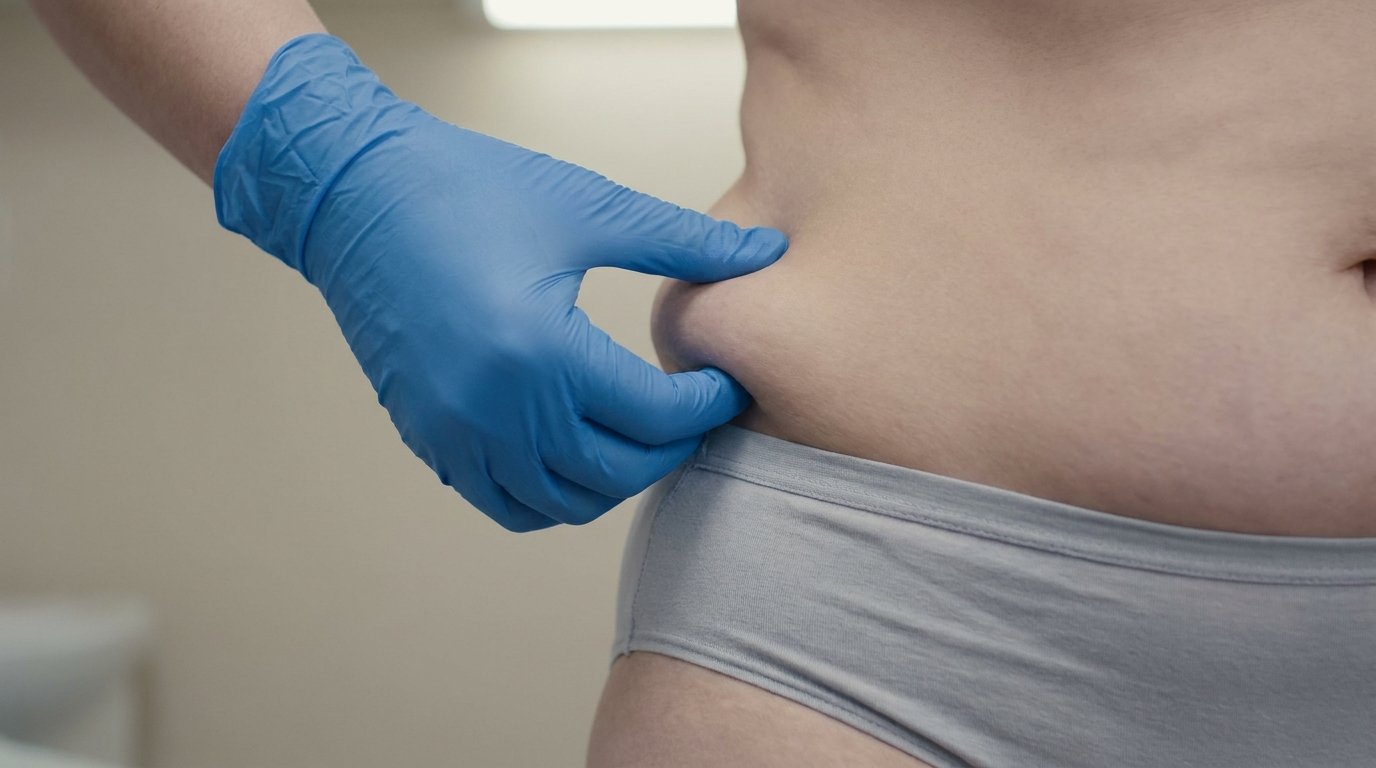
For a Vaser BBL, the best candidates usually have at least a few reliable donor zones. Common areas include the flanks, lower back, abdomen, sacral area, and outer or inner thighs. If you only have a tiny amount in one area, that may not be enough to support both body contouring and transfer.
In slim patients, surgeons often aim for a more athletic hourglass or softer contour rather than a bigger buttocks size. That can still look very effective because shaping the waist and lower back changes proportions, even when the amount of transferred fat is limited.
Why exact transfer volume cannot be promised online
The number that matters is not just how much fat is removed. First, the fat has to be collected carefully. Then it is processed, and only suitable fat is injected. Finally, not every transferred fat cell survives. According to the American Society of Plastic Surgeons and peer-reviewed plastic surgery literature, fat survival depends on careful technique, blood supply in the receiving area, and postoperative healing.
That is why a responsible clinic will avoid promising a specific result from photos sent over WhatsApp or email. A proper consultation, medical history review, and physical examination are much more reliable. If you are researching your options, it helps to read a detailed page on Brazilian butt lift treatment before booking a personalised assessment.
Better waist-to-hip shape, modest roundness, and improved side profile.
Expecting a dramatic, high-volume transformation when donor fat is limited.
A surgeon may discuss buttock implants or simply contouring the waist and back without fat transfer.
You need enough fat in multiple donor areas for safe liposuction and a meaningful transfer, but the exact amount cannot be predicted from body weight or photos alone. Surgeons assess pinch thickness, body proportions, skin quality, and whether your target result is subtle or more noticeable.
Who is usually not a good candidate?
You may not be a good candidate if you are very lean with almost no pinchable fat, if your skin quality is poor, or if you want a result that your anatomy cannot support. A history of smoking, uncontrolled medical conditions, or poor healing can also affect whether surgery is appropriate.
Another issue is body shape. If removing fat from your donor areas would leave visible dips, looseness, or imbalance, a careful surgeon may advise against BBL even if some fat is present. The operation should improve your shape overall, not create a better buttock contour at the expense of the waist, abdomen, or thighs.
You may also be advised to wait if your weight is unstable. Gaining weight quickly just to “make enough fat” for surgery is not always helpful, because new fat distribution is unpredictable and long-term weight swings can affect the result.
If fat transfer is not suitable, alternatives may be more honest and more effective for your body type. In some cases, buttock augmentation with implants may be discussed. In others, targeted liposuction alone can improve proportions enough that the buttocks look better without adding volume.
- ✓You have small but usable fat pockets in more than one donor area
- ✓Your goals are subtle to moderate, not dramatic
- ✓Your weight is stable
- ✓You understand that candidacy cannot be confirmed online
- ✓You are fit for surgery after medical review
Is Vaser BBL safe when you have low body fat?
This is the most important section. BBL is not a casual procedure. It has specific risks that go beyond ordinary bruising and swelling. The serious risk patients should know about is fat embolism, which means fat enters the bloodstream and travels to the lungs. This can be life-threatening.
The ASPS has issued safety advice stressing that fat should be placed in the subcutaneous layer — the tissue above the muscle — rather than into or below the gluteal muscle. Peer-reviewed multi-society safety statements in plastic surgery literature make the same point. In plain language, where the fat is injected matters enormously.
Being slim does not remove these risks. In some cases, limited space for transfer may make restraint even more important. A surgeon should be willing to say no to excessive volume requests.
The NHS guidance on cosmetic procedures also advises patients to check the surgeon’s qualifications, the facility, aftercare, and what happens if something goes wrong. Those are not small details for overseas patients. They are part of safe planning.
When comparing providers, ask who performs the operation, where it takes place, whether the facility is accredited, how emergencies are handled, and what postoperative monitoring is included. You can also review the clinic’s surgeon information and arrange a personal consultation to discuss candidacy properly.
🚨 Important safety risk BBL carries a rare but serious risk of fat embolism. Safe technique and proper patient selection are essential, and no online message can confirm that you are a safe candidate.
⚠️ Be cautious with big promises If a provider promises a dramatic result despite very limited donor fat, that is a reason to ask harder questions about safety and realism.
Safety depends less on being slim and more on surgical technique, patient selection, and setting. BBL has specific serious risks, including fat embolism, so candidacy must be confirmed in person by an appropriately qualified surgeon working in an accredited hospital or clinic with clear safety protocols.
What kind of result should a slim patient realistically expect?
A natural result is usually the best result for a slim frame. The buttocks may look fuller, but the more noticeable difference often comes from narrowing and defining nearby areas. That is why some slim patients are happy even with a modest transfer: the silhouette changes more than they expected.
You should also expect some uncertainty early on. Swelling can make the area look larger at first, then flatter as swelling settles, and then more stable over time. Final shape takes patience.
It is also worth knowing that transferred fat behaves like living tissue. If you later lose weight, the result can reduce. If you gain weight, the area can become fuller. Stable weight usually supports a more stable outcome.
Most slim patients should expect a refined, balanced change rather than a large increase in size. The strongest visual improvement often comes from shaping the waist, lower back, and flanks, with a modest fat transfer to improve roundness and proportion.
What is recovery like and how long should you stay in Turkey?
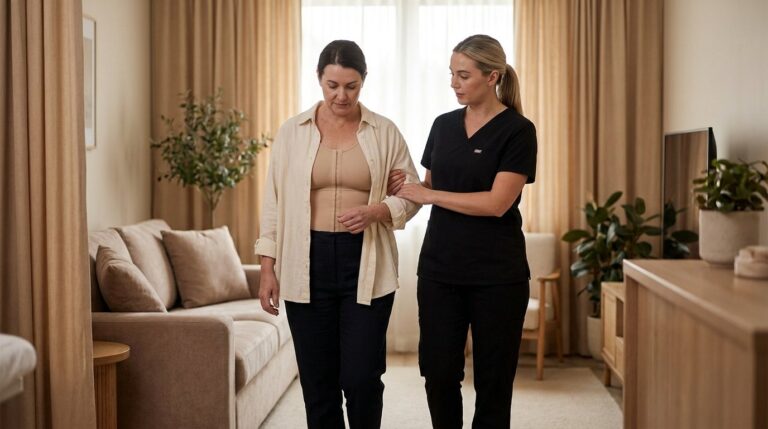
Recovery after Vaser BBL has two parts: healing in the liposuction areas and protecting the transferred fat. You can expect swelling, bruising, soreness, drainage from small incision sites, and limited comfort when sitting or lying in usual positions. Mayo Clinic and NHS guidance on cosmetic surgery recovery generally support the idea that swelling and bruising are normal after body contouring procedures, even though exact recovery speed varies from person to person.
The practical issue after BBL is pressure. Patients are usually advised to avoid direct pressure on the buttocks for a period recommended by their surgeon. That often changes how you sit, sleep, travel, and work in the first phase of recovery.
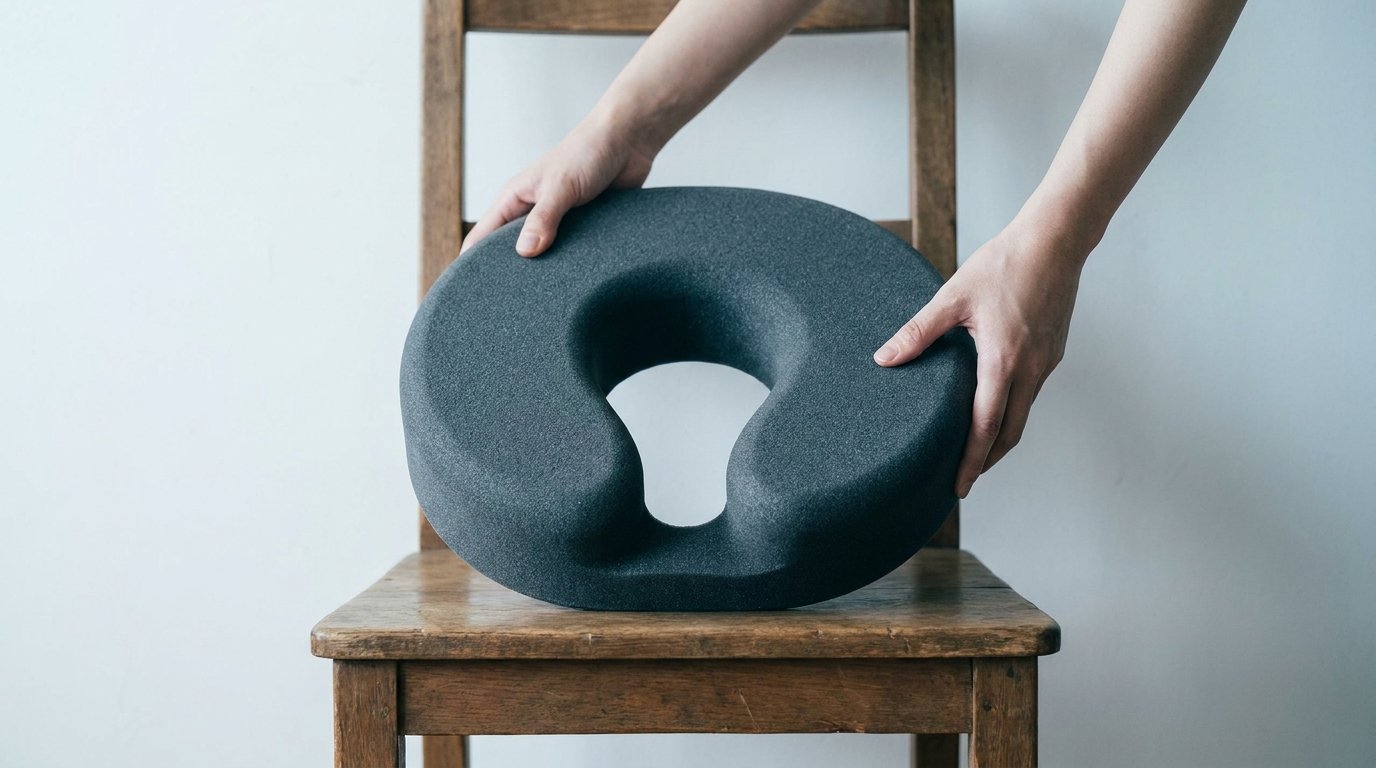
For medical travel, do not plan a rushed trip. You need time for review appointments, early wound checks, garment adjustment, mobility advice, and reassurance if swelling feels uneven. Flying too soon or trying to do tourist activities as if nothing happened is not a smart plan.
A realistic recovery pattern looks like this:
📋 Travel planning tip Ask not just how long the operation takes, but how long the surgeon wants you in Turkey for checks before you fly home.
Recovery is usually manageable but not quick. Most people need at least a couple of weeks away from normal routine, and overseas patients should plan to stay long enough for early checks, swelling management, and safe travel timing based on their surgeon’s advice.
What affects the price and what should a quote include?
If you are slim, pricing can still vary a lot because the work is not only about volume. Careful donor-area sculpting, fat processing, operating time, hospital standards, compression garments, medication, and follow-up all affect the overall quote.
For international patients, the most useful quote is the one that is clear. It should explain whether it covers consultation, pre-op tests, surgeon and anaesthesia fees, hospital stay if needed, transfers, hotel, garments, medications, and follow-up support after you return home. It should also make clear what happens if the plan changes after in-person examination.
A low headline price is not always the better option if it leaves out important parts of care. This is especially true for BBL, where safety and aftercare matter more than a marketing package.
The price depends on the complexity of liposuction, how many donor areas are treated, the surgical setting, the surgeon’s experience, anaesthesia, aftercare, and travel logistics. A useful quote should explain what is included before, during, and after surgery, not just give a single headline figure.
How do you choose the right clinic and surgeon?
For this question, honesty matters more than sales. If you do not have much body fat, the right clinic will not rush to approve you from a few filtered photos. They should ask about your medical history, weight stability, past surgery, smoking or nicotine use, medications, and your exact goal.
You should also expect a clear conversation about what may happen if there is less usable fat than expected on the day of surgery. A thoughtful team explains the plan, the limits, and the alternatives before you travel.
Good signs include transparent communication, realistic before-and-after examples for slim patients, named surgeons, and a proper consultation pathway. You can learn more about the provider through the clinic information page and use the contact page if you need practical travel or planning details.
They explain donor-fat limits, safety technique, recovery, and when BBL may not be the best option.
They promise a dramatic result without examining you properly or discussing serious risks.
You may be offered a modest BBL, liposuction-only contouring, or an alternative procedure depending on your anatomy.
Choose a provider that assesses you individually, explains limits clearly, and discusses BBL safety in plain language. Look for appropriate surgeon credentials, an accredited operating facility, clear aftercare, and honest discussion of alternatives if donor fat is limited.
Frequently Asked Questions
References
- 📎American Society of Plastic Surgeons: Cosmetic Procedures
- 📎NHS: Cosmetic procedures
- 📎PubMed search: gluteal fat grafting safety subcutaneous fat embolism
- 📎Mayo Clinic: Tests and procedures
Related Articles
You Might Also Like


Related articles
Our specialists
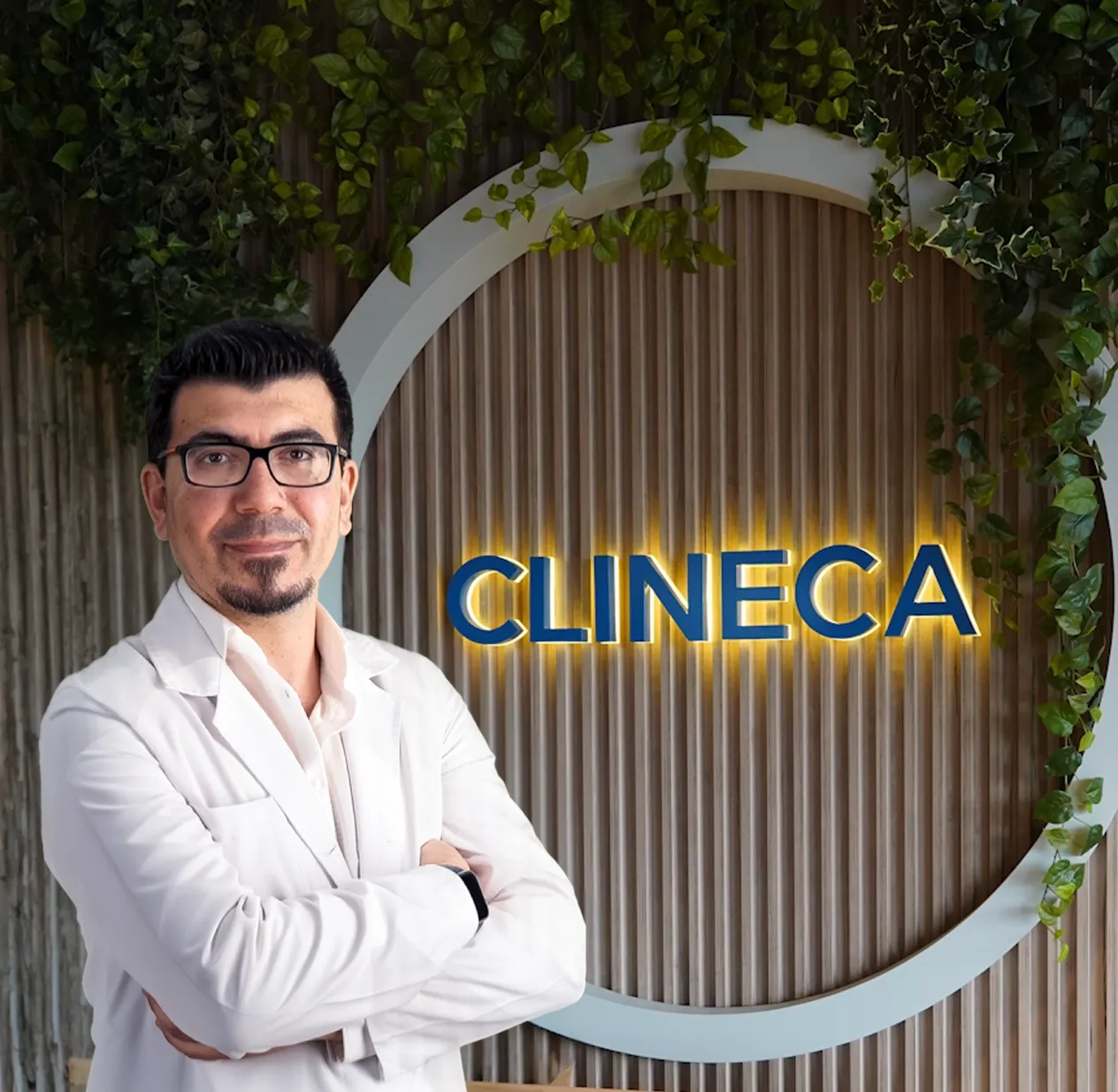 Clineca SpecialistErkan PinegözPlastic & Reconstructive Surgery
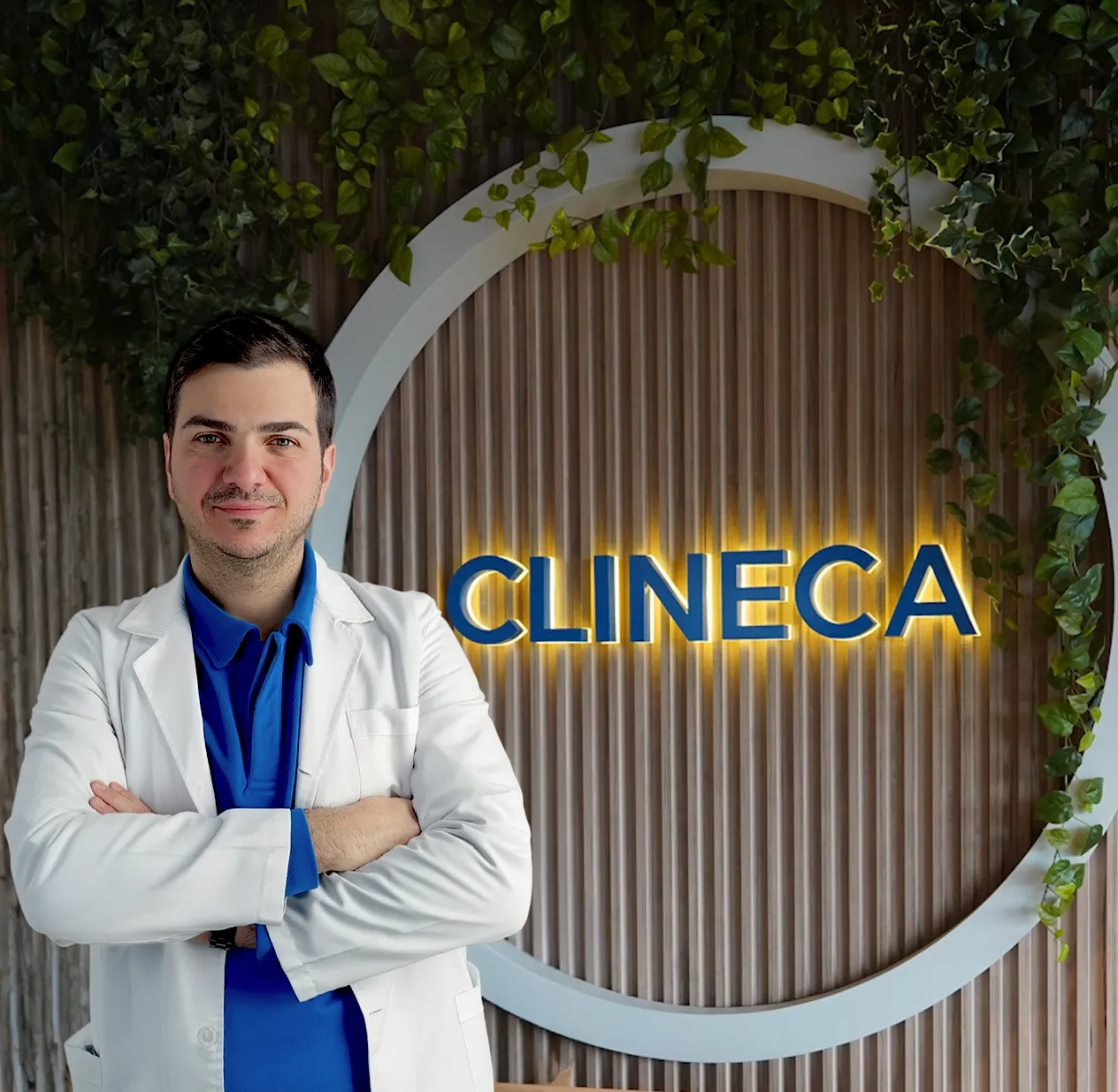 Clineca SpecialistHakan AktaşPlastic & Reconstructive Surgery
 Clineca SpecialistOrkun UzuneyüpoğluPlastic & Reconstructive Surgery
 Clineca SpecialistSalim İskenderPlastic & Reconstructive Surgery
 Clineca SpecialistEngin SelamioğluPlastic & Reconstructive Surgery
 Clineca SpecialistCem AydınPlastic & Reconstructive Surgery
 Clineca SpecialistAlperen ÖnalEar, Nose & Throat (ENT)