

Have a question about Tummy Tuck?
In this article
Ask three UK clinics what an abdominoplasty will cost and you can easily get three different answers, none of them wrong. Tummy tuck cost in the UK is shaped far less by a fixed price list than by what your abdomen actually needs and how much care is built around the operating day. This guide walks through what sits behind the number on your quote, where the NHS fits in, and what the recovery really asks of your diary.
What actually drives the price of a tummy tuck?
The honest answer is that a tummy tuck quote is priced around operating time, complexity and the aftercare attached to it — not around a tariff. Two patients with the same dress size can be quoted quite differently if one needs muscle repair and a longer incision while the other needs a modest skin tightening below the navel.
Surgeon time is the biggest single driver. A full abdominoplasty with repair of separated tummy muscles takes considerably longer in theatre than a mini version, and theatre time is charged by the hour whether you see it itemised or not. Anaesthetic type matters too: a general anaesthetic with a consultant anaesthetist and an overnight bed costs more than a shorter case done with sedation and discharged the same day.
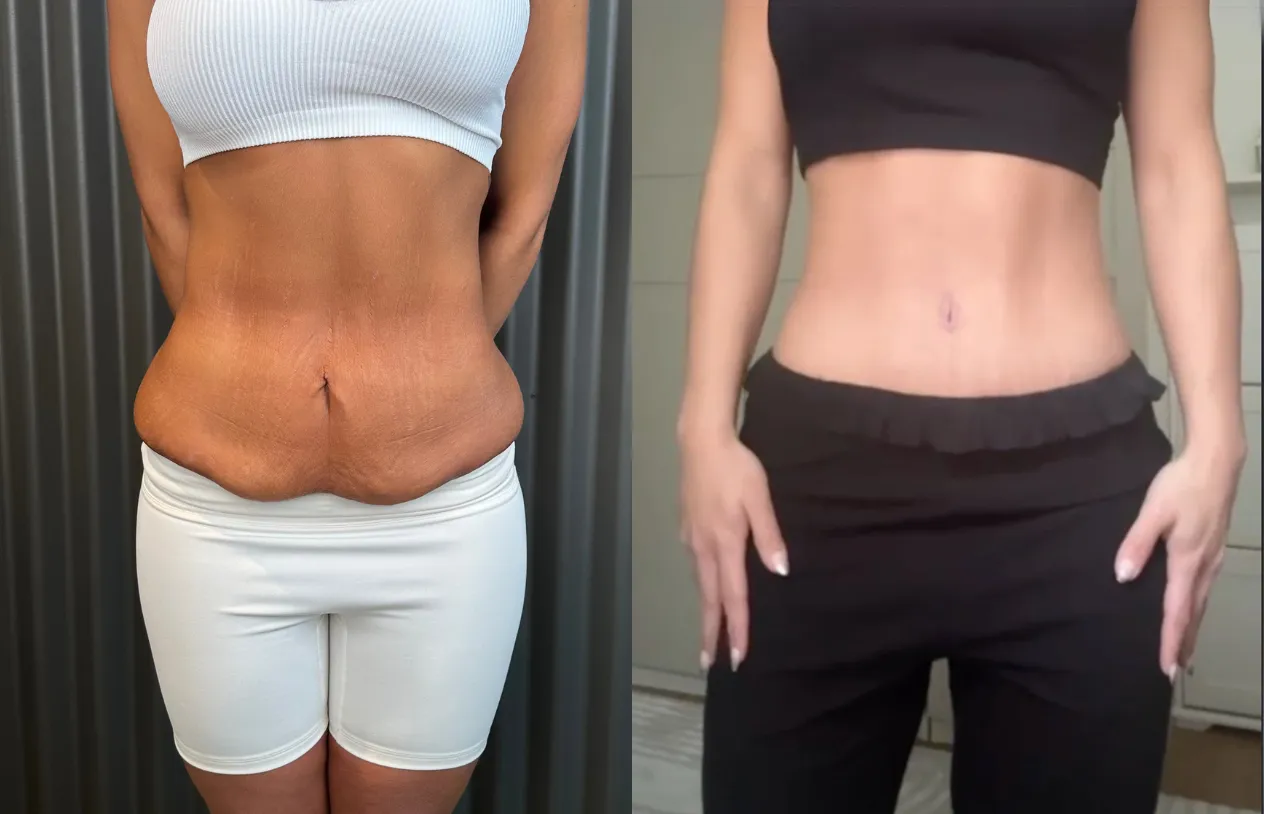
Then there is everything around the surgery. Pre-operative blood tests, your compression garment, dressings, drain removal, nurse appointments, follow-up consultations and any revision policy all sit somewhere in the price — either inside the quote or waiting for you afterwards as an extra. One more detail changes how you should read any single-procedure figure: among our tummy tuck patients, roughly 87% have the abdomen done alongside something else in the same session, most often a breast lift, a breast lift with implants, or liposuction to the flanks. If that is the plan you are leaning towards, compare combined quotes rather than a standalone tummy tuck price, or you will be budgeting against the wrong operation.
📋 Why we do not publish a figure A meaningful price can only follow an examination of your skin quality, muscle separation and weight stability. We give a personalised, itemised quote after consultation rather than a headline number that may not apply to you.
Mini, full or extended: how the type changes the quote
The further the surgery extends around your body, the higher the quote — that is the simplest rule in abdominoplasty pricing. A mini tummy tuck treats loose skin below the belly button with a shorter scar and no repositioning of the navel, so it is the quickest of the three and generally the least expensive.
A full abdominoplasty addresses skin above and below the navel, usually includes repair of separated muscles, and moves the belly button to a new position. That extra work is why it sits in a different price bracket and why the recovery is longer. If you are weighing the two, our breakdown of the difference between a mini and a full tummy tuck explains which signs point to each.
An extended tummy tuck carries the incision further around the hips to deal with loose skin at the flanks and lower back — common after major weight loss. Fleur-de-lis variations add a vertical scar for patients with significant horizontal looseness. Both are longer operations with more extensive wound care, so they are the most expensive end of the range and the least suited to a quick quote over email.
Muscle repair is not an optional extra
If your abdominal wall has separated after pregnancy, tightening the skin alone will leave the bulge. Repair takes additional theatre time and makes the first fortnight stiffer and slower, which is why quotes with and without muscle repair are genuinely different prices rather than clever upselling.
Can you get a tummy tuck on the NHS?
In most cases, no — a tummy tuck done for appearance is treated as cosmetic surgery and is not routinely funded. The NHS states that cosmetic surgery is not usually available on the NHS, and where it is considered, it is for a clear physical or psychological health reason rather than aesthetic preference; the NHS guide to cosmetic procedures sets out that position and what to check before going private.
There are narrow exceptions. Patients left with a large skin apron after substantial weight loss sometimes qualify for skin removal — often called an apronectomy rather than a tummy tuck — when the overhang causes recurrent infections, ulceration or persistent rashes that have not settled with treatment. Funding decisions are made locally, usually require documented weight stability for a period of time and evidence of the skin problems, and the operation removes the hanging skin without the muscle tightening or waist shaping that a cosmetic abdominoplasty includes.
The practical point is that an NHS apronectomy and a private tummy tuck are not the same product. If contour, waist definition and muscle repair matter to you, the NHS route is unlikely to deliver that even if you are eligible.
⚠️ Weight should be stable first Surgery done before your weight settles can leave loose skin returning or scars widening. Most surgeons want several months of stable weight — and no plans for pregnancy — before operating.
UK private surgery versus having it done abroad
Price abroad is lower, but the comparison only works if you line up what each quote actually buys. A UK quote generally assumes you live locally: short follow-up trips, your GP nearby, and a clear route back to your surgeon if something needs attention. A package abroad usually bundles hospital, anaesthetist, hotel and transfers into one figure, which looks dramatically cheaper until you price the things it leaves out.
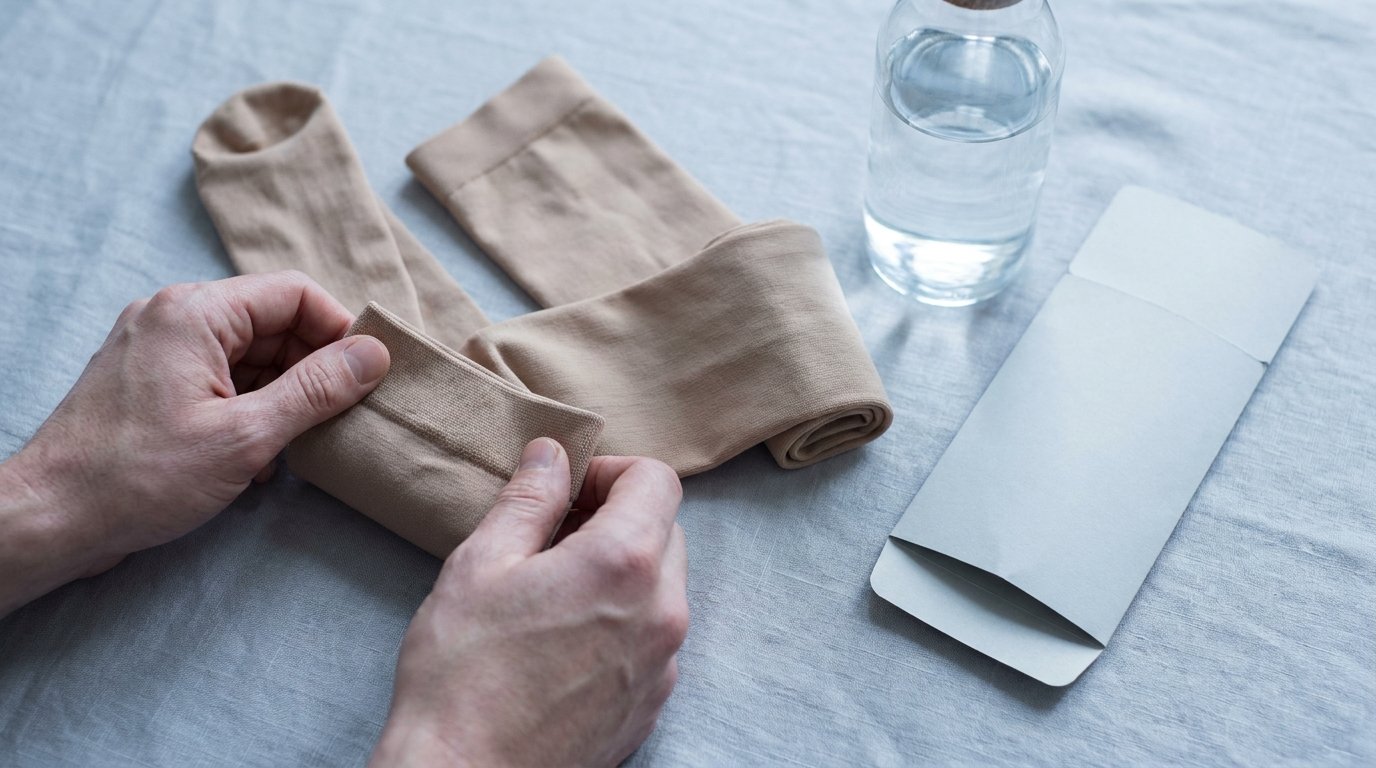
Two items are worth real thought. First, flights after abdominal surgery raise the risk of blood clots in the legs and lungs, because you are immobile, dehydrated and recently operated on — which is why the return flight should be scheduled by your surgeon, not your airline. Second, if a wound complication appears three weeks later at home, you need to know in advance who treats it and who pays.
None of that makes treatment abroad a bad decision; many patients travel well and are pleased with the outcome. It simply means the fair comparison is total cost including travel, time off and aftercare — a point we unpack in our look at plastic surgery prices in Turkey versus the UK, Germany and the Netherlands and in our guide to abdominoplasty in Turkey.
🚨 Do not book the cheapest flight home Early flying after a tummy tuck increases clot risk. Let the surgical team confirm your travel date, wear compression stockings, drink water and walk the aisle regularly.
How much time off work should you budget for?
Plan on two weeks away from a desk job and around four to six weeks before anything physical, with full return to gym training usually somewhere between six and eight weeks. Those are typical figures rather than promises — muscle repair, an extended incision and a combined procedure all push the timeline towards the longer end.
The first week is the demanding one. You will be bent slightly forward, moving slowly, sleeping propped up, and managing drains if your surgeon uses them. Most patients find standing fully upright comes back gradually over the first couple of weeks, which is covered in detail in our piece on when you can stand up straight after a tummy tuck.
Time off is a real cost, and it is the one people forget when comparing quotes. Lost income, childcare for the first fortnight, and someone to lift and carry for you all belong in the budget alongside the surgical fee. Our week-by-week abdominoplasty recovery guide sets out what each stage usually feels like so you can book leave realistically rather than optimistically.
- →Days 1–7: Rest, short frequent walks, drains and dressings, help needed at home.
- →Weeks 2–3: Desk work often possible; posture straightening; swelling still obvious.
- →Weeks 4–6: Light activity and driving return; no heavy lifting or core work yet.
- →Weeks 6–12: Gradual return to full exercise; scar and swelling continue to settle.
Judging safety and choosing the surgeon
The quote matters less than who is holding the scalpel, so check the surgeon before you compare numbers. In the UK, that means confirming registration on the General Medical Council specialist register for plastic surgery and asking how many abdominoplasties they perform each year; the British Association of Aesthetic Plastic Surgeons is a useful starting point for understanding UK standards and finding a qualified aesthetic plastic surgeon.
For surgery abroad, ask for the individual surgeon’s name and credentials rather than the clinic’s brand, confirm the hospital is accredited for inpatient surgery, and ask who manages your care if you need a second night. A clear written plan for complications is a better sign of quality than a glossy before-and-after feed.
Be wary of pressure. Time-limited discounts, a price quoted before anyone has examined you, and reluctance to put inclusions in writing are all reasons to slow down. A good consultation sometimes ends with the surgeon advising you to wait — for weight stability, for finished family plans, or for a different operation altogether.
This article is for informational purposes only and does not constitute medical advice. Always consult a qualified surgeon for personalised guidance.
A named, registered plastic surgeon; an in-person or video examination before any quote; written inclusions and exclusions; an accredited hospital; a clear complications and follow-up plan.
A firm price before assessment; discounts that expire this week; no surgeon named; vague answers on who pays if something goes wrong; no post-operative garment or follow-up detail.
Weight stabilisation, targeted physiotherapy for abdominal separation, or a smaller mini abdominoplasty later can all be better value than an operation done too soon.
Frequently Asked Questions
References
- 📎NHS — Cosmetic procedures
- 📎British Association of Aesthetic Plastic Surgeons (BAAPS)
- 📎American Society of Plastic Surgeons — Cosmetic procedures
Related Articles


You Might Also Like



Related articles


Our specialists
 Clineca SpecialistErkan PinegözPlastic & Reconstructive Surgery
 Clineca SpecialistHakan AktaşPlastic & Reconstructive Surgery
 Clineca SpecialistOrkun UzuneyüpoğluPlastic & Reconstructive Surgery
 Clineca SpecialistSalim İskenderPlastic & Reconstructive Surgery
 Clineca SpecialistEngin SelamioğluPlastic & Reconstructive Surgery
 Clineca SpecialistCem AydınPlastic & Reconstructive Surgery
 Clineca SpecialistAlperen ÖnalEar, Nose & Throat (ENT)