In this article
- What counts as a "real" result, and what a photo can never show
- How to judge before-and-after photos like a sceptic
- When is the result actually final? Realistic settling timelines
- Realistic results for your anatomy, not someone else’s
- Looking beyond the gallery: reviews, patient stories and video consults
- How price and package structure affect the result you get
- Planning your stay so the result is properly checked
Scroll through enough clinic accounts and every nose looks carved, every waist looks snatched, and every smile looks like it belongs on a billboard. Patients searching for real results from plastic surgery in Turkey are usually trying to do something harder than browsing: they want to work out which images reflect what a surgeon can genuinely deliver for a body like theirs. That takes a bit of training in how to look at photos, timelines and the gaps in between.
What counts as a "real" result, and what a photo can never show
A real result is a settled result. It is the face or body you live with once swelling has drained, scars have faded toward their final colour, implants or transferred fat have found their position, and your tissues have finished shrinking around the new shape. Almost nothing posted at two weeks post-op fits that description.
This matters because the most dramatic images are often the youngest ones. Early photos can look tight, lifted and startlingly slim because of swelling in the right places and fluid shifts that have not resolved yet. A nose can look narrow at day ten and gradually widen slightly as tip swelling settles over the following year, while a liposuction result can look smoother at week three than at week six, when fluid redistributes before it finally goes.
A photograph also hides the things patients care about most once they are home. It cannot show you whether breathing improved, whether scars itched for months, whether sensation returned, whether the patient needed a revision afterwards, or how much of the change came from surgery rather than weight loss during recovery. When you assess a gallery, you are assessing one narrow slice of an outcome.
📋 Ask the question galleries don’t answer For any photo you like, ask the clinic how many months after surgery it was taken, and whether that patient needed any secondary procedure. A clinic that tracks its own outcomes can answer both without hesitation.
How to judge before-and-after photos like a sceptic
The single most useful habit is to compare the conditions of the two photos before you compare the bodies in them. Posture, lighting, camera distance, hair, make-up, underwear and even whether the patient is breathing in all change an apparent result far more than most people expect. A body photo taken from slightly below with the hips rotated will look curvier than the same body shot straight on under flat light.
So look for consistency first. Honest surgical photography is boring to look at: same background, same distance, same lighting, same stance, same unflattering angles in both frames. If the “before” is a harsh overhead snap in bad light and the “after” is a glossy studio portrait with a tan and a push-up bra, you are looking at marketing, not evidence.
The details worth zooming in on
For noses, look at the profile and the base view, not just the three-quarter angle that flatters everything. For breasts, check whether the nipple position looks natural relative to the fold, and whether the implant edge is visible. For body contouring, look at skin quality, not just circumference. For facelifts, check the earlobe and hairline, because that is where rushed work shows.
- ✓Same angles, both sides: a result shown from only one carefully chosen angle is usually hiding the other one.
- ✓A range of starting points: galleries full of slim, young, straightforward cases tell you little about a harder case like yours.
- ✓Scars shown, not cropped: a surgeon confident in closure technique will show you incisions, including at six and twelve months.
- ✓Visible imperfection: mild asymmetry, settling and ordinary healing all appear in genuine long-term photos.
Watch for the opposite signals too: blurred or smoothed skin, warped backgrounds that suggest body-reshaping filters, inconsistent tattoos or moles between the two images, and the same handful of images recycled across unrelated clinic pages. If an “after” has no pores, it has been edited.
Multiple cases that resemble your anatomy, photographed in the same conditions, with results shown at six to twelve months and scars included.
Only glamour-lit afters, no timeframes given, heavy skin smoothing, or results that all look like the same idealised shape regardless of the starting body.
A small gallery. Many excellent surgeons publish little because most patients decline photo consent. Ask whether they can show consented cases privately during consultation.
When is the result actually final? Realistic settling timelines
Judging your own result too early is the most common source of panic we see in messages from patients at home. Swelling is asymmetric, it moves with gravity and sleep position, and it leaves the face and body in an order nobody warns you about. The figures below are typical ranges rather than promises, and individual healing varies with technique, skin thickness and whether procedures were combined.
For noses in particular, thick skin and revision surgery both stretch the timeline considerably, which is why rhinoplasty patients are usually told to stop comparing themselves to their day-ten photo. Our detailed breakdown of when the final rhinoplasty result appears goes through that month by month.
⚠️ Don’t book a revision conversation early Asymmetry, firmness and odd contours at weeks two to eight are often normal healing. Revision decisions are usually only sensible once tissues have settled — for most procedures that means at least six months, and around a year for noses.
Realistic results for your anatomy, not someone else’s
The hardest part of expectation-setting is accepting that your starting point sets the ceiling. Skin thickness, skin elasticity, bone structure, muscle position, previous surgery, pregnancy history, weight stability and scarring tendency all shape what is achievable. Two patients can have identical surgery by the same surgeon and finish with visibly different results, and neither one has been treated badly.
A good consultation says no to something. If a surgeon agrees enthusiastically to every photo you show and every size you suggest, that is not reassurance. The more useful response sounds like: this part is achievable, this part is limited by your skin, and this part would look unnatural on your frame, so here is what I would do instead.
There are also limits that no technique removes. Scars are permanent, though they usually fade and flatten. Skin that has lost its elasticity after major weight loss will not fully retract. Fat transfer loses a share of its volume as some grafted fat is reabsorbed. Perfect symmetry does not exist in nature and will not exist after surgery either. Hearing these trade-offs described plainly, before you pay anything, is one of the better signs you are dealing with a serious team.
If your weight is still changing significantly, you plan a pregnancy soon, or your concern is mild, waiting or a non-surgical option may protect your long-term result better than operating now.
Looking beyond the gallery: reviews, patient stories and video consults
Photos are only one strand of evidence. Written reviews are worth reading for the texture of the experience rather than the star rating — how the clinic behaved when something went wrong, how reachable the surgeon was after discharge, how aftercare worked once the patient flew home. Reviews that only praise the airport transfer tell you about the hotel, not the surgery.
First-hand accounts are more useful when they cover the dull middle weeks rather than the reveal. Reading through patient stories from Turkey is a reasonable way to calibrate what the first fortnight genuinely feels like, including the parts nobody posts.
A video consultation with the operating surgeon — not only a coordinator — is the most direct test available to an international patient. Ask who will perform the surgery, how many of your specific procedure they do in a typical month, what their revision rate is and who pays for a revision, which hospital you will be admitted to, and what happens if you develop a complication after you land back home. Vague or shifting answers to those questions matter more than any photo.
🚨 Pressure is a red flag Time-limited discounts, deposit demands before a surgeon has reviewed your photos, or refusal to name your operating surgeon are reasons to walk away, however good the gallery looks.
- ✓Surgeon identity confirmed in writing: You should know the name and qualifications of the person operating before you pay a deposit.
- ✓Hospital and accreditation named: Procedures should take place in a licensed hospital or surgical facility, not a non-clinical setting.
- ✓A written plan, not a package headline: Technique, implant or graft choice, anaesthesia, number of nights and follow-up should all be specified.
- ✓A stated revision policy: Ask what triggers a revision, what the waiting period is, and which costs you would carry.
How price and package structure affect the result you get
Cost in Turkey is driven mainly by surgical complexity, the surgeon’s experience and case volume, the hospital and anaesthesia team, the implants or grafting materials used, and how long you are supervised afterwards. Combining procedures, revision work, rib cartilage grafting or an extended hospital stay all raise the figure — and they raise it for reasons that are directly connected to safety and outcome quality. A personalised price is confirmed only after a consultation and a review of your photos or scans.
The cheapest quote usually buys less supervision rather than a worse surgeon’s hands, and that distinction is where results quietly diverge. Short hospital stays, no in-person follow-up before flying, generic garments and no named point of contact for complications all shave money off a package while increasing the chance that a problem is caught late. It is worth reading what an all-inclusive surgery package typically includes so you can compare quotes on the same basis.
Planning your stay so the result is properly checked
Results are also protected by logistics. Most facial and breast procedures involve staying in Turkey for roughly five to ten days so that dressings, splints or sutures can be reviewed and you are cleared to fly; larger body surgery often needs the longer end of that range, and combined operations more again. Flying too early raises swelling and clot risk, and it removes the chance for your surgeon to spot an early problem in person.
Safety standards vary between providers rather than between countries, which is why the choice of surgeon and facility matters far more than the destination. If you are weighing that up, our overview of whether plastic surgery in Turkey is safe sets out the checks worth making, and the guide on choosing a rhinoplasty surgeon in Turkey applies broadly to other procedures too.
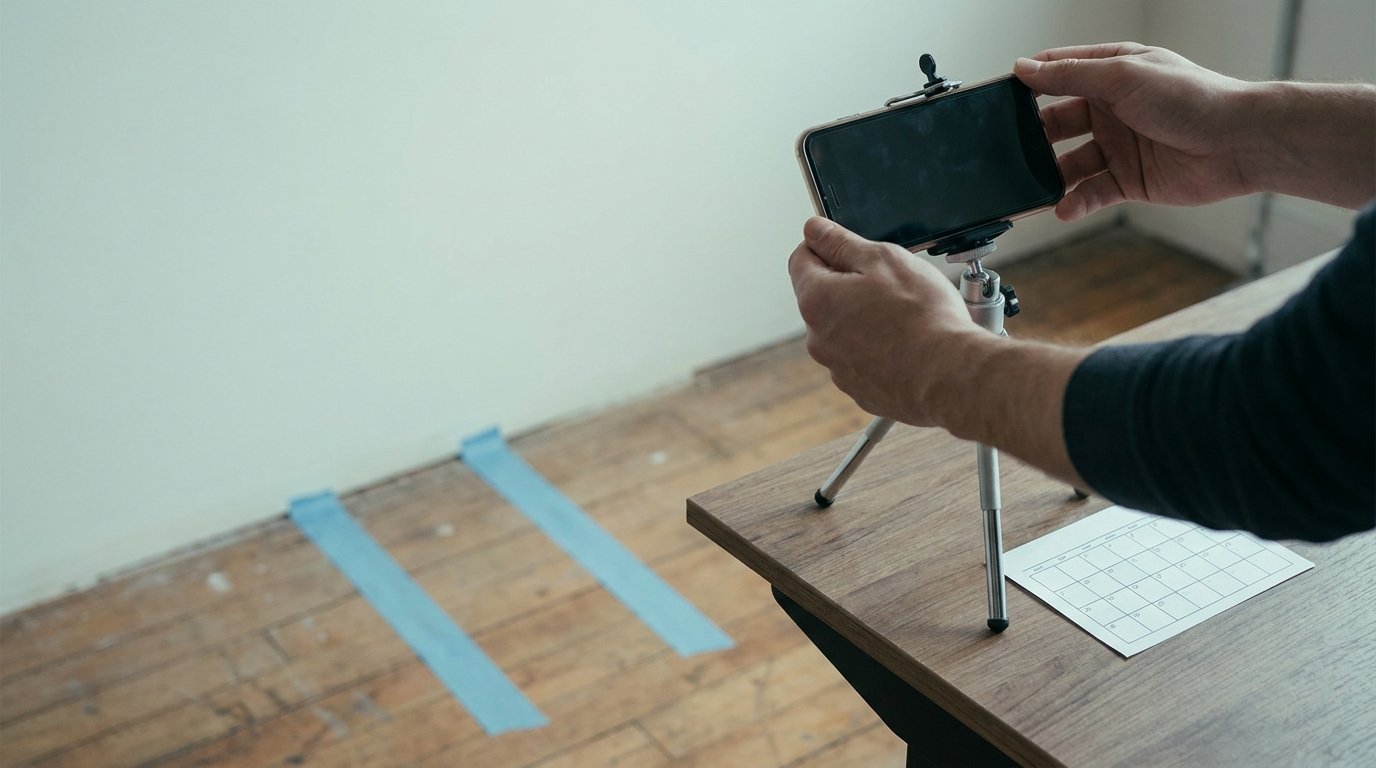
Finally, plan your own documentation. Take standardised photos of yourself before surgery in consistent light and angles, then repeat them at the same spots monthly. Nothing reassures a healing patient more than seeing their own four-month photo next to their day-twelve photo — and nothing makes a revision discussion more productive than evidence instead of memory.
This article is for informational purposes only and does not constitute medical advice. Always consult a qualified surgeon for personalised guidance.
Frequently Asked Questions
References
- 📎NHS — Cosmetic procedures
- 📎ASPS — Cosmetic procedures
- 📎EBOPRAS — European Board of Plastic, Reconstructive and Aesthetic Surgery
Related Articles



You Might Also Like



Related articles



Our specialists
 Clineca SpecialistErkan PinegözPlastic & Reconstructive Surgery
 Clineca SpecialistHakan AktaşPlastic & Reconstructive Surgery
 Clineca SpecialistOrkun UzuneyüpoğluPlastic & Reconstructive Surgery
 Clineca SpecialistSalim İskenderPlastic & Reconstructive Surgery
 Clineca SpecialistEngin SelamioğluPlastic & Reconstructive Surgery
 Clineca SpecialistCem AydınPlastic & Reconstructive Surgery
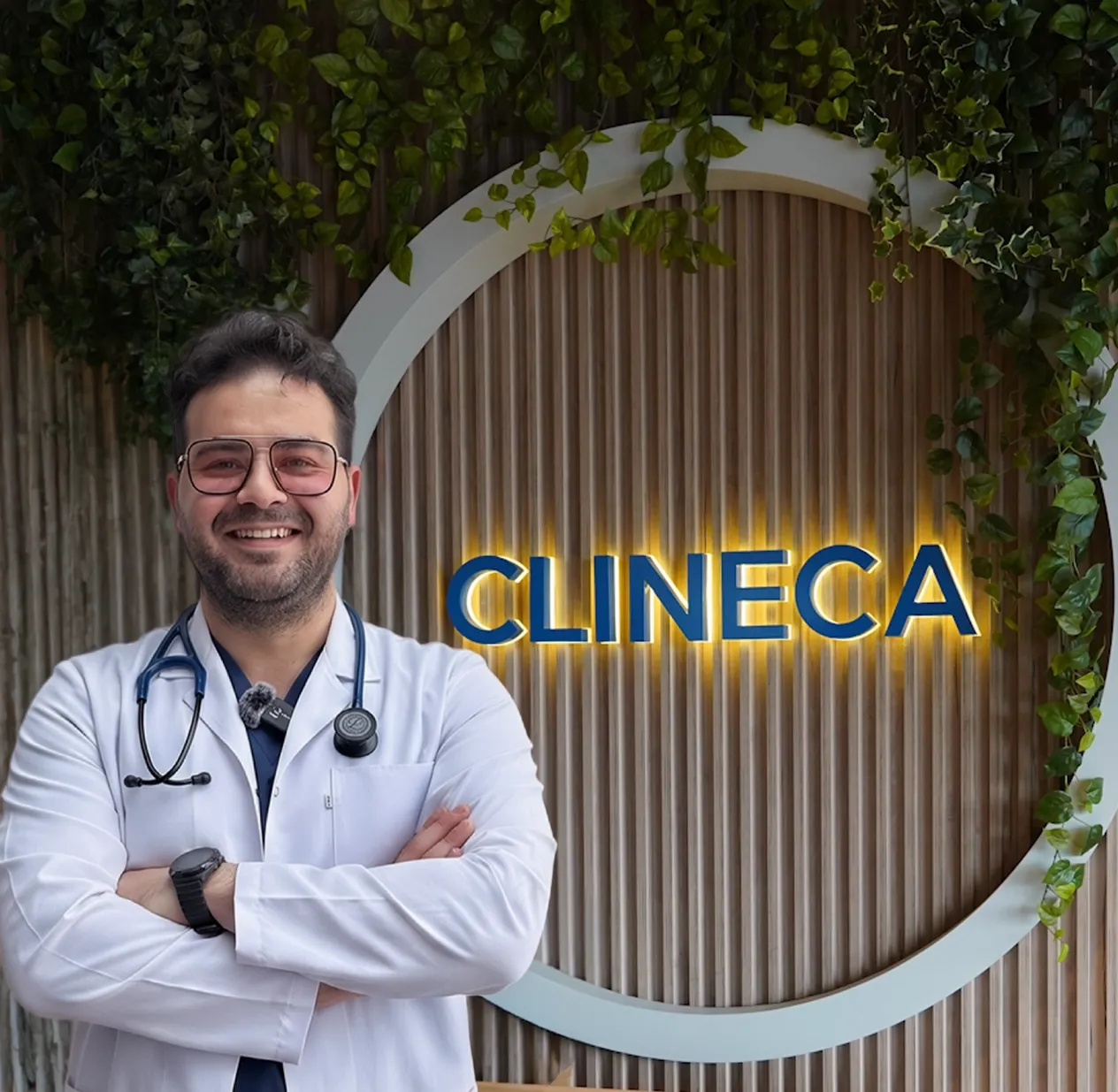 Clineca SpecialistAlperen ÖnalEar, Nose & Throat (ENT)