

Have a question about Labiaplasty?
In this article
If you are looking up what to expect during labiaplasty recovery week by week, you are usually trying to plan real life, not just read a textbook description. The hardest part for many patients is that healing in this area is private, sensitive and a little unpredictable day to day, so it helps to know what tends to happen at each stage.
A practical week-by-week labiaplasty recovery snapshot
Most patients are surprised by two things in the first few days: swelling can look more dramatic than they expected, and the area can feel more tender when sitting, walking or using the toilet than when lying down. That does not automatically mean something is wrong. The vulval tissues have a rich blood supply, so bruising and swelling can peak early before they slowly settle.
A useful rule is to think in phases rather than in exact dates. Many surgeons advise taking at least several days of reduced activity, then easing back into desk work once discomfort is manageable. More strenuous exercise, penetrative sex and friction-heavy activity usually need longer because the incision line is still fragile even when the outside looks better.
The NHS notes that pain, bruising and swelling are expected after cosmetic genital surgery, and that recovery advice should come from the treating surgeon because healing times vary. Peer-reviewed papers in journals such as Aesthetic Plastic Surgery and Plastic and Reconstructive Surgery also describe swelling, wound separation and infection as recognised short-term issues after labiaplasty, which is why aftercare matters as much as the operation itself.
For extra context on preparation before surgery, this article on how to prepare properly for labiaplasty surgery helps patients plan the practical side before they even reach day one.
📋 Timing is not identical for every patient Recovery advice varies by technique, how much tissue was removed, whether dissolvable stitches were used, and your surgeon’s own protocol. Use general timelines for planning, but follow your own post-op instructions first.
What the first week usually feels like day by day
The first 24 to 72 hours are usually the most awkward part. You may feel burning, throbbing or a pulled sensation, especially when moving from lying down to standing. Mild spotting on a pad is common early on. Swelling can make the labia look uneven or much larger than expected, and that can be emotionally unsettling if you are not prepared for it.
By days 3 to 5, some patients feel physically better but then worry because the area still looks worse than they hoped. That is a normal mismatch. Pain often improves before swelling does. You may also notice itching as healing begins, but itching alone is not a sign to scratch or check the area repeatedly. Friction can slow healing.
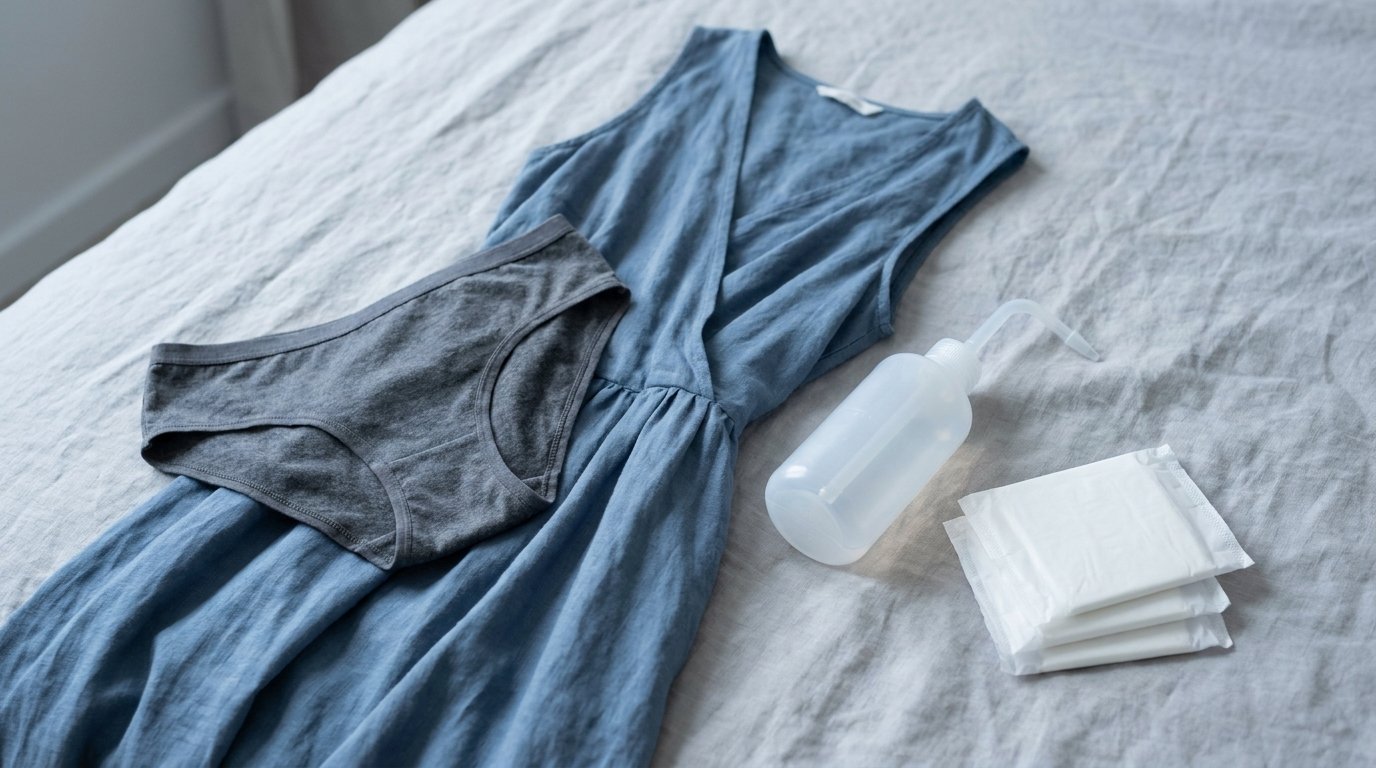
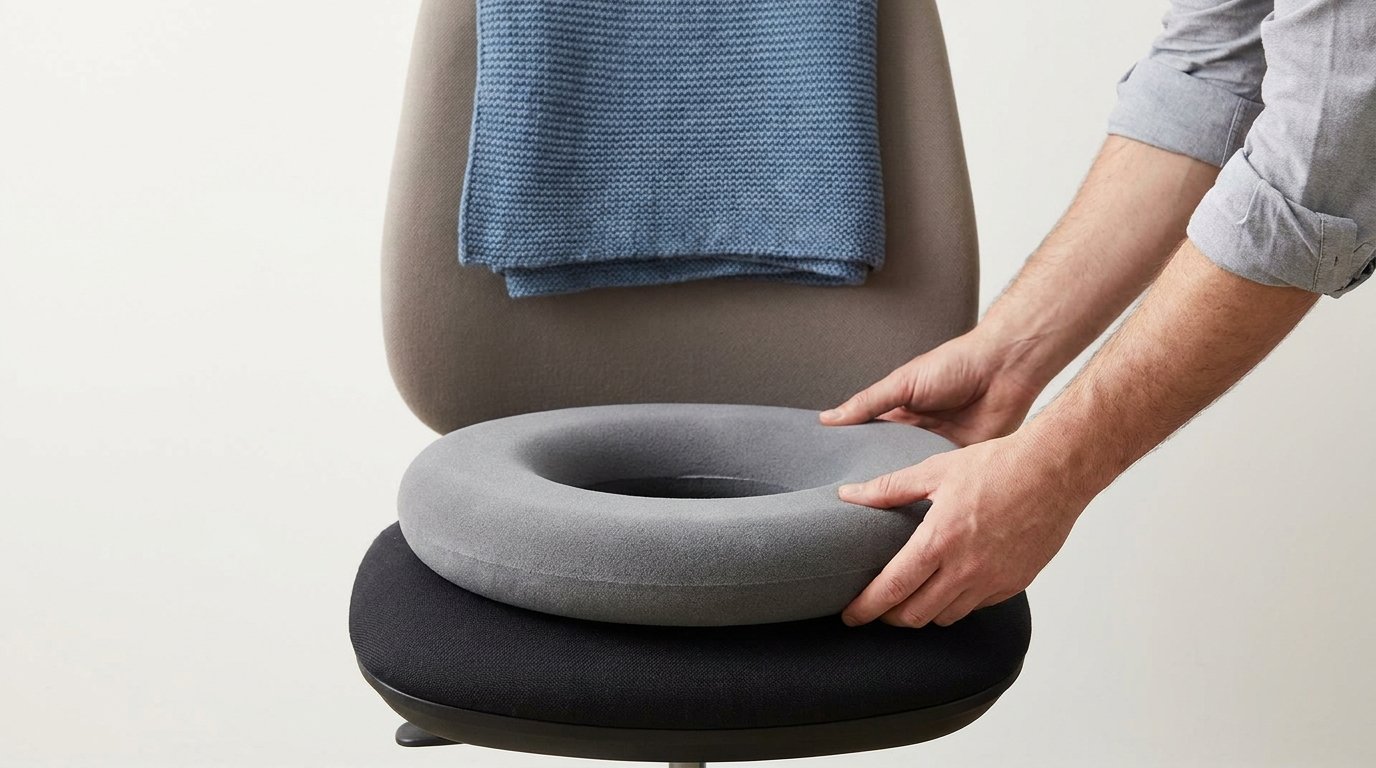
By the end of week 1, walking around the room and doing very light daily tasks is often easier, but sitting upright for long periods may still be uncomfortable. Many patients prefer loose underwear, loose trousers or a dress, careful rinsing after passing urine, and frequent short rest periods rather than one big outing.
If you want a separate deep dive on swelling expectations, how long swelling lasts after labiaplasty goes into more detail about why appearance changes from morning to evening during the early phase.
- ✓Use the pain relief exactly as prescribed rather than waiting until discomfort becomes intense.
- ✓Keep the area clean and dry in the way your surgeon advised; this often means gentle rinsing, patting dry and avoiding scented products.
- ✓Wear loose clothing and avoid rubbing from tight underwear, exercise leggings or rough sanitary pads.
- ✓Take short walks indoors to keep moving, but avoid long outings, heavy lifting and exercise.
When can you work, walk normally, exercise, have sex and fly?
This is where recovery planning becomes practical. A lot depends on whether your job is fully desk-based, whether you can sit in a relaxed position, and how much privacy you have for bathroom breaks and hygiene. Many people feel ready for desk work in about one to two weeks, but returning earlier can still feel tiring if swelling increases through the day.
Walking normally often improves in the second week, though a slight careful gait is common before that. Exercise usually needs the most patience. Even if you feel almost normal by weeks 3 to 4, cycling, running, lower-body workouts, swimming and anything that creates direct pressure or friction can irritate the incision line.
Sex is usually left until the tissues are properly closed and robust enough to tolerate stretching and friction. In many aftercare plans, that means waiting about six weeks or sometimes longer if healing is slow. Flying is less about a labiaplasty-specific danger and more about comfort, swelling and having access to follow-up. Short flights may be manageable once you are mobile and comfortable, but most medical travellers are wise to stay long enough for an in-person check before leaving.
If you are travelling for surgery, the practical side of hotel timing, assistance and what is included in a package can matter almost as much as the operation. This article on what is included in an all-inclusive surgery package in Turkey is useful when you are mapping the recovery part of the trip rather than only the procedure itself.
What is normal in weeks 2 to 6, and what is not
Weeks 2 to 3 are often mentally easier because the area starts to calm down, but this can also be the stage when patients inspect every contour and worry about symmetry. Final shape should not be judged this early. Residual swelling can hide the true result for weeks, and one side can settle faster than the other.
Small areas of firmness, mild itch, sensitivity and occasional tiny spots of discharge from dissolving stitches can happen during normal healing. Some patients also feel a brief increase in soreness if they have walked too much or worn tight clothing for a few hours. That does not always mean a complication, but it is a sign to slow down.
What needs attention is different. Increasing redness that spreads, worsening pain after an initial improvement, bad-smelling discharge, fever, heavy bleeding, or a wound edge that opens more than slightly should be reported promptly. Published studies and professional guidance describe wound separation, infection, haematoma and over-resection as recognised complications, even though many patients heal without major problems.
Why surgeon-specific advice matters
Labiaplasty is not one single operation performed one single way. Trim and wedge techniques heal a little differently, and some surgeons combine clitoral hood reduction or treat asymmetry more extensively. That affects where swelling sits, how tension falls on the wound, and when an activity is safe again. This is why one patient may be cleared for normal movement sooner than another with the same calendar date.
When the area starts to feel more like your own body again
Around weeks 4 to 6, many patients notice a shift from active healing to gradual settling. The constant awareness of the area fades. You may still have mild puffiness by evening or tenderness if clothing rubs, but day-to-day life feels much more normal. That does not mean every stitch has vanished or every sensation is final, only that the most disruptive stage is usually passing.
⚠️ Do not judge the final result too early Early asymmetry, bunching and swelling are common. Revision should not be discussed in the acute healing phase unless your surgeon identifies a true problem.
🚨 Contact your surgeon urgently if symptoms are worsening Fever, spreading redness, foul-smelling discharge, heavy bleeding, severe increasing pain or a significantly opening wound are not routine recovery features.
How long should you stay in Turkey, and what should aftercare cover?
For a straightforward labiaplasty, the stay is usually much shorter than for larger body procedures, but it still needs to be long enough for the first review. You want time for the initial swelling peak to pass, for your surgeon to examine the wound, and for you to feel confident with washing, medication and moving around before flying home.
A good aftercare plan should be very clear on who answers messages, how quickly concerns are triaged, and what happens if you send a photo because you are worried about swelling or a stitch line. One of the biggest differences in patient experience is not the surgery itself but how organised the communication is once you are back in the hotel.
Cost is usually driven by the surgeon’s experience, the clinic or hospital setting, whether anaesthesia is local or general, and what is bundled into the quote. A personalised quote is normally confirmed after consultation and review of your anatomy and goals. For a broader look at privacy, safety and travel planning around this procedure, labiaplasty in Turkey: safety, privacy and recovery is the most relevant related read.
Instructions are written clearly and include hygiene, activity, stitches, pain relief and exact red flags.
You are told recovery is simple but given vague answers about sex, flying, swelling or what happens if the wound opens slightly.
Frequently Asked Questions
References
- 📎NHS: Cosmetic procedures
- 📎ASPS: Cosmetic procedures
- 📎PubMed search: labiaplasty complications wound dehiscence infection review
- 📎PubMed search: labiaplasty recovery outcomes Aesthetic Plastic Surgery
Related Articles


You Might Also Like

Related articles


Our specialists
 Clineca SpecialistErkan PinegözPlastic & Reconstructive Surgery
 Clineca SpecialistHakan AktaşPlastic & Reconstructive Surgery
 Clineca SpecialistOrkun UzuneyüpoğluPlastic & Reconstructive Surgery
 Clineca SpecialistSalim İskenderPlastic & Reconstructive Surgery
 Clineca SpecialistEngin SelamioğluPlastic & Reconstructive Surgery
 Clineca SpecialistCem AydınPlastic & Reconstructive Surgery
 Clineca SpecialistAlperen ÖnalEar, Nose & Throat (ENT)