Have a question about Otoplasty?
In this article
Otoplasty cost in the UK is rarely a single tidy figure, and the quotes people collect for ear pinning can look oddly far apart for what sounds like the same operation. Part of that is clinical — ears differ, and so do the techniques used to reshape them — and part of it is simply how each clinic builds its quote. Understanding what sits inside the price makes those differences far easier to read.
What actually sits inside an otoplasty quote
Otoplasty, often called ear pinning, reshapes the cartilage of the ear so that it sits closer to the head or has a more defined fold. It is a short operation in surgical terms, but the price is driven by a handful of practical decisions rather than by the time in theatre alone.
The biggest variables are the anaesthetic and the setting. Surgery under local anaesthetic in a day-case clinic uses fewer staff and less monitoring than the same operation under general anaesthetic in a hospital with an anaesthetist and a recovery team, and the quote reflects that. Children are almost always treated under general anaesthetic, which is one reason paediatric quotes rarely sit at the lower end.
Technique matters too. Some ears need only stitches placed to create or strengthen the natural fold; others need the cartilage scored, thinned or partly reshaped, and a few need work on the earlobe or the conchal bowl — the deep hollow next to the ear canal — to get a balanced result. Revision surgery on an ear that has already been operated on is a different job again, because scar tissue is less predictable and the surgeon may need cartilage from elsewhere.
| Price driver | Why it moves the quote |
|---|---|
| One ear or both | Correcting a single ear costs less than two, but rarely half as much — theatre time, staffing and follow-up are largely fixed |
| Local vs general anaesthetic | General anaesthetic adds an anaesthetist, longer monitoring and a hospital-grade setting |
| Technique complexity | Suture-only reshaping is simpler than cartilage scoring, conchal reduction or lobe correction |
| Primary vs revision | Previously operated ears take longer and carry more uncertainty |
| Surgeon experience | Seniority and specialist ear or facial practice are reflected in the fee |
| Aftercare included | Dressings, headband, review appointments and any revision policy all sit somewhere in the price |
📋 Why we do not publish a figure here A meaningful otoplasty price depends on your ear anatomy, the anaesthetic you need and whether one or both sides are being treated. We give a personalised, itemised quote after consultation and photo assessment rather than a headline number that may not apply to you.
Can you get ear pinning on the NHS?
For most adults the answer is no. Otoplasty is treated as a cosmetic procedure, and the NHS does not routinely fund cosmetic surgery; its own patient information on cosmetic procedures explains that these treatments are usually paid for privately.
There are exceptions, and they are decided locally rather than nationally. Funding decisions for procedures of limited clinical value sit with your integrated care board, and each board publishes its own commissioning policy with its own thresholds. In practice, the cases most likely to be considered involve children or young people with markedly prominent ears causing significant psychological distress or bullying, or reconstruction after injury or a congenital ear difference. Policies commonly set an age window, ask for evidence of distress documented over time, and require a GP referral before a specialist will assess you.
If you think you may fall inside an exception, start with your GP and ask specifically which local policy applies. A refusal is not always final — most boards have an individual funding request route for cases that fall outside the written criteria, though it needs clinical evidence rather than preference.
⚠️ Do not assume a pathway exists Waiting for an NHS decision can take months. If a private route is realistically your plan, it is worth asking the question early rather than treating it as a fallback after a long wait.
How to compare two quotes that look nothing alike
The honest difficulty with comparing ear pinning prices in the UK is that one quote may be a surgeon’s fee alone while another is a full package. Before comparing anything, ask each clinic to itemise the consultation, the surgeon’s fee, theatre and facility charges, the anaesthetist, dressings and the support headband, all scheduled reviews, and what happens if an ear relaxes or a stitch needs attention later.
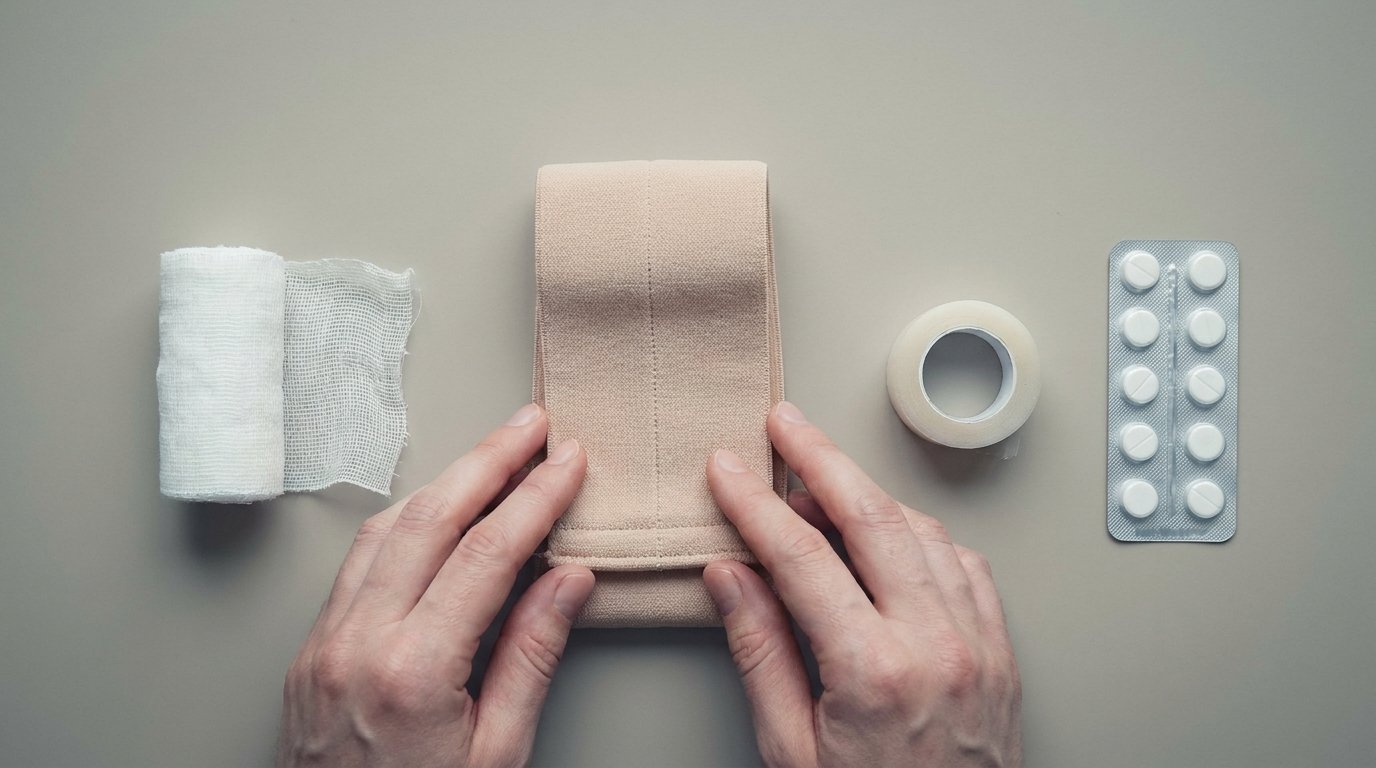
There is another reason a bare single-procedure price can mislead. Nearly three in five of the people who come to us for ear surgery have it alongside another operation, most often a rhinoplasty in the same session, because both are facial-balance procedures and one anaesthetic covers them. If you are even considering a second procedure, get the combined quote and the combined recovery plan from the start — that is the budget and the timeline you would actually be living with, and comparing single-procedure prices against it tells you very little.
Red flags in a quote
- ✓A single total figure with no breakdown, or a refusal to itemise when asked
- ✓A price confirmed before anyone has examined or assessed photographs of your ears
- ✓No named surgeon, or a surgeon who will only be identified after you pay a deposit
- ✓Pressure tactics — a discount that expires, or a booking fee requested during the first call
- ✓Revision policy, complication cover and follow-up not written down anywhere
- ✓Promises of a guaranteed or permanent result, which no honest clinic can give
Itemised, in writing, tied to a named surgeon, based on an assessment of your ears, and clear about what aftercare and revision cover are included.
One lump sum, no surgeon named, no examination, a deadline attached to the discount, and nothing in writing about complications.
Does having it abroad change the price, and what else changes with it?
Lower prices abroad are driven mainly by local staffing, facility and insurance costs rather than by a different operation. What changes alongside the price is the logistics: you add flights, accommodation and travel time, and your follow-up happens at a distance once you are home. For a comparison of how private pricing differs between countries, our overview of plastic surgery prices in Turkey versus the UK, Germany and the Netherlands sets out the same drivers in more detail.
| What you are comparing | UK private | Treatment abroad |
|---|---|---|
| Headline surgical price | Higher, driven by local staffing and facility costs | Typically lower for the same operation type |
| Travel and accommodation | Usually minimal | Flights and several nights’ stay to budget for |
| Follow-up | In person, easy to repeat | First checks on site, then remote review once home |
| Revision handling | Local return visit | May require a second trip |
| Combining procedures | Possible, cost rises accordingly | Often arranged in one session and one trip |
If you are weighing a trip, read the practical side as well as the price — our guide to ear surgery in Turkey covers stay length and aftercare, and the discussion of whether otoplasty is safe for adults covers the risks that any quote comparison should be read against.
🚨 Price should never be the deciding factor Cartilage that has been over-corrected or asymmetrically reshaped is difficult and expensive to put right. Judge the surgeon and the aftercare plan first, then the price.
Recovery, time off work and how long to stay
Otoplasty is normally a day case. You go home the same day with a dressing or a supportive headband, and the discomfort is usually described as a dull ache or throbbing rather than sharp pain, controlled with simple painkillers for the first few days.
The early phase is about protecting the new cartilage position. Sleeping on your back and avoiding any pressure on the ears is the main rule, and most patients wear a soft band at night for several weeks — our note on how long to sleep on your back after otoplasty explains why that matters more than it sounds.
| Stage | What is usually happening | Practical notes |
|---|---|---|
| First 2-3 days | Dressing in place, aching, ears feel tight | Rest, head elevated, painkillers as advised |
| Day 5-10 | Dressing changed or removed, bruising fading | Desk work often possible; hair washing as instructed |
| Weeks 2-4 | Swelling settling, ears may still feel firm | Night headband; no contact sport or swimming |
| Weeks 6-8 | Shape looking much more natural | Most activity resumed with surgeon’s approval |
| 3-6 months | Final settling of cartilage and scar | Small asymmetries may still be levelling out |
If you travel for surgery, plan a stay of roughly five to seven nights so your dressing check and first review happen before you fly. Patients combining ear surgery with a nose procedure should plan around the longer recovery of the two, not the shorter one. The week-by-week picture is set out in more detail in our otoplasty swelling and ear settling timeline.
Choosing the surgeon and the clinic
In the UK, any doctor operating on you must be on the General Medical Council register, and you can check that yourself in minutes; many cosmetic surgeons also hold membership of professional bodies such as BAAPS. Wherever you are treated, ask how many otoplasties the surgeon performs, ask to see before-and-after photographs taken from behind and from the front at matched angles, and ask what happens — clinically and financially — if one ear relaxes.
This article is for informational purposes only and does not constitute medical advice. Always consult a qualified surgeon for personalised guidance.
- ✓Surgeon named in writing and verifiable on the relevant medical register
- ✓Photographs of their own otoplasty patients, including rear views
- ✓A written aftercare and review schedule, including remote follow-up if you travel
- ✓A clear policy on revision and on who covers complication costs
Frequently Asked Questions
References
- 📎NHS — Cosmetic procedures
- 📎British Association of Aesthetic Plastic Surgeons (BAAPS)
- 📎American Society of Plastic Surgeons — Cosmetic procedures
Related Articles



You Might Also Like


Related articles



Our specialists
 Clineca SpecialistErkan PinegözPlastic & Reconstructive Surgery
 Clineca SpecialistHakan AktaşPlastic & Reconstructive Surgery
 Clineca SpecialistOrkun UzuneyüpoğluPlastic & Reconstructive Surgery
 Clineca SpecialistSalim İskenderPlastic & Reconstructive Surgery
 Clineca SpecialistEngin SelamioğluPlastic & Reconstructive Surgery
 Clineca SpecialistCem AydınPlastic & Reconstructive Surgery
 Clineca SpecialistAlperen ÖnalEar, Nose & Throat (ENT)