
Teeth Veneers in Istanbul
Dental veneers are thin tooth-colored shells that are permanently bonded to the tooth’s front surface to improve its appearance
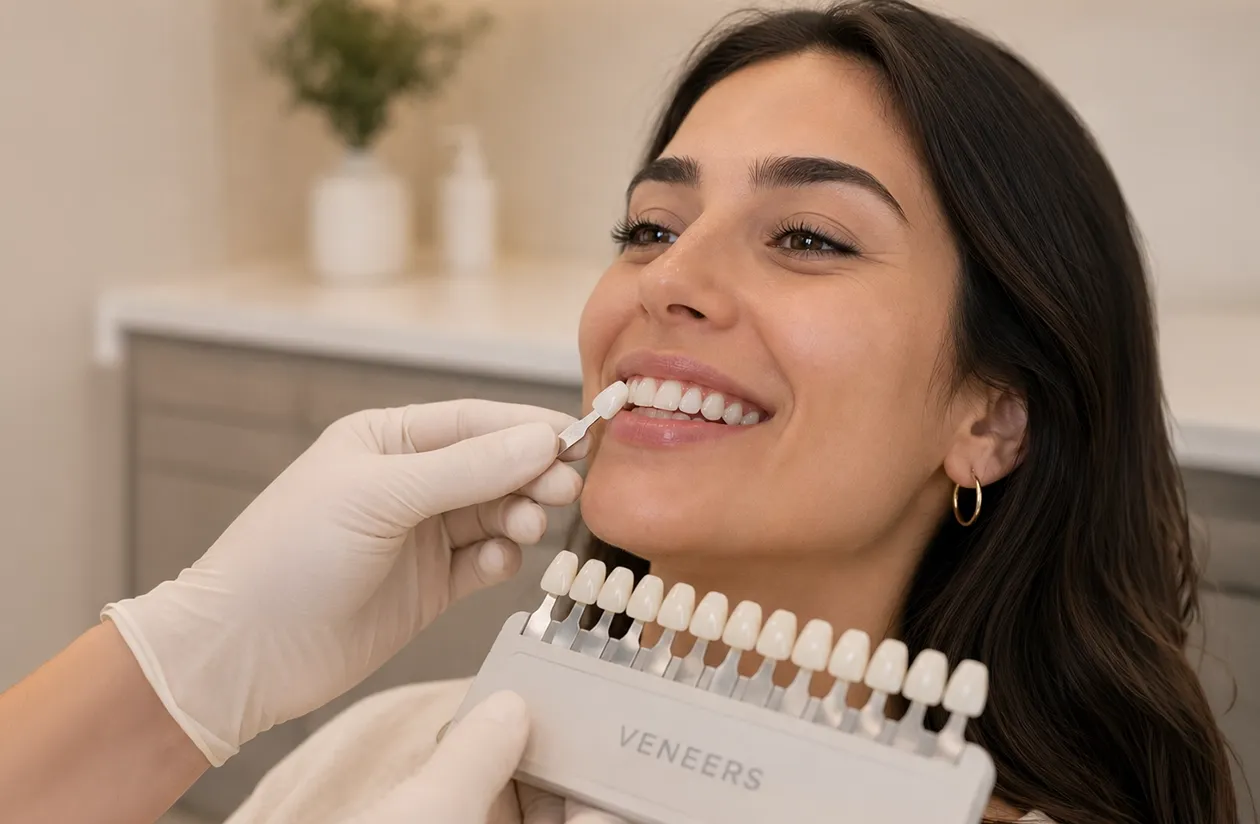
What Are Veneers?
Dental veneers are thin tooth-colored shells that are permanently bonded to the tooth’s front surface to improve its appearance. They can be made of porcelain or resin-composite materials.
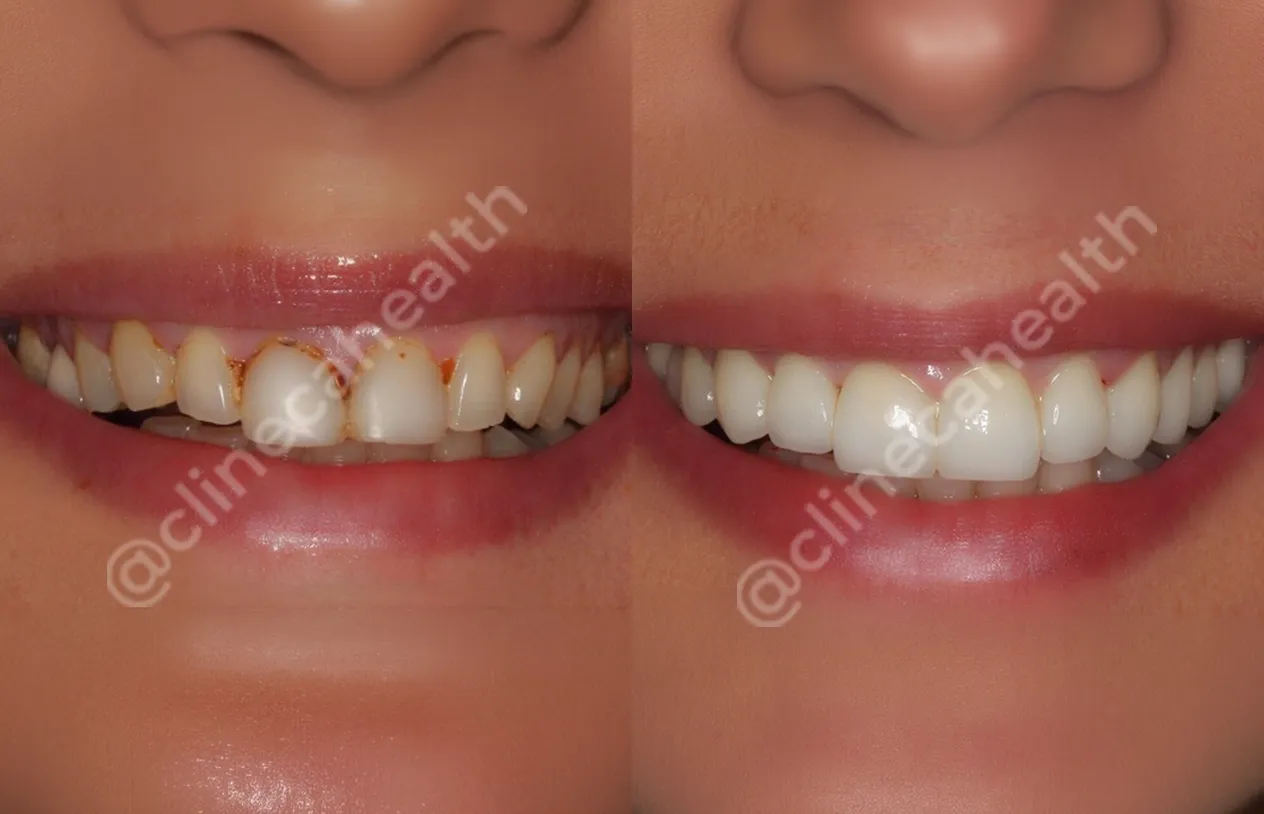
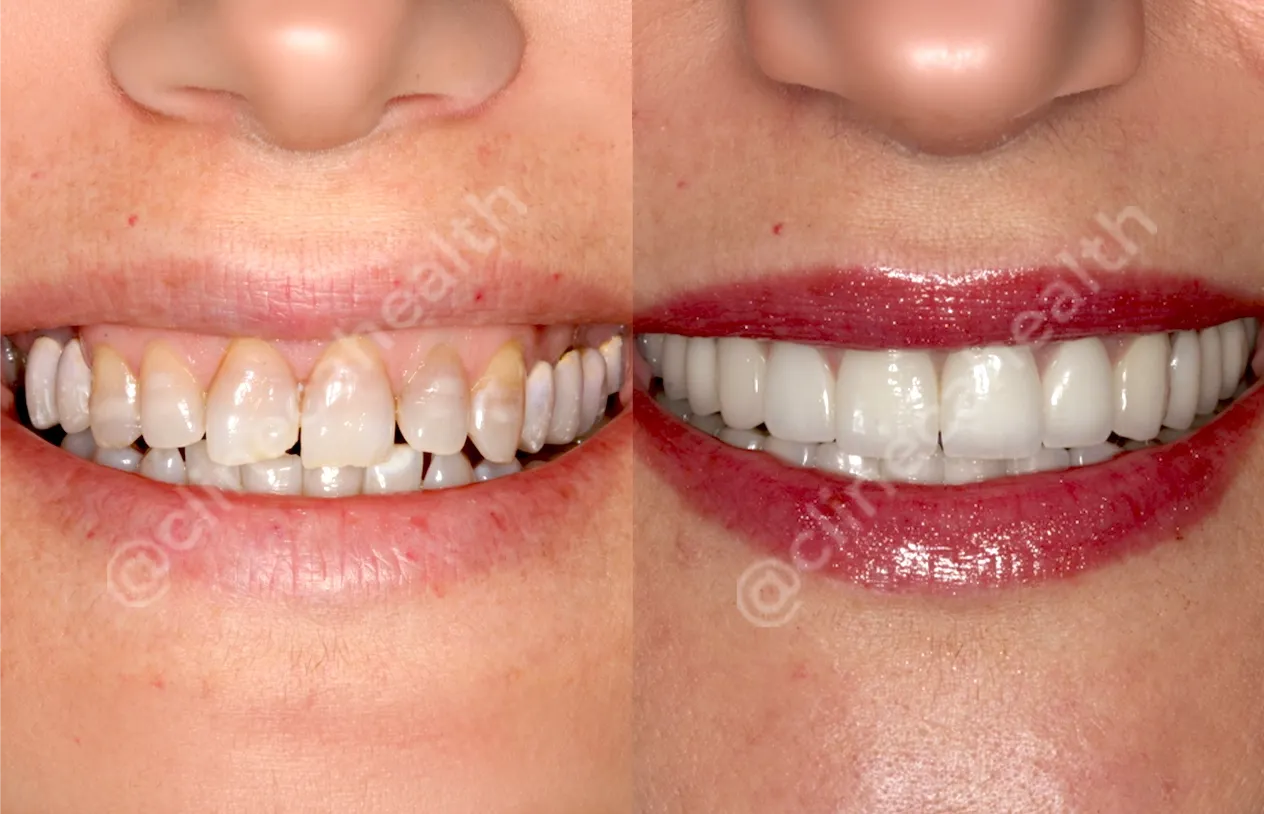
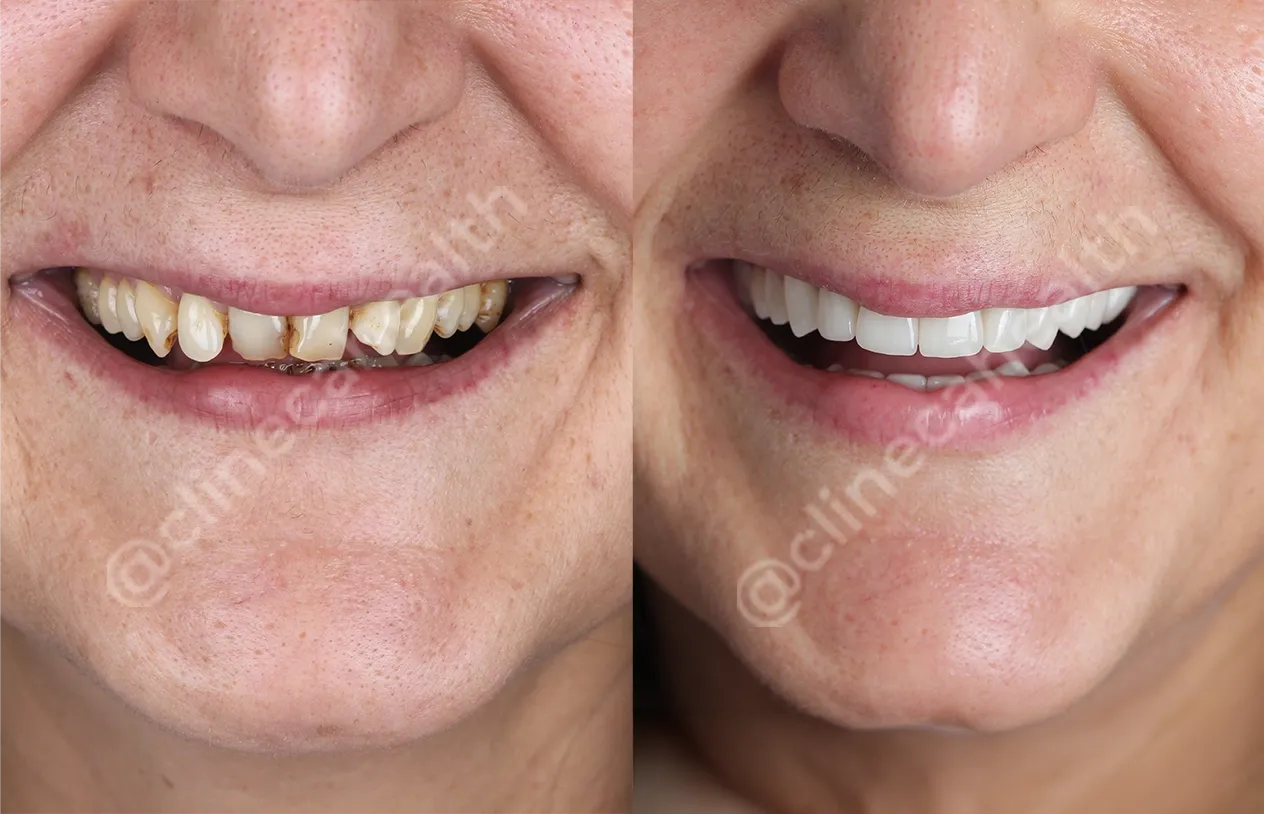
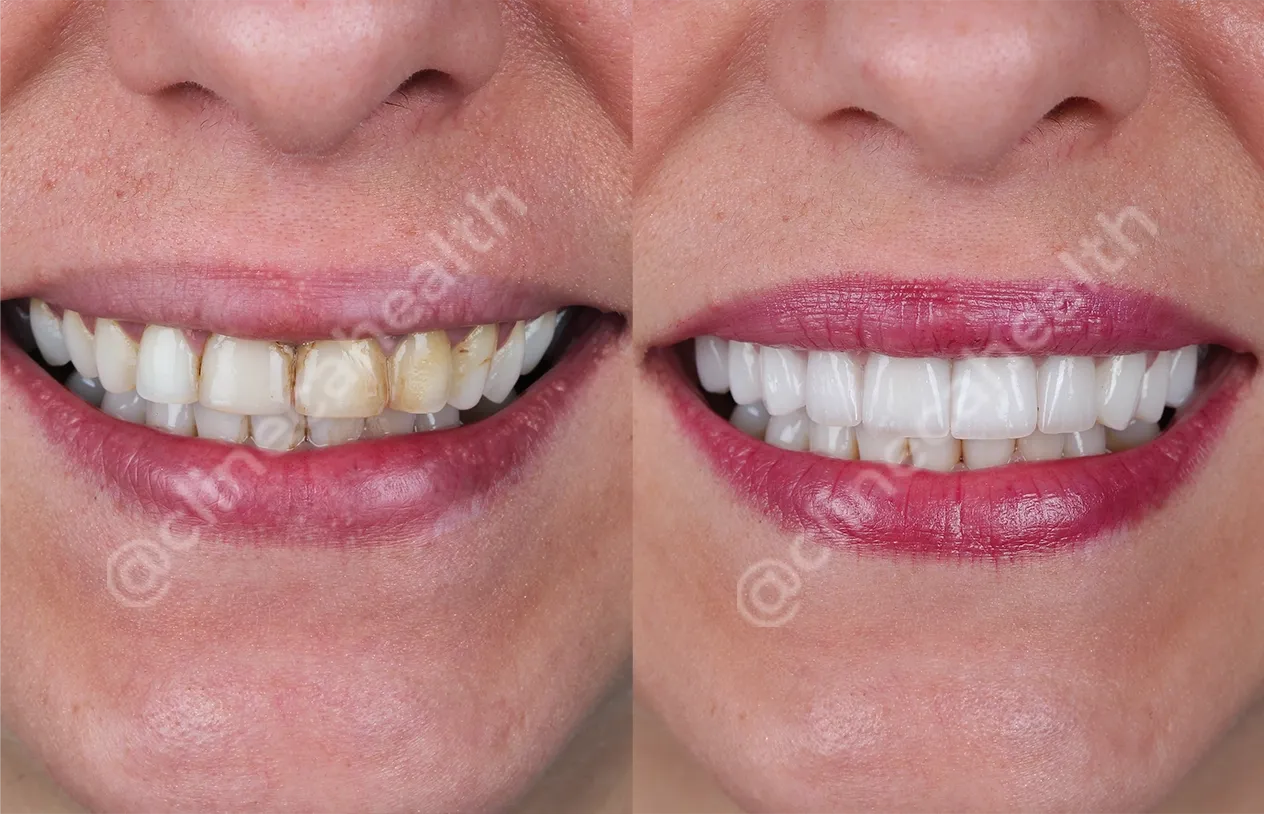
Teeth Veneers — before & after
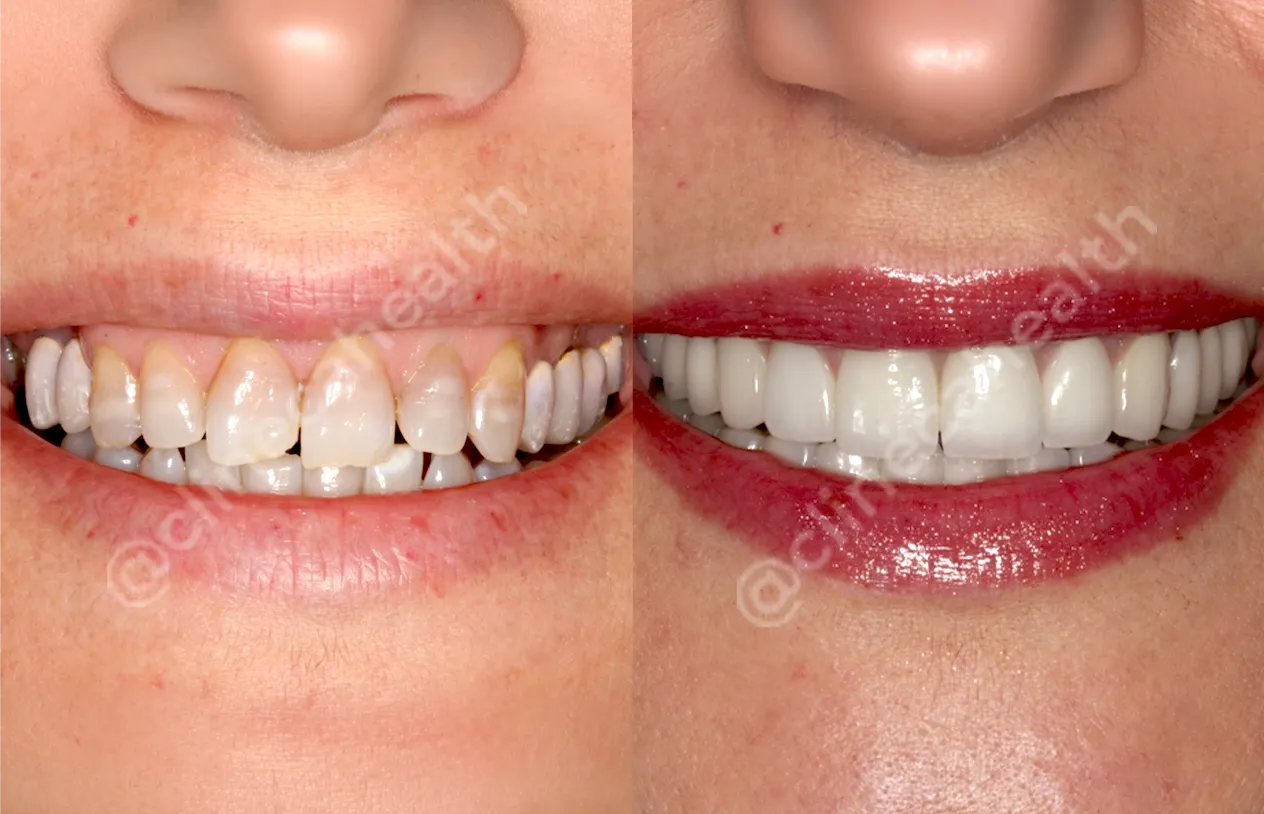 BeforeAfter
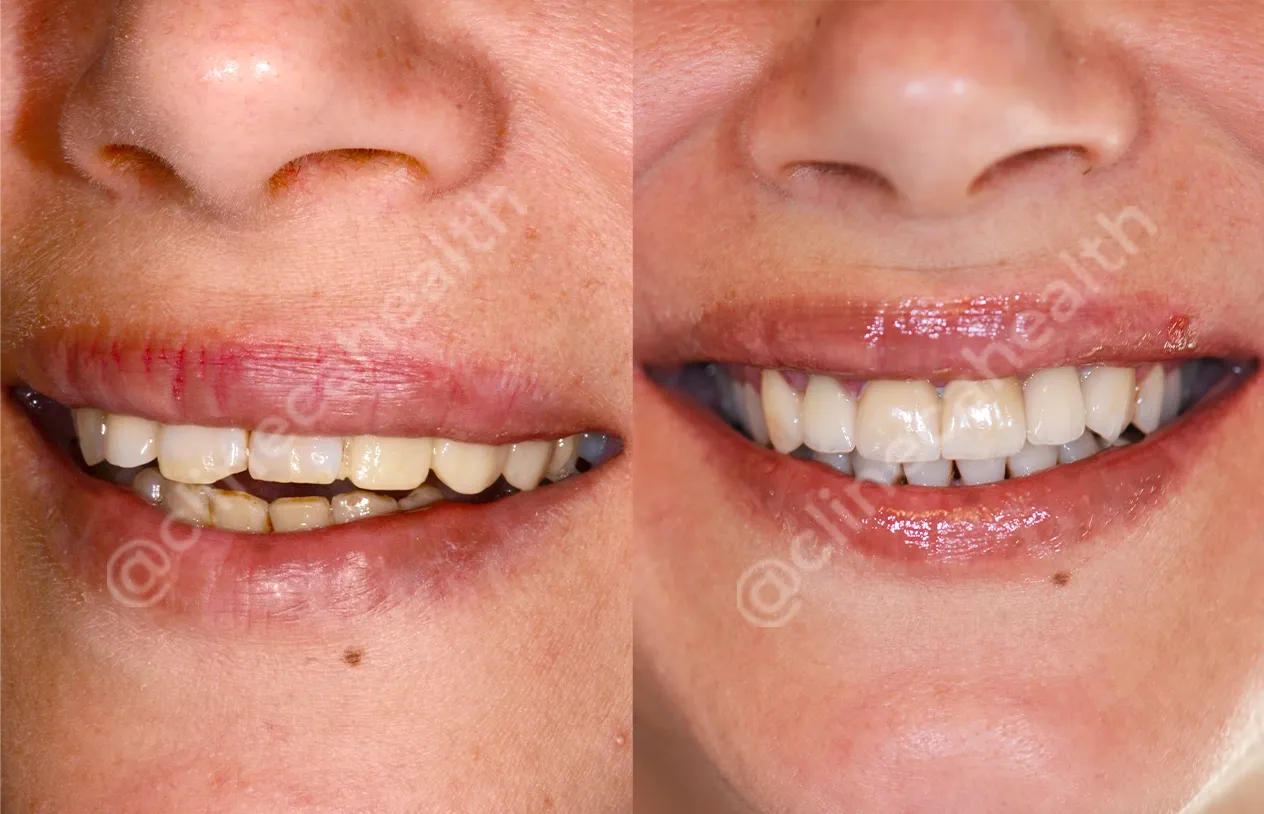 BeforeAfter
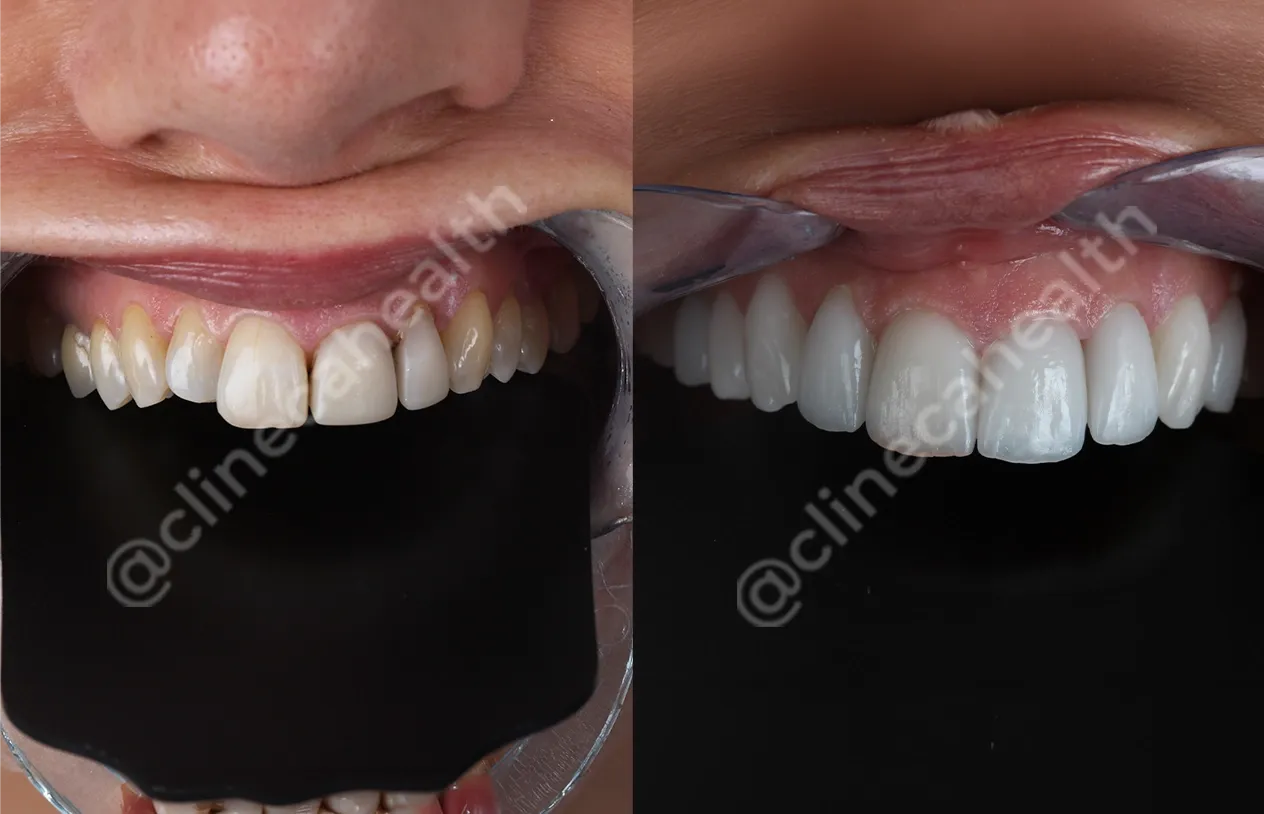 BeforeAfter
 BeforeAfter
 BeforeAfter
 BeforeAfter
 BeforeAfter
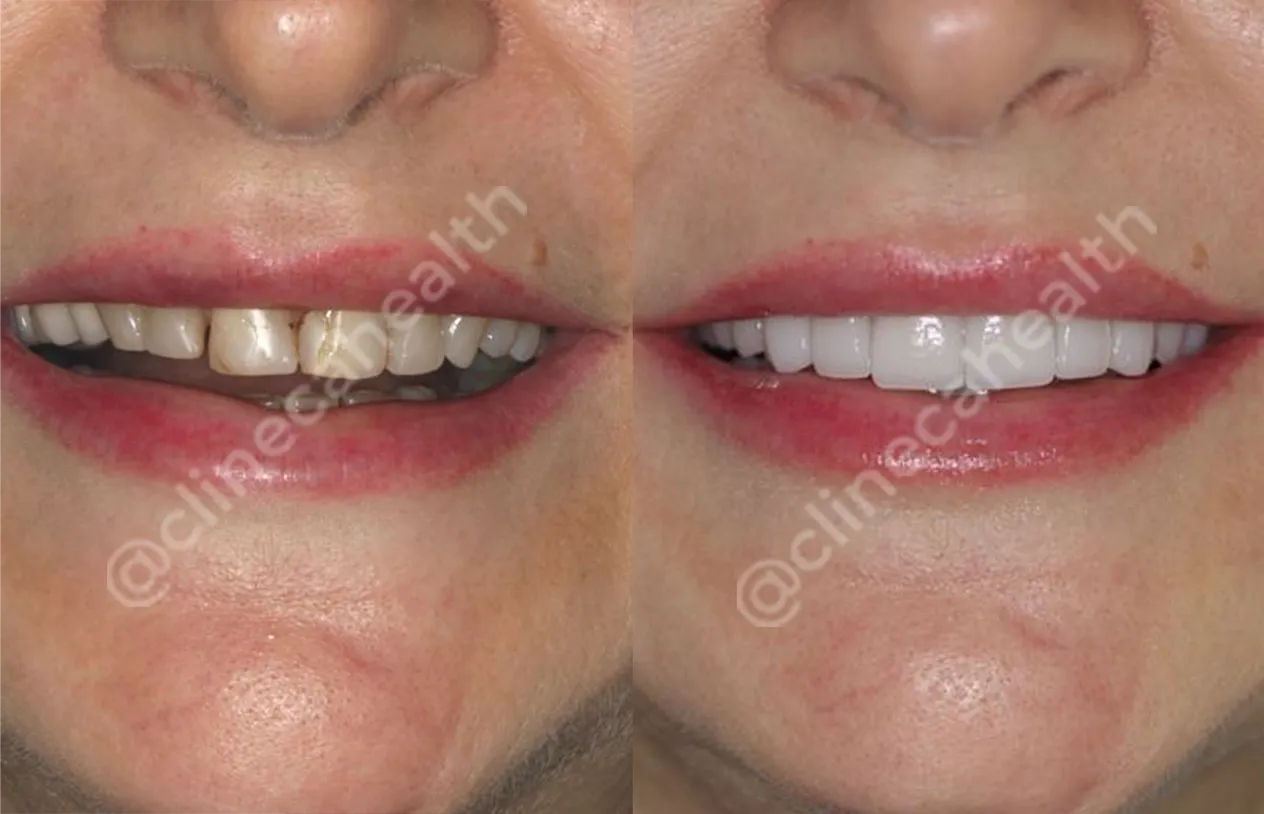 BeforeAfter
Who Is A Good Candidate For Veneers?
Veneers are a good option for individuals who have healthy teeth and gums, but are unhappy with the appearance of their smile. If you want to cover up a wide range of chips, cracks, gaps, and discoloration, you can be a good candidate for dental veneers.
What Are The Expected Outcomes Of Veneers?
The outcomes of Teeth Veneers can be analyzed in three main categories: health-related, aesthetical, and psychological. Veneers are a cosmetic treatment and should not be used to treat dental issues, such as tooth decay or gum disease. However, veneers can help to improve your oral hygiene by closing gaps between teeth and making it easier to clean your teeth. This can help to prevent the buildup of plaque and bacteria. Veneers will improve your teeth’s appearance permanently. It can whiten your teeth, and correct the irregularities in their shape. With veneers you will get a beautiful smile that you’ll be proud to show the world! When your teeth aren't up to your aesthetic standards, you may try to hide them, stop yourself from talking or laughing. It can affect your daily life when you’re too self-conscious about your appearance and this may result in low self-esteem. Veneers will give you a beautiful smile which will eliminate your problems.
How Is Veneers Done?
The procedure followed for porcelain and resin-composite veneers are different. At first in a preliminary appointment, your dentist will take X-rays of your teeth to evaluate the condition of your teeth. If you have any issues, you may need to have those treated first before getting veneers.
A Custom Veneer
First, your dentist will etch the teeth for the veneer to stick better, and take impressions of your teeth to send to a dental laboratory, where they will make custom porcelain veneers according to the impression taken. Until the permanent veneers are ready, your dentist will place temporary ones to protect the teeth. Once the veneer is prepared it’ll be sent back to the office.
Fitting
On your second visit to the dentist’s office, usually 1-2 weeks after the first visit where your dentist prepared your tooth for the veneers, your permanent veneer will be cemented in place if they fit in shape and color perfectly. After the fitting is approved, they will clean the teeth thoroughly. To apply the veneers and make them stick well, they will grind the teeth to a rough texture and use dental cement to bond the veneer to the tooth, and apply UV light to harden the cement.
Veneer Preparation
If your dentist has a computer aided design/computer aided manufacturing (CAD/CAM) device in their office, your veneer can be prepared in one session without the need for a dental laboratory to prepare the veneer.
Composing the Resine
First, your dentist will etch the teeth for the veneer to stick better, and take impressions of your teeth to send to a dental laboratory, where they will make custom porcelain veneers according to the impression taken. Until the permanent veneers are ready, your dentist will place temporary ones to protect the teeth. Once the veneer is prepared it’ll be sent back to the dentist’s office.
Risks and Complications
Veneers are a safe cosmetic enhancement treatment but there can be possible complications such as: Shade mismatch: Veneers can be matched to the color of your natural teeth, but there is always a risk of a shade mismatch. This can be avoided by choosing a reputable dentist and discussing your expectations beforehand. Malplacement of veneers: Veneers must be carefully placed to ensure a natural-looking and functional result. If veneers are not placed correctly, they can cause discomfort and affect your bite. Increased risk of tooth pulp injury: Veneers can cause damage to the tooth pulp, which can lead to infection and tooth loss. This risk can be minimized by working with an experienced dentist. Inflamed gums: Veneers can cause the gums around the treated teeth to become inflamed. This can be managed with good oral hygiene and regular dental cleanings. Teeth sensitivity: Veneers can cause temporary sensitivity to hot and cold foods and drinks. This is usually temporary and will subside after a few days.
What To Expect During A Veneers Recovery?
The first thing to expect is increased sensitivity. The first week after the procedure, the veneers may be sensitive to hot and cold temperatures. To help reduce sensitivity, avoid eating or drinking anything that is too hot or cold, and try to stick to soft and cool foods. The second thing to expect is specific dental requirements. During the first week, it is important to keep your mouth clean and free of bacteria. Brush your teeth regularly with a soft-bristled brush and avoid using any irritating mouthwashes. Additionally, you should avoid flossing and using toothpicks during this time, as they may damage the veneers. Thirdly, it is important to be aware of things that you should do and things that you should avoid. During the first week of recovery, you should try to avoid hard and crunchy foods that can damage the veneers. Additionally, you should avoid any activities that put excessive pressure on your teeth, such as grinding your teeth or chewing on hard objects. Instead, focus on eating soft and nutritious foods, and practice good oral hygiene habits. As a patient who has just undergone teeth veneers operation, you can expect to experience some development in the look of your teeth soon after the procedure. Initially, your teeth may feel a little sensitive and may take some time to get used to the new veneers. However, as time passes, you should notice your teeth getting better and better. It is important to maintain good oral hygiene during the recovery period. Brush your teeth twice a day and floss at least once a day. Make sure to visit your dentist regularly for checkups and cleanings. This will help keep your teeth looking great and make sure that the veneers remain in good condition. It is also important to trust the process during this time. Your dentist has likely given you instructions for taking care of your teeth, and it is important to follow these instructions in order to ensure that your veneers remain in good condition and look great. The recovery process from teeth veneers operation can be a long one, but with proper care and attention, you can expect to have beautiful teeth that you can be proud of After meeting with your dentist at their office during your consultation you express your expectations and the dentist checks the condition of your teeth. They will inform you about their professional opinion while taking your expectations and the condition of your teeth into consideration. Then, photos of your teeth will be taken for a 3D simulation. The size, model and color can be decided by you, and you can even choose the color from the tooth color chart. After deciding, on the first operation day teeth will be scraped and if there is a need for an extraction it will also take place on the first day. Temporary veneers will be put on and your dentist will prescribe you with painkillers and antibiotics. You will stay at the hotel for about 4-5 days. During your stay you will be visited by a wellbeing specialist, and if you’re having any problems your dentist will be contacted. After these 4-5 days, your permanent veneer will be applied and it will be all done.
What To Do Before Veneers?
Here are the some instructions before getting veneers: Before getting veneers, it is important to have a thorough dental exam to ensure that your teeth and gums are healthy. Your dentist will take x-rays and impressions of your teeth to determine the best course of treatment. You should also discuss your expectations with your dentist. Veneers can improve the appearance of your teeth, but they cannot fix every imperfection. It is important to have realistic expectations and to understand the limitations of veneers.
What To Do After Getting Retainers?
After your veneers are cemented in place, you can continue eating as you normally do. To lengthen their life-span there are several precautions you can take: Keep a good oral hygiene practice; brush twice and floss once daily and see your dentist biannually for thorough cleanings and examinations. If you grind your teeth use mouth guard or retainers; talk to your dentist about it. While playing sports in which you can get hit in the face, use mouth guards. Use your back teeth while eating hard foods, avoid using front teeth for it. Do not chew on hard objects like your fingernails, pencils, etc. Do not use your teeth to open packages.
Who performs your teeth veneers
Dt. Ceren Saruhanoğlu
Doctorate in Prosthodontics (Istanbul University) · aesthetic dentistry & smile design · founder of Bright Dental Studio
Frequently asked questions
How long does the procedure take?+
After the dental veneers are ready to be placed, cementing them in place takes around 2 hours. Depending on the usage of local anesthesia or the number of teeth treated the duration can increase.
Does the procedure hurt?+
The procedure doesn’t come in contact with the nerves so you won’t feel any pain. If you are uncomfortable, your dentist can apply local anesthetics as well.
How long do the veneers last?+
The porcelain veneers can last anywhere from 10 to 20 years, whereas resin-composite veneers last 5-7 years.
Which type of veneer is better?+
Cost-wise porcelain ones are more expensive than the resin-composite ones. On the other hand, porcelain ones last 10-20 years whereas the resin-composite ones last 5-7 years. Resin-composite ones take one visit to the dentist while porcelain veneers may require several visits. Porcelain ones are less prone to staining and stronger than the composite ones.
What are the benefits of dental veneers?+
Dental veneers are used for cosmetic purposes, to improve the appearance of the teeth. If you have broken or chipped teeth, or uneven coloring on your teeth, gaps between your teeth, asymmetric sized teeth, or misshapen teeth, veneers can improve all these problems.
What is the difference between veneers, crowns and implants?+
Dental veneers are less invasive than other options. They cover only the front surface of the tooth, whereas crowns cover the entire surface. Veneers are thinner than the crowns as well. On the other hand the implants are quite invasive in comparison to the other two. A screw is installed to the bone, and after a few months a crown is placed on top of the screw to replace a missing tooth.
I have dental implants. Can you put a veneer on an implant?+
To get a smoother appearance and a more even smile, veneers can be placed over your dental implant, there is no need to worry.
I grind my teeth during sleep. Would it be a problem for my veneers if I get them?+
Clenching and grinding the teeth are very detrimental to your teeth, making them wear down and get damaged. It is possible for your veneers to crack or chip if you grind too much. You can consult your dentist and get a nightguard which will help protect your teeth and veneers.
Plan your teeth veneers
Pick your surgeon and dates — we’ll tell you exactly when to fly and what's included.