Rhinoplasty in Istanbul
Rhinoplasty is a surgical procedure performed on the nose
What is Rhinoplasty?
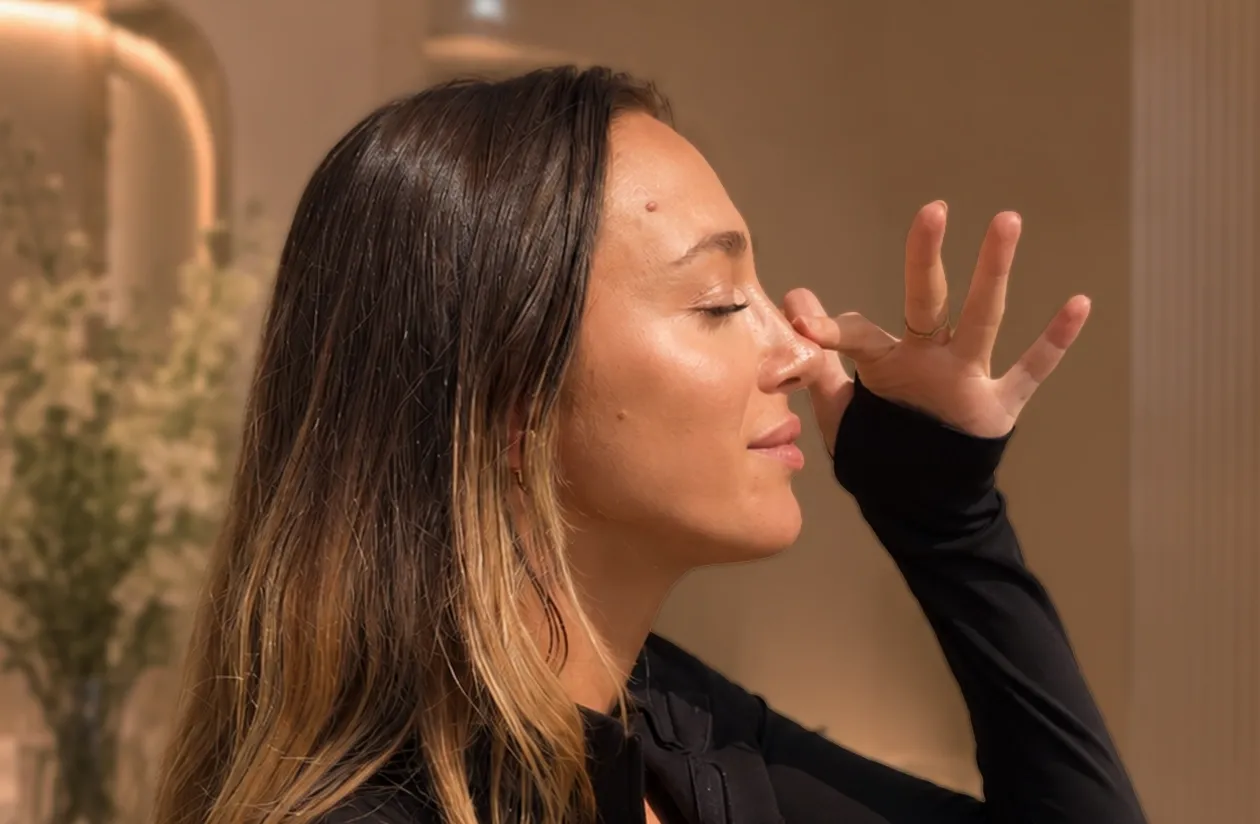
Rhinoplasty is a surgical procedure performed on the nose. Via rhinoplasty, the size and the shape of the nose may be changed. It’s also possible to improve breathing. The motivation may be to treat a structural problem caused by an injury, to correct a birth defect… Or you may just want to have a more aesthetical appearance. This is reason enough.
Rhinoplasty — before & after
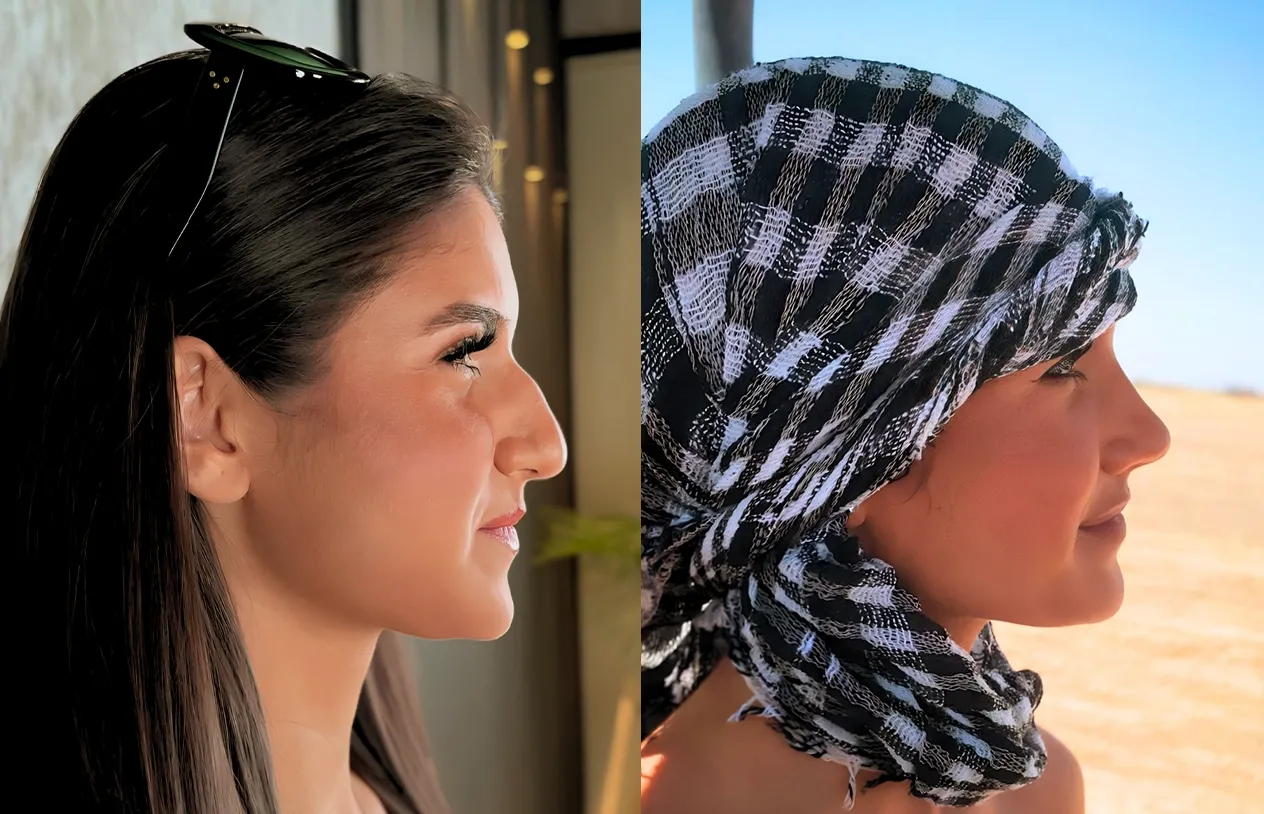 BeforeAfter
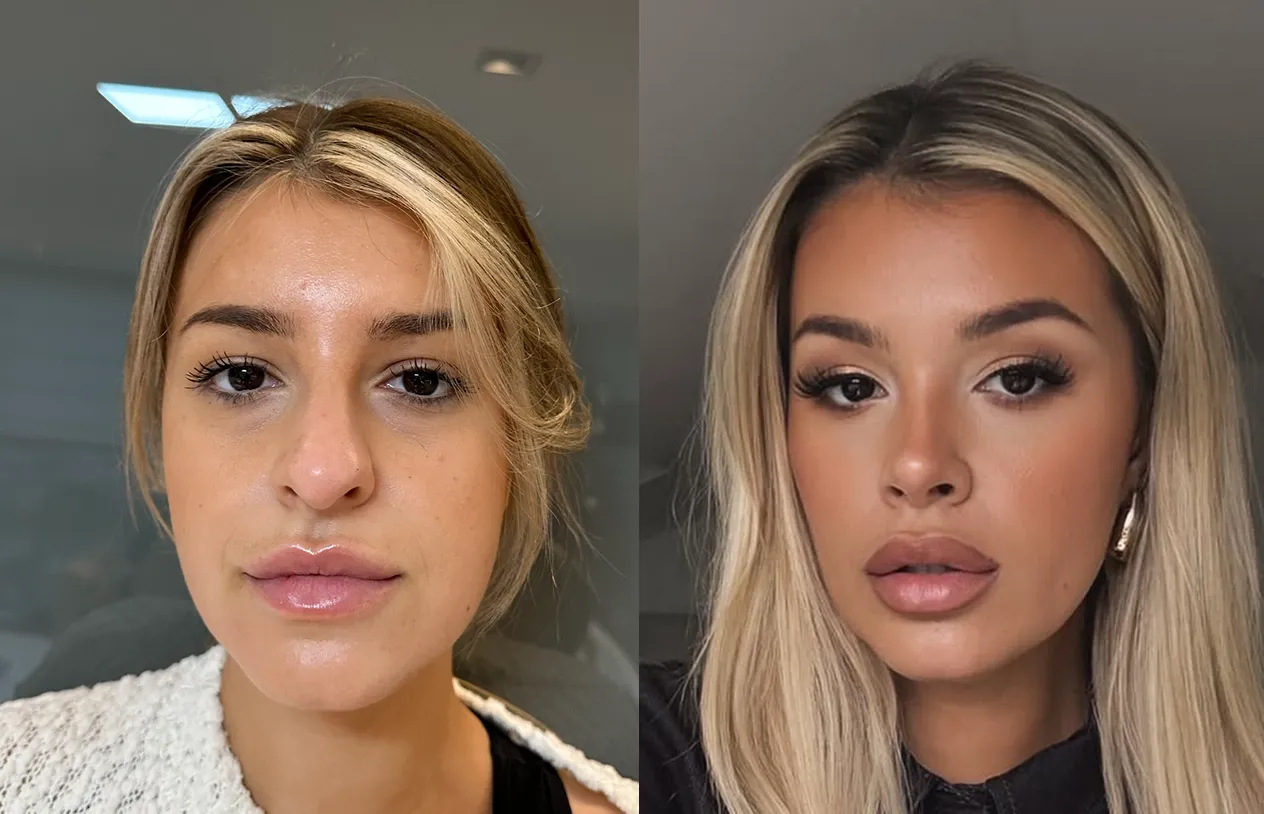 BeforeAfter
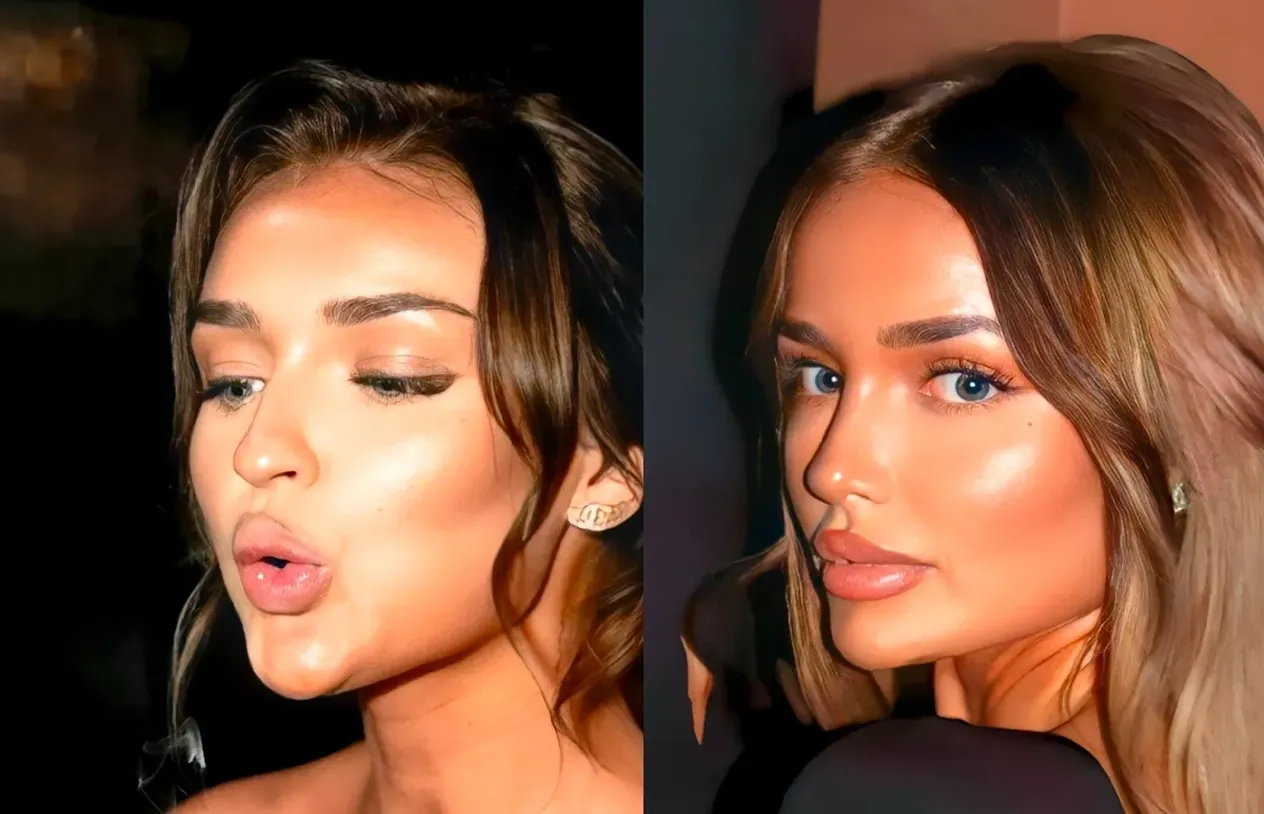 BeforeAfter
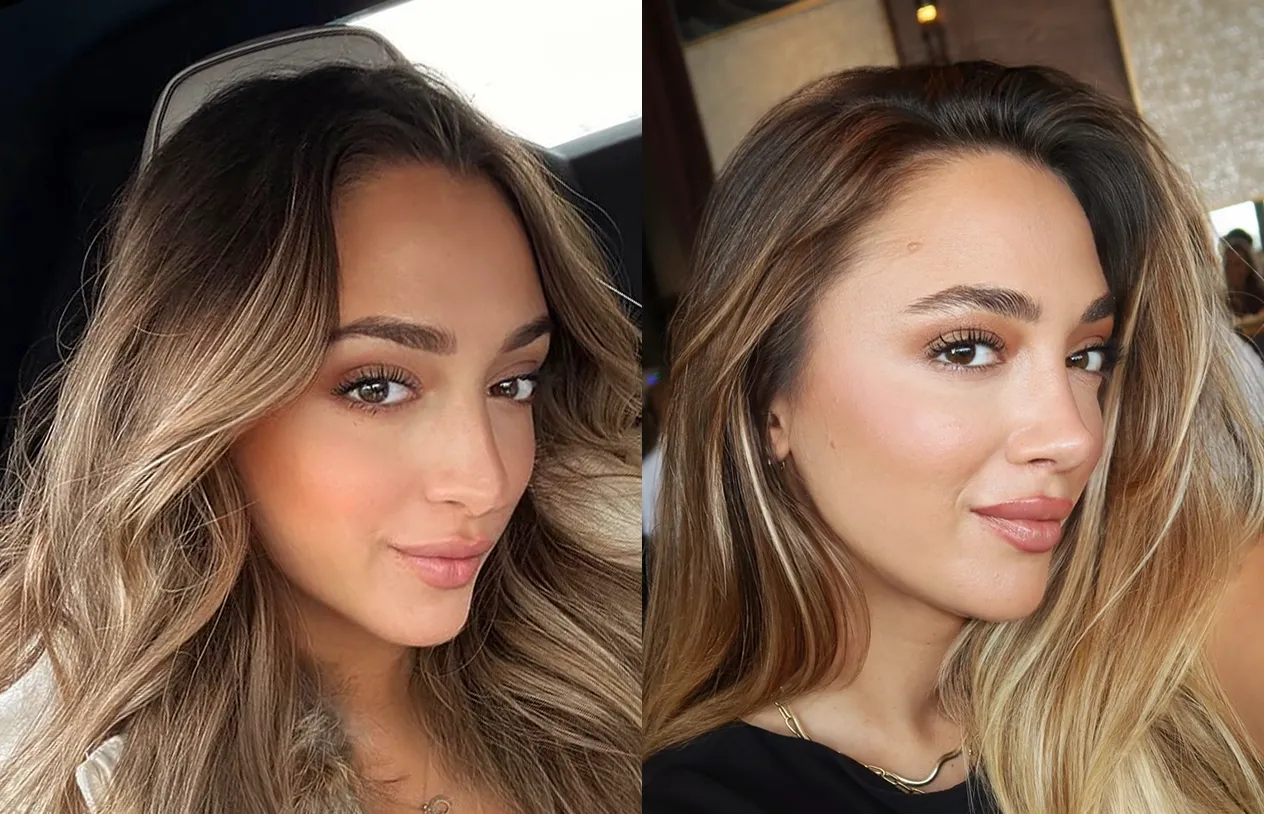 BeforeAfter
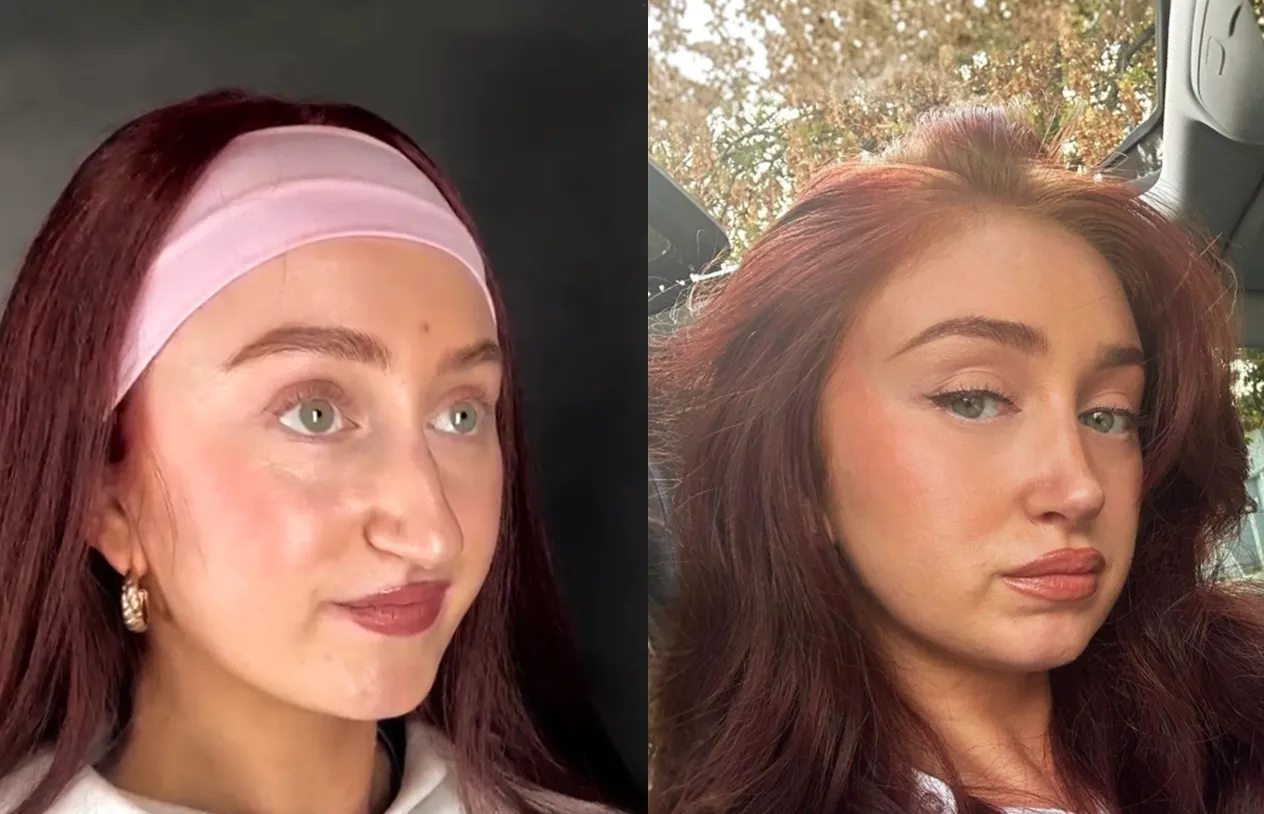 BeforeAfter
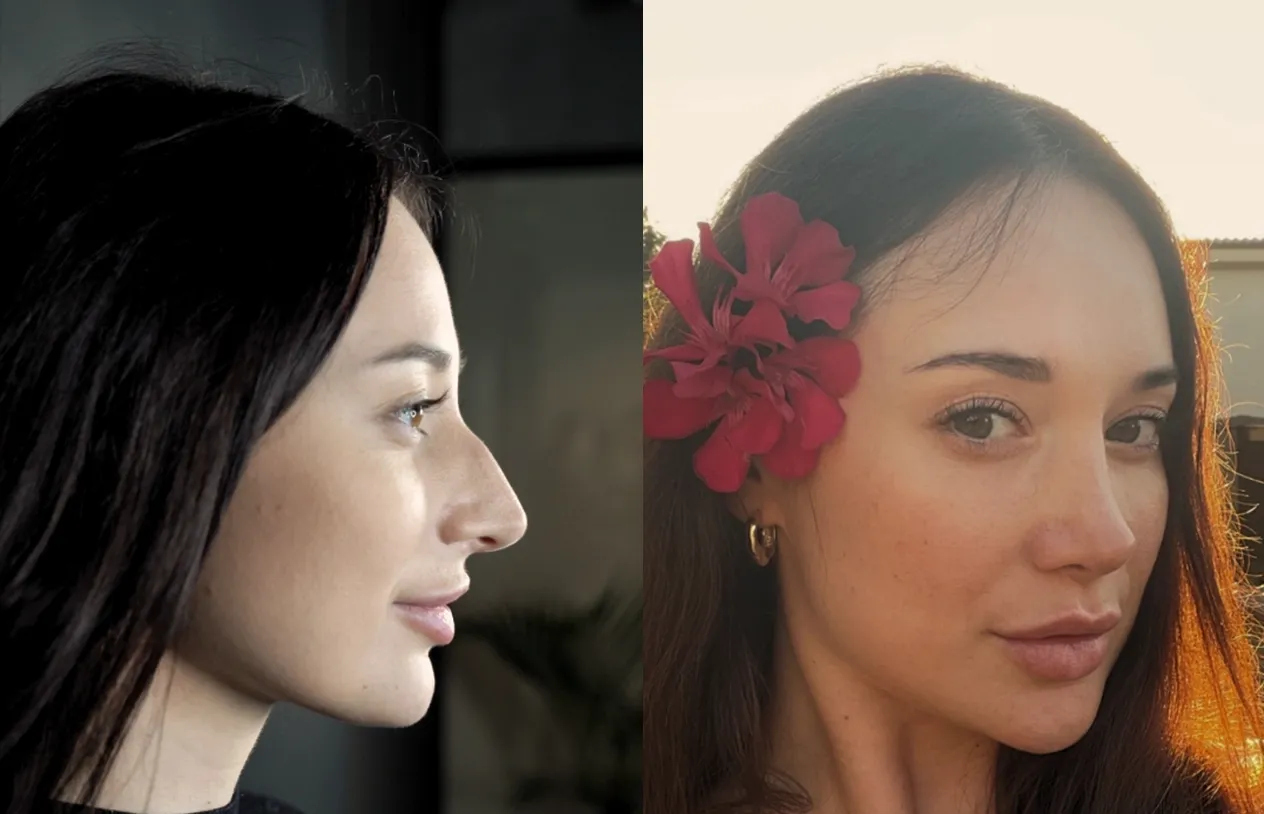 BeforeAfter
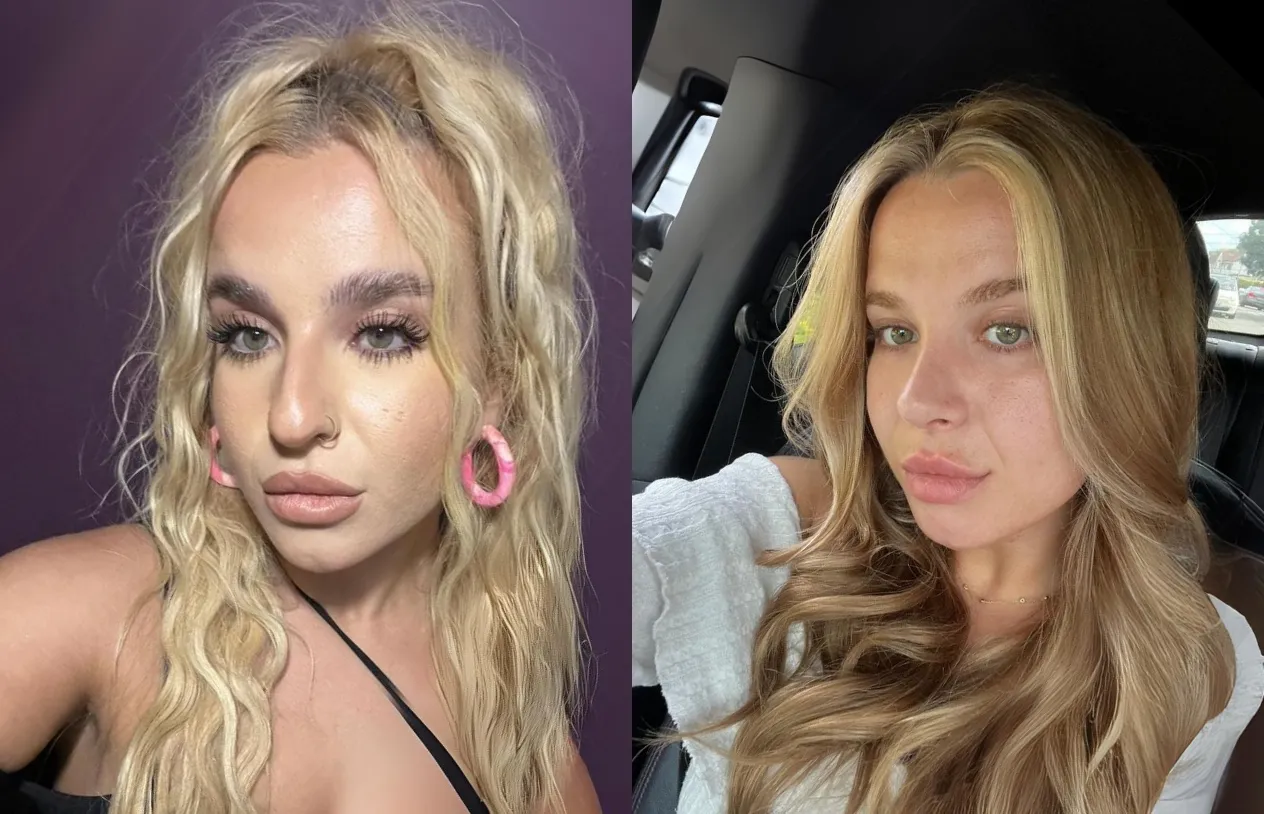 BeforeAfter
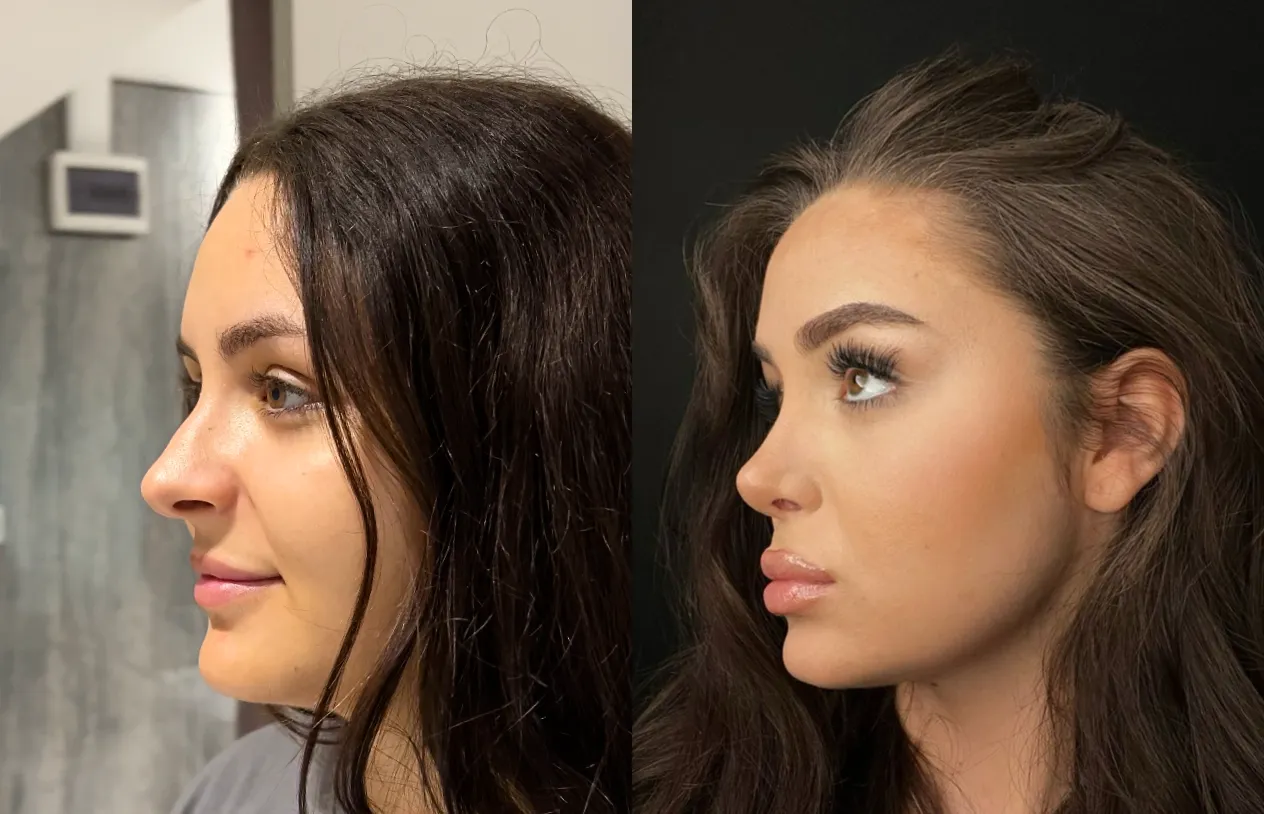 BeforeAfter
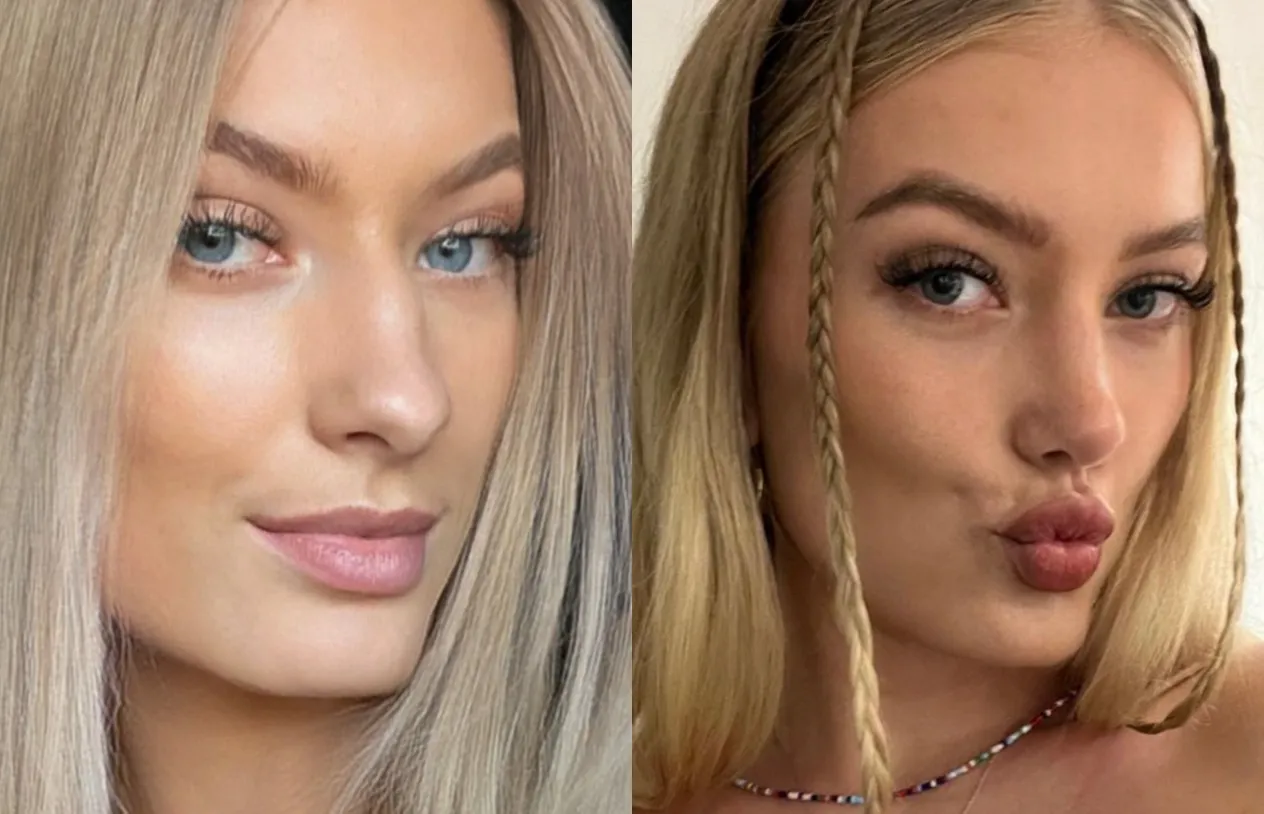 BeforeAfter
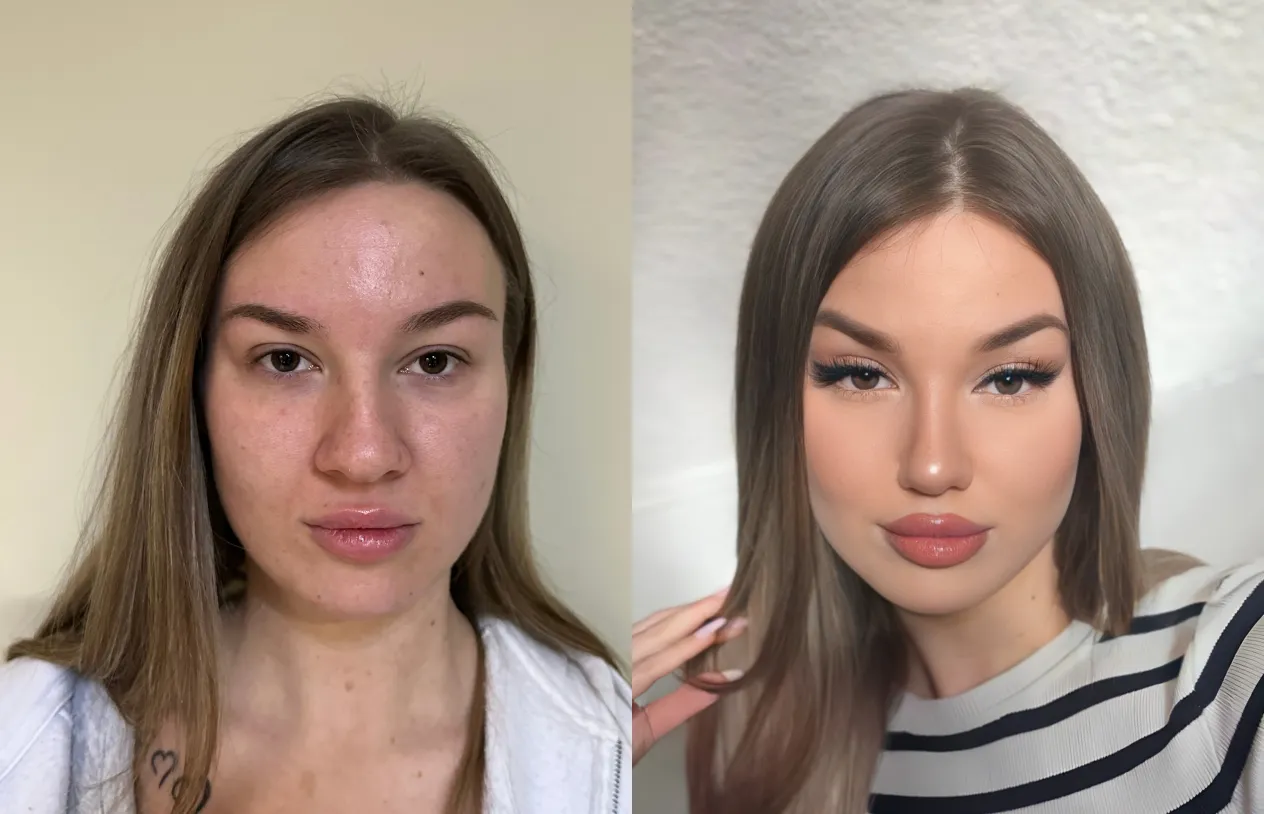 BeforeAfter
Who Is A Good Candidate For Rhinoplasty?
It is not hard to be eligible for a rhinoplasty. If you are reading this, you are probably a candidate! Rhinoplasty can address both aesthetical and medical concerns, simultaneously. If your nose has a birth defect, or it was injured, its shape can be corrected through surgery. But you don’t have to have a serious structural problem to choose to have a rhinoplasty. You may have a hook nose, your nose may be too large or too small in proportion to your face, your nose tip may be too wide, or maybe there is another feature of your nose that you don’t really like. Experienced surgeons can achieve amazing results which will both satisfy your expectations and look completely natural. If you are experiencing breathing problems related to a crooked or bent septum, these can be treated, too. Anyone older than 18 years old with good health can be a candidate. In special cases, ones younger than 18 can also be considered. To be informed about your specific case in detail, you should have a consultation with a plastic surgeon.
What are the Expected Outcomes of Rhinoplasty?
The outcomes of rhinoplasty can be analyzed in three main categories: aesthetical, health-related, and psychological. Rhinoplasty can address all kinds of aesthetical concerns about nose. Through rhinoplasty, the size, the shape, the angles, and the proportions of the nose can be changed. The operation can include changes on the nasal bones, nasal cartilage, and the skin. The appearance of nasal bridge, nasal tip, or both can be changes. The health-related outcome of rhinoplasty is related to breathing. If your septum is crooked or bent, you may be experiencing breathing problems. During the surgery, these problems can also be eliminated. Beauty is important! Breathing is important, too! The psychological outcomes of the procedure are as important as the physical ones. A person who is not happy with their nose can experience serious psychological distress which can negatively affect their self-confidence and social lives. Therefore, elimination of problems related to the appearance of the nose can lead to significant psychological and social improvements.
“I believe rhinoplasty requires a holistic approach. In my practice, I’ve learned that to achieve a natural and beautiful appearance, you should make a lot of small changes. These careful small changes create extraordinary results when combined.”
How is a Rhinoplasty Done?
Rhinoplasty is a cosmetic surgery procedure performed to change the appearance of the nose. It is a complex surgery customized according to the needs and wishes of the patient.
Anesthesia
Like all kinds of surgery, rhinoplasty requires anesthesia. Depending on the case and the preference of the surgeon, rhinoplasty is done with either general anesthesia or local anesthesia combined with sedation.
Surgery
The details of the surgery depend on the patient’s needs and the surgeon’s approach. During the surgery, nasal bones, nasal cartilage, and the skin covering the nose can be worked on. Sometimes it may be necessary to remove parts of nasal tissues or add tissue inside the nose. If tissue addition is necessary, the required tissue may be taken from deeper parts of the nose, or other parts of the body. Patient’s septum may also be corrected during the surgery to improve breathing. There are 2 main approaches to rhinoplasty: open method and the closed method.
Open and Closed Rhinoplasty
Our contracted surgeons are highly skilled in both open and closed rhinoplasty. In this method, the whole surgery is carried on inside the nostrils. In some cases, using the open method (in which an incision between the nostrils on the edge of the nose is made) may be necessary. *1 The risks and complications in rhinoplasty are usually rare if done by experienced surgeons, but the possible risks are: Breathing disturbances: Especially in reduction rhinoplasty, breathing can be impaired. Feelings of “blocked nose”: As a result of the scars and loss of sensation, patients may feel like their nose is blocked. Complications of skin: Surgery causes the body to react to the scars for healing, but during the process there can be tissue loss, numbness, fibrosis and potential cysts. Infection: Although rare, the possibility of infections is real. In extreme cases, necrosis (dying of the tissue) can be seen. Postoperative deformity: In some cases, usually when done by inexperienced surgeons, the expected result may not be achieved and the nose may look deformed. Usually these patients have a revision rhinoplasty.
What To Expect During A Rhinoplasty Recovery?
Right after the surgery, your surgeon will place internal dressings in your nose. He will also place a splint and bandages on your nose. They will remove the internal dressings, splint and the bandages 1 week after the surgery. *3 Don’t forget to take a photo of you, before the bandages are removed. People like these photos in social media! You will experience some pain, swelling, and bruising after the procedure. The pain can be effectively controlled by pain medication your surgeon will prescribe for you. You may also experience slight bleeding and some mucus discharge for a few days after the surgery or after the removal of the dressings. Swelling and congestion are normal. They will gradually improve. Gentle walking is safe and recommended. 7 days after the surgery, you may still have some bruising and swelling, but you will be able to return to your daily activities. After 2 weeks, most of the swelling and bruising will be gone. However, complete recovery will take some time. You should wait several weeks before returning to strenuous activities and exercises. In most rhinoplasty surgeries, our contracted surgeons prefer to perform the closed method. This approach shortens the recovery period, significantly! A wellbeing assistant will visit you in your hotel room every day during the first week after the surgery. We will expect you to be in our clinic for your post-op examination 1 week after the surgery, before you leave Istanbul. We will still follow your recovery process while you are away. Clineca will provide you with complete support and inform you about everything you need to know during your recovery. We will be with you from your consultation to the very end of your recovery.
What to Do Before the Rhinoplasty?
During your online consultation, your surgeon will ask you questions about your medical history. It is of critical importance that you give your doctor every detail, from the conditions you might have to the operations you had in the past, to the medications and supplements you use, to minimize the risks the surgery could bring. They will also conduct a physical examination. Your surgeon will inform you about everything you need to know before the surgery. Clineca will provide you with complete guidance and support before your surgery. You will have a complete and detailed list of instructions. Most important instructions include, Stop smoking at least 2 weeks before the surgery. *4 Avoid non-steroidal anti-inflammatory medications (such as ibuprofen and aspirin) for 2 weeks before the procedure. Avoid herbal remedies and supplements Take only the medications approved by your surgeon.
What to Do After the Rhinoplasty?
What you need to do after the surgery will be explained to you in detail by your surgeon and Clineca will provide you with all the support and guidance you need. Most important instructions include: Do not smoke for at least 2 weeks after the surgery. Do not take non-steroidal anti-inflammatory medications after the surgery until your surgeon approves using them. Raise your head higher than your chest while you are resting in bed to reduce swelling and bleeding. Do not blow your nose. Avoid strenuous activities. Do not let your sunglasses or eyeglasses put pressure on your nose for at least 1 month after the surgery. You can tape your glasses to your forehead. Love yourself and show the world how beautiful you are!
“In rhinoplasty operations, we work in such a small environment to make small changes, but the effects of these small changes are tremendous on the overall appearance of the face. I love seeing how happy my patients become after they had rhinoplasty.”
Who performs your rhinoplasty
Dr. Hakan Aktaş
Board-certified plastic surgeon · TPRECD & EPCD member · 3D simulation
Dr. Orkun Uzuneyüpoğlu
2,000+ surgeries · São Paulo observership · nose, breast & body
Dr. Erkan Pinegöz
Assoc. Prof. · 3,000+ surgeries · Piezo rhinoplasty
Dr. Salim İskender
13+ yrs operating · 3,000+ surgeries · open & closed rhinoplasty
Dr. Engin Selamioğlu
Assoc. Prof. · European Board (EBOPRAS) certified · ISAPS member
Dr. Cem Aydın
Specialist, Marmara University · microsurgery · published research
Dr. Alperen Önal
ENT surgeon · functional & aesthetic rhinoplasty
Frequently asked questions
What is open rhinoplasty?+
It involves an incision at the bottom of the nose, between the nostrils, then the skin of the nose is retracted backwards. This approach allows better visualization of inner structures of the nose, however, leaves a small but visible scar at the bottom of the nose. The recovery period is also longer than closed rhinoplasty.
What is closed rhinoplasty?+
In the closed rhinoplasty, all surgery is carried out inside the nostrils, no visible scar is left, and the recovery period is considerably shorter.
Which type of anesthesia is used during rhinoplasty?+
There are two approaches: using general anesthesia or using local anesthesia with sedation. The choice depends on the surgeon’s preference and the particular case.
What happens when general anesthesia is used?+
When general anesthesia is used, the patient stays unconscious during the surgery. The patient may need to stay at the hospital for the night after the surgery.
What happens when local anesthesia with sedation is used?+
Only the nose is numbed. The patient stays conscious but becomes sleepy. When local anesthesia is used, patient can go home shortly after the surgery.
How long does the recovery take?+
2 weeks after the procedure, most of the swelling is subsided. 3-4 weeks after the surgery, you can resume cardiovascular exercise. 6 weeks after the surgery, most of the healing is completed. 1 year after the procedure, healing is completed.
Am I a good candidate for rhinoplasty?+
If you are older than 18, and you are in overall good health, you can be a candidate for the surgery. In some cases, patients younger than 18 may also be eligible. Both males and females are candidates for the procedure.
Which problems can be treated with rhinoplasty?+
All kinds of aesthetical concerns about the nose, problems caused by injuries, birth defects, and breathing problems related to the septum can be successfully addressed via rhinoplasty.
Plan your rhinoplasty
Pick your surgeon and dates — we’ll tell you exactly when to fly and what's included.