
Facelift in Istanbul
When you get older, gravity negatively affects your skin
What Is Facelift?
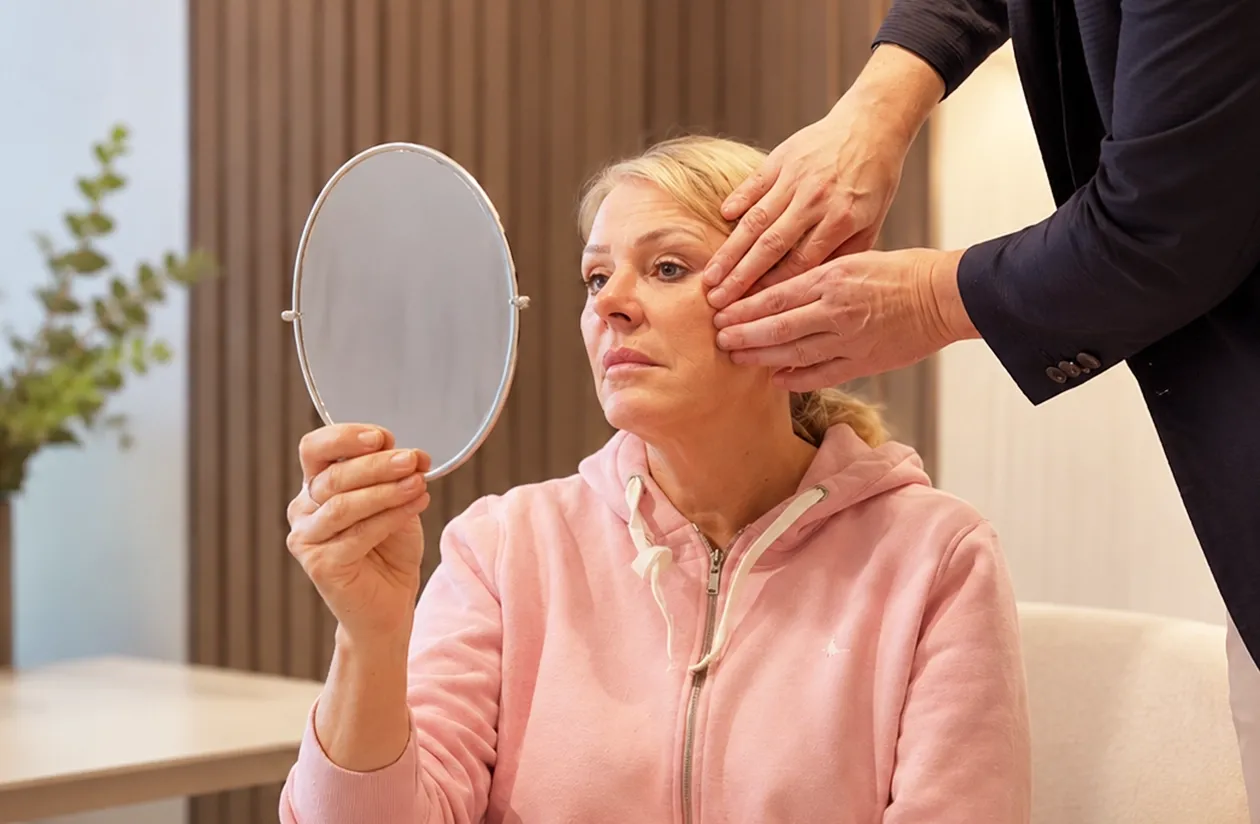
When you get older, gravity negatively affects your skin. Sagging, loss of elasticity, and wrinkles begin to appear on your face. Facelift, also known as rhytidectomy, is a surgical procedure performed to reduce the most visible signs of aging by removing excess fat, tightening muscles and redraping of the skin of your face and neck. A facelift is generally combined with other procedures such as eyelid lift and forehead lift. Worldwide, more than a hundred thousand people have facelift operation each year. If you have a strong bone structure and still have some skin elasticity while having a facial sagging, you can be a candidate, too.
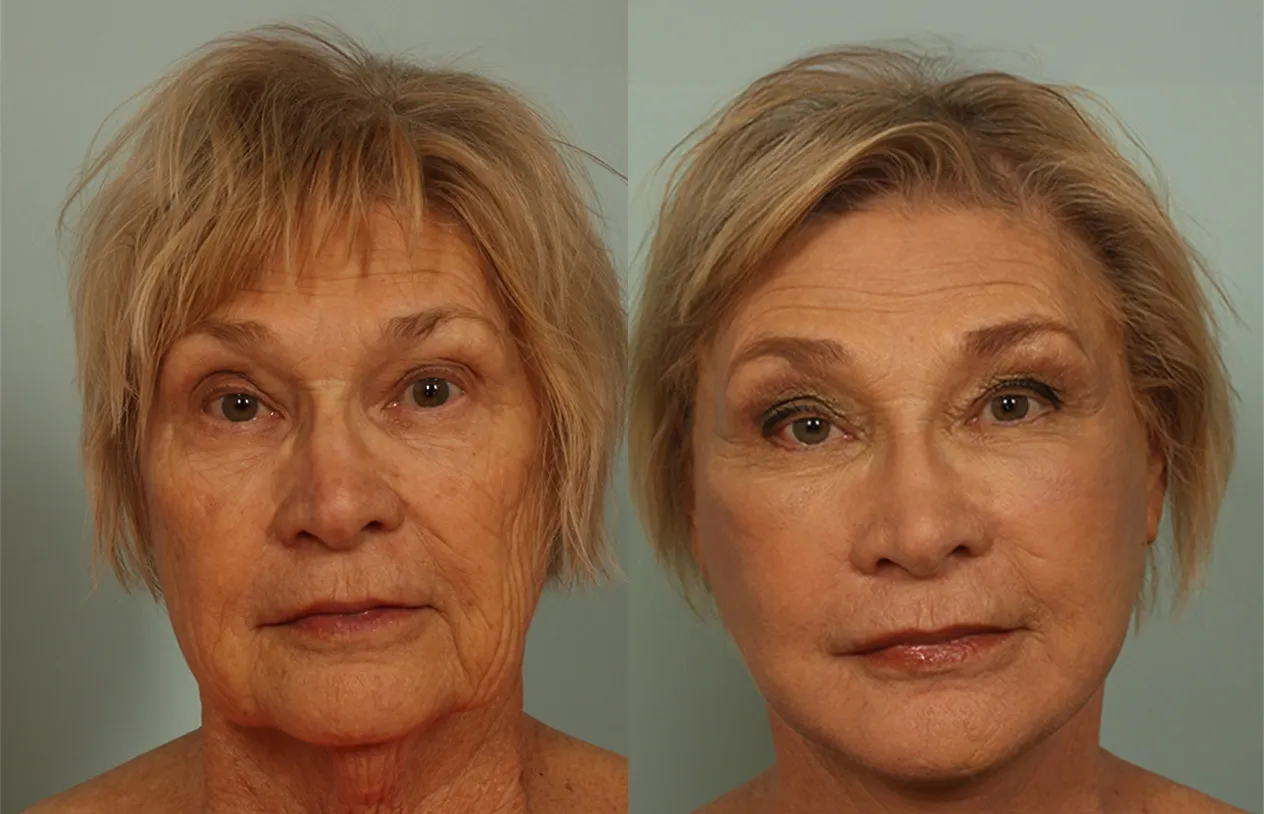
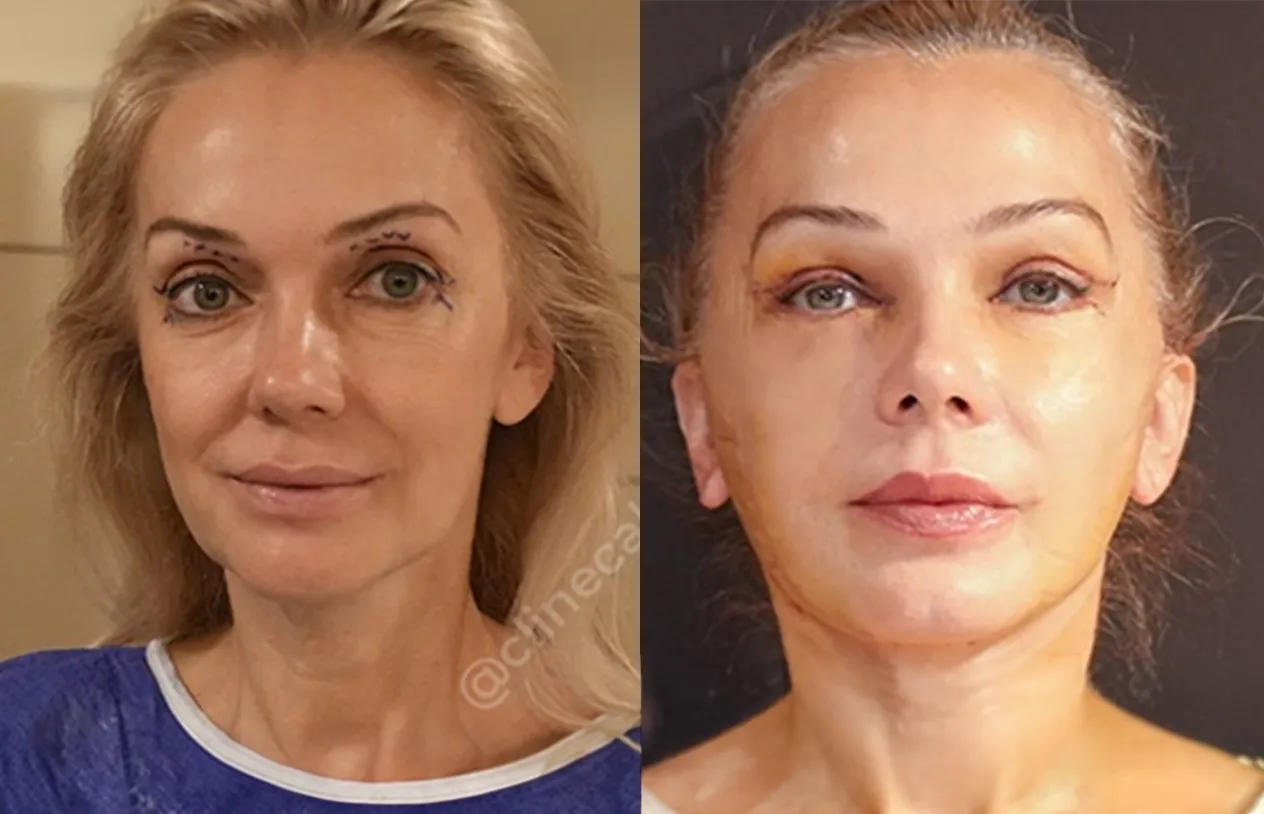
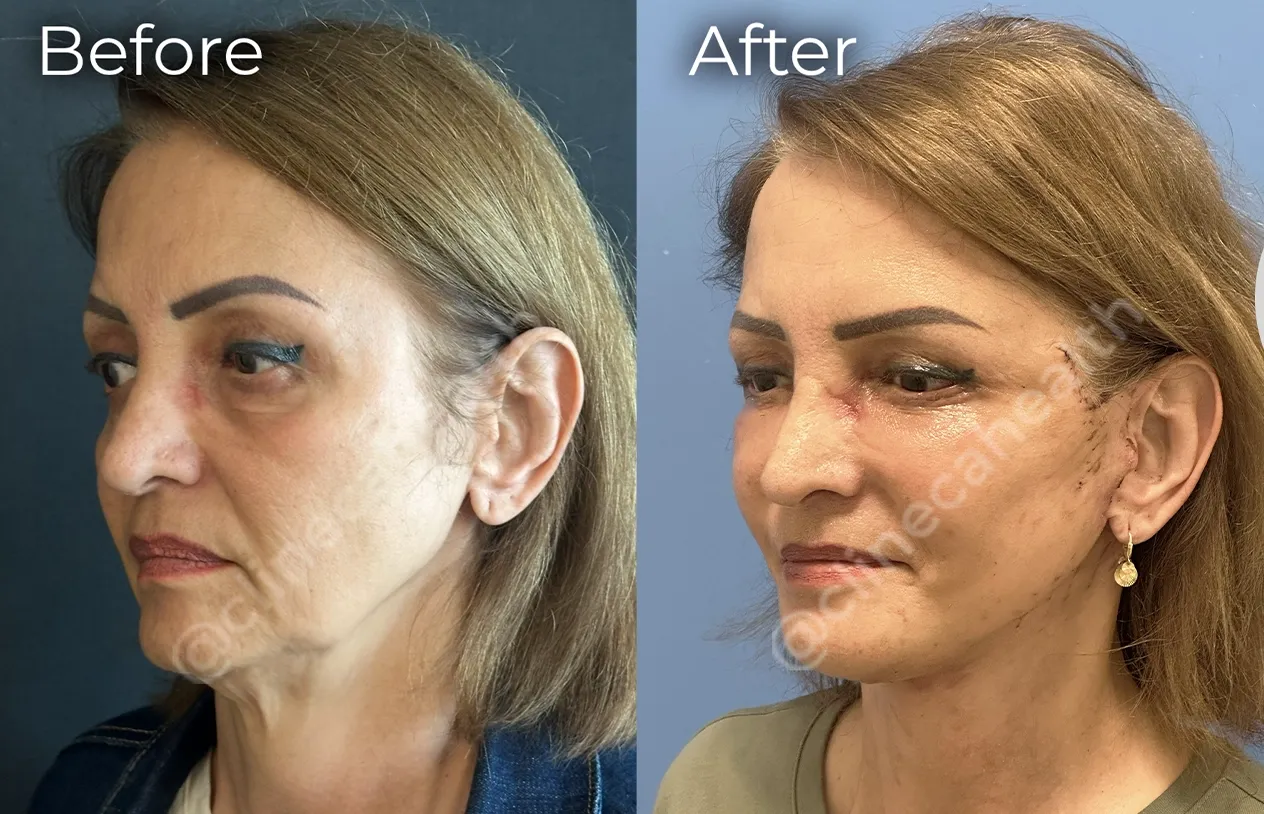
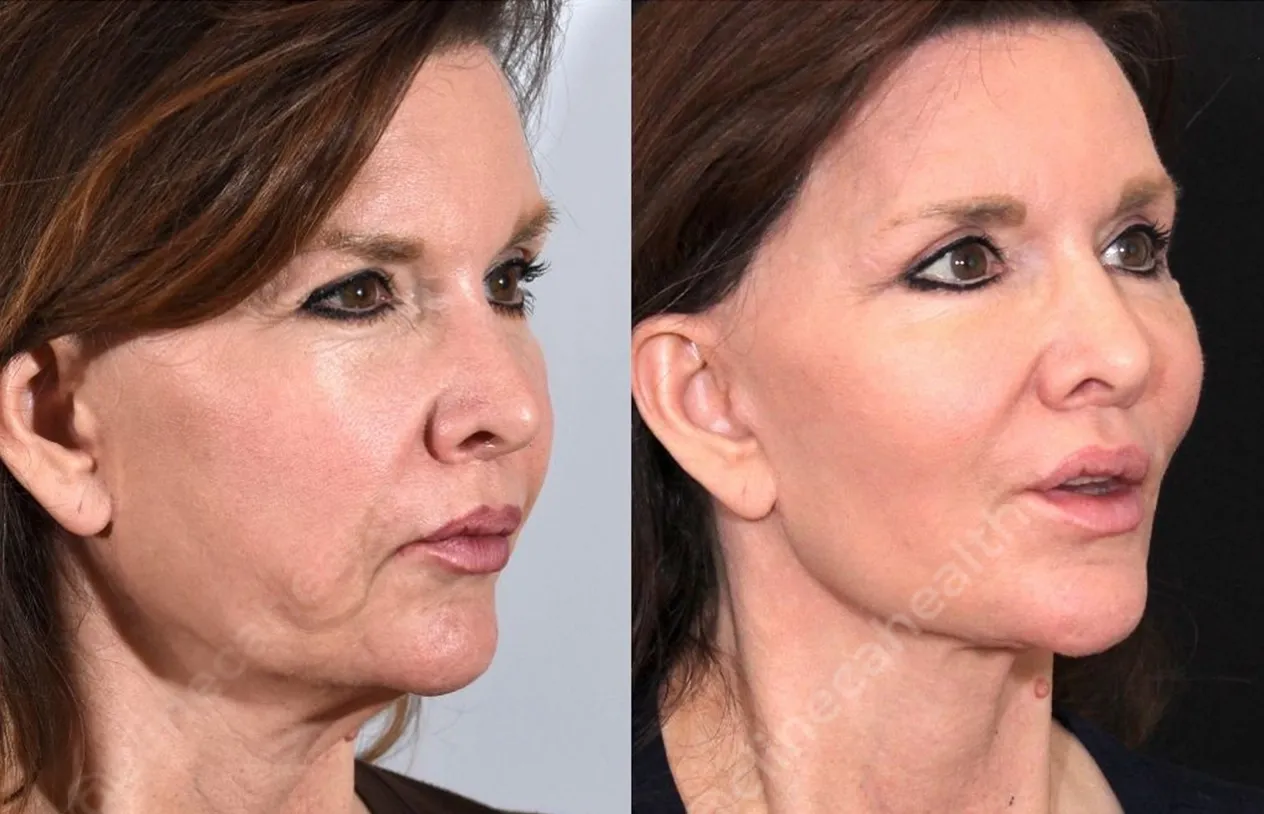
Facelift — before & after
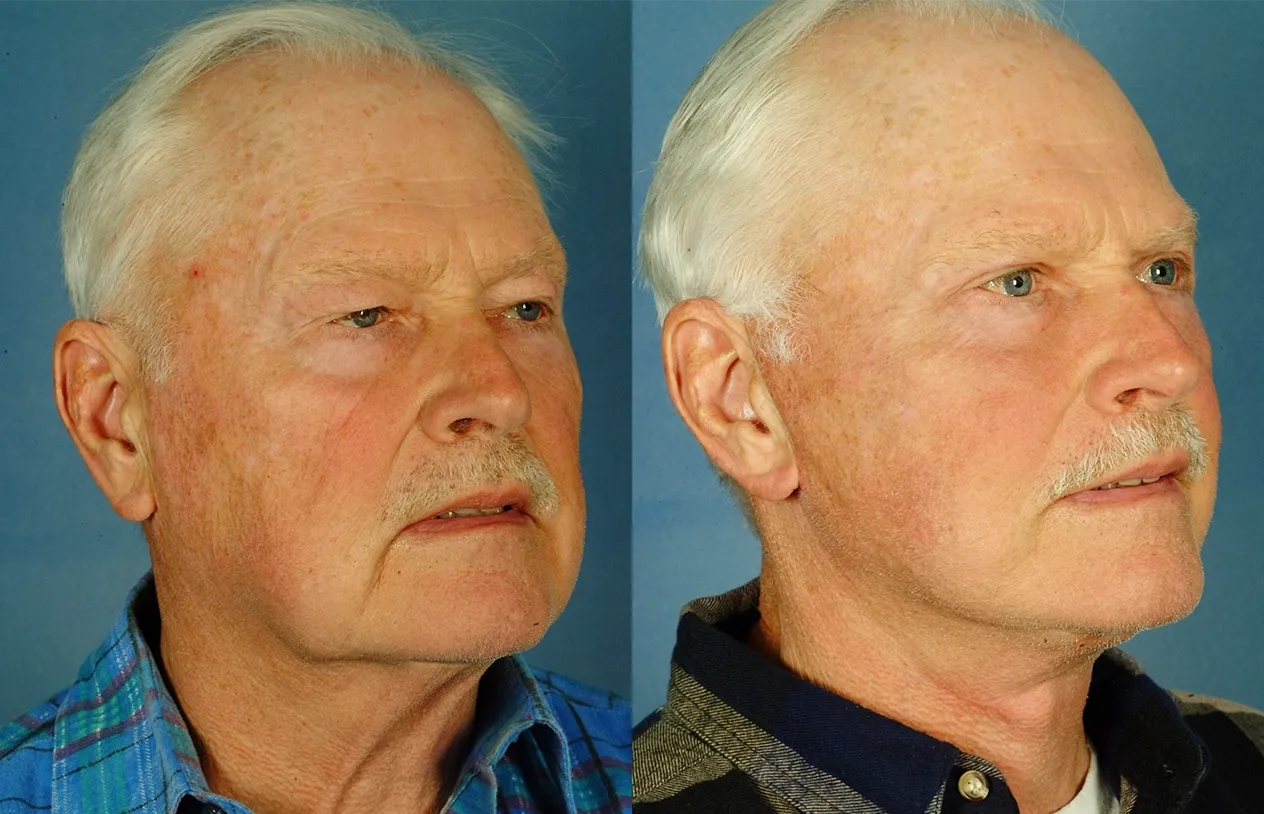 BeforeAfter
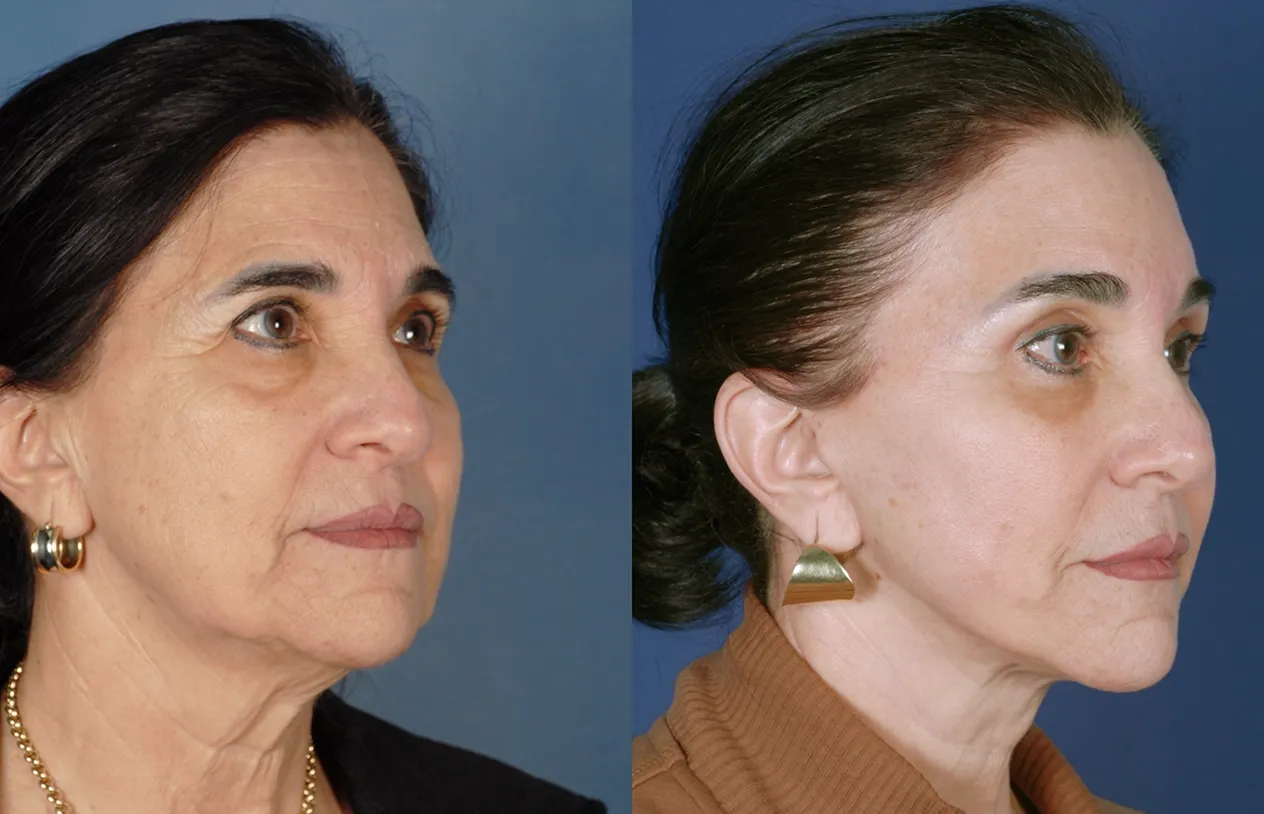 BeforeAfter
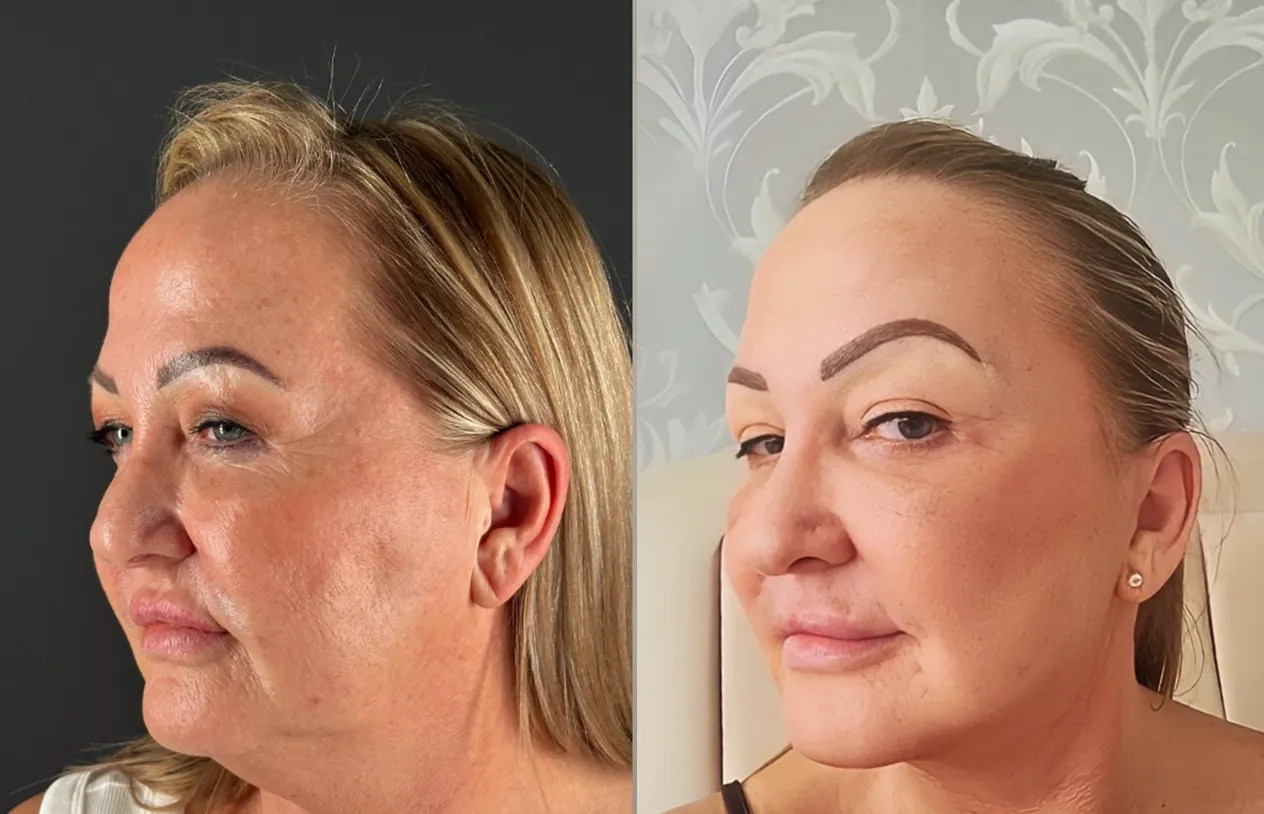 BeforeAfter
 BeforeAfter
 BeforeAfter
 BeforeAfter
 BeforeAfter
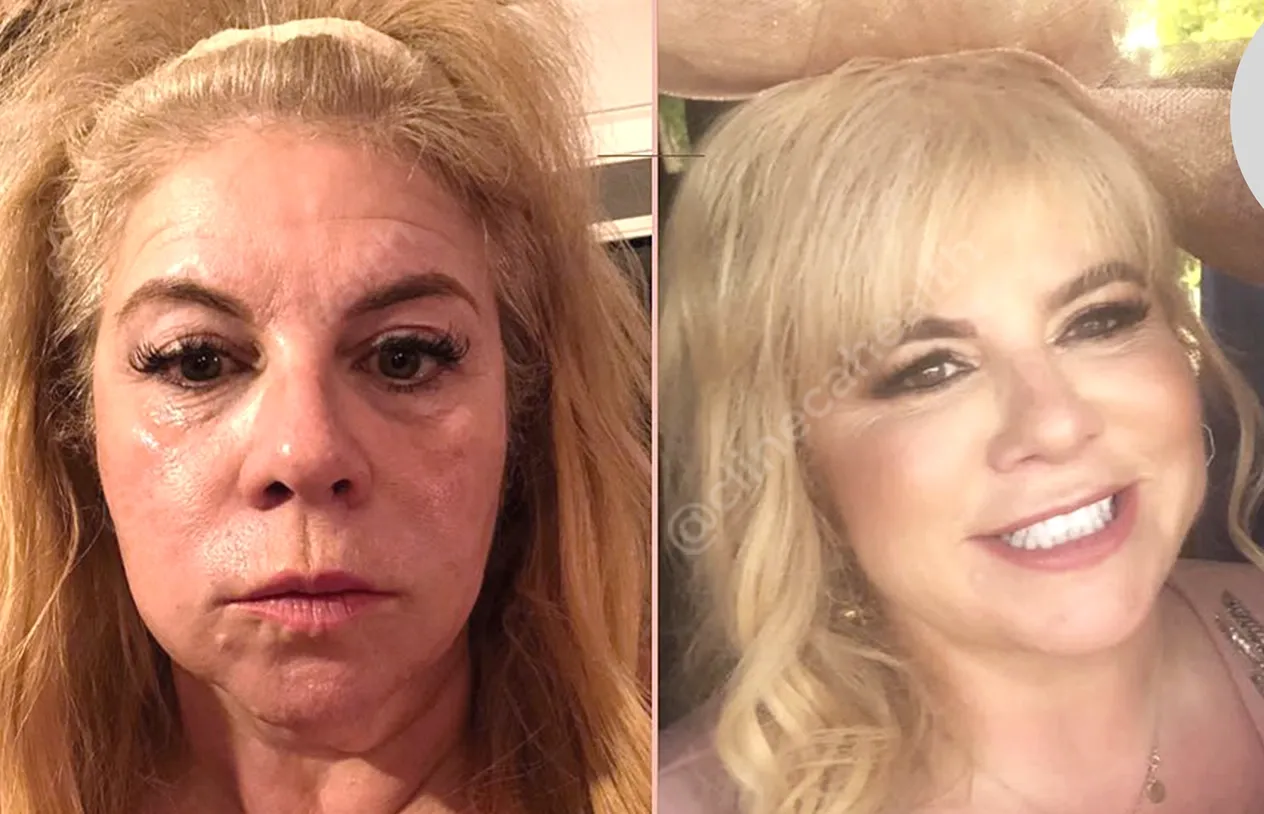 BeforeAfter
Who Is A Good Candidate For Facelift Surgery?
It is not hard to be eligible for a facelift procedure. If you are reading this, you are probably a candidate! You may be a good candidate: If the skin of your face is saggy due to reasons such as aging, gravity, hormonal changes, genetics, smoking and have wrinkles, loss of elasticity and facial volume loss If you have lines and folds in your lower face (cheeks, jowls, and neck) If you are in your late thirties and upward and you are in good health with a strong bone structure and a skin elasticity
What are the Expected Outcomes of Facelift Surgery?
The outcomes of facelift can be analyzed in two main categories: aesthetical and psychological. Facelift can address all kinds of aesthetical concerns, related to the signs of aging, about your face. A facelift procedure improves the most visible signs of aging. Through facelift, you look younger and fresher, you will have a more youthful appearance. Your face is rejuvenated by about five to ten years. You will get rid of sagging, unwanted lines, and wrinkles on the skin of your face. The psychological outcomes of the procedure are as important as the physical ones. For most people, sagging or deformed appearance of the face is a big concern. If you are not happy with the appearance of your face, you can experience serious psychological distress, which can negatively affect your self-confidence and social life. After the procedure, you will have a more positive self-image. Your newly lifted youthful face will boost your self-confidence.
“Facelift procedure does miracles for suitable patients. With the help of advanced surgical techniques and easily combinable lifting procedures, we are able to work to ‘turn back the clock’, for our patients.”
How Is a Facelift Surgery Done?
Facelift is a cosmetic surgery procedure performed to change the appearance of the face. It is a complex surgery customized according to needs and wishes of the patient.
Anesthesia
First thing, you will receive anesthesia medications. Depending on the particular case, the surgery can be performed using either general anesthesia, or local anesthesia with sedation.
Surgery
The details of the surgery depend on the patient’s needs and the surgeon’s approach. Our contracted surgeons are capable of performing several different facelift techniques. And, this surgery is a customized procedure. What’s suitable for you depends on your anatomical characteristics and your desired goals Broadly; after the incisions are made, the skin is detached from the underlying tissues and muscles which allows your surgeon to reposition the deeper facial tissues, get rid of the jowls and form a firmer basis for the skin. Excess fat in the neck and face might be sculpted, removed, or redistributed. Right after that, the excess skin is removed, and the remaining skin is redraped over the newly repositioned facial tissues. Finally, the wound is stitched and closed. *1
Incisions
Incision types can vary, and the differences depend on the extent of the incision and the degree of the lift necessary. There are typically three types of incisions: A traditional/standard facelift incision begins on your temporal side just behind the hairline, moves down and around the front of the ears, hidden in the natural creases surrounding the ear and ends behind the ears in the lower scalp. A limited incision is shorter, and it starts in your hairline just above the ear, wraps around in front of the ear. It does not extend all the way down to the lower scalp. A neck lift incision starts in front of the earlobe and goes around the ear down to the lower scalp, and a small incision is also made under your chin. Facelift surgery can be done by employing one of the 4 major techniques, which would be decided on your facial anatomy, your problems and desires as well as the surgeon’s preference. The complications and risks can be split into 2 as early and late complications, regarding when they present themselves. Early Complications: Hematoma: 0-9% Facial Nerve Injury: less than 1% Skin Necrosis: risk is x12 higher in smokers, thus ceasing smoking before the operation for at least 2 weeks (4 would be even better) recommended. Embolism: Although the risk may be very low for an embolism to happen, if it does, it carries a ~0.25% mortality rate, thus should be taken very seriously. Seroma: It’s a build up of clear fluid, not dangerous, but can be painful and uncomfortable. They usually form around the neck area. Sialocele/ Parotid Fistula: These salivary gland related issues are extremely rare but easy to address; sialocele if there is a subcutaneous cavity that is filled with saliva, and parotid fistula if there occurs an opening between a salivary gland and skin or mucosa like a tract. They can be corrected with botox injections. Late Complications: Platysmal Banding: Related to aging, the muscle on the neck called Plastysma muscle that allows mimic expressions start to lose tone and the skin on the muscle start to sag. It is called as plastysmal banding. Of around the 10% that makes up the revision facelifts (from all facelift operations), it accounts for the 87% of them. Contour Deformities: Untreated seromas or hematomas are the main cause for the contour deformities, although lack of experience of the surgeon can contribute to this as well. Pixie Ear: over-resection of the cheek skin can cause an attached earlobe. It can be corrected with a secondary surgery. Loss of Tragal Definition: Tragus is the little bulge right in front of the ear canal entrance. If the technique employed involves a posterior tragal incision, and the thick cheek skin gets advanced over the tragal cartilage, the definition can be lost. The majority of this problem is encountered in patients with thick facial skin and significant excess skin. It can be corrected via corrective surgery. Scarring: Most likely to occur in active smokers. Alopecia: It’s seen in 2.9% of the patients, although with highly experienced surgeons, the risk is lower.
What To Expect During An Facelift Surgery Recovery?
After the surgery, your incisions might be covered with bandages to decrease swelling and bruising. A small drainage tube might be placed under the skin behind your ears. The day after surgery, these will be removed, and your surgeon will apply some antibiotic ointment to your incisions and cover your face with new bandages. 2-3 days after your facelift operation, you might be freed from bandages and wear an elasticized facial sling. You may experience some pain and discomfort within this period, but it can be eased with pain medication. Besides, you can apply cold compress to your face to ease pain and decrease swelling. About a week after surgery, your surgeon will remove your stitches and assess your healing rate. Depending on your healing process, you may need to take 2-3 weeks off work. Swelling and bruising will gradually disappear and should be difficult to notice after about 1-2 weeks. Within two weeks, you will be able to return to your normal daily activities. After four to six weeks, you can return to strenuous exercises and demanding physical activities. 6-8 weeks after the surgery, the scars will start to fade. In addition, you will be more vulnerable to sunlight for several weeks, and you should wear a hat and apply sunscreen regularly. A few months after the surgery, your recovery will be completed. During your whole recovery period, your surgeon and Clineca will inform you and guide you. A wellbeing assistant will visit you in your hotel room every day during the first week after the surgery. We will expect you to be in our clinic for your post-op examination 1 week after the surgery, before you leave Istanbul. We will still follow your recovery process while you are away. Clineca will provide you with complete support and inform you about everything you need to know during your recovery. We will be with you from your consultation to the very end of your recovery.
What to Do Before the Facelift Surgery?
During your online consultation, your surgeon will ask you questions about your medical history. It is of critical importance that you give your doctor every detail, from the conditions you might have to the operations you had in the past, to the medications and supplements you use, to minimize the risks the surgery could bring. They will also conduct a physical examination. Your surgeon will inform you about everything you need to know before the surgery. Clineca will provide you with complete guidance and support before your surgery. You will have a complete and detailed list of instructions. Most important instructions include, Stop smoking at least 2 weeks before the surgery. Avoid non-steroidal anti-inflammatory medications (such as ibuprofen and aspirin) for 2 weeks before the procedure. Avoid herbal remedies and supplements Take only the medications approved by your surgeon.
What to Do After the Facelift Surgery?
What you need to do after the surgery will be explained to you in detail by your surgeon and Clineca will provide you with all the support and guidance you need. Most important instructions include: Do not smoke for at least 2 weeks after the surgery. You will be seen in the next few days for bandages and dressings or drain removal. Do not take non-steroidal anti-inflammatory medications after the surgery until your surgeon approves using them. Take pain medication and antibiotics prescribed for you by your surgeon. Your surgeon may recommend an elasticized facial sling if it is needed. You have to rest with your head elevated. You can apply cool packs to your face to ease the pain and swelling. Avoid alcohol and steam baths for several months. Love yourself and show the world how younger and fresher you are!
“Of course, there are non-surgical cosmetic procedures for the face. But the most effective treatment against the most of the marks of aging on the face is facelift surgery.”
Who performs your facelift
Dr. Hakan Aktaş
Board-certified plastic surgeon · TPRECD & EPCD member · 3D simulation
Dr. Orkun Uzuneyüpoğlu
2,000+ surgeries · São Paulo observership · nose, breast & body
Dr. Salim İskender
13+ yrs operating · 3,000+ surgeries · open & closed rhinoplasty
Dr. Engin Selamioğlu
Assoc. Prof. · European Board (EBOPRAS) certified · ISAPS member
Dr. Cem Aydın
Specialist, Marmara University · microsurgery · published research
Frequently asked questions
What is facelift?+
Facelift is a surgical procedure performed to reduce the most visible signs of aging in your face such as sagging, loss of elasticity and wrinkles by removing excess skin, redistributing facial fat and redraping the skin of the face and neck.
Is facelift risky?+
All surgical procedures have some risks. However, if it is performed by an experienced and talented surgeon, the risk of having a serious problem is very small.
Is facelift painful?+
During the surgery, you will not feel any pain because of the anesthetics being used. Your surgeon will decide what’s the best option of anesthesia; local or general; for you and in either case, you will not feel any discomfort during the procedure.
What type of anesthesia is used during facelift?+
The procedure is done using intravenous sedation combined with local anesthesia, which only numbs the face. In some cases, though, general anesthesia, which makes you unconscious, is used. Your surgeon will decide the best option for you.
How long does facelift surgery take?+
A facelift surgery can take 2 to 4 hours, but if other lifting or cosmetic procedures are included, it might take longer. Your surgeon will give you an estimate about the duration of your procedure.
How long does the recovery take?+
About a week after the surgery, your surgeon will remove your stitches and assess your healing rate. Swelling and bruises will gradually disappear and should be difficult to notice after about 1-2 weeks. Roughly, within two weeks, you will be able to return to your normal daily activities
When can I resume my exercise routine after getting a facelift?+
You should refrain from strenuous exercises and stretching for up to 4 weeks after the surgery. Your surgeon will follow your recovery and will tell you when you are ready. It usually takes 4-6 weeks.
Will I have visible scars after facelift surgery?+
Ultimately, all methods require an incision, which equals scarring. However, the incisions are generally made behind the ear and the hairline. So, they will be concealed and also will fade over time.
Plan your facelift
Pick your surgeon and dates — we’ll tell you exactly when to fly and what's included.