
Bonding in Istanbul
Dental bonding is a process of repairing chipped, cracked, broken teeth

What Is Tooth Bonding?
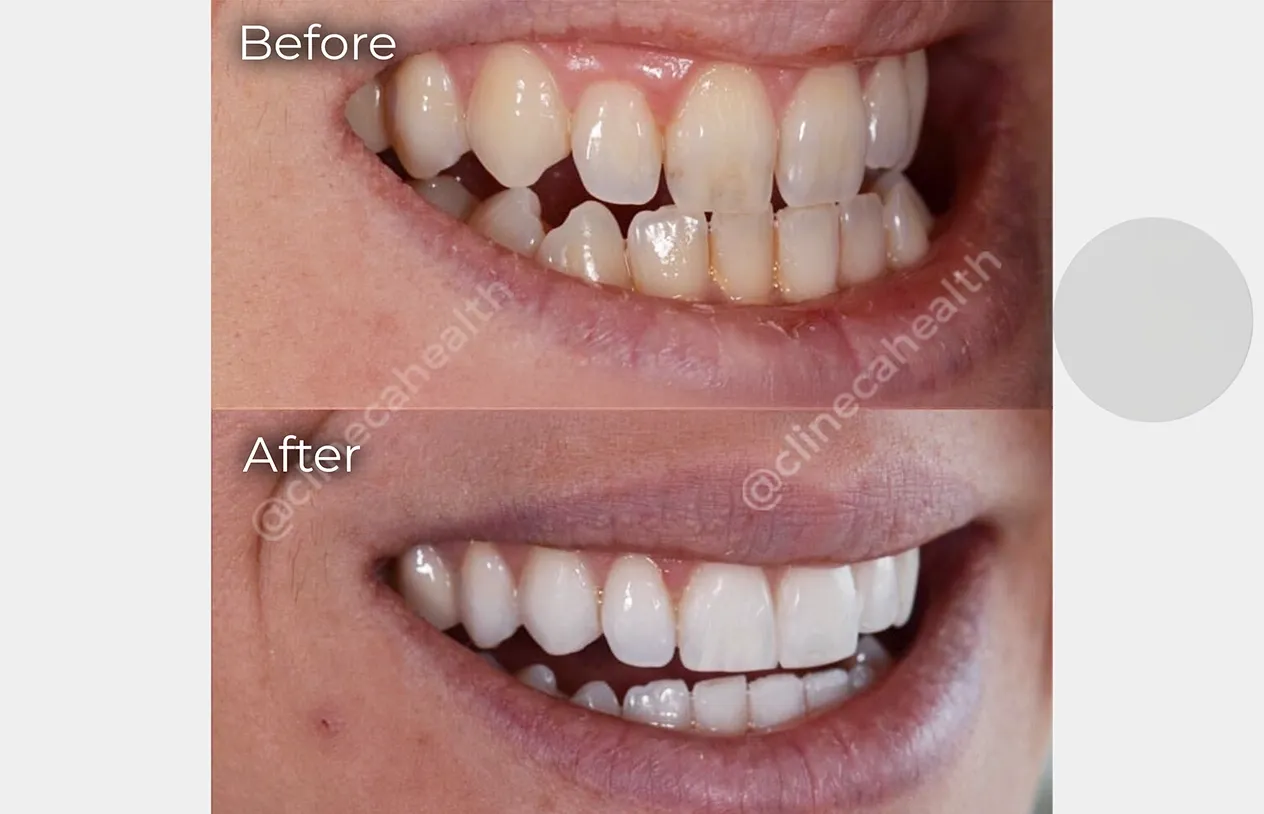
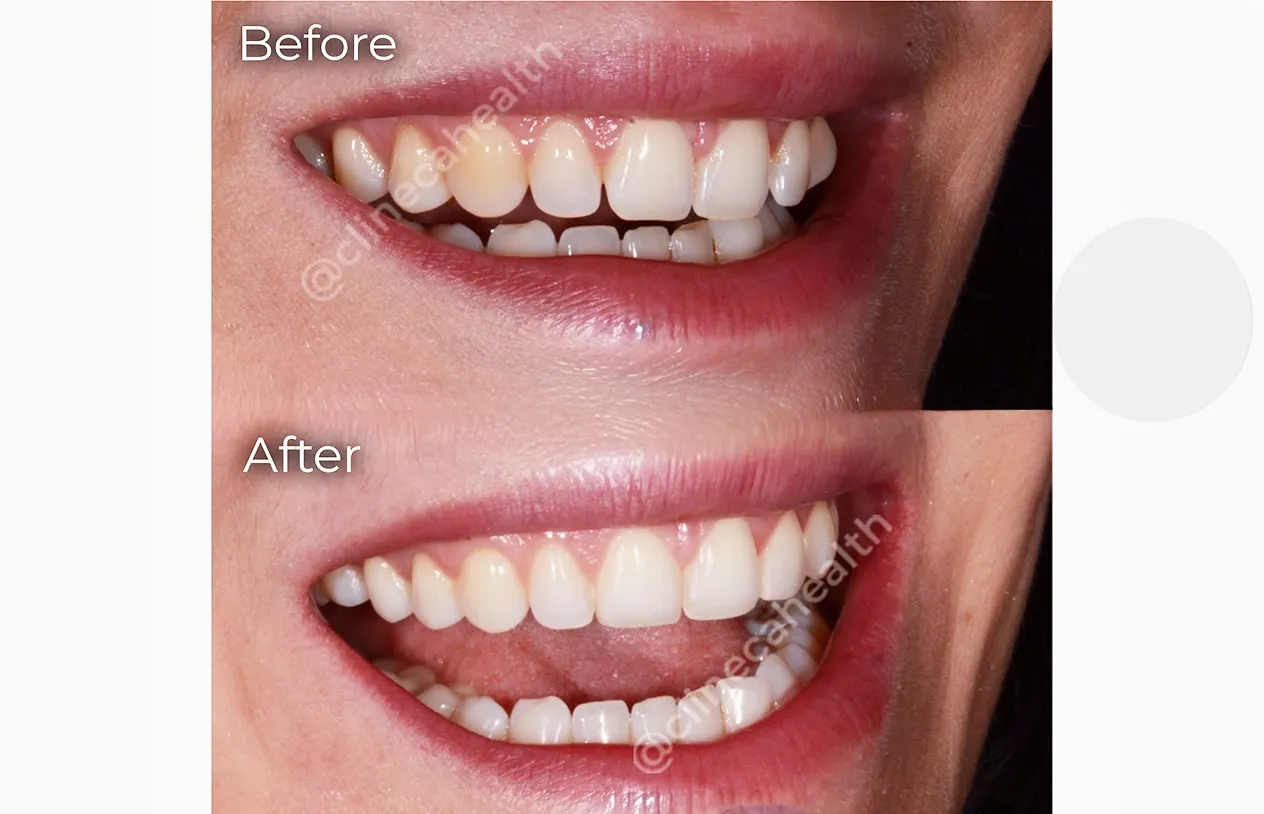
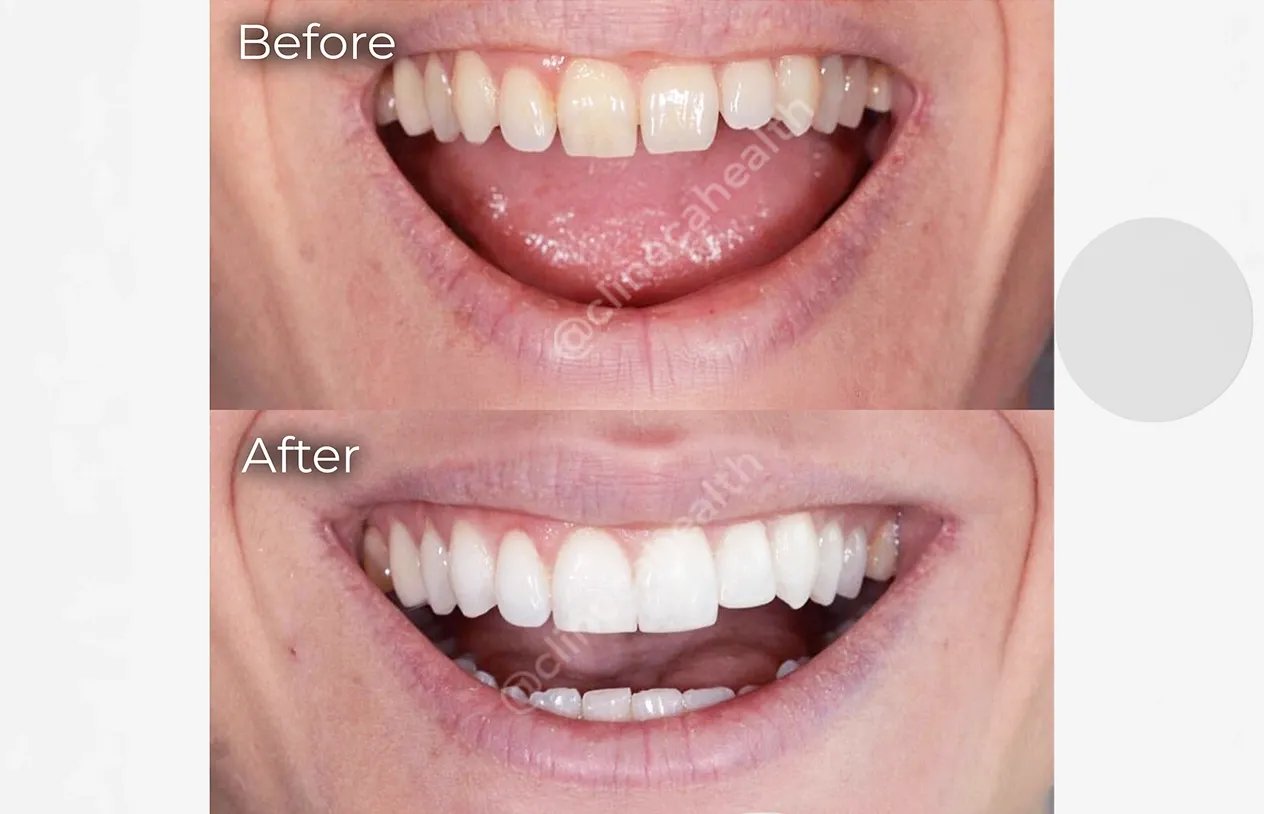
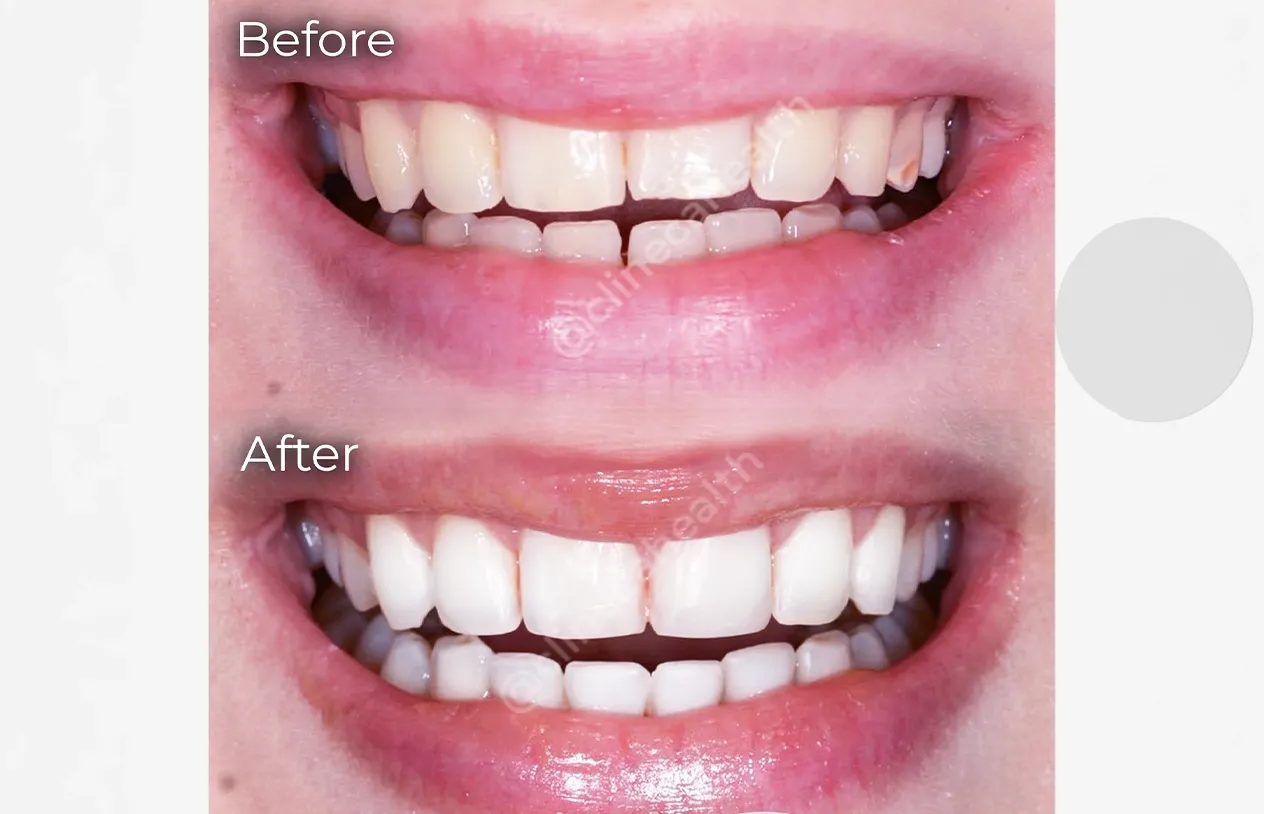
Dental bonding is a process of repairing chipped, cracked, broken teeth. Bonding can bring volume to a missing piece, or change the shape of the tooth with adding volume to it. This procedure can be combined with other cosmetic procedures such as reshaping.
Bonding — before & after
 BeforeAfter
 BeforeAfter
 BeforeAfter
 BeforeAfter
Who Is A Good Candidate For Bonding?
If you want to conceal chips in your teeth, or camouflage discolorations; or if you want the gaps between your teeth to be gone or change the shape of your teeth, you can have a bonding procedure to do all of that.
What Are The Expected Outcomes Of Bonding?
The outcomes of bonding can be analyzed in three main categories: aesthetical, health-related, and psychological. With the cracks, chips and irregularities or discolorations gone, you will have a more aesthetic smile. The chips on teeth can lead to tooth decay because they are ideal locations for bacterial growth and harder for toothbrushes to reach, with bonding smoother surface will prevent bacterial growth and ease cleaning with toothbrush. After bonding treatment, you’ll get rid of your insecurities and will be much more confident and happy with your smile.
“Lorem ipsum dolor sit amet, consectetur adipiscing elit. Pellentesque tincidunt sodales lorem. Donec quis commodo neque. Nunc vitae nisi nulla. In hac habitasse platea dictumst. Nulla facilisi. Maecenas eu lorem velit. Aenean elementum gravida.”
How Is A Bonding Done?
Dental bonding is a process of repairing chipped, cracked, broken teeth. Bonding can bring volume to a missing piece, or change the shape of the tooth by adding volume to it.
Examination
First your dentist will take X-rays of your teeth to examine your teeth and gums and make sure your eligibility for the procedure. Only after you’ve been found eligible for bonding, the procedure will take place where a color-matched resin will be applied to create the desired shape of a tooth.
Local Anesthesia
Before the application of a color-matched (to your teeth) resin, the dentist will etch the tooth surface to make the resin adhere better to the tooth. This process can be done after numbing the area with local anesthetics in order to prevent any discomfort caused by etching the tooth. The dentist can coat the teeth with an additional conditioning liquid which will further help with the adherence of the resin to the teeth. After the application of the resin, they will shape it to a natural shape, and using a light the resin will be hardened. After the hardening, the tooth will be polished to a natural looking shine. The bonding procedure can take up to an hour; and if more teeth will be treated several appointments may be needed.
Risks and Complications
Bonding is a low risk and low complications procedure. Possible complications can include: Need for a touch-up or replacement: These small touches always will be necessary and effortless. Color mismatch: This can be easily solved by the professional dentists. Sensitivity: This can lead to sensitivity to hot, cold, sweet, or acidic foods and drinks
What To Expect During A Bonding Recovery?
In the first week after the dental bonding procedure, it is important to avoid eating or drinking anything that could stain the bonding material. This includes foods and beverages that are very dark in color, such as coffee, tea, red wine, and berries. It is also important to avoid biting or chewing on hard or sticky foods, as this could damage the bonding material or cause it to come loose. After the first week, it is generally safe to eat and drink whatever you like, as long as you brush and floss your teeth regularly to keep the bonding material clean and free of plaque. It is also important to avoid biting or chewing on hard or sticky foods, as this could still damage the bonding material. After meeting with your dentist at their office during your consultation you express your expectations and the dentist checks the condition of your teeth. They will inform you about their professional opinion while taking your expectations and the condition of your teeth into consideration. Then, photos of your teeth will be taken for a 3D simulation. The size, model and color can be decided by you, and you can even choose the color from the tooth color chart. After deciding, on the first operation day teeth will be scraped and if there is a need for an extraction it will also take place on the first day. Temporary veneers will be put on and your dentist will prescribe you with painkillers and antibiotics. You will stay at the hotel for about 4-5 days. During your stay you will be visited by a wellbeing specialist, and if you’re having any problems your dentist will be contacted. After these 4-5 days, your permanent veneer will be applied and it will be all done.
What To Do Before The Bonding?
If you are planning to undergo dental bonding, there are a few things you can do to prepare for the procedure and ensure the best possible results. Some important steps to take before the bonding include: Be aware if there is severe tooth-decay: You should consult with your dentist if you have severe tooth decay or a cavity. Dental bonding is typically used for minor repairs such as cracks or gaps, and should not be considered for more significant problems. Avoid eating hard or sticky foods and drinking coffee and tea: Eating hard or sticky foods for a few days before the bonding procedure is not recommended, as these can damage the bonding material or cause it to come loose and coffee or tea can make it hard for the process. Brush and floss your teeth: Be sure to brush and floss your teeth thoroughly before the bonding procedure to remove any plaque or debris from the surface of the teeth. This will help to ensure that the bonding material adheres properly and looks its best.
What To Do After The Bonding?
After the dental bonding procedure, you need to keep good oral hygiene to keep your mouth healthy. Brushing twice and flossing once a day and biannual dentist visits for check-ups and cleaning is recommended. There is no special care needed. However, the material used can chip so avoiding hard foods and biting your nails or opening packages with your teeth is advised. If there are any sharp edges to the bonded tooth, schedule an appointment with your dentist.
“Reshaping your teeth with bonding gives you the perfect smile by making the small or misshapen teeth look normal. It is often combined with reshaping to provide the best smile!”
Who performs your bonding
Dt. Ceren Saruhanoğlu
Doctorate in Prosthodontics (Istanbul University) · aesthetic dentistry & smile design · founder of Bright Dental Studio
Frequently asked questions
How long does the bonding procedure take?+
The dental bonding procedure takes around an hour.
How long does dental bonding last?+
It depends on the wear and tear, and oral habits. However, dental bondings are made to last between 3 to 10 years before needing a touch-up or replacement.
Is bonding bad for your teeth?+
Dental bonding, if your overall oral health is good, is very safe. However in the cases of extensive tooth decay, gum diseases or other oral health issues, you should get them treated first.
What are the advantages of bonding?+
Dental bonding is minimally invasive in contrast to veneers and dental crowns which require significant alterations to the teeth. It is inexpensive and versatile as it can conceal a wide range of imperfections. While veneer and crown treatments require multiple sessions, dental bonding can be done in one session.
What are the disadvantages of bonding?+
Dental bonding material is more prone to staining than veneers or crowns. Bonding is also not as long-lasting, and prone to chip over time.
Are there any alternatives to bonding?+
Alternative to bonding, you can have veneers and crowns.
My teeth are irregular and not straight that it bothers me.+
You can have perfectly straight teeth with bonding treatment. The valleys and hills of the tooth can be easily corrected with bonding filling those “valleys” and making them disappear.
One of my front teeth is smaller than the others and it looks bad.+
With bonding treatment the small tooth can be made the same length and in harmony with the rest of your teeth easily.
Plan your bonding
Pick your surgeon and dates — we’ll tell you exactly when to fly and what's included.