
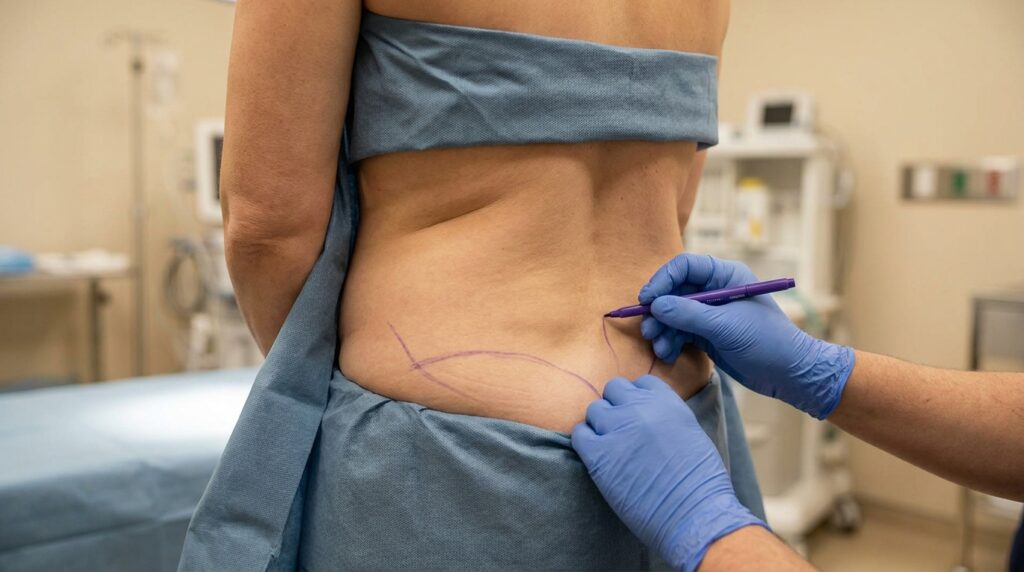
Have a question about Butt Implants?
In this article
- Which symptoms suggest a butt implant problem rather than normal healing?
- What are the most common reasons butt implants are replaced or removed?
- How does a surgeon check whether the implant really needs replacement?
- Can you wait and monitor, or is revision sometimes urgent?
- What does butt implant replacement involve, and what is recovery like?
- How much does replacement cost, and what affects the quote?
- How can you reduce the risk of needing another revision?
The main warning signs that butt implants may need to be replaced are new pain, swelling, shape changes, firmness, implant movement, fluid build-up, wound problems, or signs of infection. If you are asking what are the warning signs that butt implants may need to be replaced, the short answer is that a visible or painful change after a stable period deserves a surgeon’s review soon, although not every change means urgent revision.
Which symptoms suggest a butt implant problem rather than normal healing?
Early recovery after butt implant surgery can include swelling, bruising, tightness, and discomfort. Those are expected at first. The concern starts when symptoms do not settle as planned, return after a calm period, or clearly affect one side more than the other.
According to the NHS, possible complications after cosmetic surgery include infection, bleeding, fluid build-up, and poor wound healing. In gluteal implant surgery, published surgical reviews also describe seroma, which is a pocket of fluid, infection, wound separation, implant displacement, capsular contracture, and extrusion, where the implant starts pushing toward or through the incision.
The signs patients usually notice first are practical, not technical. Sitting may become newly painful. One buttock may feel firmer or sit differently in clothes. You may notice a round edge, an implant that seems to have moved, or skin that looks stretched and shiny.
A surgeon will be more concerned if you have any of these changes:
- ✓Pain that is increasing instead of slowly improving
- ✓Swelling on one side, especially if it appears suddenly or keeps growing
- ✓Redness, warmth, fever, or bad-smelling drainage
- ✓A wound that opens, scabs repeatedly, or leaks fluid
- ✓The implant feeling unusually hard, high, low, tilted, or mobile
- ✓Numbness or pressure that is getting worse rather than better
If you have severe pain, spreading redness, a high temperature, or the implant seems close to the skin or incision, do not wait for a routine check. Seek urgent medical advice.
⚠️ When it is more urgent Fever, chills, spreading redness, pus, worsening one-sided swelling, or a wound opening over the implant need prompt medical review because infection or implant exposure may need treatment quickly.
Warning signs are symptoms that are new, getting worse, or appearing after you had already healed. The most important ones are persistent pain, one-sided swelling, redness, warmth, fever, a buttock that looks higher or lower than before, a hard feel, implant shifting, or a wound that opens or drains.
What are the most common reasons butt implants are replaced or removed?
Not every revision happens because something has gone badly wrong. Some people heal safely but dislike the result and want a different size or shape. Still, the more important medical reasons are the ones linked to complications.
Published reviews of gluteal augmentation describe several recognised reasons for revision. Infection is one of the most serious because bacteria around an implant can be difficult to clear with antibiotics alone. Seroma can also matter. Small fluid pockets may settle, but larger or repeated seromas can increase pressure, affect shape, and raise infection risk.
Another common reason is displacement. That means the implant has shifted from the pocket where it was placed. It may sit too high, too low, too far to one side, or rotate. Some patients describe this simply as, “it feels off” or “it no longer matches the other side.”
Capsular contracture can also happen. This means the scar tissue around the implant tightens and squeezes it. In practice, the area may feel hard, look less natural, and become uncomfortable. Wound healing problems are another concern because the buttock area is under pressure when sitting and moving, so an incision that struggles to close can put the implant at risk.
If you are still deciding between options for enhancement, it helps to understand how implant-based augmentation differs from fat transfer. Our page on buttock augmentation with implants explains the implant approach, while Brazilian butt lift surgery covers augmentation using your own fat.
Infection, repeated seroma, displacement, wound breakdown, implant exposure, chronic pain, or hard scar tissue are stronger reasons to consider removal or replacement.
Some patients seek revision because of shape, size, symmetry, or a change in preferences over time rather than a dangerous problem.
Butt implants are usually replaced or removed because of infection, fluid collections, implant movement, hard scar tissue around the implant, chronic pain, asymmetry, or skin and wound problems. Some patients also choose revision because the size, shape, or projection no longer suits their body or goals.
How does a surgeon check whether the implant really needs replacement?
A good assessment is more than a quick glance. The surgeon will ask when the change started, whether it followed sitting pressure, exercise, weight change, trauma, illness, or a wound problem, and whether one side feels different from the other. They will also check the scar, skin quality, tenderness, firmness, and whether the implant seems mobile or malpositioned.
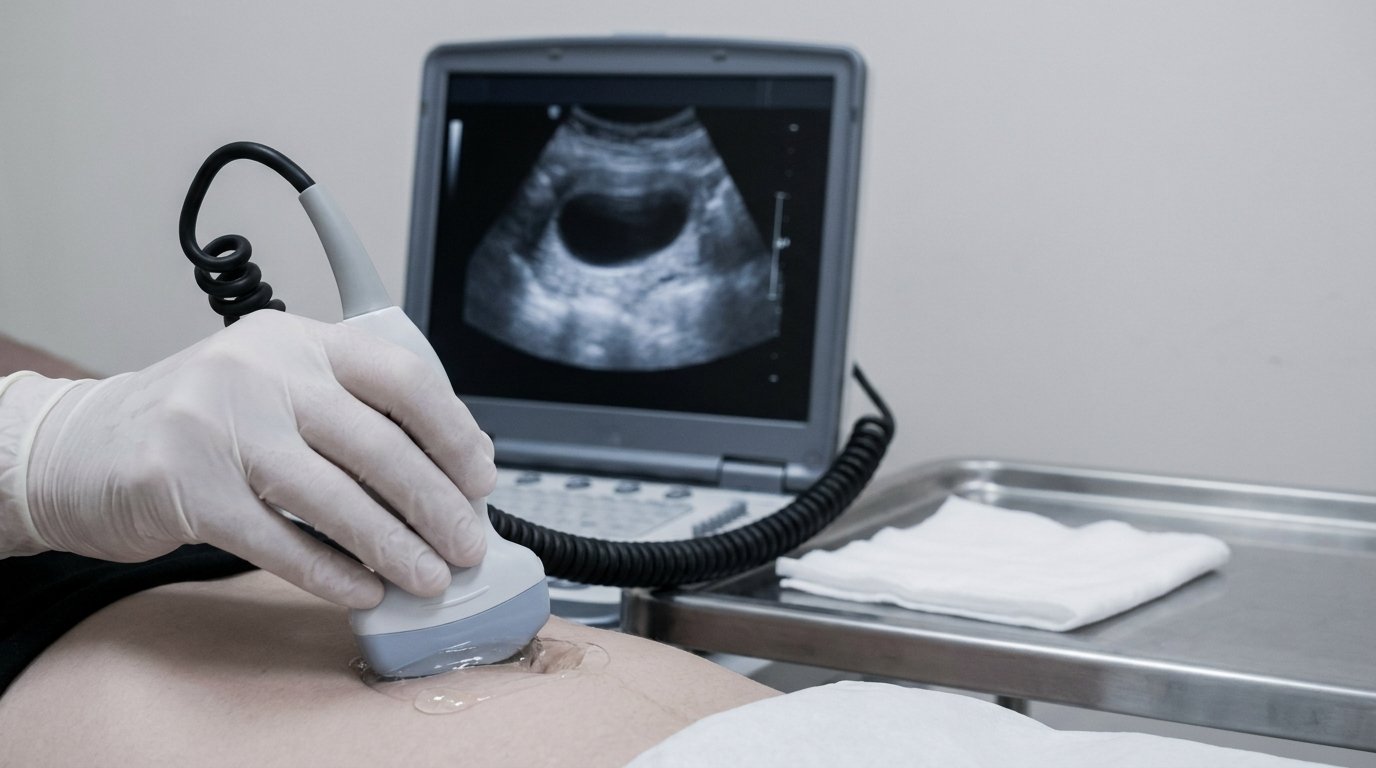
What imaging may be used
Imaging is not automatic for every patient. It depends on what the examination suggests. If fluid collection is suspected, ultrasound may help show whether there is a seroma and how large it is. If the concern is deeper pocket anatomy, implant position, or complex revision planning, MRI may be considered. In some cases, imaging is mainly used to support the clinical findings rather than make the decision on its own.
This is important because patients often expect a scan to give a simple yes-or-no answer. In reality, surgeons usually combine symptoms, examination, wound appearance, and sometimes blood tests or imaging before advising revision. If infection is suspected, the plan may also include checking inflammatory markers, culturing any fluid or drainage, and deciding whether implant salvage is realistic or whether removal is safer.
The American Society of Plastic Surgeons explains that revision surgery is tailored to the reason for failure or dissatisfaction, and that planning often depends on implant position, scar tissue, soft tissue coverage, and the condition of the pocket. That principle applies to gluteal implants as well: the right next step depends on the exact problem, not just the fact that a symptom exists.
📋 Imaging varies by case Ultrasound and MRI are not routine for everyone with discomfort. The choice depends on the examination findings, suspected complication, and whether the results would change treatment.
Assessment starts with a history and physical examination. The surgeon looks at timing, pain, swelling, skin changes, scar condition, and implant position. Imaging is sometimes useful, but not always routine. Ultrasound or MRI may be requested when fluid, infection, displacement, or deeper pocket problems are suspected after examination.
Can you wait and monitor, or is revision sometimes urgent?
There is a difference between watching a healing issue and ignoring a complication. A small area of firmness or mild asymmetry may be observed if it is stable and your surgeon is reviewing it. That is not the same as a wound that starts draining or an implant that becomes visible under thinning skin.
Infection is one of the clearest reasons not to delay. NHS guidance on cosmetic procedures advises patients to seek medical help for signs such as increasing redness, swelling, discharge, or fever after surgery. In implant surgery, delay can make salvage harder and may increase the chance that the implant needs to be removed first and replaced later.
You should contact your surgeon promptly if symptoms are escalating over days rather than easing. If you had surgery abroad and are now back home, send dated photos, describe the timeline clearly, and arrange an in-person review locally if you have systemic symptoms such as fever or feel unwell.
For people researching revision pathways, a consultation through the clinic consultation page can help clarify what records, photos, and operative details a surgeon usually needs before advising the next step.
- ✓Monitor only if the symptom is mild, stable, and your surgeon has advised observation.
- ✓Arrange an earlier review if pain, swelling, firmness, or asymmetry is getting worse.
- ✓Seek urgent care if there is fever, pus, wound opening, spreading redness, or the implant may be exposed.
Some mild concerns can be monitored for a short time, especially if the issue is swelling that is steadily improving. Revision becomes more urgent when there is suspected infection, wound opening, implant exposure, rapidly increasing fluid, severe asymmetry, or significant pain that limits walking, sitting, or sleep.
What does butt implant replacement involve, and what is recovery like?
Revision surgery is not one standard operation. If the problem is displacement, the surgeon may need to rebuild or tighten the implant pocket. If there is hard scar tissue, they may release or remove that tissue. If there is infection or exposed implant, they may advise removal first and replacement only after the area has healed.
That last point matters. Many patients hope everything can be fixed in one operation. Sometimes it can. Sometimes the safest route is staged treatment, which means removal now and reassessment later. That can be frustrating, but it may lower the chance of repeated infection or wound breakdown.
Recovery depends on what is actually done. A straightforward exchange for size or position may recover faster than surgery for infection or wound problems. In general, expect limits on sitting pressure, gym activity, stretching, and long periods on your back. If drains are used, they may stay in for several days.
For international patients, travel planning should be realistic. Build in enough time for early wound checks and for any drain or dressing needs. If the revision is complex, a longer stay may be safer than trying to fly home quickly. This is especially true if there has been fluid build-up, wound care, or concern about infection.
If you are comparing body contouring options more broadly, some people considering revision also ask whether a lift or fat-based reshaping would better match their goals. In those cases, reading about a buttock lift or liposuction can help frame the discussion, although the right choice depends on examination findings.
Replacement surgery can involve removing one or both implants, cleaning the pocket, treating scar tissue, draining fluid, changing implant size or plane, or delaying replacement until tissues heal. Recovery is often longer than many patients expect, especially after a complication, and travel plans should be more cautious than for a simple primary procedure.
How much does replacement cost, and what affects the quote?
For this topic, it is better to think in terms of cost drivers rather than headline figures. Revision surgery is more variable than first-time surgery. A simple exchange for size preference is not priced the same way as treatment for infection, scar tissue, or pocket reconstruction.
The final quote usually depends on whether one implant or both need treatment, whether imaging or tests are needed, whether drains are likely, the expected operating time, the type of anaesthesia, the hospital or surgical facility, and the length of aftercare. If travel is involved, accommodation and the possibility of a longer stay also matter.
A trustworthy clinic should explain what is included and what is not. That means surgeon fees, hospital fees, implants if new ones are planned, routine follow-up, and what happens if your stay needs to be extended. If you want to review the team and background before arranging an assessment, you can start with the about the clinic and doctors page.
📋 No fixed online price A reliable quote for butt implant replacement is usually given only after consultation, records review, and an examination of the current problem.
There is no fixed price for butt implant replacement because cost depends on the problem being treated, whether one or both sides need surgery, whether implant removal alone or staged revision is needed, the hospital setting, and how much aftercare is required. A personalised quote is normally confirmed after consultation.
How can you reduce the risk of needing another revision?
Revision surgery asks more of both the surgeon and the patient than a first operation. Tissue may be thinner, scars may distort anatomy, and expectations need to be realistic. This is why surgeon choice matters so much.
Ask who will actually perform the operation, what experience they have with implant revision rather than only primary augmentation, and how they plan to assess your case before recommending treatment. A good consultation should cover whether replacement is truly appropriate, whether removal only is safer, and what result is realistic with your current tissues.
It also helps to ask practical questions. Where would surgery take place? What follow-up is included? What is the plan if fluid builds up or you develop a wound problem after you return home? Clear answers here are often more useful than glossy before-and-after galleries.
The ASPS advises patients to choose a board-certified plastic surgeon and an accredited facility for cosmetic surgery. For medical travel, apply the same principle carefully: verify qualifications, ask about hospital standards, and make sure there is a clear pathway for urgent aftercare.
If you are at the stage of choosing who to speak to, the safest next step is a detailed consultation rather than trying to diagnose yourself from photos alone.
The surgeon explains why the problem happened, what examination or imaging is needed, whether staged treatment may be safer, and what limits the result.
Be cautious if you are offered revision without records review, without discussing risks, or with pressure to book before the cause of the problem is clear.
The best protection is careful surgeon selection, honest planning, and disciplined aftercare. Choose a properly qualified plastic surgeon, use an accredited hospital, ask how complications are handled, and follow pressure, sitting, wound, and activity advice closely. These steps cannot remove risk, but they can reduce avoidable problems.
Frequently Asked Questions
References
- 📎NHS cosmetic procedures
- 📎ASPS cosmetic procedures
- 📎PubMed search: gluteal augmentation implant complications seroma infection revision
- 📎PubMed search: buttock implants complications displacement wound dehiscence capsular contracture

You Might Also Like

Related articles

Our specialists
 Clineca SpecialistErkan PinegözPlastic & Reconstructive Surgery
 Clineca SpecialistHakan AktaşPlastic & Reconstructive Surgery
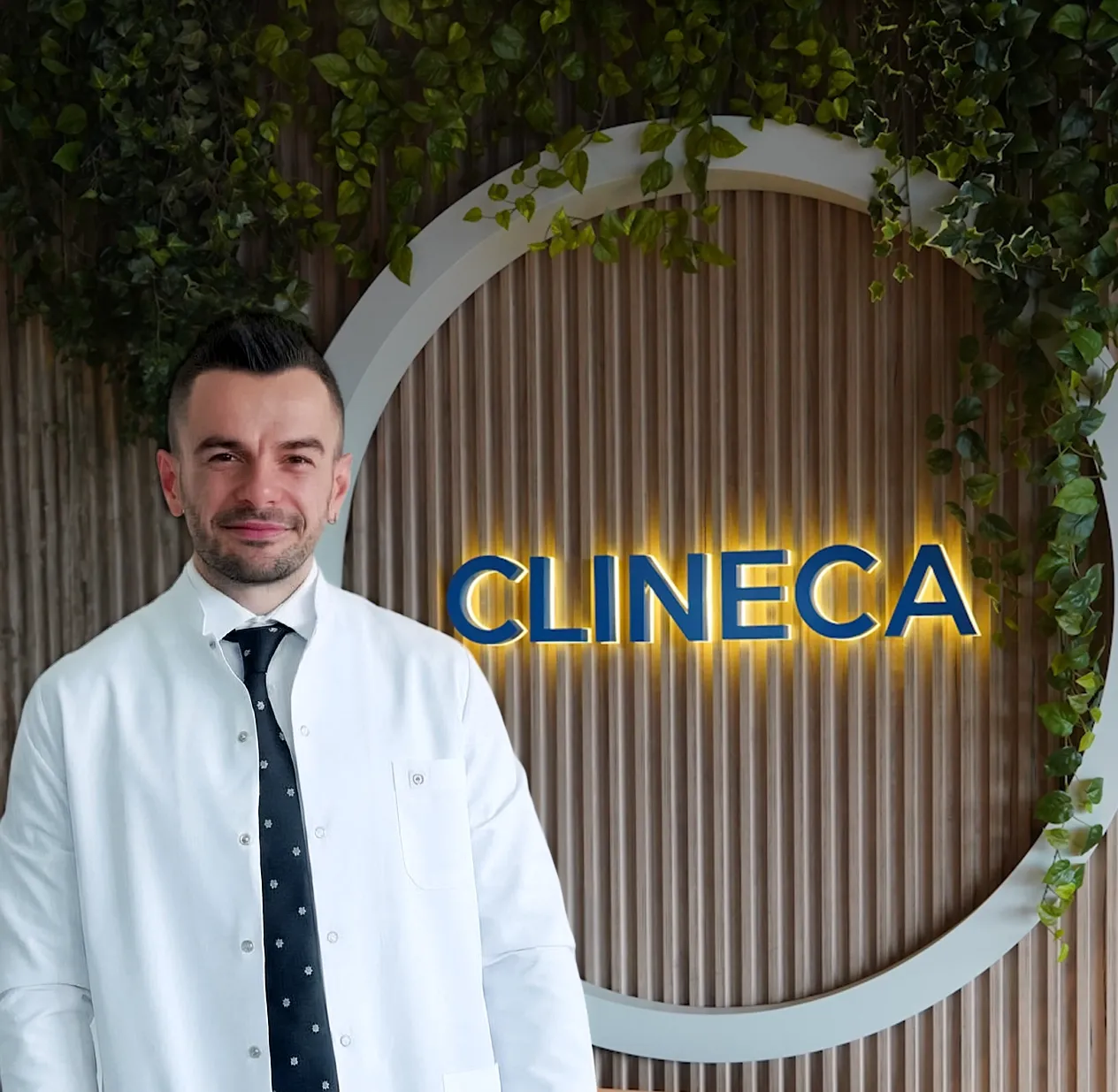 Clineca SpecialistOrkun UzuneyüpoğluPlastic & Reconstructive Surgery
 Clineca SpecialistSalim İskenderPlastic & Reconstructive Surgery
 Clineca SpecialistEngin SelamioğluPlastic & Reconstructive Surgery
 Clineca SpecialistCem AydınPlastic & Reconstructive Surgery
 Clineca SpecialistAlperen ÖnalEar, Nose & Throat (ENT)