Have a question about Fox Eye Surgery (Canthopexy)?
In this article
- What do canthopexy and fox eye surgery actually mean?
- How is canthopexy different from a fox eye procedure in practice?
- Which procedure gives a more noticeable change?
- What is recovery like after canthopexy or fox eye surgery?
- Is one option safer than the other?
- What affects the price and travel planning?
- How do you choose the right procedure and avoid a poor match?
The short answer to what is the difference between canthopexy and fox eye surgery is this: canthopexy is a specific surgical technique that tightens and supports the outer corner of the lower eyelid, while “fox eye surgery” is a broader, non-standard term for procedures meant to create a more lifted, elongated eye shape. The caveat is that the label “fox eye” can refer to very different treatments, so the right option depends on your anatomy, eye health, and what kind of change is actually realistic.
What do canthopexy and fox eye surgery actually mean?
This is the most important point, because many patients compare two things that are not really equivalent. Canthopexy is a real surgical term. It usually means tightening the tendon support at the outer corner of the eye to improve support, shape, or mild lid looseness.
By contrast, fox eye surgery is more of a marketing or trend term than a single recognised operation. One surgeon may use it to describe a lateral brow lift or temple lift. Another may mean outer-corner eyelid reshaping. Another may combine upper eyelid surgery with a canthal procedure. That is why two clinics can both advertise “fox eye” treatment and be talking about quite different plans.
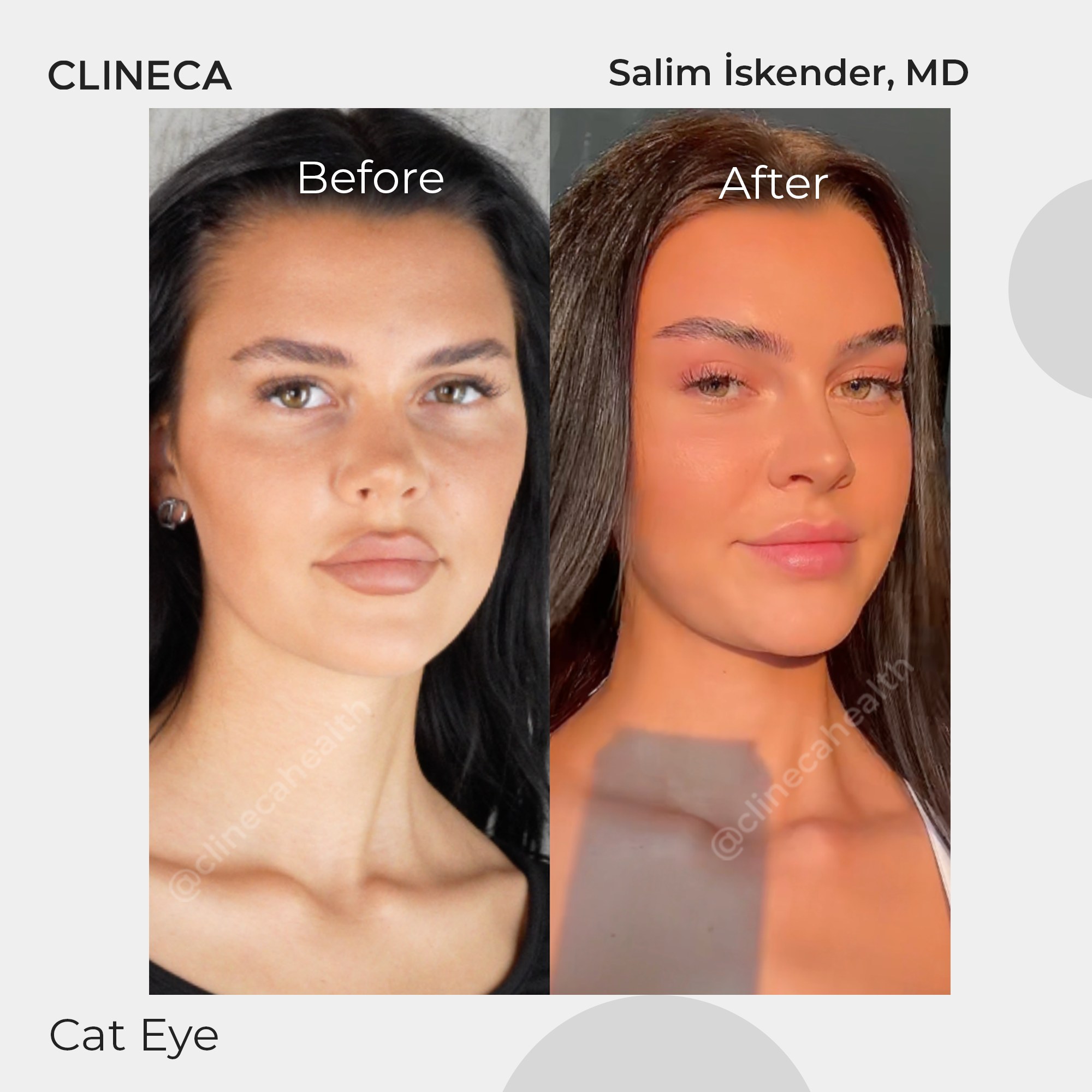
It also helps to separate canthopexy from canthoplasty, because they are not the same. In simple terms, canthopexy usually tightens and supports the outer corner without fully cutting and rebuilding it. Canthoplasty is generally more invasive and reshapes or repositions the outer corner more directly. When patients say they want a fox-eye effect, some are actually better suited to a brow-based lift, while others need support at the outer eyelid, and some are not good candidates for either.
According to the NHS, cosmetic eyelid surgery can change eye appearance but carries risks such as visible scarring, asymmetry, dry eyes, and difficulty closing the eyes fully in some cases. The ASPS also notes that eyelid and brow procedures should be planned around the patient’s anatomy, skin quality, and goals rather than social-media trends.
A brief clinician-reviewed caution is worth stating clearly: suitability, risks, and recovery vary with your natural eye shape, previous eyelid surgery, contact lens use, dry-eye symptoms, and the position of the brow and cheek.
📋 Important terminology point Canthopexy is a specific support procedure. Fox eye surgery is not a single standardised operation, so always ask exactly which anatomical structures the surgeon plans to change.
Canthopexy is a defined eyelid-support procedure. It reinforces or tightens the lateral canthus, which is the outer corner where the eyelids meet. “Fox eye surgery” is not one standard operation. It may involve canthopexy, canthoplasty, temple lift, brow lift, or upper eyelid work to create a more upward, almond-shaped look.
How is canthopexy different from a fox eye procedure in practice?
If you strip away the social-media wording, the difference is mainly purpose and scope.
A canthopexy is often done to improve lower eyelid support, sharpen the outer corner slightly, or prevent laxity after other eyelid work. The effect can be subtle but useful. It is often part of a broader peri-orbital plan rather than a dramatic standalone style change.
A fox-eye procedure, when offered surgically, is usually designed around an aesthetic target: a more lifted tail of the brow, a longer-looking eye, or a slightly upward outer corner. To get that effect, the surgeon may work on the brow, temple, upper eyelid skin, or lateral canthus. So even though canthopexy can contribute to a fox-eye look, it is only one possible component.
For some patients, the biggest visual issue is not the outer canthus at all. It may be a heavy lateral brow, hooding of upper eyelid skin, or loss of support in the cheek area. In those cases, doing a canthopexy alone may not create the look they expect.
Why the consultation matters more than the trend name
A good consultation should translate your words into anatomy. If you say, “I want almond eyes” or “I want a fox eye look,” the surgeon should explain whether your brow position, eyelid tone, skin excess, and eye surface health make that possible and whether it can be done safely.
This is especially relevant if you already have dry-eye symptoms, a history of LASIK, prior blepharoplasty, or naturally prominent eyes. Mayo Clinic guidance on eyelid surgery notes that eye lubrication, healing, and lid closure are important recovery and safety concerns. A stronger pull is not always better if it affects comfort or blinking.
In practice, canthopexy focuses on support at the outer eyelid corner. A fox-eye plan focuses on the final look and may involve different operations to reach it. That means the incision pattern, level of lift, expected result, and recovery can differ significantly even when both are described as eye-lifting surgery.
Which procedure gives a more noticeable change?
Patients are often drawn to online photos showing a sharp, lifted outer eye. In real life, that effect usually comes from more than one factor: brow tail position, makeup, camera angle, skin tension, and sometimes image editing. Surgery can help, but it does not override your natural bone shape or eye anatomy.

Canthopexy by itself is usually not the operation for someone expecting a dramatic editorial-style lift. It may make the outer eye look cleaner or slightly more supported, but it is commonly a refinement procedure. If a clinic suggests canthopexy alone will reliably create a strong fox-eye look in every patient, that should prompt more questions.
A combined fox-eye style plan can look more obvious, especially if it includes brow or temple lifting. But more visible change is not automatically better. Over-tension can look unnatural, and the eye area is one of the first places where asymmetry shows.
That is why many surgeons take a conservative approach, especially around eyelid closure and tear-film comfort. The ASPS and NHS both emphasise that cosmetic eyelid surgery should balance appearance with function.
You want a fresher, slightly more lifted outer eye and understand that subtle change often looks more natural.
You expect a dramatic trend-based look from a single small procedure, regardless of your existing anatomy.
A fox-eye plan often gives the more noticeable shape change because it may alter several areas at once. Canthopexy alone usually gives a smaller, more structural refinement. The trade-off is that more visible lifting may also mean more swelling, more recovery, and a greater need for careful patient selection.
What is recovery like after canthopexy or fox eye surgery?
This is another area where labels can mislead. Recovery from canthopexy alone is not the same as recovery from a more involved fox-eye operation that includes brow lifting, skin removal, or canthoplasty.
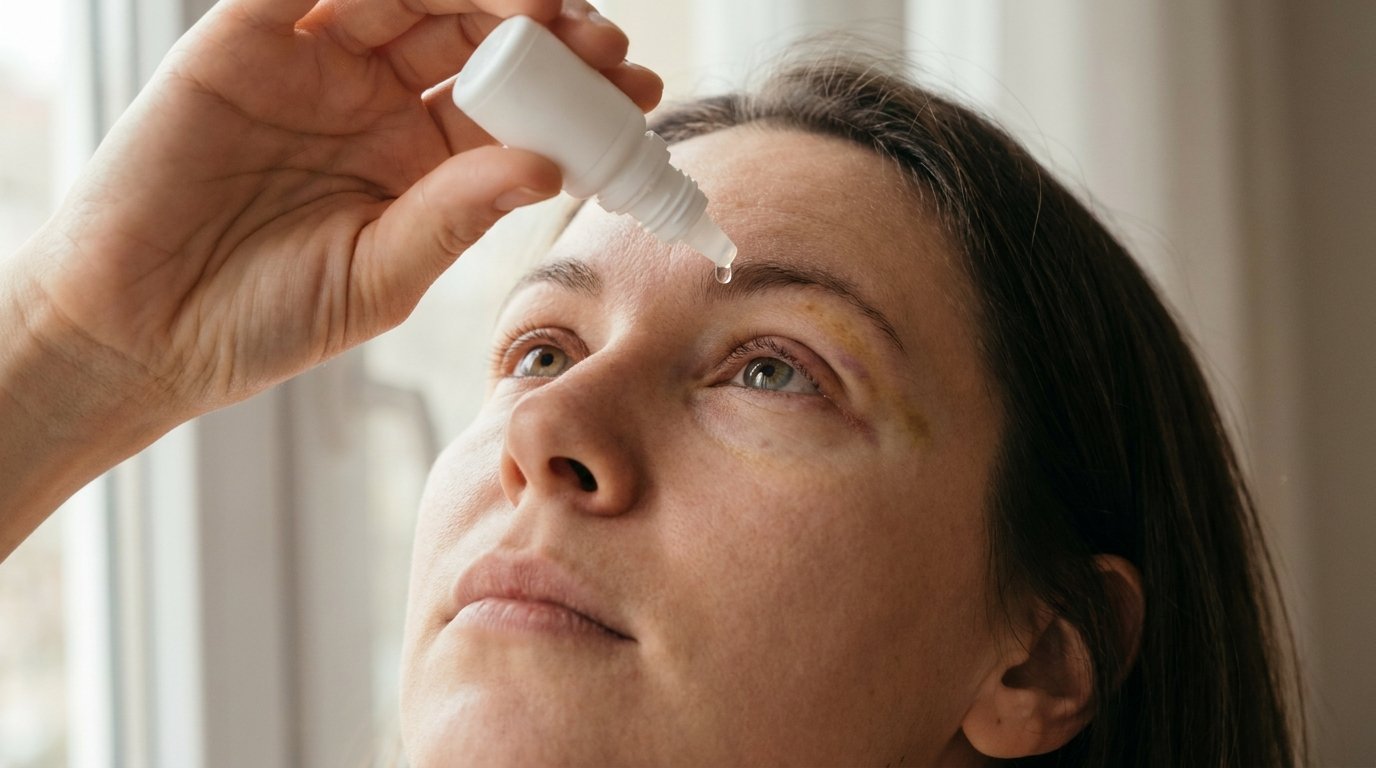
In the first days, patients commonly notice swelling, tightness, bruising, watery eyes, and a feeling that the outer eye corner is being gently pulled. That does not automatically mean something is wrong. Early healing often looks uneven before it improves.
The NHS advises that after cosmetic eyelid surgery, bruising and swelling can take time to settle, and patients may need lubricating drops, head elevation, and a period away from work or social events. Mayo Clinic also notes that temporary irritation, sensitivity, and blurry vision from ointment can happen during early recovery.
A realistic recovery pattern
The timeline varies by person and by the exact method used, but the general pattern is usually this:
- ✓The first few days are the most swollen and least presentable.
- ✓Bruising often improves over the first one to two weeks.
- ✓Tightness can last longer than visible bruising.
- ✓The outer eye shape may look slightly over-lifted early on, then soften as swelling settles.
- ✓Final refinement can take several weeks to months, especially if more than one procedure was done.
For international patients, this matters because the procedure may be short, but the early review period is still important. If surgery around the eyelids is planned, ask how long the surgeon wants you to remain locally before flying home and who handles follow-up if dryness, asymmetry, or delayed healing appears after travel.
⚠️ Recovery red flags Urgent review is needed for severe pain, sudden vision change, marked one-sided swelling, worsening redness, discharge, or an inability to close the eye properly.
Recovery depends on what was actually done. After canthopexy alone, swelling and tightness are often more limited than after a combined fox-eye plan. Most people still need downtime, temporary eye-care measures, and patience with asymmetry during early healing. Final shape settles more slowly than social media suggests.
Is one option safer than the other?
Safety in this area is less about the trend name and more about function. The outer eyelid corner is not just decorative. It helps the eyelids sit correctly against the eye surface. If the eye does not close or lubricate well after surgery, the result may look poor and feel worse.
According to the NHS, risks of cosmetic eyelid procedures include infection, bleeding, scarring, asymmetry, dry eyes, and trouble closing the eyes. Those are not rare enough to ignore in consultation. They should be discussed clearly, especially if the goal is elective aesthetic change rather than functional repair.
A limited canthopexy may carry fewer moving parts than a larger fox-eye plan, but it is not risk-free. A more extensive reshaping procedure may increase the chance of visible asymmetry, longer swelling, or eye-surface irritation if the pull is too aggressive for the patient’s anatomy.
People who need extra caution include those with dry-eye symptoms, thyroid eye disease, previous eye or eyelid surgery, contact lens intolerance, a history of poor scarring, or naturally round or prominent eyes. In those patients, a conservative plan may be safer than chasing a dramatic look.
If you are researching options, look for a surgeon with regular experience in eyelid and brow surgery, not just broad cosmetic practice. If you want background information on related procedures, a page on eyelid surgery can help you understand the area being treated, but the decision still depends on a tailored examination rather than a package description.
- ✓Ask exactly which procedure is planned: canthopexy, canthoplasty, brow lift, temple lift, blepharoplasty, or a combination.
- ✓Ask how the surgeon checks for dry-eye risk and eyelid laxity before surgery.
- ✓Ask what happens if the result is too tight, too subtle, or asymmetric.
- ✓Ask who manages follow-up if you return home before healing is complete.
Neither option is automatically “safe” just because it is popular. Canthopexy is generally narrower in scope, but safety depends on the surgeon’s experience, your eye health, and whether the plan respects eyelid function. A broader fox-eye operation may involve more variables, so precise assessment becomes even more important.
What affects the price and travel planning?
For this topic, price is best understood as procedure-dependent, not menu-based. A straightforward canthopexy, if appropriate, is not priced the same way as a combined plan involving brow lifting or more complex eyelid reshaping. The final quote is usually confirmed only after consultation, once the surgeon decides what would actually be done.
The main cost drivers are the complexity of the operation, whether it is done alone or with other facial procedures, the level of anaesthesia, the operating facility, and the aftercare plan. If revisions or previous surgery are involved, that can also change planning and cost.
For health-tourism patients, logistics matter almost as much as the operation itself. Even if discomfort is manageable, the eye area can look swollen and bruised enough to make travel feel tiring in the first days. You should ask how long the surgeon expects you to stay locally, when the first wound check happens, and whether suture removal is needed before you fly.
If you are comparing clinics abroad, keep the comparison practical. Ask for the surgeon’s credentials, the hospital or surgical facility details, what aftercare is included, and how complications are handled after you leave. A general consultation request can be useful for those questions, but a trustworthy clinic should be willing to explain limits as clearly as benefits.
There is no single standard price because fox-eye treatment is not one standard operation. The final quote depends on the exact technique, surgeon experience, anaesthesia, hospital setting, and whether procedures are combined. Travel planning also depends on how many in-person checks are needed before you are fit to fly home.
How do you choose the right procedure and avoid a poor match?
A useful consultation should answer three questions clearly: What exactly is being treated? What change is realistically possible? What trade-offs come with that change? If those answers stay vague, keep asking.
The best candidates for canthopexy are often people who need more outer-corner support or a subtle refinement, not those seeking a dramatic trend result. The best candidates for a fox-eye style plan, if suitable at all, are usually those whose anatomy can support a lifted look without compromising lid closure or comfort.
You should also be cautious if consultation photos are heavily filtered, if the procedure name changes from one conversation to the next, or if there is no serious discussion of dry eye, asymmetry, scars, and revision risk. Around the eyes, honesty is a safety feature.
For background on the provider side, it is reasonable to review a clinic’s medical team information and ask who would perform the procedure, where, and with what experience in eyelid and brow surgery. That said, the strongest sign of quality is usually not a sales promise. It is a precise explanation of what should not be done in your case.
If you take one point away from this guide, let it be this: canthopexy is a defined surgical support technique; fox eye surgery is a variable aesthetic label. They overlap sometimes, but they are not interchangeable terms.
Choose the procedure by anatomy, not by trend language. The right plan starts with what is causing the look you dislike: brow position, eyelid skin, outer-corner support, or eye shape itself. The wrong match usually happens when a patient asks for a style and no one translates it into safe, realistic surgical steps.
Frequently Asked Questions
References
- 📎NHS – Cosmetic procedures: eyelid surgery
- 📎ASPS – Cosmetic procedures overview including eyelid surgery and brow lift
- 📎Mayo Clinic – Tests and procedures overview including blepharoplasty
- 📎PubMed search – lateral canthopexy canthoplasty lower eyelid complications
Related Articles


You Might Also Like



Related articles


Our specialists
 Clineca SpecialistErkan PinegözPlastic & Reconstructive Surgery
 Clineca SpecialistHakan AktaşPlastic & Reconstructive Surgery
 Clineca SpecialistOrkun UzuneyüpoğluPlastic & Reconstructive Surgery
 Clineca SpecialistSalim İskenderPlastic & Reconstructive Surgery
 Clineca SpecialistEngin SelamioğluPlastic & Reconstructive Surgery
 Clineca SpecialistCem AydınPlastic & Reconstructive Surgery
 Clineca SpecialistAlperen ÖnalEar, Nose & Throat (ENT)