Have a question about J-Plasma?
In this article
- What J-Plasma (Renuvion) actually does under the skin
- Who is a good candidate — and who needs surgery instead
- What drives the cost of J-Plasma skin tightening in Turkey
- Recovery time: the first days, weeks and months
- Is J-Plasma safe? Risks and what regulators have said
- How long to stay in Turkey, and how to vet the clinic
Among the skin-tightening options patients ask about, j plasma turkey searches sit in an awkward spot: the technology sounds futuristic, the before-and-after photos look dramatic, and yet many surgeons are careful about who they offer it to. J-Plasma — marketed internationally as Renuvion — uses helium plasma energy under the skin rather than on top of it, which is why it is almost always discussed alongside liposuction rather than as a standalone facial treatment. Understanding where it genuinely helps, and where it quietly underdelivers, matters more than the brand name.
What J-Plasma (Renuvion) actually does under the skin
J-Plasma works by passing helium gas through an electrode to create a cool plasma stream that carries radiofrequency energy. The device is inserted through the same tiny openings used for liposuction, so the energy is delivered beneath the skin, into the fibrous layer that connects skin to the deeper tissue. That layer contracts when heated, and as it heals it tends to firm up further over several months.
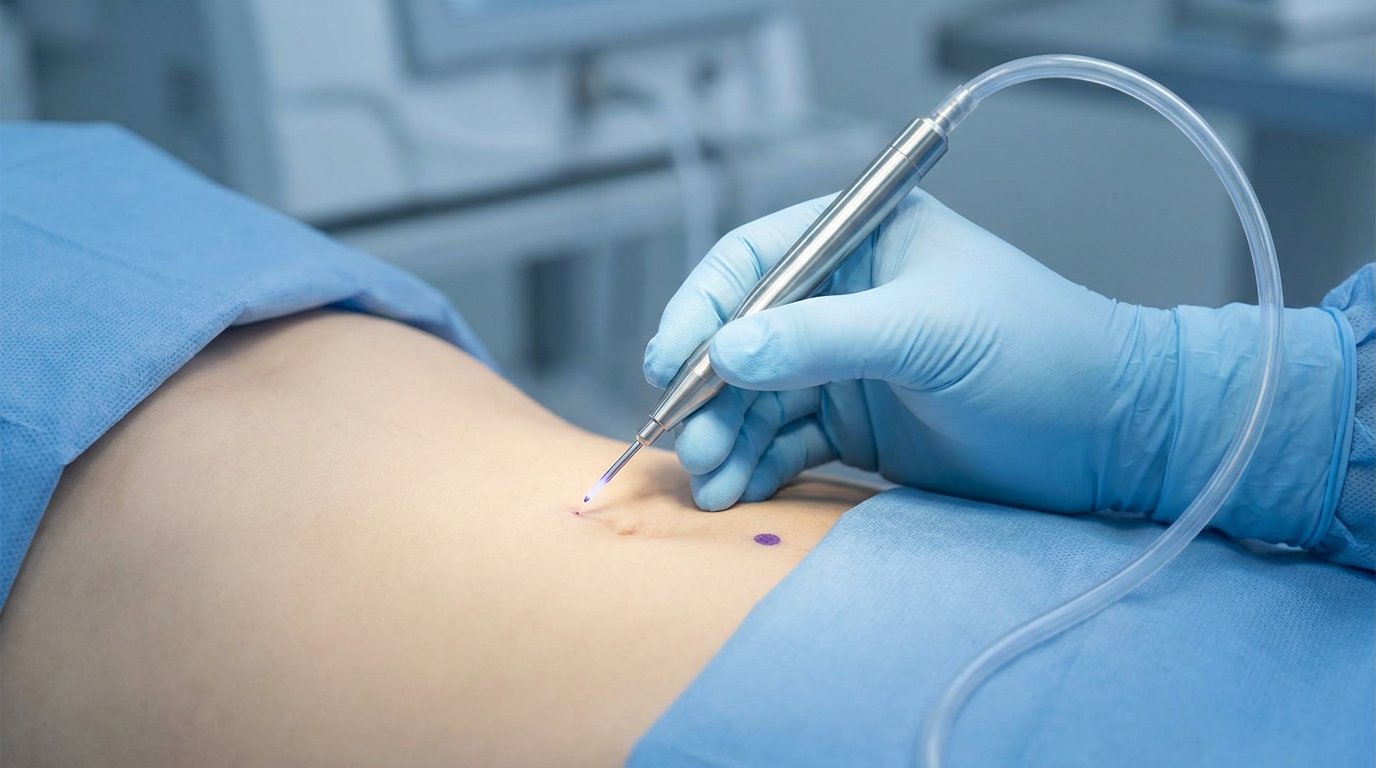
The practical appeal is speed of effect combined with a very small entry wound. Plasma energy heats tissue quickly and then dissipates quickly, which is how surgeons aim for contraction without cooking the overlying skin. It is a contouring aid, not a skin-removal operation — nothing is cut out, and no skin is excised.
That distinction is the single most important thing to understand before you book. Energy-based tightening can improve mild to moderate laxity and help skin settle more smoothly over a newly reduced area. It cannot lift a heavy apron of abdominal skin, close a stretched-out skin envelope after major weight loss, or reposition tissue the way a tummy tuck, arm lift or neck lift does.
📋 Usually part of a bigger plan In most treatment plans J-Plasma is added to liposuction of the same area rather than performed alone, because removing fat and tightening the overlying skin address two different parts of the same contour problem.
Who is a good candidate — and who needs surgery instead
The best results tend to go to patients with mild or moderate looseness, reasonable skin quality and a stable weight. Think of a slightly soft jawline and upper neck, a flank or bra-line area that stays crepey after fat reduction, inner thighs with a little slack, or an abdomen that looks fine clothed but soft when you lean forward.
Skin that has lost most of its elasticity behaves differently. After large weight loss, pregnancy with significant stretching, or years of sun damage and smoking, the skin envelope is often simply too big for the frame underneath. Heating it will not shrink it enough to satisfy you, and the recovery you spent money on will feel wasted. If that describes your situation, read our honest look at whether you are a J-Plasma candidate after weight loss and the realities of loose skin removal after weight loss before committing.
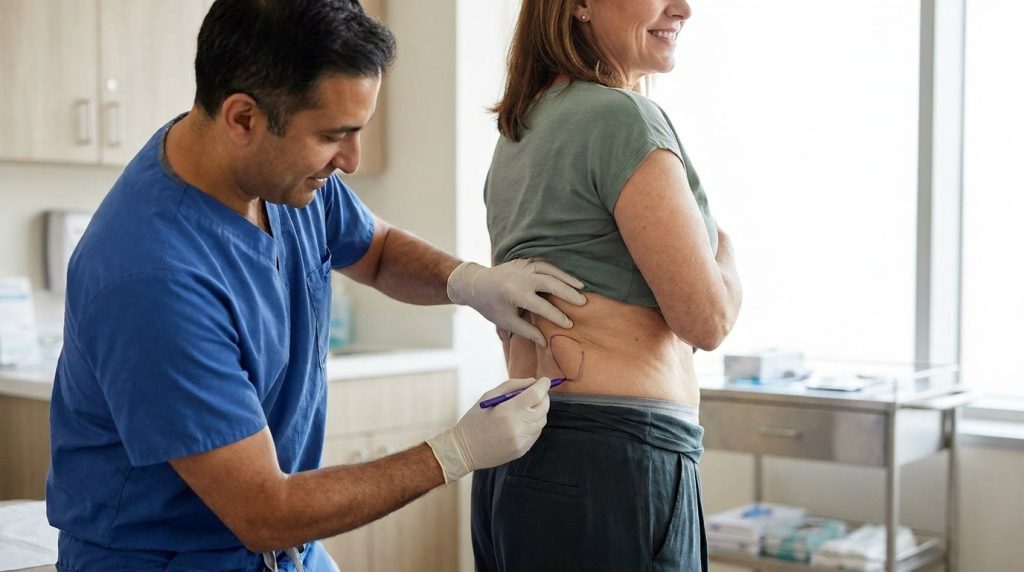
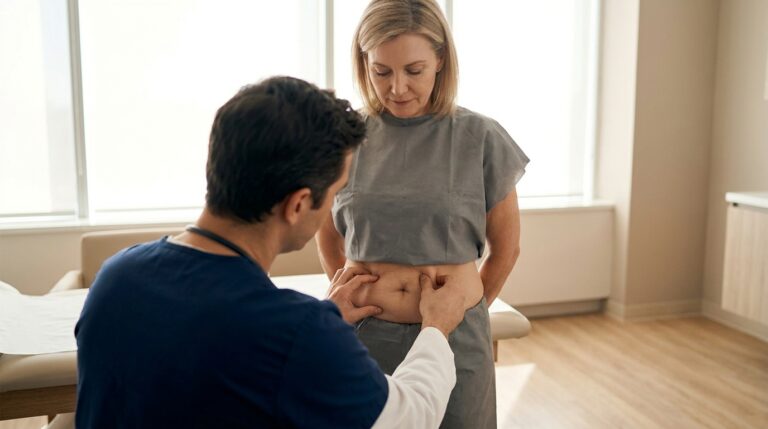
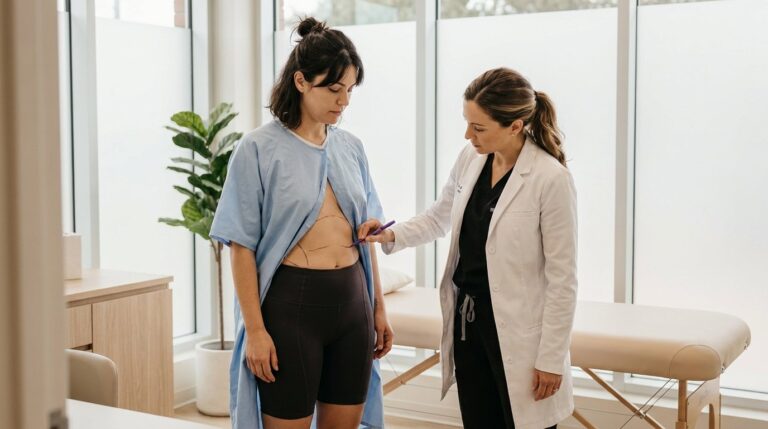
A good consultation should feel like a filter, not a sales pitch. The surgeon examines how the skin springs back when pinched, how much fat sits underneath, whether there is muscle separation, and whether scars from an excision procedure would ultimately give you the result you actually want.
Stable weight, mild to moderate laxity, decent skin elasticity, realistic goals, and treatment combined with liposuction of the same area.
Heavy hanging skin after major weight loss, significant stretch-marked skin after pregnancy, active smoking, or an expectation that it replaces a lift.
Liposuction alone, a formal excision procedure such as a tummy tuck, arm lift or neck lift, or staged treatment — lose the weight first, then decide.
What drives the cost of J-Plasma skin tightening in Turkey
Cost here is not a single number, because J-Plasma is priced as part of a plan rather than as a product on a shelf. The size and number of treated areas, whether liposuction is performed at the same time, the type of anaesthesia, how long you occupy theatre, and the number of single-use device handpieces consumed all move the quote. Combining several areas in one session is usually more efficient than returning for each one separately.
Turkey’s pricing advantage comes from lower operating costs, not from cutting corners on the device itself — the consumables are imported and priced in hard currency, so they form a meaningful share of any honest quote. That is also why a price that looks dramatically cheaper than everyone else’s deserves a question: ask how many handpieces are budgeted, who is holding the device, and where the surgery takes place.
A proper quote is given after consultation, once a surgeon has assessed your skin and agreed the treatment areas with you. Ask for it in writing and check what is bundled in. For a wider view of how Turkish quotes are built, our guide to what is included in an all-inclusive surgery package is a useful cross-check.
⚠️ Compare like with like Two quotes for "J-Plasma abdomen" can describe very different operations. Confirm the treated areas, whether liposuction is included, the anaesthesia plan and the number of follow-up checks before comparing numbers.
Recovery time: the first days, weeks and months
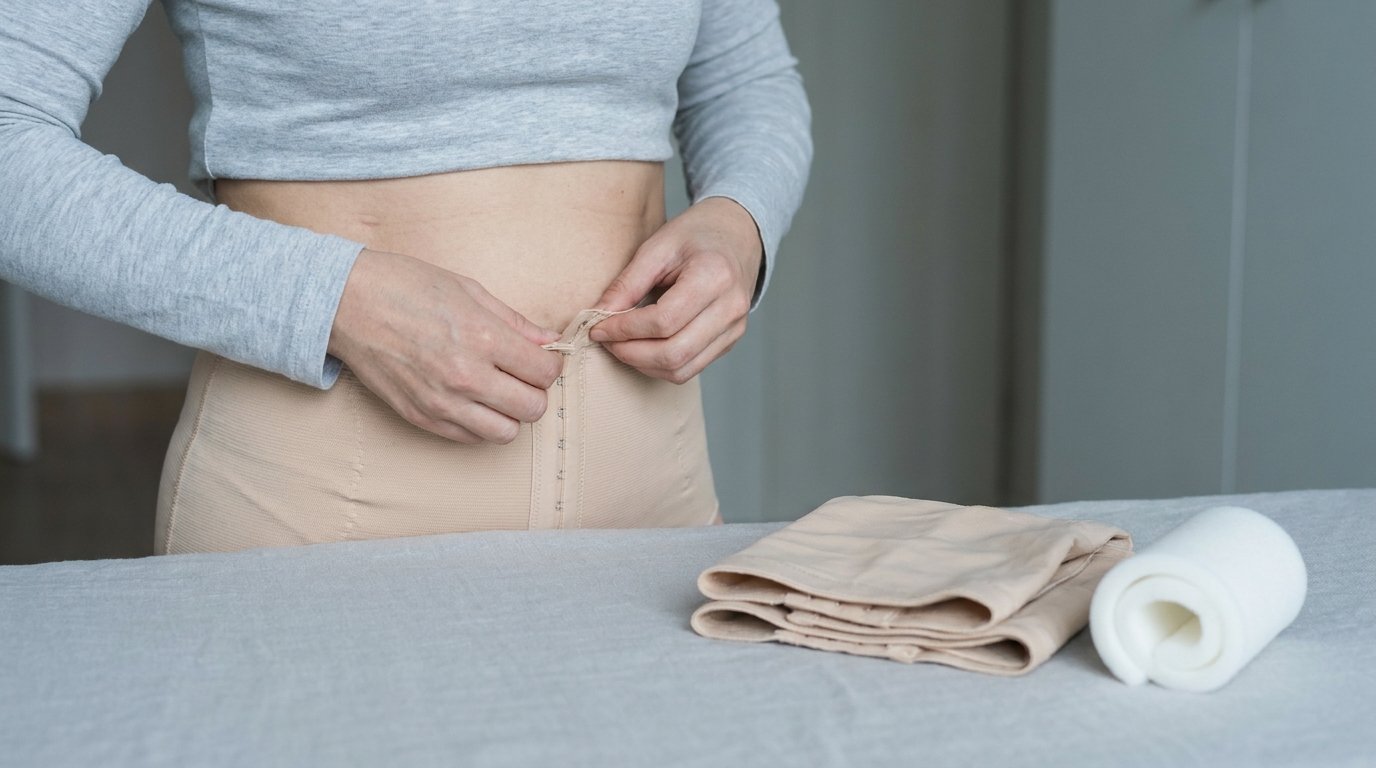
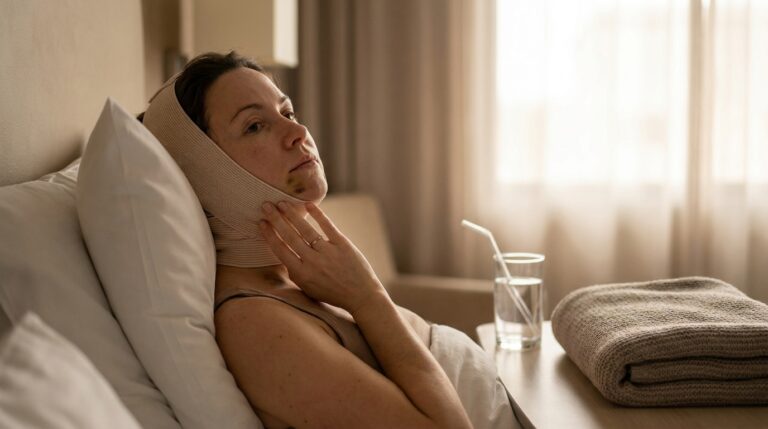
Recovery is driven mainly by what was done alongside the plasma treatment. On its own through small entry points, downtime is modest. Paired with liposuction of the abdomen, flanks or thighs, you should plan for a liposuction-style recovery — swelling, bruising, compression garments and a few weeks of feeling tight and lumpy.
Most patients are up and walking the same day and back to desk work within roughly a week, although swelling usually peaks in the first few days and settles gradually. Compression matters more than people expect; our guide on how long to wear a compression garment after lipo applies to combined treatments too.
The tightening effect itself is slow. Some firmness is visible early, but collagen remodelling continues for months, and the honest answer about final results is somewhere in the three-to-six-month range, sometimes longer in larger areas. Judging your outcome at week three is a recipe for unnecessary panic.
Is J-Plasma safe? Risks and what regulators have said
Safety depends heavily on who is using the device, on which patient, and in which setting — this is a surgical energy device, not a facial. Known risks include burns and thermal injury to skin or deeper tissue, prolonged numbness, contour irregularity, fluid collections, infection, delayed healing and, because the device delivers gas under the skin, the rare but serious risk of gas entering the bloodstream.
The regulatory history is worth knowing. In 2022 the US Food and Drug Administration issued a safety communication cautioning against using Renuvion/J-Plasma devices for skin resurfacing or for tightening skin under the surface, because those specific uses had not been cleared at the time, and it referenced reports of serious injury. The manufacturer subsequently obtained FDA clearance for defined subcutaneous aesthetic uses, starting with the neck and under-chin area and later extending to further body areas. Clearance status and labelling can change over time, so a fair question at consultation is simply: for my area, what is this device cleared for, and what is your own experience with it?
The broader safety picture in Turkey comes down to the same fundamentals as any operation abroad: a licensed hospital, a board-certified plastic surgeon doing the treatment personally, an anaesthetist present where general anaesthesia is used, and a clear plan if something goes wrong after you fly home. Our overview of whether plastic surgery in Turkey is safe covers how to check those layers, and complications after surgery abroad explains what aftercare really involves.
🚨 Who holds the device matters Subdermal plasma energy should be delivered by a qualified surgeon in a properly equipped operating theatre — not by a technician in a beauty setting. Ask who performs the treatment and insist on a name.
How long to stay in Turkey, and how to vet the clinic
For a small single area, many surgeons are comfortable with a short stay of a few days, with one post-operative check before you fly. For combined liposuction over larger areas, allow around a week to ten days so your surgeon can see you through the early swelling phase, change dressings and clear you for the flight. Our guide on how long to stay in Turkey after plastic surgery sets out typical stay lengths by procedure type.
Vetting is the part patients rush and later regret. You want to see the surgeon’s qualifications, confirm they are a plastic surgeon rather than a general practitioner using an aesthetic device, and view unedited before-and-after photos of patients with skin like yours — at a realistic time point, not day one. Clear written answers about revision policy and follow-up access say more about a clinic than its Instagram grid.
When expectations are honest on both sides, J-Plasma can be a genuinely useful finishing tool: it refines what liposuction starts and softens the look of mildly loose skin without large scars. When it is sold as a scar-free alternative to a lift, disappointment is close to guaranteed. The most valuable thing a good surgeon can tell you is that you need something else entirely.
This article is for informational purposes only and does not constitute medical advice. Always consult a qualified surgeon for personalised guidance.
Named board-certified plastic surgeon, licensed hospital, device-specific experience, honest candidacy screening and written aftercare instructions.
Pressure to book during a first chat, no examination of your skin quality, refusal to name the operating surgeon, or claims of guaranteed results.
Frequently Asked Questions
References
Related Articles

You Might Also Like
Related articles
Our specialists
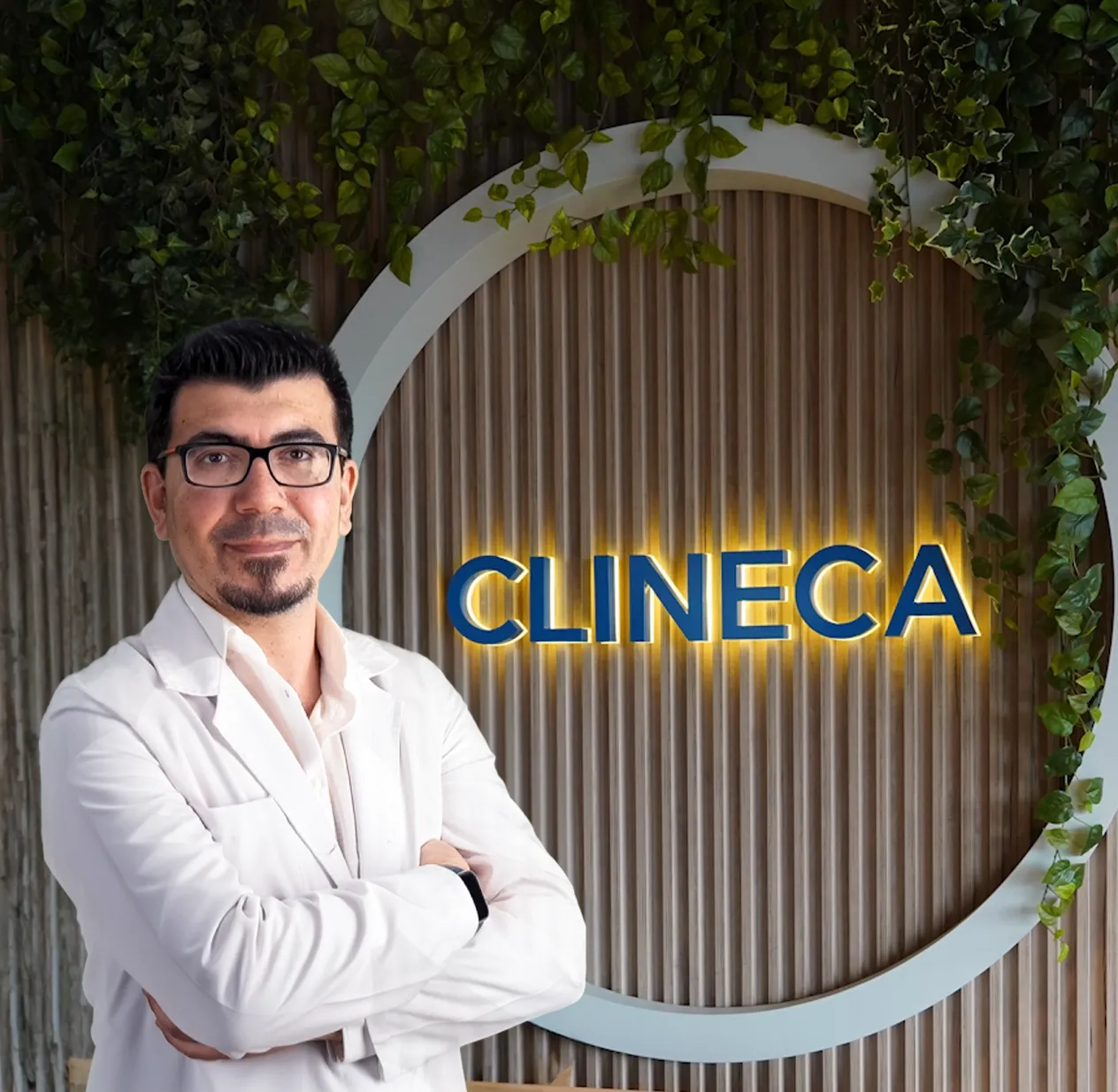 Clineca SpecialistErkan PinegözPlastic & Reconstructive Surgery
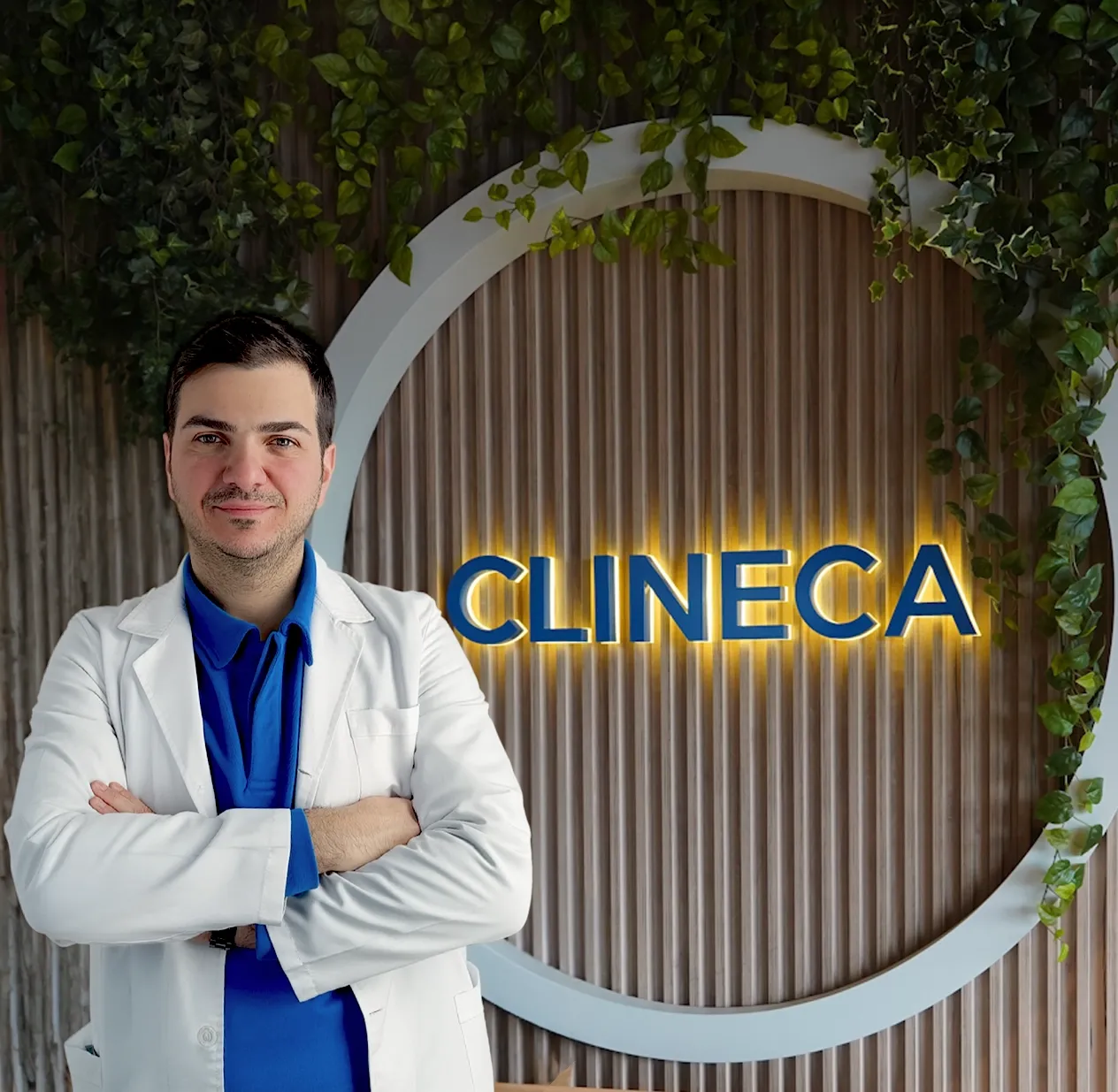 Clineca SpecialistHakan AktaşPlastic & Reconstructive Surgery
 Clineca SpecialistOrkun UzuneyüpoğluPlastic & Reconstructive Surgery
 Clineca SpecialistSalim İskenderPlastic & Reconstructive Surgery
 Clineca SpecialistEngin SelamioğluPlastic & Reconstructive Surgery
 Clineca SpecialistCem AydınPlastic & Reconstructive Surgery
 Clineca SpecialistAlperen ÖnalEar, Nose & Throat (ENT)