

Have a question about Canthopexy?
In this article
- What makes someone a good candidate for canthopexy?
- Who may need a different procedure instead of canthopexy?
- How do surgeons assess candidacy and rule out poor candidates?
- What results can canthopexy realistically achieve?
- What is recovery like after canthopexy?
- Is canthopexy safe, and what are the main risks?
- How much does canthopexy cost, and what affects the quote?
- What should international patients know before booking canthopexy in Turkey?
Possibly, but not everyone with droopy outer eye corners is a good fit for canthopexy. If you are asking, “am i a candidate for canthopexy if my outer eye corners look droopy,” the short answer is that candidacy depends less on the look alone and more on how much lower-lid looseness, asymmetry, eye shape, and eye-surface dryness you have on examination. Recovery is usually measured in weeks rather than days, and the right operation may be canthopexy, a stronger lid-tightening procedure, or sometimes no surgery at all.
What makes someone a good candidate for canthopexy?
Canthopexy is a procedure that tightens and supports the outer corner of the eyelid. It is often discussed when the outer eye corners look droopy, rounded, or tired, or when the lower lid has become a little lax with age. In practice, surgeons do not judge candidacy from photos alone. They assess whether the problem is truly the lateral canthus — the outer corner where the lids meet — or whether the main issue is eyebrow descent, extra lower-lid skin, prominent eyes, asymmetry, or the natural shape of the eye.
You may be a reasonable candidate if the droop is mild to moderate, the lower lid still sits in a fairly good position against the eye, and the goal is support or a small lift rather than a dramatic shape change. Canthopexy is also commonly used as a support step during lower eyelid surgery, especially in people whose lower lids are a little loose.
What matters most is the exam. Oculoplastic and facial plastic surgeons often use simple bedside tests such as the snap-back test and distraction test to assess lower-lid tone and laxity. In broad terms, these tests look at how easily the lower lid pulls away from the eye and how quickly it returns. Published lower-eyelid surgery literature on PubMed discusses these assessments because poor lid tone can raise the risk of postoperative lid malposition if it is not recognised.
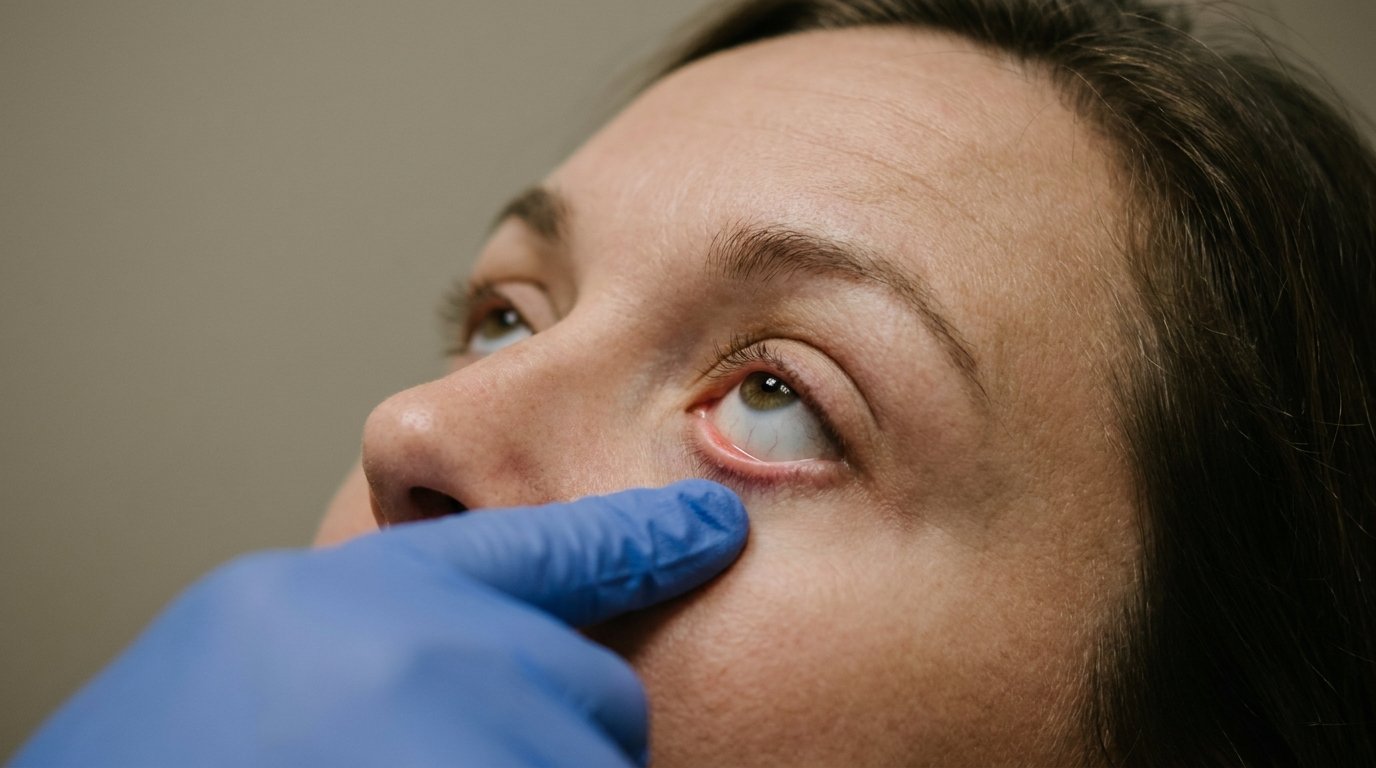
A surgeon will also check for dry-eye symptoms, previous eye surgery, contact lens use, thyroid eye disease, facial nerve weakness, and any difference between the two sides. Those details matter because a droopy look can come from several different causes, and tightening the outer corner does not fix all of them.
📋 Subtle support, not a complete reshape Canthopexy is usually a support and tightening procedure. If you want a more significant repositioning of the outer eye corner, the surgeon may discuss a different operation, such as canthoplasty.
A good candidate usually has mild to moderate descent or looseness at the outer lower eyelid corner, wants a subtle lift or support, and has healthy eyes without significant untreated dryness. Canthopexy is generally best when the lid needs support rather than major repositioning or skin removal.
Who may need a different procedure instead of canthopexy?
This is where expectations need to be honest. A droopy outer eye corner can be caused by more than one anatomical issue, and canthopexy has limits.
If the lower lid is quite loose, if the outer corner needs clear repositioning rather than just support, or if there is existing ectropion risk — meaning the lid tends to pull outward or away from the eye — a surgeon may consider canthoplasty, which is a more structural procedure than canthopexy. If the main issue is hooding from above, a brow lift may be more relevant than outer-corner tightening. If the concern is puffiness or skin excess below the eye, the discussion may turn toward lower eyelid surgery rather than canthopexy alone.
Sometimes the answer is that surgery is not the first step. Dry eye, allergy-related irritation, contact lens irritation, or temporary swelling can alter eye shape and lid position. Treating the surface of the eye first can change the assessment.
For readers comparing eyelid options, general information about eyelid surgery may help you understand where canthopexy sits in the wider picture, but the choice between canthopexy, canthoplasty, or another approach depends on examination findings.
If the outer eye looks low because the lateral brow has fallen, lifting the brow may address the root cause better than tightening the lid corner.
A stronger lid-tightening procedure may be needed when support alone is not enough to keep the lower lid in a healthy position.
Canthopexy is not always the best answer. If lid laxity is marked, the lower lid sits away from the eye, there is major asymmetry, or the droopy look comes from the brow or excess lower-lid skin, another operation may be more appropriate than simple tightening.
How do surgeons assess candidacy and rule out poor candidates?
A careful pre-operative assessment is more important here than many people expect. Lower-eyelid support procedures can improve shape and support, but they can also worsen irritation if the eye surface is already vulnerable.
A surgeon typically checks several things:
- ✓Lower-lid tone with snap-back and distraction testing
- ✓Whether the lid rests properly against the eye
- ✓The height and position of the outer corner compared with the inner corner
- ✓Brow position and whether brow descent is creating the impression of droop
- ✓Tear film and dry-eye symptoms
- ✓Previous surgery, trauma, thyroid eye disease, or facial nerve weakness
- ✓Your goals, especially whether you want support, rejuvenation, or a more almond-shaped eye
This matters because some people are not good candidates for straightforward canthopexy. That can include patients with active eye infection, untreated severe dry eye, poor blink function, major lower-lid retraction, or body dysmorphic concerns. In those situations, surgery may need to be delayed, modified, or avoided.
The medical literature on PubMed covering lower blepharoplasty and lateral canthal support repeatedly emphasises the same point: lower-lid malposition risk rises when pre-existing laxity, dry eye, prominent eyes, or weak support are missed before surgery. That is why a proper eyelid-focused exam matters more than a social-media style “before and after” comparison.
⚠️ Dry eye is not a small detail If your eyes already feel gritty, watery, or sore, mention it early. Tightening the outer lid without planning for eye-surface issues can make recovery harder.
- ✓Bring old eye surgery records if you have them.
- ✓Tell the surgeon about contact lens wear, allergy drops, and dry-eye treatment.
- ✓Say clearly whether your goal is support, a more lifted shape, or anti-ageing improvement.
A proper candidacy assessment looks at lid laxity, eye surface health, symmetry, and the cause of the droopy appearance. Poor candidates may include people with significant untreated dry eye, active eye disease, unrealistic expectations, or anatomy that needs a stronger or different procedure.
What results can canthopexy realistically achieve?
The best results tend to look controlled rather than obvious. In the right patient, canthopexy can make the outer lower lid look tighter and more supported. That may reduce a tired or rounded look and improve the transition between the lid and the outer corner.
What it cannot do is solve every facial ageing change around the eyes. It does not replace brow surgery when the brow is the issue. It does not remove large amounts of excess skin by itself. It also should not be sold as a guaranteed way to create a strong, fashion-driven eye shape. Your starting anatomy sets real limits.
This is why consultation photos are useful, but only when paired with an exam and a discussion of trade-offs. A subtle improvement that protects the eye is usually a better result than over-tightening that creates discomfort or an unnatural look.
Canthopexy can create a firmer, better-supported outer eyelid corner and sometimes a slightly more lifted eye shape. It does not reliably correct every cause of a droopy look, and it should not be viewed as a guarantee of a dramatic ‘fox eye’ result.
What is recovery like after canthopexy?
Recovery is one area where broad promises can be misleading. A simple canthopexy done on its own may recover faster than canthopexy combined with lower blepharoplasty, fat repositioning, or laser treatment, but the first days still usually involve swelling, tightness, and some asymmetry.
Because lower-eyelid support affects a delicate area, surgeons are often more interested in eye protection than early appearance. You may be asked to use cold compresses, sleep with your head elevated, avoid strenuous activity for a period, and use lubricating drops or ointment if advised. The exact aftercare plan depends on technique and whether another eyelid procedure was performed at the same time.
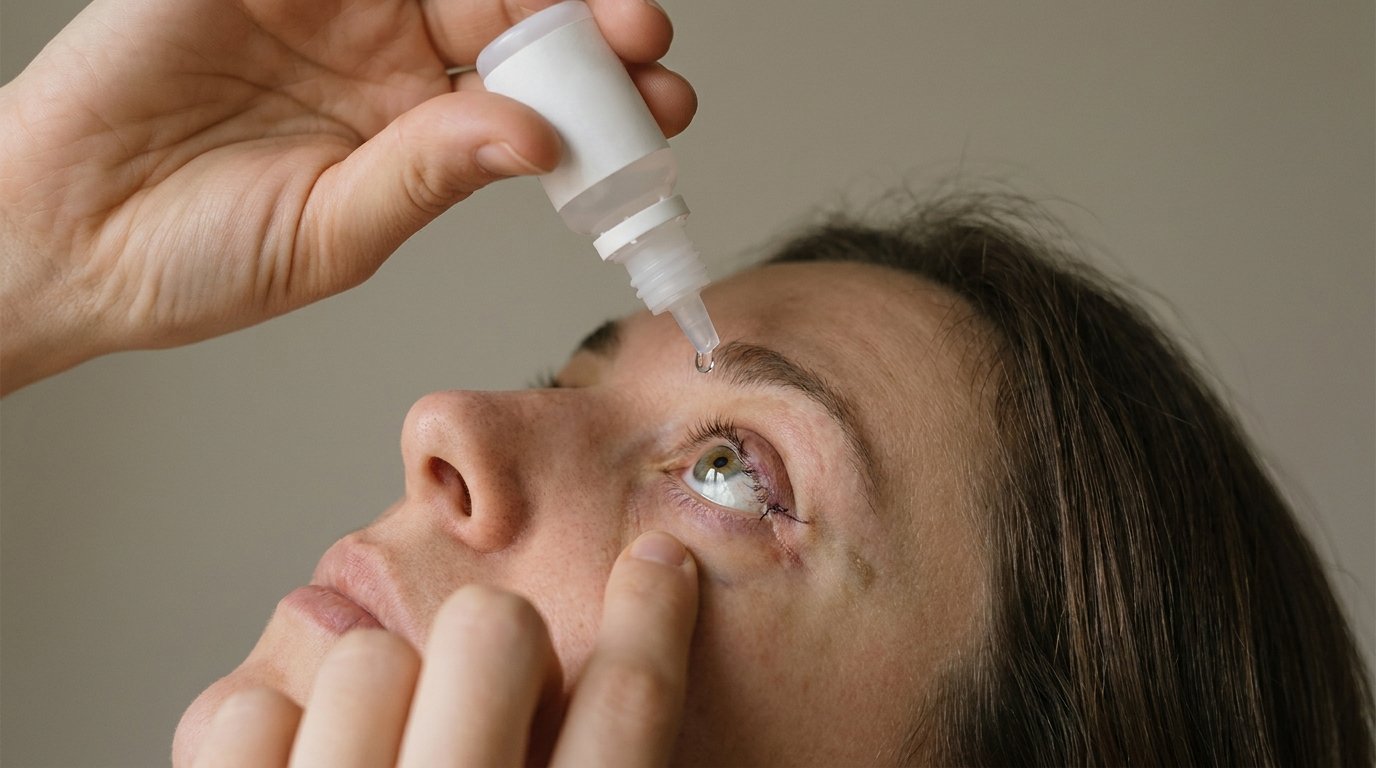
Published eyelid-surgery literature and major clinical sources such as Mayo Clinic stress that bruising, swelling, and temporary blurred vision from ointment can happen after eyelid procedures, while warning signs include worsening pain, vision changes, marked one-sided swelling, or increasing redness. Those symptoms need prompt review.
For international patients, the practical point is simple: do not plan your trip around looking presentable within a few days. Build in enough time for an in-person check, suture care if used, and early monitoring of eye comfort before flying home.
🚨 Seek urgent advice for vision symptoms Sudden vision change, severe increasing pain, or rapidly worsening swelling are not normal recovery signs and need urgent medical review.
Recovery varies with whether canthopexy is done alone or with other eyelid surgery. Swelling and tightness are expected early on, while the final lid position settles more slowly. Eye comfort, tearing, and swelling usually matter more in the first phase than the cosmetic result.
Is canthopexy safe, and what are the main risks?
The area is small, but the margin for error is also small. That is why surgeon selection matters more here than headline marketing.
Risks discussed in the eyelid-surgery literature include bleeding, infection, asymmetry, scarring, recurrence of laxity, under-correction, over-correction, and lower-lid malposition. Eye irritation and dry-eye symptoms can also be troublesome, especially in patients who already have eye-surface problems. These are not guaranteed complications, but they are real possibilities that should be discussed before surgery.
The safest pathway is a clinician who routinely examines and treats eyelid position problems, not someone relying on a standard facial-surgery template for every patient. If you are exploring treatment abroad, ask who will examine your eyelid tone, who manages complications, and what follow-up plan exists if you are back home when a concern appears.
The surgeon explains why your droopy look may or may not come from lid laxity and performs lid-tone and eye-surface checks.
You are promised a dramatic eye-shape change from canthopexy alone without discussion of anatomy, dry eye, or lower-lid support.
Canthopexy can be safe in appropriate hands, but it is still surgery around the eye. The main concerns are asymmetry, under-correction, over-tightening, visible scarring, irritation, dry-eye worsening, and lower-lid position problems if the anatomy is not assessed properly.
How much does canthopexy cost, and what affects the quote?
For this procedure, a meaningful price can only be given after consultation. That is because canthopexy is often not a stand-alone decision. Some patients need only subtle support, while others need combined lower-lid surgery, skin adjustment, or a different operation altogether.
The main price drivers are usually the complexity of the anatomy, whether other eyelid procedures are added, the experience of the surgeon, the hospital or clinic setting, anaesthesia, and the follow-up plan. A personalised quote should also make clear what is included and what is not, especially for patients travelling from abroad.
If you are comparing providers in Turkey, focus less on finding the lowest figure and more on what examination, follow-up, and complication planning are built into the pathway. A lower quote can look attractive at first, but eyelid revision work is far more difficult than getting the first plan right.
There is no single standard price for canthopexy. The final quote depends on whether it is done alone or with other eyelid procedures, the surgeon’s expertise, facility and anaesthesia costs, and how complex your anatomy and aftercare needs are.
What should international patients know before booking canthopexy in Turkey?
For health-tourism patients, the logistics matter almost as much as the surgery itself. You should expect a proper pre-operative assessment, clear written consent, and a realistic plan for early follow-up before you travel home.
Ask how long you are expected to stay in Turkey based on whether canthopexy is being done alone or with other eyelid work. The answer should be individual, not copied from a package template. You should also ask who examines you after surgery, what happens if dryness or lid-position concerns appear, and how your home doctor would be updated if needed.
Keep your internal checks simple. Review the surgeon profile, ask about eyelid-specific experience, and make sure you understand who your point of contact is before and after surgery. If you want to review provider information, the clinic’s doctors page and general about page can help you start your research, and a formal assessment should come through the consultation page rather than through informal messaging alone.
- →Ask what specific findings make you a candidate or not a candidate.
- →Ask whether your exam suggests canthopexy or a different lid-tightening procedure.
- →Ask how dry-eye symptoms are screened and managed.
- →Ask how long you should stay before flying home.
- →Ask what follow-up is available if you have concerns after returning home.
Frequently Asked Questions
References
- 📎PubMed search: lateral canthal support lower eyelid surgery
- 📎PubMed search: canthopexy canthoplasty lower eyelid laxity
- 📎Mayo Clinic: Tests and procedures
- 📎ASPS: Cosmetic procedures
Related Articles


You Might Also Like



Related articles


Our specialists
 Clineca SpecialistErkan PinegözPlastic & Reconstructive Surgery
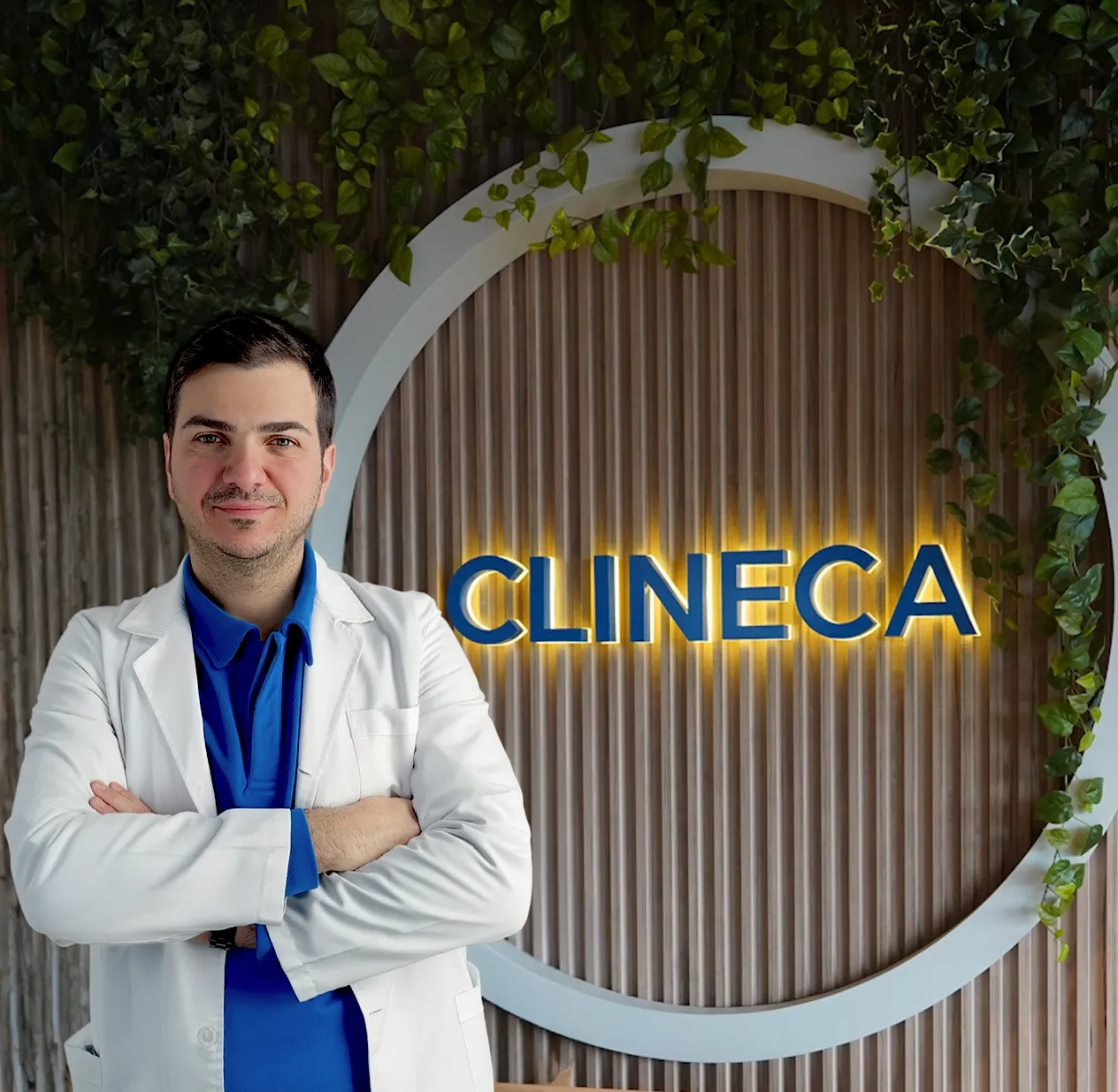 Clineca SpecialistHakan AktaşPlastic & Reconstructive Surgery
 Clineca SpecialistOrkun UzuneyüpoğluPlastic & Reconstructive Surgery
 Clineca SpecialistSalim İskenderPlastic & Reconstructive Surgery
 Clineca SpecialistEngin SelamioğluPlastic & Reconstructive Surgery
 Clineca SpecialistCem AydınPlastic & Reconstructive Surgery
 Clineca SpecialistAlperen ÖnalEar, Nose & Throat (ENT)