
In this article
- What actually happens in an online plastic surgery consultation?
- What to send for a plastic surgery quote
- How to describe the result you want
- Online consultation vs in-person exam: what each one can tell you
- What an online quote includes and what drives the price
- How to tell a careful virtual consultation from a sales call
- From video call to travel dates: planning the rest of it
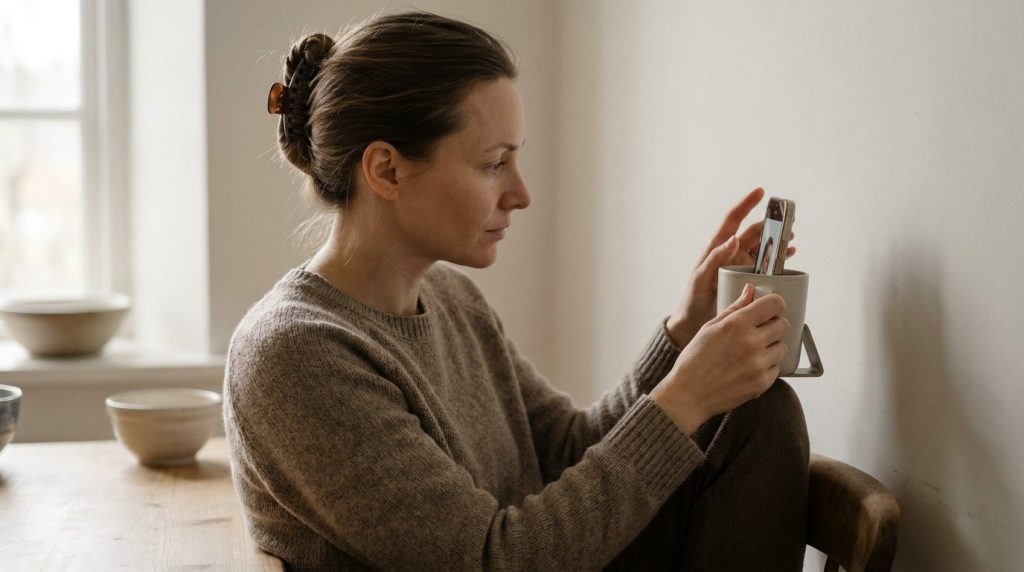
Almost every plastic surgery journey abroad now starts on a screen rather than in a waiting room. An online consultation for plastic surgery is the first real conversation you have with a clinic, and the quality of that conversation tells you a great deal about how the rest of the process will go. It is also the part patients prepare for least, which is a shame, because a well-prepared first message changes the answer you get back.
What actually happens in an online plastic surgery consultation?
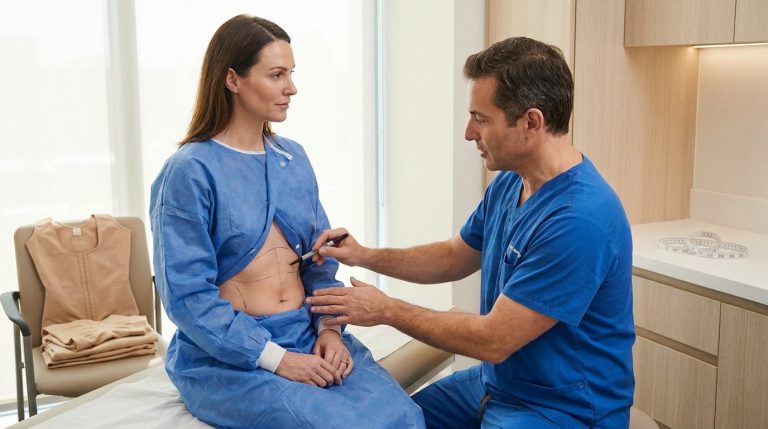
There are usually two layers to it. The first is an intake stage, handled by a patient coordinator, where you send photos, describe what bothers you and answer questions about your health. The second is the clinical stage, where a surgeon reviews that information and gives an opinion on what is realistic, which technique fits and whether you are a suitable candidate at all.
Those two layers sometimes get blurred, and that is where confusion starts. A coordinator can explain the process, the stay, the paperwork and the things included in a package. Only a surgeon can tell you whether your skin quality supports the result you want, or whether a different operation would serve you better.
So the useful question early on is simple: who is reading my photos, and will I speak to the surgeon who would operate on me? A good clinic answers that without hesitation and offers a video call with the surgeon before you commit to anything.
📋 Ask for the surgeon’s name Before you pay a deposit, you should know the name of the surgeon planning your procedure, their specialty and how to verify their registration. A virtual consultation that never names a surgeon is an enquiry, not a medical assessment.
What to send for a plastic surgery quote
A surgeon cannot assess what they cannot see. Blurry selfies taken at arm’s length in a dim bathroom are the single most common reason a reply comes back vague, and vague replies waste weeks of your time.
Take photos in daylight, against a plain wall, with the camera held at the height of the area being assessed. No make-up, no filters, no clothing covering the area in question, and no flattering angles — this is the one set of photos where you want the honest version.

What the clinical team generally needs from you:
- ✓Photos from several angles. For a nose: front, both profiles, both three-quarter views, a base view looking up at the nostrils, and one smiling. For body surgery: front, back, both sides, arms relaxed and down.
- ✓Your measurements and history. Height, weight, any recent weight change, pregnancies and breastfeeding, and whether your weight has been stable for several months.
- ✓Medical details. Diagnosed conditions, all medicines and supplements, allergies, smoking and vaping, previous operations and anaesthetics, and any family history of blood clots.
- ✓Previous surgery records. Operation notes, implant cards or before photos if you have had surgery in the same area — these change the plan more than anything else you send.
- ✓Reference images, used carefully. One or two photos of results you like, with a note on what specifically appeals to you about them.
If you take medication for blood pressure, diabetes, thyroid problems or mental health, say so at the start rather than at the end. These rarely rule surgery out, but they do shape anaesthetic planning, and a clinic that reacts to that information late is a clinic that was not reading carefully.
⚠️ Watch how your photos are handled You are sending identifiable medical images. Ask how they are stored, who can see them, and whether they will ever be used in marketing. Consent for treatment and consent for publication are two separate things, and you can agree to one while refusing the other.
How to describe the result you want
Patients often open with the word “natural”. It is a kind instinct, but on its own it tells a surgeon almost nothing, because two people using that word can mean opposite operations. The more precise you are about the change you want, the more precise the plan you get back.
Among the people who write to us about their nose, one wish comes up far more than any other: a slimmer, thinner nose, mentioned by something close to one in six of them, ahead of wanting a smaller nose, a straighter bridge or a refined tip. That matters for your own consultation because each of those wishes points to a different technical route — narrowing is not the same operation as reducing a hump — so naming the specific change you want saves you from a plan built around a word.
It also helps to say what you do not want changed. Many people are happy with their profile and only dislike the view from the front; others care only about how they photograph. Say that out loud. And if you are judging a clinic on before-and-after images, it is worth knowing how to read result photos critically — matching lighting, angles and timing tell you more than the result itself.
Online consultation vs in-person exam: what each one can tell you
A virtual consultation is genuinely useful for planning, candidacy in broad terms and setting expectations. It cannot replace hands-on examination, and an honest clinic will say so. Skin elasticity, scar quality, how mobile tissue is, how firm cartilage feels, how much fat can actually be harvested — these are things a surgeon learns with their hands on the day of the pre-operative check.
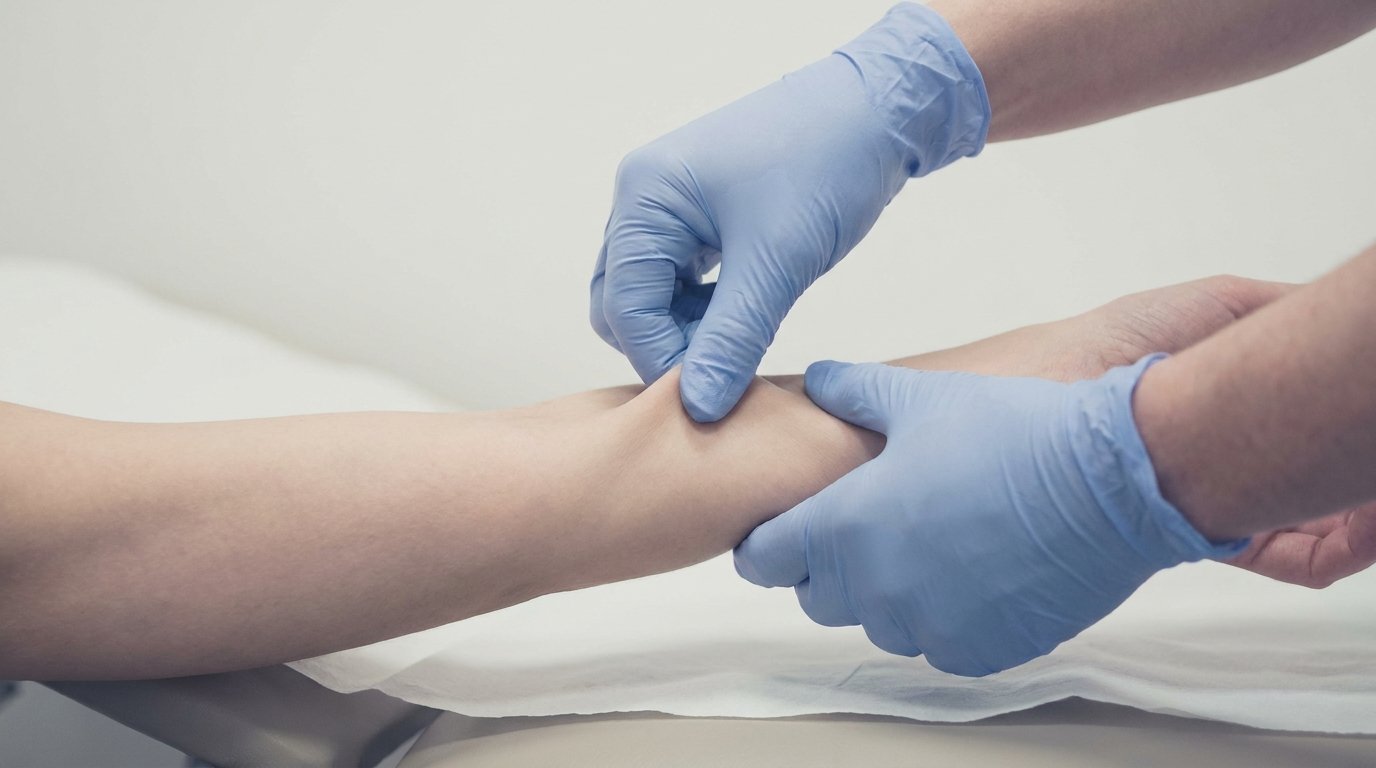
That is why the final plan is usually confirmed in person, the day before or the morning of surgery, and why a quote given online should always be described as provisional.
🚨 A firm price before any health questions is a red flag If a clinic sends a fixed figure and a payment link before asking about your medical history, medication or previous surgery, the number was produced by a price list, not a clinical assessment.
What an online quote includes and what drives the price
Quotes vary because packages vary, not only because surgeons charge differently. Two estimates for the same operation can look very far apart simply because one covers hospital nights, anaesthesia, garments, medication, transfers and hotel, while the other covers the surgery alone. Before comparing numbers, compare contents — our guide to what an all-inclusive surgery package actually includes is a reasonable checklist to hold a quote against.
The main things that move the price are the complexity of your case, the length of theatre time, whether more than one procedure is planned in a single session, the grade of hospital and anaesthesia team, the implants or materials used, and the number of nights you need in hospital and hotel. Revision cases almost always cost more than first-time surgery, because they take longer and carry more uncertainty.
Ask explicitly what is not in the quote. Flights, extra hotel nights if your discharge is delayed, lab tests, follow-up garments and any treatment needed for a complication are the usual gaps. It is also fair to ask how payment is staged and what the refund position is if the surgeon declares you unsuitable after examination — the practical side of paying for surgery in Turkey is worth settling in writing before you fly. Any figure you are given online should be treated as provisional until a personalised price is confirmed after your in-person consultation.
How to tell a careful virtual consultation from a sales call
The difference shows up in the questions you are asked, not the pictures you are shown. A clinical conversation is nosy about your health and cautious about promises. A sales conversation is enthusiastic about dates and discounts.
You should also be comfortable being told no. Being advised to lose weight first, to wait until you have finished breastfeeding, to treat a nasal breathing problem at the same time, or to have a smaller operation than you asked for are all signs of a surgeon thinking about your result rather than your deposit.
📋 Check credentials independently Qualifications can be verified outside the clinic’s own website — national medical registers, and European specialist boards such as EBOPRAS, exist for exactly this purpose. General patient-safety guidance on cosmetic procedures from the NHS is a useful second opinion while you decide.
A detailed health questionnaire, named surgeon, a video call before any payment, written notes on what is and is not possible, honest talk about scars and risks, and a clear plan for follow-up once you are home.
Pressure to decide today, time-limited discounts, no surgeon named, guarantees of a specific outcome, refusal to discuss complications, or reluctance to explain who manages your care if something goes wrong.
How many of these operations do you perform each month, which technique would you use on me and why, what are the realistic limits in my case, where would I be hospitalised, and who covers revision if it is needed?
From video call to travel dates: planning the rest of it
Once the surgeon has approved a plan, the conversation shifts to logistics, and this is where an online consultation earns its keep. You want your travel dates set around your recovery, not the other way round. That means knowing how many nights you need before flying home, which review appointments happen in Turkey and which can be done by video, and what medication you will be going home with.
Most people underestimate the stay. Stitch removal, splint or drain removal, swelling checks and clearance to fly all take time, and the realistic length varies a lot by procedure — our breakdown of how long to stay in Turkey after plastic surgery sets out the typical windows. Book a flexible return flight if you can, because being able to delay by two days costs far less than being discharged early.
Finally, agree the aftercare route before you travel. Who do you message at 2am in week one? How quickly does a surgeon reply? Will your photos be reviewed at set intervals? Patients who read around safety in Turkish clinics tend to ask better questions here, and those questions are the ones that matter if healing does not go exactly to plan. A clinic that has a named person for follow-up, and a written plan for what happens if you need review at home, is giving you something more valuable than a discount.
This article is for informational purposes only and does not constitute medical advice. Always consult a qualified surgeon for personalised guidance.
- ✓Confirm in writing: The procedure name, the surgeon, the hospital, the nights included and the follow-up schedule.
- ✓Plan your flights loosely: A changeable return ticket protects you if your discharge slips.
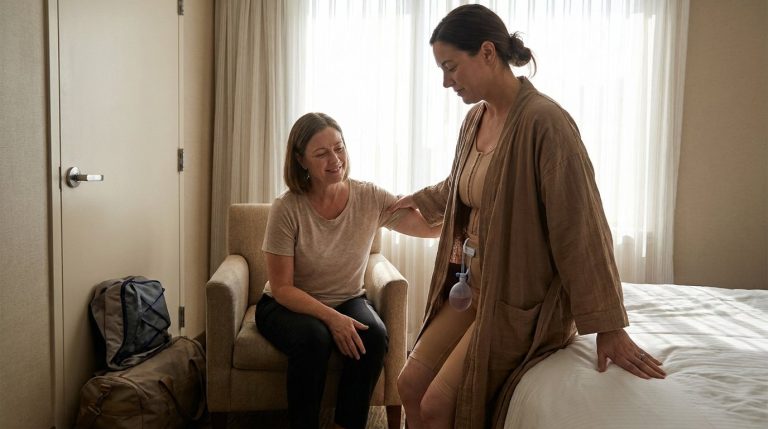
- ✓Arrange a companion if you can: Especially for body surgery, where the first few days limit how much you can lift or reach.
- ✓Set up aftercare at home: Know who to see locally for dressings, stitches or a worrying symptom.
Frequently Asked Questions
References
- 📎NHS — Cosmetic procedures: what to consider and how to check a practitioner
- 📎EBOPRAS — European Board of Plastic, Reconstructive and Aesthetic Surgery
Related Articles


You Might Also Like


Related articles

Our specialists
 Clineca SpecialistErkan PinegözPlastic & Reconstructive Surgery
 Clineca SpecialistHakan AktaşPlastic & Reconstructive Surgery
 Clineca SpecialistOrkun UzuneyüpoğluPlastic & Reconstructive Surgery
 Clineca SpecialistSalim İskenderPlastic & Reconstructive Surgery
 Clineca SpecialistEngin SelamioğluPlastic & Reconstructive Surgery
 Clineca SpecialistCem AydınPlastic & Reconstructive Surgery
 Clineca SpecialistAlperen ÖnalEar, Nose & Throat (ENT)