
Have a question about Gynecomastia?
In this article
- What is the usual recovery timeline after gynecomastia surgery?
- What should you expect in the first 24 to 72 hours?
- What happens during week 1?
- What changes in weeks 2 to 4?
- When can you exercise, lift weights, and return to normal activity?
- When can you fly or travel after gynecomastia surgery?
- How long do swelling, scars, numbness, and firmness last?
- What warning signs mean you should contact your surgeon?
- How can you make recovery smoother and choose safe aftercare?
What to expect during gynecomastia recovery week by week is usually this: the first 7 to 10 days are the most restrictive, most people look and feel more presentable after 2 to 3 weeks, and chest swelling can keep improving for several months. The exact timeline varies with the technique used, whether liposuction alone or gland removal was needed, and your own healing, so your surgeon’s instructions should always take priority over any general guide.
What is the usual recovery timeline after gynecomastia surgery?
Recovery after gynecomastia surgery is usually quicker than many patients expect, but it is not instant. In the early days, the main issues are tightness, swelling, bruising, sleep position, and moving carefully. After that, the recovery becomes less about pain and more about letting the tissues settle evenly.
Technique matters. A patient treated with liposuction alone often has less soreness and may return to normal daily activity a little sooner. A patient who also had direct gland excision through an incision around the areola usually has a slightly longer course, with more firmness, more nipple-area sensitivity changes, and a higher chance of feeling a hard healing ridge under the skin for a while. If skin tightening or larger tissue removal was needed, recovery may be slower again.
The American Society of Plastic Surgeons (ASPS) notes that recovery instructions after male breast reduction commonly include wearing a support garment, limiting strenuous activity, and allowing time for swelling to improve before judging the final contour. The NHS also advises that bruising and swelling are expected after cosmetic surgery and that full healing takes longer than the first visible recovery.
This guide is general, clinician-reviewed information for planning purposes. It does not replace the instructions given by your own surgeon, who knows which technique was used, whether drains were placed, and how your chest looked at the end of surgery.
📋 Important note on timelines Recovery is not identical for every patient. Liposuction-only cases often settle faster than cases that include gland excision, skin removal, or revision surgery.
Most gynecomastia patients get through the hardest part in the first one to two weeks, return to desk work within days to a week, and resume fuller exercise after several weeks if healing is on track. Final definition is slower. Swelling, firmness, and scar settling can continue to improve for months.
What should you expect in the first 24 to 72 hours?
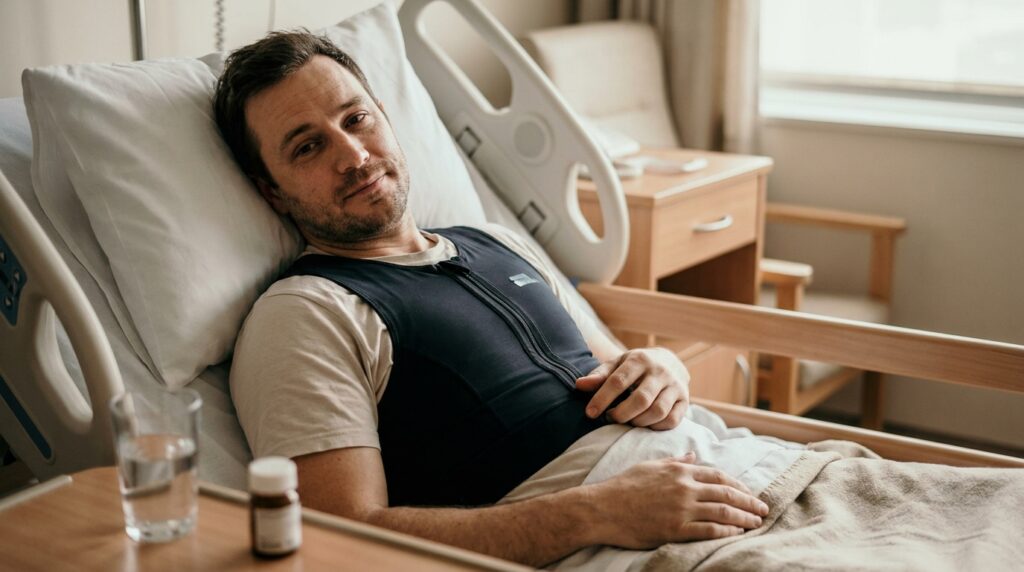
Right after surgery, your chest usually feels tight rather than sharply painful. Many patients describe pressure, soreness when standing up, and a pulling feeling when they try to reach or lift their arms. Pain is often manageable with prescribed medicine for the first few days, then simple pain relief if your surgeon agrees.
Dressings and a compression garment are standard. The garment helps control swelling and supports the new contour while the skin starts to re-drape. According to ASPS guidance for male breast reduction, support garments are a routine part of early recovery. How long you wear one varies. Some surgeons advise full-time compression for a couple of weeks, then daytime use only, while others prefer a longer full-time period, especially after larger excisions.
Drains are variable. Some surgeons use them when a larger amount of gland is removed or when they want to reduce fluid build-up under the skin. Others do not use drains in straightforward cases. If you do have drains, they are often removed within a few days, but the exact timing depends on the amount of fluid coming out and your surgeon’s protocol.
You should also expect some asymmetry at this stage. One side can swell more than the other. That alone does not mean something is wrong.
Early practical tips
Sleep on your back with your upper body slightly raised if advised. Take short, gentle walks around your room or home to keep circulation moving. Avoid smoking and nicotine because they can impair wound healing and raise complication risk, a point consistently emphasised in surgical guidance from recognised bodies including the NHS and ASPS.
- ✓Keep the compression garment on as instructed
- ✓Walk for a few minutes several times a day
- ✓Keep dressings dry unless told otherwise
- ✓Avoid lifting, pushing, pulling, or stretching overhead
The first two to three days are usually about rest, short walks, fluid intake, and keeping swelling under control. Expect a tight chest, mild to moderate discomfort, and limited arm movement. Some patients have drains for a short period, while others do not need them at all.
What happens during week 1?
By the end of the first week, many patients are moving around more comfortably, but the chest still looks far from final. Bruising can spread lower across the chest or upper abdomen before it fades. Swelling can even look worse around day 3 to 5 than it did on day 1.
The nipple area may feel numb, extra sensitive, or strangely firm. That can be normal after gland removal. Internal tissues are inflamed and beginning to stick back down to the chest wall. This is one reason surgeons usually tell patients not to judge the result too early.
If you had surgery abroad, this is the phase when planning matters. You do not want a rushed return journey while you still need dressings checked or while your movement is stiff. Many medical travellers prefer to stay long enough for the first review and early wound assessment. If you are exploring treatment information, the clinic’s gynecomastia surgery page can help you understand what the operation may involve, but your recovery plan should come from the operating surgeon.
As for work, a desk-based job may be possible within several days to a week if you feel well and are not taking strong pain medicines. Physical jobs usually need longer. A builder, gym coach, warehouse worker, or anyone who lifts, pushes, or reaches repeatedly should expect more downtime.
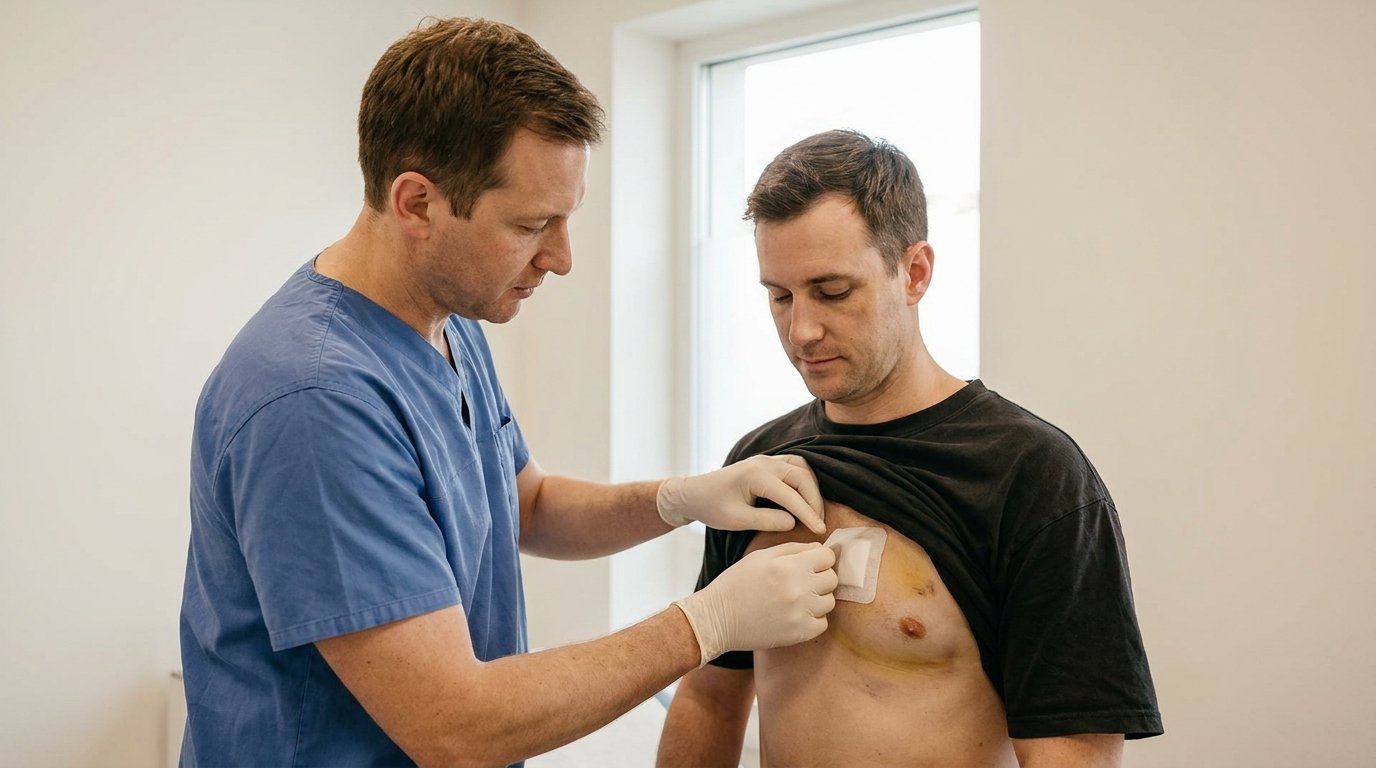
⚠️ When swelling needs a closer look Rapid one-sided swelling, increasing pressure, or sudden bleeding through dressings can suggest a haematoma, which means bleeding under the skin. Contact your surgeon urgently.
Week 1 is when bruising, swelling, tightness, and tiredness are most noticeable. Many patients can do light daily tasks, but they still need help with lifting, reaching, and travel logistics. Follow-up visits often happen in this period, especially if dressings or drains need checking.
What changes in weeks 2 to 4?
This is the phase when daily life starts to feel more normal. You may be back at work, walking comfortably, and doing light errands. The chest often looks flatter in clothes, even if it still feels lumpy or uneven to the touch.
That lumpiness can worry patients, but it is often part of healing rather than a sign that gland tissue has “grown back.” Scar tissue under the skin can feel like a firm disc, cord, or patch. After liposuction, there may also be areas of temporary hardness as the tissues settle. These changes often soften gradually over the next several weeks or months.
Compression may continue through this period, but protocols differ. Some surgeons want 24-hour wear for the first two weeks and then daytime wear for another period. Others extend full-time compression longer if there was more tissue removal or a tendency to swell. There is no universal one-size-fits-all schedule, which is why your own aftercare plan matters more than internet comparisons.
Exercise is still limited for most patients. Gentle walking is usually fine. Chest workouts, running, swimming, and lifting weights are often delayed until the surgeon is satisfied that bleeding risk has dropped and the tissues are stable. Advice from Mayo Clinic and ASPS across cosmetic surgery recovery is consistent on this general principle: returning to strenuous activity too early can worsen swelling, raise discomfort, and sometimes contribute to complications.
Weeks 2 to 4 are usually the turning point. Bruising often fades, movement improves, and many patients feel well enough to be seen socially without drawing attention. Swelling is still present, though, and firmness under the skin is common. This stage often feels better than it looks.
When can you exercise, lift weights, and return to normal activity?
Most surgeons encourage walking almost immediately because it supports circulation and helps reduce the risks linked to being still after an operation. That does not mean you are ready for training. Gynecomastia surgery creates internal raw surfaces, and those tissues need time to seal and settle.
A sensible rule is that feeling good is not the same as being fully healed. Patients often feel much better before the risk of swelling or bleeding has completely passed. This is especially true in the chest, where pushing, pulling, and overhead movement can stress healing areas without you realising it.
Manual labour generally takes longer to return to than office work. If your job involves carrying, climbing, repetitive arm movement, or heavy exertion, your surgeon may recommend a longer break. If you train regularly, expect a gradual return rather than a jump back to your old routine.
The safe timeline varies, but these are the usual stages your surgeon may use:
- ✓Walking: often from the first day, in short sessions
- ✓Light daily activity: often within the first week if comfortable
- ✓Lower-body exercise with caution: sometimes after a couple of weeks, depending on strain and balance demands
- ✓Upper-body weights, push movements, and chest training: usually several weeks later, after review
- ✓Full contact sport or intense training: only when your surgeon confirms healing is stable
If you want a treatment overview before or after consultation, the clinic’s consultation page explains how patients usually start planning, but activity advice should always be personalised after surgery.
Light walking starts early for most patients, but upper-body exercise and weight training usually wait several weeks. Return to sport depends on healing, technique, and whether swelling, pain, or fluid build-up is still present. Desk work returns sooner than manual work in most cases.
When can you fly or travel after gynecomastia surgery?
Patients travelling for surgery often focus on the operation itself and underestimate the aftercare window. In reality, the first few days matter. You may still be sore, less mobile, and dependent on follow-up checks. If drains were used, you may not be ready to leave until they are removed.
There is no single authority rule that says every patient can fly on exactly one set day after gynecomastia surgery. The safer approach is to plan around clinical review, your risk factors, and your mobility. General postoperative guidance from recognised surgical bodies emphasises early movement, hydration, and avoiding unnecessary strain. Long periods sitting still are not ideal straight after any operation.
For health-tourism patients, the practical question is not just “Can I fly?” but also “Can I manage the airport, luggage, transfers, and a delayed journey without overusing my arms or missing a wound problem?” That is why many patients choose to stay until they have had early postoperative assessment and feel comfortable walking, dressing, and travelling with minimal assistance.
If you are comparing providers, use the time before travel to review surgeon credentials and aftercare arrangements on pages such as the clinic’s doctors page, then confirm the travel plan directly with the operating team.
Short journeys may be manageable quite early, but flying too soon after surgery is not ideal because you may still need wound checks, drain removal, or help if swelling increases. Travel timing depends on your surgery details, mobility, and the surgeon’s review rather than a fixed rule.
How long do swelling, scars, numbness, and firmness last?
This is where expectations often need resetting. Patients commonly think that once bruising fades, recovery is almost over. In fact, the chest may still be going through several slower phases at once: swelling reduction, scar remodelling, skin redraping, and nerve recovery.
Scars usually look more obvious before they look better. Early scars can be pink, firm, or slightly raised. Over time, they often soften and fade, but scar maturation is measured in months, not days. The NHS notes in its cosmetic-procedure guidance that scars are permanent even when they usually become less noticeable with time.
Numbness or altered nipple feeling can also take time. Some patients recover sensation gradually; others have patches of reduced sensation that last longer. Temporary firmness under the areola is particularly common after direct gland removal. If your surgeon recommends massage or silicone scar care, timing matters. Starting too early can irritate healing tissue, while starting at the right stage can support scar management.
Residual swelling is also not perfectly even. One side may settle faster. Morning-to-evening changes are possible in the early weeks, and exercise or heat can make the chest look puffier for a while. This does not always mean there is a problem.
Visible recovery happens early, but tissue recovery is slower. Swelling often improves over weeks, while firmness, numbness, and scar maturation can continue changing for several months. This is especially true after gland excision, where deeper healing can outlast the surface appearance by a wide margin.
What warning signs mean you should contact your surgeon?
A routine recovery includes swelling, bruising, soreness, and some unevenness. A non-routine recovery shows a change in direction. Instead of slowly improving, symptoms become sharper, faster, or more dramatic.
The issues doctors watch for after gynecomastia surgery include haematoma (bleeding under the skin), seroma (fluid collection), wound infection, wound opening, contour irregularity, and changes in nipple viability in more complex cases. These are well-recognised complications in plastic-surgery literature and are reflected in ASPS patient safety information.
Seek urgent medical advice if you notice:
- ✓Suddenly expanding swelling, especially on one side
- ✓Chest pressure that is getting worse rather than better
- ✓Fresh bleeding soaking dressings
- ✓Fever or increasing redness and warmth around the incision
- ✓Pus-like discharge or bad smell from the wound
- ✓Calf pain, chest pain, or shortness of breath
Those last symptoms are not typical local healing problems and can point to a more serious issue. If you cannot reach your surgeon and you have severe symptoms, seek urgent in-person medical care.
🚨 Do not wait on breathing symptoms Shortness of breath, chest pain, or fainting after surgery needs urgent medical assessment. Do not assume it is just anxiety or normal recovery.
Call your surgeon if you develop rapidly increasing swelling, severe one-sided pain, heavy bleeding, fever, worsening redness, shortness of breath, calf pain, or fluid leaking from the wound. These are not the common mild ups and downs of healing and need medical advice quickly.
If you are still weighing up surgery, our gynecomastia surgery in Turkey guide covers costs, stay length and how to choose a surgeon.
How can you make recovery smoother and choose safe aftercare?
Good recovery starts before surgery. Patients who do best are usually the ones who understand the plan in advance: how long they may stay, whether drains are possible, when garments come off, when showering is allowed, and who to call if one side swells suddenly.
When choosing a provider, look for clear information about the surgeon’s credentials, the hospital setting, and postoperative support. If you are researching options, pages such as about the clinic can help you understand the organisation, but the key medical questions should still be specific: Who performs the surgery? Where is it performed? What is the aftercare schedule? What happens if I develop a seroma after I fly home?
The NHS advises anyone considering cosmetic surgery to check the practitioner’s qualifications carefully and make sure they understand risks, recovery, and complaints processes before going ahead. That is especially important when treatment involves international travel.
A few habits make a real difference in recovery:
- ✓Follow your garment, showering, and wound-care instructions exactly
- ✓Avoid nicotine before and after surgery unless your doctor has given different advice
- ✓Keep activity low-key even when you start to feel better
- ✓Take photos every few days rather than checking the mirror every hour
- ✓Ask before restarting the gym, supplements, or massage
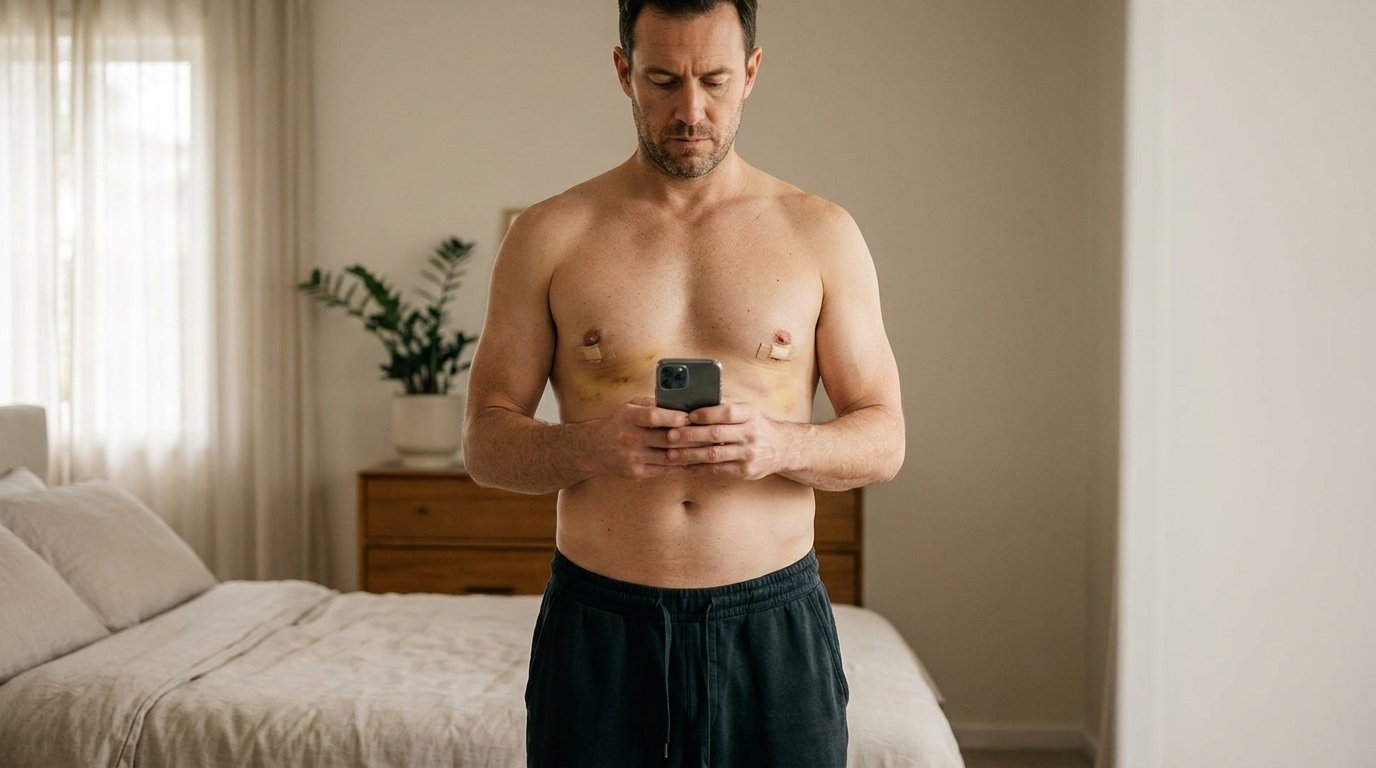
That last point matters because many “helpful” internet tips are mistimed. In recovery, timing is often more important than enthusiasm.
The best recovery plans are simple and disciplined: wear compression as advised, avoid early strain, attend follow-up, and ask clear questions before you travel. Safe aftercare depends on an appropriately qualified surgeon, a clear review schedule, and easy access to help if something changes.
Frequently Asked Questions
References
- 📎NHS: Cosmetic procedures
- 📎ASPS: Cosmetic procedures
- 📎Mayo Clinic: Tests and procedures
- 📎WebMD: Cosmetic surgery
Related Articles

You Might Also Like



Related articles

Our specialists
 Clineca SpecialistErkan PinegözPlastic & Reconstructive Surgery
 Clineca SpecialistHakan AktaşPlastic & Reconstructive Surgery
 Clineca SpecialistOrkun UzuneyüpoğluPlastic & Reconstructive Surgery
 Clineca SpecialistSalim İskenderPlastic & Reconstructive Surgery
 Clineca SpecialistEngin SelamioğluPlastic & Reconstructive Surgery
 Clineca SpecialistCem AydınPlastic & Reconstructive Surgery
 Clineca SpecialistAlperen ÖnalEar, Nose & Throat (ENT)