

Have a question about Facelift?
In this article
- When do fillers stop being the right tool for sagging?
- What are the clearest signs you may be a facelift candidate?
- Who may not be a good candidate right now?
- How do surgeons decide between more filler and a facelift?
- What is recovery really like if you move from fillers to a facelift?
- What risks and trade-offs should you weigh honestly?
- How should you prepare for a consultation if filler is no longer working?
If you are asking, “am i a candidate for a face lift if fillers no longer help sagging,” the short answer is often yes: when loose skin and deeper tissue descent are the main problem, a facelift is usually more effective than adding more filler. The caveat is that candidacy depends on your skin quality, anatomy, health, goals, and whether the issue is true sagging rather than volume loss alone.
When do fillers stop being the right tool for sagging?
Fillers and facelifts solve different problems. Fillers replace lost volume. A facelift repositions and tightens tissues that have dropped over time. When people feel they look tired, hollow, or less defined, filler may help at first. Later, the main change is often skin laxity around the jawline, lower cheeks, and neck, and that is where filler reaches its limit.
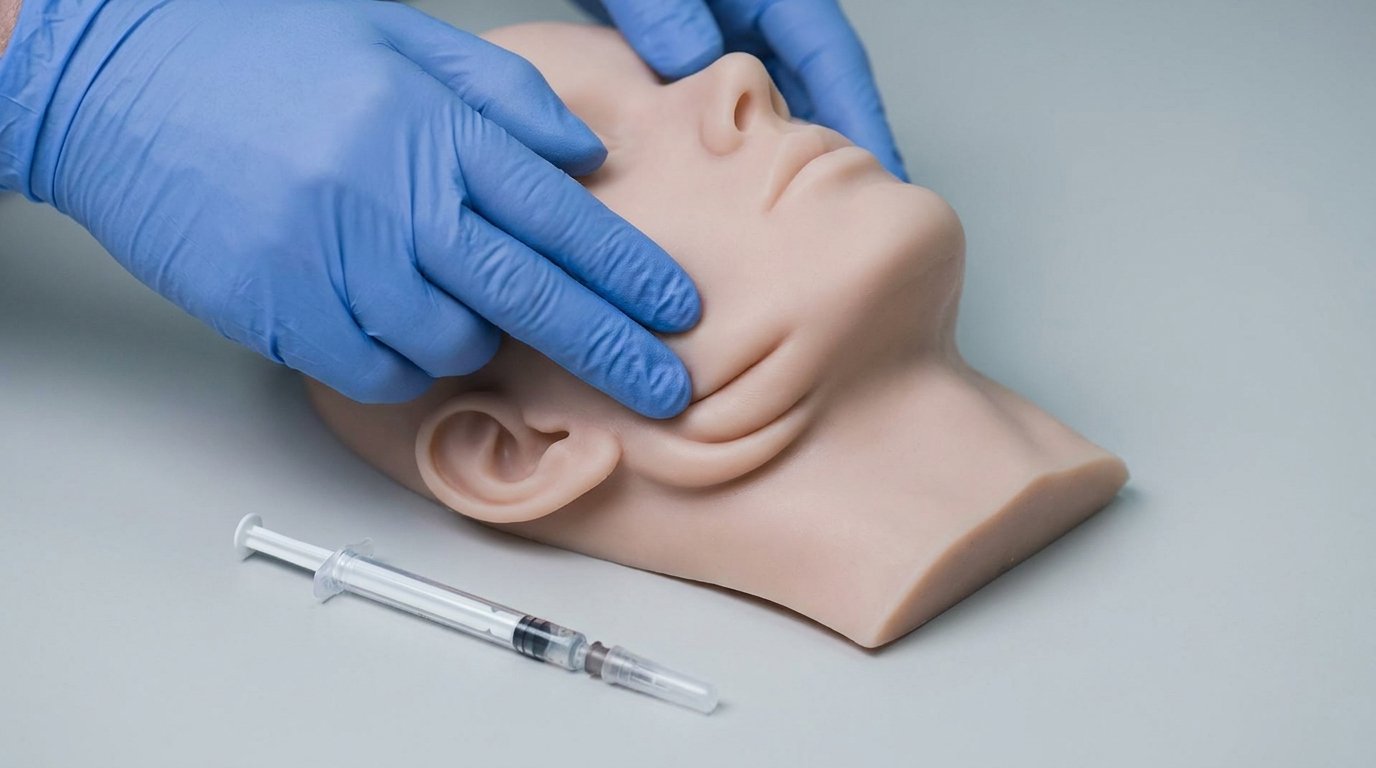
A common pattern is this: the first treatments looked fresh and subtle, but later sessions started giving less lift and more fullness. That does not always mean filler was done badly. It may simply mean the underlying problem has changed. In that setting, adding more filler can blur facial definition instead of restoring it.
According to the American Society of Plastic Surgeons (ASPS), a facelift is designed to improve visible signs of ageing in the face and neck such as sagging in the mid-face, deep folds below the lower eyelids, jowls, and loose skin or excess fat under the chin and jaw. The NHS also notes that cosmetic surgery has limits and should match the problem being treated.
If your concern is mainly a flatter cheek, under-eye hollowing, or temple loss, filler may still have a role. If your concern is hanging skin, jowls, or a neck that no longer looks firm even when volume is replaced, surgery is more likely to be the option that actually matches the anatomy.
Your main issue is volume loss, not loose skin, and small amounts still improve shape without making the face look heavy.
Your jawline has softened, jowls are more obvious, neck skin looks loose, and more filler no longer restores a fresher contour.
Fillers can help when the face looks deflated, but they do not lift loose skin or reset deeper tissues. If repeated filler makes the face look heavier, puffier, or still does not improve jowls and neck laxity, a facelift discussion becomes more reasonable than simply adding more product.
What are the clearest signs you may be a facelift candidate?
The best candidates are not defined by age alone. Some people in their 40s are ready for surgery because tissue descent is clear, while some in their 60s are better served by smaller changes or no surgery at all. The real question is whether your concern comes from looseness and descent rather than simple volume loss.
A surgeon will usually look at your face at rest, in motion, and from the side. They will assess the cheeks, jawline, neck angle, skin elasticity, and whether the deeper support layer of the face has dropped. They will also ask about smoking, blood thinners, weight changes, medical conditions, and any past filler or thread lift treatment.
A quick candidacy checklist can help you frame the conversation:
- ✓You see jowls or a softer jawline that filler no longer sharpens.
- ✓You notice loose skin or banding in the neck rather than only lost volume.
- ✓Your face looks heavier after more filler, not fresher.
- ✓You want a result that treats sagging itself, not just camouflage.
- ✓Your health is reasonably stable, and you can follow recovery advice.
- ✓You understand that a facelift can improve ageing changes but will not make skin perfect or stop ageing.
If several of those points sound familiar, it is sensible to discuss a surgical assessment rather than another syringe. For readers comparing facial procedures, a general overview of facelift treatment and related options such as a neck lift or eyelid surgery can help you understand what each one is intended to correct.
- ✓Jowls or jawline laxity are now a bigger issue than facial hollows.
- ✓Your neck looks looser, even when the face has enough volume.
- ✓Extra filler makes you look puffy rather than lifted.
- ✓You want a structural correction, not a temporary camouflage approach.
You may be a facelift candidate if sagging, jowls, a loose neck, or deep folds are the main issue and filler no longer gives a natural result. Good candidacy also depends on stable health, realistic expectations, and enough skin quality for a surgical plan to make sense.
Who may not be a good candidate right now?
Not everyone who is unhappy with filler should move straight to surgery. If your face is mainly hollow rather than sagging, a facelift alone may disappoint because it does not replace lost volume. In that case, the answer may be a more conservative filler plan, fat transfer, or a combined approach.
Health matters too. The Mayo Clinic notes that facelifts carry risks such as bleeding, infection, poor wound healing, nerve injury, hair loss around incision sites, and skin loss, with smoking increasing healing problems. Surgeons also tend to be cautious if you have uncontrolled blood pressure, bleeding disorders, or medical conditions that make anaesthesia less safe.
Recent filler can complicate assessment. Sometimes old filler masks the true anatomy, especially in the mid-face. A surgeon may recommend waiting, dissolving certain hyaluronic acid fillers, or reassessing after swelling settles so the treatment plan is based on your actual tissue position.
Good candidates also need realistic goals. A facelift can improve contour and reduce sagging, but it does not change skin texture, pore size, sun damage, or every fine line. If those are your main concerns, skin treatments may matter as much as surgery.
⚠️ Smoking can affect healing Smoking and nicotine use can reduce blood flow to healing tissues. That can raise the risk of wound problems and skin loss after a facelift.
You may not be the right facelift candidate yet if the main issue is volume loss, if your expectations are unrealistic, or if health and healing factors raise risk. Smoking, uncontrolled medical problems, and very recent filler treatment can all affect timing and planning.
How do surgeons decide between more filler and a facelift?
A good facial assessment is not just about whether you dislike your reflection. It is about identifying the layer where the problem sits. If the loss is mostly in fat pads or bony support, filler can help. If the support layer has descended and skin has become lax, lifting usually matters more.
This is why experienced surgeons often talk about facial balance, not just one product or one operation. Some patients need surgery first, then small volume adjustments later. Others do well with a mini facelift, while some need a more complete facelift with neck work. There is no single age or single technique that fits everyone.
According to ASPS, facelifts can be combined with procedures such as brow lift or eyelid surgery when the ageing changes are spread across different areas. That does not mean combining procedures is always better. It means the plan should reflect your anatomy rather than forcing one treatment to do everything.
The decision usually comes down to what has aged: volume, skin, deeper facial support, or a mix of all three. If tissue descent is stronger than volume loss, a facelift usually gives the more logical and natural correction. Many patients still benefit from small-volume refinements later.
What is recovery really like if you move from fillers to a facelift?
This is where expectations need to be practical. Fillers often involve little downtime. A facelift is different. Early recovery usually includes swelling, bruising, tightness, numb areas, and a sense that the face looks over-corrected at first. That is normal in many cases, but the extent varies a lot.
The NHS advises that recovery from cosmetic surgery depends on the operation and the person. For facelifts specifically, many surgeons advise patients to expect at least one to two weeks away from social events, with a longer period before the final result settles. Mayo Clinic also notes that bruising and swelling improve over time but can persist for several weeks.
A realistic timeline often looks like this, though your own surgeon’s advice matters more than any general guide:
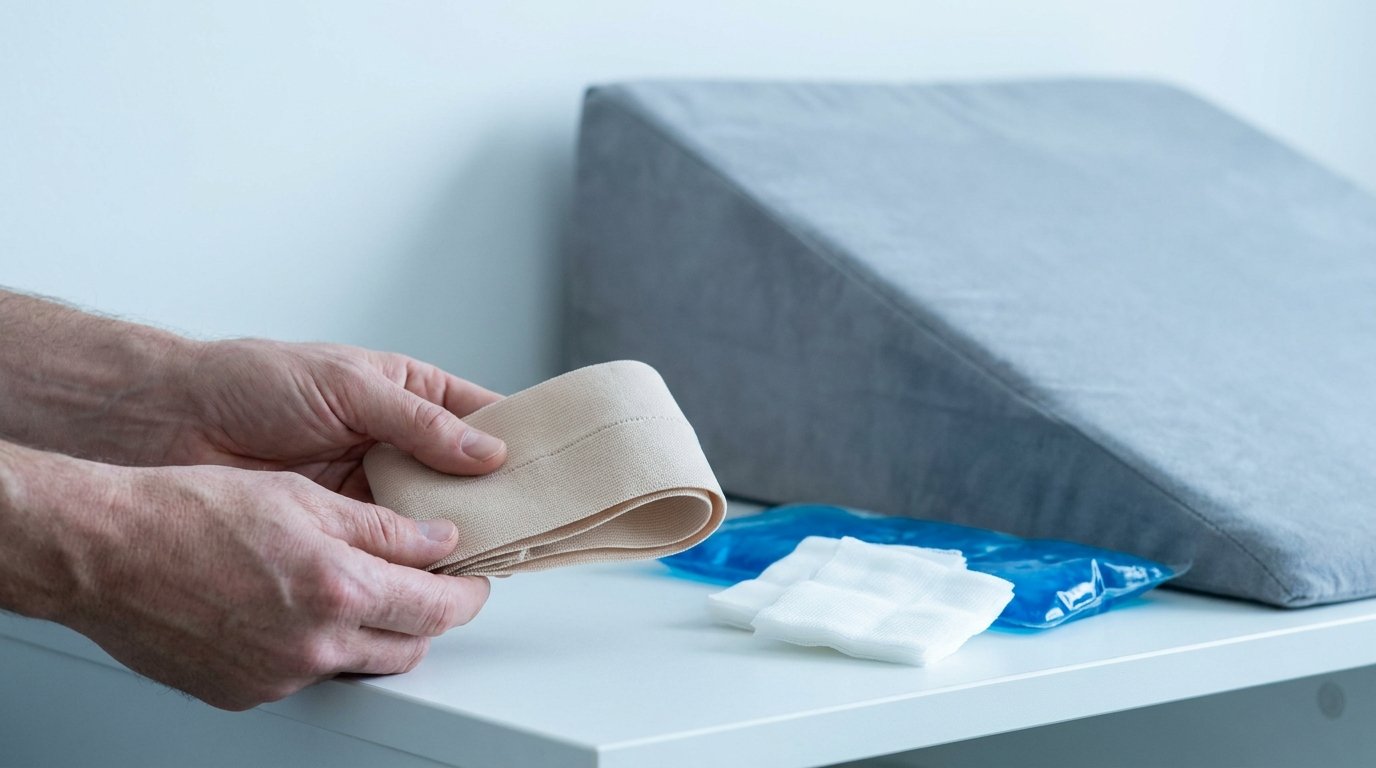
📋 Recovery is surgeon- and patient-dependent A limited lift, a deep-plane approach, or a facelift combined with neck work can each have a different recovery pattern. Your own anatomy and healing also change the timeline.
Recovery is usually measured in weeks, not days, and it varies with the extent of surgery, your healing, and whether neck work is included. Many people feel socially presentable after a couple of weeks, but swelling can linger longer and final refinement takes months rather than days.
What risks and trade-offs should you weigh honestly?
The biggest advantage of a facelift is that it treats a problem filler cannot truly fix: descended tissue and excess skin. The trade-off is that the result comes with incisions, recovery time, and a real risk profile.
Authoritative sources are clear on this point. ASPS and Mayo Clinic both describe risks including haematoma (a collection of blood under the skin), infection, poor wound healing, nerve injury, hair loss near incision lines, and unsatisfactory scarring. The NHS also emphasises that cosmetic procedures can lead to physical and emotional complications, and that decisions should not be rushed.
There are also practical trade-offs. You may need to pause work, exercise, and social plans. You may look worse before you look better. If you have had a lot of filler over time, you may also need a staged plan rather than one quick switch from non-surgical to surgical treatment.
Cost is another part of the decision, but it should be discussed carefully. There is no single standard price for this topic because the final fee depends on the surgeon’s technique, whether neck work is included, anaesthesia, hospital setting, aftercare, and whether previous filler changes the plan. A personalised quote is normally confirmed after consultation rather than guessed from a general article.
🚨 Do not choose on price alone A lower quote may reflect a different surgical plan, setting, or aftercare structure. For facelift surgery, the safety setup and the surgeon’s assessment matter more than comparing one headline figure with another.
A facelift can address sagging more effectively than filler, but it is still surgery. The trade-offs are scars, downtime, cost variation, and the usual surgical risks such as bleeding, infection, poor healing, asymmetry, and temporary or sometimes longer-lasting nerve-related changes.
How should you prepare for a consultation if filler is no longer working?
Go in with specific examples rather than a vague sense that your face looks older. Photos from two to five years ago are useful, especially side views. They help show whether the issue is descent, volume loss, neck change, or all three.
Bring a record of what filler you have had, where it was placed, and roughly when. That matters because some products last longer than patients expect, and past treatment can affect surgical planning. It is also worth writing down what bothers you most: jowls, heaviness near the mouth, a loose neck, or a tired lower face.
A good consultation should cover your goals, alternatives, recovery, likely incision placement, and what the operation is not expected to fix. If you want to review practitioner information, use neutral fact-finding sources such as the clinic’s doctors page or a formal consultation request page to organise your questions, not to replace a medical assessment.
You should leave understanding whether the recommendation is more filler, filler removal, a mini facelift, a full facelift, a facelift with neck work, or no surgery for now. That clarity matters more than hearing a sales pitch.
Frequently Asked Questions
References
- 📎NHS – Cosmetic procedures
- 📎American Society of Plastic Surgeons – Cosmetic Procedures
- 📎Mayo Clinic – Tests and Procedures
- 📎WebMD – Cosmetic Surgery
Related Articles



You Might Also Like



Related articles



Our specialists
 Clineca SpecialistErkan PinegözPlastic & Reconstructive Surgery
 Clineca SpecialistHakan AktaşPlastic & Reconstructive Surgery
 Clineca SpecialistOrkun UzuneyüpoğluPlastic & Reconstructive Surgery
 Clineca SpecialistSalim İskenderPlastic & Reconstructive Surgery
 Clineca SpecialistEngin SelamioğluPlastic & Reconstructive Surgery
 Clineca SpecialistCem AydınPlastic & Reconstructive Surgery
 Clineca SpecialistAlperen ÖnalEar, Nose & Throat (ENT)