
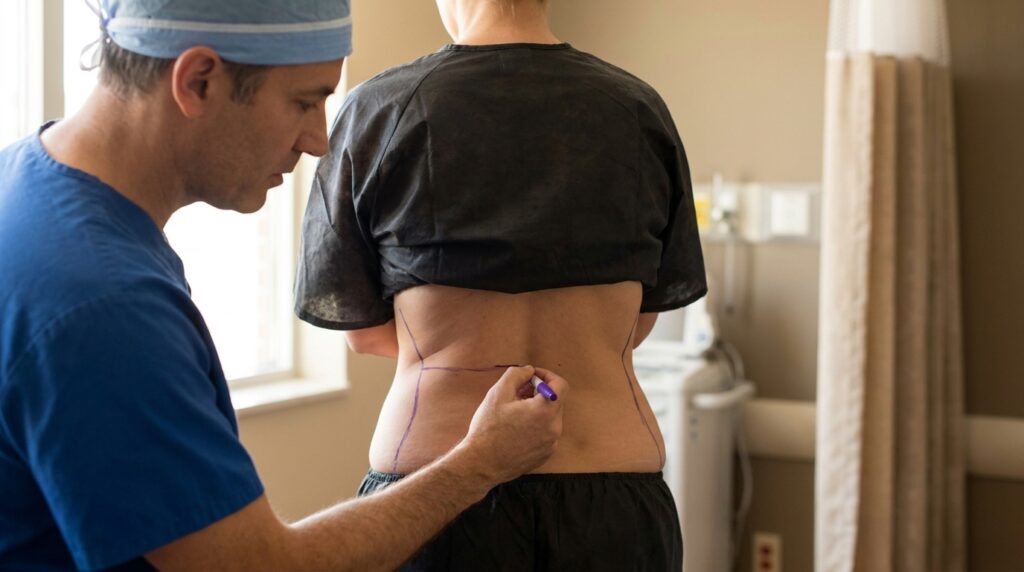
Have a question about vaser bbl?
In this article
- What actually changes between a VASER BBL and a traditional BBL?
- Is VASER BBL safer than traditional BBL?
- Does VASER give better shaping or more surviving fat?
- How do recovery and aftercare compare?
- What affects the price if there is no standard cost?
- Who is a better candidate for each option?
- How should you choose a clinic and surgeon for BBL abroad?
The main difference in what is the difference between vaser bbl and traditional bbl is the liposuction method used to remove fat before it is purified and transferred to the buttocks. In a VASER BBL, ultrasound-assisted liposuction is used for fat harvesting; in a traditional BBL, standard suction-assisted liposuction is used. Both are still Brazilian butt lift operations, both need real recovery time, and both carry important risks including fat embolism, infection, contour irregularities, reoperation, and unpredictable fat survival.
What actually changes between a VASER BBL and a traditional BBL?
At the simplest level, both procedures are versions of a Brazilian butt lift. Fat is taken from areas such as the abdomen, flanks, back, or thighs, then processed and injected into the buttocks to add shape and volume.
The point of difference is the liposuction stage. VASER stands for vibration amplification of sound energy at resonance. In plain terms, it uses ultrasound energy to help loosen fat before suction. Traditional liposuction removes fat with a cannula and suction, without that ultrasound step.
That does not mean one operation is automatically safer, more natural, or better for every patient. The final result depends on several things working together: your starting shape, skin quality, the amount of usable fat available, how conservatively or aggressively liposuction is done, and how safely the fat is injected.
It also helps to be clear about what does not change. A VASER BBL is not a different family of buttock surgery. It is still a fat-transfer butt enhancement. If you are comparing it with implants, that is a separate procedure entirely, such as buttock augmentation with implants.
The American Society of Plastic Surgeons (ASPS) and published medical literature focus much more on how BBL is performed safely than on marketing labels. In practice, the most important questions are less about the brand name of liposuction and more about where fat is injected, how much fat is transferred, how the surgeon plans the donor areas, and whether the team follows modern safety guidance.
A VASER BBL and a traditional BBL use the same core idea: fat is removed from one area and injected into the buttocks. The difference is how the fat is harvested. VASER uses ultrasound-assisted liposuction, while a traditional BBL uses standard liposuction. The transfer stage and safety principles should be the same.
Is VASER BBL safer than traditional BBL?
This is the most important part of the comparison. A VASER BBL is not automatically safer than a traditional BBL just because a different liposuction device is used.
The major safety issue in BBL surgery is the fat injection stage, not simply the harvesting tool. Concern about BBL safety has centred on fat embolism, a rare but potentially fatal event where fat enters the bloodstream and travels to the lungs. Safety advisories from professional bodies, including the ASPS and multi-society BBL safety statements discussed in PubMed-indexed literature, have stressed that fat should be placed only in the subcutaneous space — the layer above the muscle — and not injected into or below the gluteal muscle.
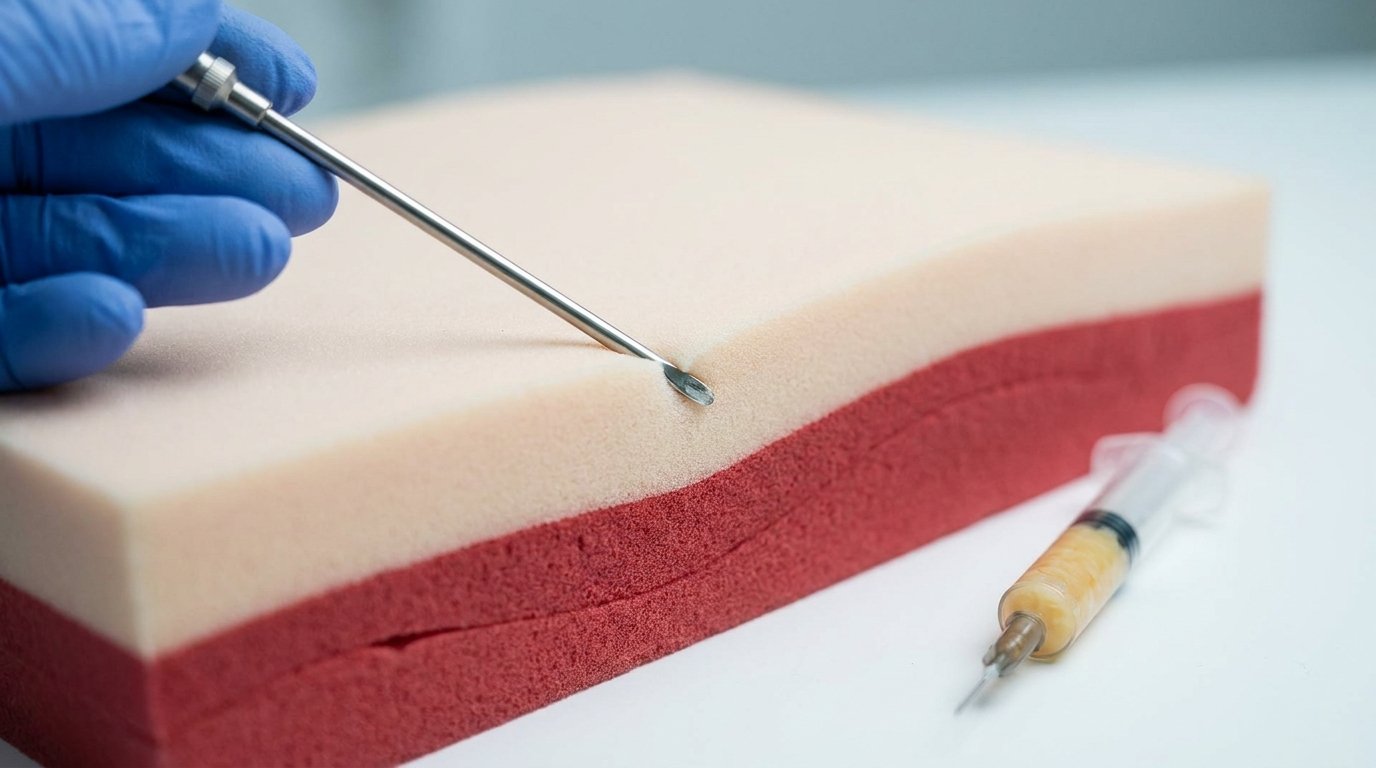
That point matters more than whether the liposuction was ultrasound-assisted or standard. If a clinic talks a lot about “VASER results” but is vague about injection-plane safety, ultrasound guidance, surgeon credentials, or emergency protocols, that is a concern.
Common risks for both approaches include infection, bleeding, fluid build-up, delayed healing, asymmetry, contour irregularities in the donor areas, lumps from uneven fat take, numbness, scarring, and the possibility that some of the transferred fat will not survive. Because not all transferred fat remains long term, some patients later consider a revision or touch-up.
The NHS notes that cosmetic surgery carries risks such as bleeding, infection, scarring, and complications from anaesthetic. BBL adds a specific concern because fat transfer to the buttocks has historically had a higher risk profile than many other cosmetic procedures when performed unsafely.
What to ask about safety
Instead of asking only, “Do you do VASER?”, ask the more revealing questions:
- ✓Is fat injected only into the subcutaneous layer above the gluteal muscle?
- ✓Does the operating surgeon perform the fat injection personally?
- ✓How is cannula position controlled during injection?
- ✓What is the plan if there is bleeding, breathing trouble, or another emergency?
- ✓Is the clinic accredited, and can you review the surgeon’s registration and experience?
Those answers tell you far more about safety than the word VASER on its own.
🚨 Early risk summary Both VASER BBL and traditional BBL carry serious risks. These include fat embolism, infection, bleeding, contour irregularities, asymmetry, anaesthetic complications, reoperation, and variable fat survival. No technique removes these risks completely.
Not necessarily. Current BBL safety guidance focuses on injection technique, especially keeping fat in the subcutaneous layer above the muscle, because fat embolism has been linked to deeper injection. The main risks of both VASER and traditional BBL include fat embolism, infection, bleeding, contour problems, asymmetry, and the need for revision surgery.
Does VASER give better shaping or more surviving fat?
This is where online content often becomes too confident. You will see broad claims that VASER is more precise, gentler, or always better for sculpting. Those claims need caution.
Some surgeons prefer ultrasound-assisted liposuction because they believe it can help separate fat from surrounding tissue in a controlled way and may be useful in fibrous areas such as the back or flanks. That can influence how the donor areas look after surgery. But that is not the same as proven superior long-term BBL results for every patient.
Fat survival is also more complicated than many adverts suggest. After transfer, some fat lives and some does not. The amount that remains depends on blood supply, injection technique, how small and carefully the fat parcels are placed, pressure on the area during recovery, smoking status, weight changes, and your own biology. A different harvesting method may be one factor, but it is not the whole story.
In practical terms, if you have good skin tone, enough donor fat, and realistic goals, both VASER and traditional liposuction can be used as part of a BBL plan. If you are very slim, have loose skin, or want a dramatic increase in size, the discussion may shift toward whether a BBL is suitable at all, whether the result will be modest, or whether a different approach is more realistic.
It may in some cases help with fat harvesting and body contouring, but there is no simple rule that VASER always gives better results or higher fat survival. Outcome depends more on surgical planning, tissue handling, realistic volume goals, skin quality, and healing than on the liposuction label alone.
How do recovery and aftercare compare?
For most patients, recovery differences are smaller than the internet makes them sound. Whether the fat was harvested with VASER or standard liposuction, you still have two healing zones: the donor areas where fat was removed and the buttocks where fat was placed.
The first one to two weeks are usually the hardest. You can expect swelling, tightness, bruising, and reduced ease with walking, sitting, and sleeping. Surgeons commonly advise avoiding direct pressure on the buttocks for a period after surgery, because early pressure may affect the transferred fat.
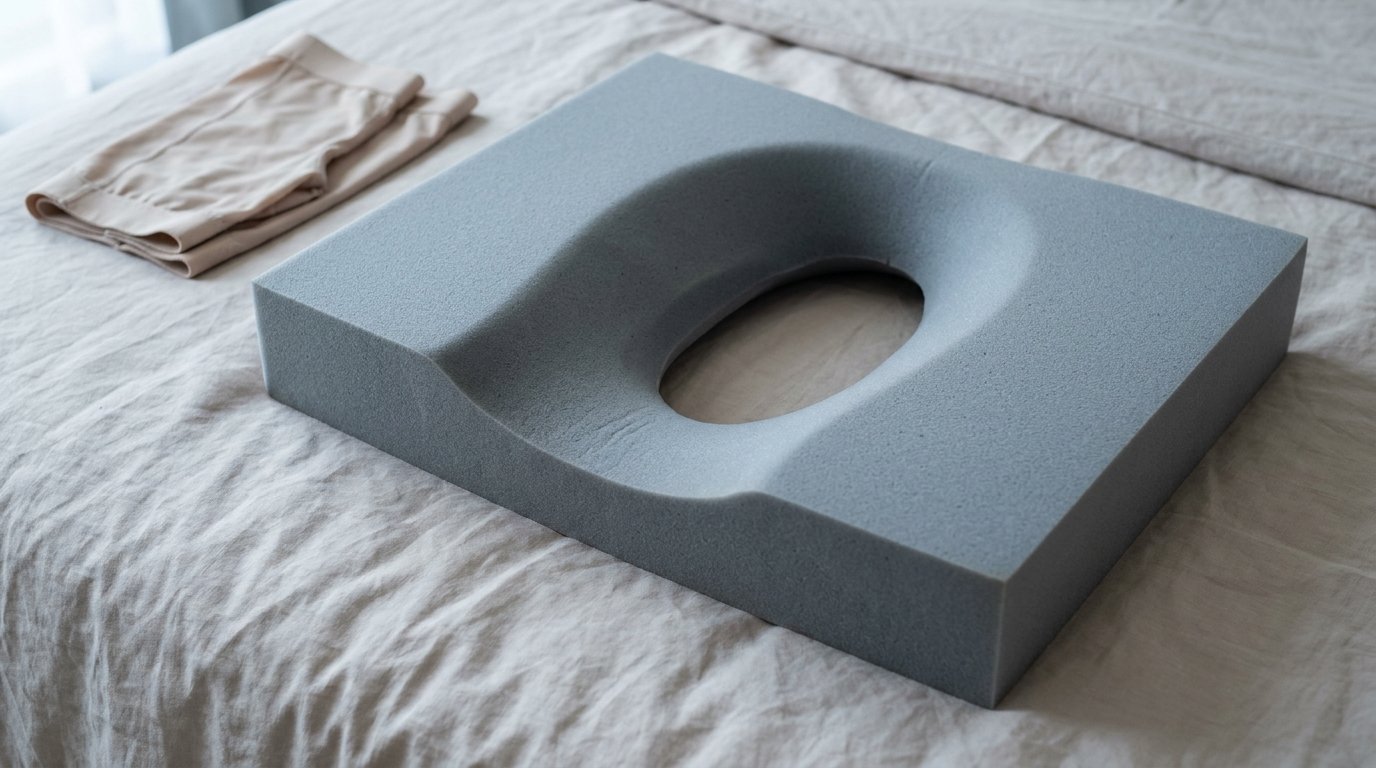
If you are travelling for surgery, the logistics matter. International patients usually need to stay long enough for immediate follow-up, wound checks, drain or garment review if needed, and early assessment of swelling, pain control, and mobility. A BBL is not a procedure to rush.
Below is a realistic overview. Exact timelines vary by surgeon, technique, and your healing response.
⚠️ Flying home too soon can be a problem After BBL surgery, patients need to think about sitting limits, swelling, blood clot prevention, and follow-up review. Travel plans should be agreed with the treating surgeon, not guessed in advance.
Recovery is broadly similar because both operations involve liposuction plus fat transfer. Expect soreness, swelling, bruising, limited sitting, and several weeks of careful positioning. Most people need at least two weeks away from work that involves sitting all day, and final shape can take months to settle.
What affects the price if there is no standard cost?
Because no verified standard figure is available for this topic, it is better to think in terms of price drivers rather than fixed costs.
A VASER-based plan may be priced differently from a standard liposuction-based plan because the equipment, operating time, and contouring plan can differ. But cost also changes with how many donor areas are treated, whether your case is straightforward or complex, the clinic setting, anaesthesia, compression garments, medicines, blood tests, and follow-up arrangements.
For medical travellers, non-surgical logistics matter too. Airport transfers, hotel stay, a carer, extra nights for recovery, and the possibility of follow-up after you return home can all affect the real total.
The safest approach is to ask for a written quote after a proper assessment, not a headline promise. If you want a starting point for the procedure itself, you can read a general overview of Brazilian butt lift surgery, but your own plan should still be confirmed after consultation.
There is no single standard price for VASER BBL versus traditional BBL. The final quote is personalised after consultation and depends on surgical complexity, how many areas are treated with liposuction, the facility and anaesthetic fees, length of stay, aftercare, and the surgeon’s experience.
Who is a better candidate for each option?
There is no universal rule that one suits everyone. A surgeon may lean toward one harvesting method based on your body shape, skin quality, previous surgery, and how fibrous the donor areas feel on examination.
You may be a reasonable candidate for either approach if you are in good general health, have enough donor fat, understand that some transferred fat will not survive, and want a shape change rather than a guaranteed cup-size-style measurement. Stable weight matters too, because major weight change after surgery can affect the result.
A BBL may be less suitable if you are very slim, want a very large increase in buttock size, have significant medical risks, smoke and cannot stop as advised, or have expectations that do not match what fat transfer can reliably do. In some cases, alternatives such as implants or a lift may be discussed instead of, or alongside, fat transfer.
This is also where an honest consultation matters more than branding. A good assessment should cover your goals, scars, skin tone, recovery setup, sitting needs, travel timeline, and whether combining procedures is sensible or would increase risk too much.
How should you choose a clinic and surgeon for BBL abroad?
If you are travelling abroad, the right questions are practical. Who is the operating surgeon? Is the clinic accredited? Who gives the anaesthetic? Who sees you if you have a problem on day three, or after you return home?
You should also look for clear consent language. A responsible team should explain limits as well as benefits. That includes the chance of asymmetry, the possibility that some fat will not remain, and the fact that revision surgery is sometimes needed.
One or two website pages can help with background checks, such as a clinic’s about page, surgeon listings on the doctors page, and a formal consultation request page. But your decision should rest on documented credentials, a proper assessment, and how transparently your questions are answered.
The Mayo Clinic and NHS both stress the importance of understanding risks, recovery, and who is providing your care before any cosmetic procedure. For BBL in particular, do not let before-and-after photos replace a serious safety conversation.
The surgeon explains injection-plane safety, recovery limits, and what results are realistically achievable for your body.
The conversation focuses on dramatic results or a device name, while staying vague about complication management and who performs the operation.
A responsible surgeon may discuss alternatives, including doing nothing, staging surgery, or using a different buttock procedure if fat transfer is unlikely to meet your goals.
- ✓Ask who performs the liposuction and who performs the fat injection.
- ✓Ask whether fat is injected only above the muscle.
- ✓Ask how long you should remain locally before flying home.
- ✓Ask what aftercare is included and how complications are handled after travel.
- ✓Ask what revision policy exists if healing is uneven or volume settles less than expected.
Choose on safety systems, surgeon credentials, and clear consent, not on the label VASER alone. Ask about accreditation, who performs each surgical step, how complications are managed, how long you should stay locally, and what follow-up happens after you fly home.
Frequently Asked Questions
References
- 📎ASPS cosmetic procedures
- 📎NHS cosmetic procedures
- 📎PubMed search: brazilian butt lift safety subcutaneous injection fat embolism
- 📎Mayo Clinic procedures overview
Related Articles

You Might Also Like

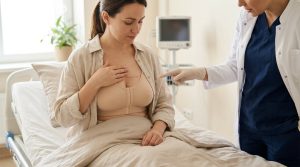

Related articles
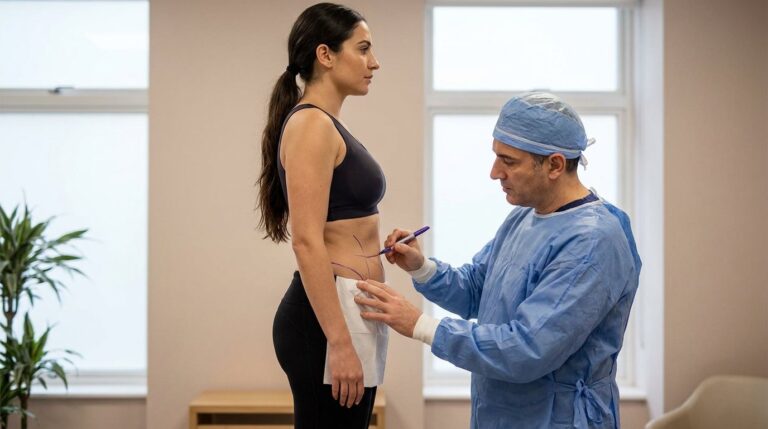


Our specialists
 Clineca SpecialistErkan PinegözPlastic & Reconstructive Surgery
 Clineca SpecialistHakan AktaşPlastic & Reconstructive Surgery
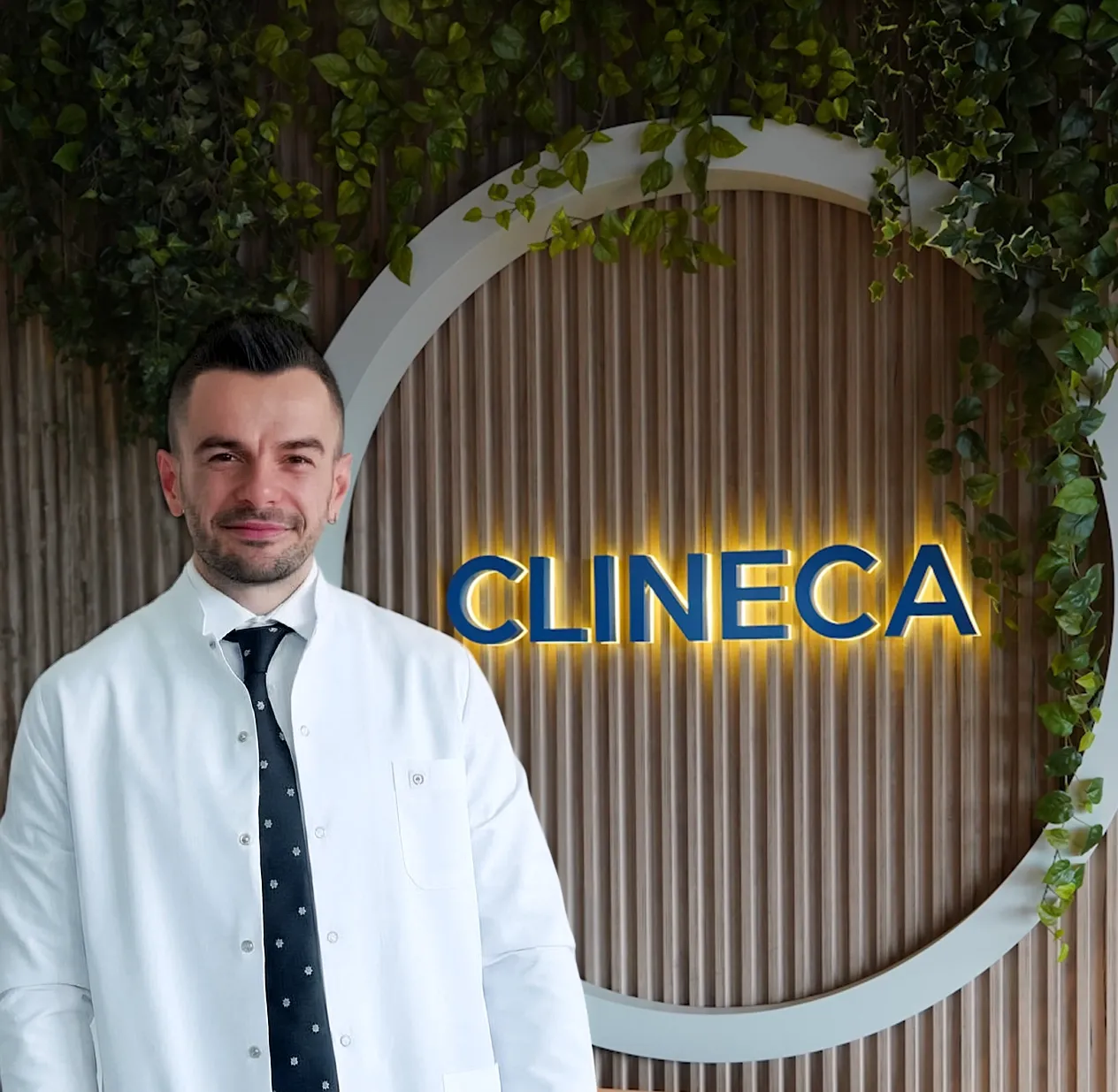 Clineca SpecialistOrkun UzuneyüpoğluPlastic & Reconstructive Surgery
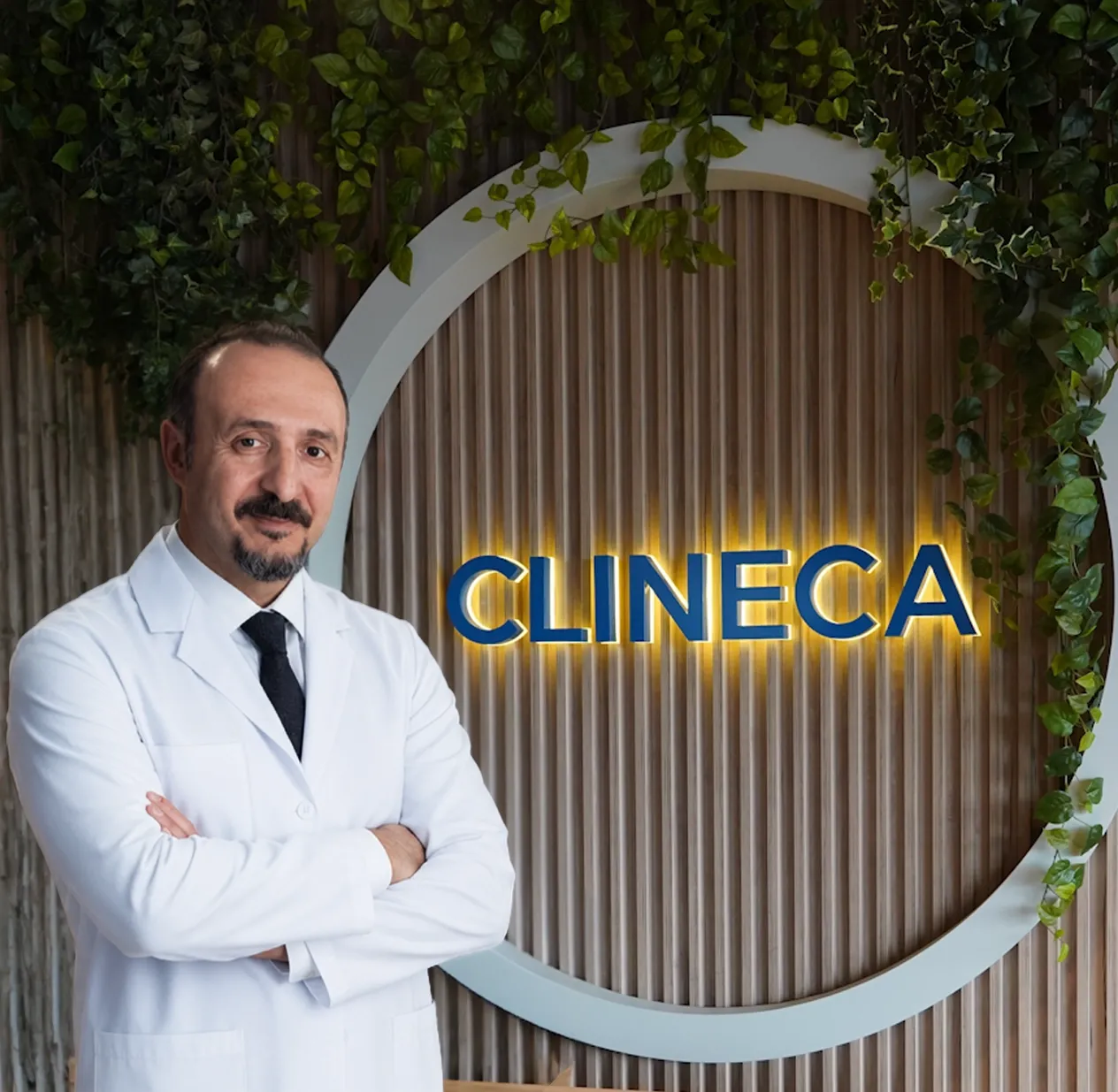 Clineca SpecialistSalim İskenderPlastic & Reconstructive Surgery
 Clineca SpecialistEngin SelamioğluPlastic & Reconstructive Surgery
 Clineca SpecialistCem AydınPlastic & Reconstructive Surgery
 Clineca SpecialistAlperen ÖnalEar, Nose & Throat (ENT)