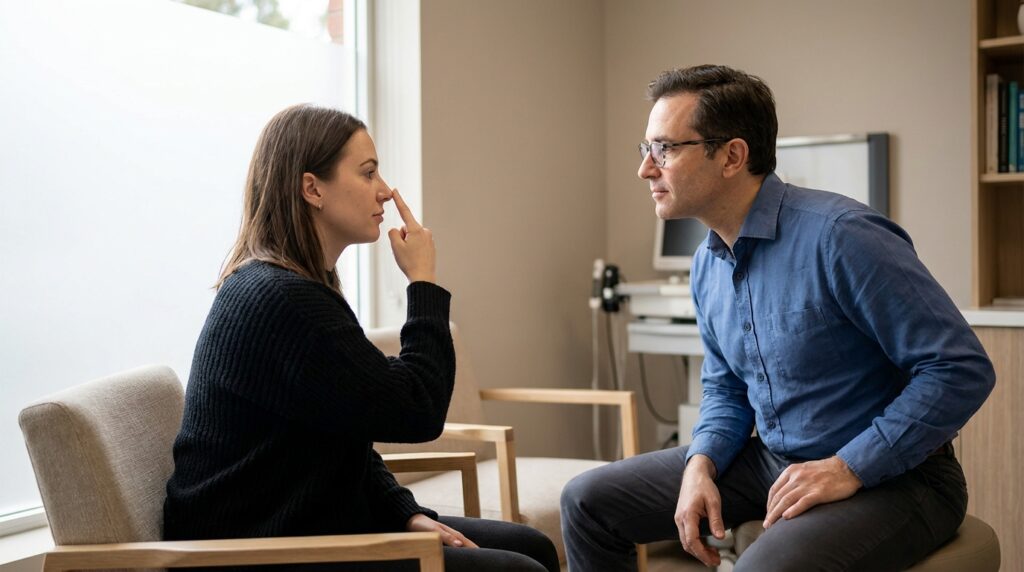
Have a question about Rhinoplasty?
In this article
- What is turkish rhinoplasty and why do people choose it?
- How much does turkish rhinoplasty cost?
- How long does it take to recover from rhinoplasty?
- How long should you stay in Turkey for rhinoplasty?
- Is turkish rhinoplasty safe?
- How do open and closed rhinoplasty compare?
- What should you look for in a rhinoplasty clinic or surgeon?
- Who is not a good candidate for rhinoplasty right now?
Turkish rhinoplasty pricing is individual, recovery takes about 1–2 weeks for the early stage and up to a year for the final shape to settle, and safety depends more on patient selection, surgeon judgement and travel planning than on price alone. The main caveat is that rhinoplasty is not a small beauty treatment; it is real nose surgery, and the right timing, anatomy and aftercare matter as much as the operation itself.
What is turkish rhinoplasty and why do people choose it?
Turkish rhinoplasty means having rhinoplasty in Turkey, usually for cosmetic change, breathing improvement, or both. People often look at Turkey because the indicative price is lower than in some countries, but the real decision should come down to surgeon experience, hospital standards, and whether your nose goals are realistic for your anatomy.
Rhinoplasty is nose surgery that changes the shape of the nose, improves airflow, or tries to do both at the same time. You may also hear it called a nose job, nose surgery or rhinoplasty nose job. Some operations focus mostly on appearance. Others correct a bent septum inside the nose as well, which can affect breathing.
When people search for turkish rhinoplasty, they are usually comparing three things:
- ✓Cost
- ✓Surgeon experience
- ✓How practical the travel and recovery process will be
Turkey is a major destination for cosmetic surgery, so you will find many clinics and hospitals offering rhinoplasty. That gives patients more choice, but it also means you need to filter carefully. A polished social media page and dramatic rhinoplasty before and after photos are not enough on their own.
A good consultation should cover:
- ✓What bothers you about your nose now
- ✓Whether your breathing is blocked
- ✓What change is possible with your skin thickness and bone structure
- ✓Whether you need a first-time operation or revision surgery
- ✓How visible swelling may be at different stages
The British Association of Aesthetic Plastic Surgeons (BAAPS) notes that rhinoplasty is one of the most technically demanding cosmetic operations, which is why planning and surgeon judgement matter so much. In simple terms, noses are small, but the decisions are not.
📋 Before-and-after photos need context Useful photo sets should show front, side and base views, and should ideally include healed results rather than only early post-op images.
- ✓Ask whether your aim is cosmetic change, breathing improvement, or both.
- ✓Ask if your case is primary rhinoplasty or revision rhinoplasty.
- ✓Ask what is realistically achievable for your own nose, not a copied celebrity result.
How much does turkish rhinoplasty cost?
Primary rhinoplasty starts from €2,500. That is a starting point, not a guaranteed quote — your own figure is confirmed after consultation, once the surgeon has assessed your nose, goals and medical history.
What changes the price most often:
- ✓Whether it is a first rhinoplasty or a revision
- ✓Whether internal breathing work is needed
- ✓How difficult the reshaping is likely to be
- ✓The operating hospital and anaesthetic team
- ✓What is included in aftercare and follow-up
Cheaper is not automatically better value. If a quote seems low but leaves out hospital fees, tests, medication, transfers or follow-up planning, the true cost may not be as low as it first appears. On the other hand, a higher quote is not proof of better surgery. You still need to look at training, case experience and whether the plan itself makes sense.
If you want procedure-specific information, you can read the clinic’s general page on rhinoplasty in Turkey. For a consultation request, the appropriate page is consultation.
⚠️ Price should never be the only filter Rhinoplasty is a precision operation with a real revision risk. A low headline price is not helpful if planning, safety checks or aftercare are weak.
How long does it take to recover from rhinoplasty?
Most patients need around 1–2 weeks for the obvious early recovery after rhinoplasty, including splint removal and the most visible bruising and swelling. The nose then continues to refine for months, and final results often take up to a year, sometimes longer in thicker-skinned or revision cases.
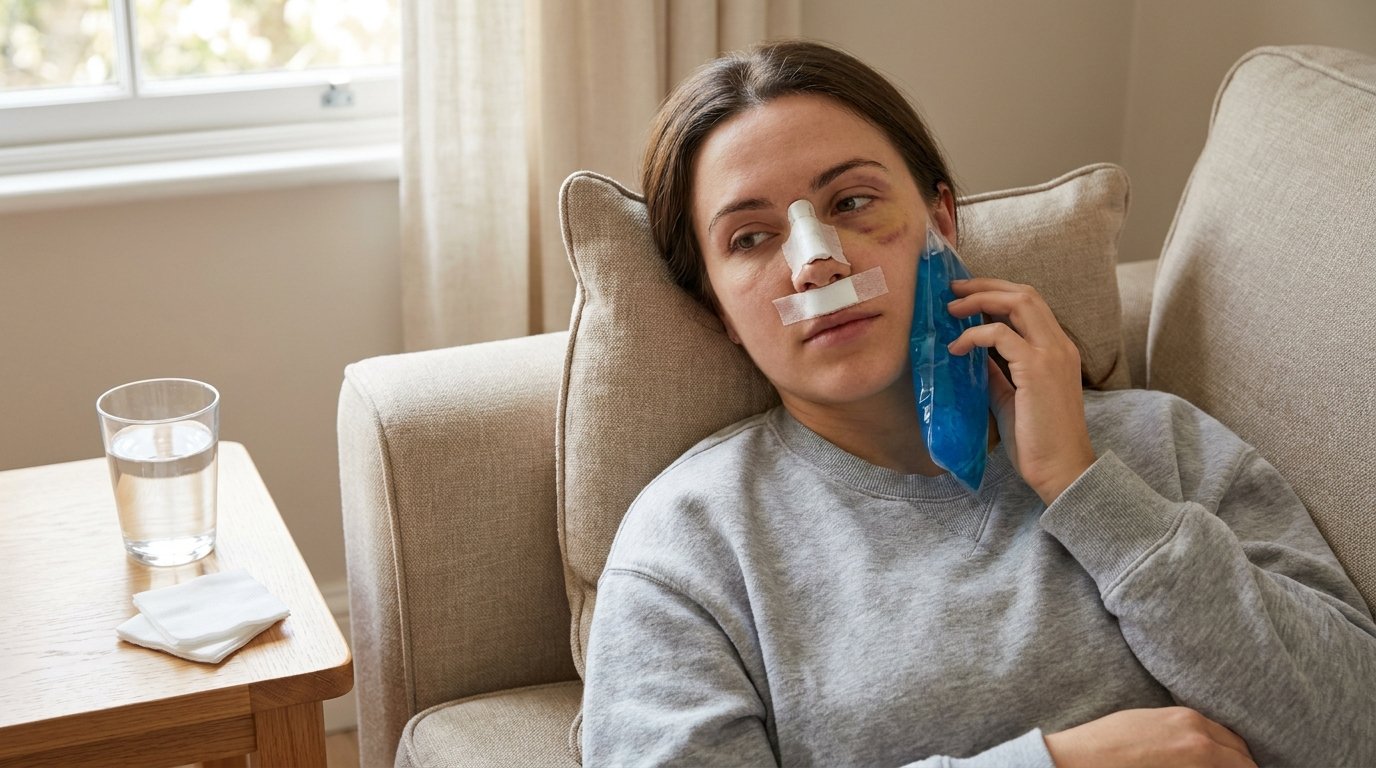
This is the part many patients underestimate. You may be well enough to walk around, work on a laptop and go out for light activity fairly soon, but that does not mean you are fully healed.
The NHS explains that bruising and swelling are common after rhinoplasty, and that the nose can keep changing as healing continues. The American Society of Plastic Surgeons (ASPS) also notes that swelling can persist for a long time, especially at the tip.
A practical recovery timeline looks like this:
📋 Early recovery and final recovery are different Looking socially presentable after 1–2 weeks is not the same as having a final result. Noses heal slowly, and the tip often settles last.
- →Plan to stay in Turkey long enough for early checks and safe clearance to fly.
- →Do not judge your result in the first few weeks.
- →Avoid glasses pressure, heavy exercise and any knock to the nose until your surgeon says it is safe.
How long should you stay in Turkey for rhinoplasty?
For most international patients, staying around 7–10 days is a practical minimum for turkish rhinoplasty, because you need time for the operation, the first recovery days and at least one follow-up check before travel home. Some surgeons may advise longer, especially for revision cases, more extensive internal work, or if swelling and comfort are slower than expected.
That range matches what actually happens. Across the rhinoplasty trips we have on record, the usual stay after surgery is six nights before flying home, and the great majority sit exactly there rather than spreading across a wide range — six nights is what it takes to get from the operation to splint removal at the follow-up check. The trips that run longer are mostly revision cases and slower-than-expected healing, which is what the wider advice is there for.
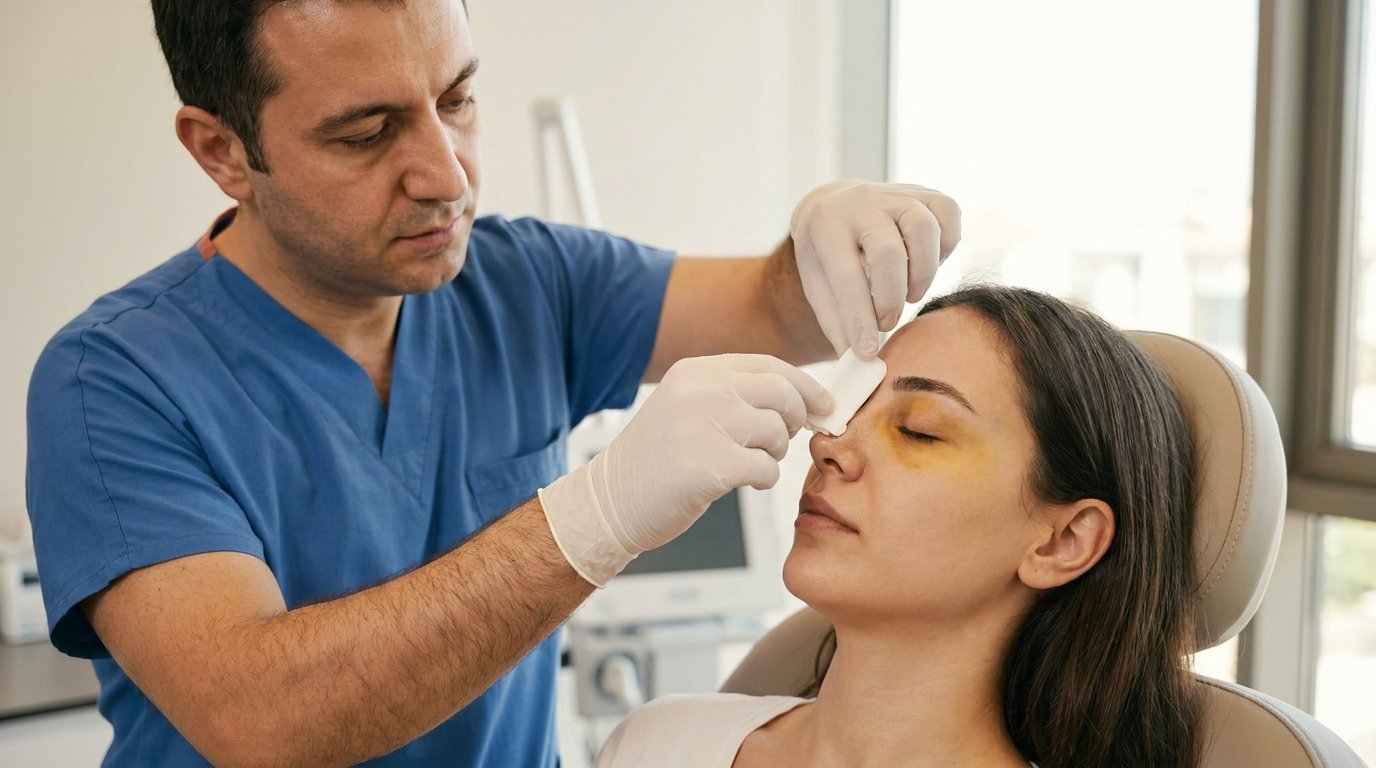
This is not just about convenience. It is about safer timing. Long-distance travel too soon after surgery can be uncomfortable, and any early bleeding, infection or unexpected swelling is easier to manage while you are still close to your surgical team.
The UK Foreign, Commonwealth & Development Office advises people travelling abroad for medical treatment to check who will provide aftercare, what happens if complications develop after returning home, and whether travel insurance covers any part of the process. That advice is especially relevant for rhinoplasty because the early healing window can be unpredictable.
Before you book flights, ask:
- ✓How many in-person checks are planned?
- ✓On what day is the splint usually removed?
- ✓Who do you contact at night or on weekends?
- ✓What happens if you need to delay your flight home?
- ✓Is remote follow-up available once you return home?
Is turkish rhinoplasty safe?
Turkish rhinoplasty can be safe when the patient is a suitable candidate, the operation is done in a properly regulated hospital setting, and travel and aftercare are planned carefully. The biggest risks come from poor candidate selection, unrealistic goals, revision complexity, smoking, recent illness, and travelling before early complications are ruled out.
The honest answer is that rhinoplasty is neither automatically safe nor automatically unsafe because it happens in Turkey. Safety depends on the same core factors that matter anywhere:
- ✓The right patient
- ✓The right operation
- ✓The right setting
- ✓The right aftercare
The NHS and Mayo Clinic both describe general surgical risks such as bleeding, infection, scarring and reactions linked to anaesthesia. In rhinoplasty, there are also procedure-specific issues to discuss, including ongoing swelling, asymmetry, breathing changes, dissatisfaction with the cosmetic result, and the possibility of revision surgery.
Revision matters here because rhinoplasty has limits. BAAPS notes that some patients do later seek further surgery, often because healing, scar tissue or expectations are more complex than they first seemed. That does not mean revision is inevitable. It means you should treat your first operation as the best chance to get a stable result.
When you may need to delay surgery
A careful surgeon may advise postponing rhinoplasty if you:
- ✓Smoke or vape and have not stopped as advised
- ✓Have an active cold, sinus infection or other respiratory infection
- ✓Have uncontrolled medical conditions such as high blood pressure
- ✓Take medicines or supplements that raise bleeding risk and have not been safely reviewed
- ✓Have severe body image concerns or expectations that surgery cannot realistically meet
- ✓Recently had another operation and are still recovering
Travel and clot risk
After any operation, long periods of immobility can raise the risk of blood clots in the legs or lungs. NICE guidance on venous thromboembolism explains that surgery and reduced mobility are recognised risk factors. Rhinoplasty is not usually the highest-risk operation for this, but long flights, dehydration and returning to travel too early can add avoidable risk.
That is why sensible planning matters:
- ✓Follow the surgeon’s advice on when you are fit to fly
- ✓Walk gently as advised during recovery
- ✓Stay hydrated unless told otherwise
- ✓Know the warning signs of clotting, chest symptoms and infection
Signs you should seek urgent medical help
- ✓Heavy bleeding that does not settle
- ✓Worsening swelling on one side with severe pain
- ✓Fever or increasing redness
- ✓Shortness of breath or chest pain
- ✓Sudden calf swelling or pain
A trustworthy team should discuss these issues before you pay a deposit, not only after surgery.
🚨 Do not book surgery around a tight holiday schedule If you need to be on a plane, at a wedding or back at work by a fixed date, that pressure can lead to poor timing and rushed decisions.
Clear hospital details, honest limits, pre-op health screening, written aftercare plan, and no pressure to book immediately.
Guaranteed results, no discussion of breathing, no recovery planning, or a sales-led consultation focused mostly on price.
How do open and closed rhinoplasty compare?
Open rhinoplasty uses a small cut across the tissue between the nostrils so the surgeon can lift the skin and see more of the nasal framework. Closed rhinoplasty keeps cuts inside the nose. The better approach depends on your anatomy, goals, and how much structural work is needed.
Patients often ask which technique is better. In real life, it depends on what needs changing.
Open rhinoplasty can be helpful when the nose needs more detailed structural work, major tip reshaping or revision surgery. Closed rhinoplasty avoids the small external cut and may suit selected simpler cases. Neither approach is automatically superior for every nose.
The main question to ask is not, “Which technique sounds more advanced?” It is, “Why is this approach right for my nose?”
What should you look for in a rhinoplasty clinic or surgeon?
Choose a surgeon and clinic based on credentials, case experience, hospital standards, clear consent and realistic planning, not just dramatic photos or a low quote. You should know who operates, where the surgery takes place, who gives the anaesthetic, and how aftercare works after you return home.
If you are comparing options, this is where the decision usually becomes clearer. A good provider makes the process more transparent, not more confusing.
Look for:
- ✓A named surgeon with relevant training and regular rhinoplasty experience
- ✓Surgery carried out in an appropriate hospital setting
- ✓A proper medical consultation, not only a coordinator chat
- ✓Discussion of breathing as well as appearance
- ✓Standardised before-and-after photos
- ✓A written aftercare plan for both Turkey and home
- ✓A sensible answer to the question, “What if I am unhappy or develop a problem later?”
You can review general background on the organisation at about the clinic and see the listed medical team on doctors, but keep your assessment neutral and practical. The key point is not branding. It is whether the medical pathway is clear and accountable.
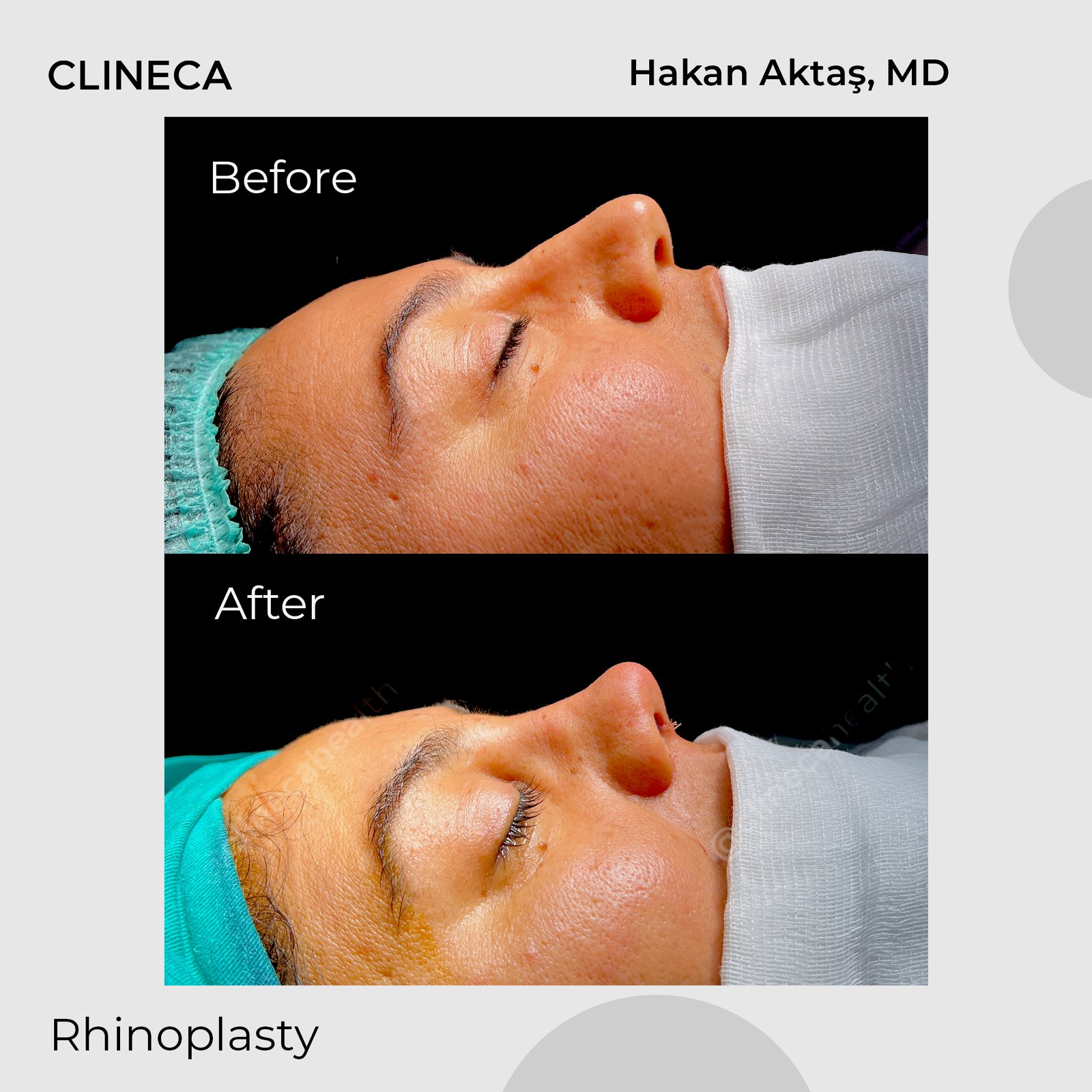
Avoid making your choice based on:
- ✓Heavily filtered social media results
- ✓Pressure to pay quickly
- ✓Promises that your nose will look exactly like someone else’s
- ✓Vague answers about who does the surgery or where it happens
- ✓Ask who will operate: You should know the surgeon’s name before you commit.
- ✓Ask where surgery takes place: A proper hospital setting and anaesthetic support matter.
- ✓Ask about aftercare at home: You need a plan for questions, swelling concerns or delayed issues after travel.
Who is not a good candidate for rhinoplasty right now?
Some people are suitable for rhinoplasty, but not yet. Timing can make a real difference to safety and satisfaction.
Age itself is rarely what decides it, and the picture is wider than the “twenties” stereotype suggests: in our own records one in four rhinoplasty patients is 35 or older and one in eight is over 40, while a third are under 25. What matters far more than the number is whether facial growth is complete, whether any health conditions are under control, and whether this is a period of your life that can absorb a proper recovery.
You may need to wait if:
- ✓Your expectations are changing week by week
- ✓You are under pressure from a partner, family member or social media trend
- ✓You have not stabilised a medical issue that affects surgery
- ✓You cannot take enough time for recovery
- ✓You smoke and are not ready to stop as advised
- ✓You want revision surgery before the tissues have fully healed from a previous operation
This matters because swelling, scar tissue and breathing changes are harder to manage in rushed or poorly timed cases. A careful surgeon saying “not now” can be a good sign, not a bad one.
If work, travel, health or expectations are not stable, delay may be safer than pushing ahead with surgery.
What is included in a rhinoplasty package in Turkey?
Most rhinoplasty quotes for international patients are built as a single all-inclusive figure, and at Clineca a primary rhinoplasty package starts from around €2,500. A properly assembled package normally covers:
- The operation itself — the surgeon’s fee, the operating theatre and the surgical team.
- Anaesthesia and the anaesthetist, including the pre-operative assessment that confirms you are fit for a general anaesthetic.
- Pre-operative tests — bloods and, where relevant, an ECG, usually done the day before surgery.
- One night in hospital after the operation.
- Hotel nights matched to the recommended stay, plus airport and clinic transfers.
- First-stage supplies — nasal splints, dressings and tapes.
- An interpreter or patient coordinator and the in-country follow-up checks before you fly home.
Flights are almost never included, and extra hotel nights beyond the quoted number are usually a separate line. For the full checklist of what sits inside and outside a Turkish package — and the questions worth asking before you pay — see our guide to all-inclusive surgery packages in Turkey.
Frequently Asked Questions
References
- 📎NHS – Cosmetic procedures: Rhinoplasty (nose reshaping)
- 📎American Society of Plastic Surgeons – Rhinoplasty
- 📎Mayo Clinic – Rhinoplasty
- 📎BAAPS – Rhinoplasty
- 📎NICE – Venous thromboembolism in over 16s: reducing the risk of hospital-acquired deep vein thrombosis or pulmonary embolism
- 📎Foreign, Commonwealth & Development Office – Medical tourism if you’re having treatment abroad
Related Articles

You Might Also Like
Related articles
Our specialists
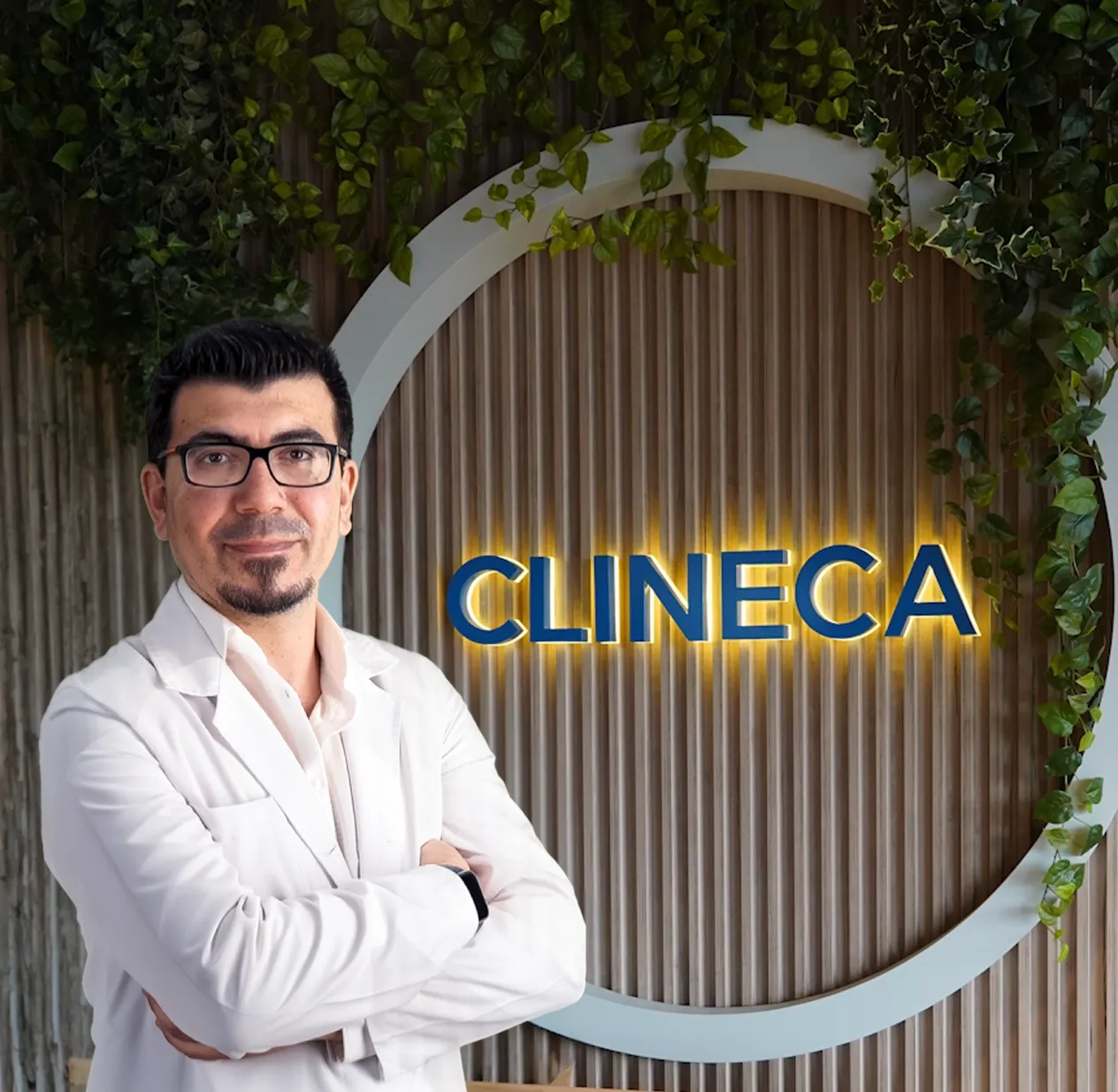 Clineca SpecialistErkan PinegözPlastic & Reconstructive Surgery
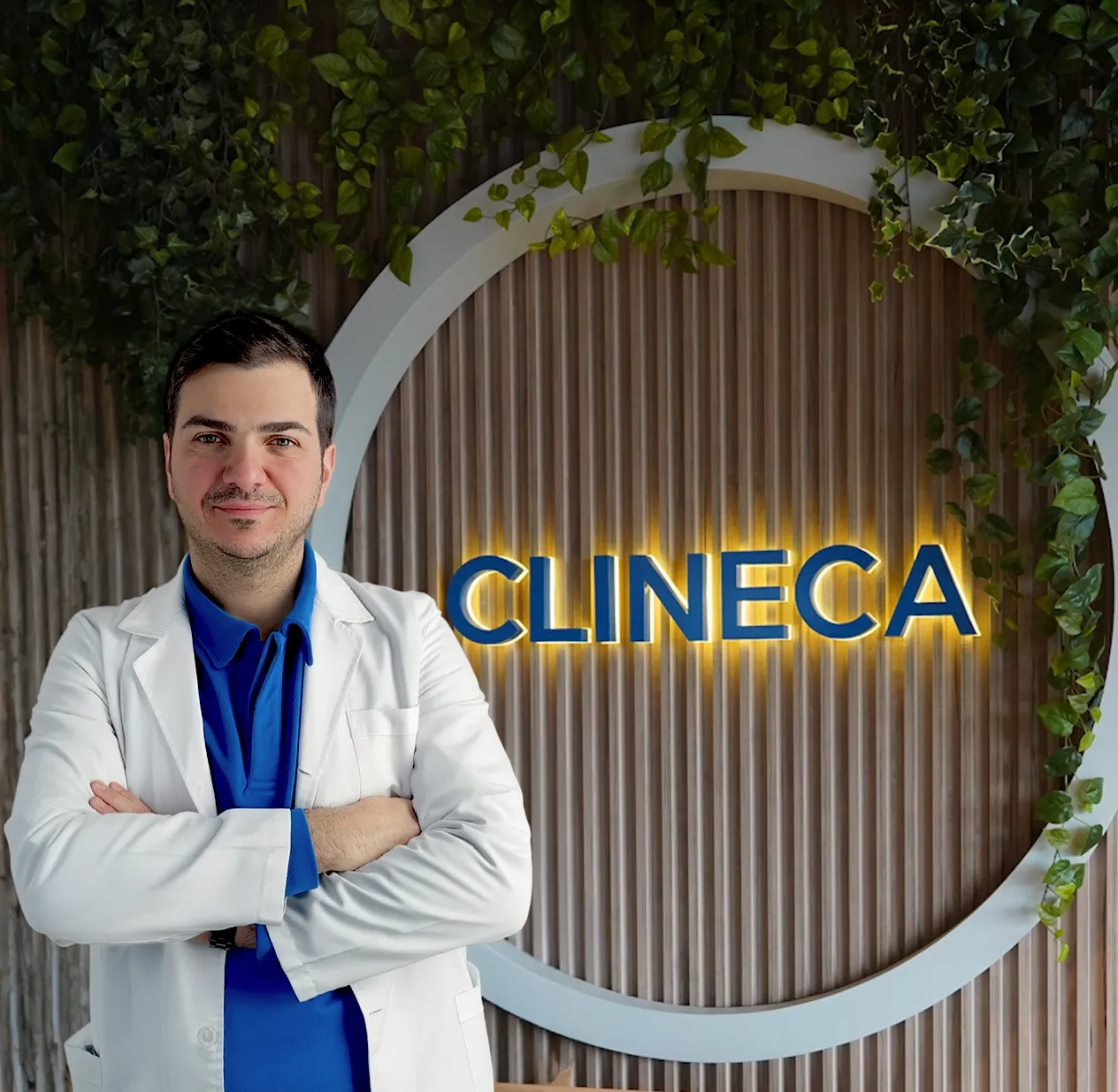 Clineca SpecialistHakan AktaşPlastic & Reconstructive Surgery
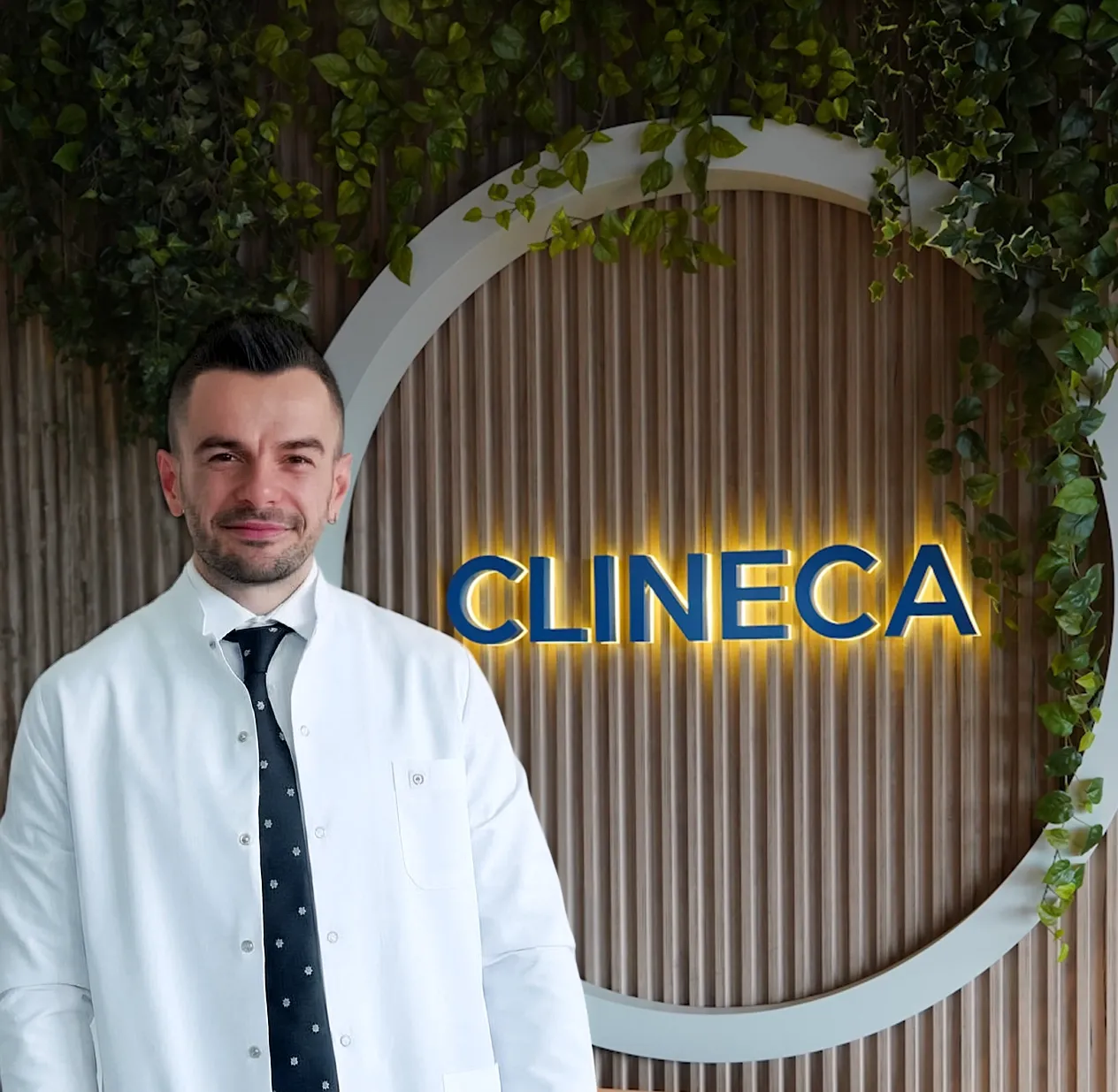 Clineca SpecialistOrkun UzuneyüpoğluPlastic & Reconstructive Surgery
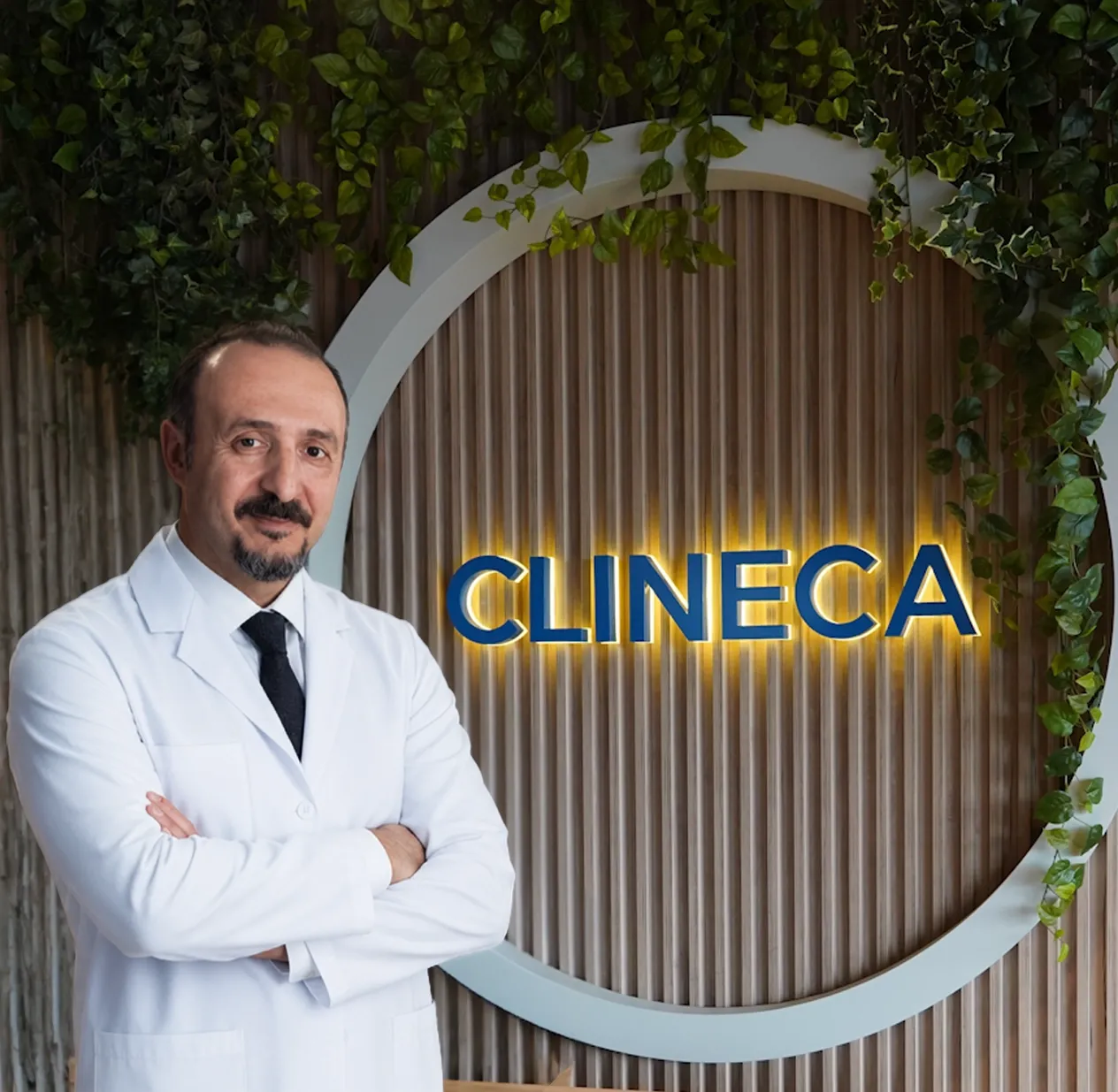 Clineca SpecialistSalim İskenderPlastic & Reconstructive Surgery
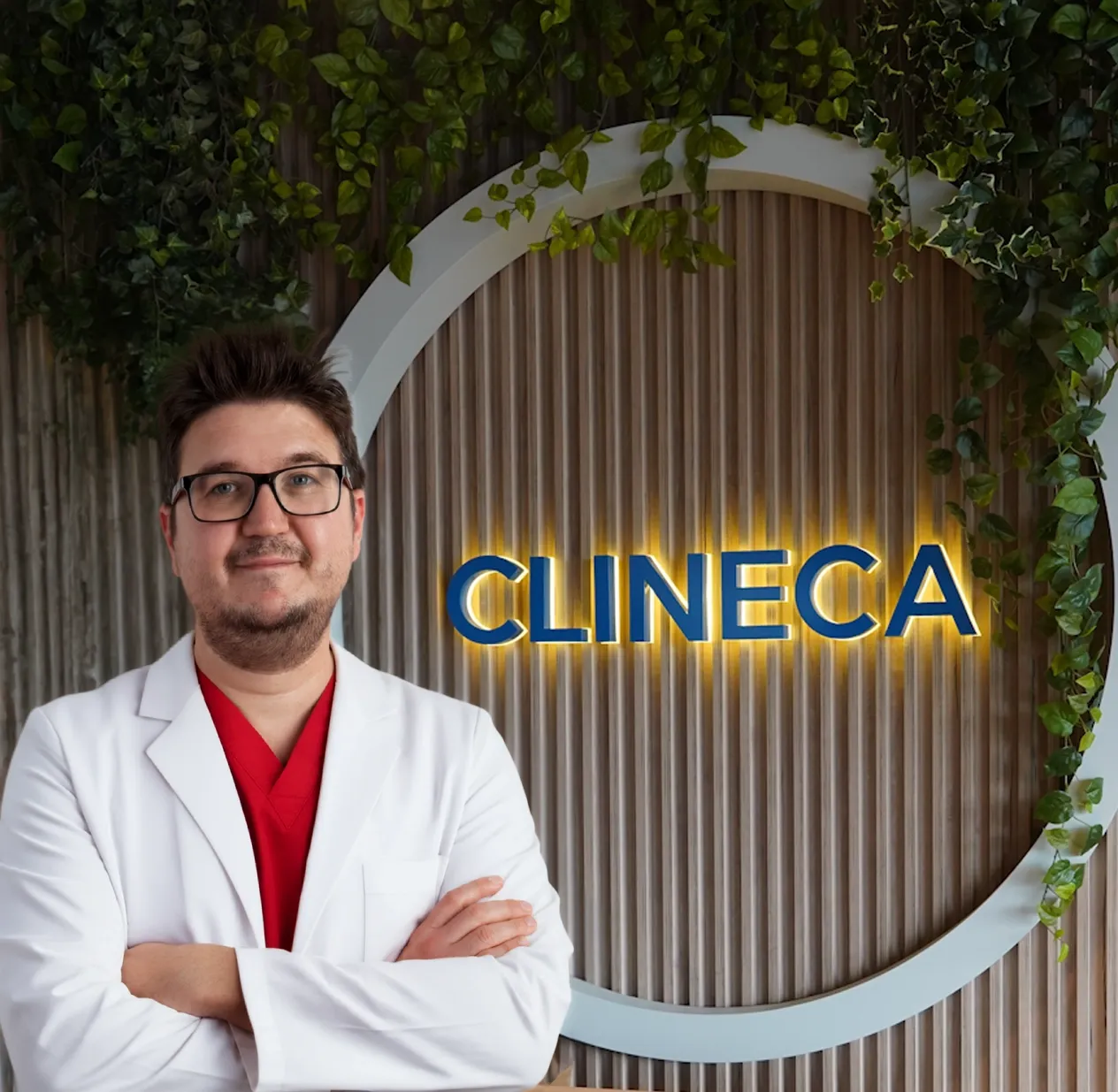 Clineca SpecialistEngin SelamioğluPlastic & Reconstructive Surgery
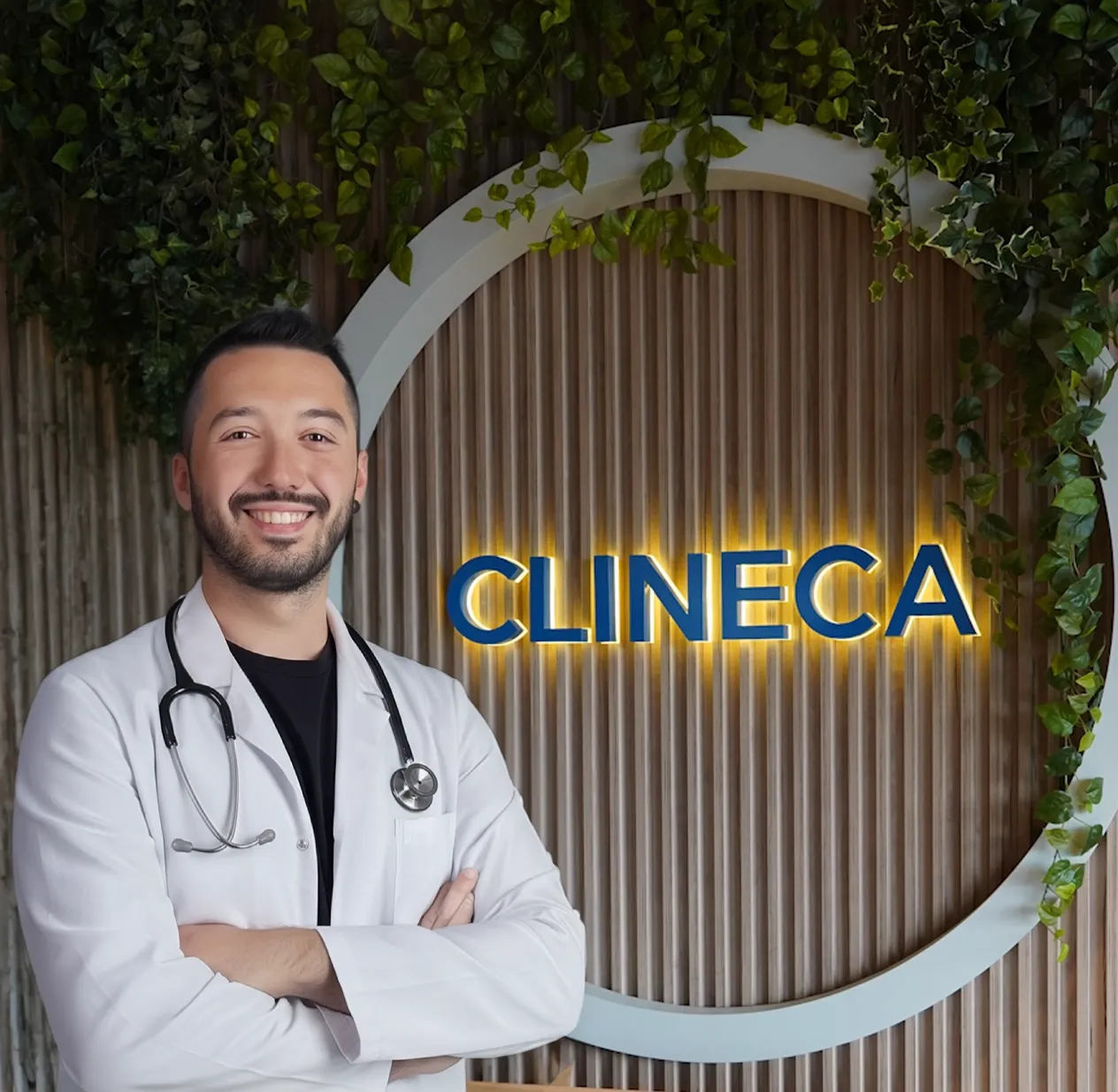 Clineca SpecialistCem AydınPlastic & Reconstructive Surgery
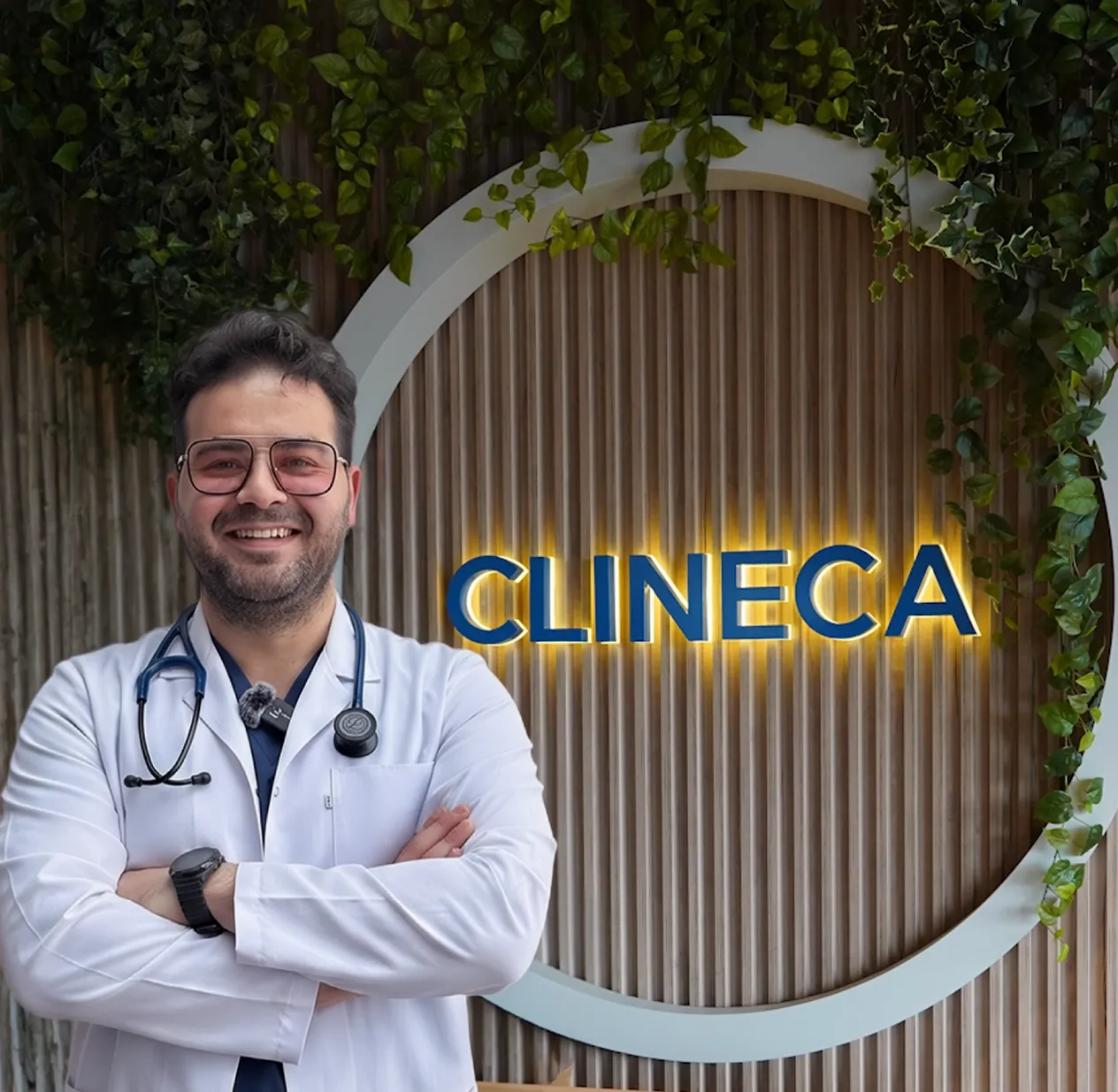 Clineca SpecialistAlperen ÖnalEar, Nose & Throat (ENT)